Video games had been around for almost two decades before anyone in Washington paid serious attention to what was actually on the screen. Pong didn't raise eyebrows. Pac-Man ate pellets, not people. The technology simply hadn't caught up to the content that would eventually alarm parents and senators alike, and the industry had quietly grown enormous without anyone asking hard questions about what children were playing.
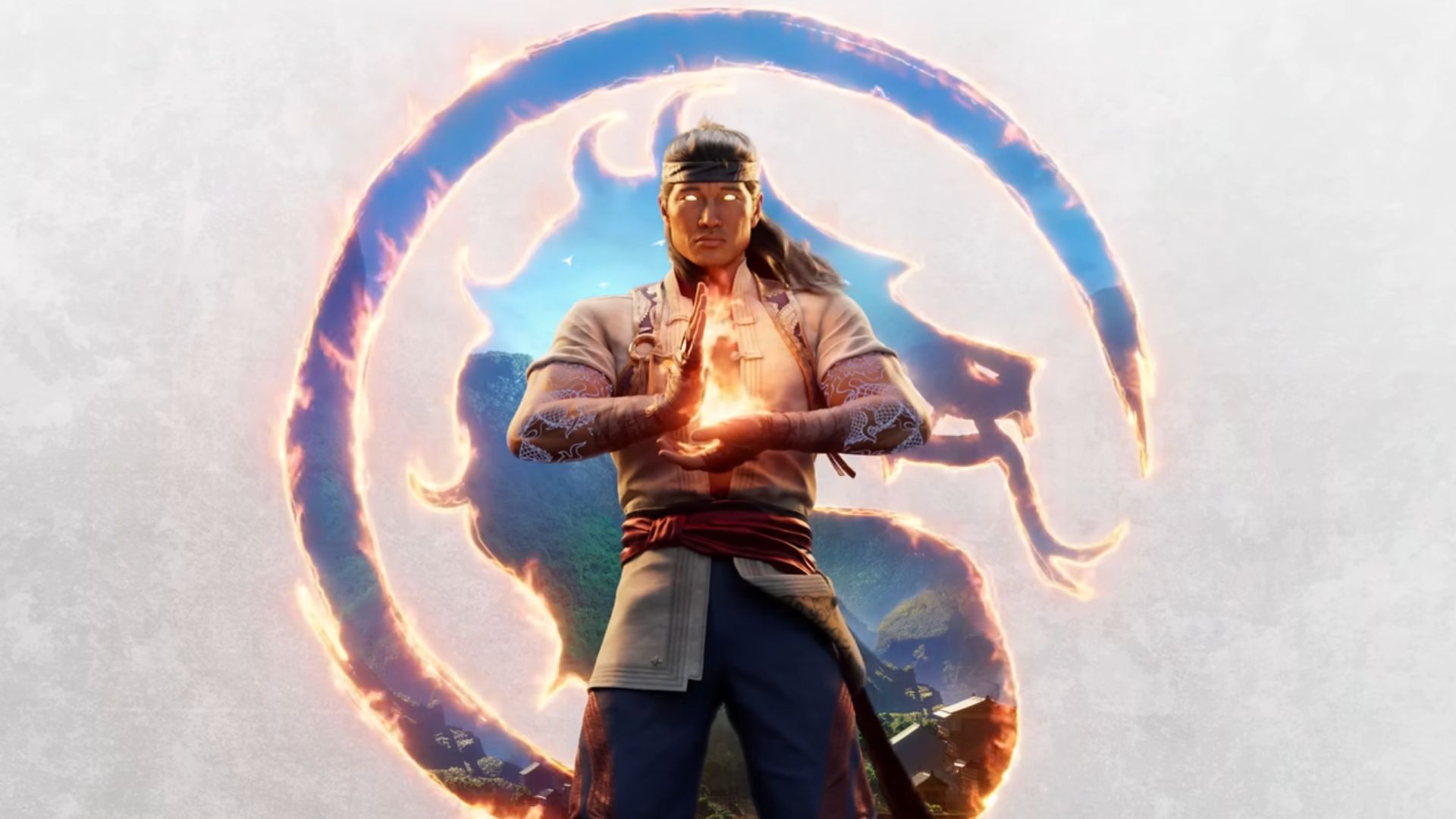
Then came Mortal Kombat. Born in 1991 when artist John Tobias and programmer Ed Boon, two employees at arcade-game developer Midway, were tasked with creating an answer to Street Fighter II, the game was engineered to shock by design. It succeeded spectacularly, and in doing so triggered a chain of events that permanently changed how the industry operates.
The Console Wars Made Everything Worse
Acclaim spent $10 million on TV advertising to promote the home console release on what the company dubbed "Mortal Monday," September 13, 1993, and the campaign worked exactly as intended. Children across the country saw the ads and wanted the game. The hearings were inflamed in part by an intense rivalry between Sega and Nintendo, because the two companies had made radically different decisions about what version of Mortal Kombat they would allow on their platforms.
Nintendo decided it would not allow blood in the game. Sega, as part of its strategy to reach teenage and adult gamers, approved the game along with all of the arcade version's violence, having already developed its own proprietary rating system called the Videogame Rating Council in June 1993 with three tiers, GA, MA-13, and MA-17, reviewed by independent educators and psychologists. The result was that the Sega Genesis version of Mortal Kombat, complete with decapitations and the now-legendary Fatalities, massively outsold Nintendo's sanitized port. Nintendo had taken the moral high ground and lost millions of dollars for it.
Among the children who saw the ads and asked their parents for the game was the nine-year-old son of the chief of staff for Senator Joe Lieberman, a Democratic senator from Connecticut. The chief of staff was appalled, brought it to Lieberman's attention, and Lieberman was equally horrified. By December 1, 1993, Lieberman held a press conference alongside children's advocates including Bob Keeshan, the actor who played Captain Kangaroo, announcing his intention to open congressional hearings the following week. A multimillion-dollar marketing campaign had inadvertently walked the entire video game industry straight into a Senate chamber.
What Congress Actually Saw
Lieberman brought Mortal Kombat and a CRT television in front of two Senate committees in 1993 to display to his colleagues the content children were consuming. The hearings, led by Lieberman and Wisconsin Senator Herb Kohl, were theatrical by design, and they worked as theater. Senators watched clips of Mortal Kombat's bloodletting and finishing moves, including ripping an opponent's heart out or removing a head and spinal cord, alongside footage from Night Trap, a game featuring digitized films of live actors in which vampires use a drill to drain blood from a scantily clad woman's neck.
The hearings threatened that Congress would take action to regulate the industry if it did not take steps itself. The industry's response in the room was not exactly dignified. To Lieberman's bewilderment, executives from both Sega and Nintendo took potshots at one another during the proceedings, each attempting to use the other's decisions as evidence of their own relative responsibility. Nintendo pointed to its censored Mortal Kombat as proof of good faith. Sega pointed to its existing rating system as evidence it had already solved the problem. Nobody came out looking especially principled.
The situation was further inflamed by a broader moral panic over gun violence, meaning the video game debate was never purely about video games. It was happening inside a wider cultural anxiety about what was happening to American children, and Mortal Kombat was a convenient and visually undeniable focal point for those fears. Video games at this point were not established as a protected form of speech covered under the First Amendment, which meant the threat of federal regulation was legally plausible, not just posturing.
Self-Regulation or Government Control
The industry understood the stakes clearly enough. A three-month recess was called for the industry to implement a rating system, during which leading publishers left the Software Publishers Association and formed their own Interactive Digital Software Association to build a stronger lobbying presence in Washington. The message from Capitol Hill had been unambiguous, and the industry responded with speed that anyone familiar with Washington's usual pace would find remarkable.
In February 1994, Lieberman threatened to propose the creation of a federal commission for regulating and rating video games. Stores like Toys R Us had already refused to sell titles they deemed too violent for children following the hearings. The retail pressure combined with the legislative threat created exactly the conditions needed to force a fragmented industry into collective action. While Sega proposed the industry adopt its existing VRC rating system, Nintendo objected because it did not want to associate itself with its main competitor's framework, and so a vendor-neutral system was developed instead. The Entertainment Software Rating Board was established in 1994, and the ESRB structure it created, with age categories and content descriptors, remains the governing framework for North American video game ratings today.
The new rating system sufficiently placated the Senate and defused the immediate threat of a state-run regulator or an outright ban on violence. Confident in the new system, Nintendo relaxed its content policies and let Mortal Kombat II come to the SNES entirely unchanged. The game that had been too violent for Nintendo's platform one year earlier was now acceptable under the same company's roof, simply because it carried a rating. Mortal Kombat co-creator Ed Boon later admitted he had actually sympathized with much of the outrage, saying he wouldn't want his ten-year-old kid playing a game like that, which is a remarkable thing to hear from the person who designed the spine-ripping finishing move. The whole episode remains a case study in how moral panic, market competition, and political theater can accidentally produce a durable institutional outcome that nobody involved entirely intended.