
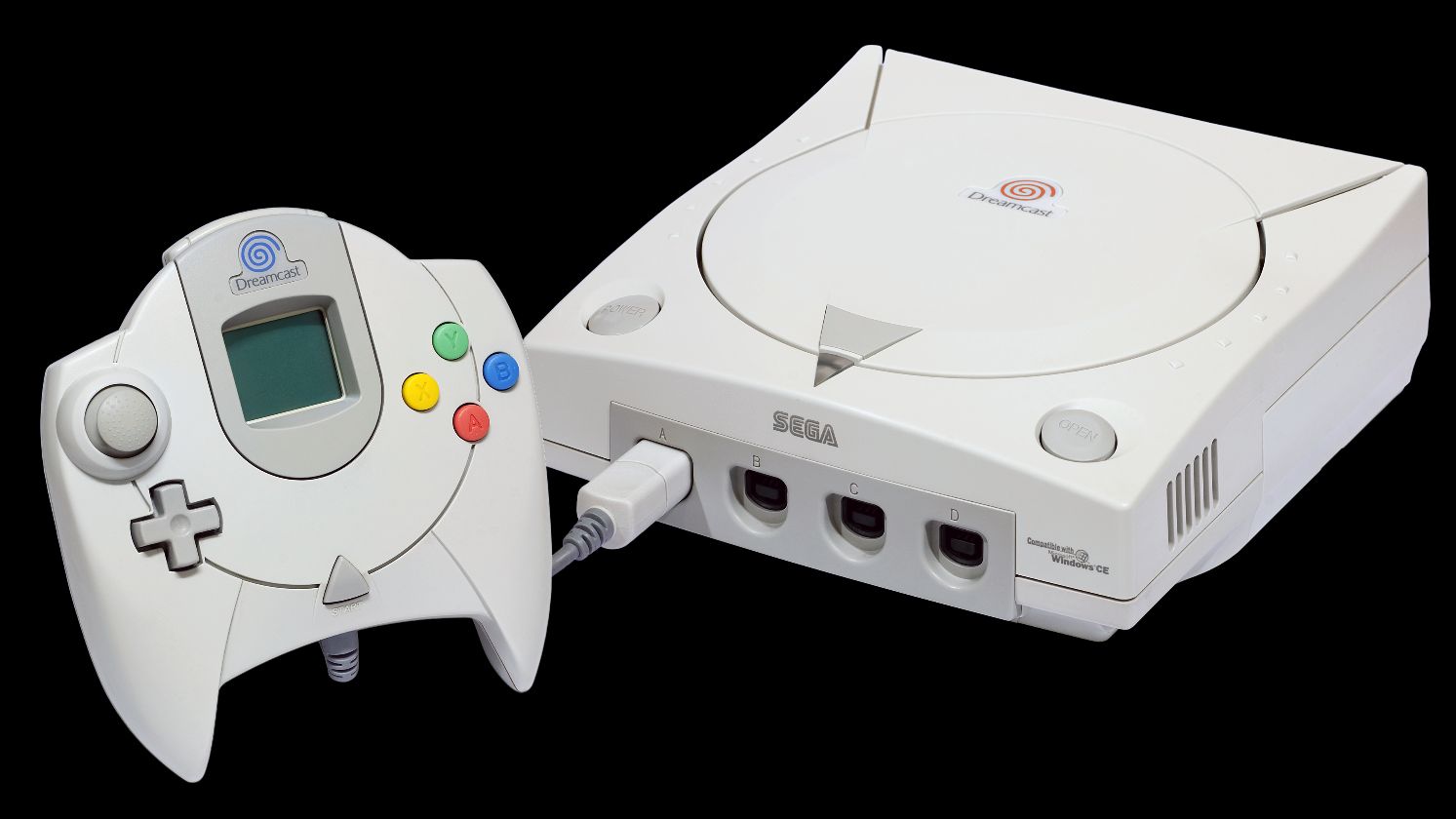
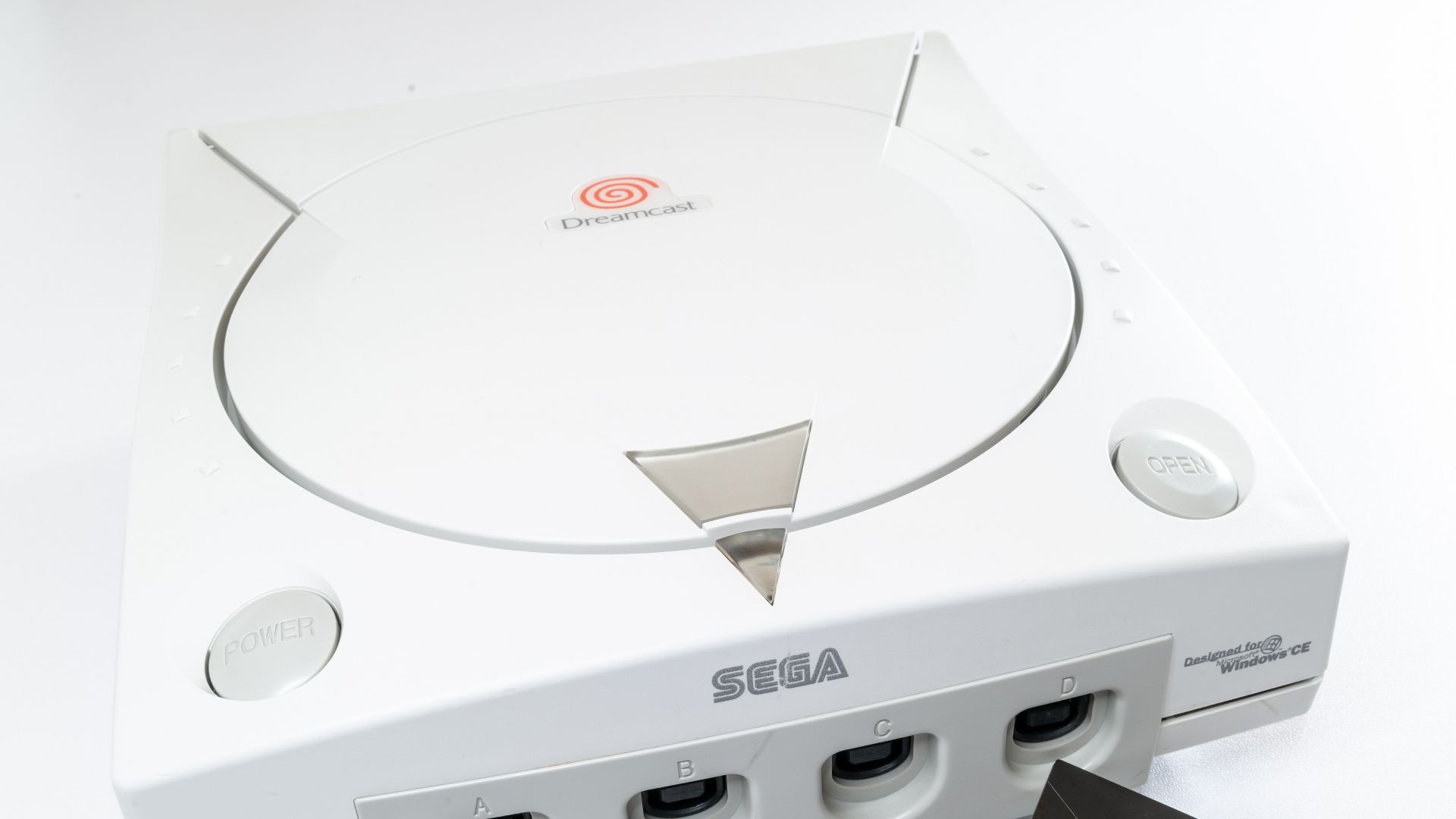
The Sega Dreamcast is often remembered as a commercial failure, but that label doesn’t fully capture what it achieved. Released in 1999, it was Sega’s final home console, and it arrived with ideas that were far ahead of its time. While it struggled against the PlayStation 2’s momentum, the Dreamcast quietly introduced features and concepts that would later become industry standards. Its legacy isn’t defined by sales numbers, but by innovation that shaped gaming’s future.
Many of the Dreamcast’s most ambitious ideas didn’t immediately succeed, which is part of why they’re often overlooked. However, when viewed in hindsight, these experiments reveal a system that was pushing boundaries in multiple directions. From online connectivity to creative hardware design, Sega was willing to take risks that few others attempted. Those risks didn’t always pay off in the short term, but they left a lasting impact on the industry.
Online Gaming Before It Was Standard
One of the Dreamcast’s most significant innovations was its built-in support for online gaming. At a time when most consoles were still focused on local multiplayer, Sega included a modem in every system. This allowed players to connect to the internet without needing additional hardware, which was a major step forward. It made online play accessible in a way that hadn’t been done before on a console.
Games like Phantasy Star Online demonstrated what online console gaming could become. Players could connect, cooperate, and communicate in a shared virtual space, which was groundbreaking at the time. This experience laid the foundation for modern online multiplayer systems. Today’s connected gaming environment owes a great deal to these early experiments.
Sega also launched SegaNet, an online service that provided matchmaking and additional features. While the infrastructure was limited by the technology of the era, the concept itself was ahead of its time. The idea of a unified online service is now standard across all major gaming platforms. The Dreamcast helped introduce that vision long before it became widespread.
Creative Hardware and the VMU

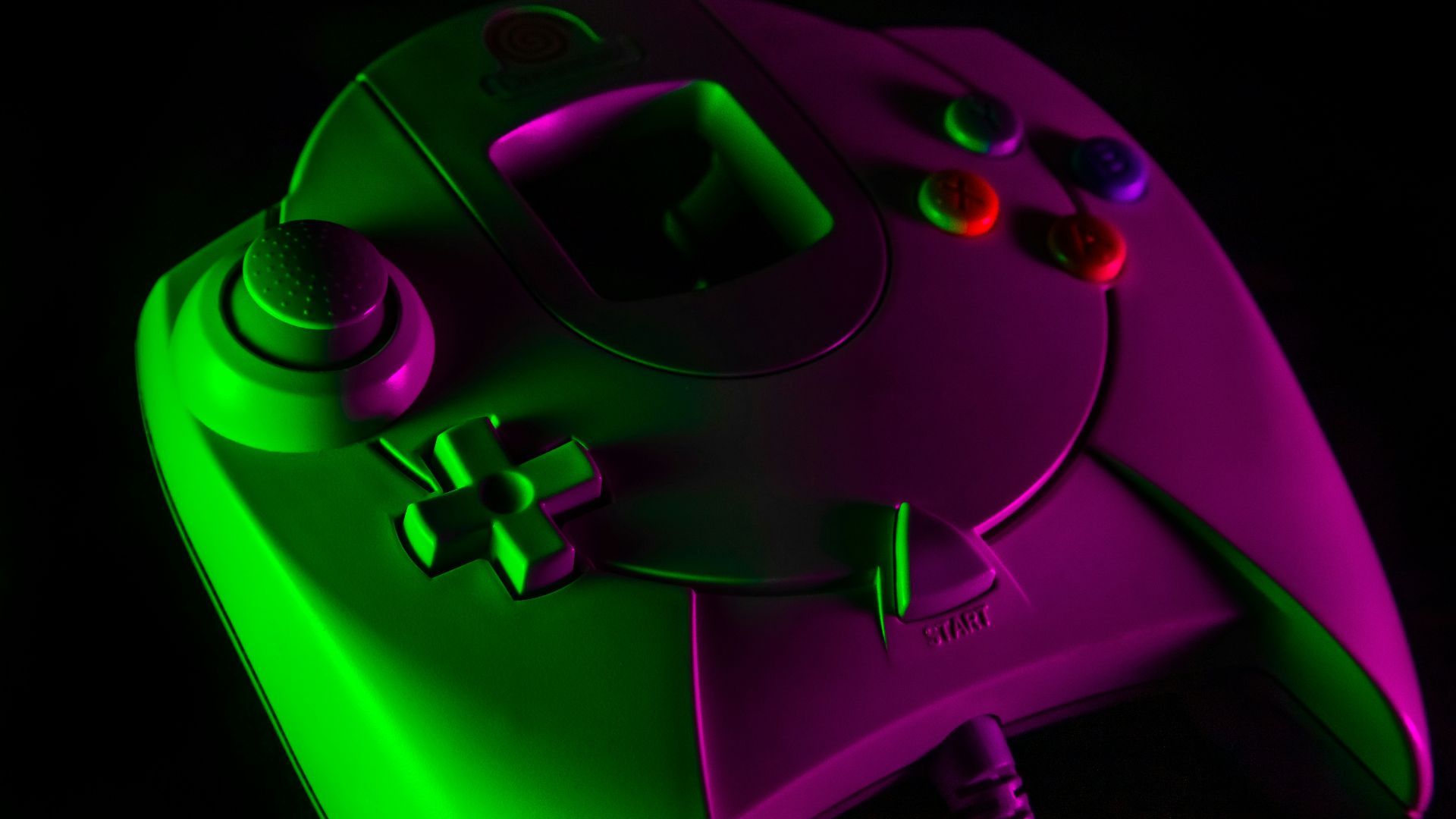
The Dreamcast’s Visual Memory Unit, or VMU, was one of its most unique features. This small device functioned as both a memory card and a secondary screen. It could display information during gameplay or be used independently for mini-games. This level of interactivity was unusual and added a new dimension to the gaming experience.
The VMU allowed developers to experiment with how players interacted with their games. In titles like Resident Evil Code: Veronica, it could show health status without cluttering the main screen. In sports games, it provided play selection or additional data. These features enhanced immersion and hinted at future second-screen experiences.
Beyond its in-game uses, the VMU could be taken on the go and used separately from the console. This portability added a layer of engagement that extended beyond traditional gameplay. While it wasn’t widely adopted long-term, the concept anticipated later innovations like companion apps and handheld integration. It showed how hardware could expand the boundaries of gaming interaction.
A Platform for Bold and Experimental Games
The Dreamcast became known for its willingness to support unconventional and creative games. Titles like Jet Set Radio introduced cel-shaded graphics, which were rare at the time and later became more common. The game’s art style and design approach influenced how developers thought about visual identity. It demonstrated that games didn’t need to follow realistic aesthetics to be successful.
Another standout example is Shenmue, which pushed the boundaries of open-world design. It featured a detailed environment, a dynamic day-night cycle, and a focus on everyday activities. These elements were highly ambitious and laid the groundwork for modern open-world games. While its pacing was unusual, its influence is widely recognized today.
The Dreamcast also hosted arcade-perfect ports and niche titles that might not have found a place elsewhere. Sega’s arcade heritage was evident in the system’s library, which emphasized gameplay variety. This openness to experimentation gave developers room to take creative risks. As a result, the Dreamcast’s catalog remains distinctive and memorable.
Lasting Influence Despite Commercial Struggles
Although the Dreamcast was discontinued in 2001, its influence continued to grow over time. Many of its ideas were later adopted and refined by competitors. Online services, digital connectivity, and experimental game design all became more common in subsequent generations. What seemed like risky decisions at the time eventually became industry norms.
The console’s failure was largely due to external factors, including strong competition and Sega’s financial challenges. However, those circumstances don’t diminish the significance of its innovations. In many ways, the Dreamcast was ahead of what the market was ready to support. Its forward-thinking approach is now easier to appreciate with the benefit of hindsight.
Developers and players alike have continued to revisit the Dreamcast’s library, recognizing its creativity and originality. Many of its games are still discussed, re-released, or cited as influences today. This ongoing interest shows that its ideas have had lasting value beyond its commercial lifespan. It also highlights how innovation can resonate long after a product’s release.
The Dreamcast’s story serves as a reminder that success isn’t always immediate or measured by sales alone. By pushing boundaries in online play, hardware design, and game creativity, Sega helped shape the direction of modern gaming. Its willingness to experiment set it apart from competitors of its time. Even today, its influence can be seen across the gaming industry.