When Online Chaos Becomes Vocabulary
The internet has a very funny habit of turning typos, jokes, fandom slang, and random nonsense into actual words people start using in day-to-day conversation. Sometimes it starts as irony, and other times it happens by accident when a weird little phrase just refuses to die. Here are 20 times the internet accidentally invented a new word.

1. Selfie
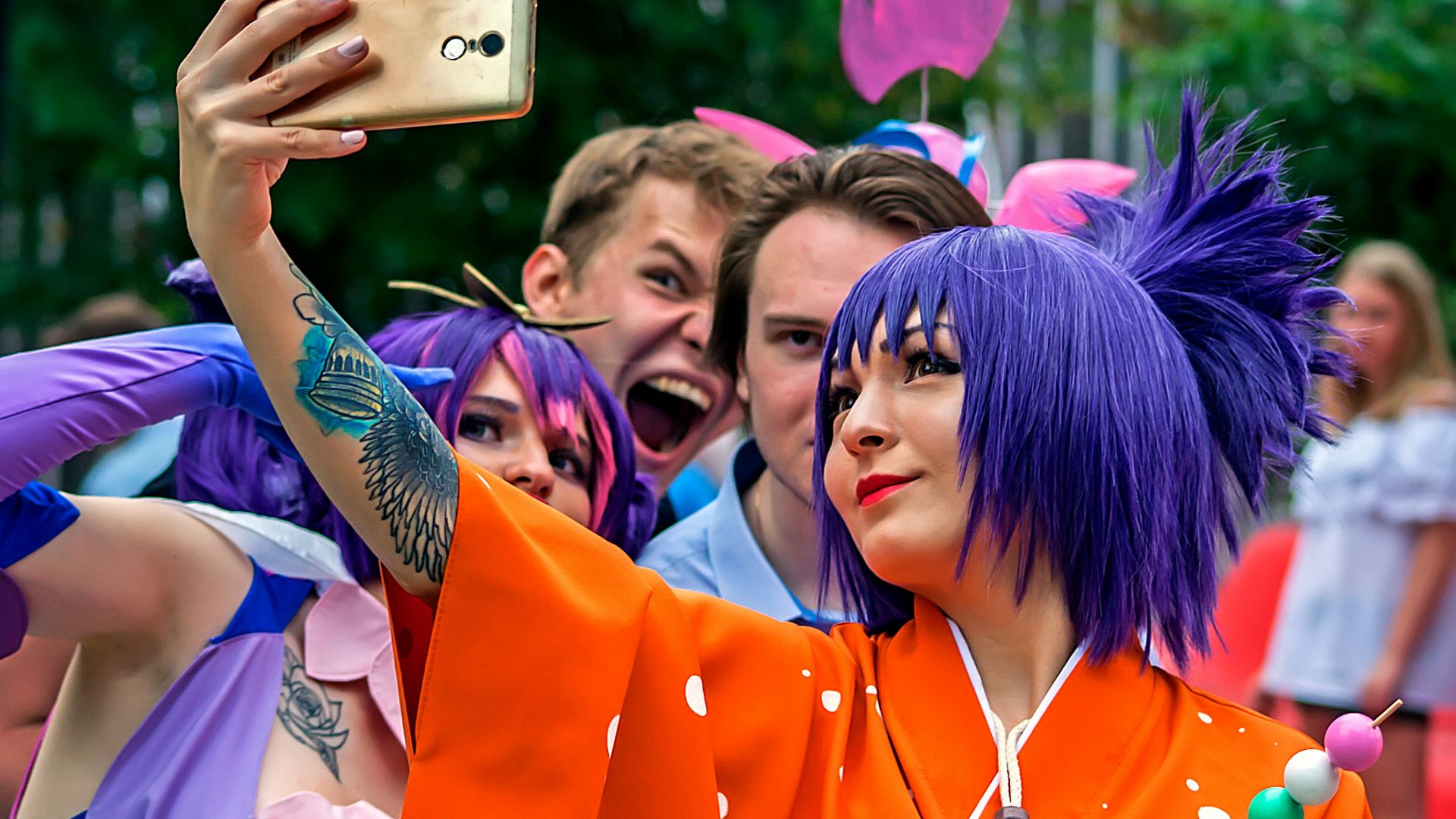
It’s hard to believe now, but “selfie” once sounded like the kind of word nobody would seriously keep using. Then people started posting photos of themselves online constantly, and the term stuck because it was short, obvious, and a little silly in a memorable way. At this point, you’d sound stranger avoiding the word than using it.
 Apostolos Vamvouras on Unsplash
2. Unfriend
There was a time when “unfriend” sounded aggressively unnatural, like somebody had forced a button into a sentence. Then social platforms made removing someone from your list of contacts a regular thing, and suddenly the word became weirdly useful for describing a very specific action.
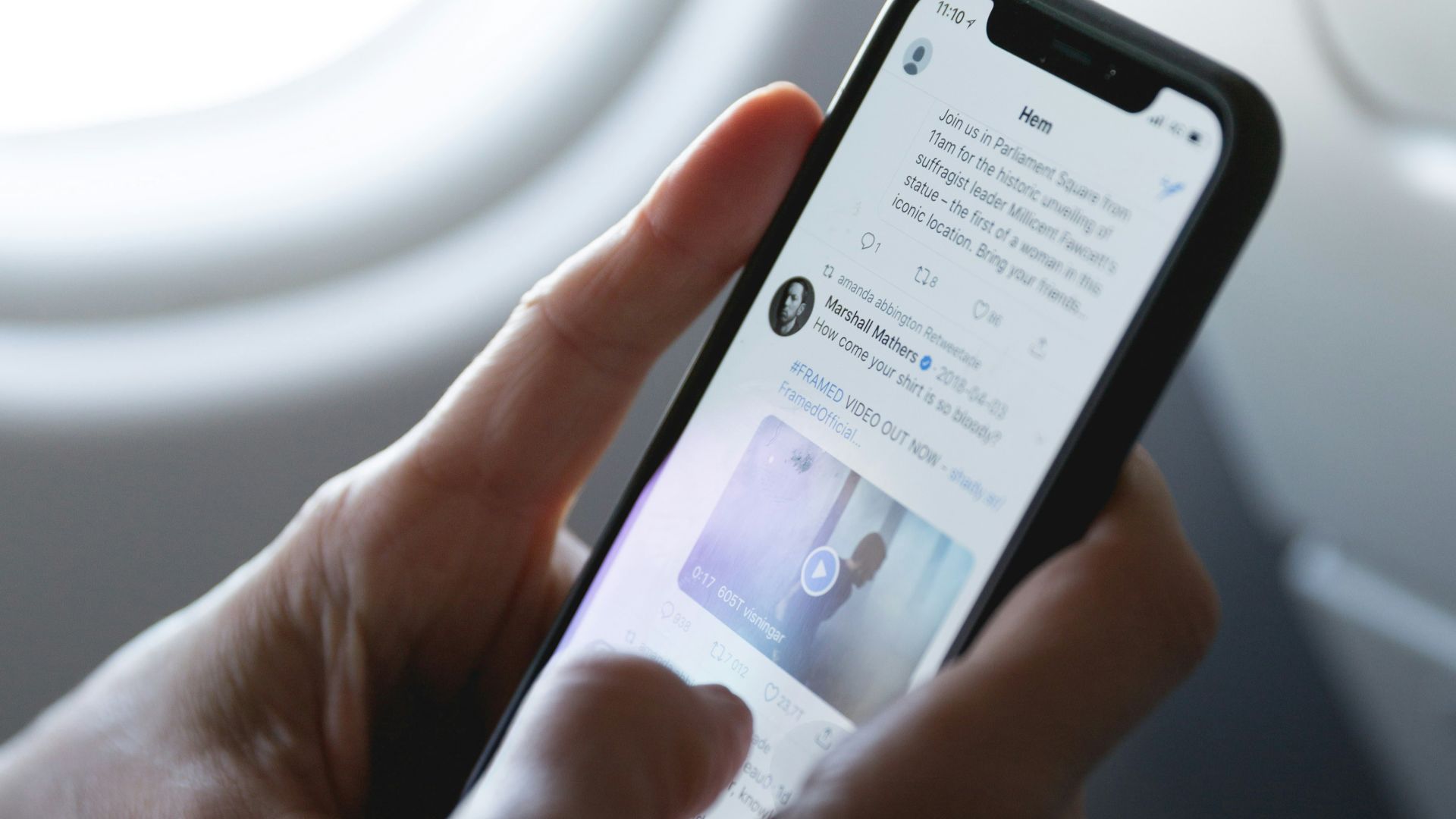
3. Doomscrolling
“Doomscrolling” is one of those words that feels painfully accurate the second you hear it. It describes that endless habit of scrolling through terrible news, upsetting posts, and increasingly bleak updates, even though you know it’s making you feel worse. Online life created the behavior, and naturally, it also handed us the perfect label for it.
 Japanexperterna.se on Wikimedia
4. Stan
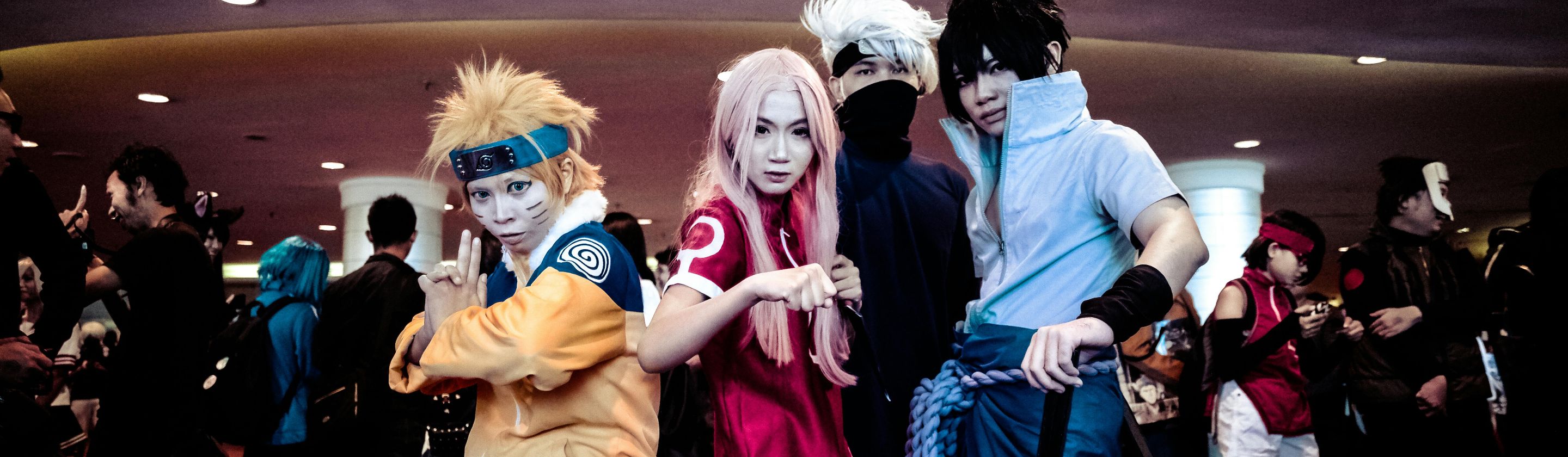
The internet took “Stan,” originally tied to obsessive fandom culture, and turned it into a full-purpose word for intense support. Now all kinds of people (not just nerds) use it as both a noun and a verb without much hesitation, which is honestly pretty impressive for a term with such a specific origin. You can stan a singer, a TV character, or even a kitchen appliance if you’re committed enough.
5. Yeet
“Yeet” feels like the kind of word that should’ve disappeared after one weird week online, but clearly that didn’t happen. It became the internet’s favorite way to describe throwing something with force, enthusiasm, or absolute disregard. Then people started using it in ways that didn’t even involve throwing, and this nonsense term developed a full emotional range.

6. Finsta
A “finsta” came from combining “fake” and “Instagram,” and the internet treated that blend as if it had always existed. It quickly became shorthand for a private or alternate account where people posted less polished, less public content. The word spread because it named something people were already doing but hadn’t neatly labeled yet.
7. Subtweet
“Subtweet” arrived because social media users desperately needed a word for posting about someone without naming them directly. It captured that wonderfully passive-aggressive style of online communication in one neat little word.
8. Doggo
“Doggo” is a perfect example of the internet seeing a normal word and deciding it wasn’t cute enough. Pet accounts, meme pages, and comment sections helped turn it into one of the most recognizable pieces of online animal vocabulary. It’s a little ridiculous, but that’s part of why people liked it.

9. Adulting
“Adulting” took the exhausting business of being responsible and gave it a slightly irritated name. People started using it online to describe basic grown-up tasks like paying bills, grocery shopping, or scheduling appointments. That joke clearly hit a nerve, because the word spread everywhere.

10. Hangry
Being angry because you're hungry obviously existed long before the internet, but online culture helped “hangry” go fully mainstream. It was catchy, useful, and just silly enough to feel shareable. It became the perfect word to describe one of the most universal human experiences.
11. Binge-Watch
Streaming culture may have pushed it hardest, but internet habits absolutely helped “binge-watch” become part of everyday speech. Online conversations around shows, spoilers, and weekend viewing marathons made the term impossible to ignore. It captured a very specific modern behavior in a way that felt immediate and clear. No,w nobody needs an explanation when you say you accidentally binge-watched an entire season.
12. Noob
“Noob” grew out of internet and gaming culture as a casual, usually not very kind way to describe a newcomer. It’s a shortened, rougher version of “newbie,” and the internet helped turn it into a universal insult, joke, or affectionate tease depending on the context. Once enough people started using it across forums and games, it escaped into wider language.

13. Rizz
“Rizz” feels very internet-born because it sounds like slang that showed up at full speed and expected everyone to catch up. It became shorthand for charm, flirting ability, or that hard-to-define quality that makes someone attractive. The word spread through videos, memes, and endless online commentary until it stopped feeling niche.

14. Delulu
“Delulu,” short for “delusional,” is exactly the kind of playful shortening the internet loves to latch onto. It started as a joking way to describe unrealistic hopes, wild romantic fantasies, or deeply unserious confidence. If someone's acting delusional, saying they're being "delulu" takes the fear and seriousness out of the situation in a surprisingly effective way.

15. Situationship
The internet didn’t invent complicated relationships, but it definitely helped give them better branding. “Situationship” became the go-to word for those vague, undefined, emotionally confusing, almost-relationships that people discuss endlessly online. It's the perfect word to describe one of the most defining qualities of modern dating.

16. Memeify
People online have a talent for turning literally anything into a meme, so it was only a matter of time before “memeify” showed up. The word means to transform something into meme material, whether it deserved that fate or not. It sounds half-serious and slightly lazy, which makes it feel very internet-native.
 PantheraLeo1359531 on Wikimedia
17. Facepalm
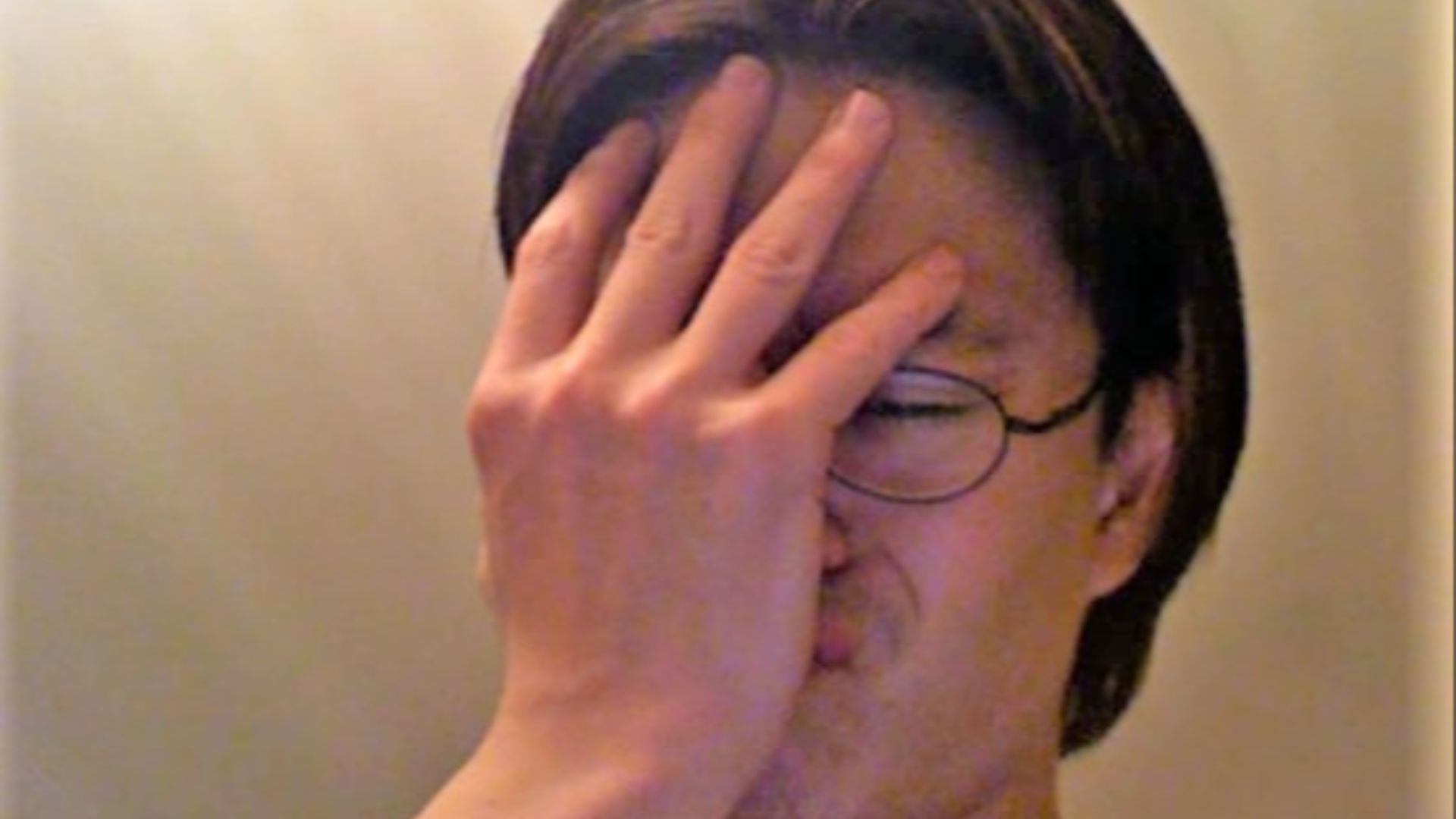
“Facepalm” feels so normal now that you can forget it once had to fight its way into common use. The internet made it essential by constantly needing a word for secondhand embarrassment, stupidity, or complete disbelief. An emoji and one tidy term started doing the work of a whole paragraph.
18. Doomposting
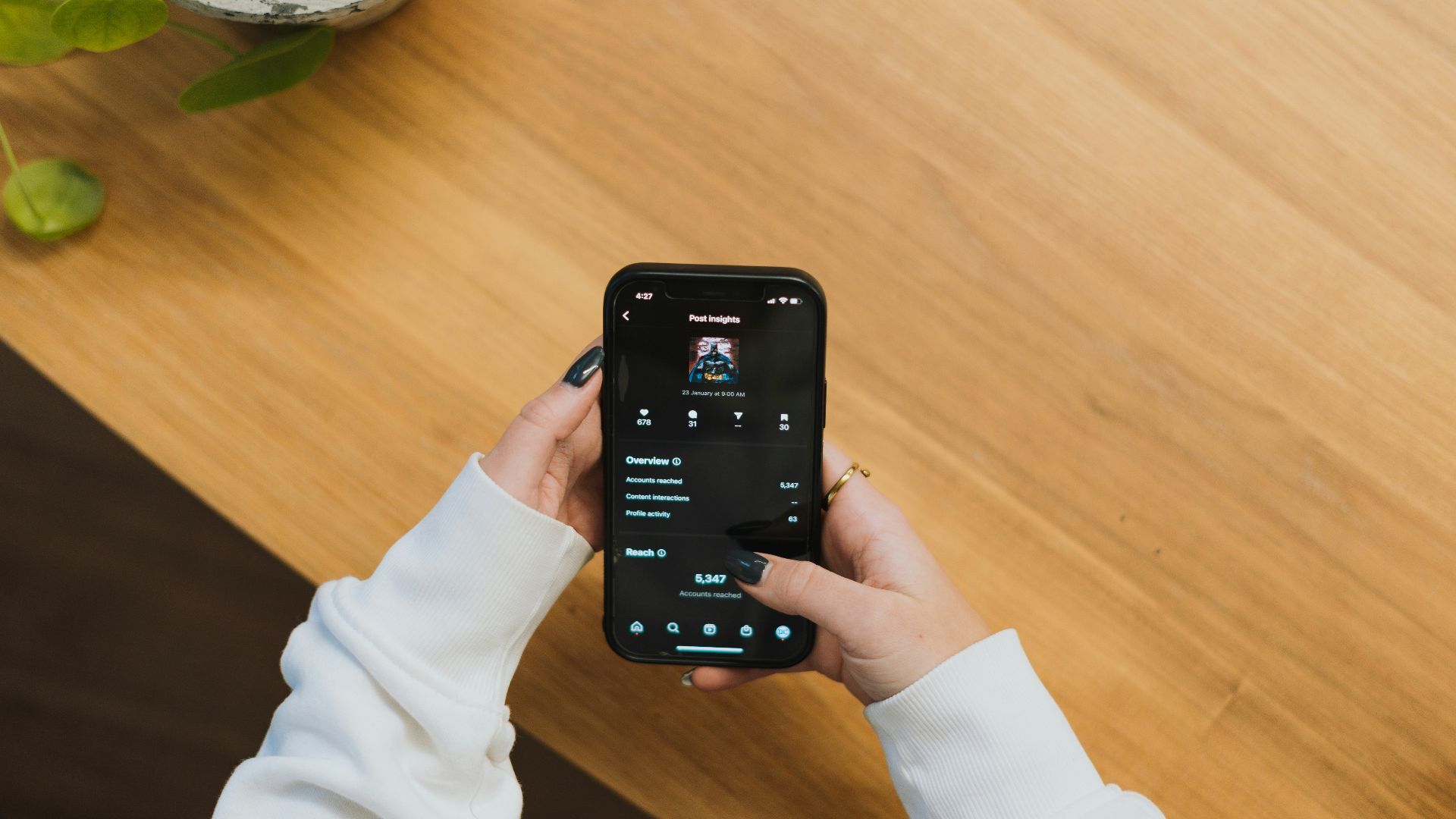
Once “doomscrolling” got established, it was only natural that the internet would expand the theme. “Doomposting” became the term for constantly sharing bleak, cynical, or apocalyptic content online. It has that familiar digital mix of dark humor and emotional exhaustion built right into it.
19. Thirst Trap
The internet gave us “thirsty” in a romantic sense and then went ahead and built “thirst trap” on top of it. The phrase became a playful way to describe a photo clearly designed to attract attention, admiration, or flustered reactions. It’s specific, a little shameless, and instantly understandable, which made it perfect for online life.

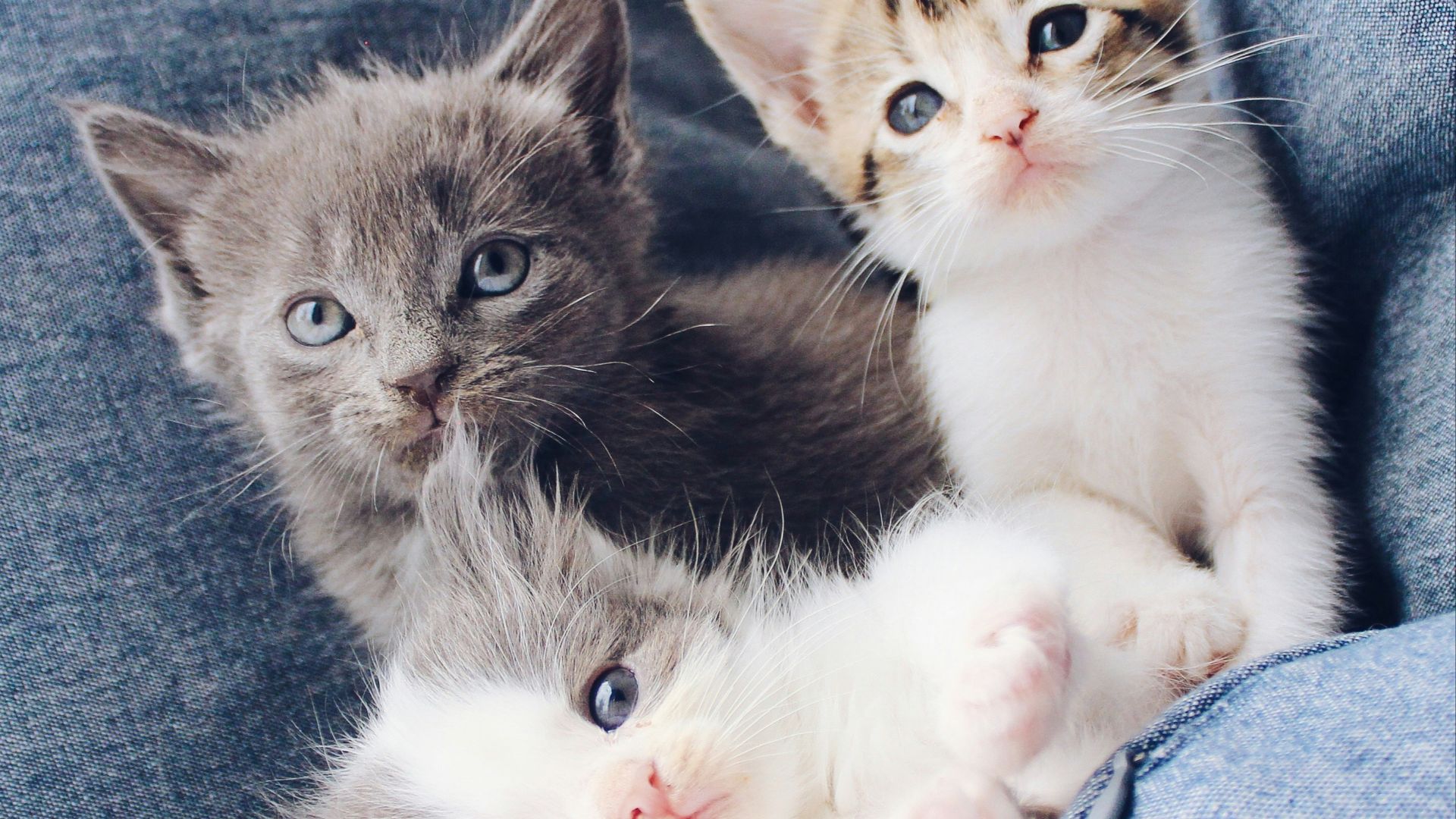
20. Smol
“Smol” is what happens when the internet looks at “small” and decides the normal spelling isn't cute enough. It became a favorite word for describing something tiny, soft, adorable, or oddly fragile in a way that feels deliberately unserious. Even without any explanation, you immediately know what it means when you see it because it's an undeniably adorable word.