How Well Do You Know the Grid?
The world of Tron is much more than just glowing lines and high-stakes frisbee tosses. Since its debut in 1982, this franchise has pushed the boundaries of what’s possible in cinema, often inventing the very tools needed to tell its story. While casual viewers might just see a cool neon aesthetic, true fans understand the intricate technical hurdles and the rich lore that keep the digital frontier alive.
1. The Academy Award Rejection
You might find it hard to believe that the original film was disqualified from the Best Visual Effects category at the Oscars. The committee actually felt that using computers to create imagery was a form of “cheating” back in the early eighties. It’s pretty ironic, considering how the movie ended up becoming the blueprint for every modern blockbuster we see today.
2. A Traditional Animation Foundation
Hand-drawn animation actually makes up a vast majority of every scene from the 1982 original. Once light was captured on film of the actors in black and white, skilled artists had to color each frame by hand. This technique is called backlit animation.
3. Pac-Man’s Secret Cameo
When Sark is scrolling through the map of the Grid on his command bridge, take a closer look at the schematic he’s studying. Somewhere along one of the branching corridors of data is Pac-Man himself gobbling up pixels. It’s there for less than a second, and they even snuck in the “waka-waka” sound effect while he passes by.
4. The Hidden Mickey in the Grid
During the Solar Sailor’s trek across the digital wasteland toward the I/O tower, briefly pause the film as the camera pans over these rounded rock formations. Take a closer look, and Mickey’s head becomes apparent. Disney loves to hide Mickey, and this galaxy isn’t safe.
5. Why the Suits Glowed
The glowing circuits on the characters’ bodies weren’t actually lights or LEDs during the initial filming process. Production designers used a special Scotchlite material that reflected light back into the camera lens to create that signature shimmering effect. This helped the actors look like they were made of pure energy without needing bulky battery packs attached to their costumes.
6. The Real Tron’s Origin
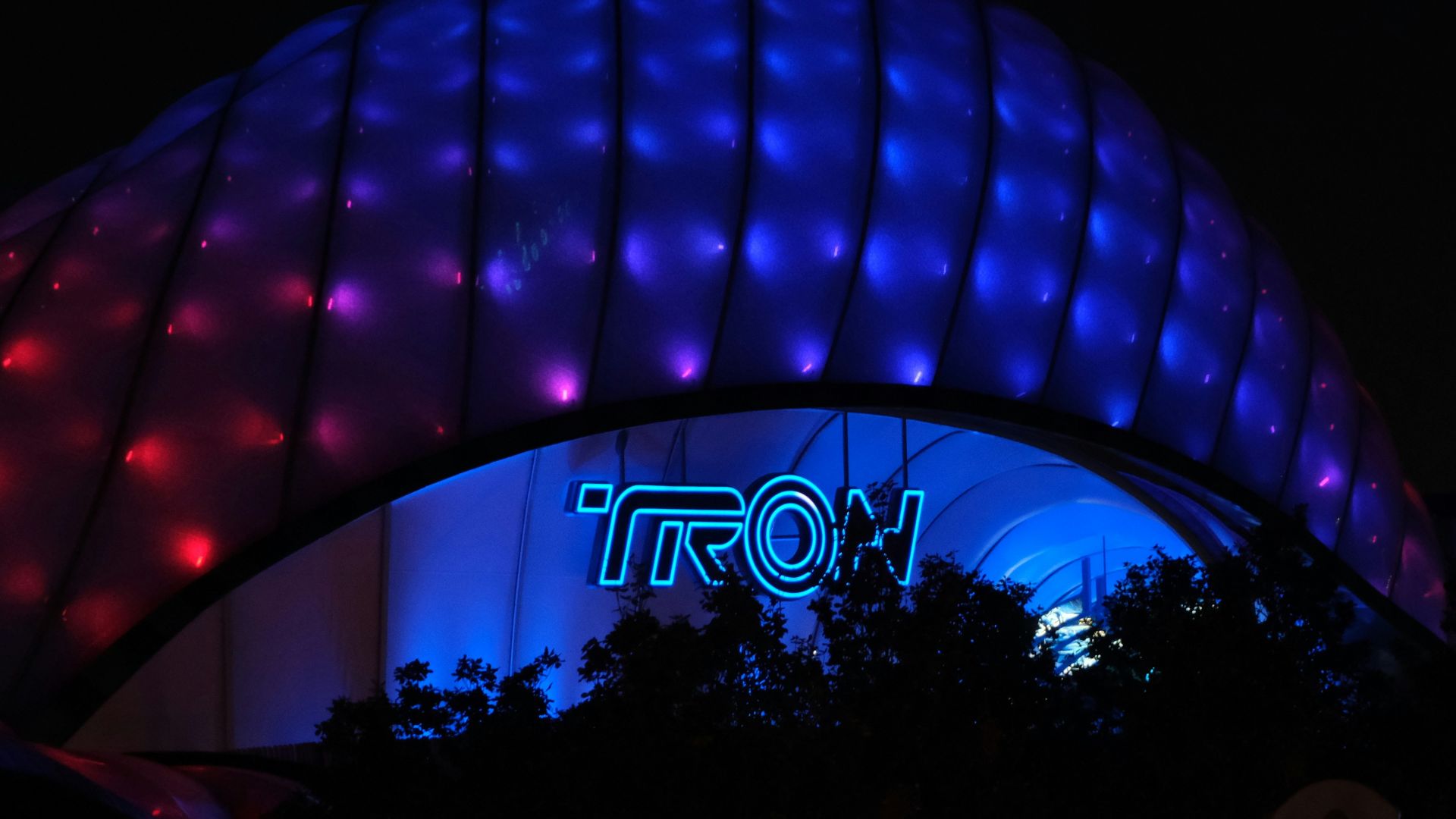
Before Tron became the internationally recognized name of superstar actor Jeff Bridges’ digital persona, the original “TRON” was a commonly used programming function that read “Trace On.” Steven Lisberger glanced at the screen of his computer one day, heard “superhero” in his head, and then chopped four letters off.
7. Daft Punk’s Constant Presence
Everyone knows Daft Punk created the award-winning soundtrack for Legacy, but they aren’t confined to just the music. You’ll also spot them in the flesh wearing homemade versions of their iconic helmets. They’re the DJs manning the decks at the End of Line Club.

8. Bruce Boxleitner’s Dedication
Most actors might move on after a few decades, but Bruce Boxleitner has stayed remarkably loyal to his character, Alan Bradley. He’s voiced the titular program in video games, animated series, and even theme park attractions throughout the years. It’s rare to see a performer so committed to a single role across so many different types of media.
9. The Discarded Love Interest
In the original script, there was a program named Lora who acted as a romantic counterpart to Tron within the digital world. While she appeared in the “real world” as Alan’s girlfriend, her digital self was eventually cut from the final version of the film to keep the focus on the action. Hardcore fans still track down production stills of her glowing costume to see what could’ve been.

10. Directorial Cameos in the Sequel
Joseph Kosinski, the director of Tron: Legacy, decided to hide himself in plain sight during the arcade scene. He appears briefly as a patron playing one of the classic machines when Sam Flynn first enters his father’s old shop. It’s a nice way of showing that the man behind the camera has just as much love for the source material as the fans do.
11. The Mystery of the ISOs
ISOs, or Isomorphic Algorithms, are a form of artificial life created when the digitization process was first conceived. They exist solely within the Grid and were created naturally, without human intervention. Expanded universe canon confirms that the ISOs operate off a different programming language known as “triple-helix” code.
12. A Canceled Third Movie
For a long time, there was a project titled Tron: Ascension that was supposed to bridge the gap between the virtual and physical worlds. The plot would’ve seen the characters from the Grid finally crossing over into our reality on a massive scale. Unfortunately, the studio pivoted to other projects, leaving fans to wonder about that epic showdown for years.
13. The Animated Uprising
This animated series bridges the gap between TRON and Legacy and is filled with wonderful nuances that delve deeper into what Tron City was like before Clu stole the throne. Bonus points that Elijah Wood and Mandy Moore are the voices you hear guiding you through it.
14. The 8-Bit Game Connection
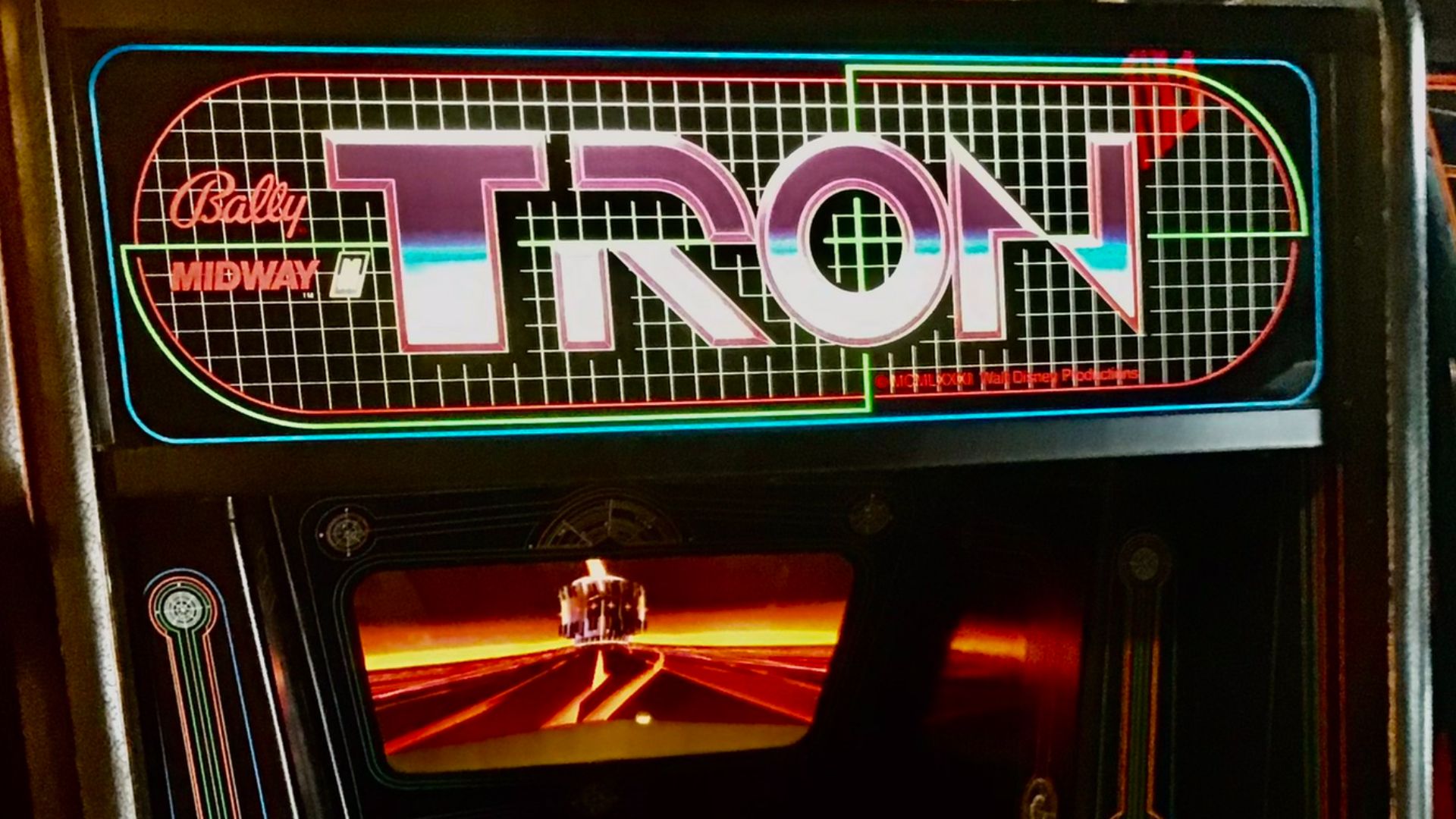
In order to help promote the first film, a video game was released by Bally Midway that went on to earn more money than the film made during its opening weekend. Fans everywhere dumped money into arcade machines trying to beat Light Cycle and Battle Tank mode.

15. The Real-Life Flynn’s Arcade
When the sequel was being marketed, Disney built a full-scale recreation of Flynn’s Arcade at San Diego Comic-Con. It featured working machines from the eighties and a secret door behind the Tron cabinet that led to a hidden lounge. Lucky fans got to experience the feeling of stepping directly into the movie’s world for a few hours.
16. Cindy Morgan’s Dual Roles
Just like Jeff Bridges and Bruce Boxleitner, Cindy Morgan played both a human scientist and a digital program named Yori. She became a staple at fan conventions because her character was such a vital part of the resistance against the Master Control Program. Her performance helped give the digital world a sense of emotional weight that resonated with audiences.
17. The Sound of the Light Cycles
The engine you hear roaring whenever a Light Cycle makes an appearance is not your typical synthesizer. In fact, sound engineers merged the low end of an actual motorcycle engine with the high pitch of a jet turbine.

18. Jean Giraud’s Visual Style
If you are unfamiliar with the works of Jean Giraud, aka Moebius, you should be. He is a French artist who designed the original character sketches that made it to the big screen. You can thank him for the eclectic suits and vehicles you see throughout the franchise.
19. The Code is Real
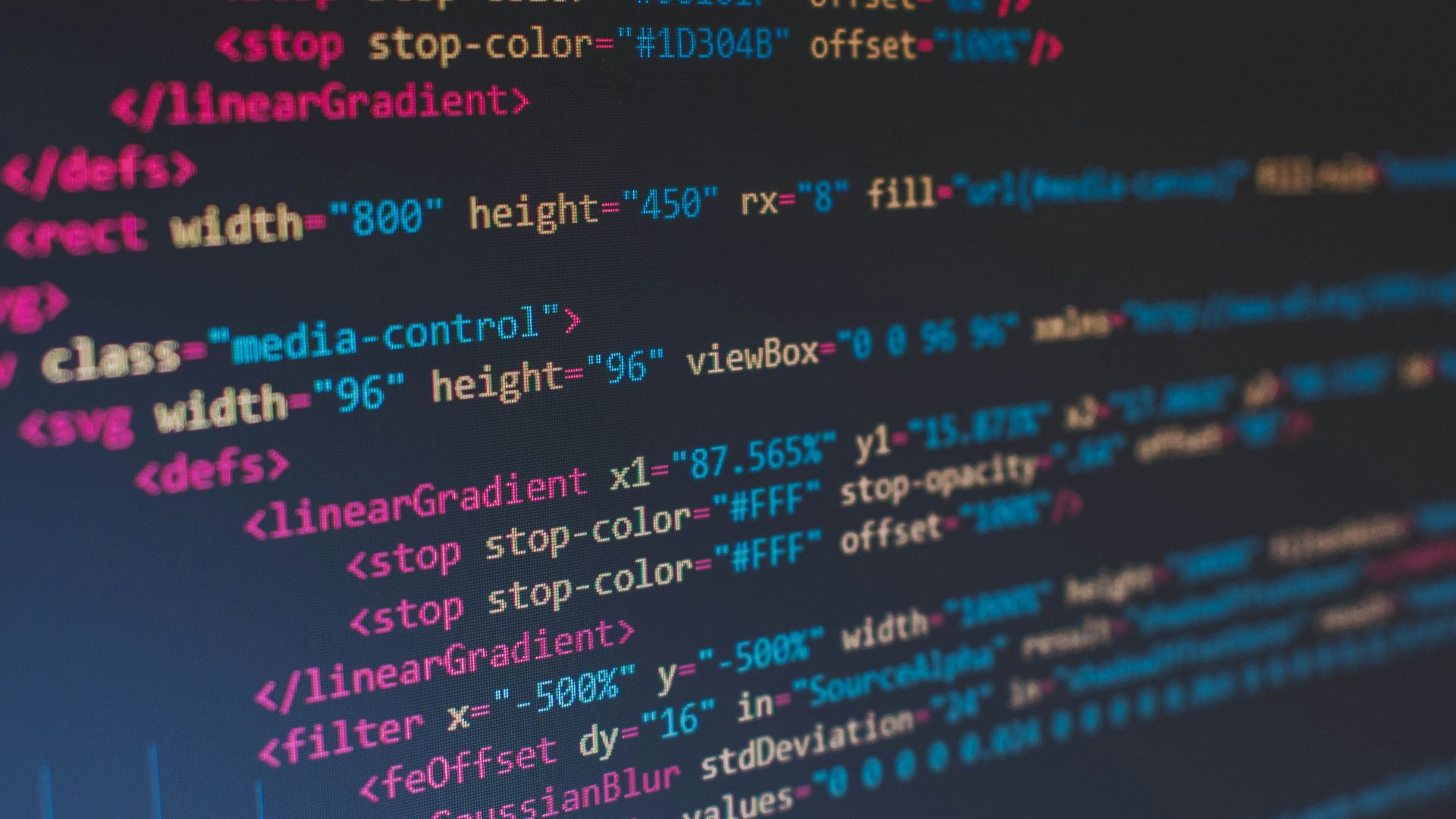
In many scenes of the newer films and shows, the scrolling text you see on monitors isn’t just gibberish. Technical consultants actually used real Unix and C++ code to ensure that everything looked authentic to actual computer programmers. It’s a small detail that shows the production team really cared about the “tech” in “technological.”
20. The Identity Disc’s Weight
Identity discs that we see Flynn and Quorra throwing all over the place in Tron: Legacy were quite heavy and packed with small lighting fixtures inside. Many of the actors had to spend weeks training so that they could properly catch and throw the discs without damaging the contents inside.