The Fandom Shift Is Real
You can usually tell when a franchise is coasting and when it’s actually changing shape, and right now a bunch of them are doing the latter. Some are moving into fresh formats, some are trying out new creative leadership, and others are finally expanding beyond the one lane they leaned on for years. Whatever the reason, these worlds don’t feel frozen in place anymore. They feel like they’re setting up the next phase, and you can see it happening right before your eyes. Here are 20 of your favorite franchises that are turning a new leaf.
1. X-Men
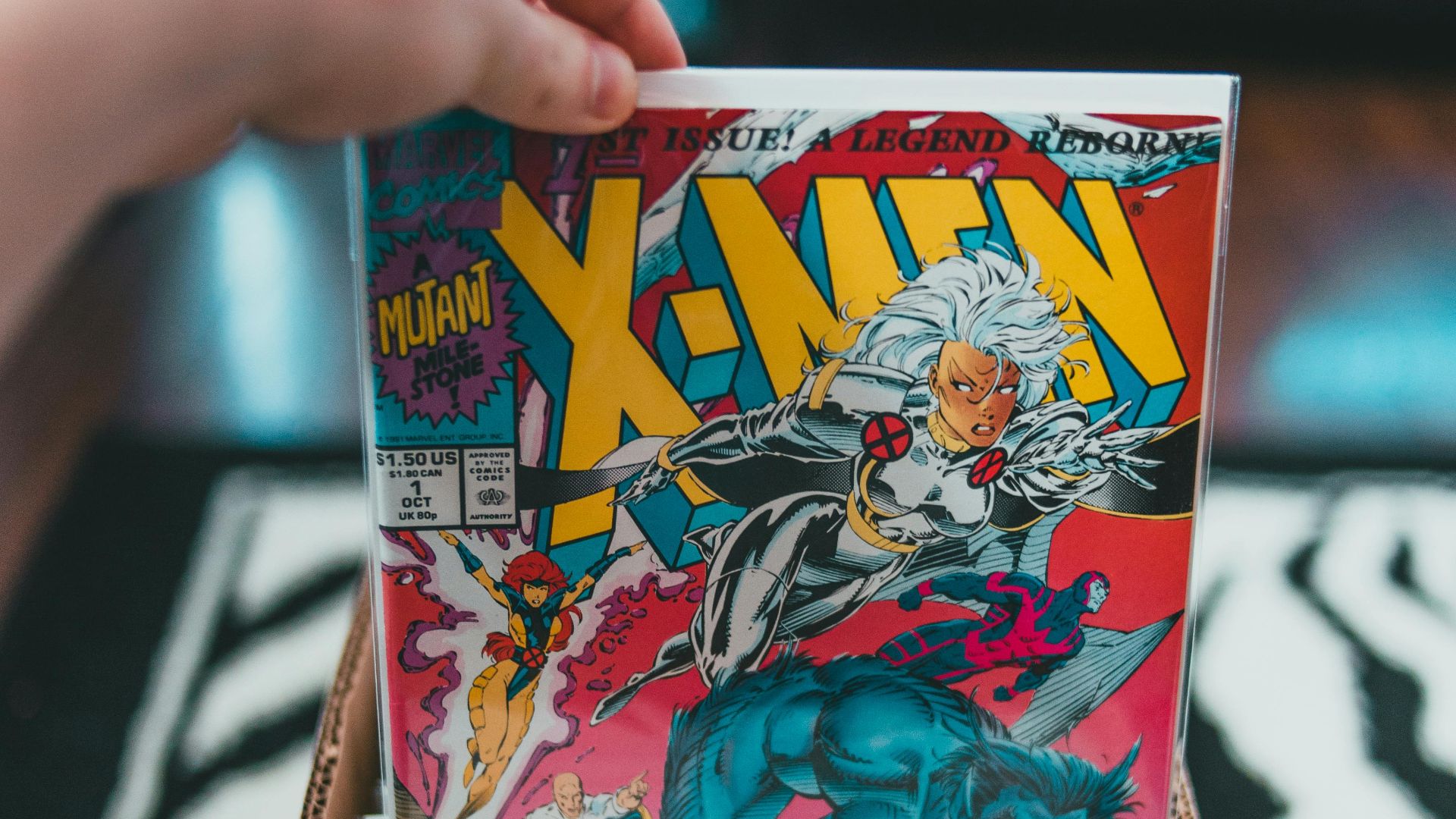
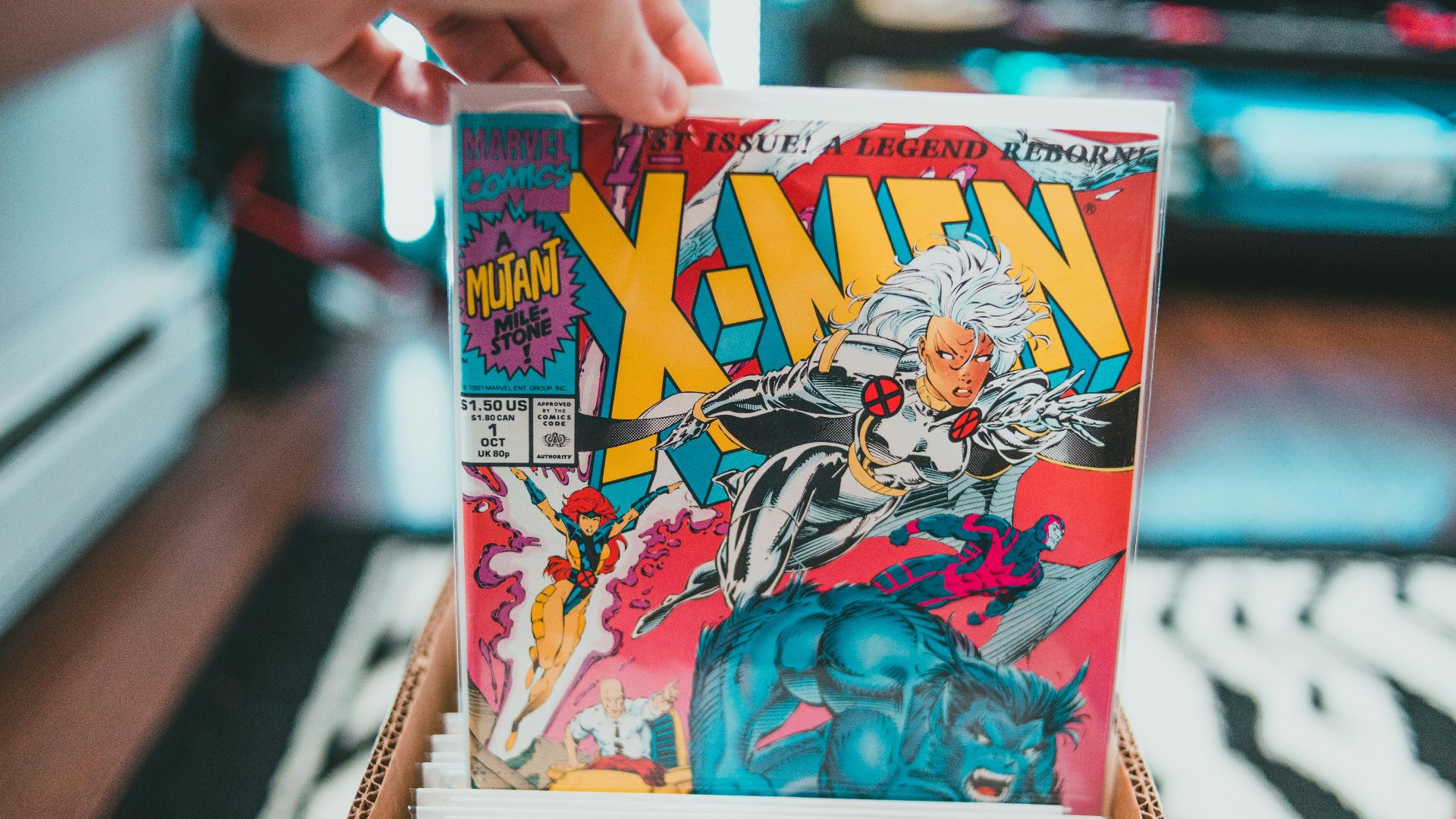
The X-Men clearly don’t feel like a side note anymore. Between Marvel steadily teasing mutant-related future plans and the larger sense that the franchise is preparing to bring them back into the spotlight in a major way, this feels like the start of a real relaunch period. That changes the energy around Marvel because the X-Men bring a whole different corner of the universe with them.
2. Star Wars
For a while, Star Wars looked happiest living on streaming, but The Mandalorian and Grogu puts the franchise back on the big screen. That matters because it suggests Lucasfilm isn’t treating movies as occasional side quests anymore. If you’ve been waiting for the saga to feel theatrical again, this is a pretty loud signal.
 Agnieszka Stankiewicz on Unsplash
3. Superman
Superman comics really do seem like they’re being treated as foundational again, and that usually signals a meaningful shift for DC. When the books start emphasizing hope, clarity, and a stronger sense of purpose around Superman, it often means the line wants him to matter as more than just a historic icon.

4. Harry Potter
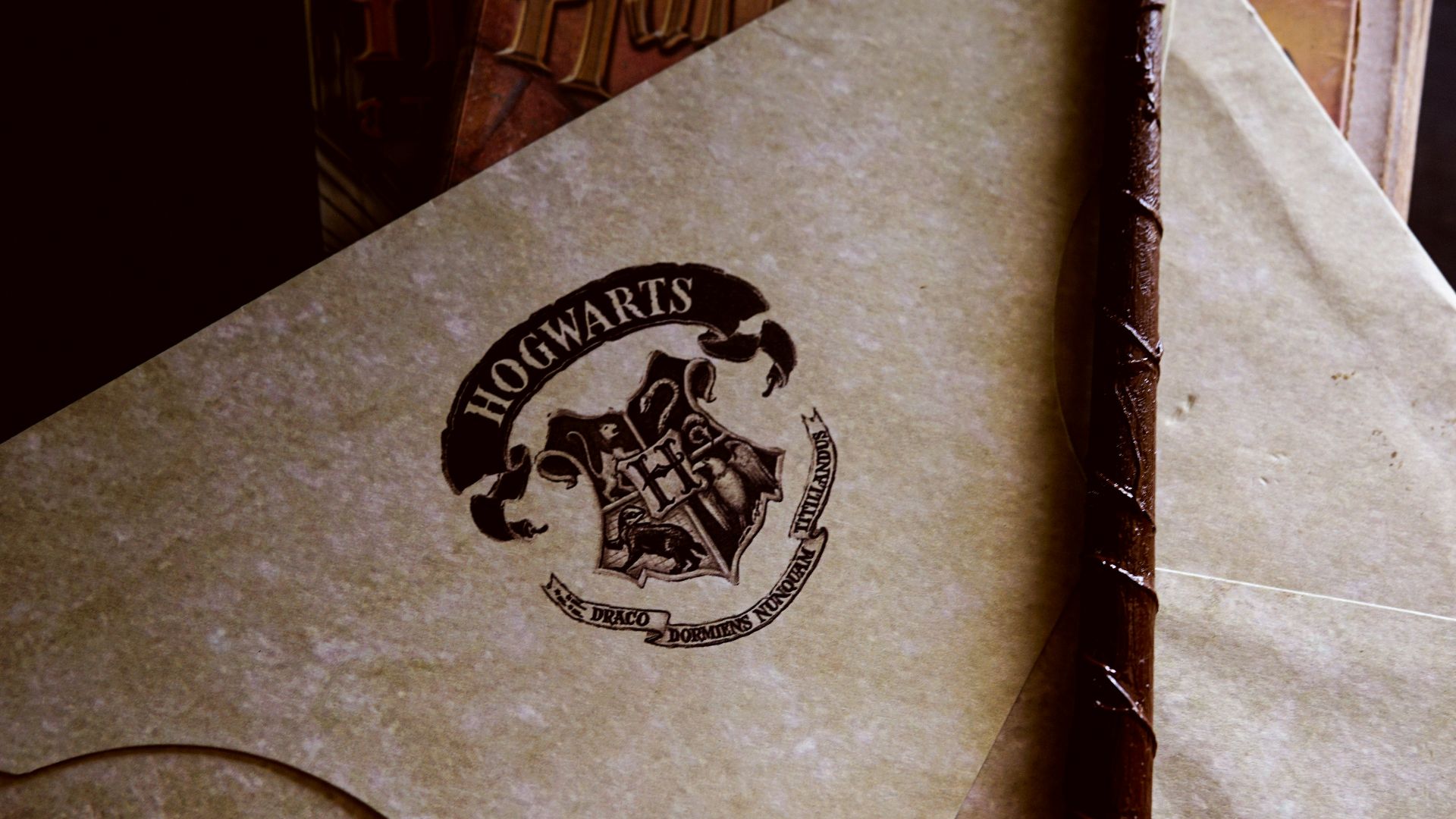
The wizarding world isn’t just being revisited, it’s being rebuilt for TV from the ground up. HBO Max is positioning Harry Potter and the Philosopher’s Stone as a major series, which means the franchise is shifting from movie nostalgia to long-form adaptation. That’s a huge difference in rhythm, tone, and audience expectation.
5. The Lord of the Rings
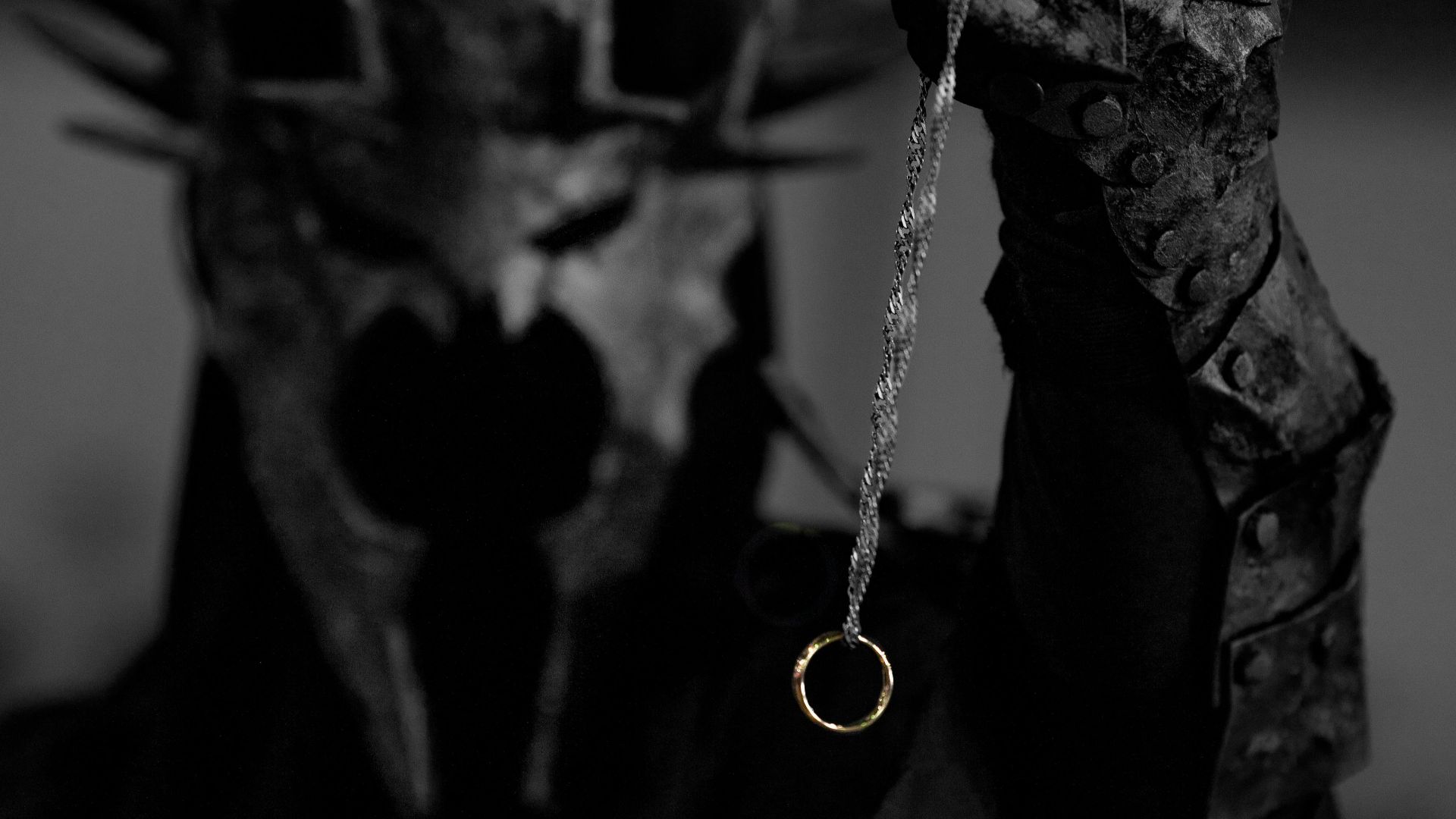
Middle-earth clearly isn’t being treated like a completed museum piece anymore. Recent coverage around The Hunt for Gollum and the broader return of Lord of the Rings to the big-screen conversation makes it obvious Warner is treating this as an active franchise again, not just a beloved classic with merch. You can feel LOTR universe moving from reverence back into expansion mode.
6. Hellboy
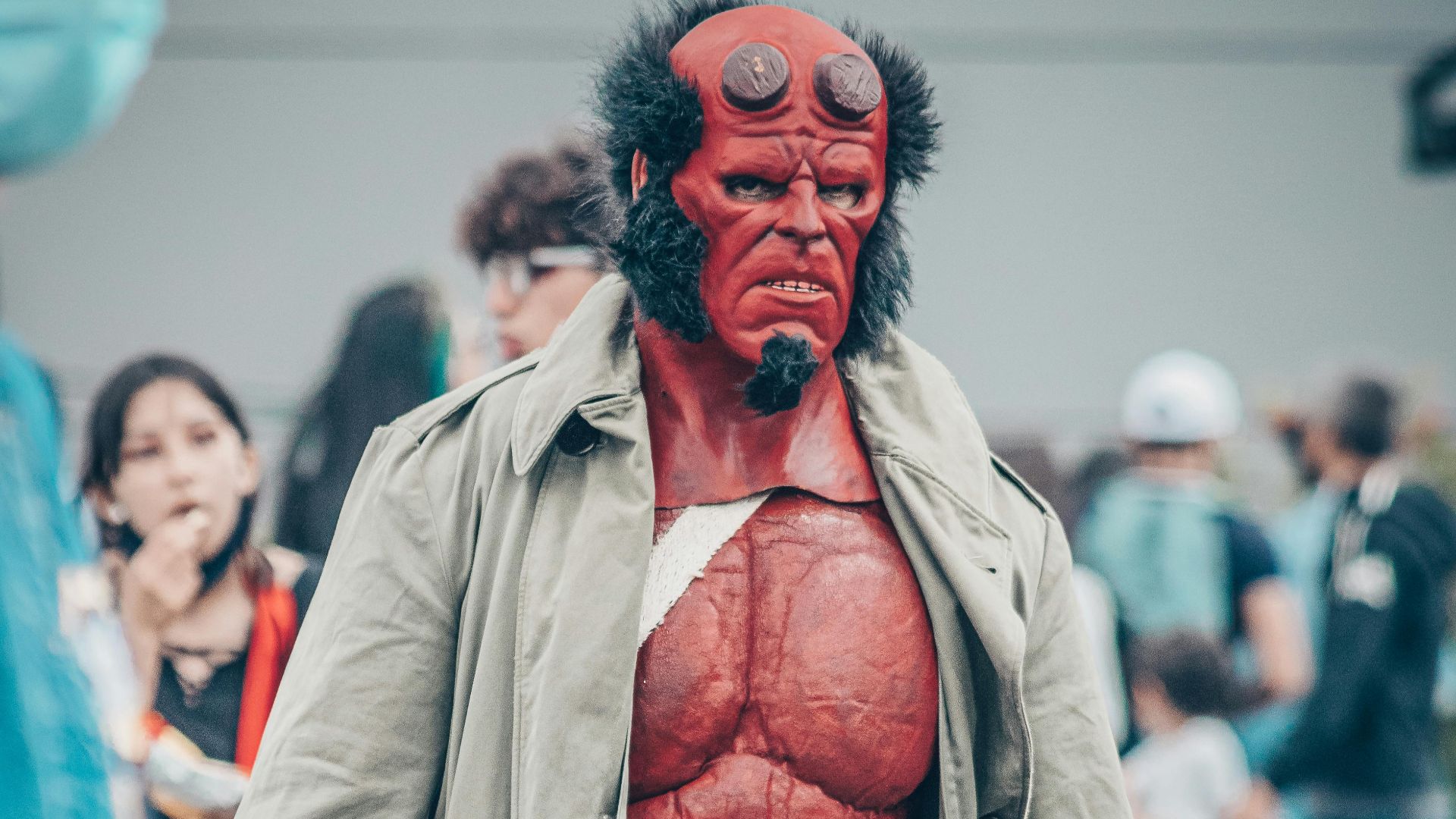
Hellboy comics have the advantage of not needing to chase trends, which is exactly why the franchise can still feel like it’s entering a new phase on the page. The larger Mignolaverse has enough history behind it now that each new publishing move feels less like a continuation by default and more like a choice about what parts of that world should stay central.
7. Batman
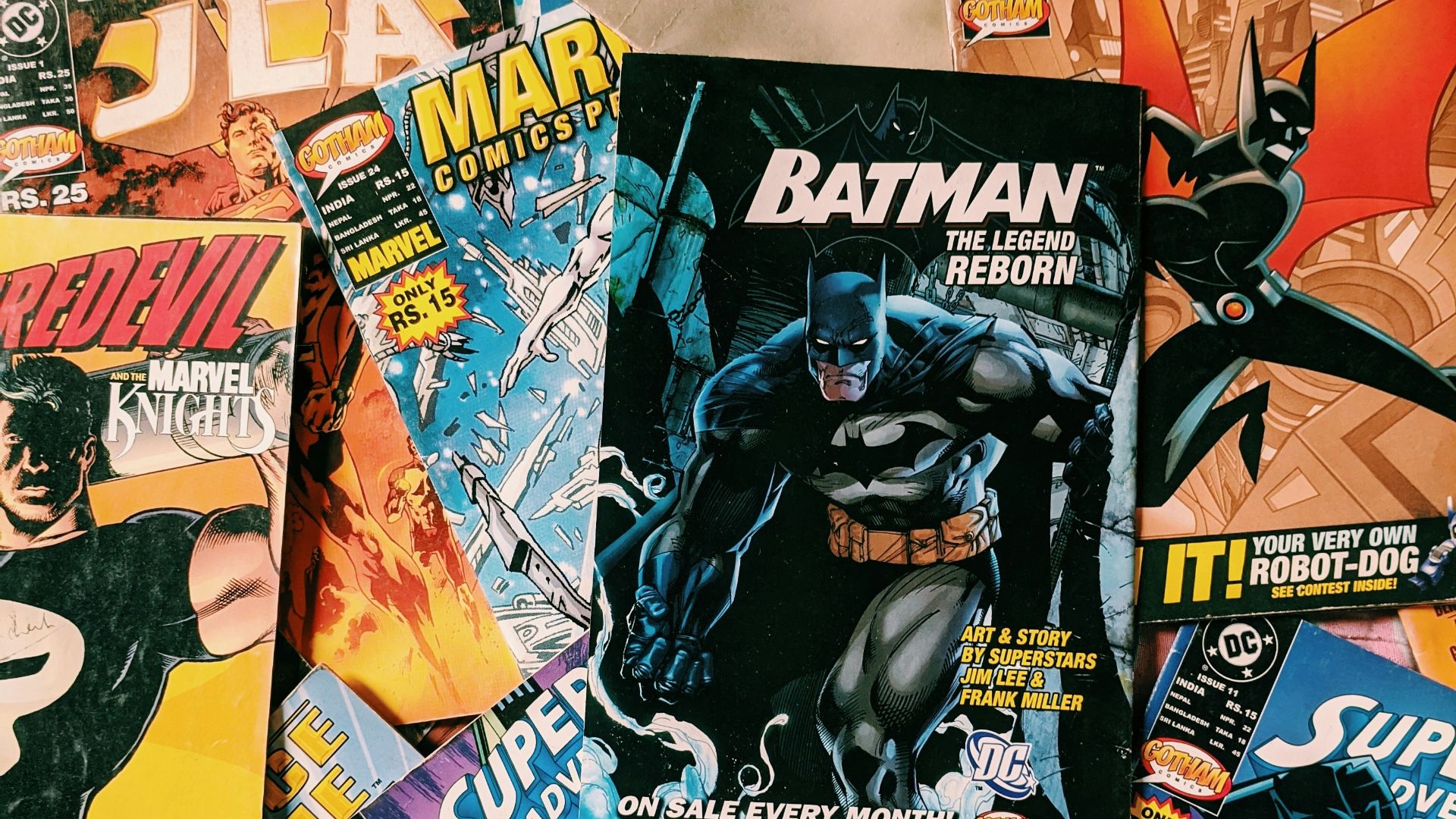
Batman comics have entered the kind of era where the character’s core identity isn’t changing, but the structure around him clearly is. Gotham still supports a huge publishing ecosystem, yet the books now feel more conscious of rotating creative voices, shifting tones, and repositioning the Bat-family in ways that keep the line from feeling too locked in.
8. Star Trek
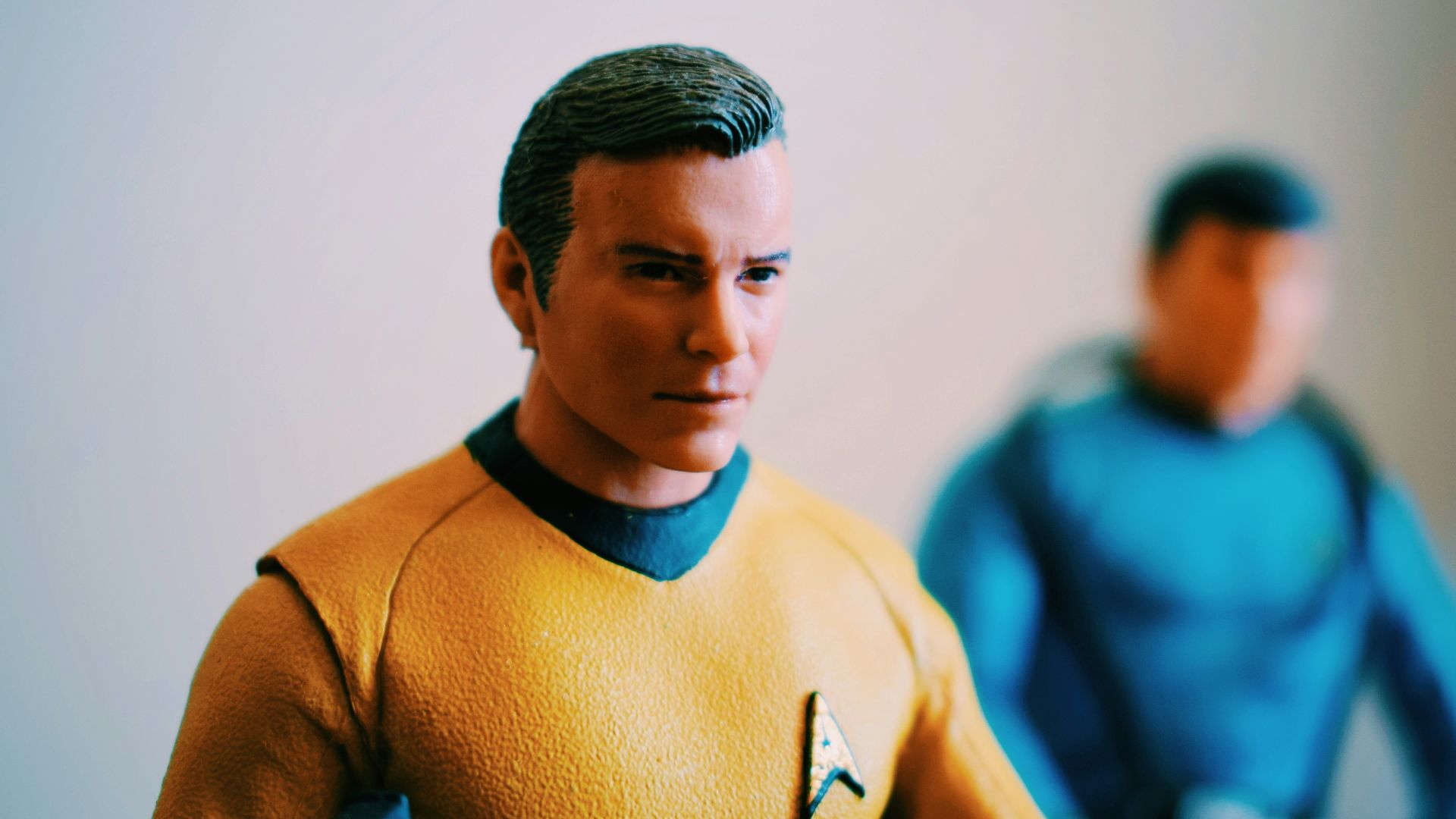
Star Trek is doing something it hasn’t always leaned into this hard: youth-forward institutional storytelling. Star Trek: Starfleet Academy is set up as a major 2026 series and was framed as part of the franchise’s 60th anniversary celebration, which gives it the job of looking ahead instead of just honoring the past.
9. Pokémon
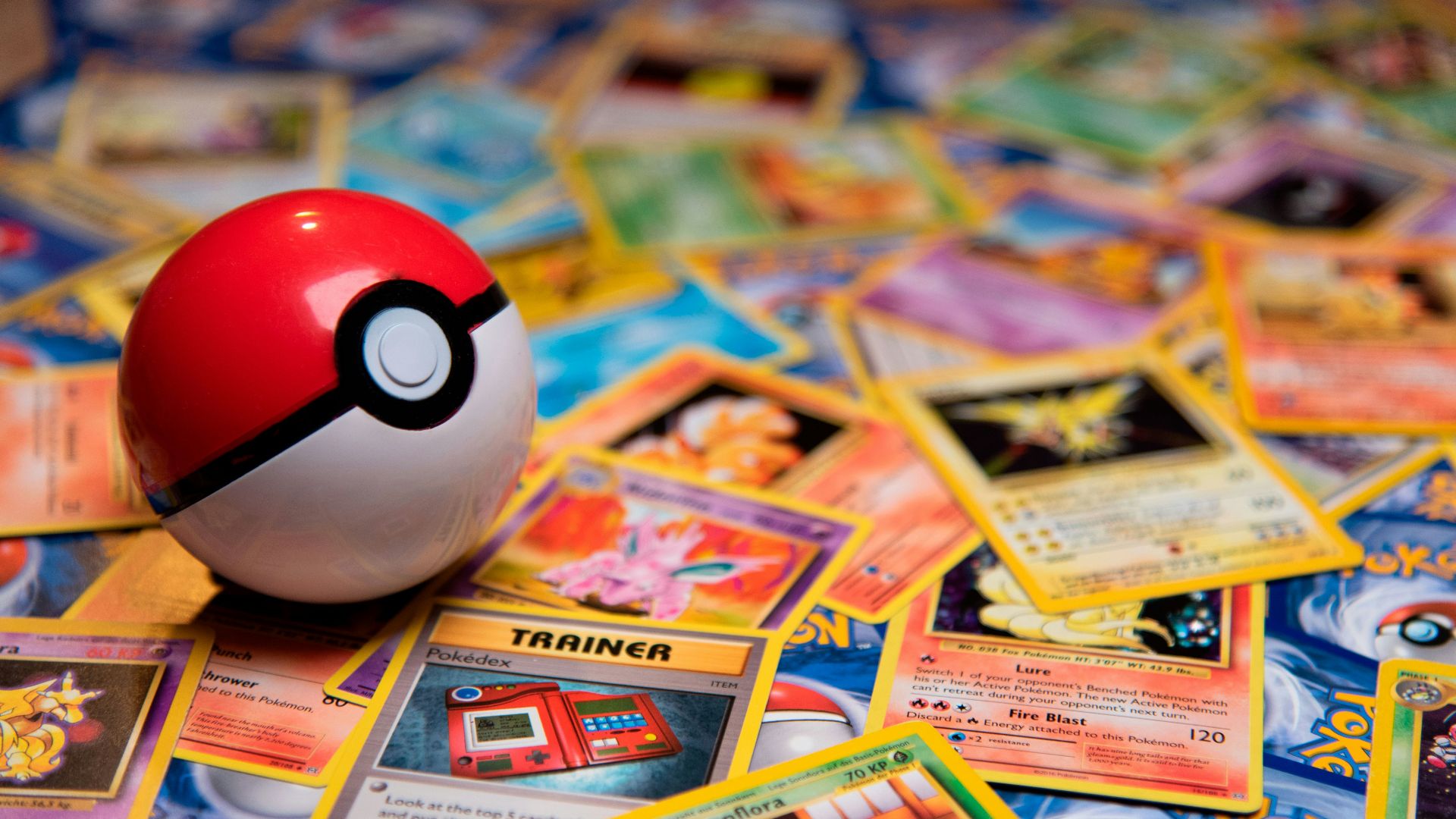
Pokémon has been so steady for so long that any meaningful mechanical shake-up stands out right away. Pokémon Legends: Z-A pushes the series into real-time battle movement, which is a major change for a franchise that usually guards its core formula carefully. When Pokémon starts adjusting how battles fundamentally feel, you’re not looking at a minor detour; you’re watching the series test what its next normal might be.
10. Spider-Man
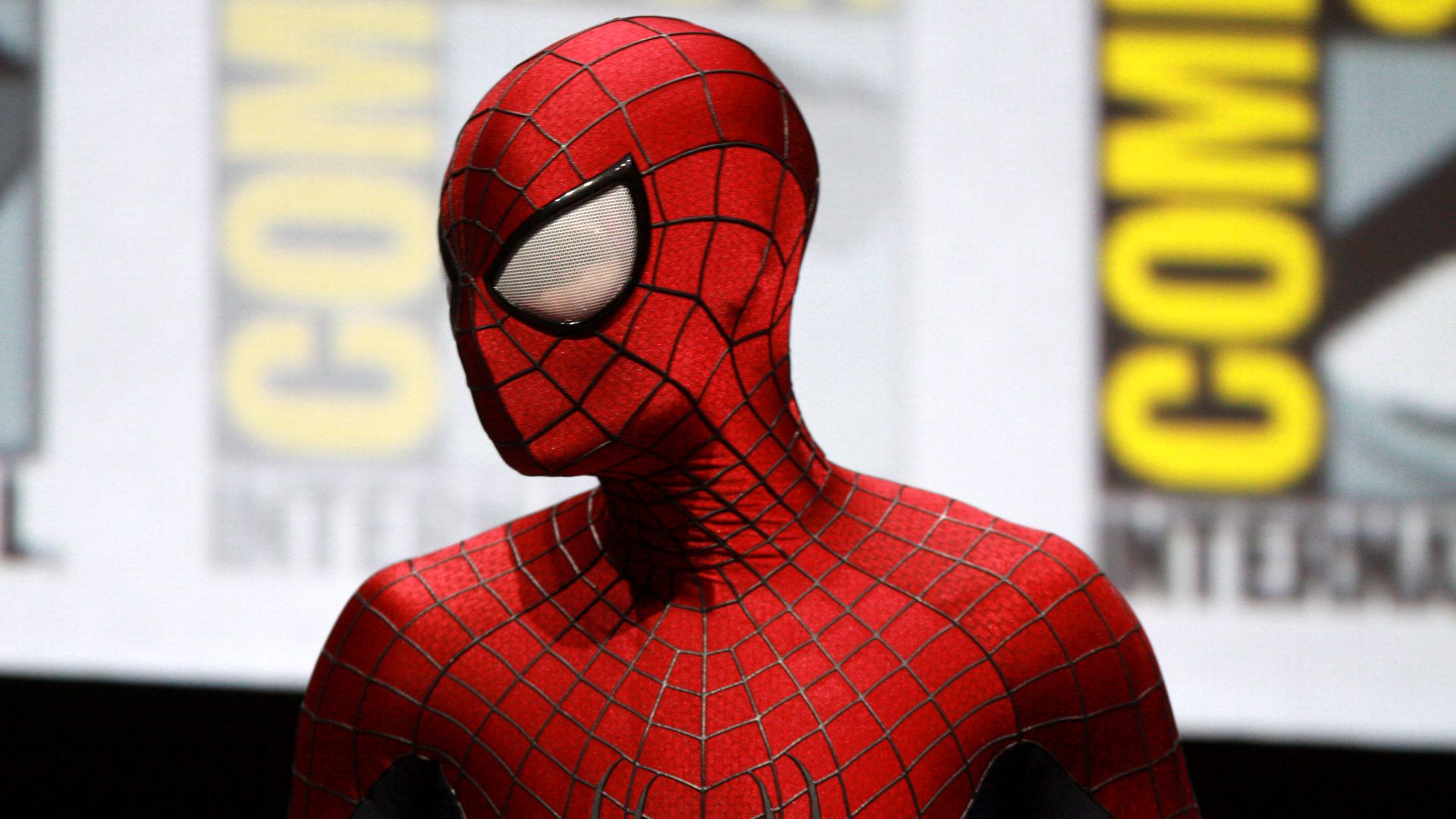
Spider-Man comics are in one of those periods where the character still feels central, but the direction around him seems more openly in flux. The main books keep wrestling with how much they want Peter Parker to stay familiar versus how much they’re willing to let the line evolve, and that tension makes the current era feel transitional. At the same time, the wider Spider-office still has a strong grip on alternate leads, supporting characters, and side books, so the franchise doesn’t feel creatively boxed in.
11. The Legend of Zelda
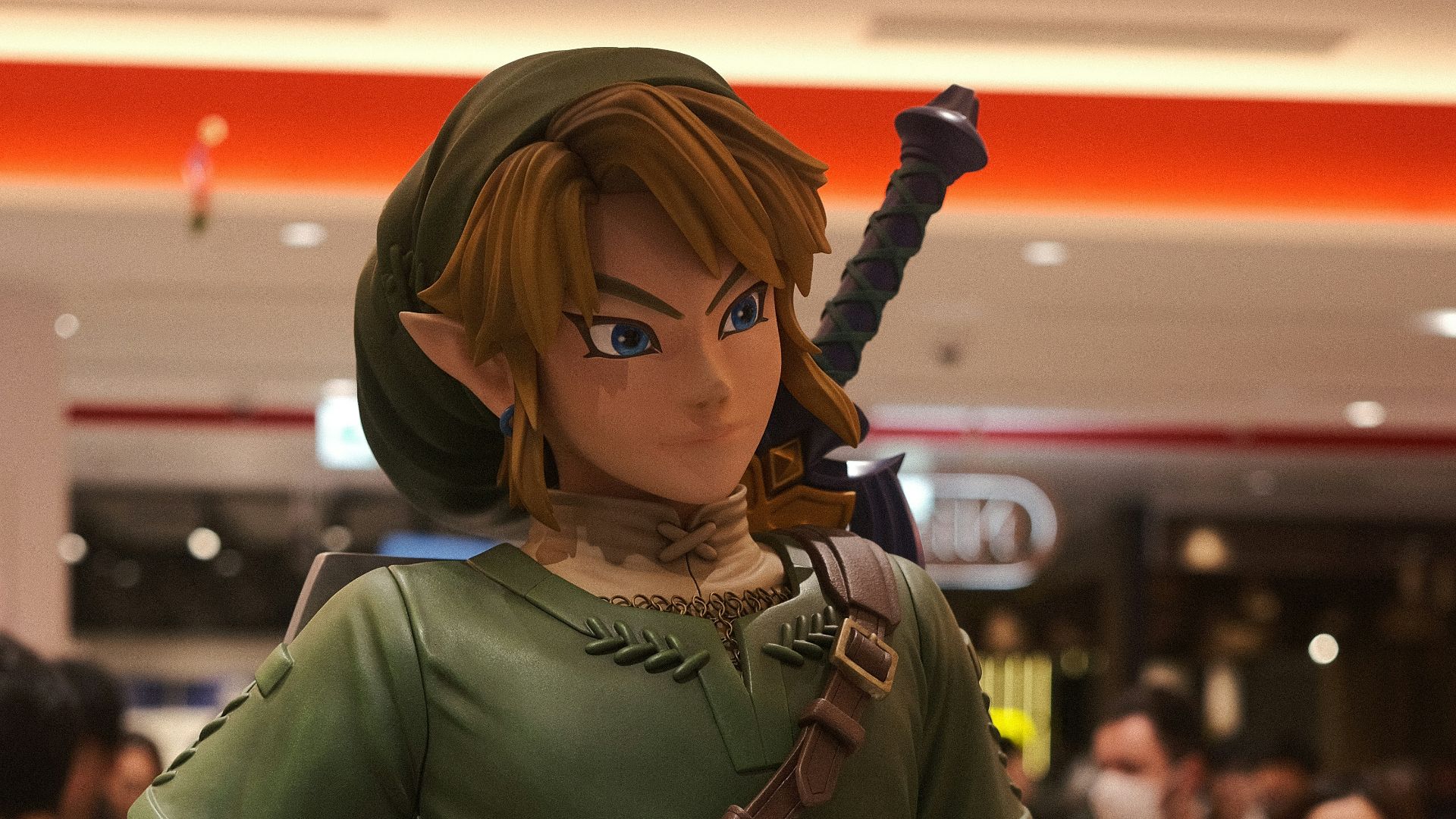
The Zelda series feels like it’s in a different phase now because Nintendo doesn’t seem interested in treating it as a fixed formula anymore. Recent games have pushed the franchise toward more open-ended design, more player freedom, and a broader sense of what a mainline Zelda adventure can be without losing the identity people actually show up for. That makes the series feel less tied to tradition for its own sake and more willing to keep redefining itself.
12. Fallout
The TV version of Fallout has moved beyond novelty at this point. There's already has a full second season in place, and teasers point to a franchise that’s broadening its version of the wasteland rather than simply repeating the first season’s surprise success. Once Fallout can thrive as prestige TV and not just as a game series, the whole brand starts playing by bigger rules.
13. Dune
Dune feels like it’s entering a new era because Dune: Awakening has turned the franchise into a more active gaming space instead of leaving it mostly defined by the novels. Funcom presents it as an open-world survival RPG set on Arrakis, and the game has kept evolving through recent updates, including new content and a stronger PvE focus in the April 2026 developer update.
14. Mass Effect
Mass Effect feels like it’s entering a new era because it’s no longer just being remembered for its past highs. With a new game still hanging over the franchise and the series continuing to matter as a major sci-fi RPG name, it feels like the brand is in a transition period where expectation is building again. That changes the mood around Mass Effect, because people aren’t only looking backward at what it was.
15. Warhammer 40,000
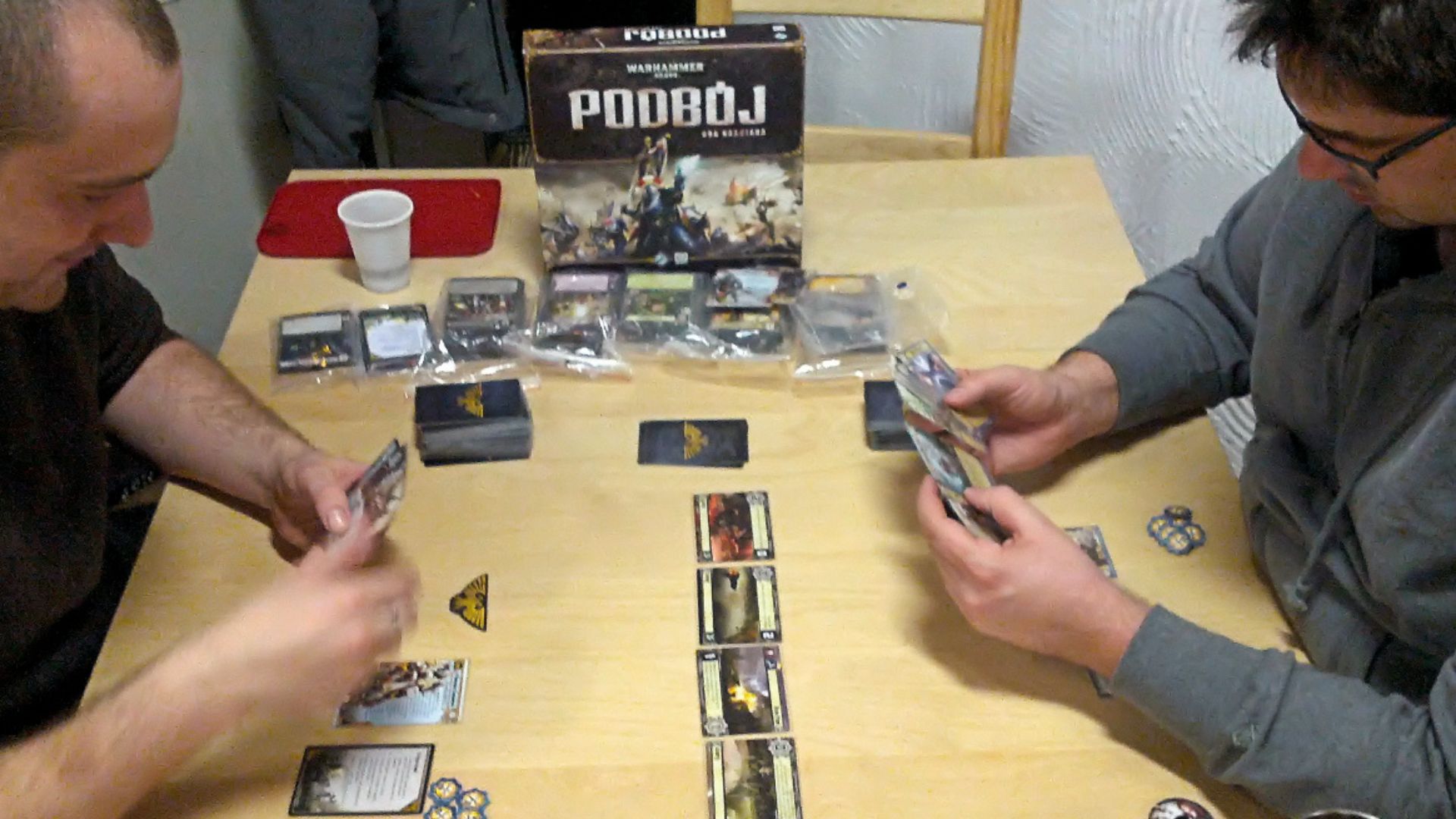
Warhammer 40,000 has spent years feeling enormous within its own lane, and now it’s clearly aiming beyond that lane. Games Workshop’s agreement with Amazon for films and television based in the Warhammer 40,000 universe is the kind of move that can change how the public sees the game entirely. That’s when a fandom brand starts becoming a mainstream entertainment bet.
16. Magic: The Gathering
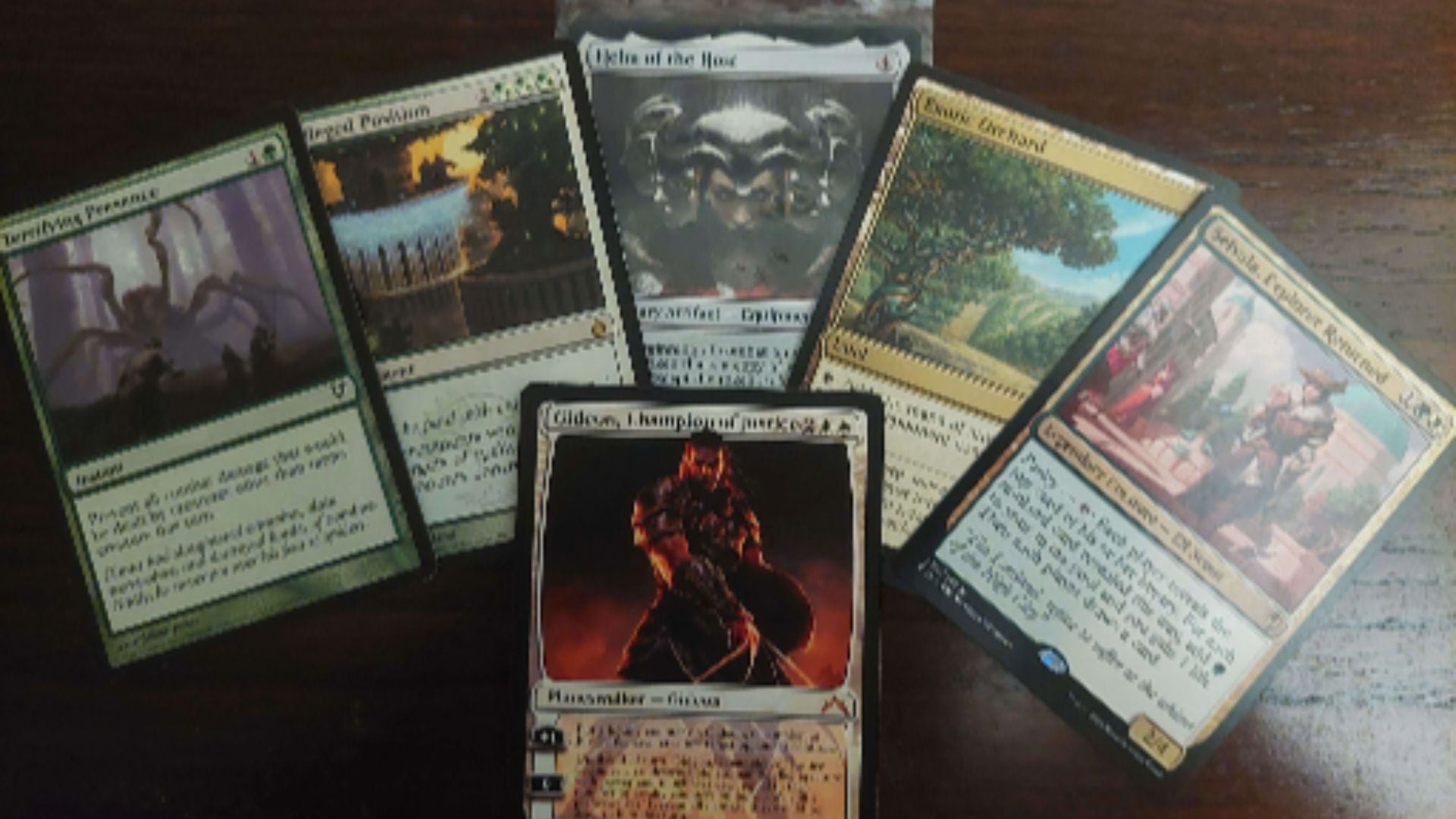
Magic: The Gathering feels like it’s entering a new era because the franchise keeps stretching beyond its older identity without slowing down. Between constant shifts in how sets are rolled out, a bigger mix of in-universe and crossover material, and the way the game keeps redefining what its audience expects, it doesn’t feel like it's standing still. That makes the current moment feel different from a normal long-running publishing cycle. You can tell Magic is still trying to expand what the franchise can be, not just preserve what it already was.
17. Final Fantasy
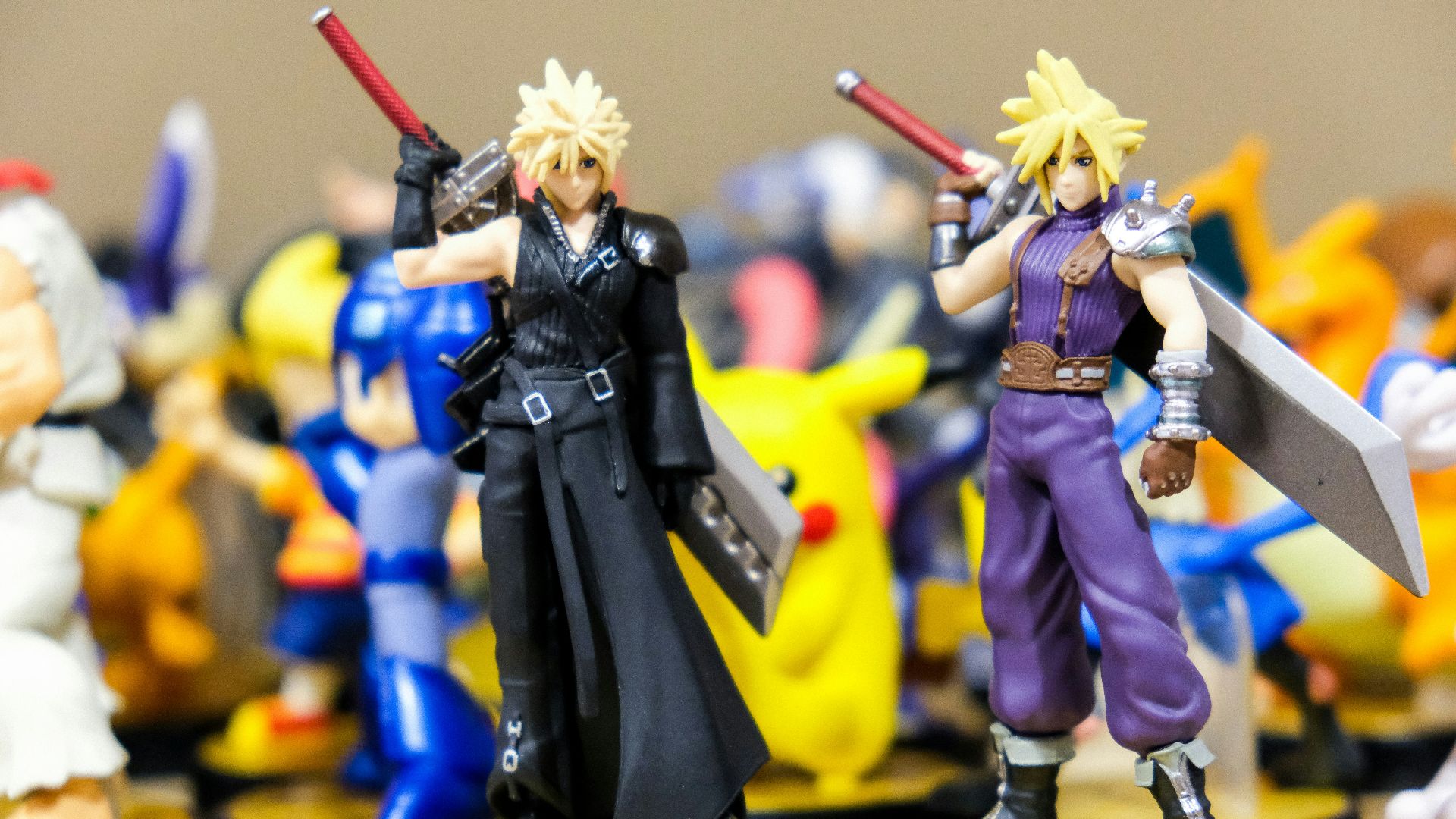
Final Fantasy clearly feels like it’s in a new era because the series no longer depends on one single format or style of RPG to define it. Between major new releases, remakes that reframe older classics, and a willingness to let each entry feel distinct, the franchise has become more flexible than ever without losing its identity. That gives it a different kind of momentum, since it isn’t just preserving its legacy but actively reshaping it.
18. The Elder Scrolls
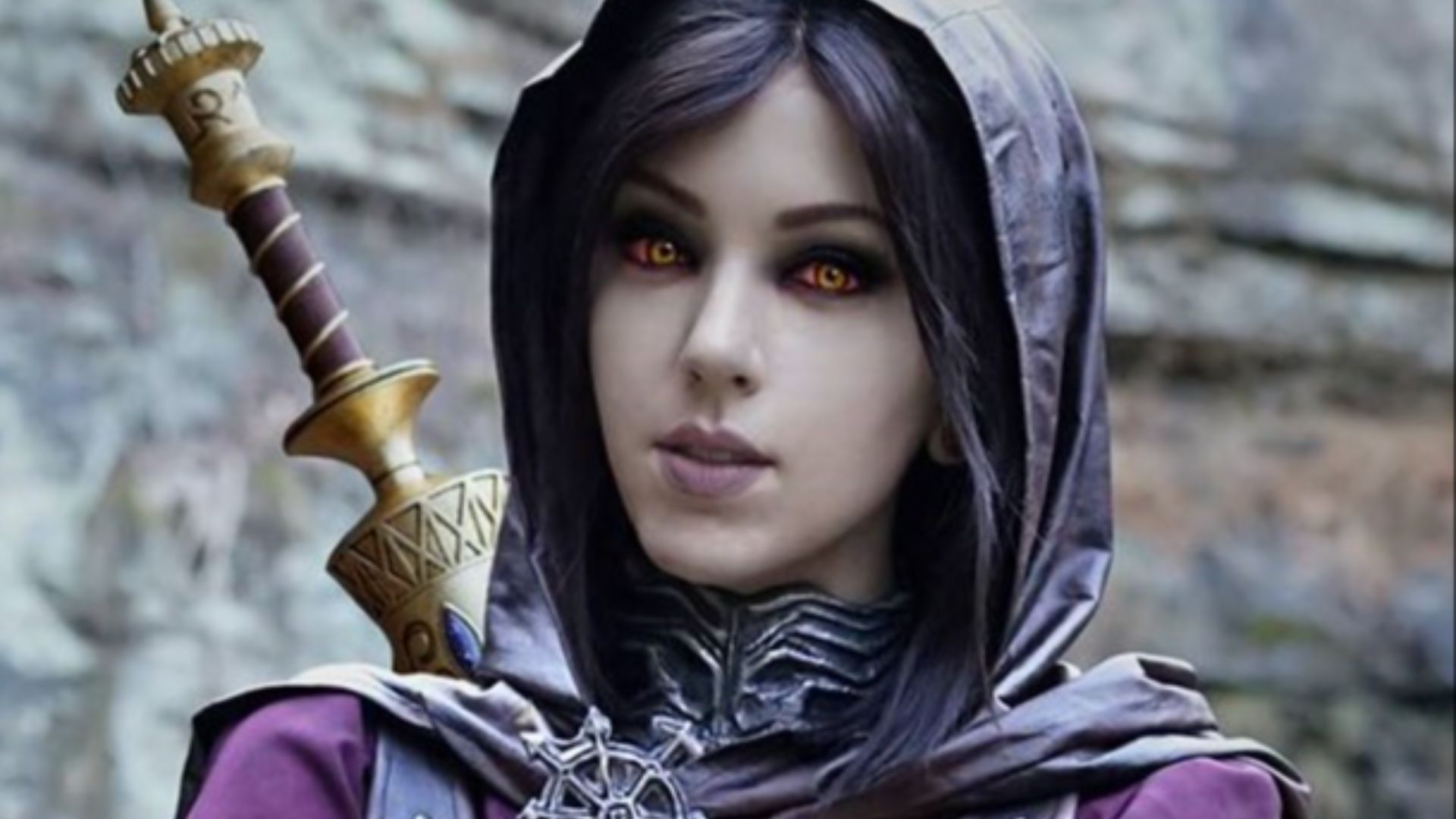
The Elder Scrolls feels like it’s entering a new era because the franchise still has enormous staying power even while fans are waiting for its next big chapter. Between the long tail of Skyrim, the ongoing presence of The Elder Scrolls Online, and the constant sense that the series is being positioned for another major leap, it doesn’t feel dormant so much as transitional.
19. Dragon Age
Dragon Age feels like it’s entering a new era because the series is no longer just being discussed as a beloved RPG from an earlier phase of fantasy gaming. With Dragon Age: The Veilguard giving the franchise a major new entry, the series now feels like it’s actively redefining what its modern identity is instead of living on reputation alone. That shift makes it feel current again in a way that matters.
20. Teenage Mutant Ninja Turtles
The Turtles never really go away, but this moment feels different because Paramount is laying out multiple futures at once. The company has pointed to Mutant Mayhem 2 for 2027 and an additional live-action/CG hybrid feature for 2028, which makes the brand look less like a single revival and more like a long-term franchise system.
 Nickelodeon Movies on Wikimedia