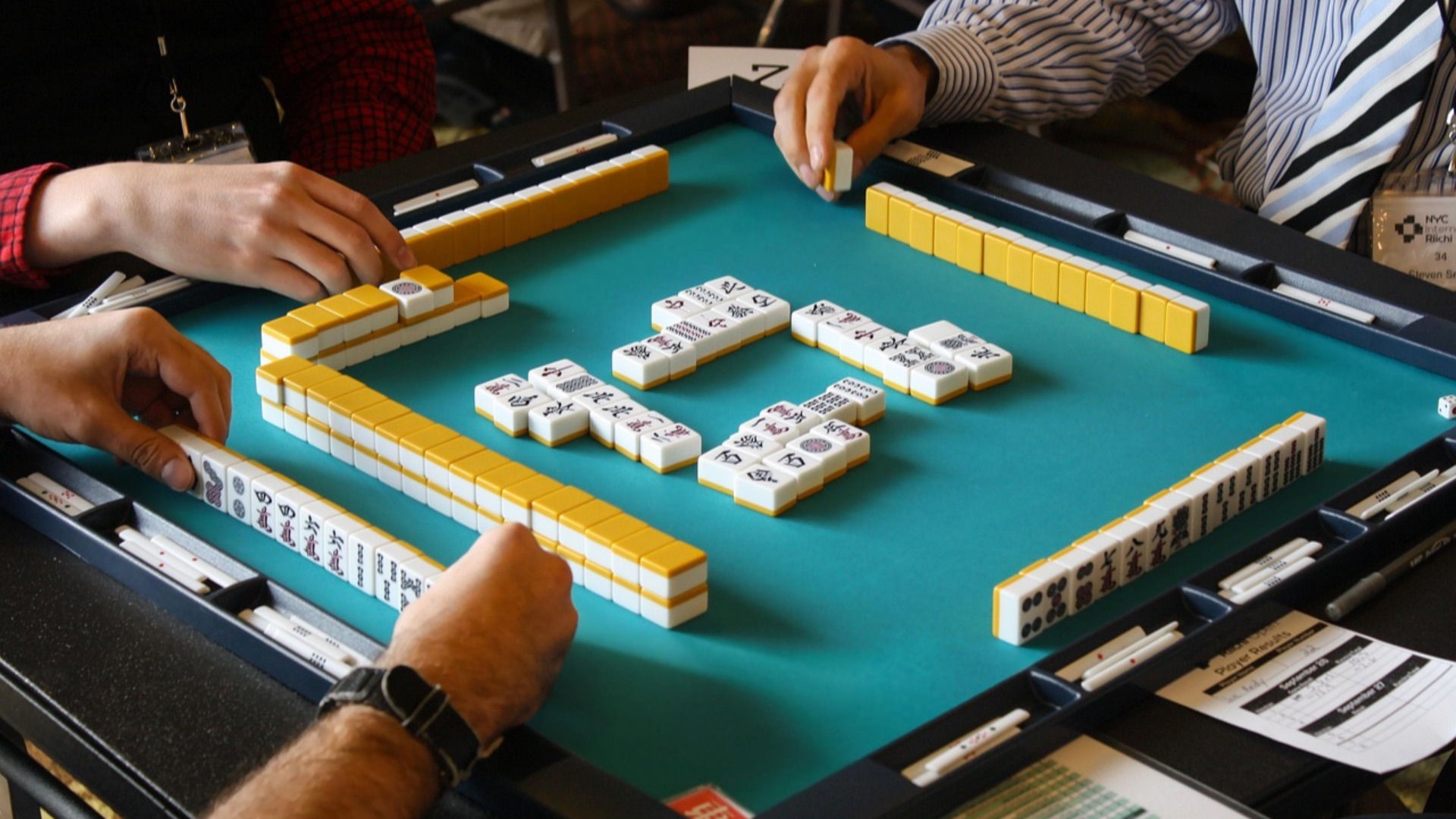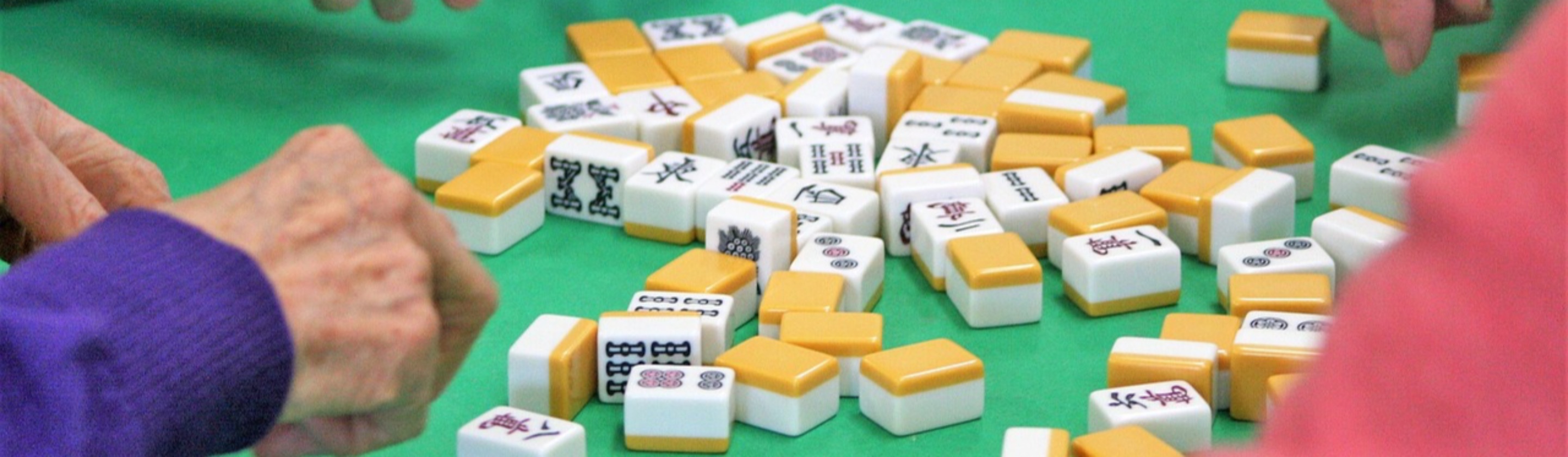
Pung!
Mahjong has been around for centuries, and while it's best known as a popular pastime across East Asia, it's been gaining a much wider following around the world in recent years. Whether you've seen it played at family gatherings, come across it in a movie, or just stumbled upon it online (maybe even this article!), there's a good chance you've been at least a little curious about what all the fuss is about. As it turns out, this tile-based game isn't just entertaining, but also comes with a surprisingly long list of benefits that make it well worth picking up. Curious about how to get started? Buckle up and read on!
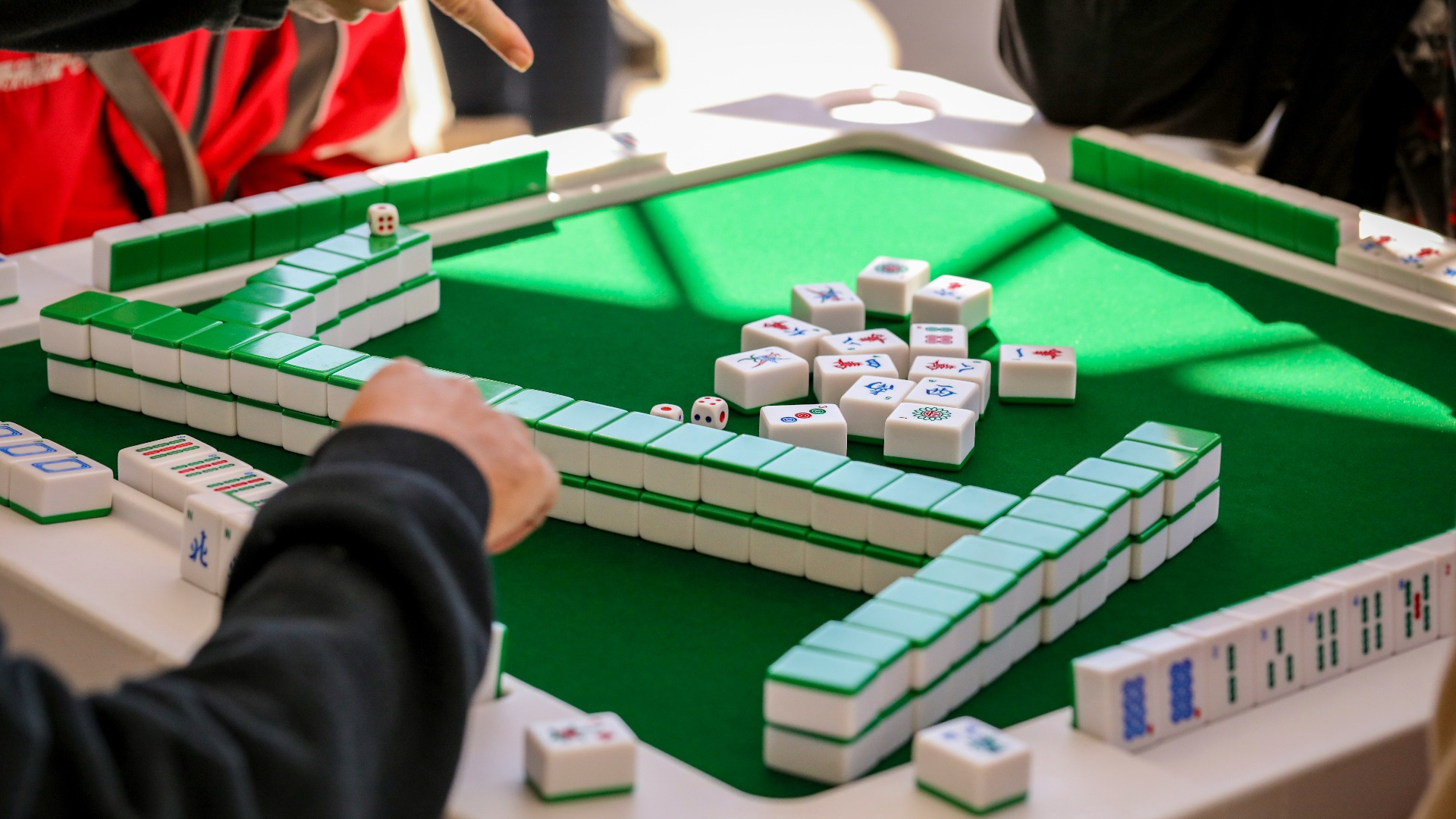
1. It Gives Your Brain a Serious Workout
Mahjong requires you to track tiles, anticipate other players' moves, and make quick strategic decisions all at once, which keeps your mind working at a high level throughout the game. Studies have found that regularly playing games like mahjong can help improve cognitive function, particularly in older adults. It's one of those rare activities that manages to be genuinely fun while also giving your brain a real challenge.
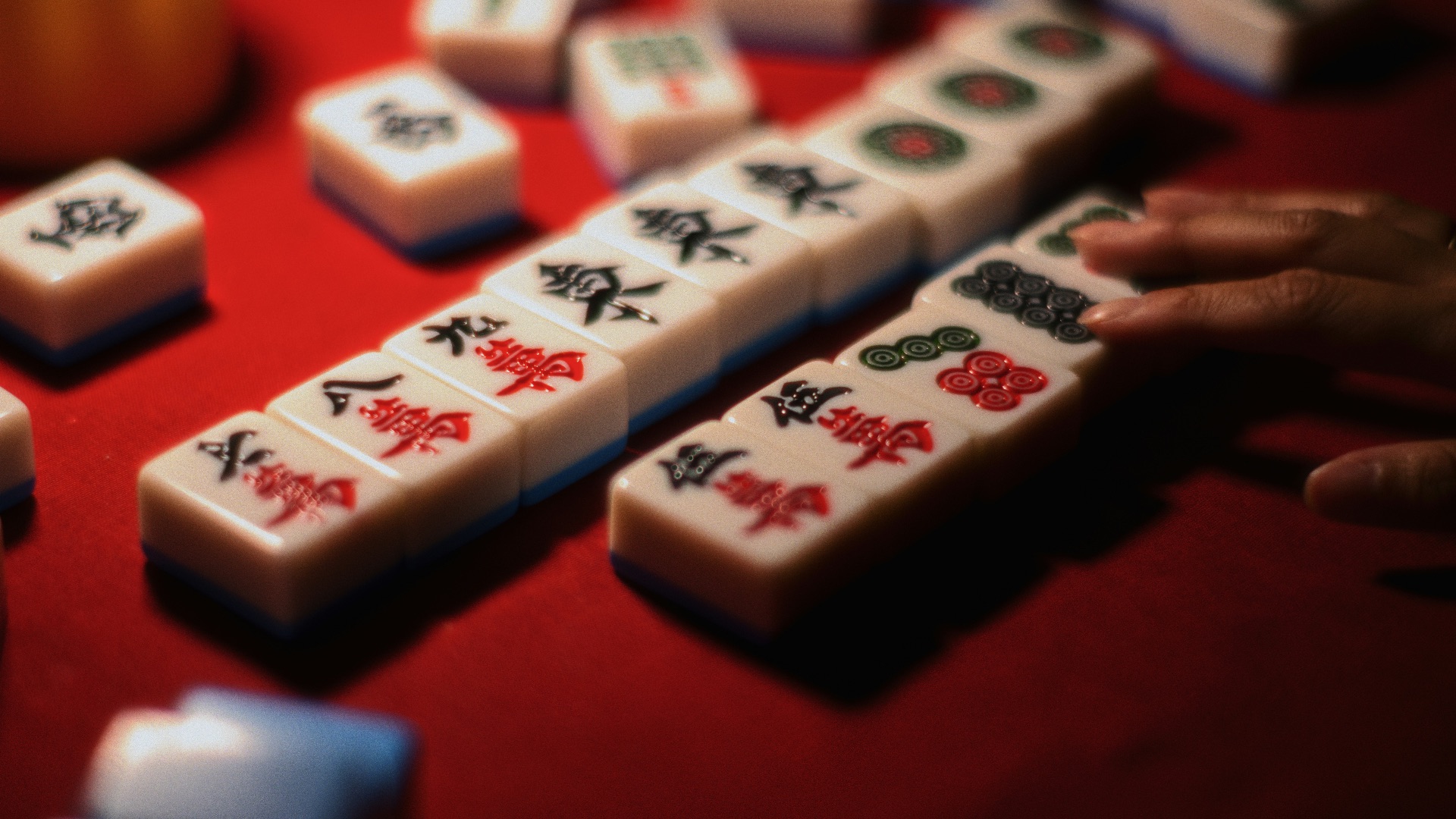
2. It Can Help Sharpen Your Memory
Because you're constantly paying attention to which tiles have been discarded and which ones are still in play, mahjong naturally trains your memory over time. The more you play, the better you get at retaining and recalling information quickly, which is a skill that carries over into everyday life. It's not an exaggeration to say that regular play can lead to noticeable improvements in how well you remember things.
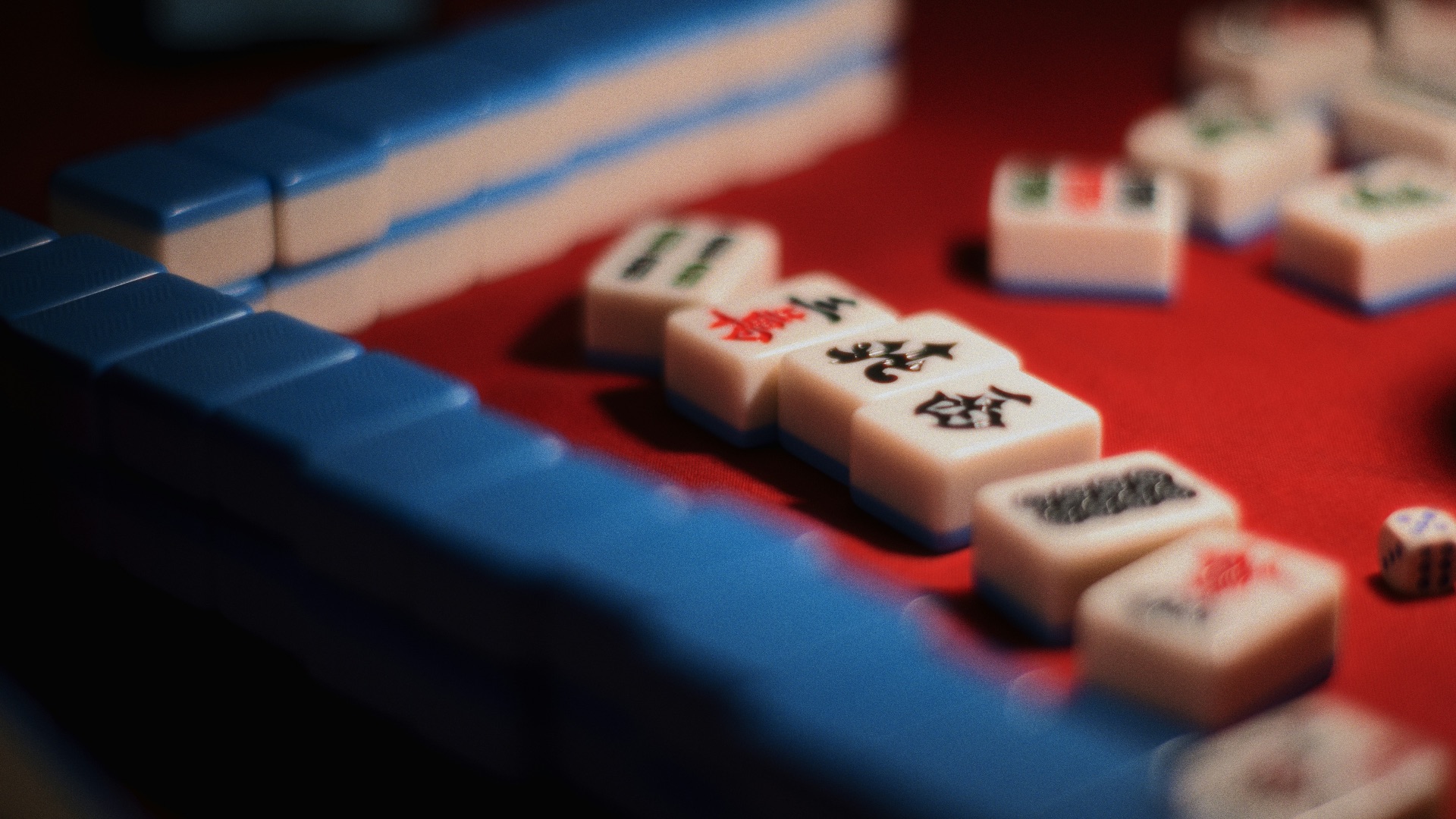
3. It's a Natural Stress Reliever
Focusing on the game gives your mind something concrete to engage with, which makes it easier to step away from whatever was stressing you out before you sat down to play. Many players find that the combination of concentration and social interaction creates a calming effect that lasts well beyond the game itself. (That is, of course, if you don't get stressed out while playing.)
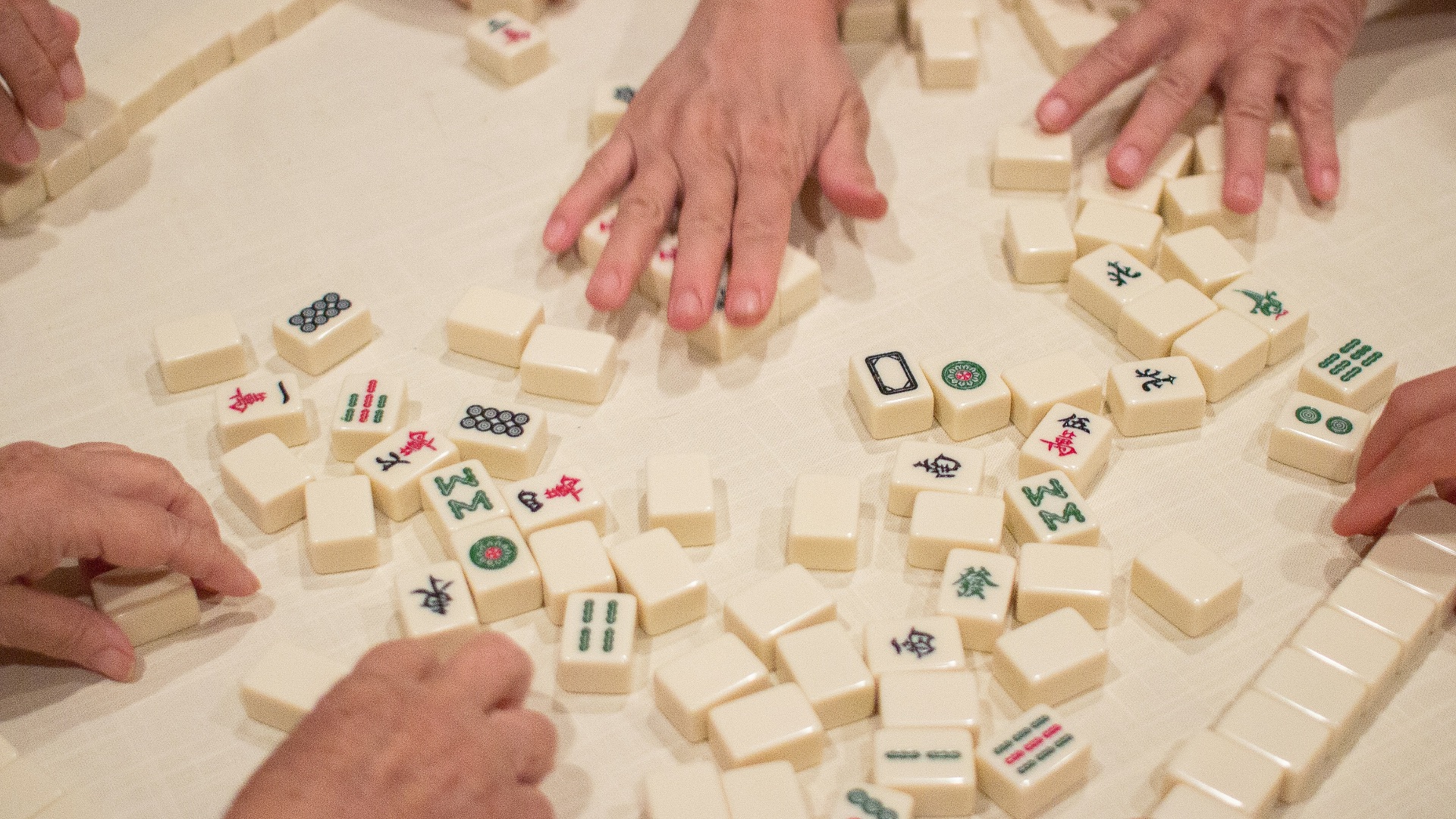
4. It Strengthens Social Bonds
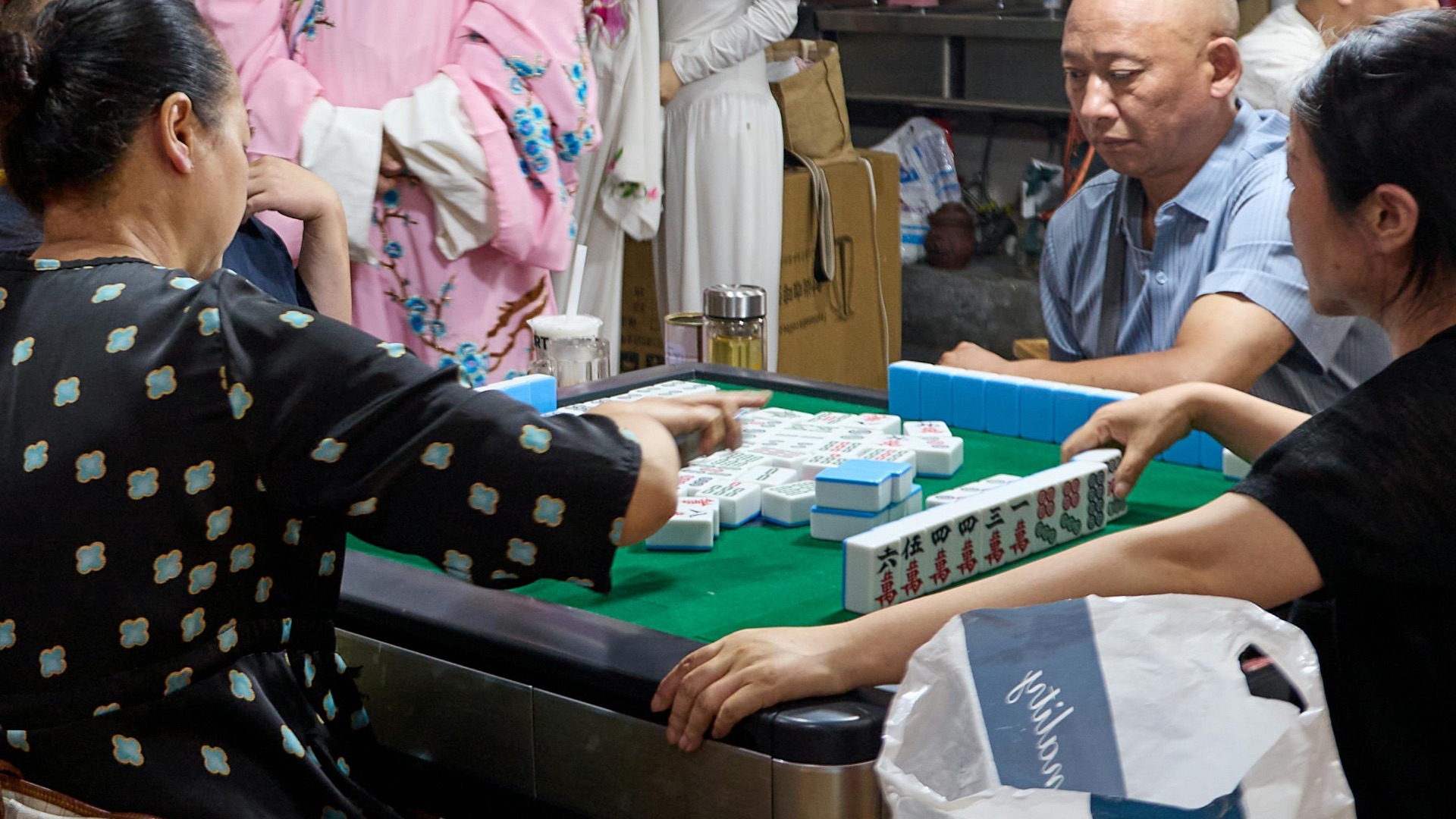
Mahjong is almost always played with others, which means every session is also an opportunity to spend quality time with friends or family. The game naturally encourages conversation, laughter, and a bit of friendly competition, all of which contribute to stronger relationships over time.

5. It Builds Strategic Thinking
Every round of mahjong asks you to weigh your options, adapt to changing circumstances, and make decisions with incomplete information, all of which are hallmarks of strong strategic thinking. You're not just playing your own hand; you're also watching what your opponents are doing and adjusting your approach accordingly. Over time, this kind of thinking becomes second nature, and you'll likely notice it influencing how you approach decisions outside the game too.

6. It Improves Your Concentration
Keeping track of the game requires sustained focus, and that's not something most people find easy in an era full of constant distractions. Playing mahjong regularly can actually help you build a longer attention span because the game rewards those who pay close attention to every move on the table. Think of it as a concentration exercise that happens to also be a great time.
 Henri Mathieu-Saint-Laurent on Pexels
7. It Promotes Mental Agility as You Age
Research has suggested that mentally stimulating activities can help slow cognitive decline in older adults, and mahjong has been specifically studied in this context with promising results. The combination of memory use, pattern recognition, and social engagement makes it a particularly well-rounded option for maintaining mental sharpness. It's one of the more enjoyable ways to take care of your long-term brain health.
8. It Exposes You to a Rich Cultural Tradition
Mahjong has deep roots in Chinese culture and history, and learning to play it gives you a meaningful connection to that tradition. Many families have passed the game down through generations, and understanding its origins adds a layer of appreciation that goes beyond the mechanics of the game. Playing it is a small but worthwhile way to engage with a cultural legacy that spans hundreds of years.

9. It Teaches You to Handle Uncertainty Gracefully
You never know exactly what tiles your opponents are holding, and a good hand can fall apart in a single round, so mahjong teaches you to stay composed when things don't go your way. Learning to accept unpredictable outcomes without getting frustrated is a genuinely useful life skill, and mahjong gives you plenty of low-stakes practice. The more you play, the more comfortable you'll become with the idea that not everything can be controlled or predicted.

10. It's an Endlessly Replayable Hobby
No two games of mahjong are ever the same, which means it's the kind of hobby that never really gets old. The combination of skill, strategy, and chance keeps every session fresh, and there's always something new to learn or refine as you develop as a player. Whether you've been playing for two weeks or 20 years, there's always a reason to sit back down at the table.
Now that you know what makes mahjong such a rewarding game to play, it's time to get into the how. Starting out might feel a little overwhelming given the number of tiles and rules involved, but we promise these tips will help you find your footing without the frustration.
1. Learn the Basic Tile Sets First
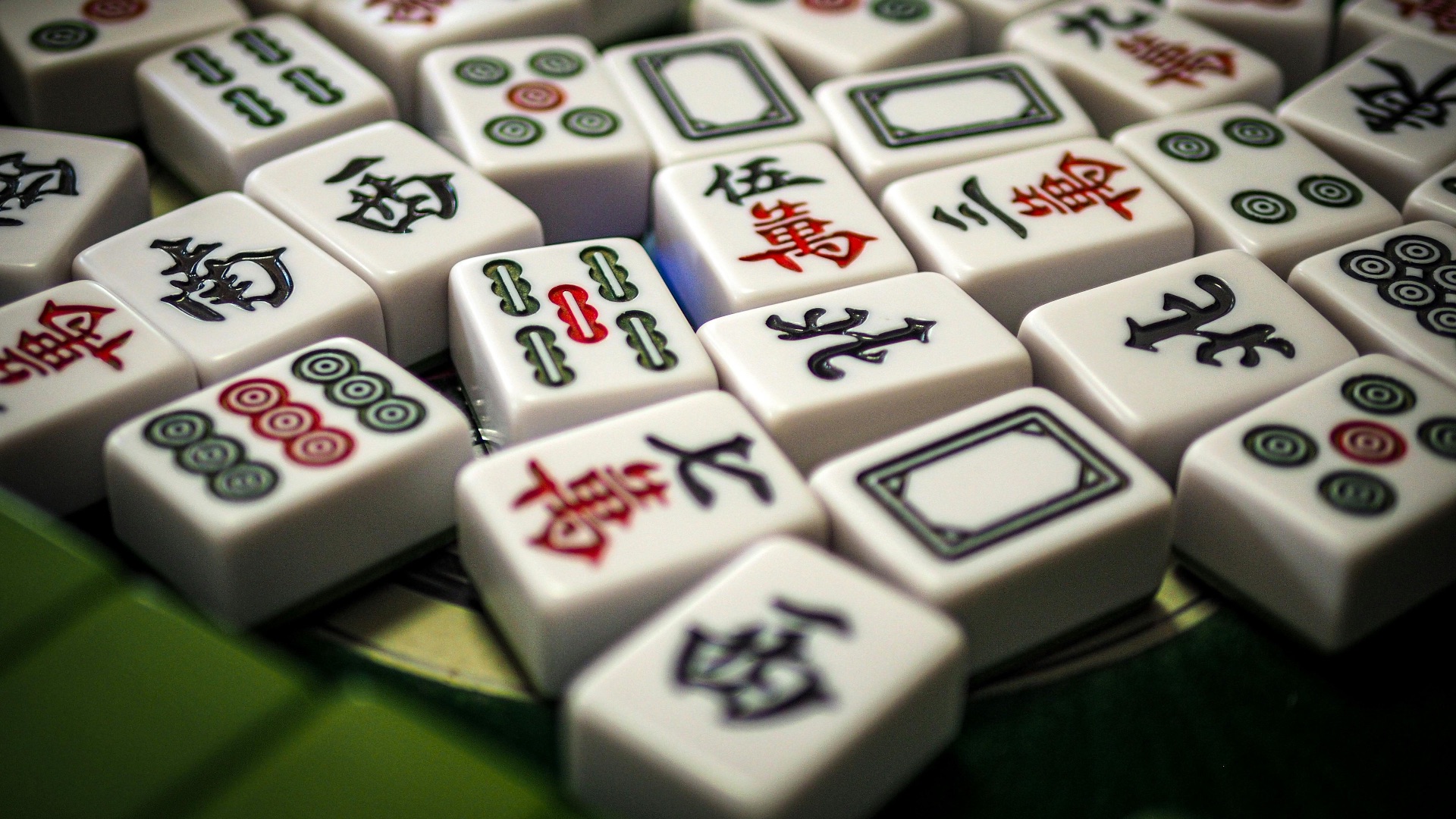
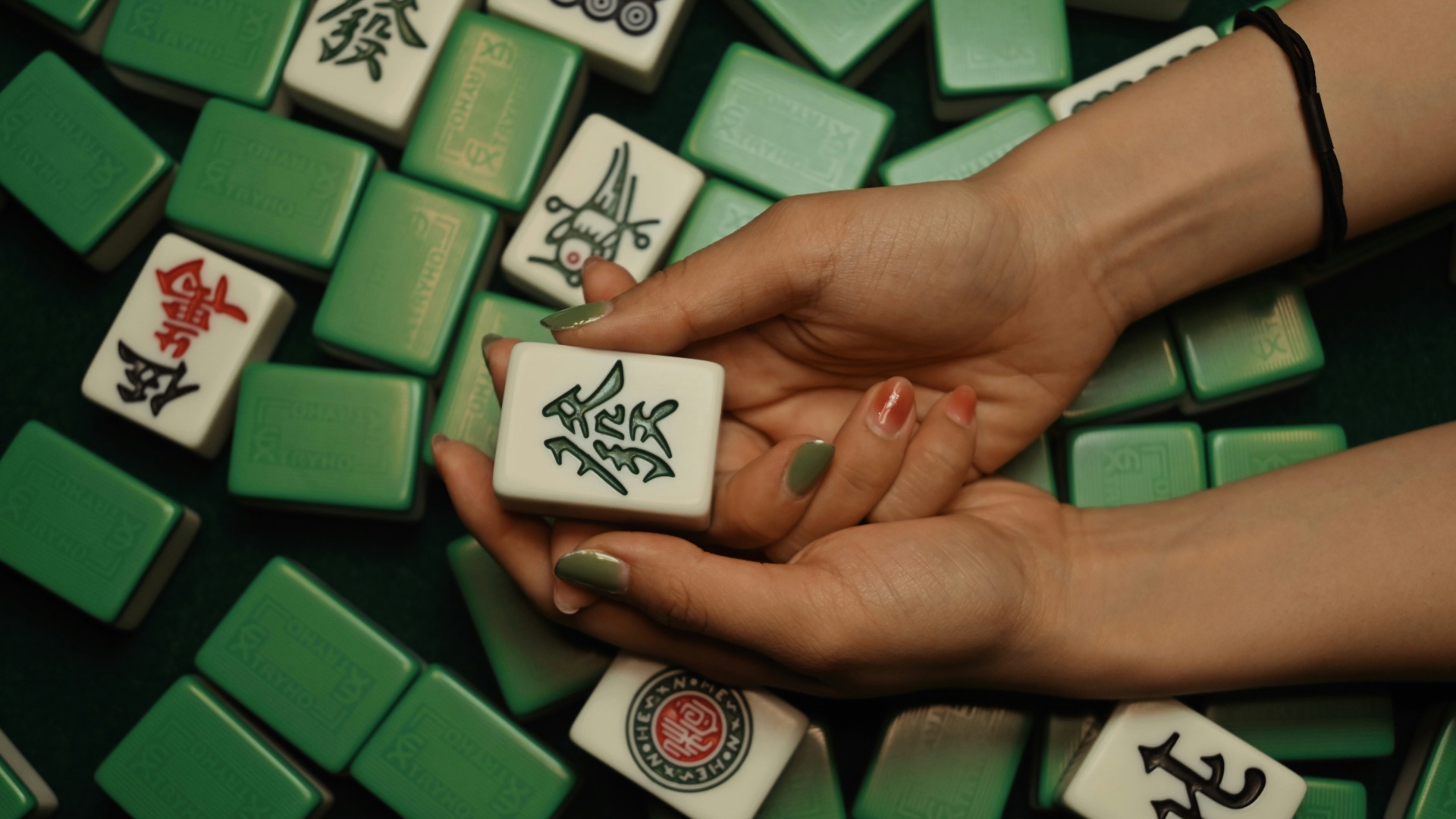
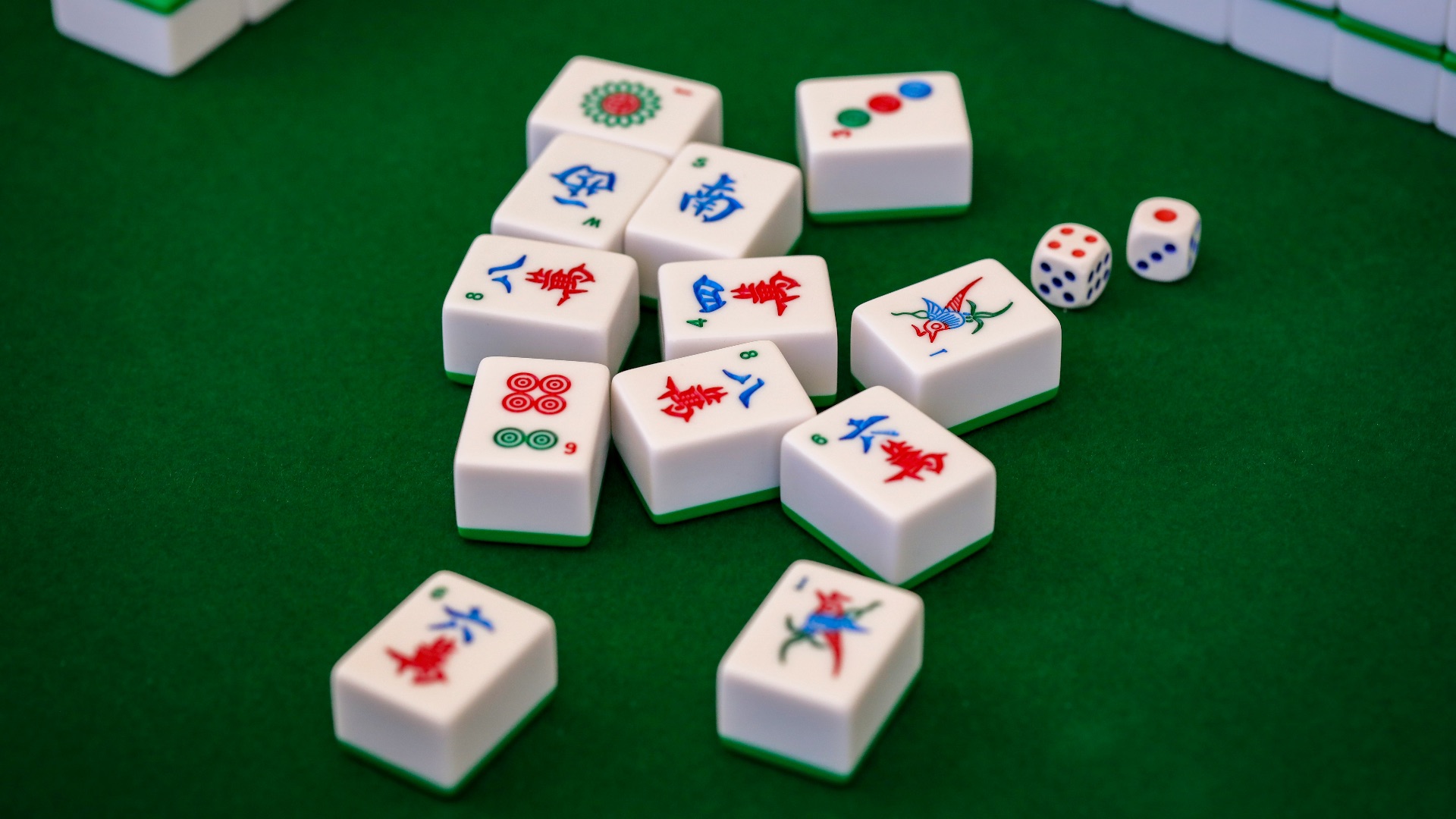
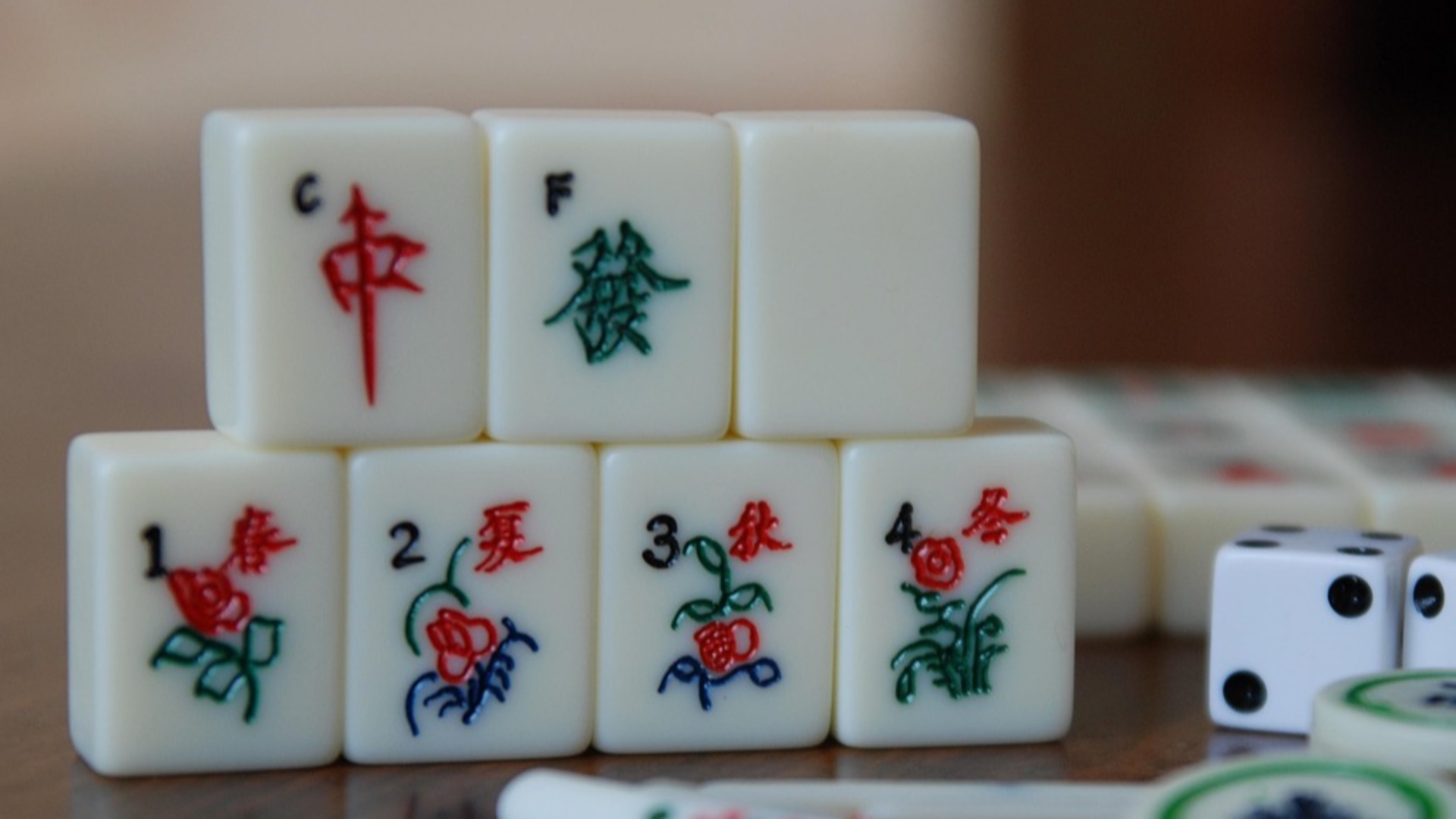
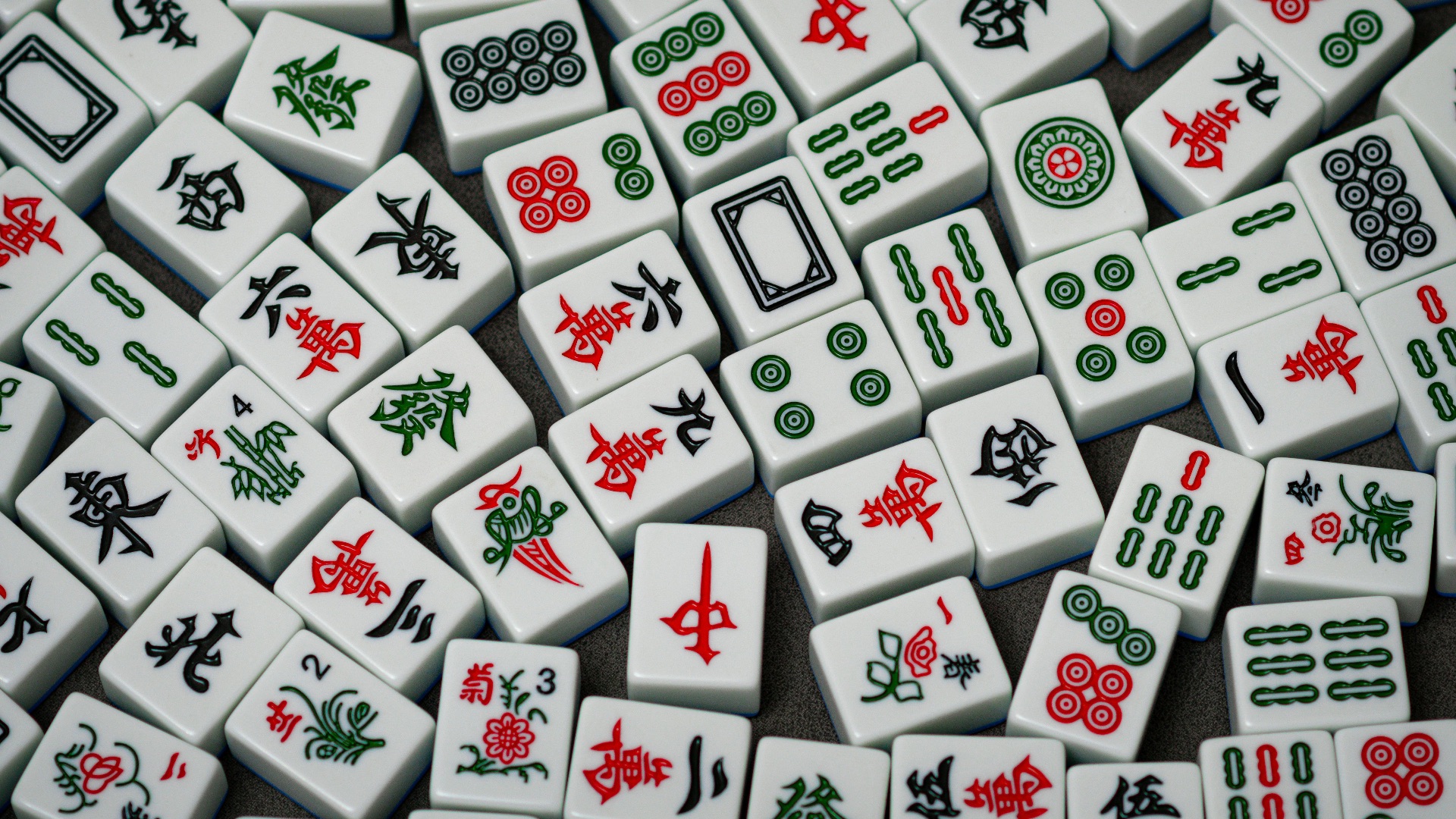
Mahjong uses three main suits (characters, circles, and bamboo) along with honor tiles that include winds and dragons, and getting familiar with these before anything else will make the rest of the learning process much smoother. You don't need to memorize every detail right away; just knowing what the tiles look like and how they're categorized is a solid starting point. From there, the rules will start to make a lot more sense.
2. Start with a Simplified Version of the Rules
There are many regional variations of mahjong, and some of them come with a long list of complex rules that can be a lot to take in all at once. Starting with a more streamlined version or a beginner-friendly ruleset lets you focus on the core mechanics without getting bogged down in exceptions. Once you've got the basics down, branching out into other versions becomes much easier.
3. Observe How Others Play Before You Jump In
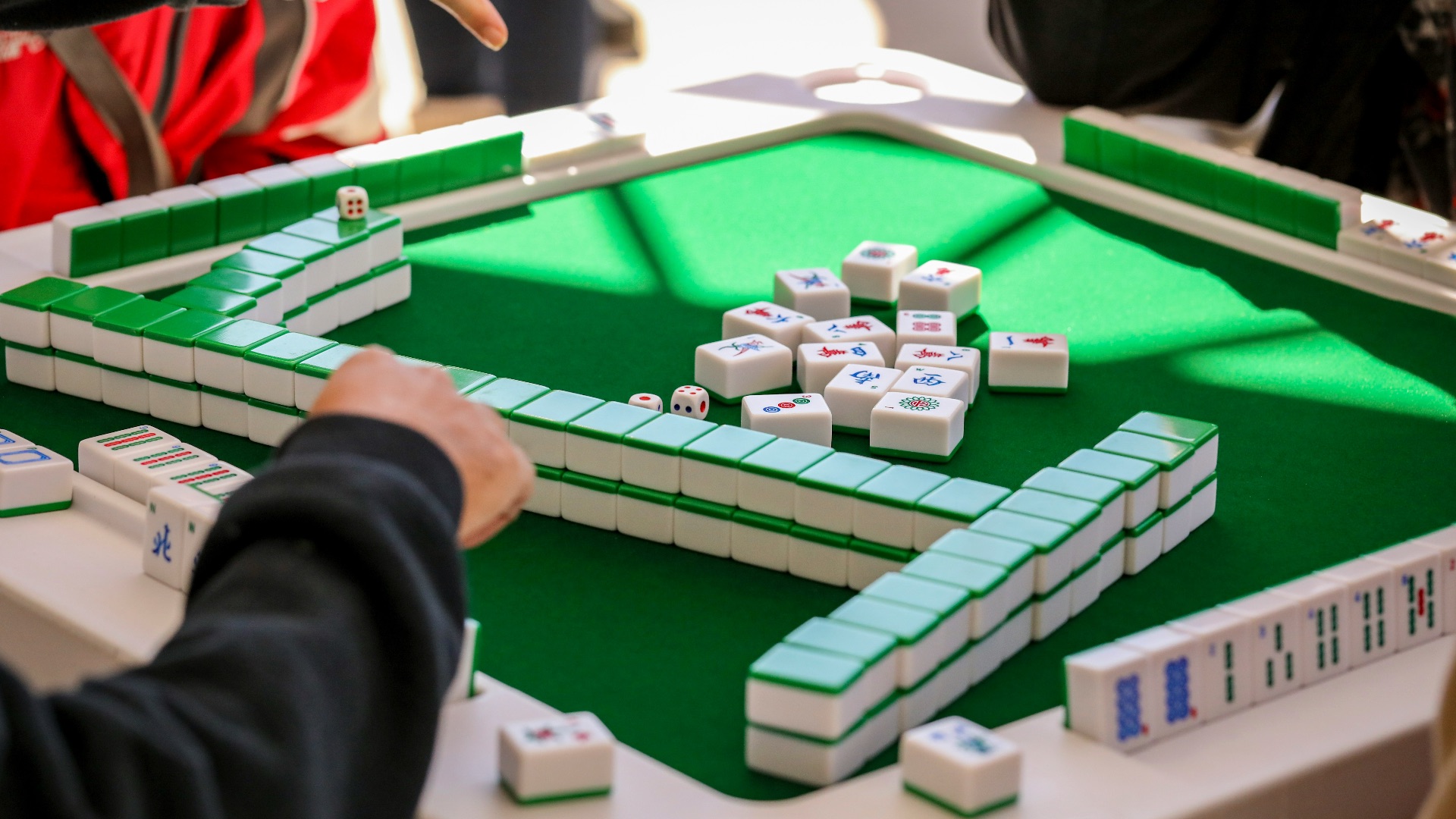
One of the best ways to get a feel for the game is to watch an experienced player in action, whether that's in person or through a tutorial video online. Seeing how the game flows in real time helps you understand things like pacing, strategy, and tile management in a way that reading about them simply doesn't. Even a single hour of observation can save you a lot of confusion at the table.
4. Use an App to Practice on Your Own
There are several well-rated mahjong apps available that let you play at your own pace without the pressure of holding up a real game. Practicing solo gives you the space to make mistakes, try different strategies, and get comfortable with the rules before sitting down with other people. It's a low-pressure way to build confidence before you make your table debut.
5. Familiarize Yourself with the Goal of the Game
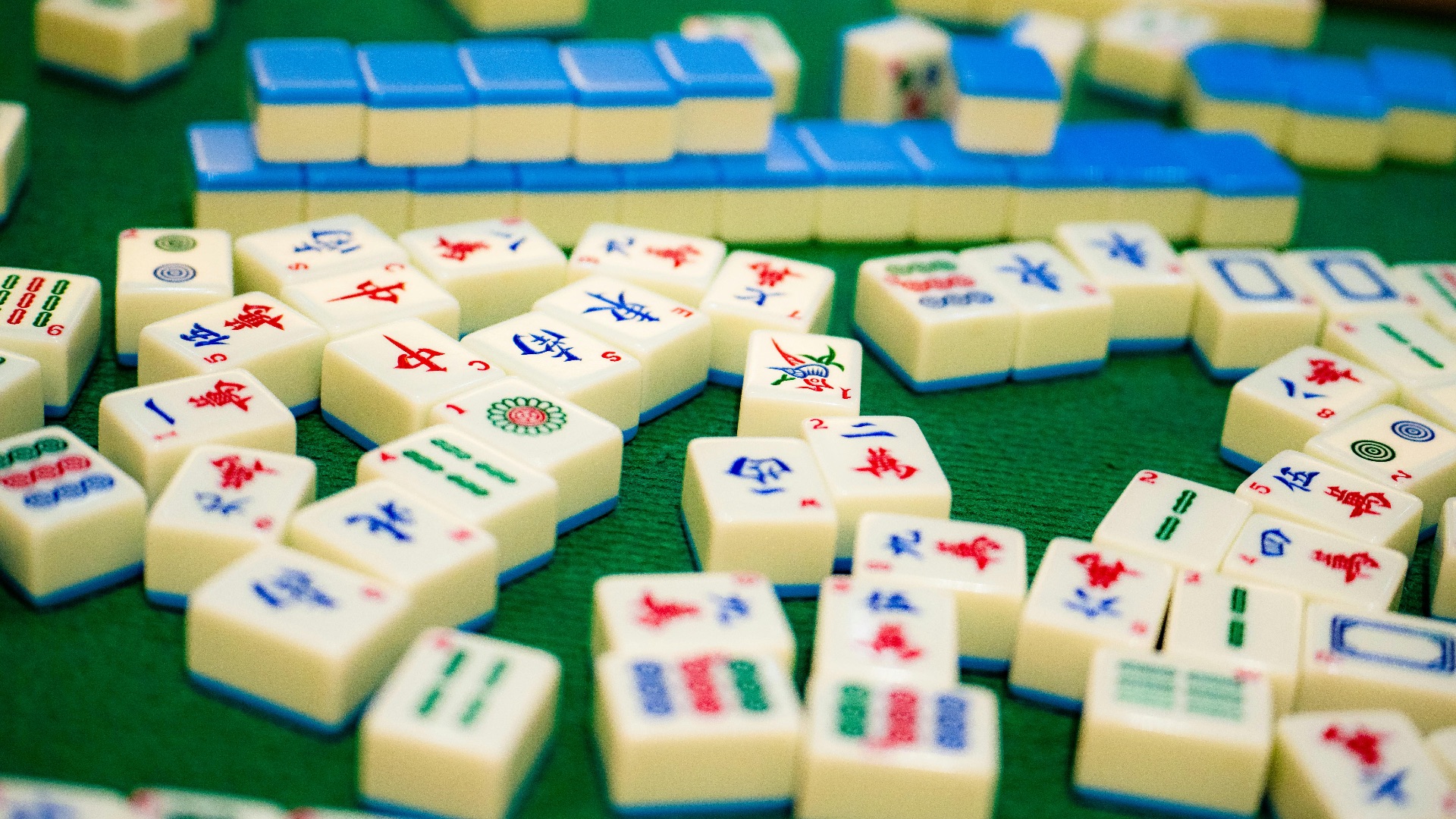
At its core, mahjong is about building sets of tiles (called melds) and being the first player to complete a winning hand, so understanding that objective early on helps everything else click into place. Knowing what you're working toward makes it easier to understand why certain moves are made and what your opponents might be aiming for. It's worth spending a few minutes on this before you try to absorb any other rules.
6. Don't Be Afraid to Ask Questions
If you're learning with experienced players, most of them will be happy to walk you through things as they come up during a game. Asking for clarification in the moment is often more helpful than trying to memorize a rulebook beforehand, because the context makes the explanation easier to understand. Most mahjong players have been in your shoes before and will appreciate that you're making the effort to learn.
7. Pay Attention to the Discard Pile
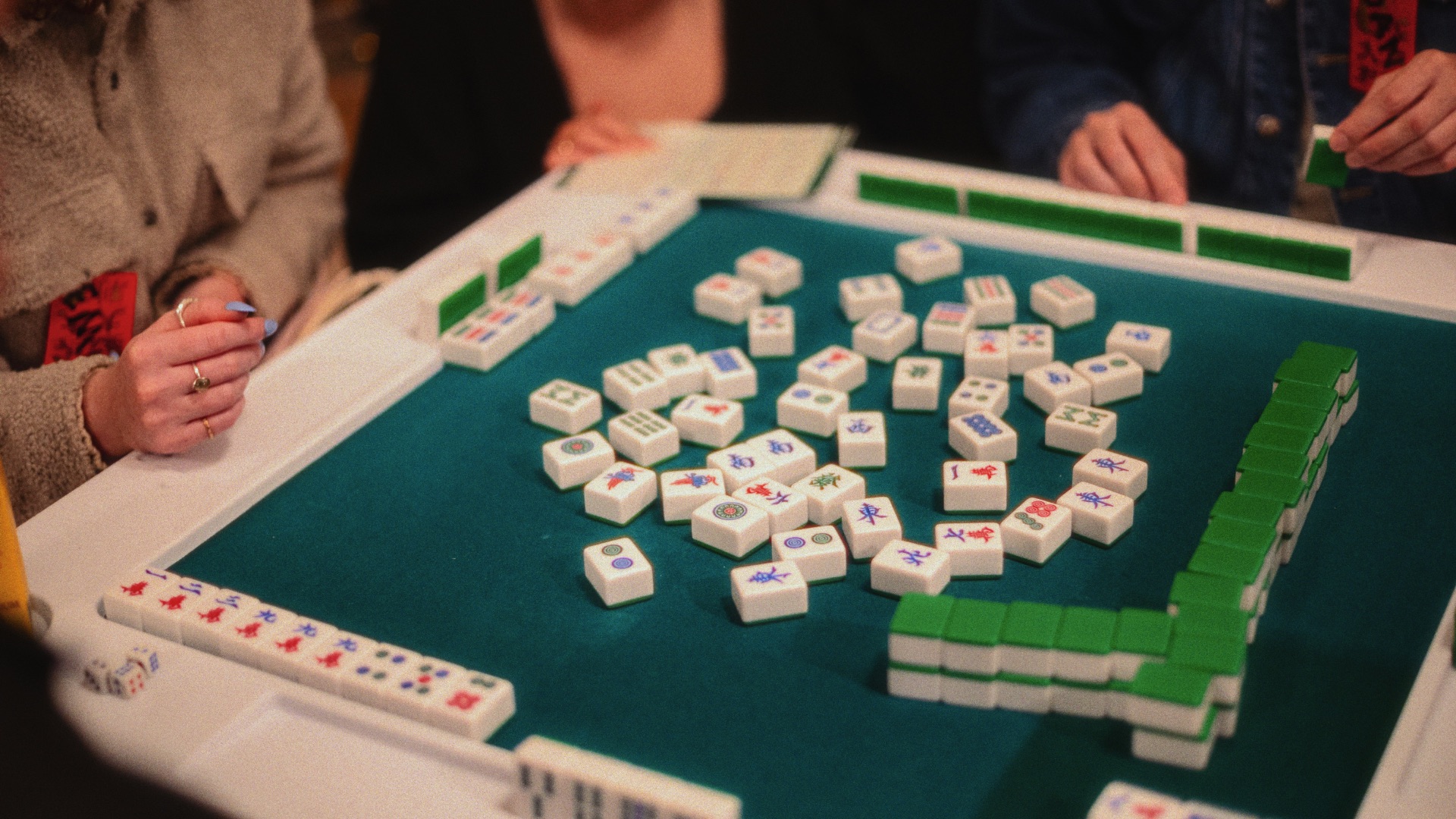
One habit that separates beginners from more experienced players is the ability to read the discard pile and use it to inform your decisions. The tiles that other players throw away tell you a lot about what they're holding and what kinds of hands they might be trying to build. Training yourself to pay attention to discards from the very beginning will give you a significant strategic edge as you improve.
8. Focus on Completing One Hand Type at a Time
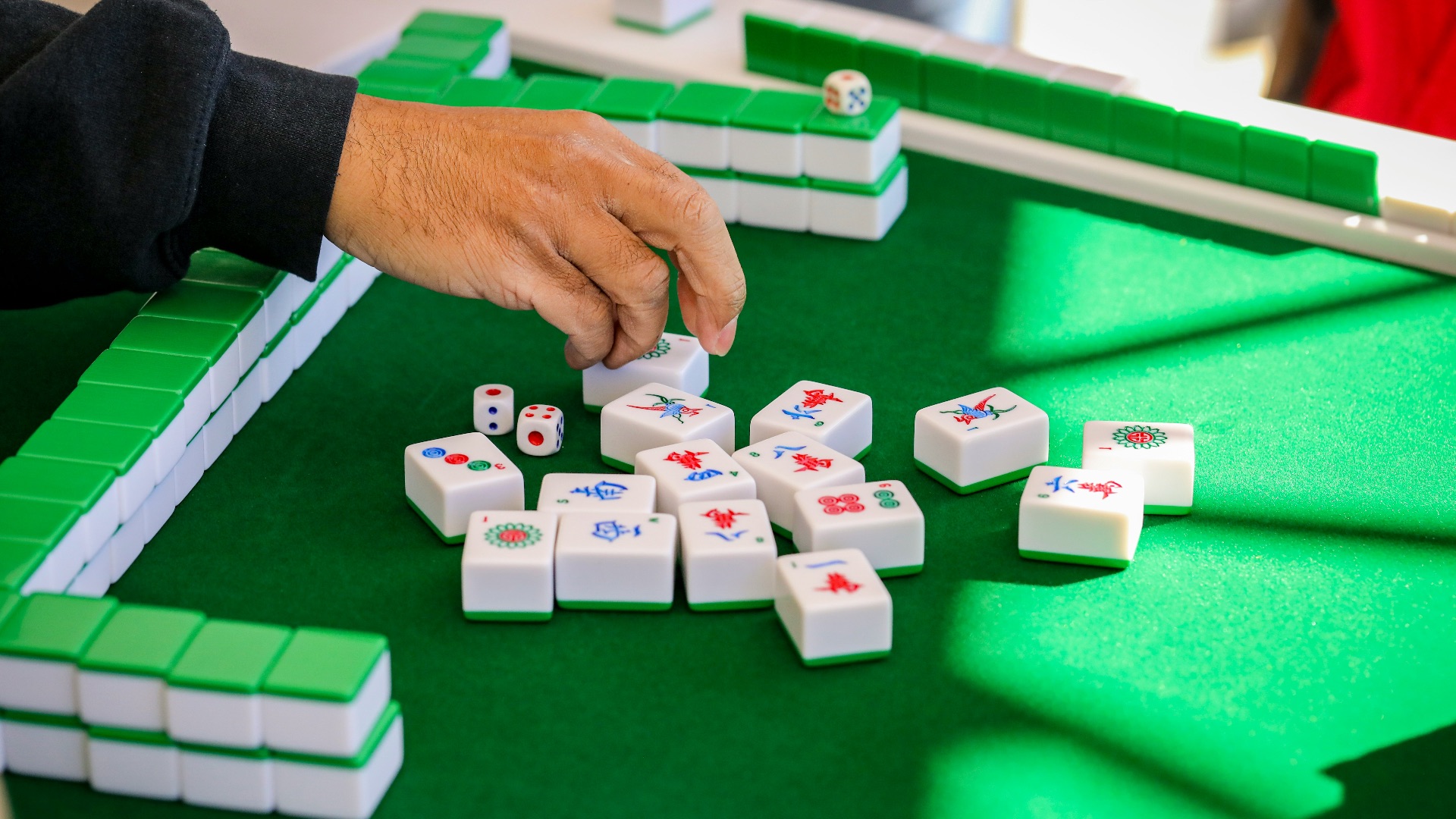
There are many different winning hand combinations in mahjong, and trying to keep track of all of them at once when you're just starting out is a recipe for overwhelm. Pick one or two common hand types, learn what they look like, and practice building toward them until it feels natural. Adding more hand types to your repertoire becomes much easier once you have a solid foundation to build on.
9. Be Patient with the Learning Curve
Mahjong has more moving parts than a lot of card games, and it's completely normal to feel lost during your first few sessions. The rules that seem confusing at first have a way of clicking into place after a few rounds, so sticking with it even when it feels slow-going is well worth the effort. Most players agree that the game becomes significantly more enjoyable once you're past the initial learning phase.
10. Play Regularly to Build Your Skills
Like most games that involve strategy, mahjong rewards consistent practice more than anything else. The more often you play, the more naturally the rules, patterns, and strategies will come to you, and the faster you'll start to feel like you actually know what you're doing. Even a short session once or twice a week can make a noticeable difference in how quickly you improve.