
 daveynin from United States on Wikimedia
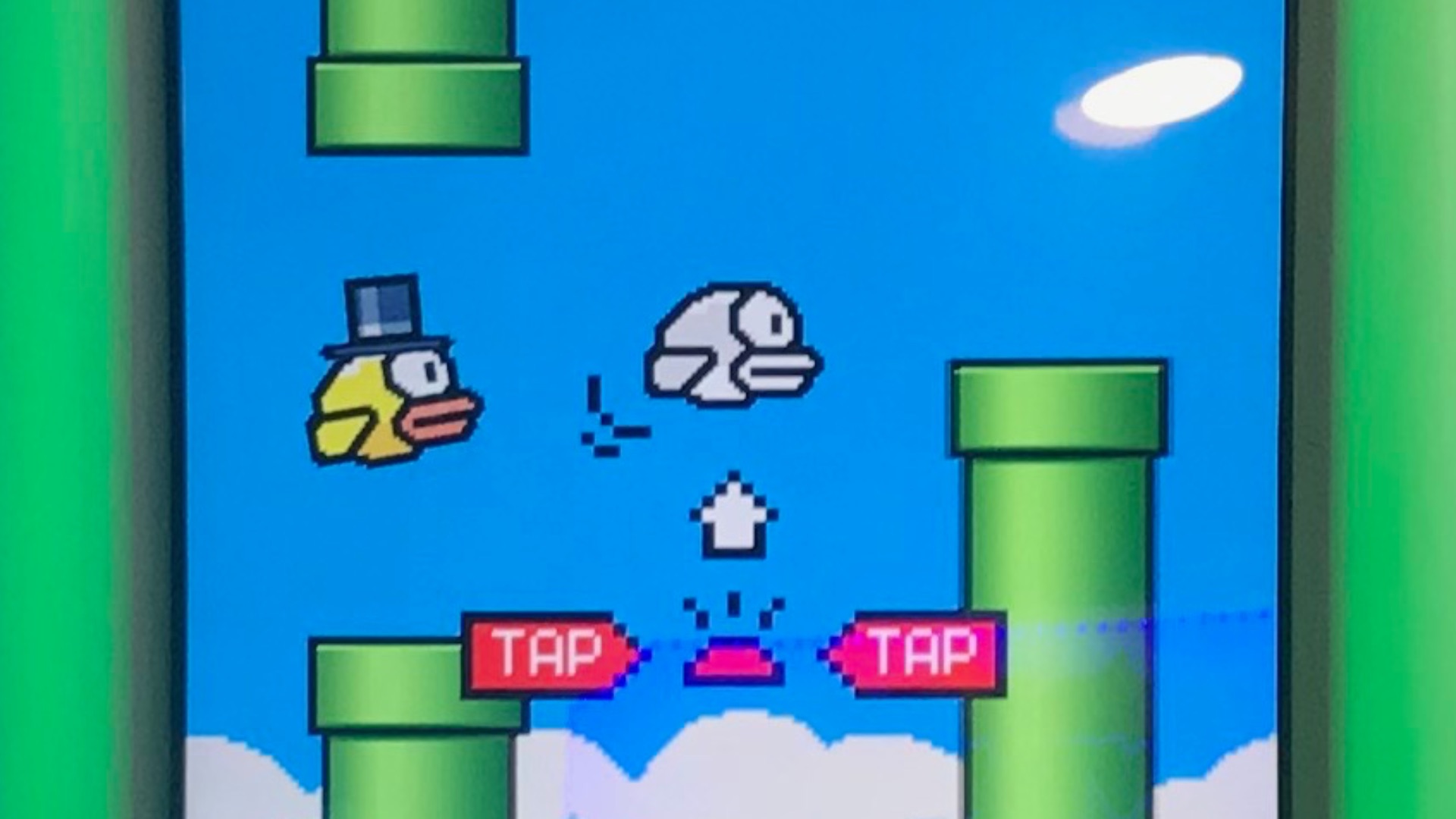
Remember Flappy Bird? Remember how annoying it was to finally get the hang of, and once you started you couldn't stop? There's a reason you can spend hours tapping your phone screen to keep a wonky-looking pixelated bird in the air, even when the game offers no concrete reward beyond a slightly higher score; simple games have a way of pulling you in that even the most elaborate, big-budget titles sometimes can't match. It sounds odd, but the less a game demands from you, the harder it can be to put down.
The psychology behind this isn't as mysterious as it might seem. Beyond Flappy Bird and other similar renditions (think Google Chrome's Dinosaur Game), games like Tetris, Minecraft, and even farming simulators like Stardew Valley tap into some deeply wired human tendencies: the need for mastery, the pull of reward systems, and the comfort of low-stakes repetition. Before you hit play again, you might want to read up on why you want to play again.
The "One More Try" Loop
Simple games are almost always easy to pick up and brutally hard to master, and that contrast is precisely what makes them so compelling. Flappy Bird is a perfect example: the controls take about three seconds to learn, but achieving a high score can take hours of attempts. Something about this kind of incremental challenge, where you're always just slightly out of reach of your goal, is one of the most effective drivers of sustained motivation.
This dynamic is closely linked to what psychologists call the "flow state," a mental condition where a task is challenging enough to engage you fully but not so difficult that it causes frustration. Studies on flow in gaming suggest that players are most likely to lose track of time when the difficulty curve matches the pace of their improving skill level. Simple games are particularly good at hitting this balance because their mechanics are narrow enough that small improvements feel meaningful and noticeable.
There's also the role of failure itself. In a game like Flappy Bird, dying takes less than a second to recover from; you tap the screen and you're back at the start with nothing lost—well, except for maybe a new high score. It's probably not hard to see how low-penalty failure loops significantly increase the likelihood that a player will keep attempting a task, because the cost of quitting feels higher than the cost of trying again.
Addicting Reward Systems
One of the most common misconceptions about game addiction is that it requires elaborate reward structures: loot boxes, level-up animations, sprawling skill trees. In reality, even a single-digit number ticking upward on a screen can trigger a meaningful dopamine response. Neuroscience research on reward anticipation has shown that the brain responds strongly to variable and incremental rewards, which is exactly what a rising score in Tetris or Flappy Bird provides.
Tetris, in particular, demonstrates how a reward loop can function without any explicit point system at all. The satisfaction of watching a completed row disappear is its own reward, and studies on Tetris and cognitive engagement have found that the game produces measurable levels of absorption and positive affect even in short play sessions. The brain registers the clearing of a row as a small but concrete success, and that feeling is addictive in the most literal sense.
Stardew Valley and other simulation games, like Animal Crossing, operate on a slightly longer reward cycle, but the same principle applies. Each in-game day ends with visible progress—crops grown, relationships developed, new areas unlocked—and that sense of consistent forward movement keeps players returning. It helps, too, that these games are low-stress and relaxing, meaning you can lose yourself in them after a long, chaotic day.
Low Cognitive Load Makes It Harder to Stop
Complex games often require your full attention: you need to track multiple objectives, manage inventories, coordinate with teammates, or follow intricate storylines. Miss something, and you might just ruin your progress. Simple games, by contrast, demand very little of your conscious mind, which means they're far easier to pick up and play whenever you have a moment's time. That accessibility removes the friction that might otherwise stop you from starting a session.
This low cognitive demand also means that simple games don't feel like work, even when you're investing significant time in them. And since they don't demand much from you, playing them feels restorative and enjoyable, which makes it harder to voluntarily stop. When the game doesn't feel draining, there's no internal signal telling you it's time to walk away. So you just keep playing.
Of course, there could be an even plainer answer as well: easy-to-play games are addictive simply because well-developed games in themselves are addictive. Perhaps you just enjoy playing video games, and that's all there is to it; perhaps you find it hard to stop because it's a title that has stuck with you since childhood. Whether it's Flappy Bird or Mario Kart or The Legend of Zelda, we say: play on.