
When Worlds Feel Lived-In Versus Just Built
Open-world games promise freedom, immersion, and discovery, but not all of them deliver on that experience. Some worlds feel dynamic, reactive, and full of life, while others seem static and forgettable despite their size. The difference often comes down to detail, interactivity, and how the world responds to you. These two lists highlight games that truly feel alive and those that, despite their scale, struggle to leave a lasting impression.

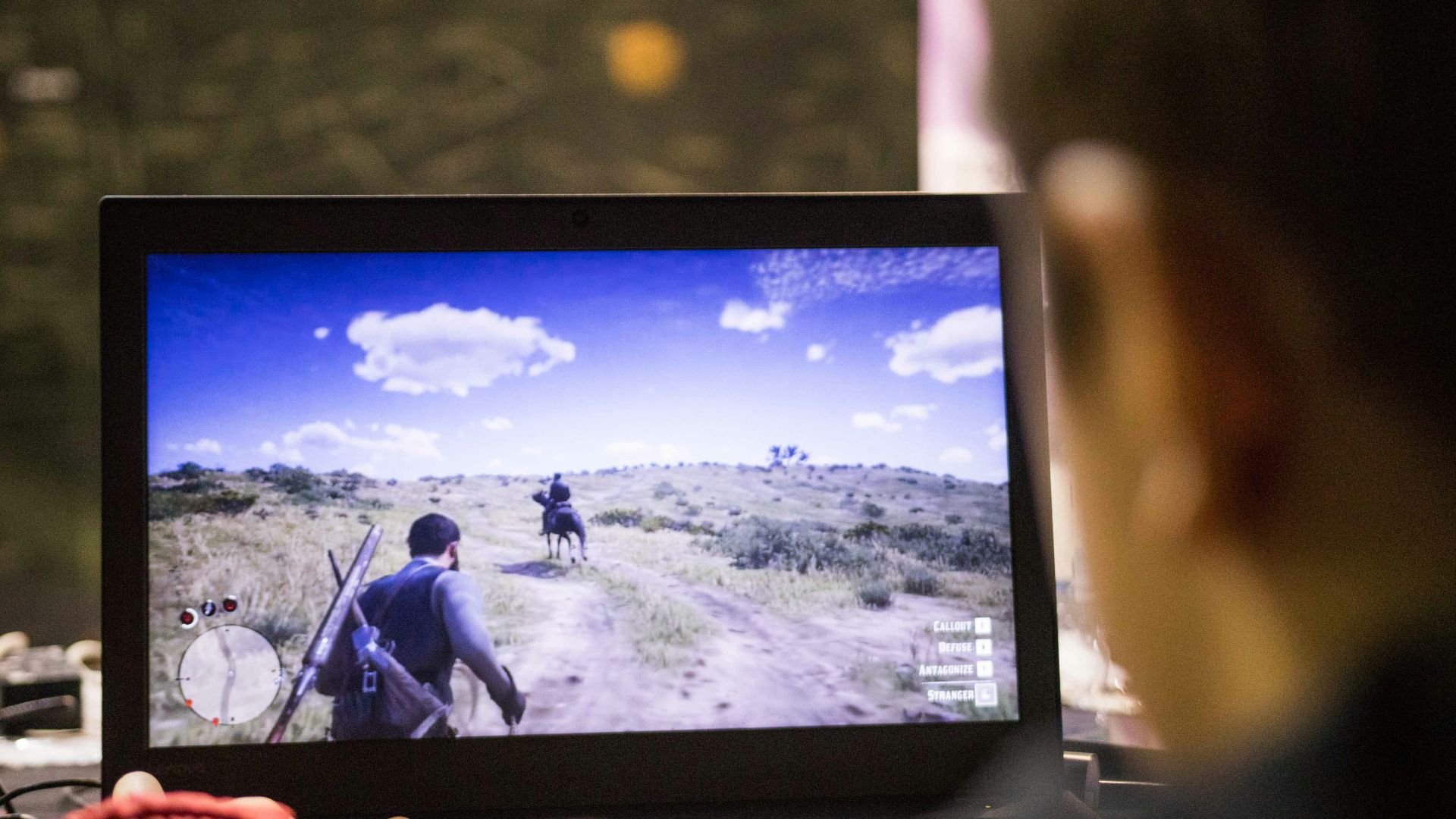
1. Red Dead Redemption 2
This world reacts to your actions in subtle and meaningful ways. NPCs remember encounters, and random events make exploration feel unpredictable. Wildlife behaves naturally, adding to the realism. The attention to detail creates a deeply immersive experience. It’s the kind of world where even small moments feel intentional.
 Clastr Cloud Gaming on Unsplash
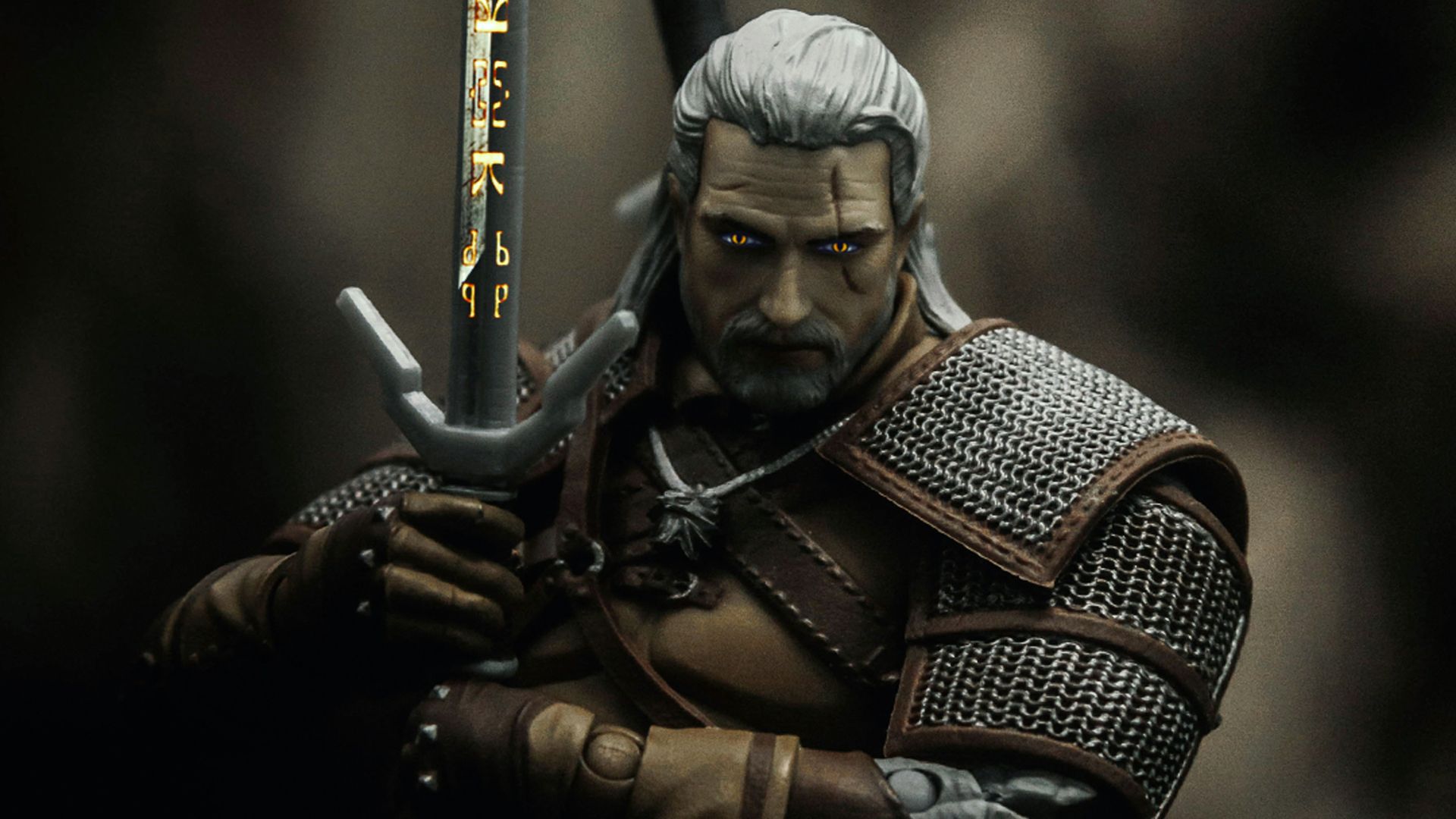
2. The Witcher 3: Wild Hunt
The environment feels shaped by its stories and characters. Side quests often carry emotional weight and real consequences. Towns and villages have routines that make them feel active. The world constantly gives you reasons to stay engaged. It rarely feels like you’re just moving from one task to another.
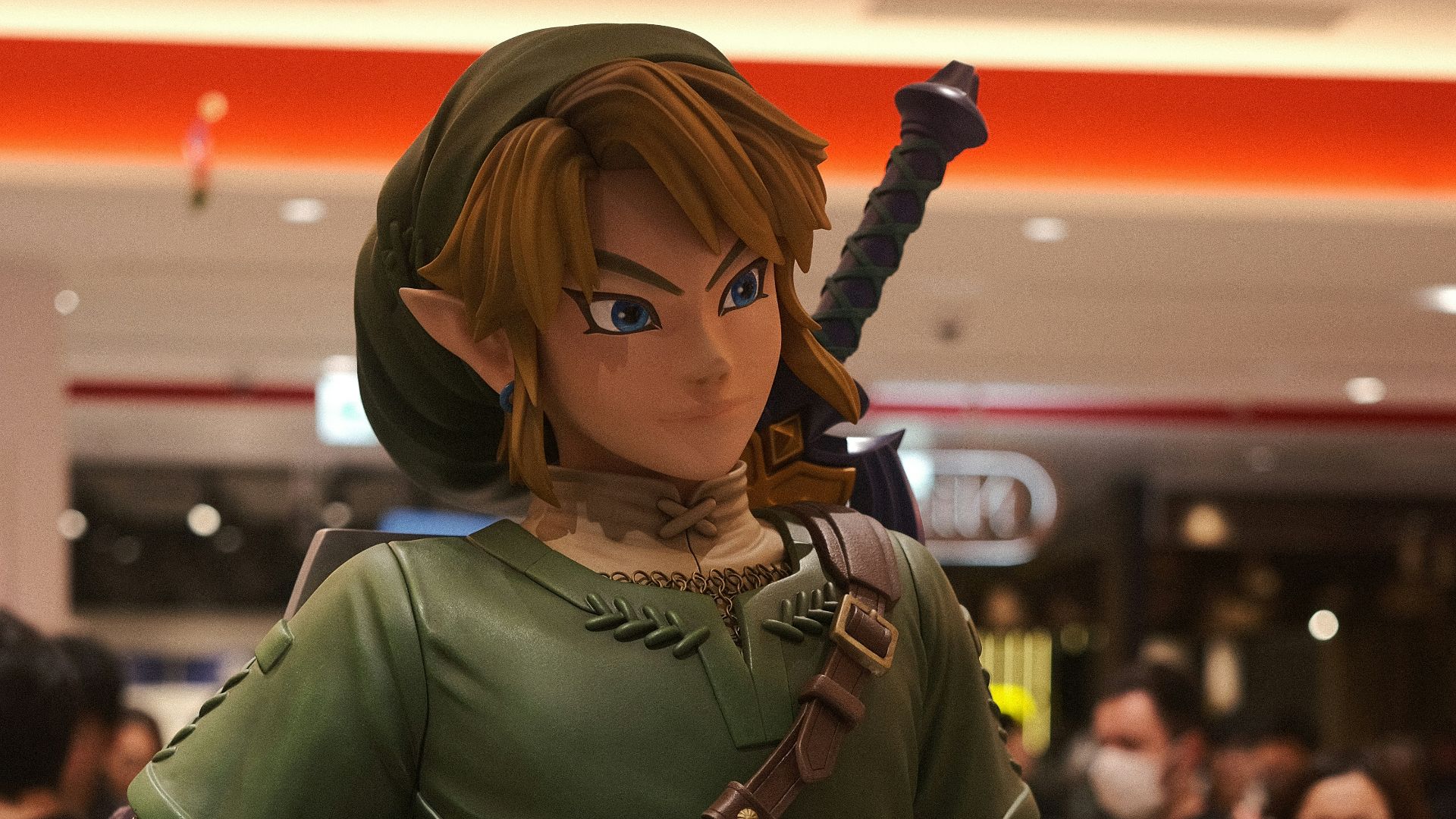
3. The Legend of Zelda: Breath of the Wild
The game encourages experimentation with its systems. Weather, physics, and environmental interactions all play a role. NPCs respond differently depending on your progress. It creates a sense that the world exists beyond your actions. You’re constantly rewarded for trying something new.
4. Elden Ring
The world feels mysterious and interconnected without heavy guidance. Exploration rewards curiosity with meaningful discoveries. Enemies and environments tell stories without direct explanation. The design encourages you to pay attention to every detail, and makes exploration feel both challenging and worthwhile.

5. Grand Theft Auto V
The city feels alive with constant movement and activity. Pedestrians react dynamically to what you do around them. Traffic, conversations, and random events keep things interesting. It maintains a strong sense of energy throughout. There’s always something happening, even when you’re not looking for it.

6. Skyrim
Even years after release, the world still feels expansive and reactive. NPCs have schedules, and factions influence your experience. Exploration often leads to unexpected encounters. The freedom it offers keeps players engaged for long periods. It’s easy to lose track of time just wandering.
7. Cyberpunk 2077 (Post-Updates)
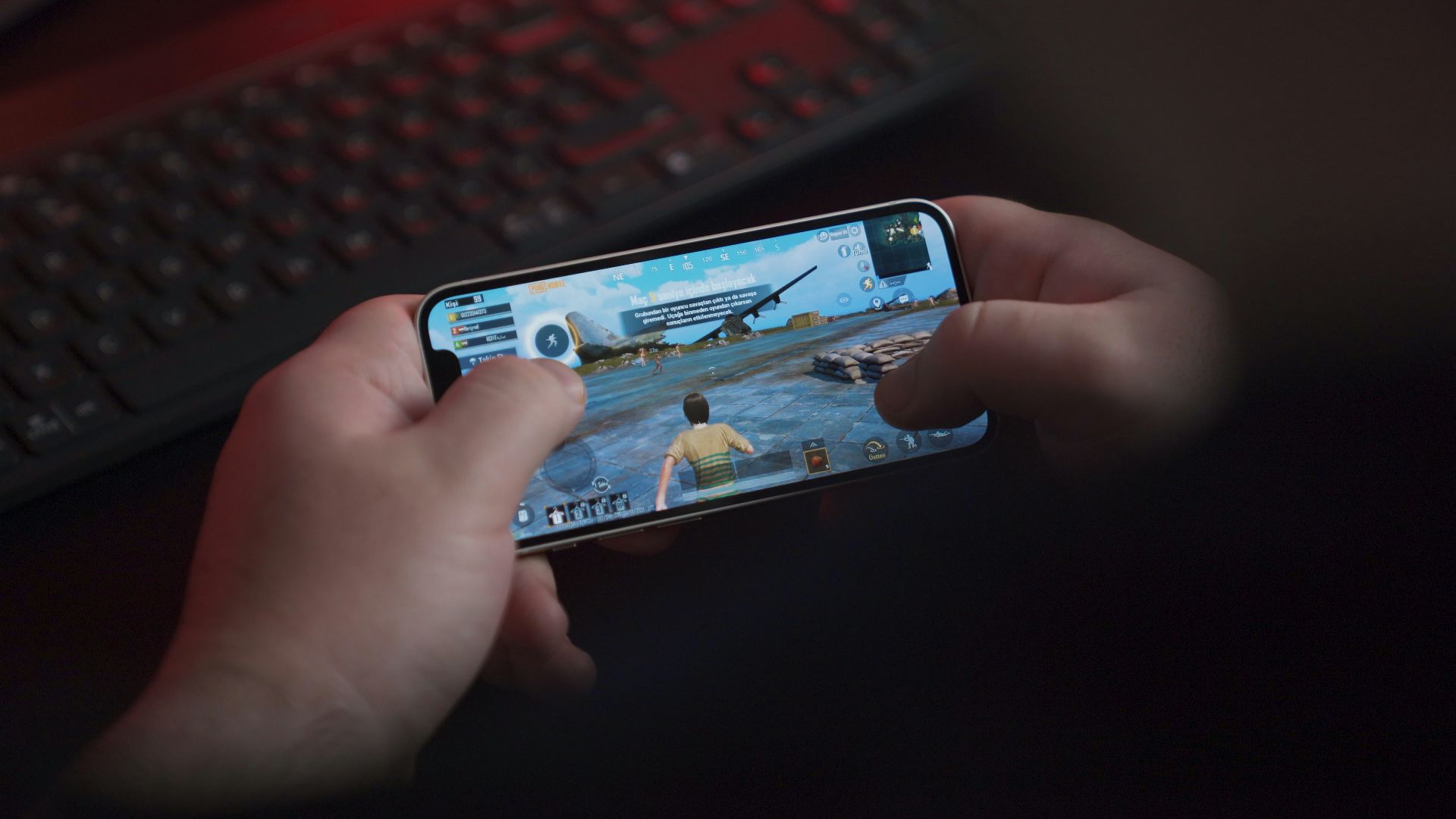
After updates, the city feels more responsive and immersive. NPC density and behavior create a sense of scale, and story-driven moments blend well with open exploration. The environment now feels more cohesive and active. It finally delivers on the atmosphere it originally promised.

8. Horizon Forbidden West
The world is rich with detail and environmental storytelling. Wildlife and machines interact in believable ways. Settlements feel busy and purposeful, balancing visual design with meaningful exploration. The environment constantly encourages you to look closer.

9. Assassin’s Creed Odyssey
The map is large, but it’s filled with activities and interactions. NPCs move through daily routines that add realism. Naval exploration adds another layer of engagement, making the world feel active rather than empty. There’s always a sense that something is happening nearby.
 Tim Bartel from Cologne, Germany on Wikimedia
10. Fallout: New Vegas
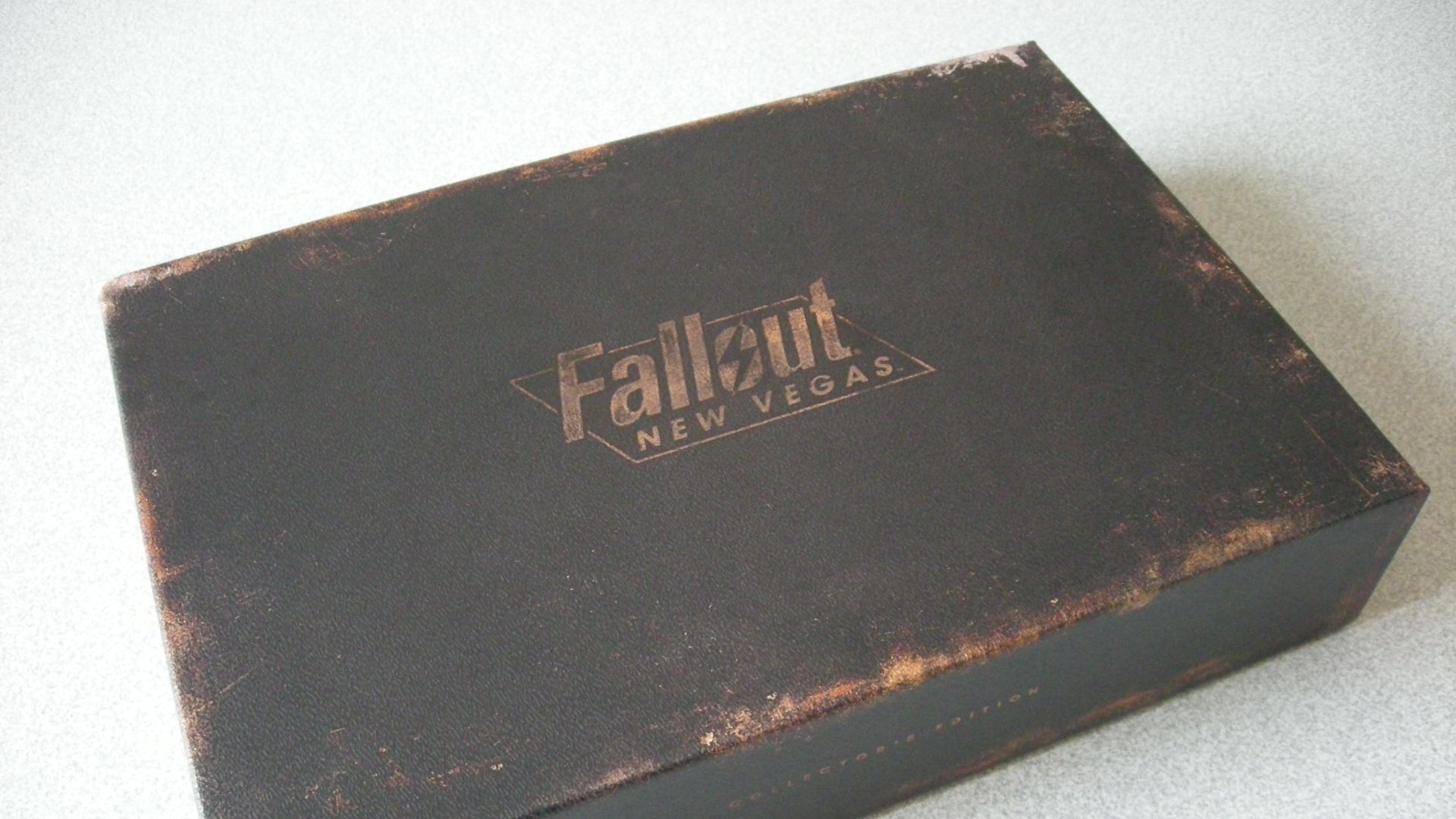
Player choices have clear and lasting consequences. Factions react differently depending on your decisions. The world changes in response to your actions. This makes the experience feel personal and dynamic. Your decisions genuinely shape how the game unfolds.
1. No Man’s Sky (At Launch)
At release, the universe felt repetitive despite its size. Many planets lacked meaningful variation or interaction. Exploration quickly became predictable, and it struggled to maintain long-term engagement early on.
2. Mass Effect: Andromeda
Large areas often lacked meaningful activities or depth. Side content didn’t always feel rewarding. The world design felt more like space to fill than a living environment. It made exploration feel less impactful.
 Victoria Romanova a.k.a. Milligan Vick on Wikimedia
3. Mafia III
The setting had potential but became repetitive over time. Missions followed similar patterns without much variation. The world didn’t react significantly to your actions, limiting its sense of immersion.

4. Just Cause 4
While the mechanics were fun, the world felt shallow. Destruction was the main focus without deeper interaction. NPC behavior didn’t add much life to the environment, and it lacked the detail needed to feel truly alive.

5. Far Cry New Dawn
The map reused assets without adding enough new depth. Activities quickly became repetitive as the world didn’t evolve much as you progressed. It struggled to feel fresh or engaging.

6. Crackdown 3
Despite its scale, the environment lacked meaningful interaction. Objectives felt disconnected from the world itself. NPCs didn’t contribute much to immersion, making the setting feel more like a backdrop.

7. Rage 2
The gameplay mechanics were strong, but the world felt empty. Exploration didn’t always lead to rewarding discoveries. Many areas lacked a distinct identity.
8. Ghost Recon Breakpoint (At Launch)
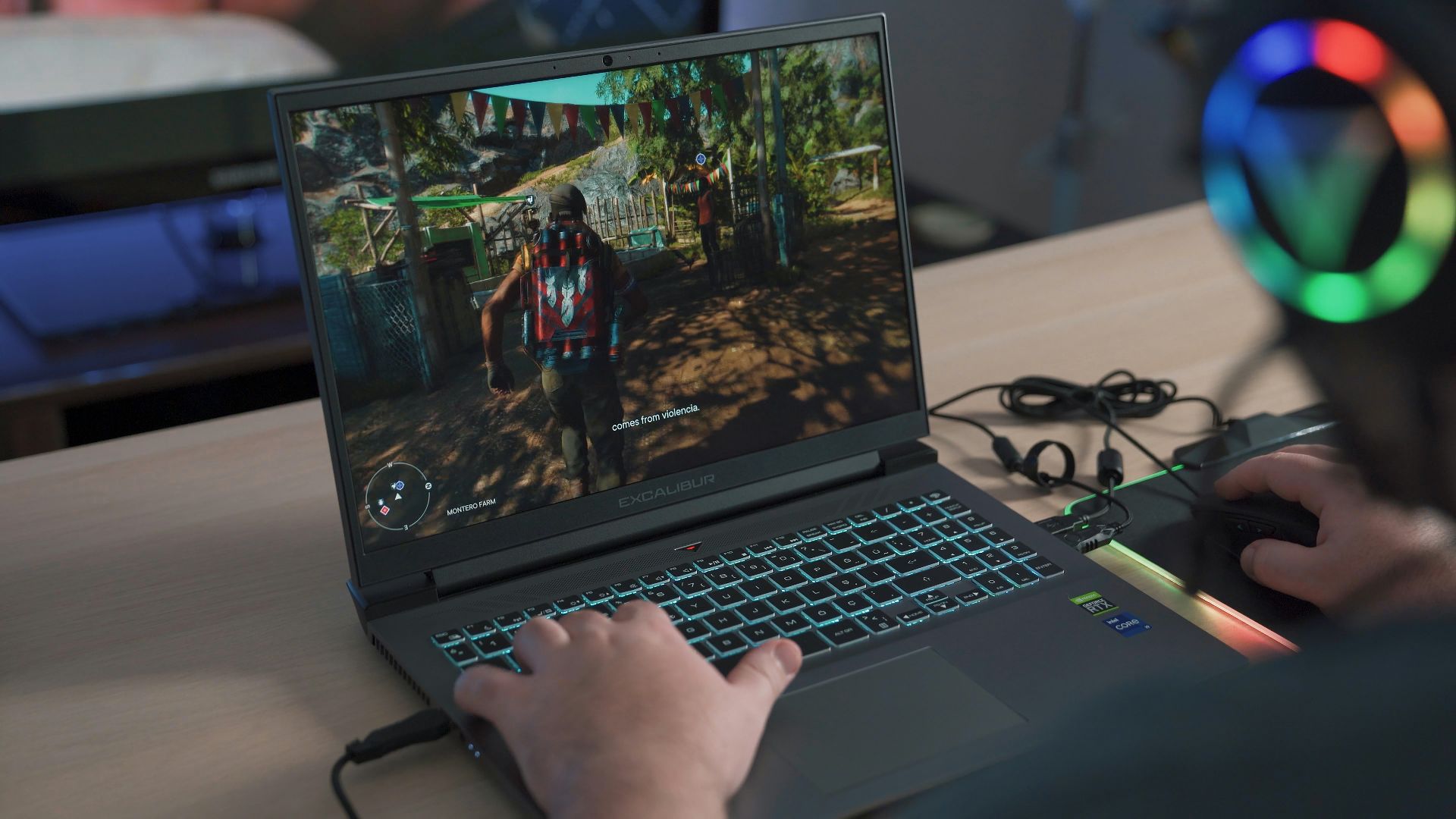
The world initially felt lifeless and underdeveloped. NPC interaction was limited and lacked depth, and missions often felt repetitive across the map. It reduced the overall sense of immersion.

9. Watch Dogs: Legion
The concept was ambitious, but the world lacked emotional connection. NPC variety didn’t always translate to meaningful interaction. The environment felt more mechanical than alive. It made the experience less engaging over time.

10. Anthem
The world looked impressive but lacked substance. Activities didn’t evolve or feel impactful. NPC presence and interaction were minimal. It left the environment feeling empty despite its visuals.