Fast Explanations That Stick
TikTok is great at turning a messy idea into a clean storyline you can repeat to your friends in ten seconds. Sometimes that is genuinely helpful, because it gives language to patterns people have felt but never named. Sometimes it is misleading, because the format rewards confidence, not accuracy, and nuance is usually the first thing tossed overboard. A “theory” on TikTok can be research-backed, half-true, or completely made up, and it can still feel convincing if it arrives with good pacing and a familiar example. The result is a shared library of explanations people now use to interpret dating, work, health, family, and basically every human interaction. Here are 20 theories people learned from TikTok, for better or worse.
1. Attachment Styles Explain Everything
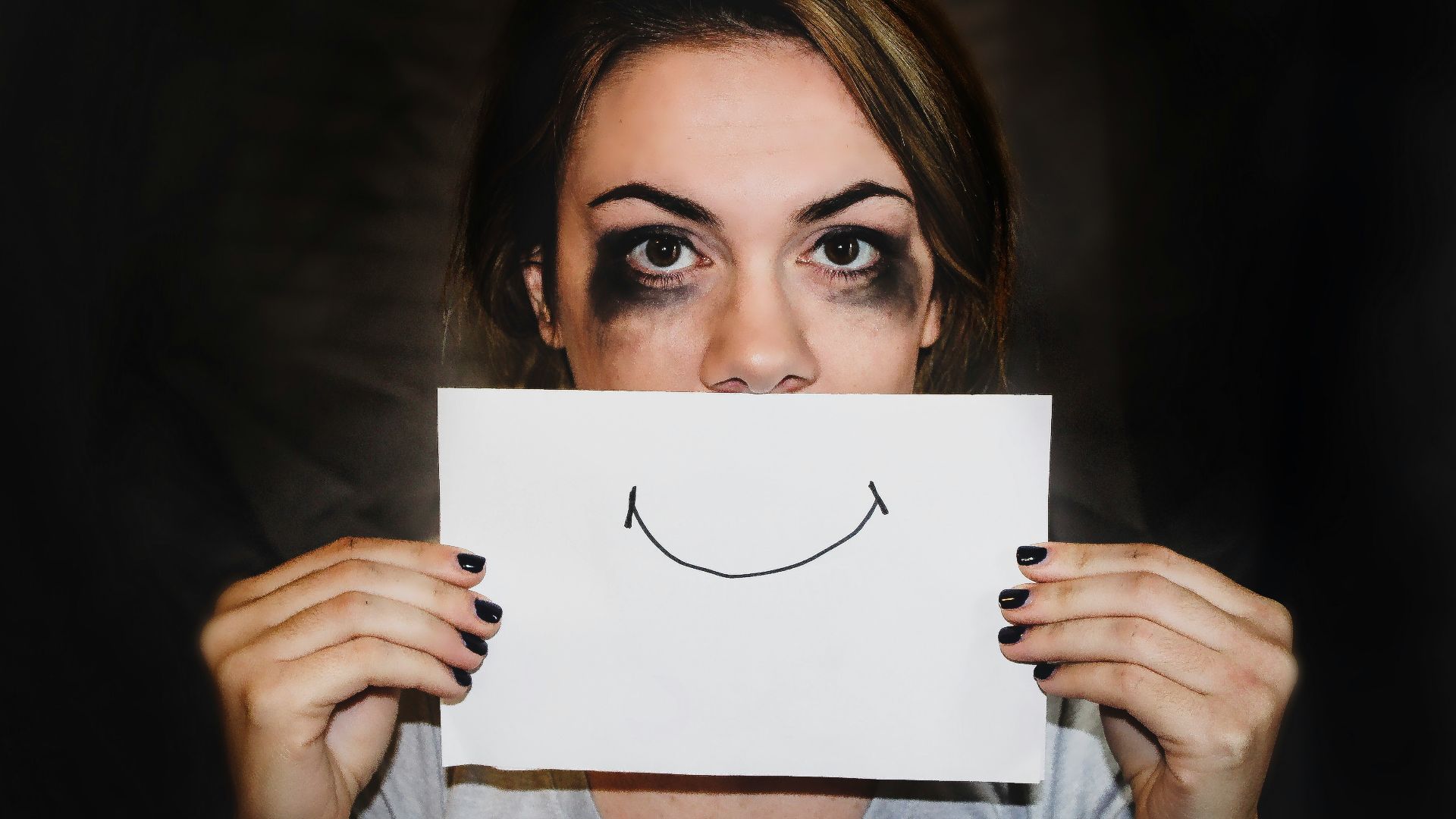
A lot of people learned to label themselves anxious, avoidant, or secure and then map it onto every relationship they have ever had. It can help you notice patterns, but it also gets used as a shortcut instead of doing the harder work of communication. The theory sticks because it offers a neat explanation for complicated feelings.

2. The Narcissist Playbook
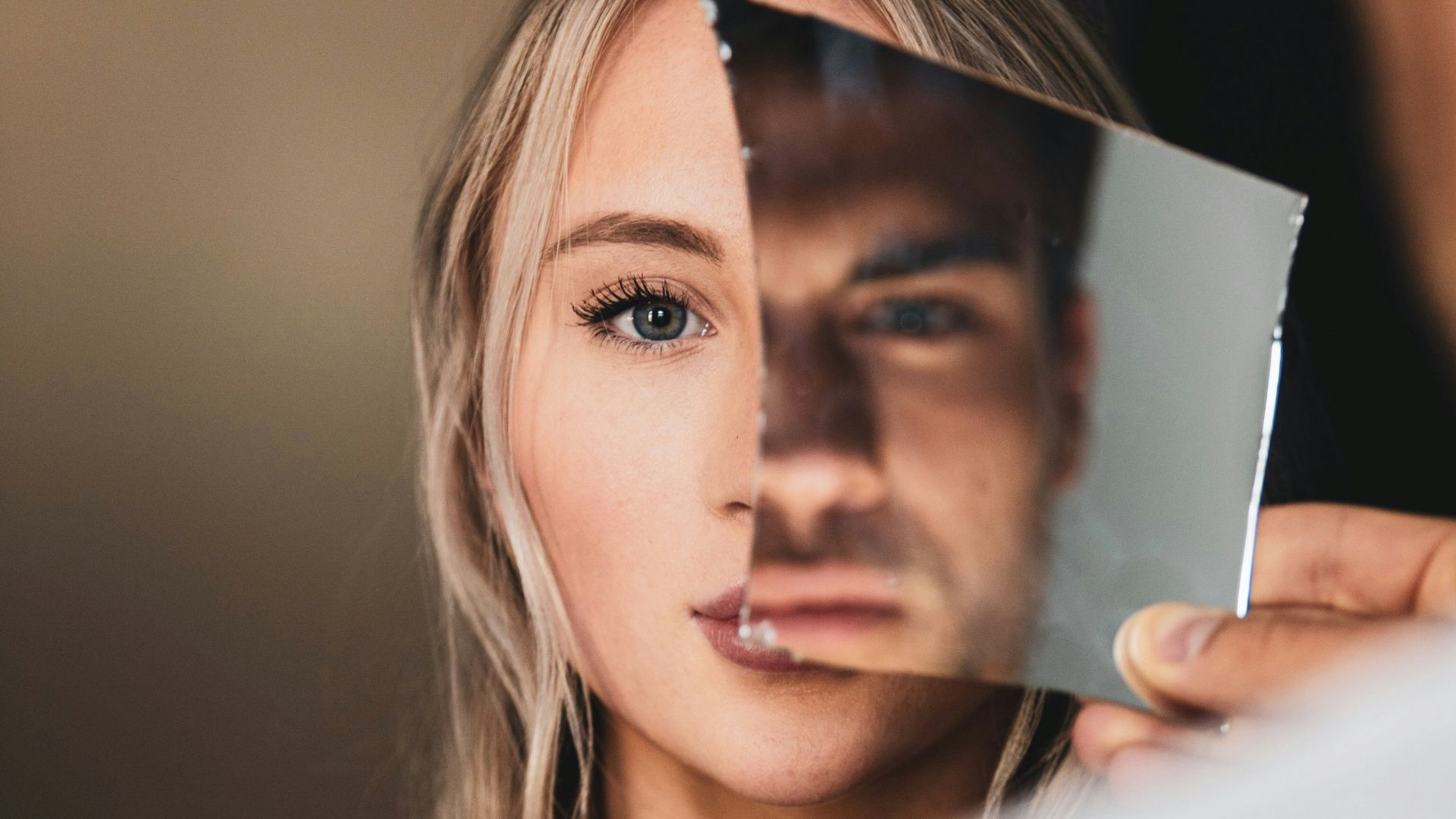
TikTok taught people a set of behaviors to watch for, like love bombing, gaslighting, and blame-shifting. Some of it reflects real dynamics, and some of it gets applied to any person who is selfish or immature. The theory spreads because it gives people a way to make sense of confusing relationships.
 LOGAN WEAVER | @LGNWVR on Unsplash
3. Love Languages Are A Relationship Diagnostic
People now talk about words of affirmation or acts of service like they are blood types. It can be useful for discussing preferences, but it gets treated like destiny rather than a conversation starter. The appeal is that it turns emotional needs into something easy to name.

4. The High-Value Partner Framework
A lot of dating content pushes a theory that you should optimize yourself and only accept certain standards. Healthy boundaries are good, but the framing sometimes turns people into checklists and negotiations. It gets traction because it promises control in a chaotic dating world.

5. Soft Life as A Strategy
Soft life content claims that choosing ease and gentleness is a form of self-preservation. Sometimes it is a real correction for burnout, and sometimes it becomes avoidance dressed up as wellness. The theory is popular because it feels like permission to stop struggling.

6. Dopamine Detox Fixes Motivation
TikTok popularized the idea that cutting stimulation will reset your brain and make you productive again. There is a kernel of truth about attention and habits, but the term gets used loosely and oversold. People love it because it offers a clean reset button.
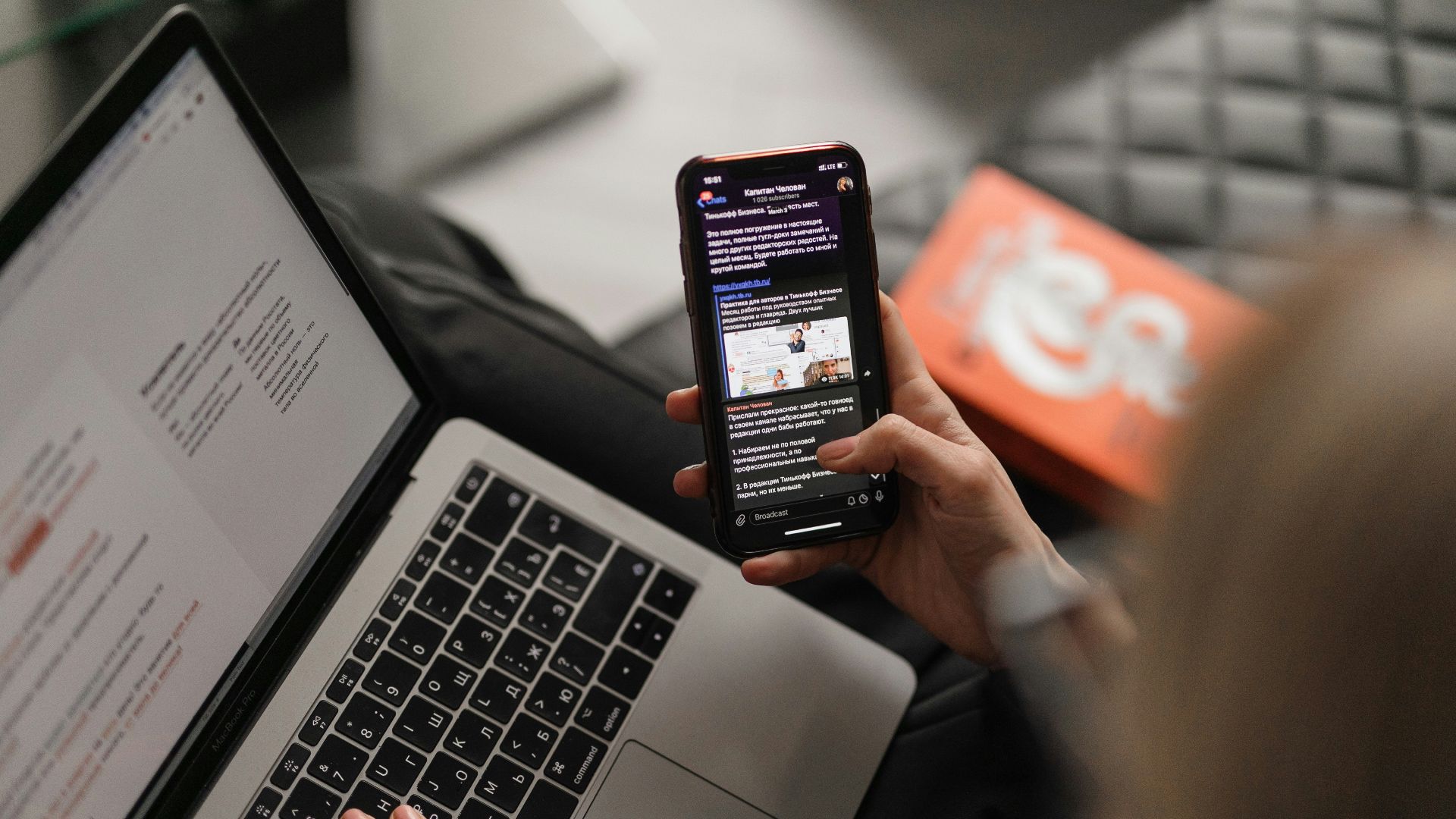
7. Cortisol Is The Root of Everything
Cortisol gets blamed for weight gain, anxiety, tiredness, and basically any vague symptom. Stress hormones matter, but the content often simplifies complex health issues into a single villain. The theory sticks because it makes invisible stress feel measurable and fixable.
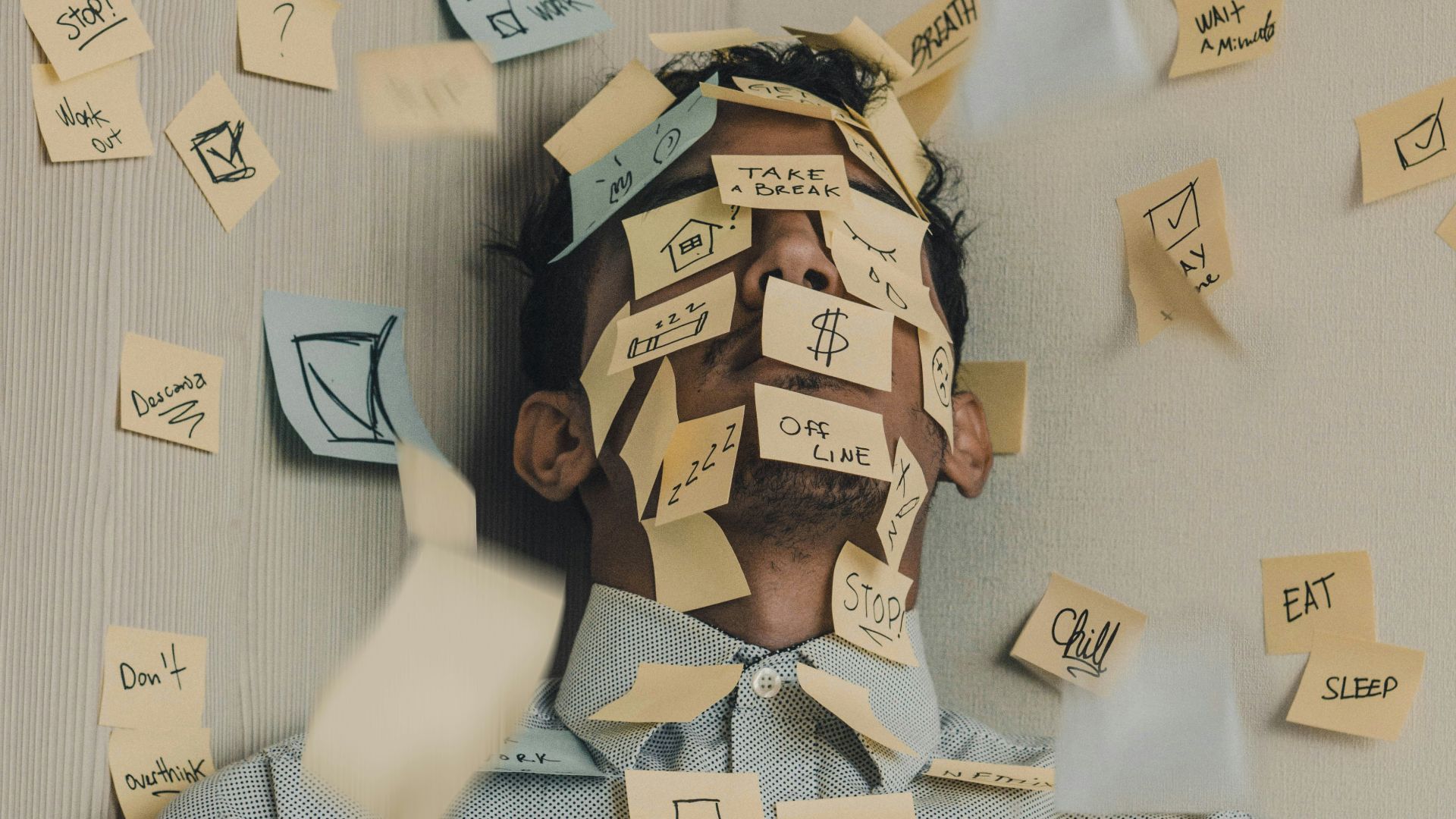
8. Gut Health Controls Mood
A lot of people learned that the gut and brain are connected and that diet can affect mental state. That connection is real, but TikTok sometimes turns it into a one-size-fits-all explanation for depression, anxiety, and brain fog. It spreads because food feels like a lever people can actually pull.

9. Seed Oils Are Poison
Seed oils got framed as the hidden cause of inflammation and modern disease. The science is more complicated than most videos suggest, and claims often jump far beyond evidence. It becomes popular because cutting out one ingredient feels like a clear, decisive solution.

10. Blood Sugar Spikes Explain Crashes and Cravings
The theory is that glucose swings drive hunger, fatigue, and mood shifts, and that you should build meals to prevent spikes. This has some practical value, but TikTok sometimes turns normal hunger into a pathology. People like it because it explains that 3 p.m. slump in a way that feels solvable.

11. Nervous System Regulation Solves Anxiety
TikTok taught people to talk about fight-or-flight, vagus nerve tricks, and calming the body first. Some of these tools can help, especially with breath and grounding techniques, but the framing can imply anxiety is always a simple reset away. It spreads because it gives people something to do in the moment.

12. Inner Child Work Explains Adult Problems
People learned to connect present triggers to past experiences and unmet needs. That can be meaningful, but it also gets used as a vague explanation for everything from procrastination to dating choices. The theory endures because it makes emotional patterns feel understandable instead of random.

13. The “Girl Dinner” Logic
This is the theory that a meal does not need to be a meal, it just needs to be food. It normalizes snack plates and low-effort eating as a valid choice. It resonates because it tells people they are not failing at dinner, they are being practical.

14. Feminine and Masculine Energy
TikTok repackaged old ideas about gendered behavior into “energies” that supposedly explain attraction and conflict. Some people use it as a playful framework, and others treat it like a rulebook for how to behave. It spreads because it offers a simple storyline for complicated social dynamics.
 Riccardo Annandale on Unsplash
15. Cycle Syncing
Cycle syncing suggests women should align workouts, diet, and work intensity with menstrual phases. Some people find it helpful for noticing patterns, but the evidence for strict rules is mixed and it can become restrictive. The theory is popular because it turns fluctuating energy into a plan.

16. ADHD Explains Every Quirk
TikTok made ADHD traits feel familiar to huge numbers of people. Awareness can be good, but it also leads to self-diagnosis based on broad behaviors that overlap with stress and modern attention problems. The theory spreads because it makes people feel seen.

17. Autism Is Hidden in Plain Sight
Similarly, TikTok taught people a list of traits linked to autism, especially in adults and women who were missed earlier. This can validate real experiences, but it can also turn complex developmental patterns into a checklist. It travels because it reframes lifelong feelings of difference as something with a name.
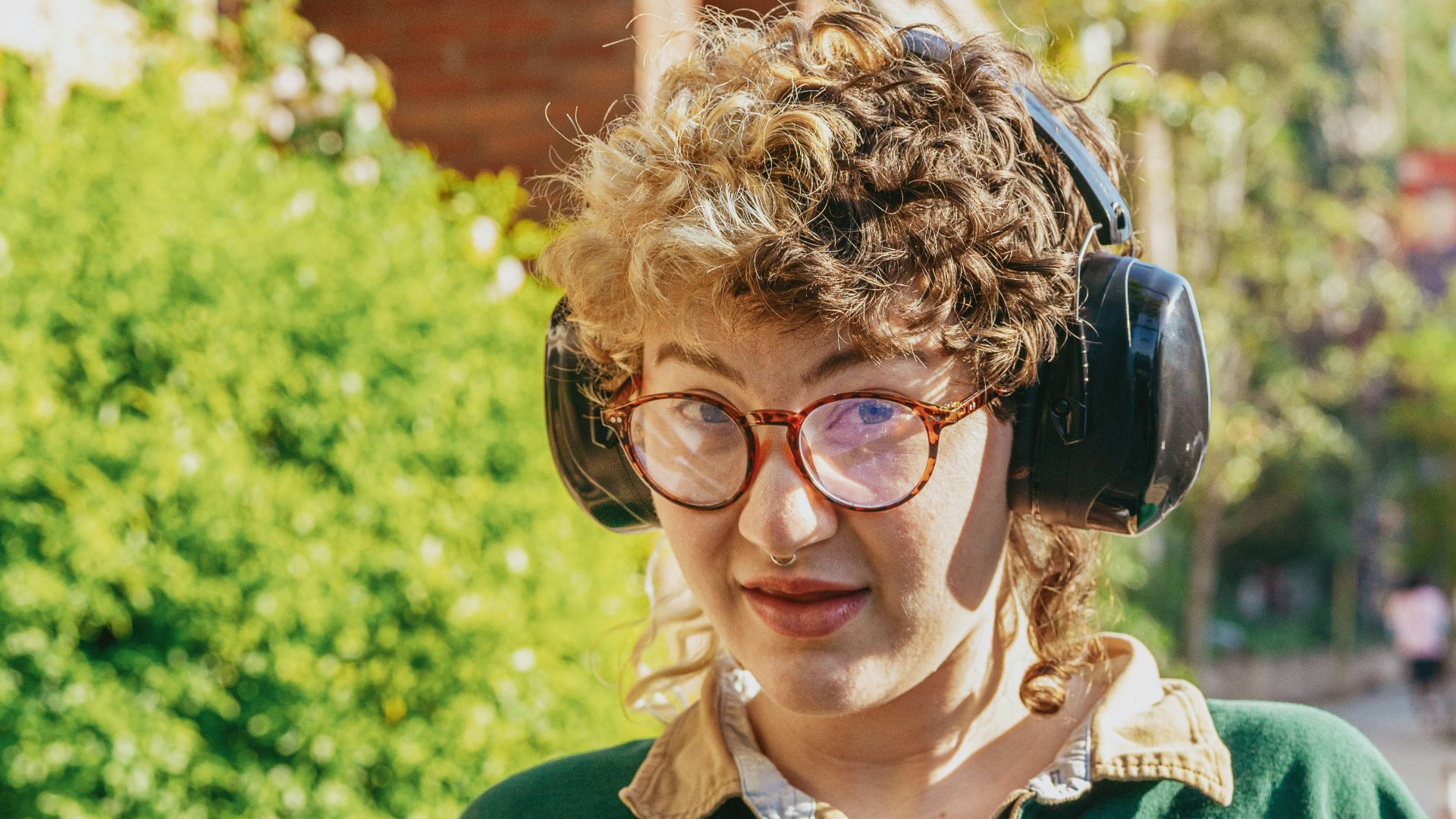
18. The Burnout Cycle
People learned that burnout is not just being tired, it is a system-level exhaustion that changes motivation and mood. That framework can help people take their limits seriously, though it sometimes gets used to label any low-energy period. The theory sticks because it matches what a lot of people feel at work.

19. Weaponized Incompetence
TikTok popularized the idea that someone acts helpless to avoid chores and responsibility. It can be a useful label for real patterns, but it can also turn every imperfect attempt into a moral failure. It spreads because it gives language to a very common frustration.

20. The “Let Them” Theory
This one argues that you should stop trying to control people and simply let them show you who they are. It can be genuinely freeing, but it can also slide into passivity if used as an excuse to avoid hard conversations. It resonates because it offers a simple way to protect your energy.