Strange Became Standard Overnight
Most online behavior feels normal because it’s repeated constantly and rewarded instantly. You tap, scroll, accept, share, and agree, and the friction stays low enough that nobody stops to ask what the trade actually was. A time traveler from even a few decades ago wouldn’t just be impressed by the technology. They’d be unsettled by how casually people volunteer intimate information, how comfortable we are with being tracked, and how often we outsource our very judgment to systems we don’t fully understand. Here are twenty habits that seem ordinary now, but would probably read as genuinely alarming to someone arriving from another era.

1. Clicking Agree On Terms You Didn’t Read
You accept legal contracts on a tiny screen while standing in line for coffee, then act surprised when the app behaves like it owns your attention and your data. A time traveler would notice how serious the agreement is supposed to be, compared to how casually consent is given.

2. Carrying A Tracking Device Everywhere By Choice
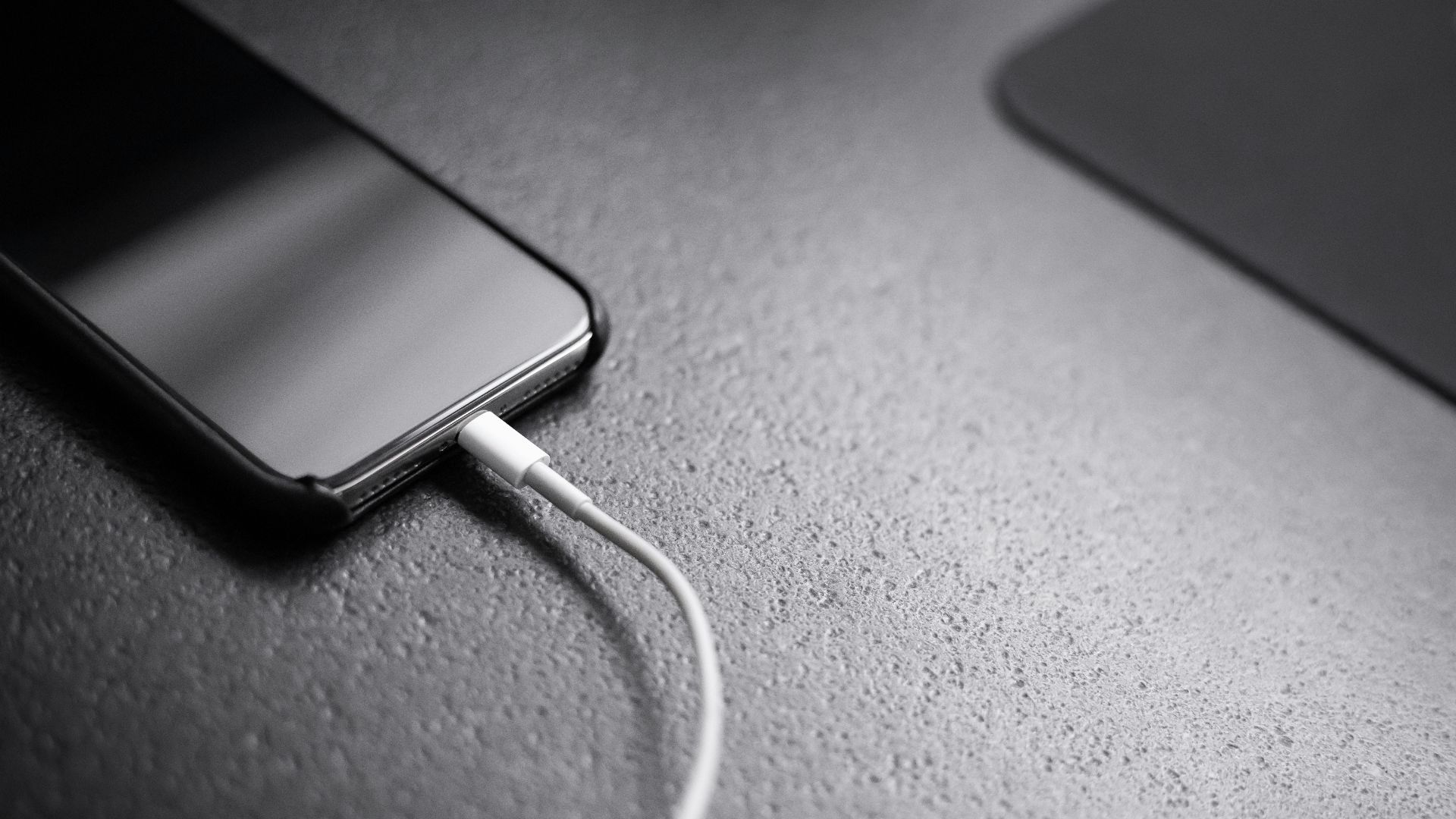
Phones broadcast location, movement, and unique identifiers, and most people keep them within reach all day. Someone from the past might assume they’re being monitored by the state, then learn it’s often used for ads and convenience.

3. Letting Apps Follow You Across The Web
Targeted ads have become background noise, even though the system often involves tracking behavior across sites and services. A time traveler would call it stalking with a cleaner logo and a better user interface.

4. Using Your Face To Unlock Things
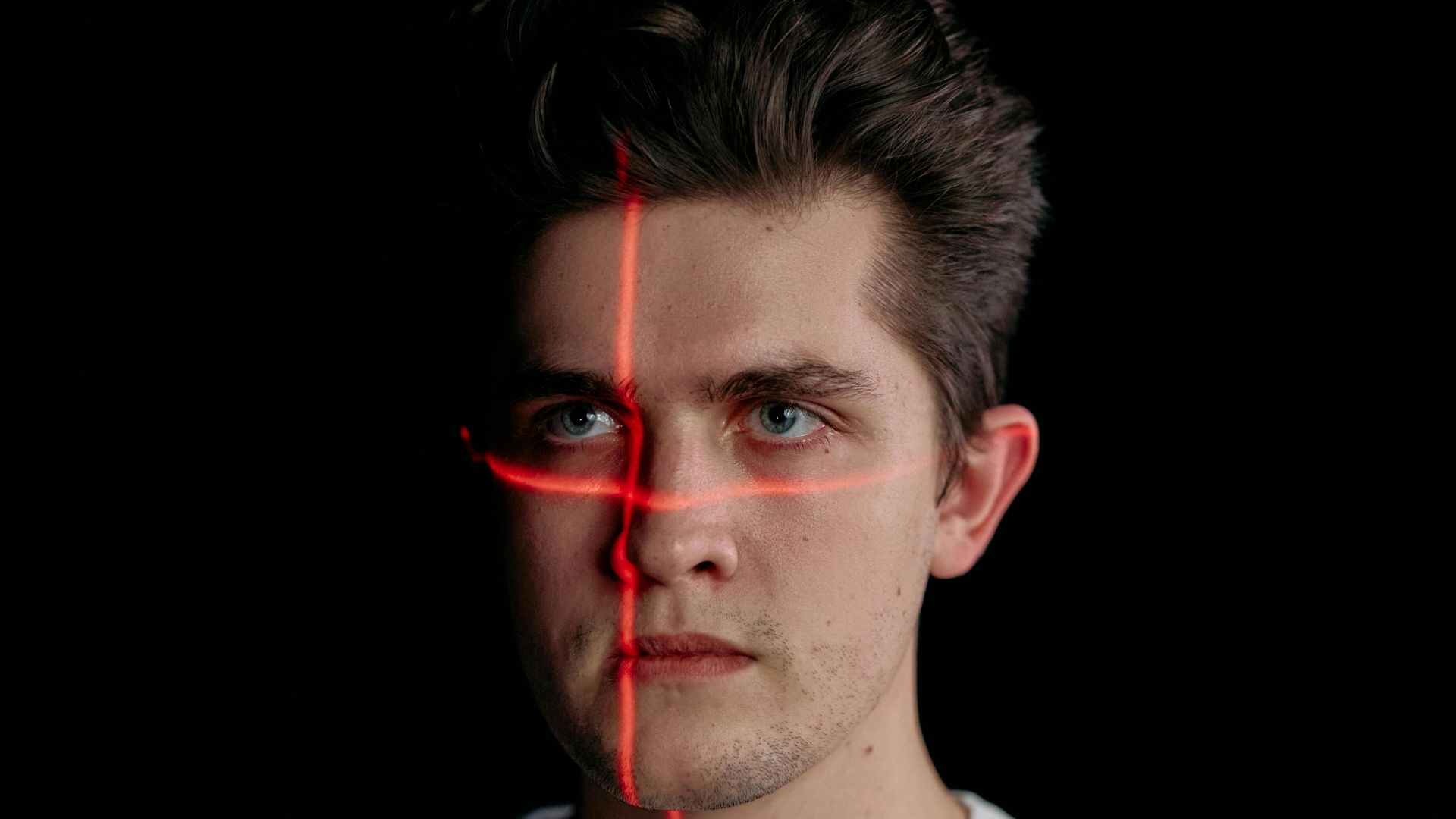
Face unlock normalizes the idea that your face is a credential you hand to devices and platforms. A time traveler would be startled by how quickly biometrics became casual, especially because you can’t change your face the way you can change a password.
5. Posting Photos Of Children For Strangers To See
People share kids’ names, routines, schools, and faces as content, sometimes to thousands of followers they’ve never met. To someone from another era, this would look like pinning family details to a public bulletin board and calling it normal.

6. Leaving A Permanent Trail Of Your Opinions
Old arguments used to fade, and now they can be retrieved in seconds, out of context, forever. A time traveler would find it disturbing that teenage posts and late-night rants can follow someone into jobs, relationships, and public life years later.

7. Treating Influencers Like Trusted Product Advisors
People take buying advice from strangers whose job is persuasion, then call it relatable content. A time traveler would recognize advertising, then be alarmed by how intimate and personal the delivery has become.

8. Sending Money To People You’ve Never Met
A few taps can move rent-level amounts to someone whose identity is mostly a username and a profile picture. To a time traveler, it would feel like handing cash to a voice on the radio and hoping for the best.

9. Reusing The Same Password Everywhere
It’s common, it’s risky, and it keeps happening because convenience wins. A time traveler would be shocked that people reuse the same key for email, banking, and shopping, then act surprised when one leak becomes ten problems.

10. Letting An Algorithm Pick Your News And Mood
Your feed decides what you see, what you miss, and what emotional temperature your day runs at. A time traveler might be less impressed by personalization and more rattled by invisible editorial control optimized for attention.

11. Publicly Rating Humans For A Living
People rate drivers, hosts, and service workers on a star scale that can affect income and access. A time traveler would see a social scoring system built out of impatience, where one bad rating can carry real consequences.

12. Sharing Your Real-Time Location For Fun
Stories and check-ins can announce where you are while you’re still there. A time traveler would read it as an invitation to anyone who wants to follow you, rob your home, or just be weird.

13. Accepting That Your Devices Listen Sometimes
People joke about an ad showing up right after a conversation, then keep the same settings and shrug. A time traveler would find the resignation more disturbing than the technology, because it signals a boundary everyone stopped defending.

14. Giving Companies Your Voice As Data
Voice assistants, voice notes, and call transcription turn your speech into something stored, analyzed, and sometimes reviewed. A time traveler would be unnerved that your voice can become a product input without you ever feeling the moment it was taken.

15. Allowing Remote Updates Overnight
Cars, phones, and home devices can change behavior after updates you barely noticed. Someone from the past would find it unsettling that a purchased object can be altered later, sometimes losing features or gaining new data collection.
16. Sharing Health And Body Data With Apps
Sleep, cycles, heart rate, workouts, and mood logs end up in services that aren’t always treated like medical records. A time traveler would assume strict privacy rules apply, then be surprised how often sensitive data lives in a gray zone.

17. Posting Grief And Trauma As Content
People announce breakups, diagnoses, and losses to a broad audience, then manage the comment section like it’s a second job. A time traveler might understand seeking support, then recoil at how permanent and performative it can become.

18. Letting Work Reach You All The Time
Email and messaging apps make it normal to respond after hours, on weekends, and on vacation, often without anyone explicitly demanding it. A time traveler would see the boundary collapse and call it exhausting before learning your job title.

19. Turning Your Home Into A Sensor Network
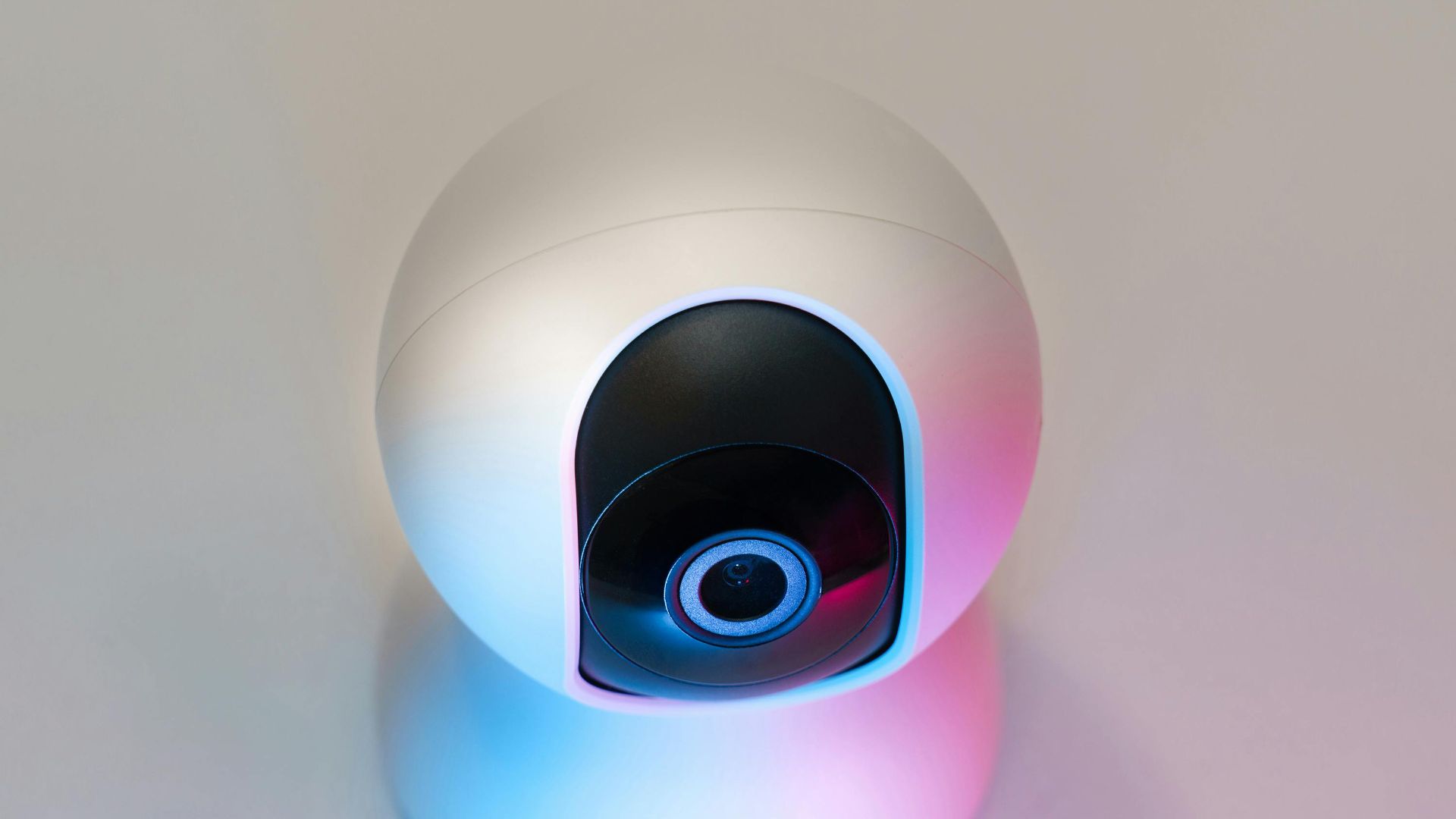
Doorbells record the street, smart speakers wait for wake words, and cameras live in nurseries and living rooms. A time traveler would be startled that people install surveillance inside their own homes and point it at their family for convenience.
20. Treating Synthetic Media As A Normal Risk
It’s increasingly ordinary to wonder whether a clip, a screenshot, or even a voice message is real. A time traveler would find it terrifying that evidence can be manufactured at scale, spread fast, and live forever even after it’s debunked.