The Weird and Wonderful
Even if you’ve followed games for years, console history has plenty of side roads that never make it into the highlight reels, which means there are plenty of machines out there you probably don't know about unless you're regularly digging for treasure. Some of these machines were interesting experiments, others were expensive curiosities, and a few were simply ahead of what the market could handle at the time. From Adventure Vision to R-Zone and more, here are 20 overlooked consoles that existed, launched, or at least got far enough along to become collectible legends.
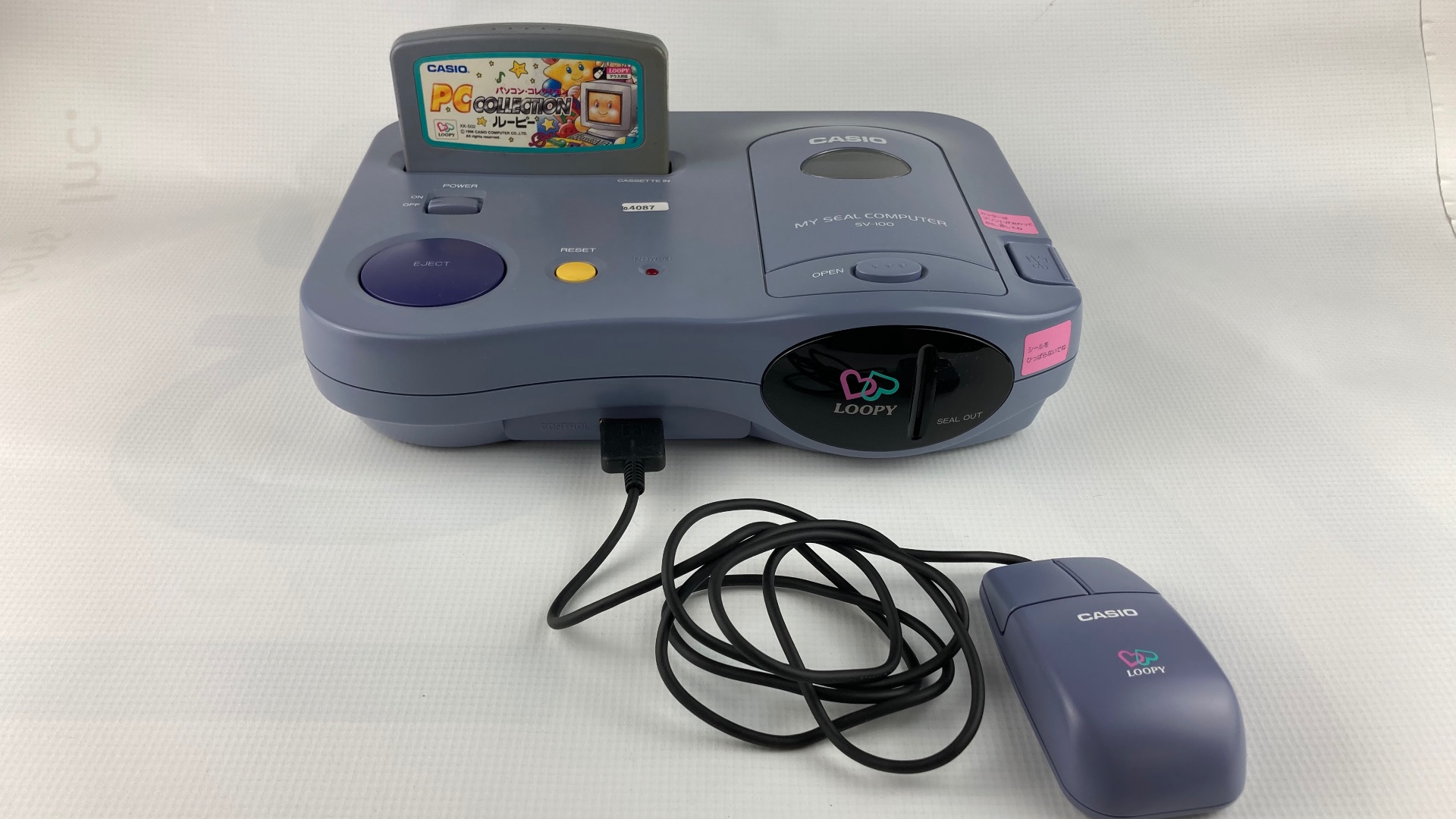
1. Entex Adventure Vision
If you’ve never seen a console with its own built-in red LED display, that’s because the Adventure Vision was a short-lived oddball from 1982. It was self-contained, cartridge-based, and only had a tiny library before it disappeared. Tracking down a working unit today is a challenge, partly because the hardware is known for being fragile.
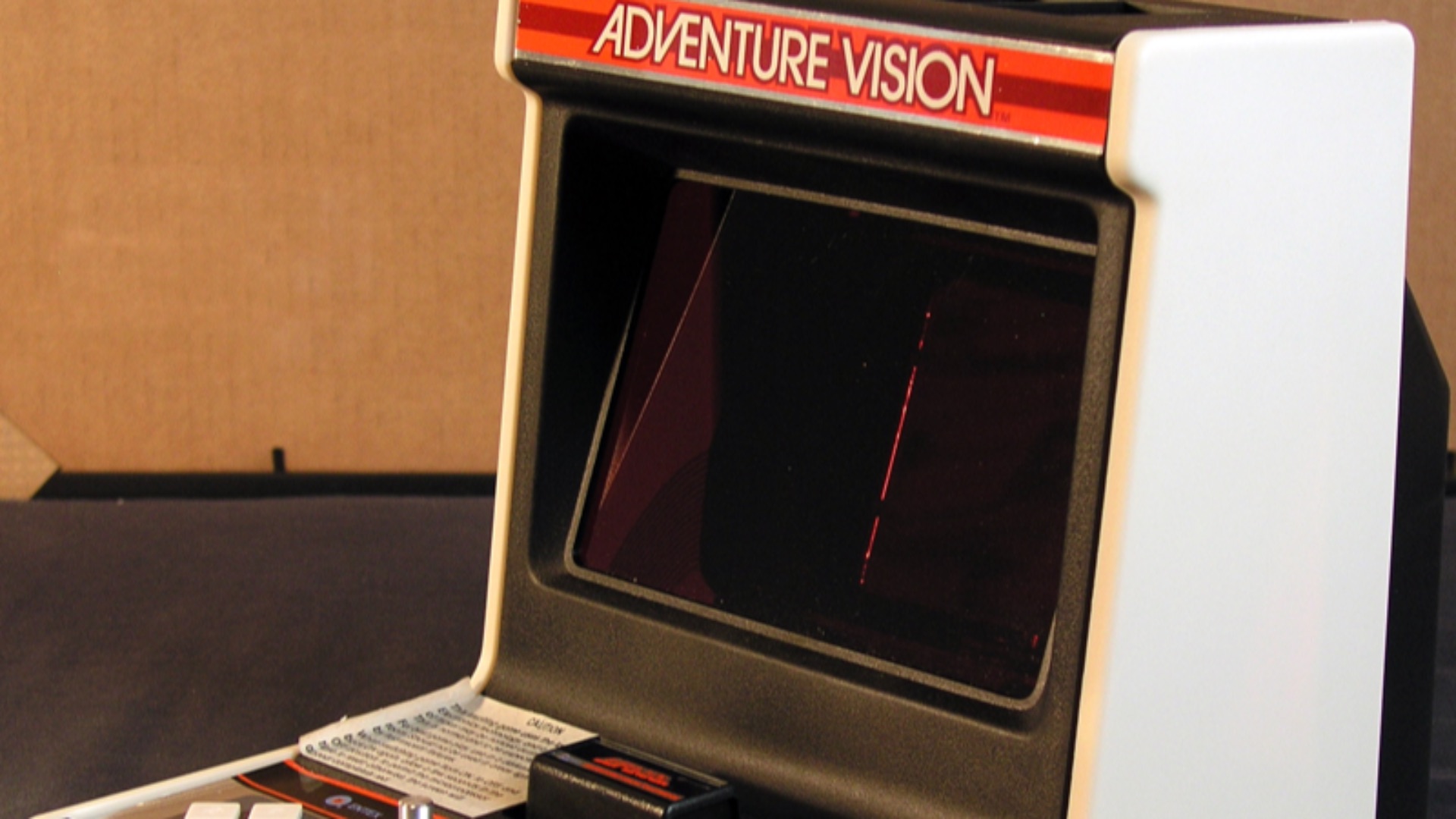
2. Nintendo Color TV-Game
Before the NES, Nintendo sold a Japan-only line of dedicated systems called Color TV-Game that ran built-in variations of simple games. It wasn’t one console so much as a series, released across the late 1970s into the early 1980s. Outside Japan, it’s mostly a trivia answer, even though it sold surprisingly well for the era.
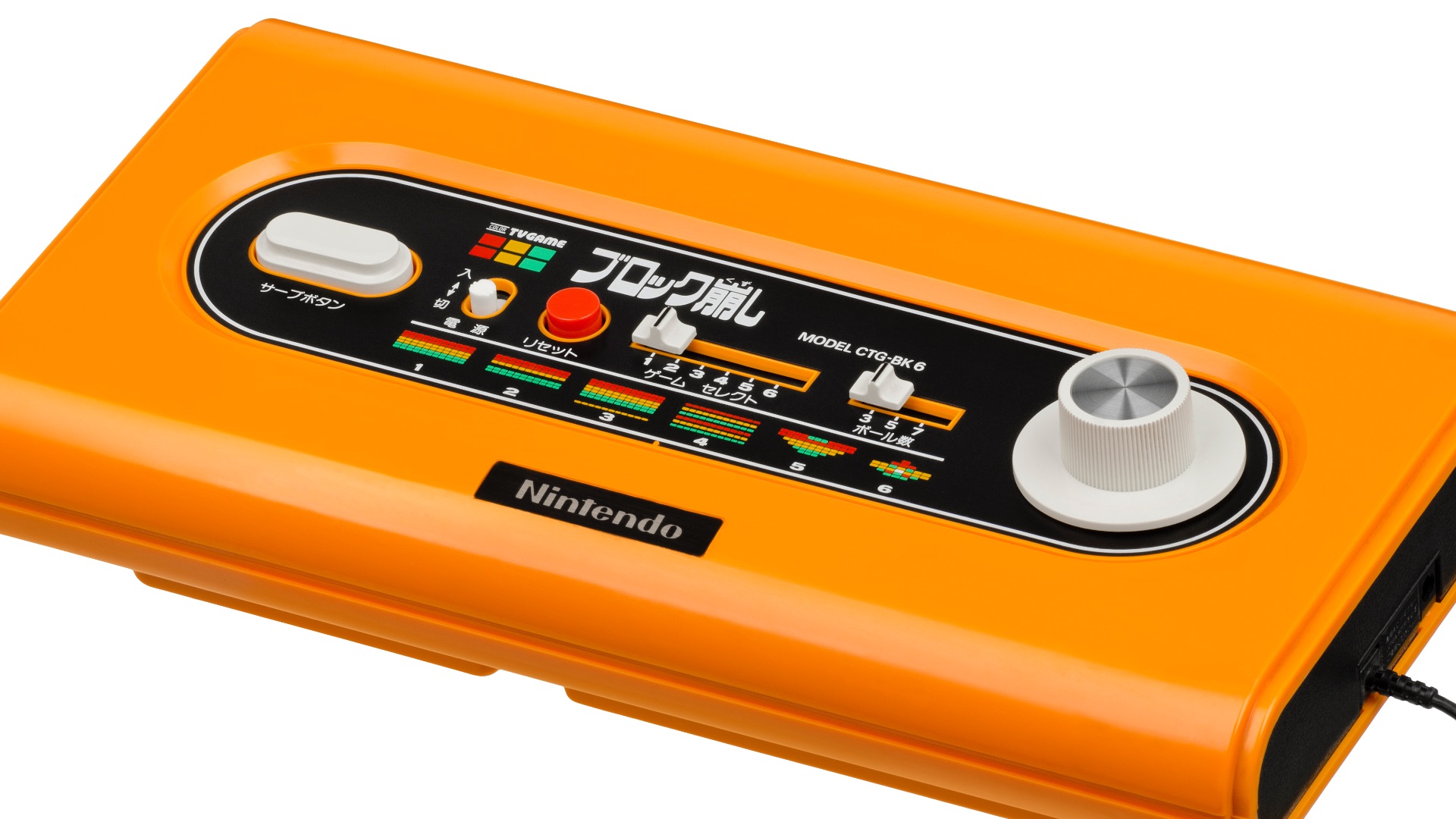
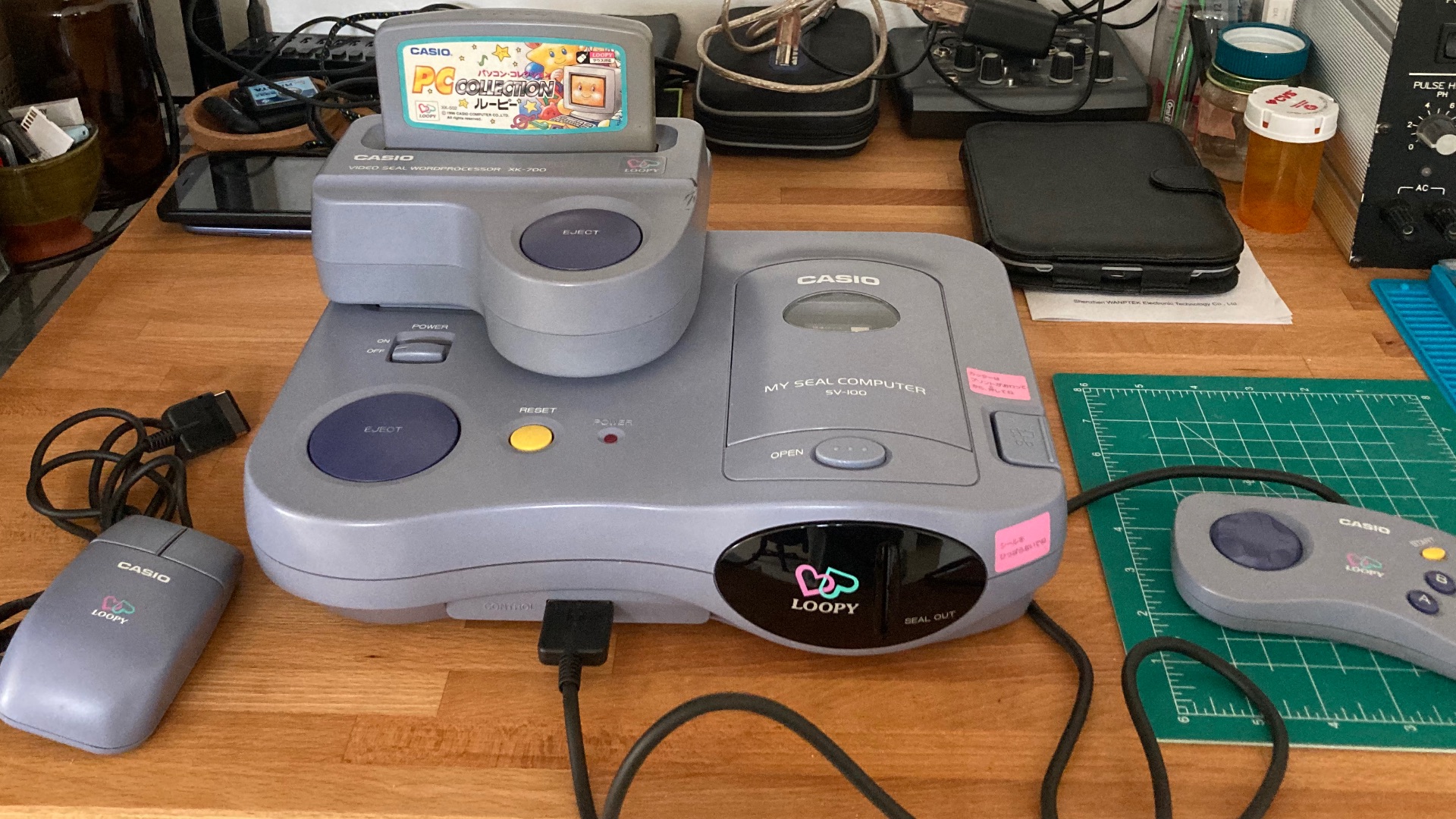
3. Casio Loopy
Casio’s Loopy arrived in Japan in 1995 and was marketed specifically toward female gamers, which was unusual for the time. It’s remembered for its creative angle and small library, plus its built-in thermal color printer that could make stickers from screenshots of games, rather than any blockbuster hits. If you like collecting hardware with a very specific audience in mind, this one is a standout.
4. RDI Halcyon
The Halcyon is one of those consoles that feels like it should be a myth, but it was real enough for a handful of units (fewer than a dozen!) to exist. It was planned for a January 1985 release and leaned heavily on LaserDisc tech, but it never reached most retailers. Between its high price ($1,800 to $2,500, equivalent to roughly $7,500 in 2025) and complicated setup, it’s no surprise it became a footnote instead of a household name.
 Dan Galvani Sommavilla on Pexels
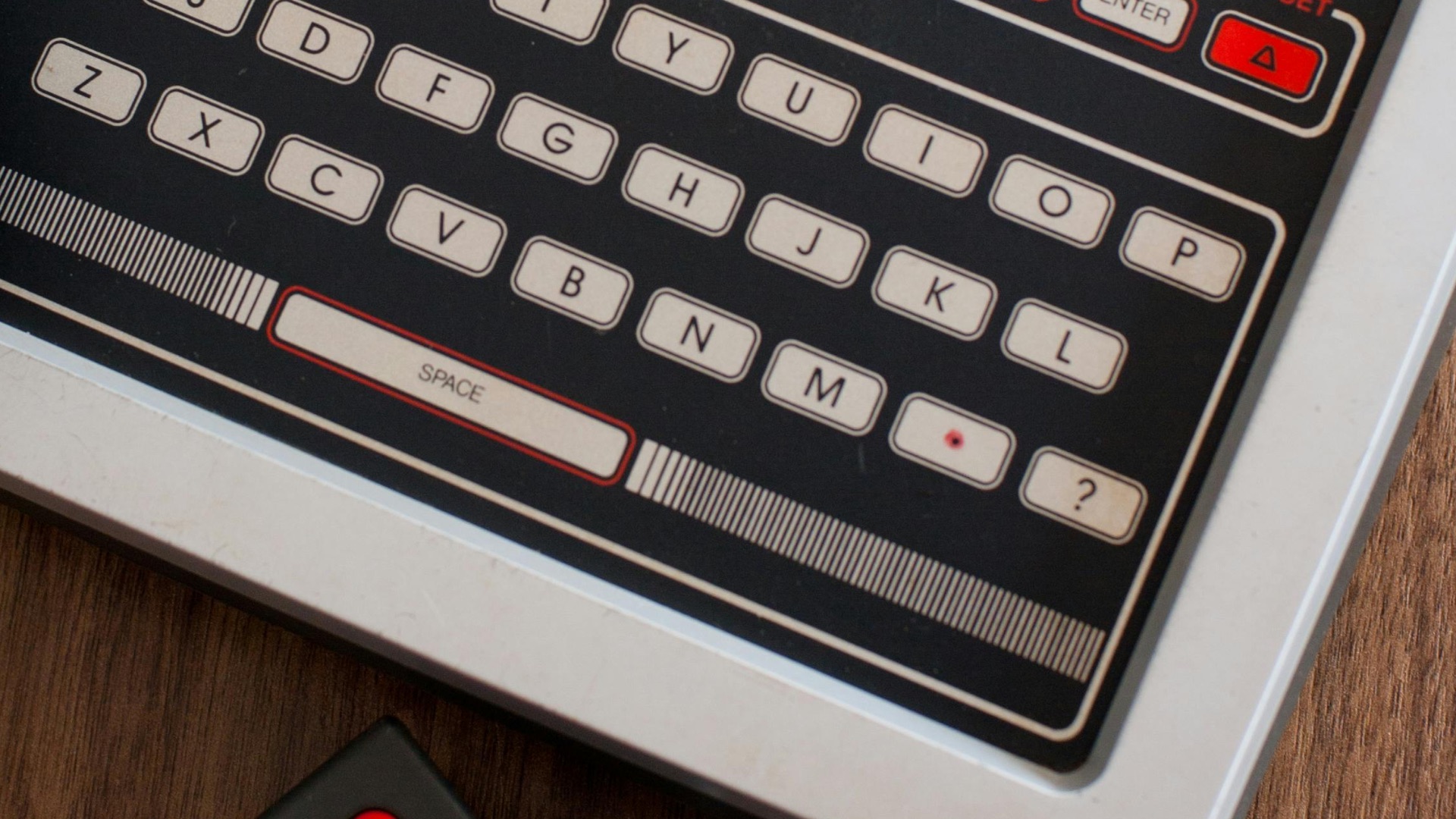
5. APF Imagination Machine
APF tried an ambitious combo approach in 1979 by selling a game console that could dock into a full keyboard computer add-on. The pitch was flexibility: play cartridges now, do more serious computing later. In practice, it struggled to stand out in a rapidly crowding market.

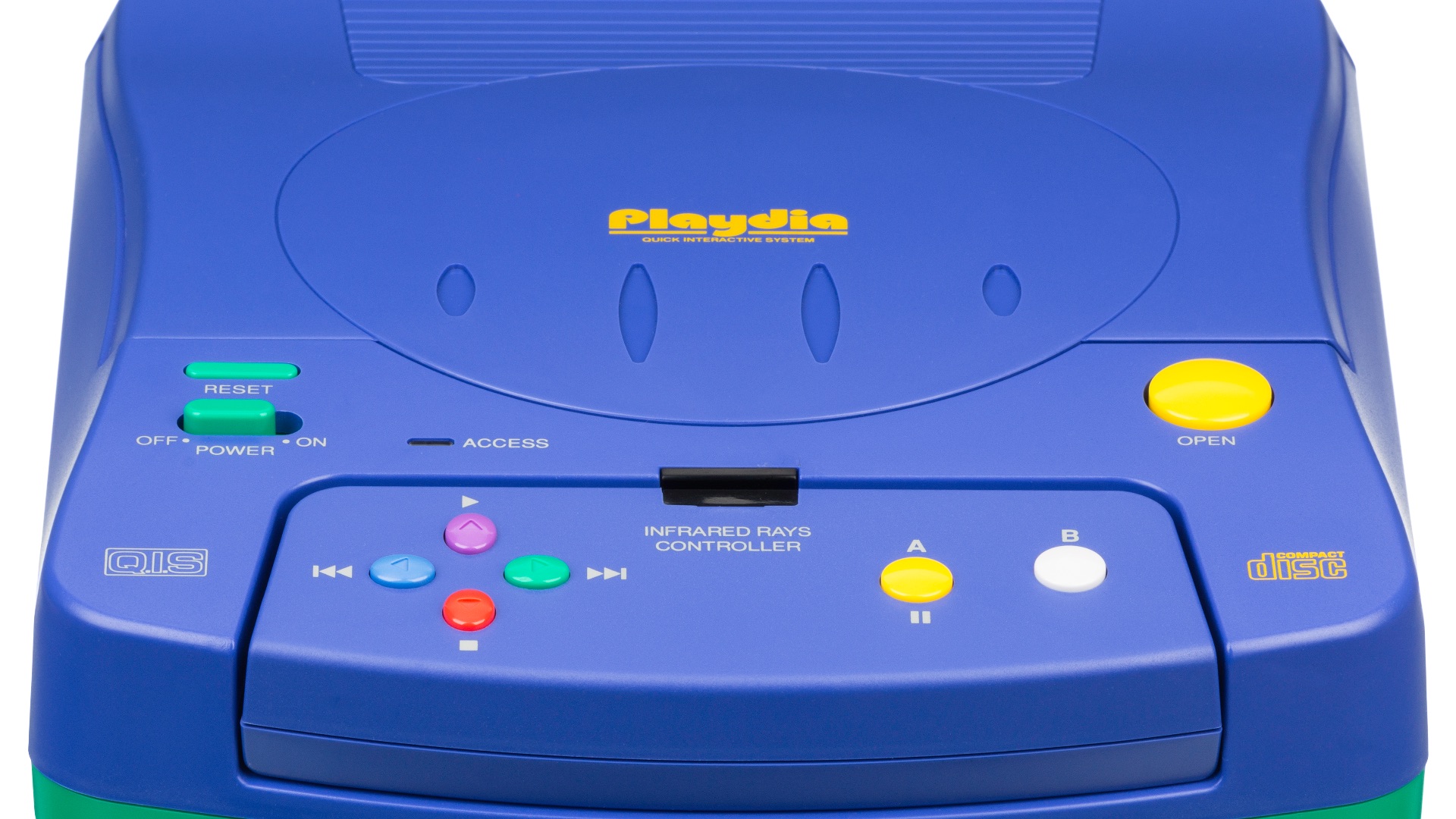
6. Bandai Playdia
Bandai’s Playdia launched in Japan in 1994 and leaned into edutainment and interactive anime-style software. It also used an infrared controller setup, which sounded futuristic but wasn’t exactly built for fast-paced play. Most people missed it entirely because bigger platforms dominated the conversation that year.
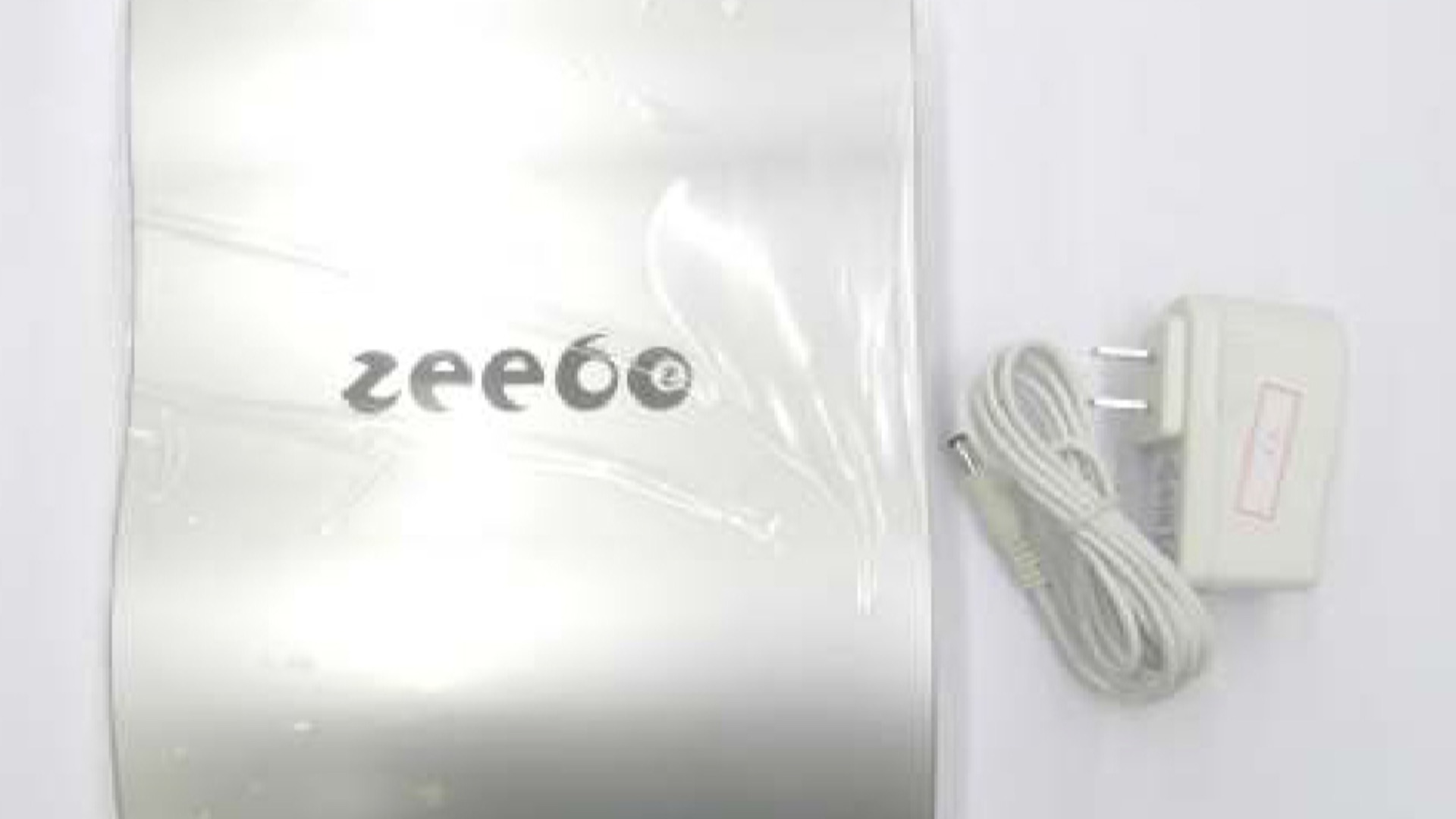
7. Zeebo
The Zeebo was aimed at emerging markets and was especially tied to Brazil’s and Mexico's console scene around 2009. It emphasized digital distribution rather than relying on big retail shelves, which was a smart idea with tough real-world constraints. If you’re used to the usual console family trees, Zeebo sits far off to the side.
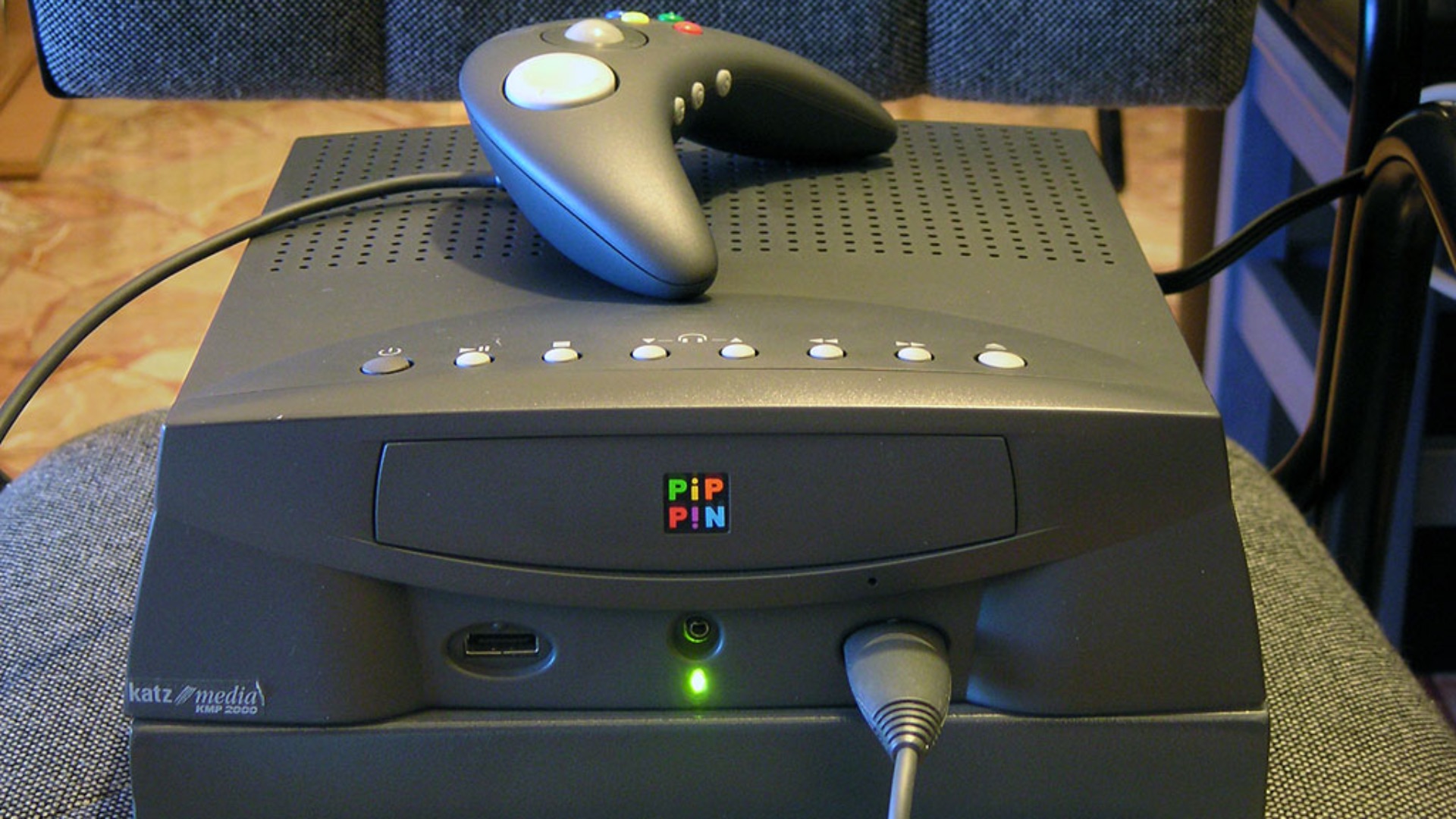
8. Apple Pippin
Apple’s mid-1990s Pippin project is easy to forget because it never found a mainstream audience. It was positioned as a multimedia platform as much as a game system, which made its identity feel scattered (fun fact: it was initially named "Sweet Pea"). Today it’s mostly discussed as an interesting failure rather than a serious competitor.
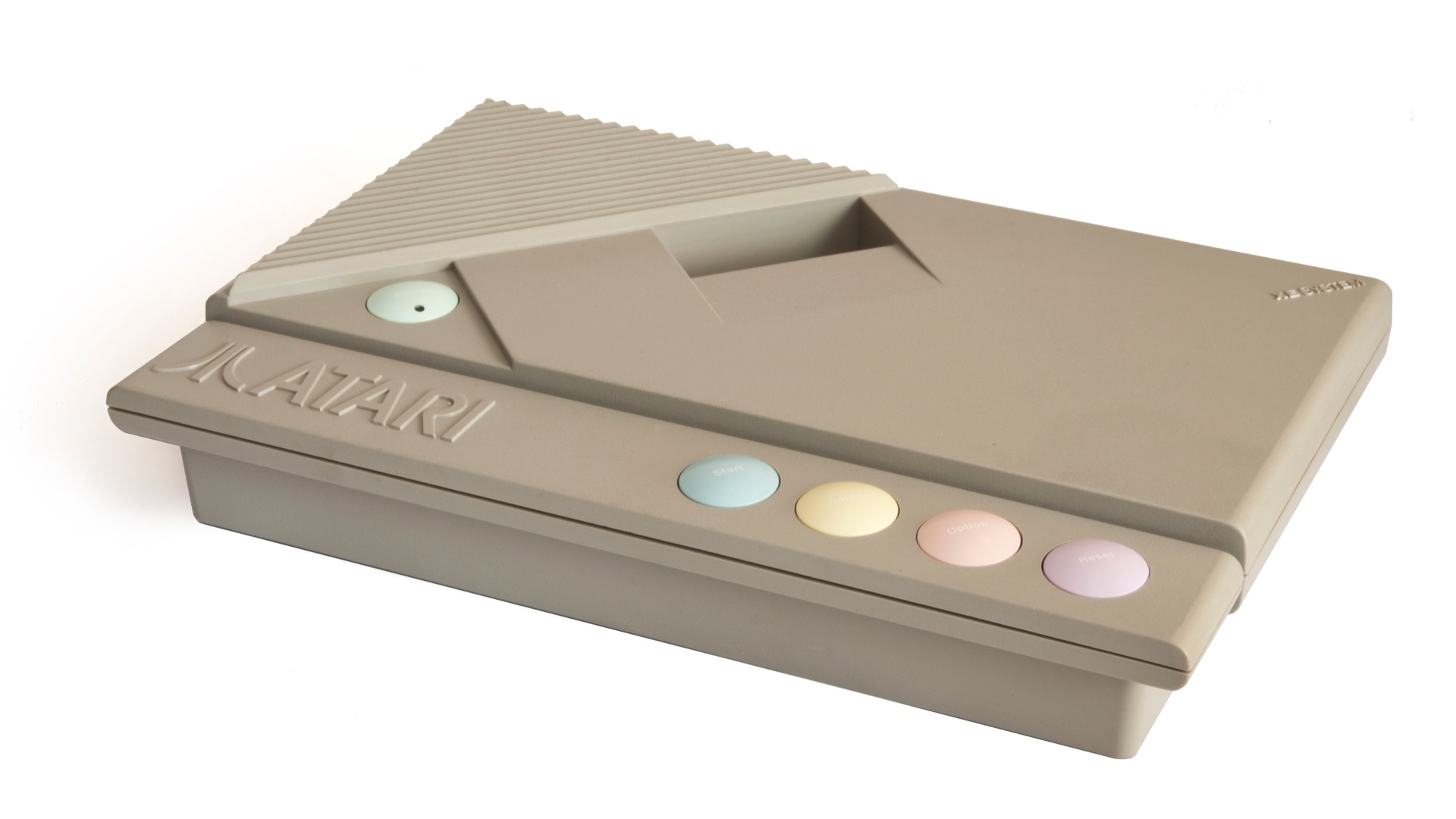
9. Atari XEGS
Atari’s XEGS mashed up home computer roots with a console-style package, complete with a detachable keyboard. It tried to bridge two worlds, but it landed during a period when Atari’s brand momentum was already wobbling. For collectors, it’s a neat reminder that console categories were once a lot less rigid.
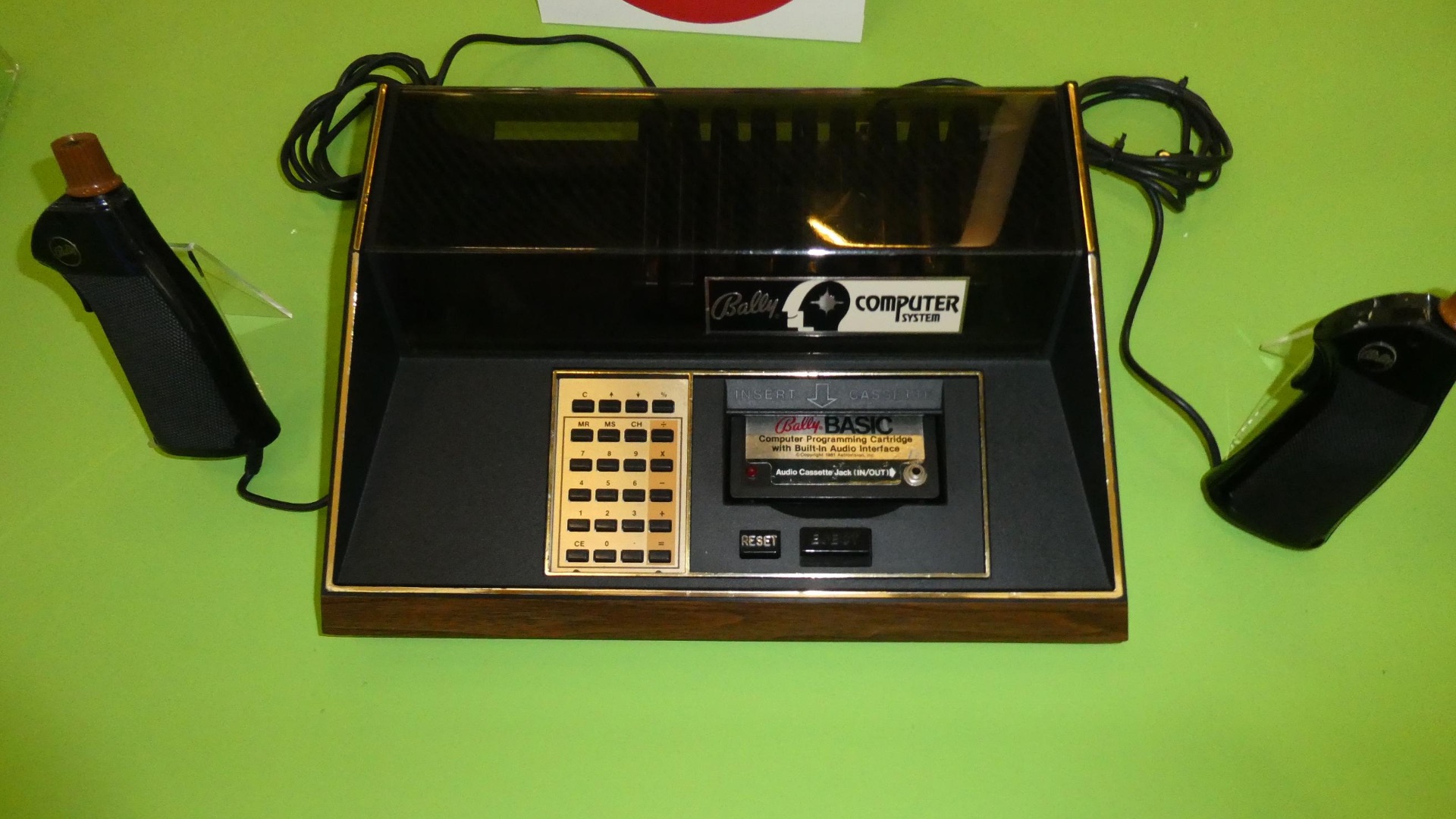
10. Bally Astrocade
The Astrocade (also known as Bally Arcade) earned a cult following thanks to its arcade-style ambitions and its place in the late 1970s console scramble. It had a distinctive look and a technical identity that felt different from the biggest names around it. If you only know Bally from other entertainment contexts, this detour is a fun surprise.
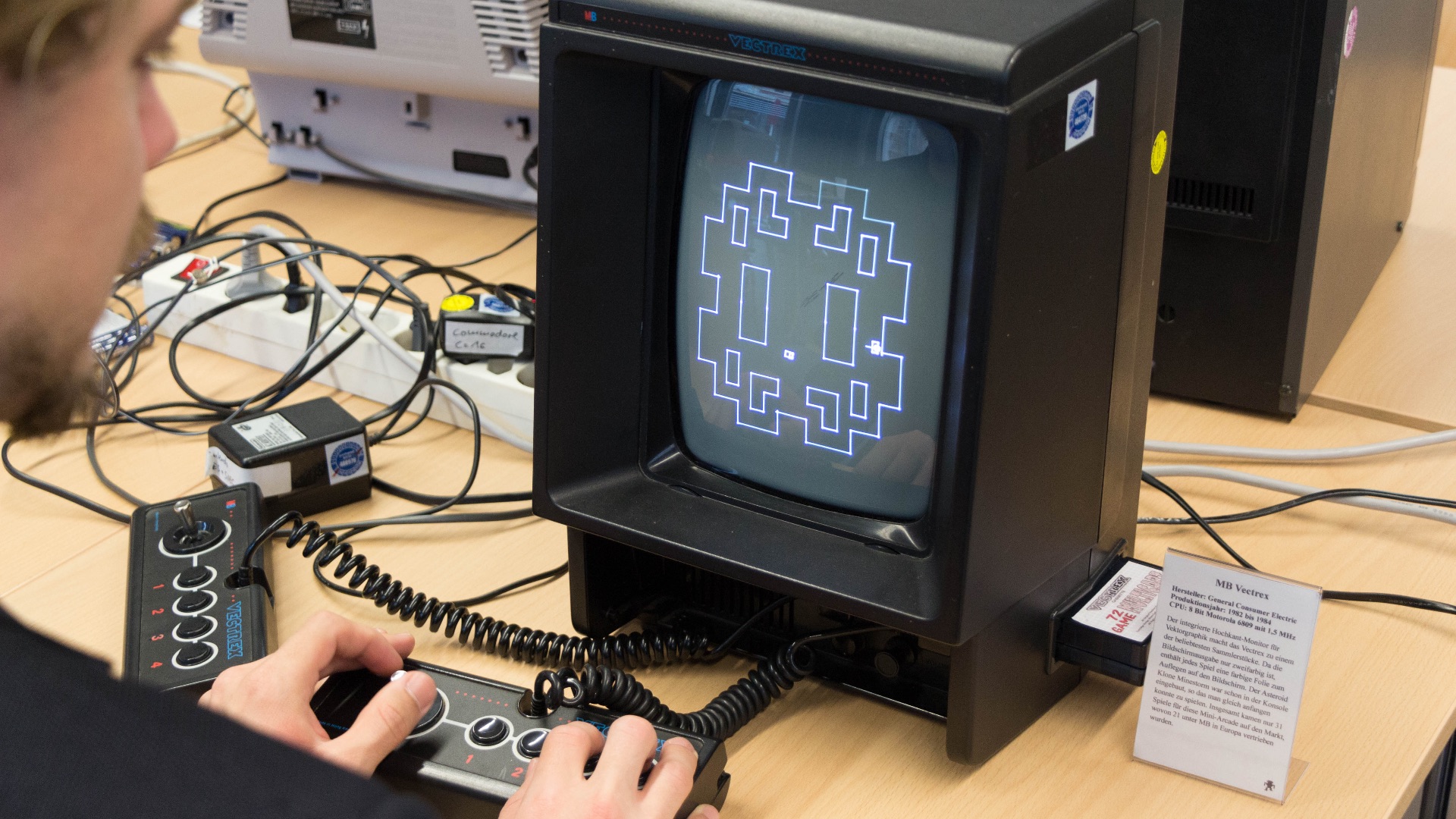
11. Vectrex
Vectrex stands out because it shipped with its own built-in vector display instead of relying on your TV. That design choice gave it a very particular visual style that still looks crisp in its own way. It didn’t last long commercially, but it absolutely left a hardware legacy.
 Kai Wegner from Berlin, Deutschland on Wikimedia
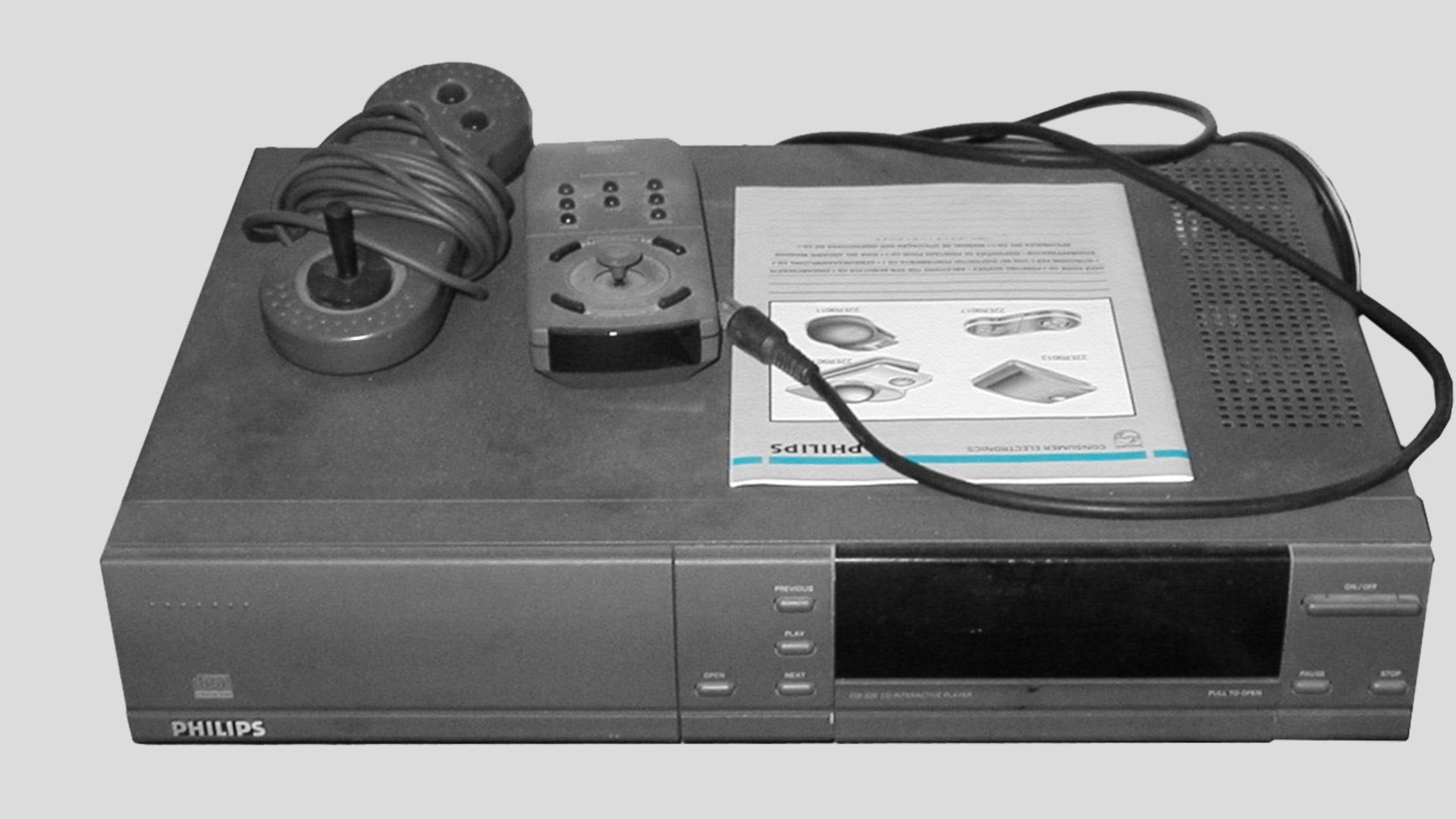
12. Philips CD-i
Philips pushed CD-i as an interactive multimedia machine first and a game console second. That split focus shaped everything, including the kinds of software it got and how people talked about it. Despite its concept, it's mostly remembered today as a video game console.
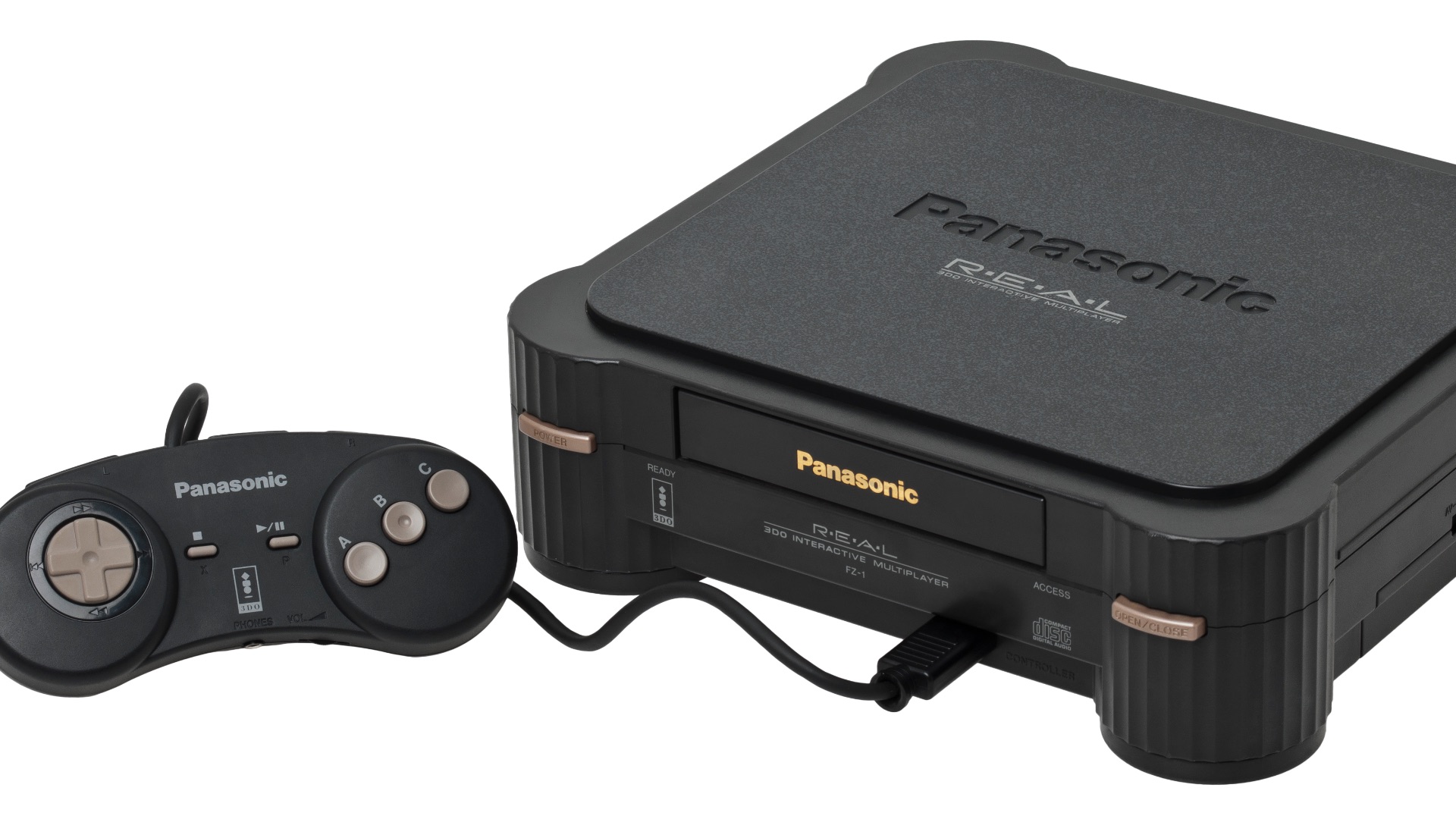
13. 3DO Interactive Multiplayer
The 3DO had big ambitions and big price tags, and it never fully escaped either one. It was highly promoted during its launch, to the point it was even named "Product of the Year" by Time magazine, but it ultimately couldn't compete with Sega and Sony. It’s remembered for being bold, not for winning the console wars.
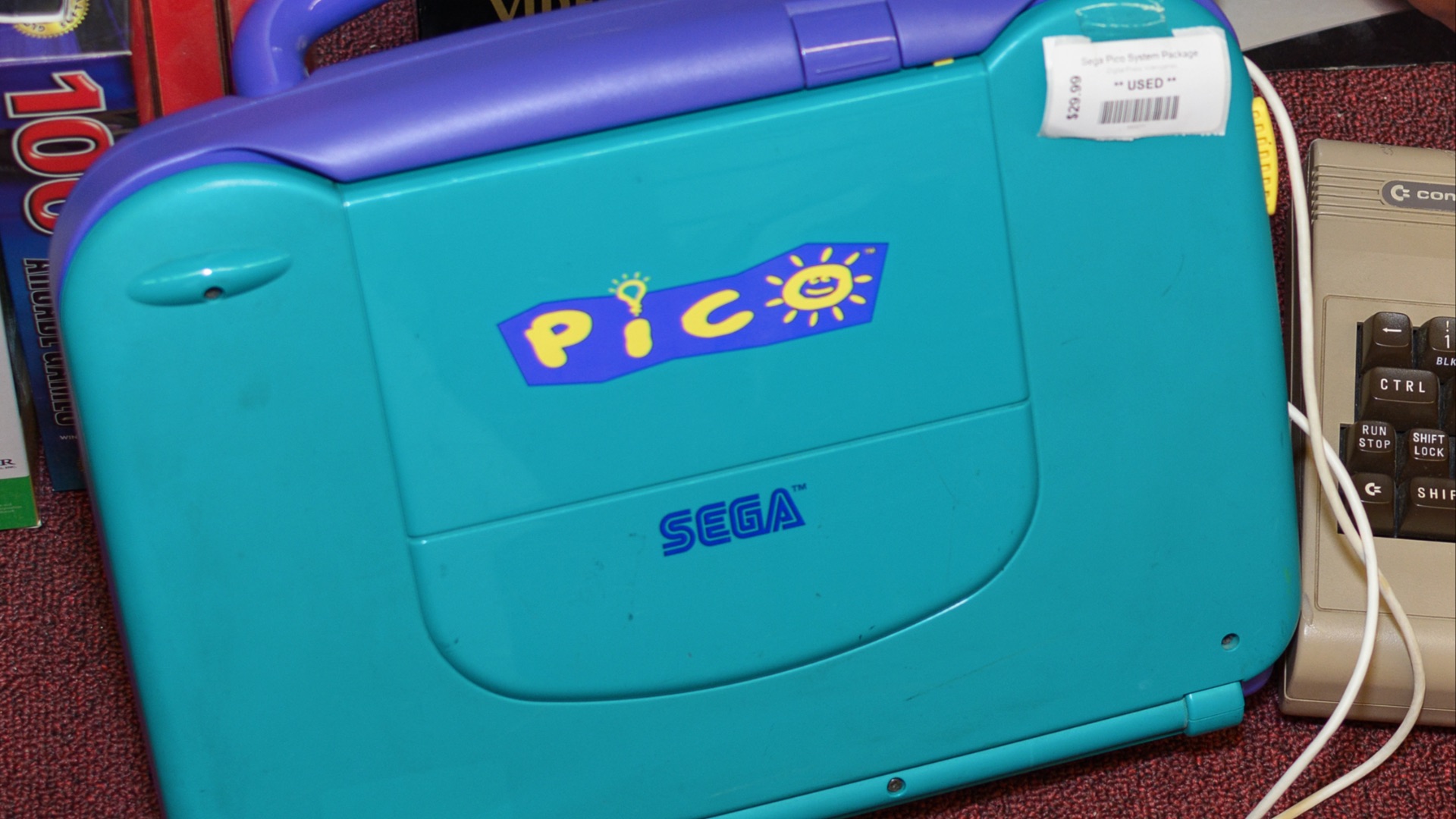
14. Sega Pico
Sega’s Pico focused on educational, book-like interactivity rather than traditional controller-driven gaming. It was mainly marketed to children between the ages of three and seven, and many titles included well-known franchised characters, like Sega's very own Sonic the Hedgehog.
 Rob DiCaterino from Clifton, NJ, USA on Wikimedia
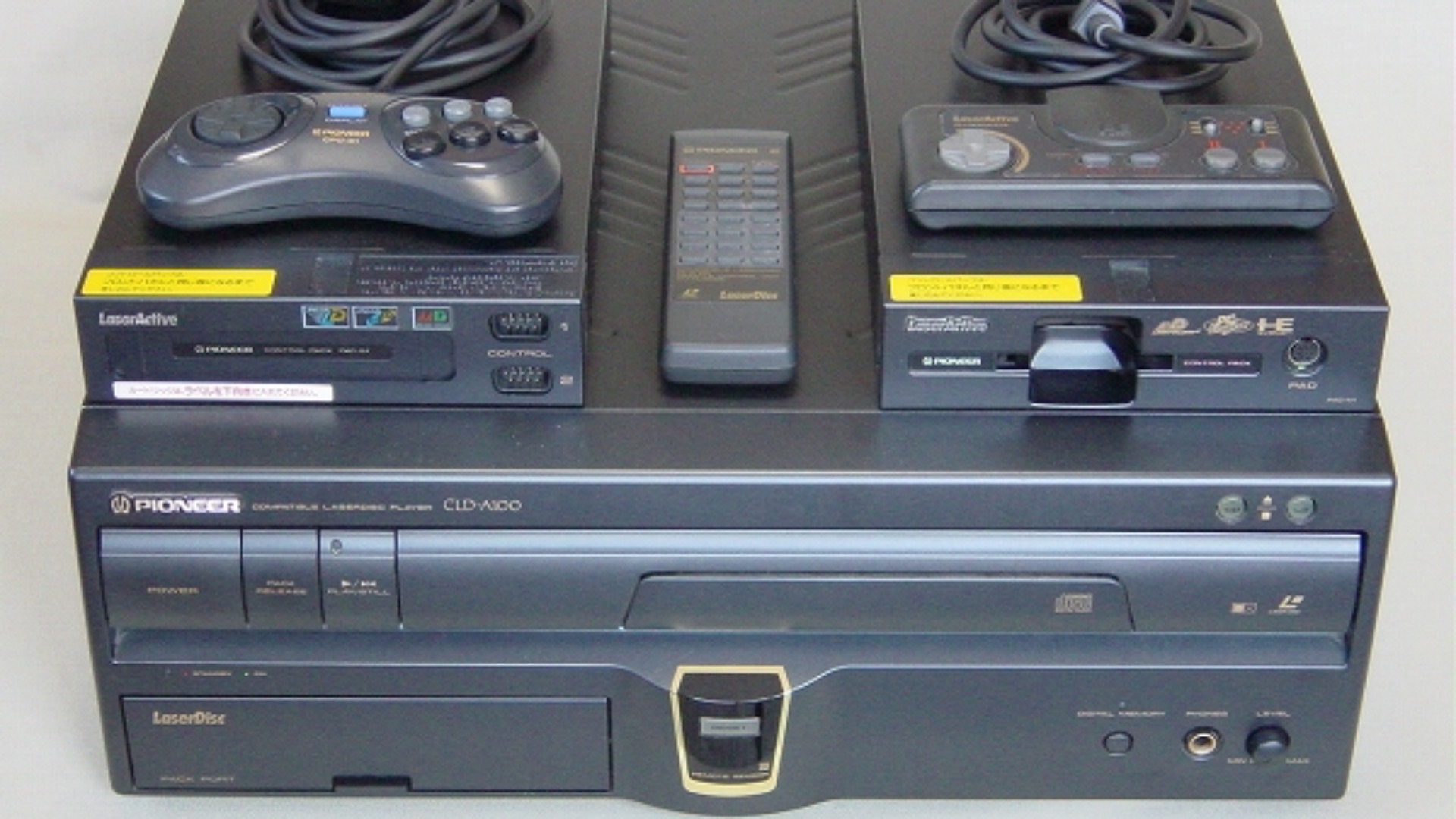
15. Pioneer LaserActive
LaserActive aimed at people who wanted premium home entertainment, with games as one part of the pitch. It relied on add-on modules to support different game ecosystems, which made ownership expensive and confusing. The result was a fascinating collector item that most players never encountered.
 VIC at Japanese Wikipedia on Wikimedia
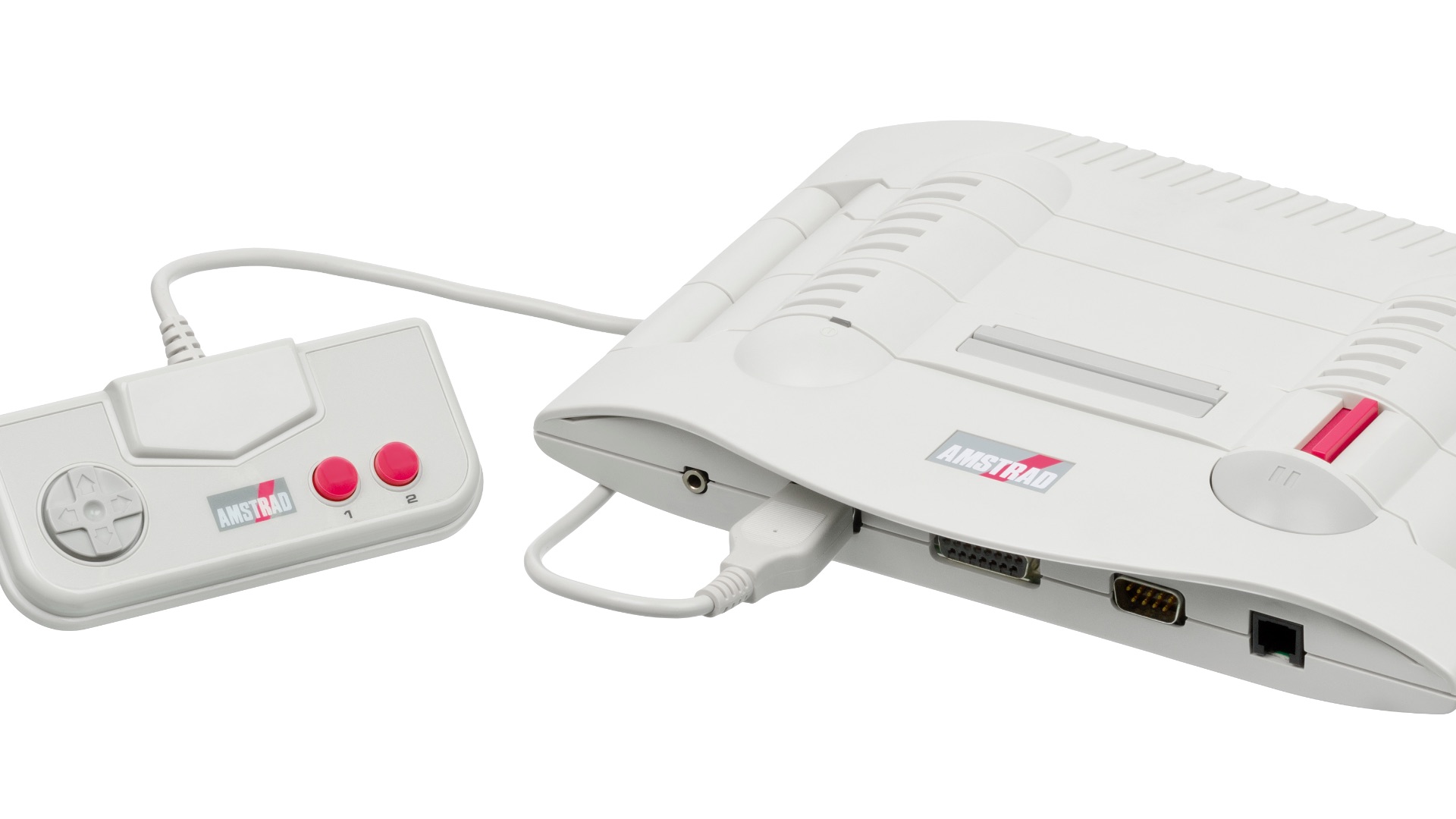
16. Amstrad GX4000
The GX4000 is a good example of a company taking a swing at consoles without building a lasting game pipeline. It showed up with hopes of competing, but the audience simply wasn’t there in the numbers it needed. Outside certain regions and collector circles, it’s almost invisible.
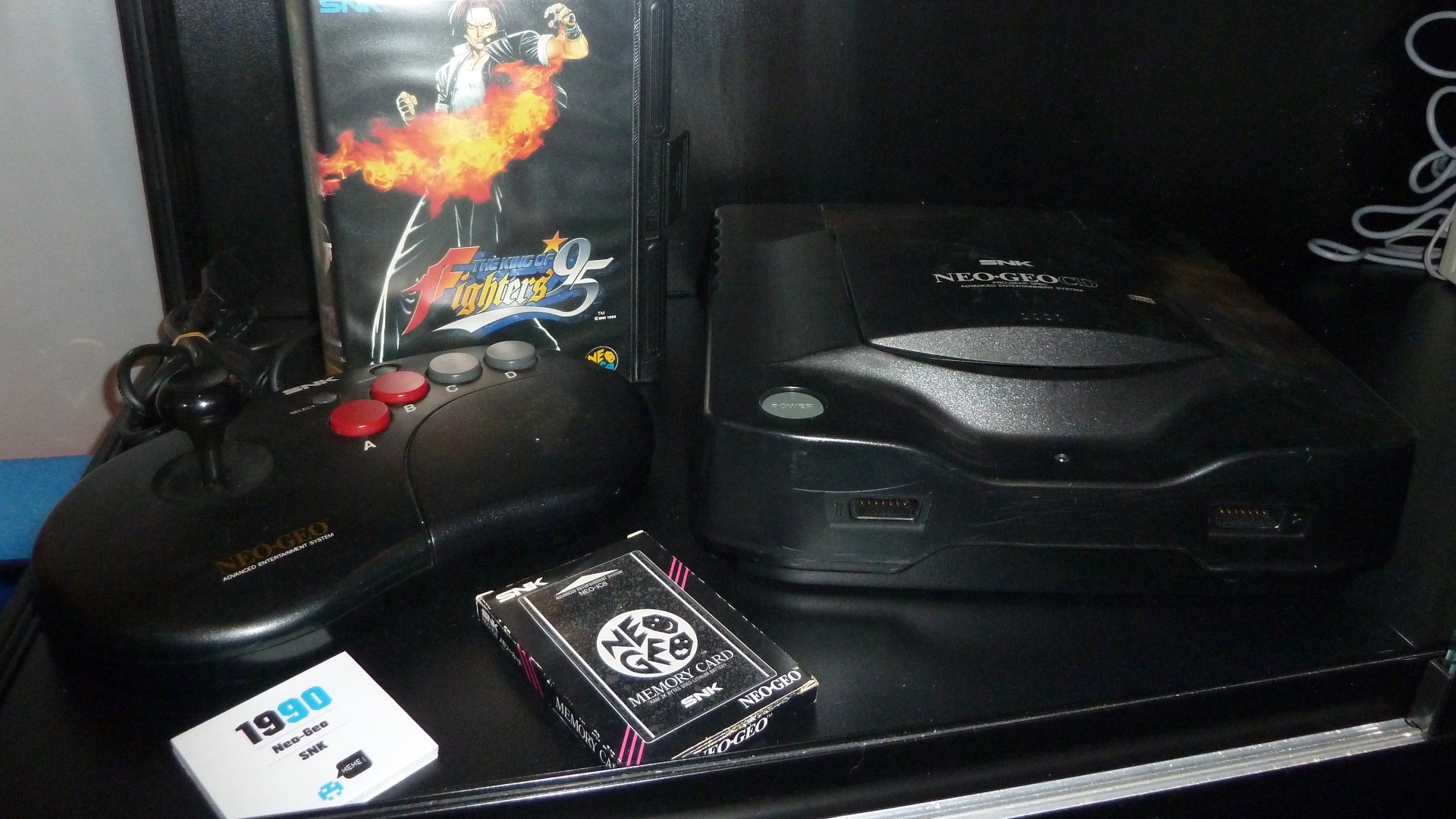
17. SNK Neo Geo CD
Neo Geo CD tried to bring SNK’s high-end arcade identity into a disc-based format. The idea was to cut costs compared to pricey cartridges, but it came with trade-offs that frustrated players. It’s a system you usually hear about from people who already love fighting games and arcade hardware.
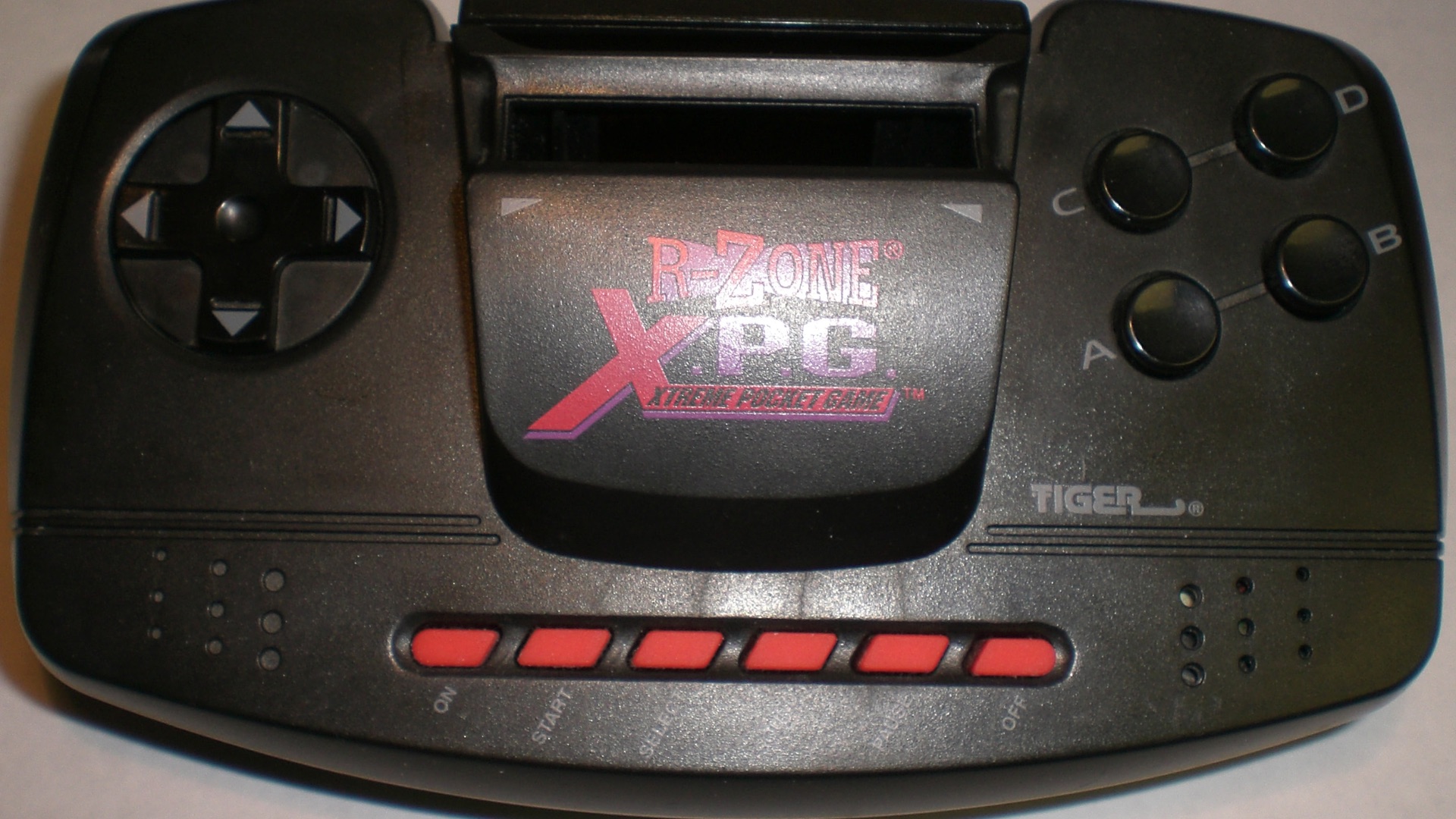
18. Tiger R-Zone
Tiger’s R-Zone went in a head-mounted direction that felt flashy on the shelf and awkward in real life. It also suffered from a reputation for limited visual clarity and a narrow library. If you ever wonder why some hardware concepts don’t get a second chance, this one might help explain it.
 Bobbygeorgina at English Wikipedia on Wikimedia
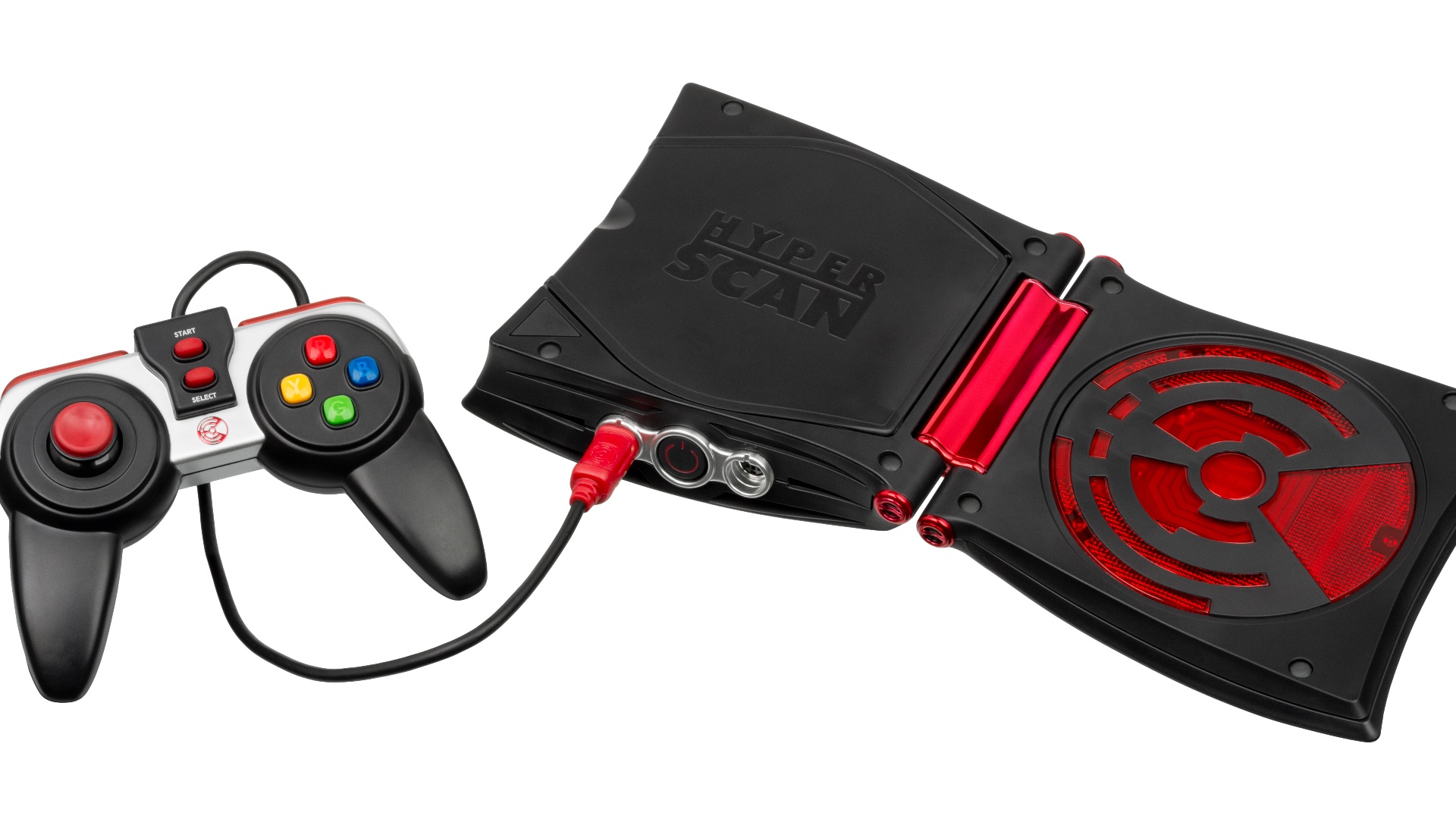
19. Mattel HyperScan
Mattel’s HyperScan was a disc-based console with a built-in card scanner, designed so physical cards could unlock characters, content, or features in supported games. Since it was mainly marketed toward tweens, it featured well-known superhero franchises like Ben 10 and Marvel.
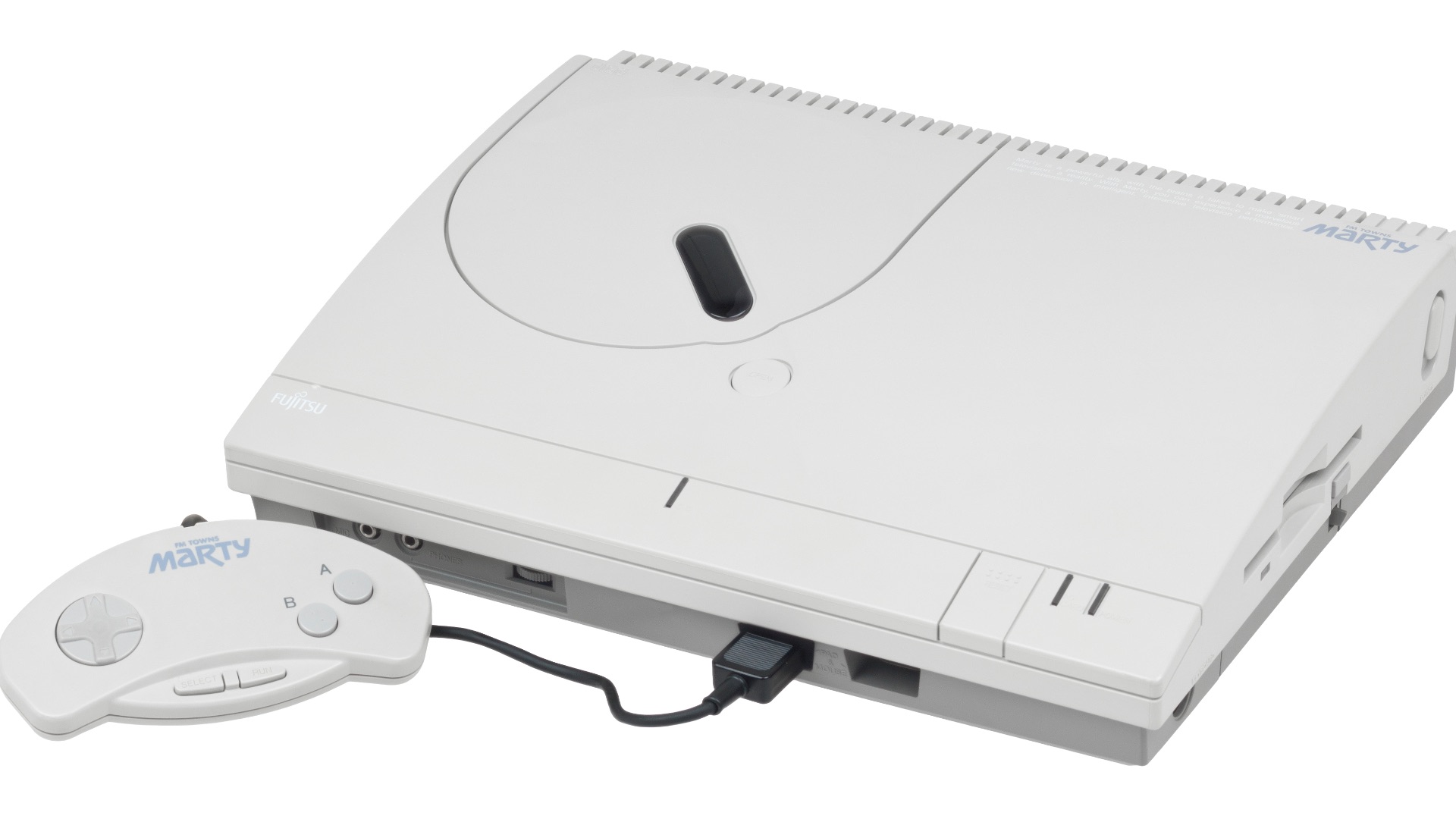
20. FM Towns Marty
Released in 1993, Fujitsu’s FM Towns Marty is a Japan-focused console offshoot of the FM Towns computer line (introduced in 1983), and it has a reputation for being both interesting and pricey. Perhaps unsurprisingly, it ended up with a niche identity that made it hard to recommend to the average player at the time.