 PantheraLeo1359531 on Wikimedia
Some games are good, some are great, and then there's The Legend of Zelda: Ocarina of Time, which sits in its own category of near-mythical perfection. Released in 1998 for the Nintendo 64, this game raised the bar for what video games could be. The numbers don't lie: a 99/100 on Metacritic, making it the highest-rated game of all time, with universal perfect scores from IGN, GameSpot, and Famitsu.
Those accolades aren't just based on hype or nostalgia. Critics called it flawless, the new benchmark for gaming, and the game of the decade, while players were still discovering secrets in the Water Temple and figuring out ocarina melodies. More than 25 years later, Ocarina of Time remains, for millions of players across generations, the best video game ever made.
The 3D Revolution
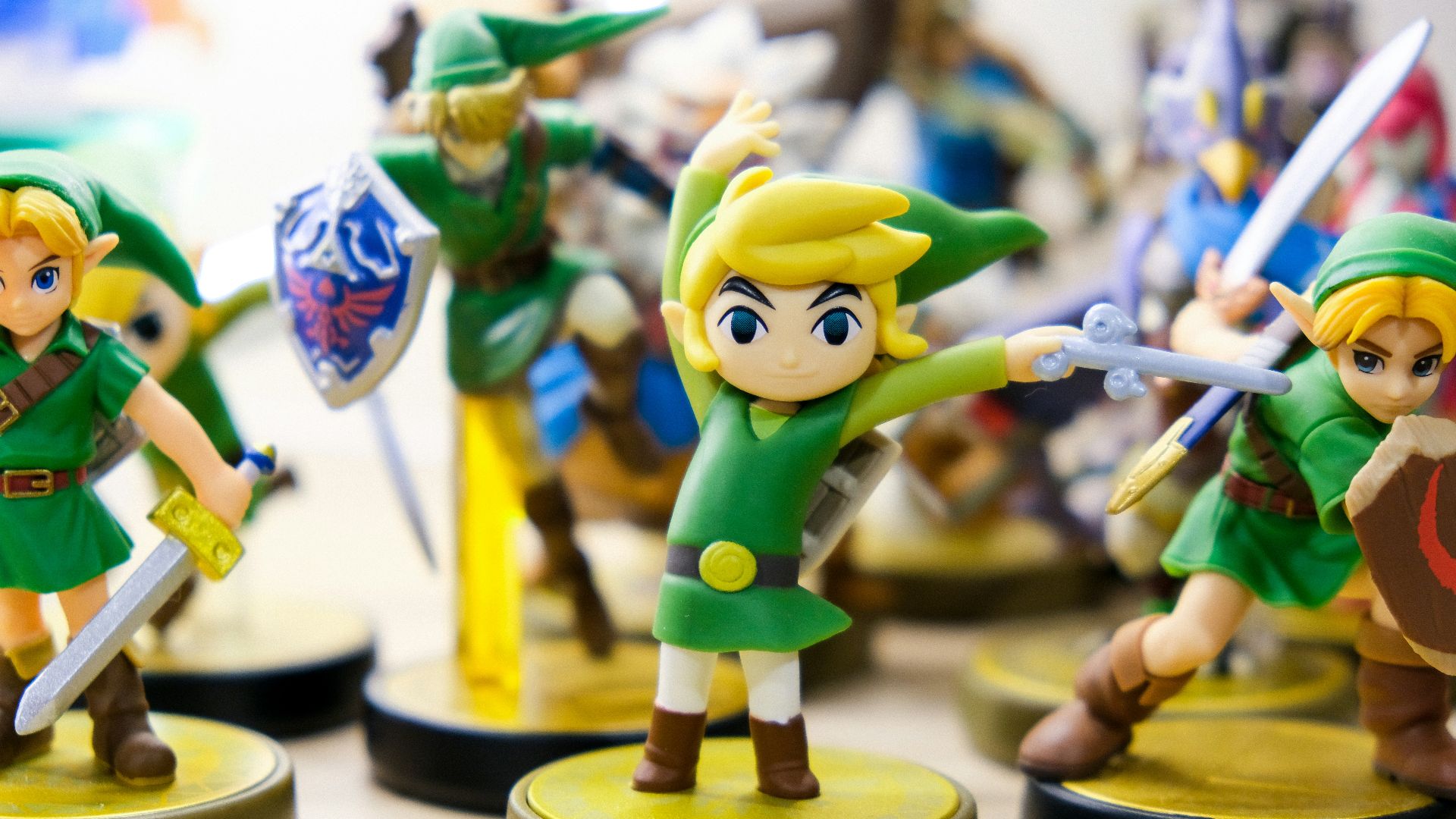
Ocarina of Time arrived at a moment when other developers were still figuring out how 3D games should even work, and Nintendo successfully established the rulebook for a new generation of gaming. The Z-targeting system, which lets you lock onto enemies and circle-strafe around them, has been copied by every other game since Ocarina of Time was released. Reviewers at the time recognized it as genius, calling the combat intuitive and satisfying in ways that made other 3D games feel clunky and awkward.
The world itself felt impossibly vast for 1998 hardware, with Hyrule Field stretching out in every direction and each region offering something completely different from the last. Death Mountain loomed with volcanic menace while the Forest Temple wrapped you in fog and atmosphere that made every step feel uncertain. The Water Temple became infamous for its complexity, requiring players to constantly raise and lower water levels while wearing iron boots that turned Link into a slow-moving anchor.
Boss fights became legendary not just for their scale, which was impressive enough, but for their creativity and the way they forced you to use everything you'd learned. Phantom Ganon's electric horse duel mixed spectacle with pattern recognition and timing, while the final confrontation with Ganondorf delivered the kind of climactic tension that most games still struggle to achieve. Every item you collected served multiple purposes across combat and puzzle-solving. The design had zero fat on it, no filler content or padding, just pure concentrated gameplay.
A Story That Resonates Across Decades
The time-shifting narrative hook, where Link pulls the Master Sword from its pedestal and wakes up seven years later in a world he no longer recognizes, delivered emotional gut punches that games rarely attempted in the late 1990s. You spend the first act running through sunny Kokiri Forest as a child, then return as an adult to find everything decayed and corrupted under Ganondorf's rule.
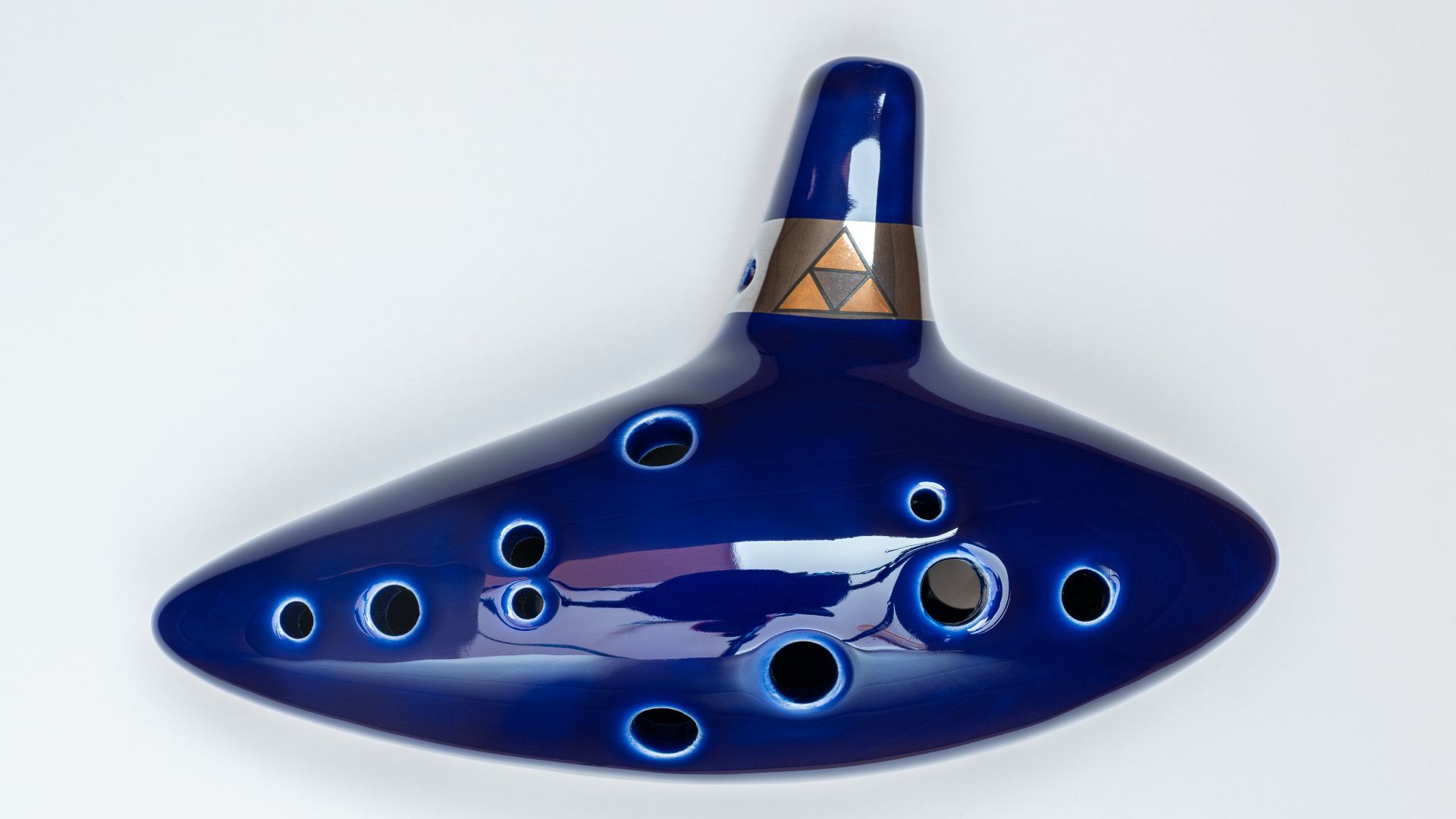
Koji Kondo's soundtrack became as iconic as the gameplay, with the soaring Hyrule Field theme and the various ocarina songs becoming so embedded in gaming culture that you can still hum them decades later. Zelda's Lullaby, the Song of Storms, and Saria's Song weren't just background music or collectible warps; they were emotional anchors that tied you to characters and locations in ways that purely visual storytelling couldn't match. It’s so well-loved that Pitchfork gave the soundtrack a 9/10.
The characters surrounding Link created genuine emotional investment despite limited dialogue and early 3D polygon models. Navi's constant "Hey! Listen!" became simultaneously beloved and mocked, which is the mark of a truly memorable companion. The Sheik reveal carried real weight for players who'd spent hours with this mysterious character. Ganondorf's rise to power mirrored real-world political manipulation in ways that gave the fairy-tale setting unexpected depth and resonance.
A Legacy That Refuses To Fade
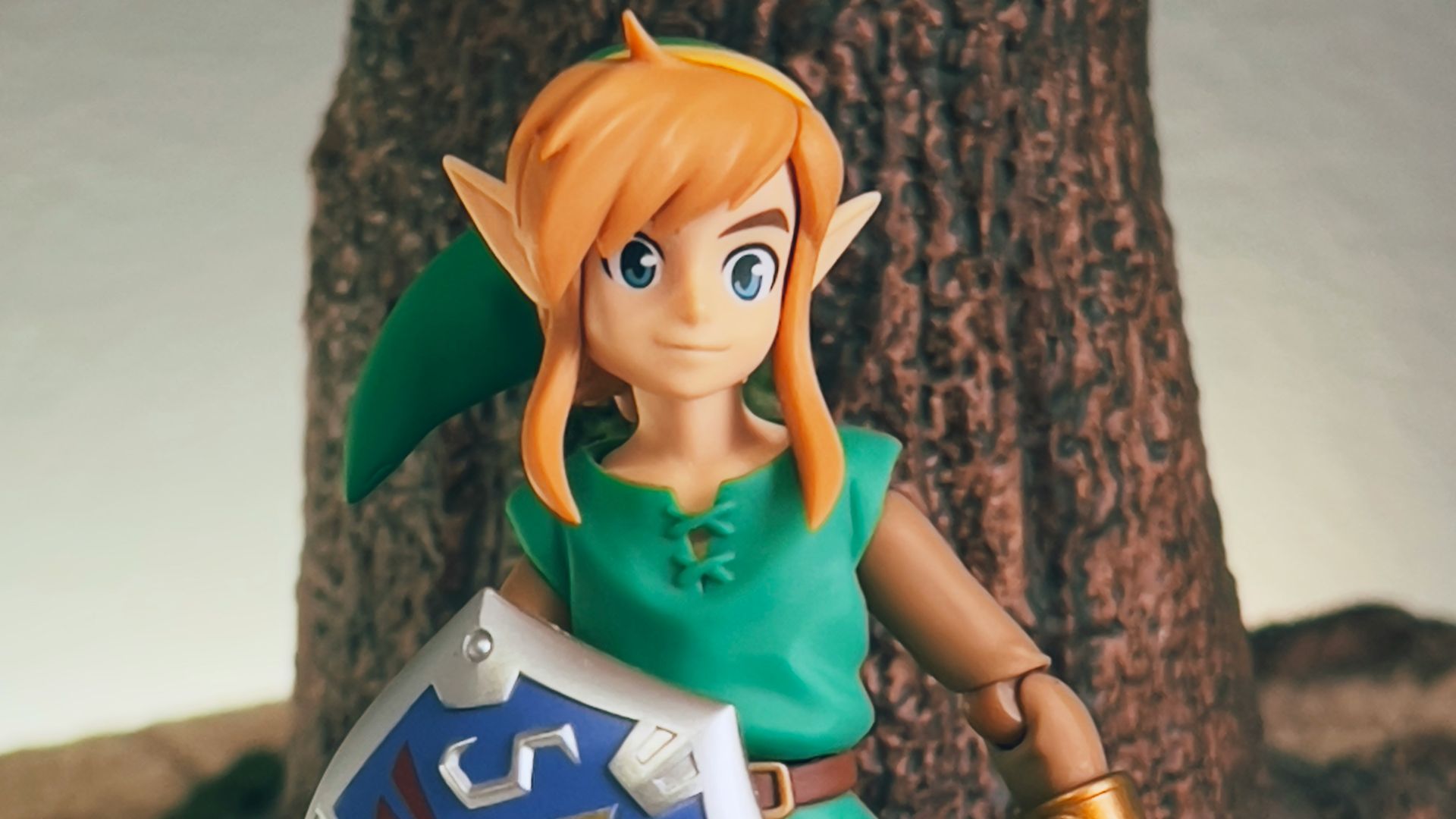
Famitsu awarded Ocarina of Time its first-ever perfect 40/40 score, with calling it flawless, calling that this game would impact gaming for the next decade. Even with this high praise, that prediction turned out conservative. Ocarina of Time’s impact has lasted more than two decades and shows no signs of diminishing.
dedicated to the N64 and Zelda series still actively discuss the pre-release hype, which apparently reached fever pitch with pre-order frenzies and midnight launches that presaged modern AAA game releases. The Water Temple challenge, while infamous for frustrating players, is recognized today as a masterful level design that trusted players to figure things out.
Every open-world game from Skyrim to Breath of the Wild owes a debt to Ocarina's hub-and-spoke design and its balance between guided experience and player freedom. The Z-targeting system appears in countless action games, often without developers even realizing they're copying Nintendo's 1998 innovation. The time-splitting narrative structure inspired everything from Prince of Persia to Titanfall 2, though few games have used the mechanic with such emotional resonance.
A proper love letter to Ocarina of Time has to acknowledge both what it meant then and what it means now. That first moment stepping out of the Deku Tree into Hyrule Field, sun rising over distant mountains while Kondo's theme swells, created wonder that shaped an entire generation's understanding of what games could be. The ocarina melodies still trigger muscle memory in fingers that haven't touched an N64 controller in years. Hyrule's bittersweet farewell, with young Link and Princess Zelda sharing a glance across time before parting ways, delivered grace notes that prestige television struggles to match. This is gaming's gold standard, the measuring stick by which everything else gets judged, and the bar hasn't been cleared yet.