
The Boy Who Lived Was Kind of Just There
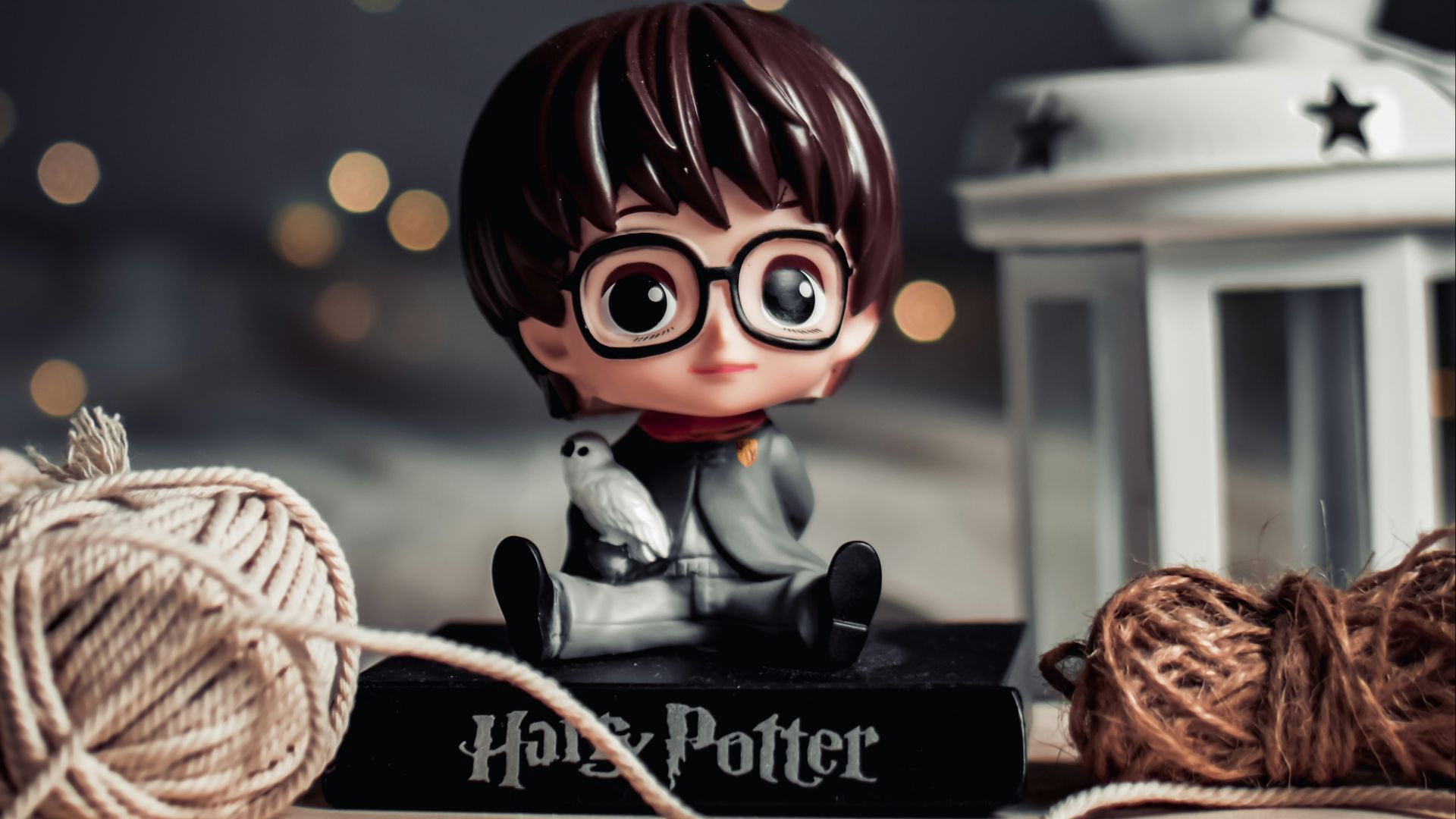
The Harry Potter series is one of the most beloved franchises in history, and Harry himself is genuinely not the most interesting thing about it. Hermione carried the academics, Ron carried the heart, Dumbledore carried the mystery, and Snape carried half the plot on his own. Harry mostly showed up and survived things that were aimed at him specifically. That's not nothing, but it's also not a personality. Here's 20 reasons the chosen one was, at best, chosen by default.
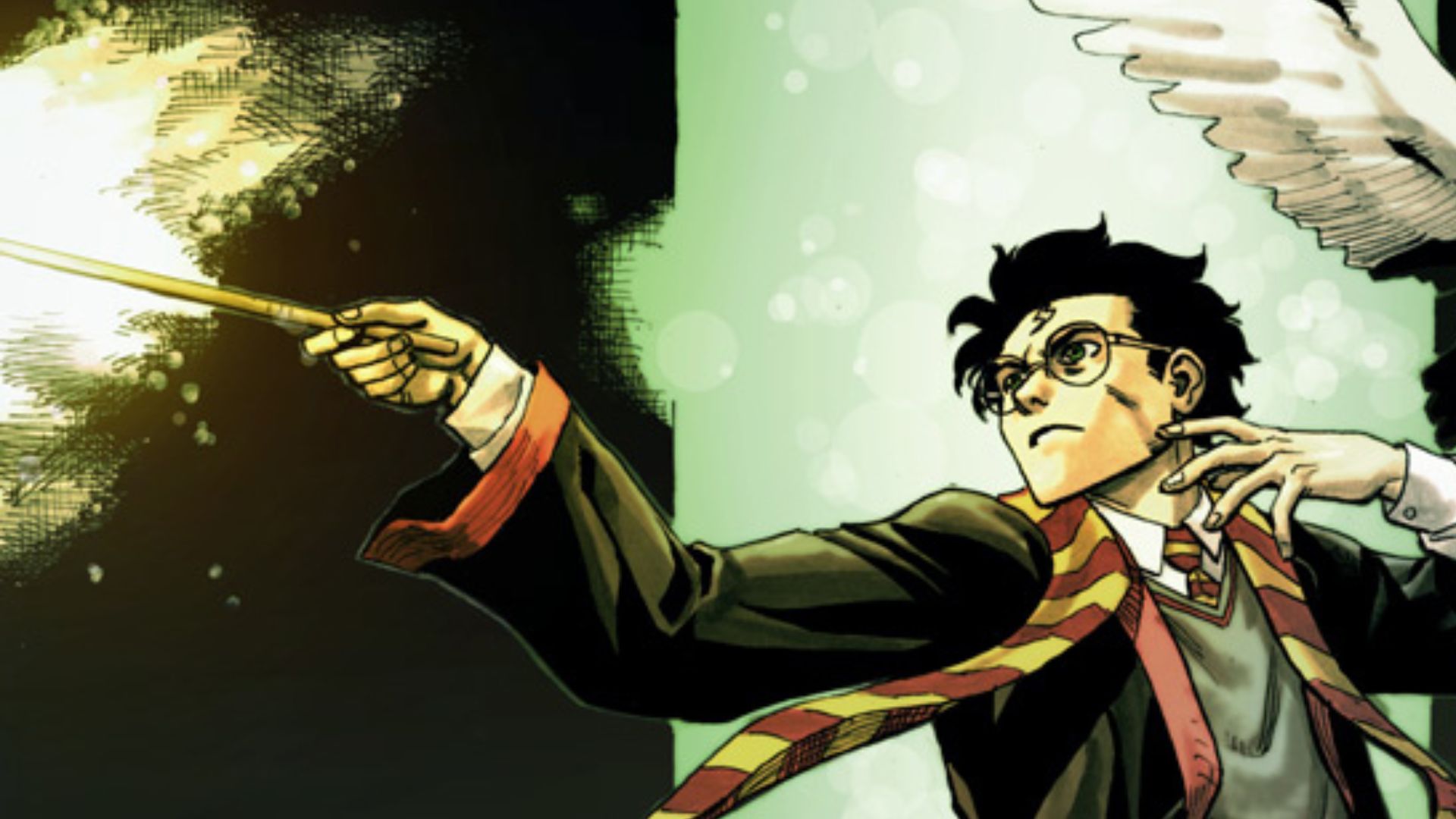 Reilly Brown - reillybrownart - reillybrown.deviantart - twitter.com/reilly_brown on Wikimedia
1. Hermione Solved Almost Everything
Nearly every problem the trio faced was cracked by Hermione, usually while Harry stood nearby looking stressed. The time-turner, the polyjuice potion, the horcrux research, the planning of basically every escape. Harry executed plans that other people made, which is a supporting role dressed up in protagonist clothing.
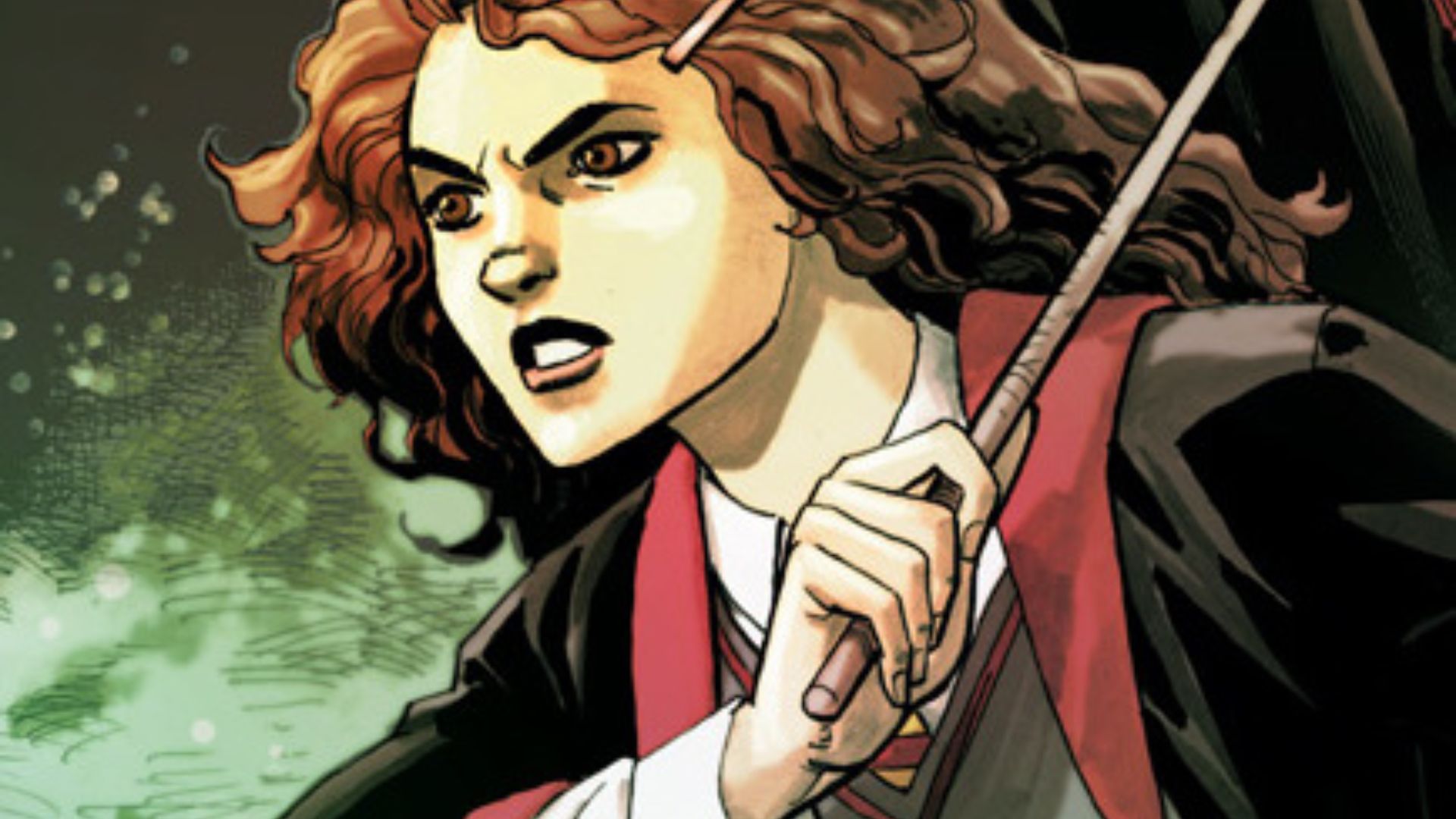 Reilly Brown - reillybrownart - reillybrown.deviantart - twitter.com/reilly_brown on Wikimedia
2. His Main Skill Was Surviving Things He Didn't Understand
Harry didn't defeat Voldemort in the graveyard because he was powerful. He survived because of Priori Incantatem, a magical phenomenon he had no knowledge of and no control over. A lot of his victories work this way. Things happen to Harry more than Harry makes things happen, which is a structural problem for a hero.
3. He Was a Genuinely Bad Student
Not charmingly bad, just bad. He coasted on Hermione's notes, ignored homework until the night before, and showed serious effort only in Defense Against the Dark Arts and Quidditch. For someone supposedly destined to defeat the most dangerous dark wizard in a century, the lack of intellectual curiosity is a real gap.

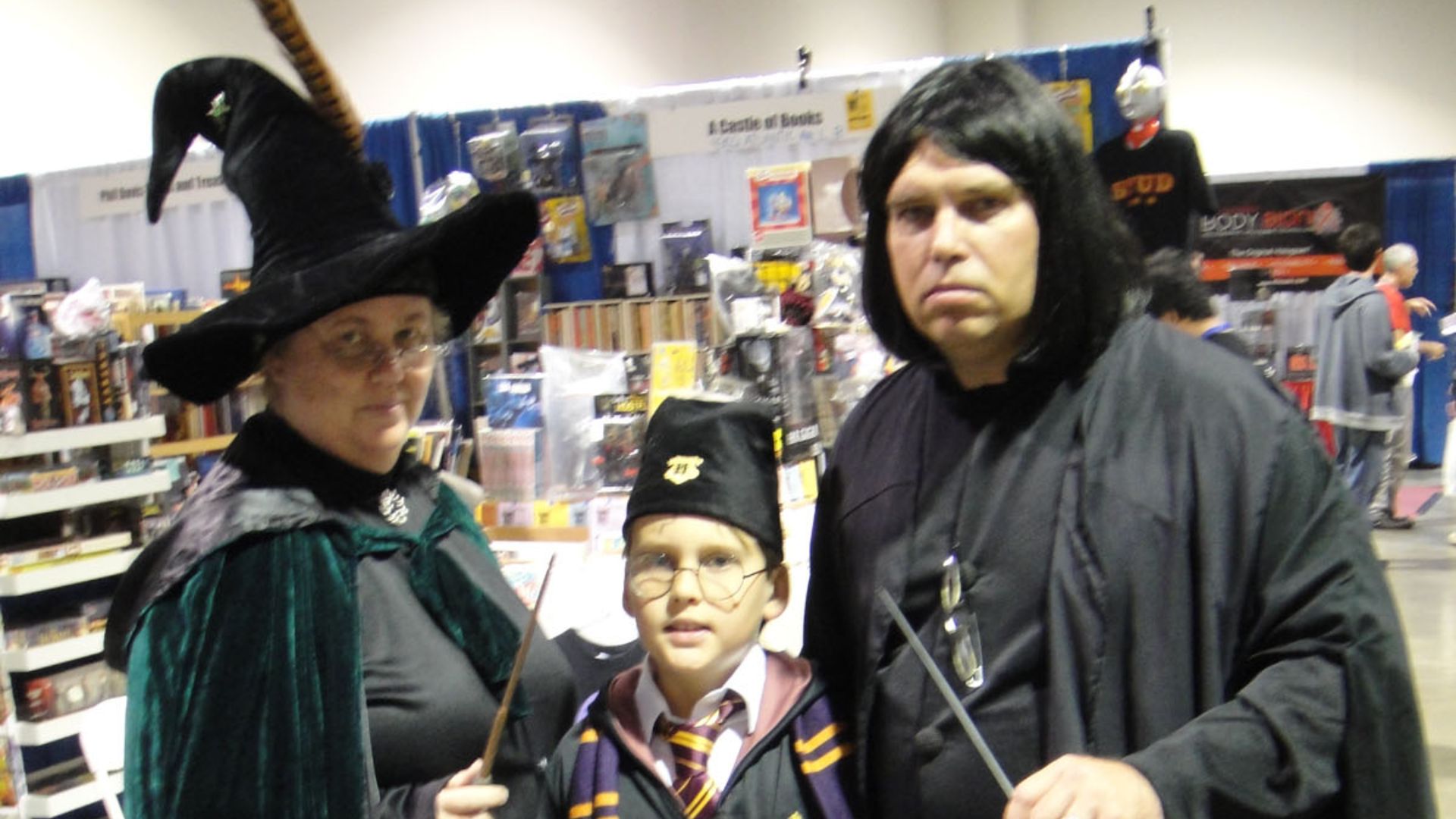
4. He Was Cruel to Snape Without Ever Fully Reckoning With It
Harry spent seven books treating Snape with open contempt, and while Snape was genuinely awful to him, the series eventually reveals a level of sacrifice and complexity that Harry never really processes. He names his son after Snape at the end, which is meant to read as redemption, but it lands more like a gesture than a reckoning.
 commons.wikimedia.org on Google
5. He Was Weirdly Incurious About His Own Story
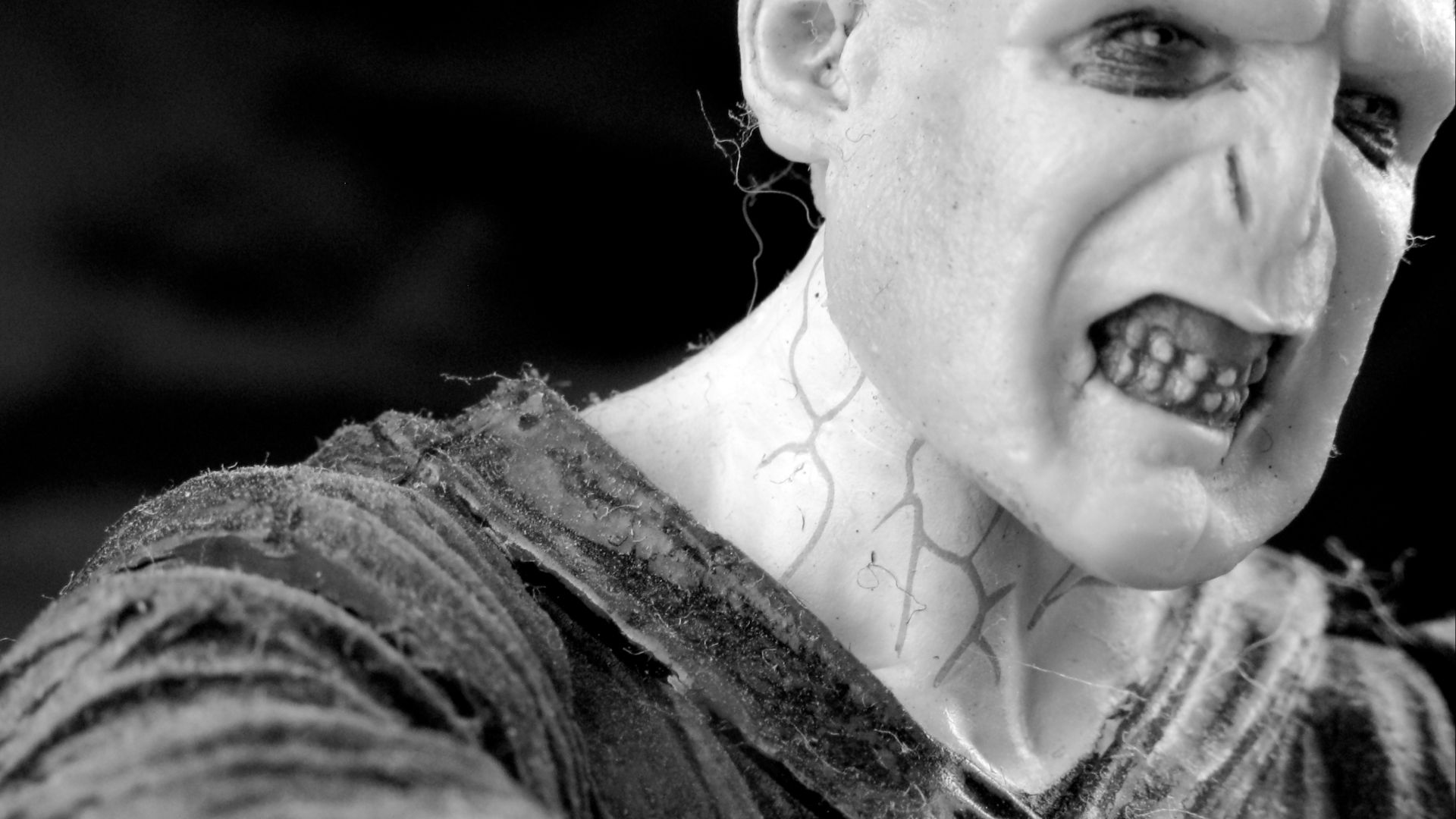
Voldemort killed his parents when he was a baby and shaped his entire existence, and Harry showed remarkably little sustained interest in understanding why or how. He wanted answers when they were handed to him but rarely went looking. Hermione would have had the entire history mapped out by year three.
6. The Chosen One Framing Did Most of the Work
A significant portion of Harry's narrative power comes from a prophecy other people made before he was born. He didn't earn the role so much as get assigned it. The series is aware of this to some degree, but it never fully interrogates what it means to build a hero whose status is essentially inherited rather than developed.
7. He Treated Dobby as a Nuisance Until It Was Convenient
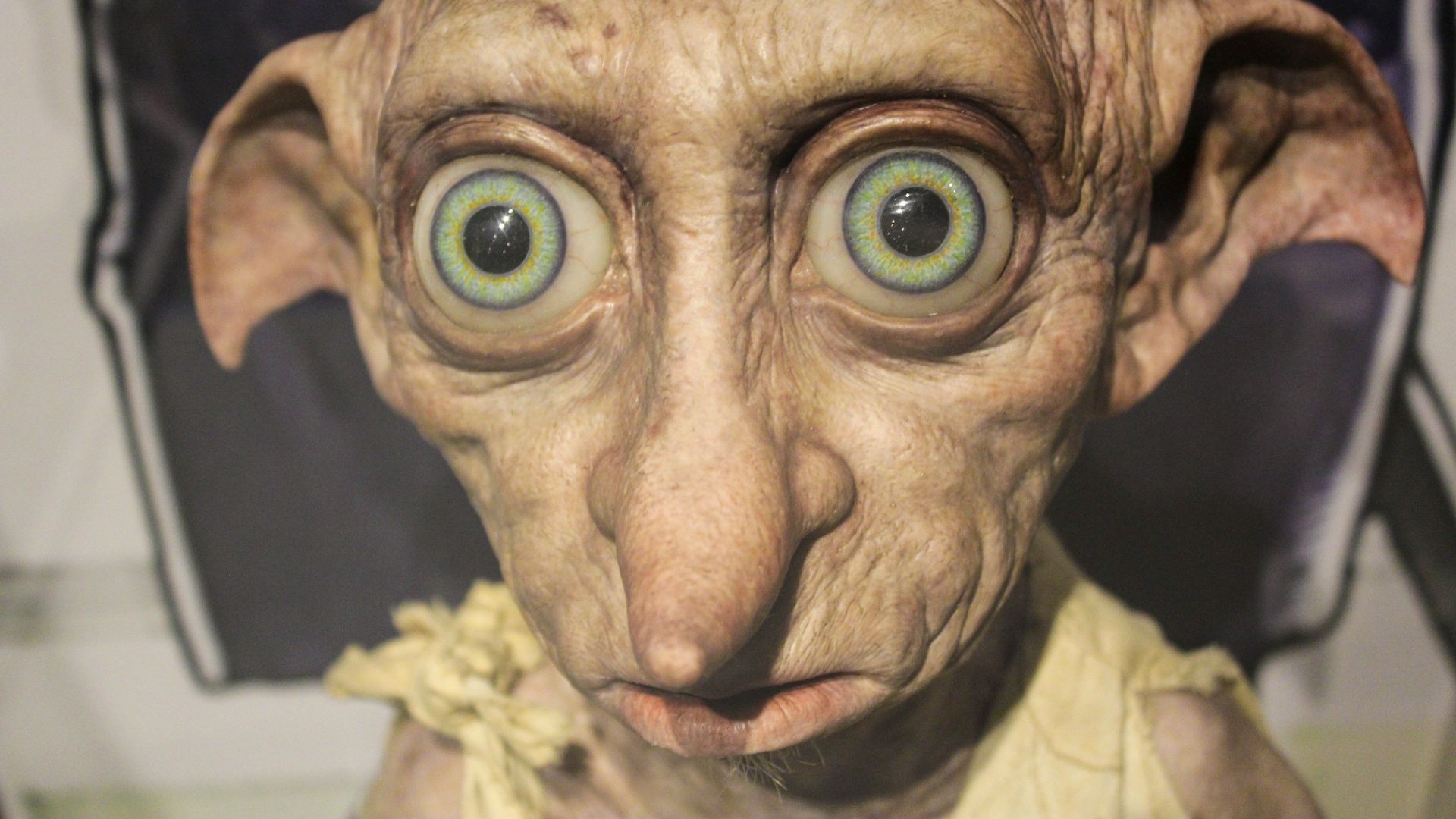
Dobby adored Harry with a devotion that bordered on obsession, and Harry spent most of their early interactions being annoyed by him. When Dobby died, it was treated as a profound loss, and the emotion was earned by the books' own logic. But Harry's side of that relationship was never particularly warm until it was too late.
8. He Consistently Made Things Harder for Everyone Around Him
Harry's habit of going rogue, sneaking out, ignoring instructions, and acting on instinct rather than information caused serious problems throughout the series. In The Order of the Phoenix alone, his failure to learn Occlumency and his decision to race to the Ministry led directly to Sirius's death. He felt bad about it, but the pattern didn't change.
9. His Emotional Range Was Mostly Anger
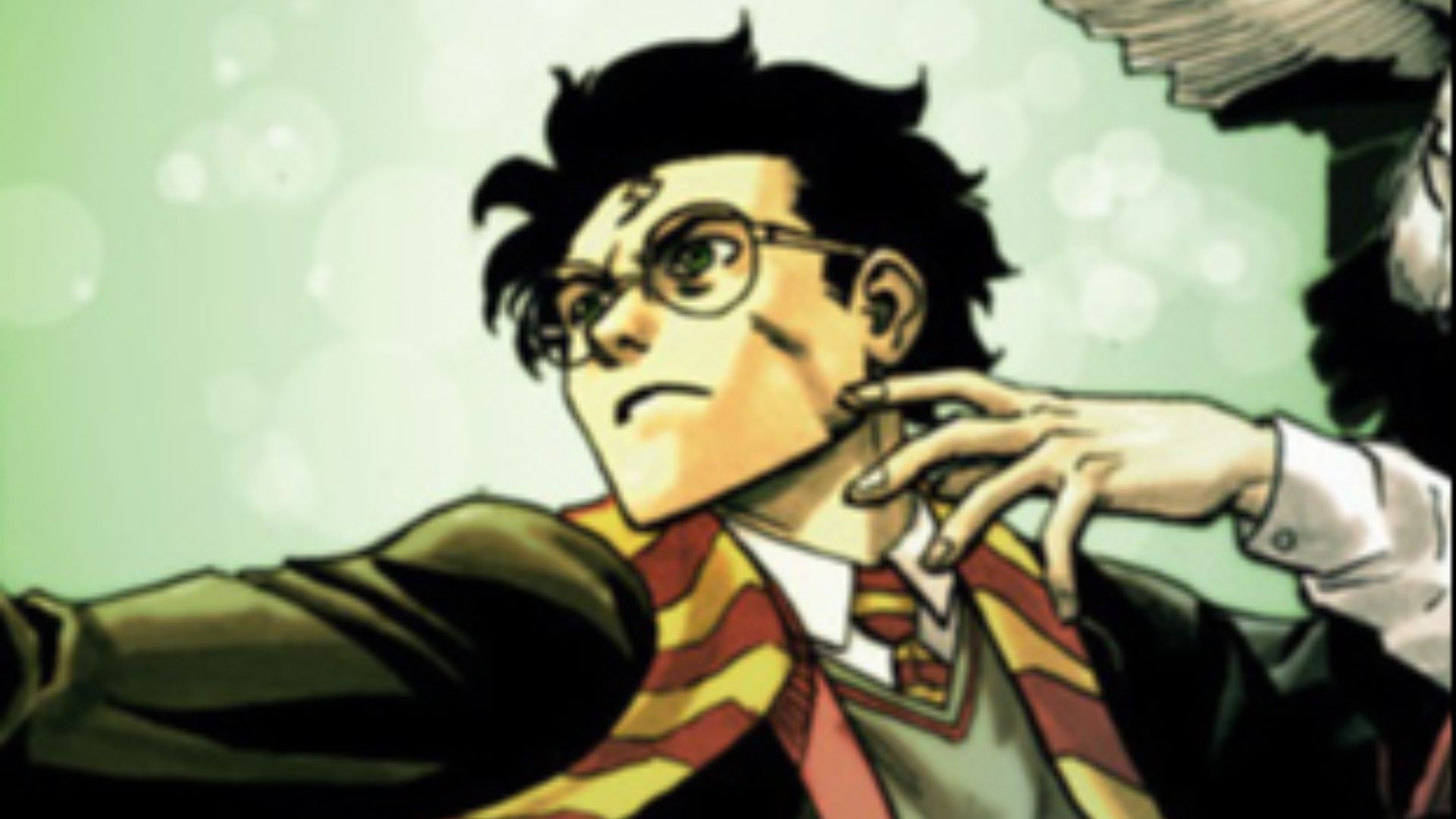
Books five and six lean hard on Harry's volatility, and while adolescent rage is realistic, he gets a lot of narrative sympathy for behavior that would read as a serious red flag in anyone without a tragic backstory. He yells at his friends, dismisses people who are trying to help him, and sulks at length. It's human, but it's not particularly heroic.
 Reilly Brown - reillybrownart - reillybrown.deviantart - twitter.com/reilly_brown on Wikimedia
10. He Never Developed a Coherent Philosophy
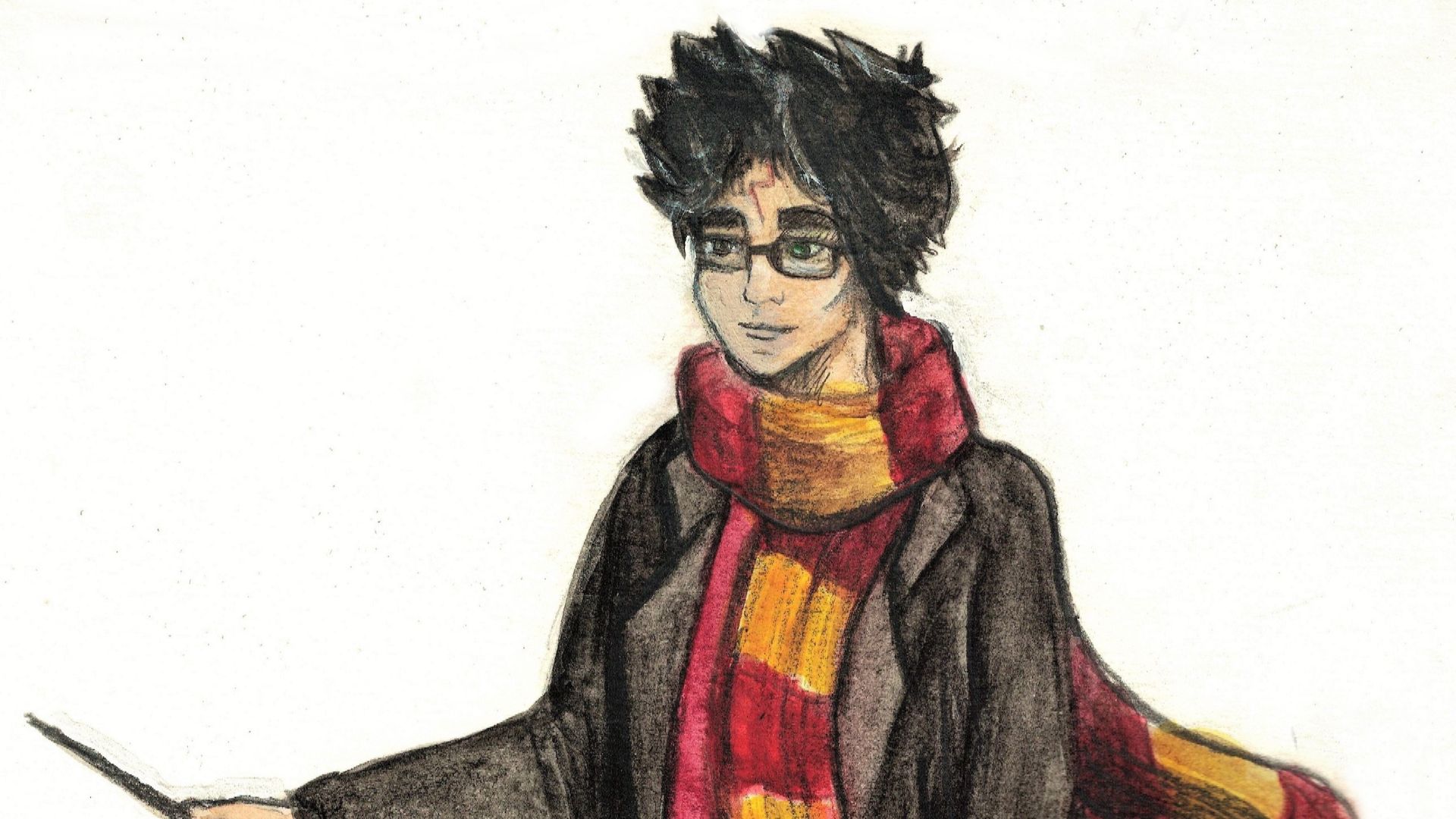
By the end of the series, Harry's worldview is roughly "Voldemort bad, friends good, sacrifice matters." That's not wrong, but it's also not deep. Compared to Dumbledore's arc about the corruption of power or even Neville's quiet story about choosing courage without prophecy or destiny, Harry's inner life is surprisingly thin.
 Mademoiselle Ortie / Elodie Tihange on Wikimedia
11. He Dropped the Elder Wand Instead of Destroying It
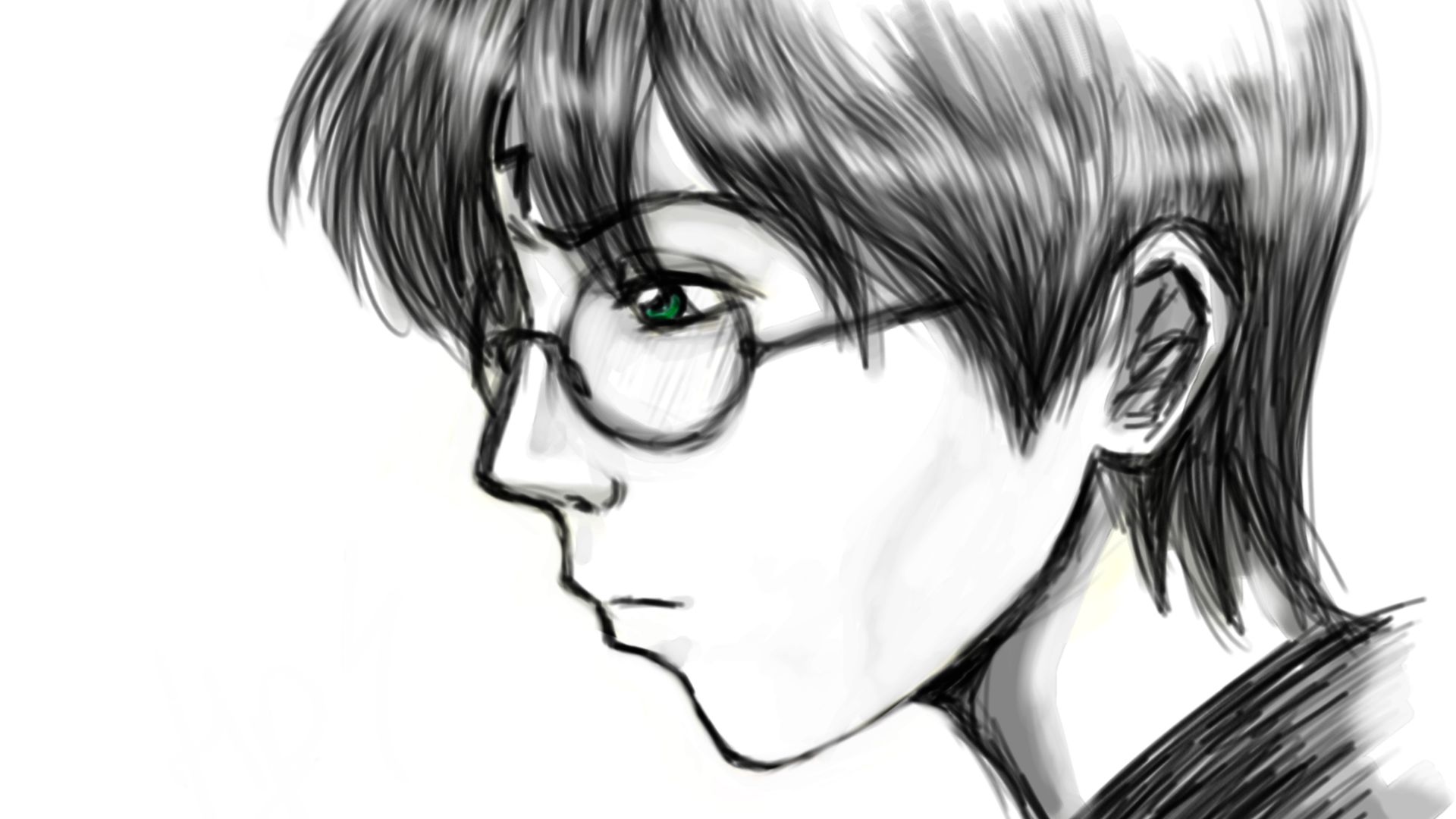
Harry's decision to neutralize the Elder Wand rather than truly destroy it is presented as wisdom. It isn't. He broke the wand and planned to repair his own with it first, which means he was still thinking about personal advantage in the middle of a moral gesture. A genuinely selfless choice would have looked different.
 Cor-Sa on DeviantArt on Wikimedia
12. He Was a Mediocre Quidditch Player Treated Like a Legend
He was fast on a broom and had exceptional seeker instincts. That's real. But the series treats his Quidditch ability as evidence of broader exceptionalism, when it's actually just one narrow athletic gift. Plenty of people in the wizarding world could fly. Harry caught a snitch. The mythology around it was always a little inflated.
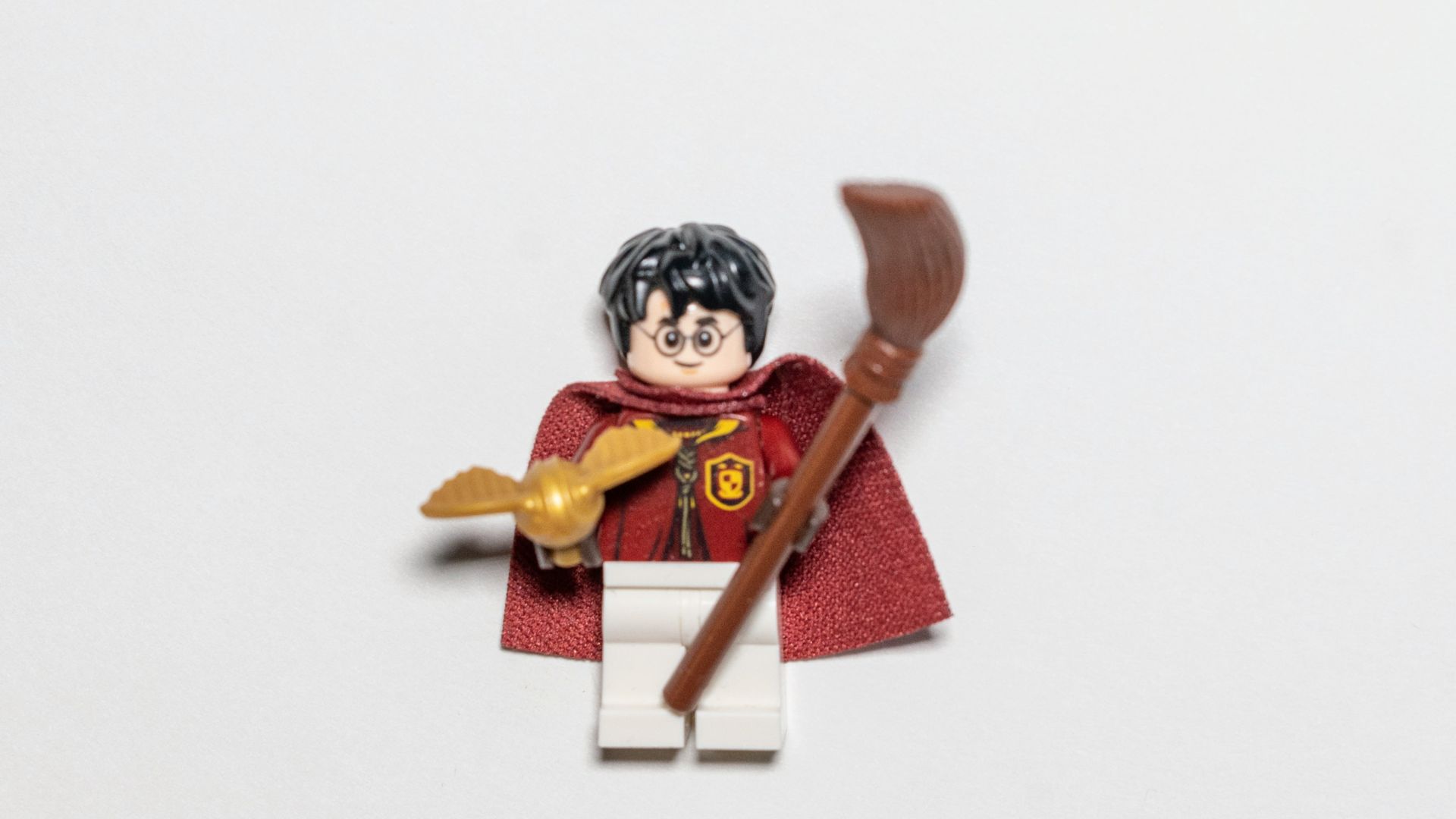
13. His Friendships Were Mostly Maintained by Hermione
Harry and Ron fought constantly and required active management from Hermione to stay functional as a unit. When left to their own devices in Deathly Hallows, Ron left and Harry spiraled. The friendship that anchors the entire series was held together largely by the person the series treats as the sidekick.

14. He Never Really Understood Voldemort
Seven books of direct confrontation and Harry never developed a genuine understanding of what made Voldemort who he was. Tom Riddle's history, his psychology, his specific fears, all of it was excavated by Dumbledore and handed to Harry in a pensieve. Harry received the information but didn't do much with it intellectually.
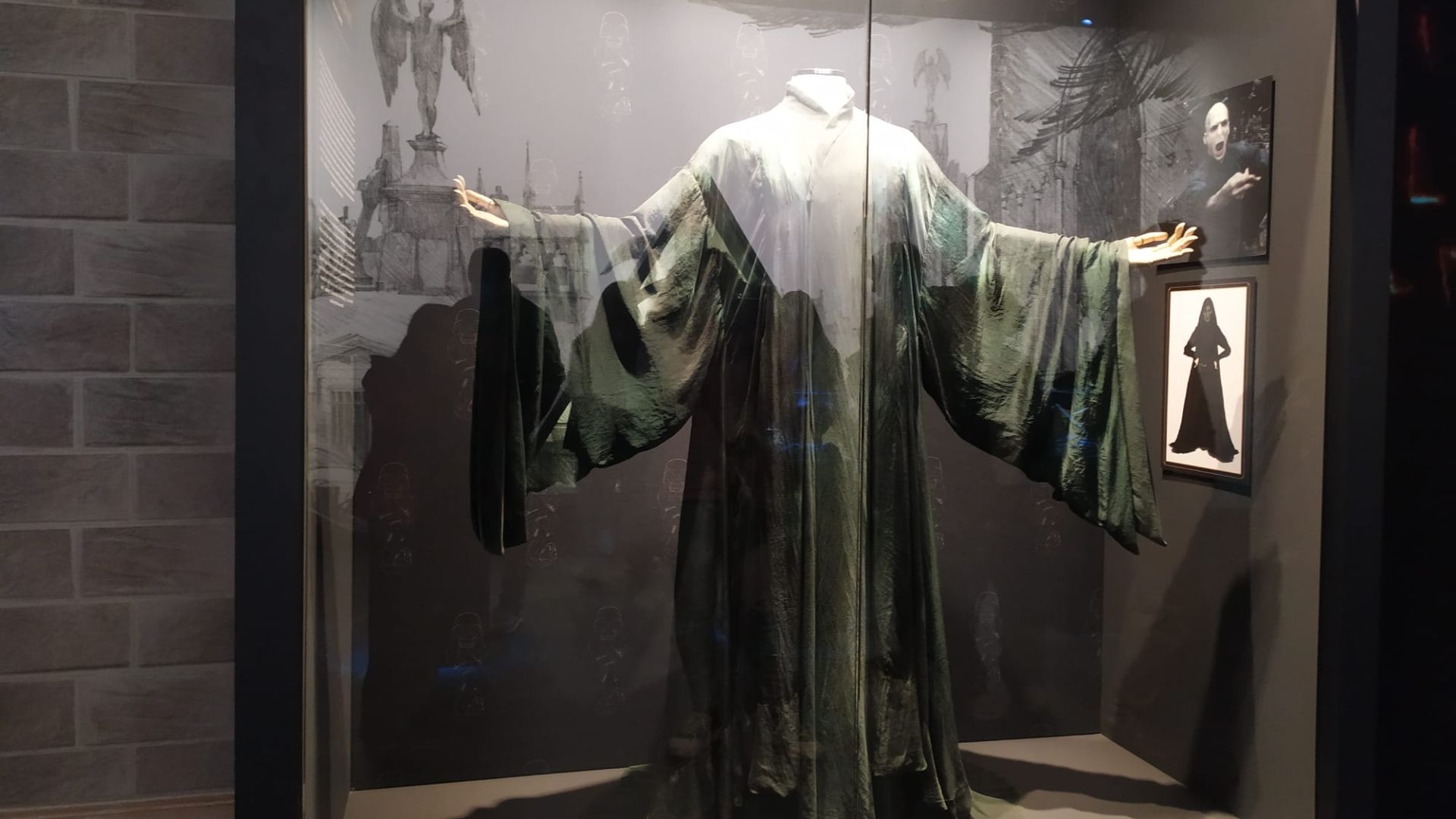
15. He Was Passive in His Own Romance
Ginny pursued Harry more actively than Harry pursued Ginny. He noticed her, felt vaguely jealous when she dated other people, and then they were together. The relationship is one of the flattest in the series, not because Ginny is uninteresting, but because Harry brings almost nothing to it beyond availability and mild affection.
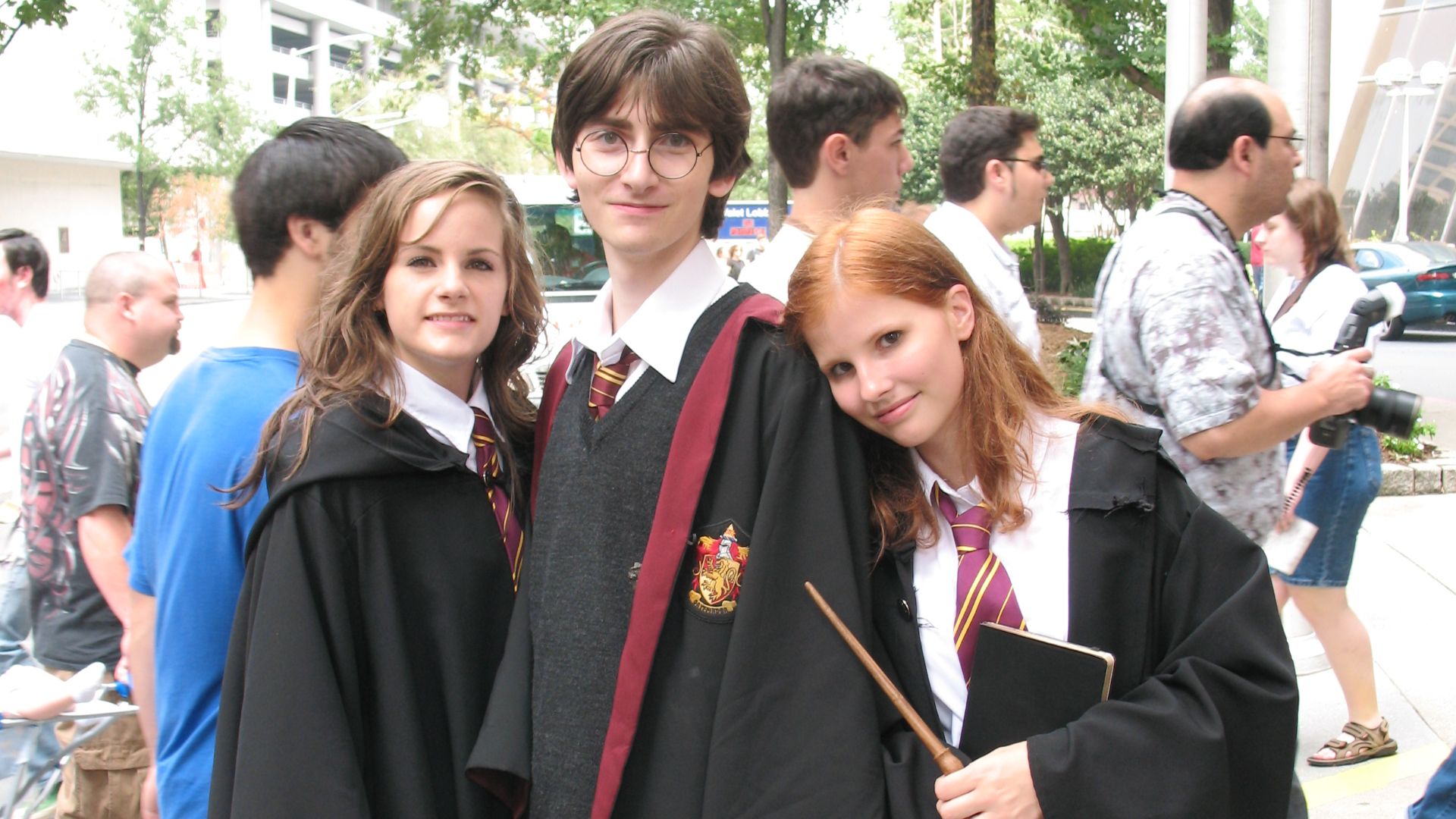
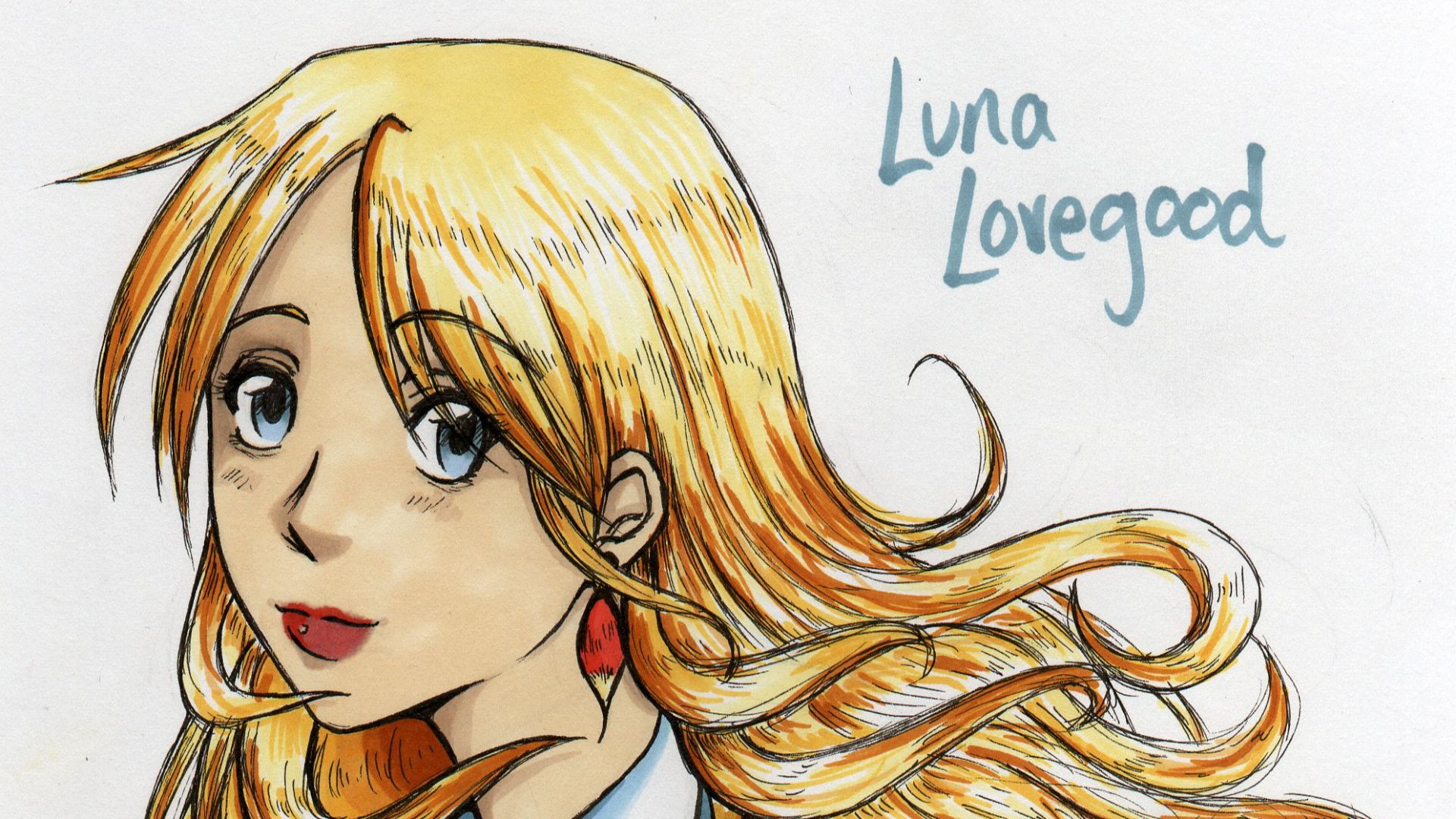
16. He Ignored Luna Until She Was Useful
Luna Lovegood was one of the most original characters in the series and Harry treated her as an oddity for most of their acquaintance. He warmed to her eventually, but it tracked closely with how useful she became to him practically. The series wants the audience to love Luna. Harry himself took his time.
 Cor-Sa on DeviantArt on Wikimedia
17. His Scar Did More Narrative Work Than He Did
The connection to Voldemort through Harry's scar provided more plot-relevant information than anything Harry actively discovered or figured out on his own. Pain as a warning system, visions as intelligence, accidental telepathy as a story device. The scar was a more reliable protagonist than the person wearing it.
 commons.wikimedia.org on Google
18. He Was Consistently Outshone in His Own Climactic Moments
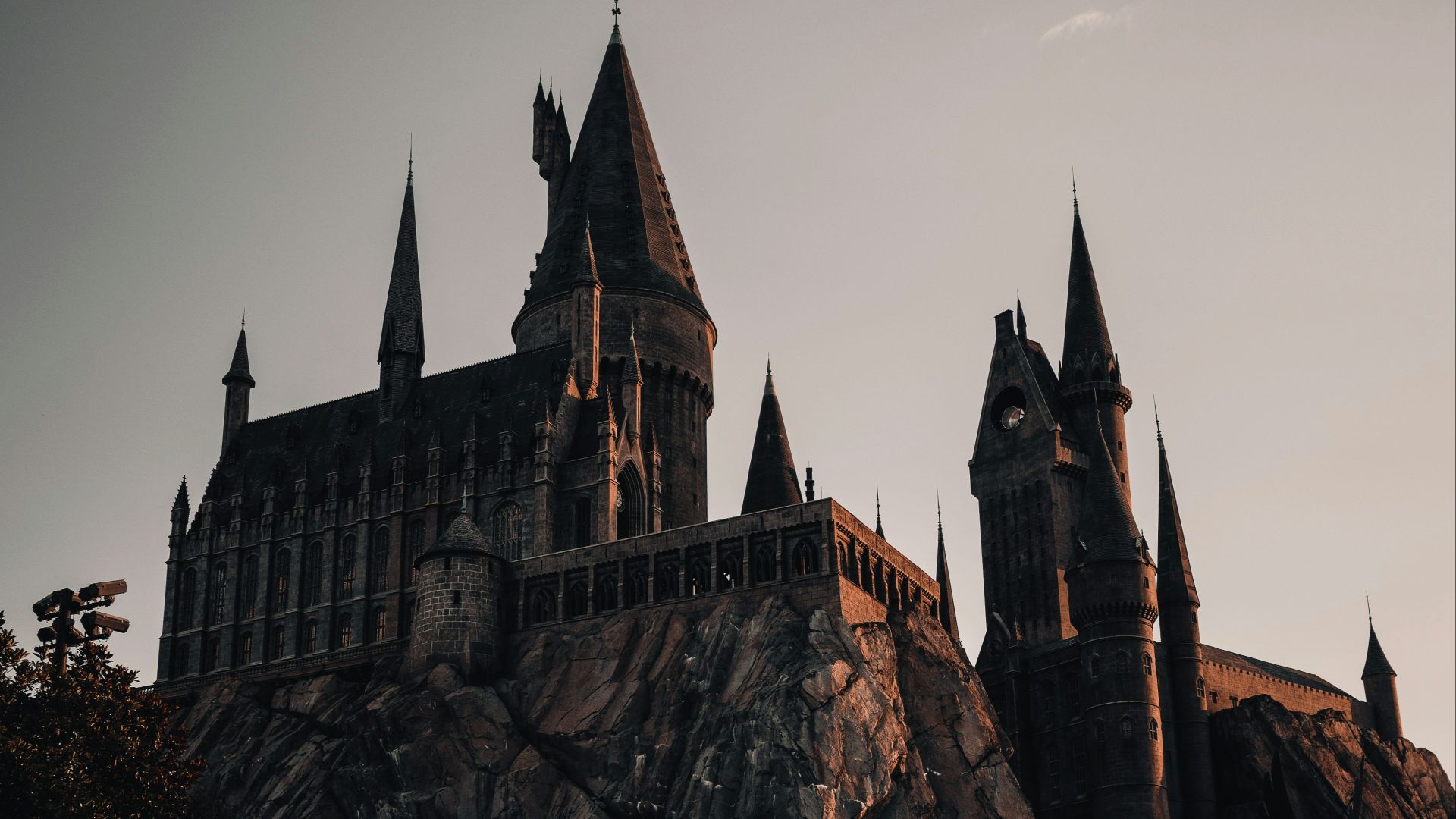
The Battle of Hogwarts belongs emotionally to Molly Weasley, Neville Longbottom, McGonagall, and the memory of Fred Weasley. Harry's actual contribution was walking into the forest to die and then winning a wand duel on a technicality. Both of those things matter to the plot. Neither of them is particularly thrilling to watch.
19. He Never Apologized Well
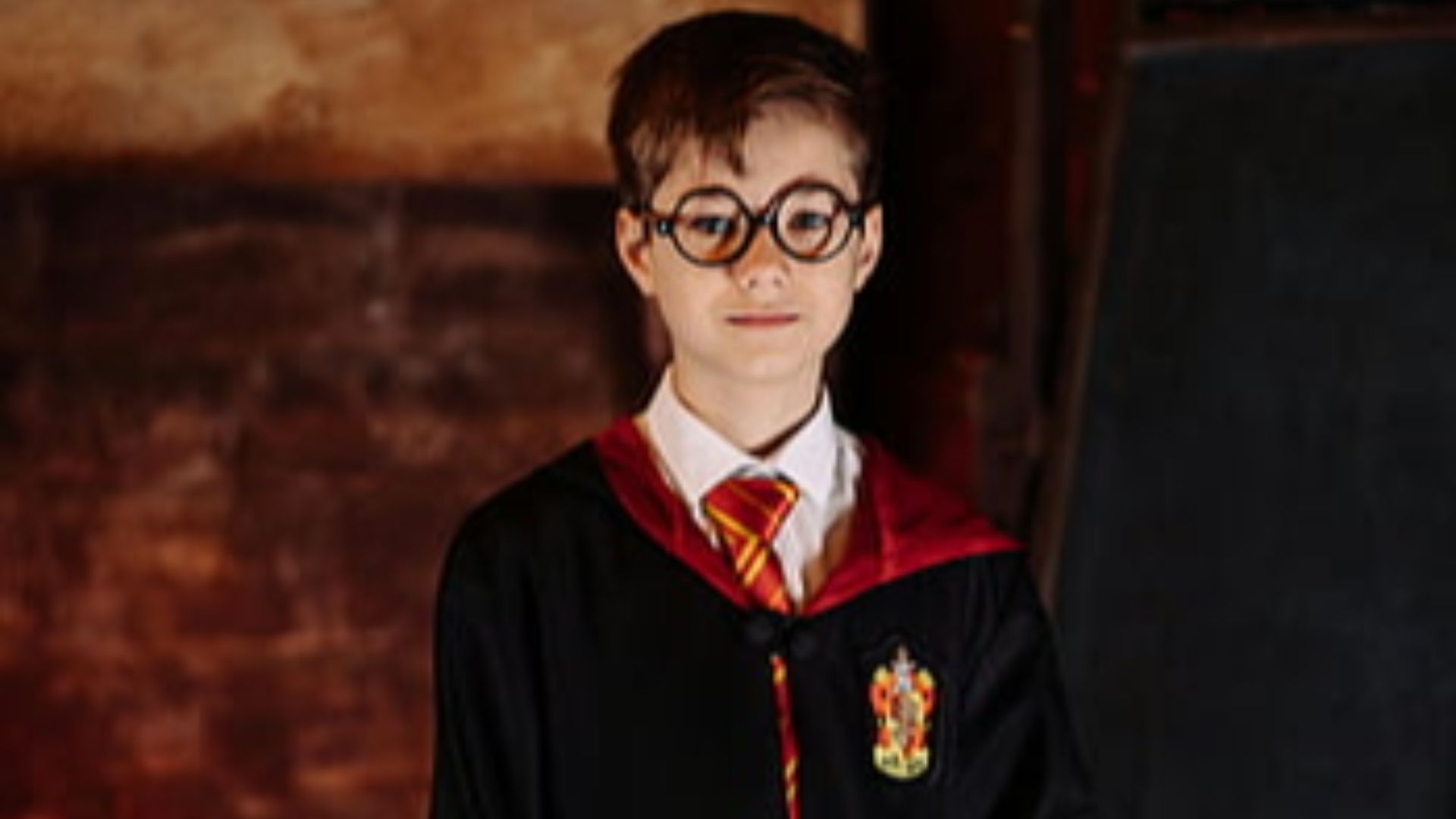
Harry said sorry the way people do when they want the discomfort to end rather than when they've understood what they did. His apologies to Hermione and Ron after prolonged periods of being awful to them tend to be brief, accepted quickly, and never really followed up on. The series moves on. The accounting stays shallow.
20. Neville Was Right There the Whole Time
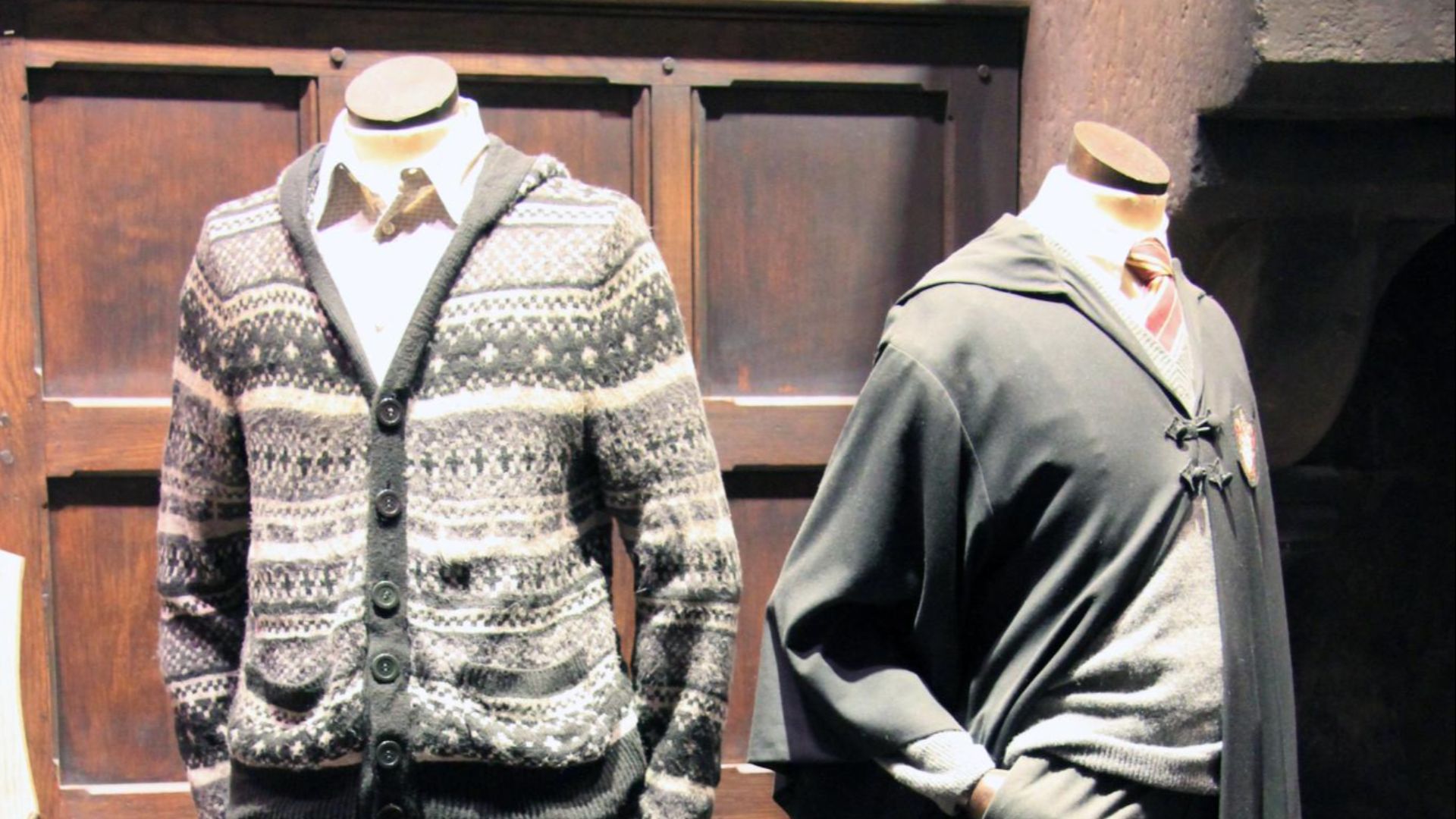
Neville Longbottom was the other child the prophecy could have applied to. He had no natural gifts, no famous scar, no inherited destiny, and he became one of the bravest people in the series entirely through choice. He led the Hogwarts resistance during Deathly Hallows while Harry was camping. The series knows this. It just didn't write the right book about it.




.jpg)
