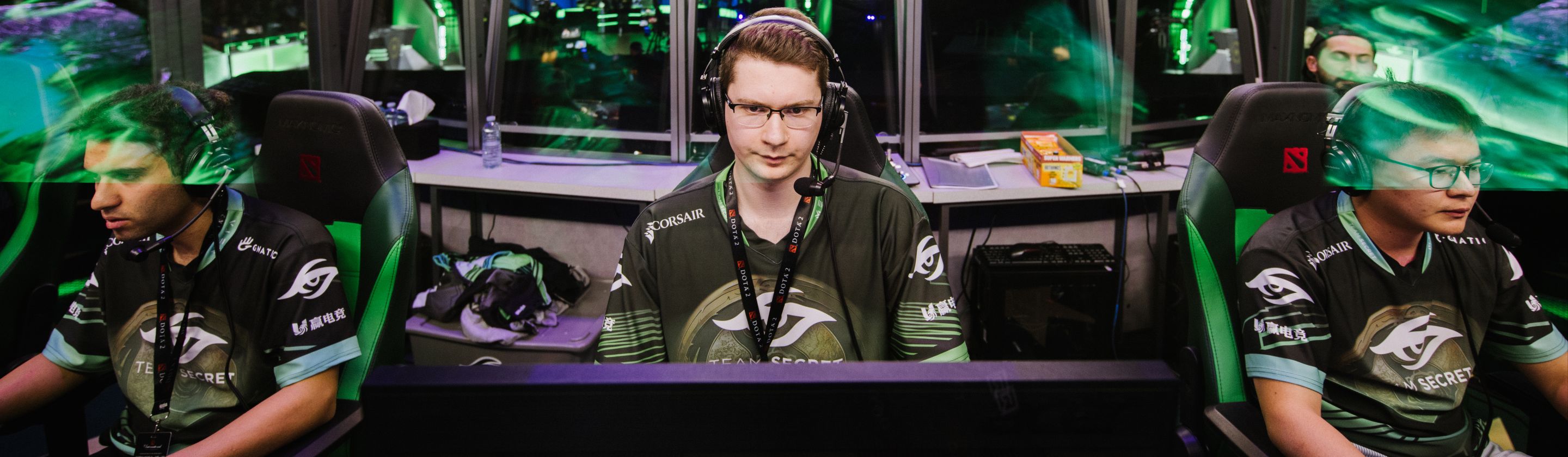
10 Nerdy Things That Age Well & 10 That Become Embarrassing
Some Geeky Habits Have Better Shelf Lives Than Others
Being nerdy has never meant just one thing, especially when hobbies can move from obscure to mainstream almost overnight. Some interests become more rewarding with age because you gain knowledge, build collections, or simply stop worrying about whether anyone else thinks they're cool. Others don't hold up quite as gracefully, particularly when they're tied to old internet habits, questionable fashion choices, or an intense need to prove you know more than everyone else. Here are 10 nerdy things that tend to age surprisingly well, followed by 10 that can become a little harder to defend once enough years have passed.

1. Building a Personal Library
A serious book collection can start with a few science fiction paperbacks and gradually become one of the most interesting parts of your home. As the years pass, you'll probably add favorite authors, reference books, unusual editions, and titles connected to whatever subjects have captured your attention. Unlike plenty of hobbies that lose their appeal, reading tends to give you more to appreciate as your interests expand, even if your bookshelf is mostly filled with comic books.

2. Learning to Code for Fun
Teaching yourself programming because you're curious can turn out to be surprisingly useful later in life. Even if you never become a professional developer, knowing how software works can help you automate repetitive tasks, understand technology better, and create your own small projects. The languages you use might change, but the problem-solving skills tend to stick around.

3. Collecting LEGO Sets
Plenty of people put away their building bricks as teenagers only to rediscover them years later with considerably more spending money. Detailed architecture sets, vehicles, movie models, and massive display pieces have made LEGO collecting an enthusiast hobby that doesn't need to be disguised as something for kids. Building can be genuinely relaxing, and some LEGO sets even command surprising resale prices.

4. Loving Tabletop Games
Board games and tabletop role-playing games often become easier to enjoy once you have a reliable group of friends who actually want to play them. Adult game nights can involve elaborate strategy titles, ongoing campaigns, and rules complicated enough that someone inevitably has to check the manual. There's nothing particularly childish about spending an evening solving problems or competing over cardboard territory.

5. Knowing an Absurd Amount About One Subject
Maybe you can identify every spacecraft in a science fiction franchise, explain obscure military history, or talk for an uncomfortable amount of time about mechanical keyboards. That level of knowledge might have earned you a few eye rolls when you were younger, but deep expertise becomes more interesting once people appreciate genuine enthusiasm. The trick is deciphering whether somebody actually wants the complete explanation or if they're just being polite.

6. Collecting Retro Games
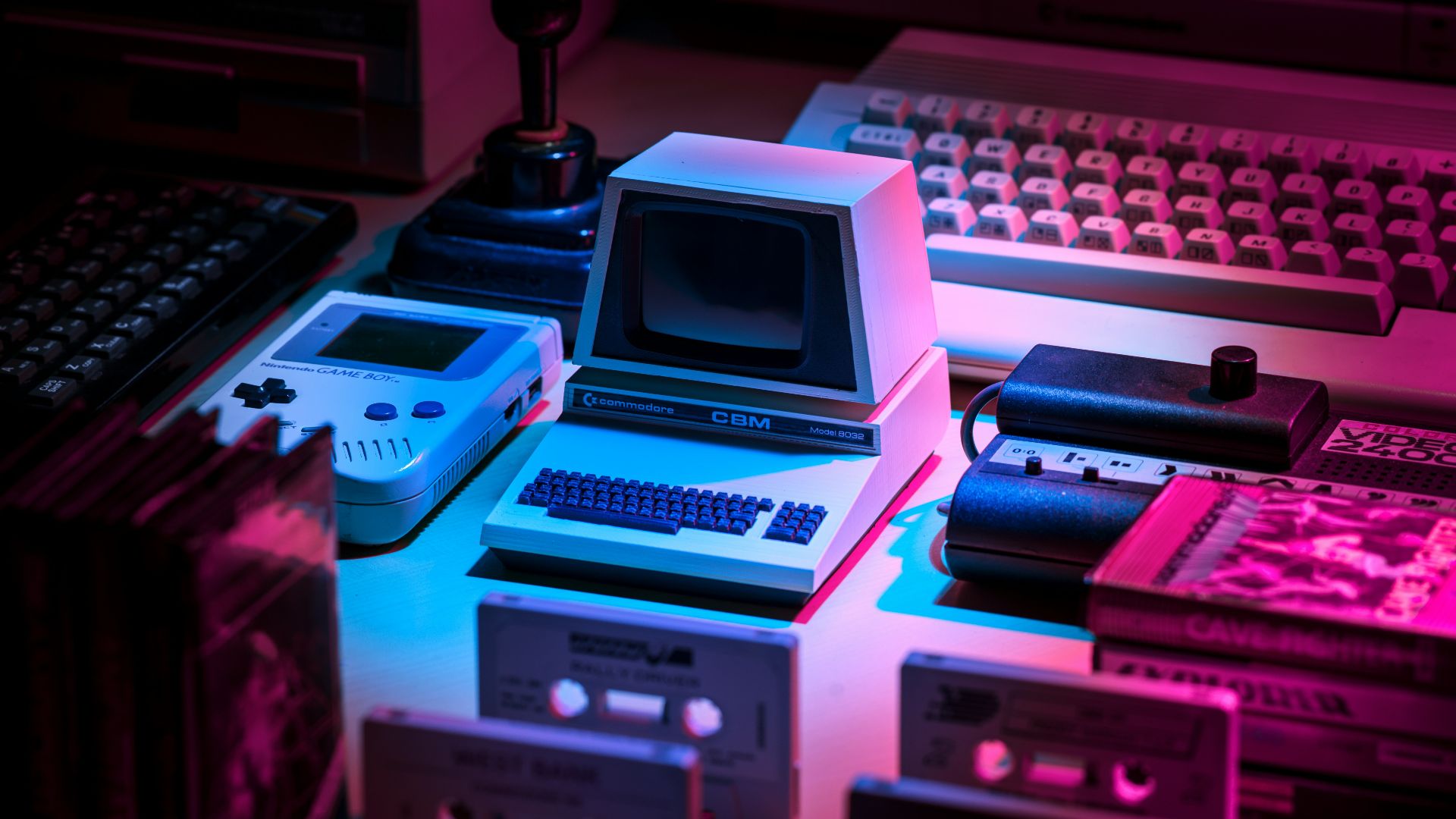
Keeping old consoles and cartridges can feel unnecessary when newer hardware replaces them, right up until those machines become nostalgic collectibles. Original controllers, boxed games, and functioning systems often become more interesting when you can compare them with decades of gaming that followed, and they can also sometimes fetch impressive sums on resale markets. Playing on the real hardware also gives you a different kind of experience.
7. Being Into Astronomy
An interest in planets, stars, telescopes, and space exploration doesn't become less fascinating just because you've gotten older. In fact, having more patience and perhaps enough money for decent equipment can make astronomy considerably more enjoyable than it was when you were a kid. There's always another celestial event, discovery, or mission giving you something new to learn about. You might still get overly excited about a clear night, but that's not a bad thing.

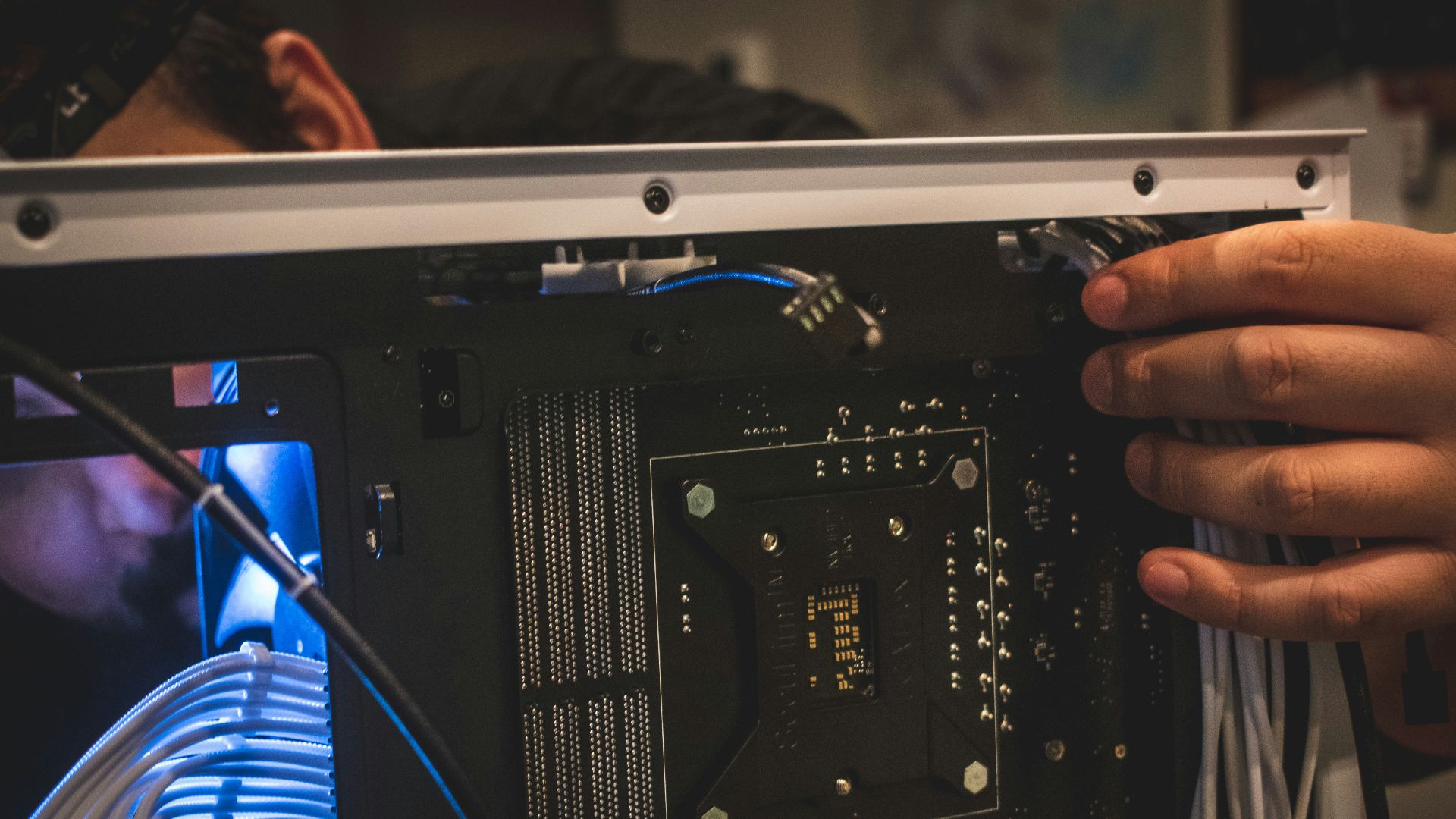
8. Building Your Own PC
Putting together a computer requires research, patience, and the confidence to handle expensive components. Once you've done it a few times, you also gain the useful ability to upgrade and troubleshoot your own system instead of replacing the whole machine. Years later, you'll probably still remember the satisfaction of seeing that first homemade computer successfully boot.
9. Keeping Detailed Collections
Whether you're collecting comics, trading cards, miniatures, records, or movie memorabilia, keeping everything properly organized can be oddly satisfying. Cataloging items and learning their history often adds another layer to the hobby. A well-maintained collection can tell a story about what you've enjoyed over decades, particularly when individual pieces carry specific memories.

10. Staying Curious About New Technology
The person who always wanted to know how the newest gadget worked can carry that curiosity well into adulthood. Technology changes fast enough that there's always another device, platform, or idea to investigate, which keeps the hobby from becoming stale. You don't need to buy every new product to enjoy understanding what's changing and why it matters. Having this as an interest helps keep you sharp and relevant in your career and beyond.

Now that we've covered the nerdy hobbies that age well, let's talk about the ones that might become embarrassing.
1. Correcting Everyone's Grammar Online
Knowing the difference between "your" and "you're" is useful, but publicly correcting every typo you encounter can become exhausting for everyone involved. A casual comment section isn't usually improved by someone arriving solely to point out a misplaced apostrophe. Good grammar ages well, but treating every social media post like an assignment generally doesn't.
2. Wearing "You Wouldn't Understand" Nerd Shirts
Nerdy graphic T-shirts can be fun, especially when they reference something you genuinely enjoy. The trouble starts with designs built entirely around announcing that you're smarter, more technical, or harder to understand than everyone around you. What feels amusing at 17 can come across differently when you've been wearing variations of the same joke for 20 years.

3. Bragging About Not Watching Mainstream Shows
There's always been a certain type of nerdy pride attached to avoiding whatever everyone else happens to enjoy. Saying you've never watched a famous movie or television series can be an interesting conversation starter, but presenting it as evidence of superior taste just makes you look like a jerk. Nobody hands out awards for successfully avoiding a popular franchise.
 Glenn Carstens-Peters on Unsplash
4. Turning Every Conversation Into a Debate
Enjoying arguments about fictional universes, scientific theories, or historical details can be great when everyone involved is having fun. Problems appear when that debating instinct follows you into ordinary conversations and every harmless comment suddenly needs to be challenged. Knowing plenty of facts is valuable, but knowing when a discussion doesn't require a rebuttal is even more useful.
 Llyfrgell Genedlaethol Cymru / The National Library of Wales on Unsplash
5. Using Ancient Internet Slang Seriously
Internet culture moves quickly, leaving behind a long trail of expressions that once seemed perfectly normal. Dropping an occasional outdated phrase for nostalgic effect can be funny, but regularly speaking in the slang of an old message board can be awkward and confusing to others. Sometimes the most dignified option is allowing a favorite meme phrase to remain in its original decade.

6. Treating Console Brands Like Sports Teams
Arguing about which game console is best can be entertaining when you're young, and your entire gaming budget only allows you to own one of them. Continuing the battle years later with genuine anger becomes harder to explain, particularly when most systems have plenty of worthwhile games. A corporation isn't going to reward you for defending its hardware in a comment section at midnight.

7. Gatekeeping Your Favorite Fandom
Longtime fans sometimes become oddly protective when a hobby, franchise, or genre attracts a new audience. Asking someone to prove how many episodes they've watched or which obscure characters they recognize doesn't make the community more interesting. People are allowed to become fans yesterday, and they don't need to pass your personal entrance exam first.

8. Filling Every Profile With Fandom Quotes
There was a time when decorating every online bio with cryptic quotes, character references, and inside jokes felt like an essential part of having a personality on the internet. A little fandom flavor is still fun, but there's a time and place for it. Your professional contacts probably don't need to solve three fantasy references before figuring out who they're dealing with.
 LinkedIn Sales Solutions on Unsplash
9. Explaining Why Someone's Favorite Movie Is "Objectively Bad"
Learning about filmmaking, writing, game design, or storytelling can make you much better at recognizing why certain creative choices work. It can also tempt you to explain why somebody else's favorite piece of entertainment is technically terrible when they never asked for an analysis. Personal taste doesn't become invalid just because you've watched more video essays on the subject.

10. Making "Being a Nerd" Your Entire Personality
There's nothing embarrassing about loving games, comics, computers, science fiction, fantasy, or any other traditionally "nerdy" subject. Things get uncomfortable, though, when the label becomes so important that every conversation, outfit, opinion, and friendship has to reinforce it. Your interests can remain a big part of your life without becoming all-encompassing.