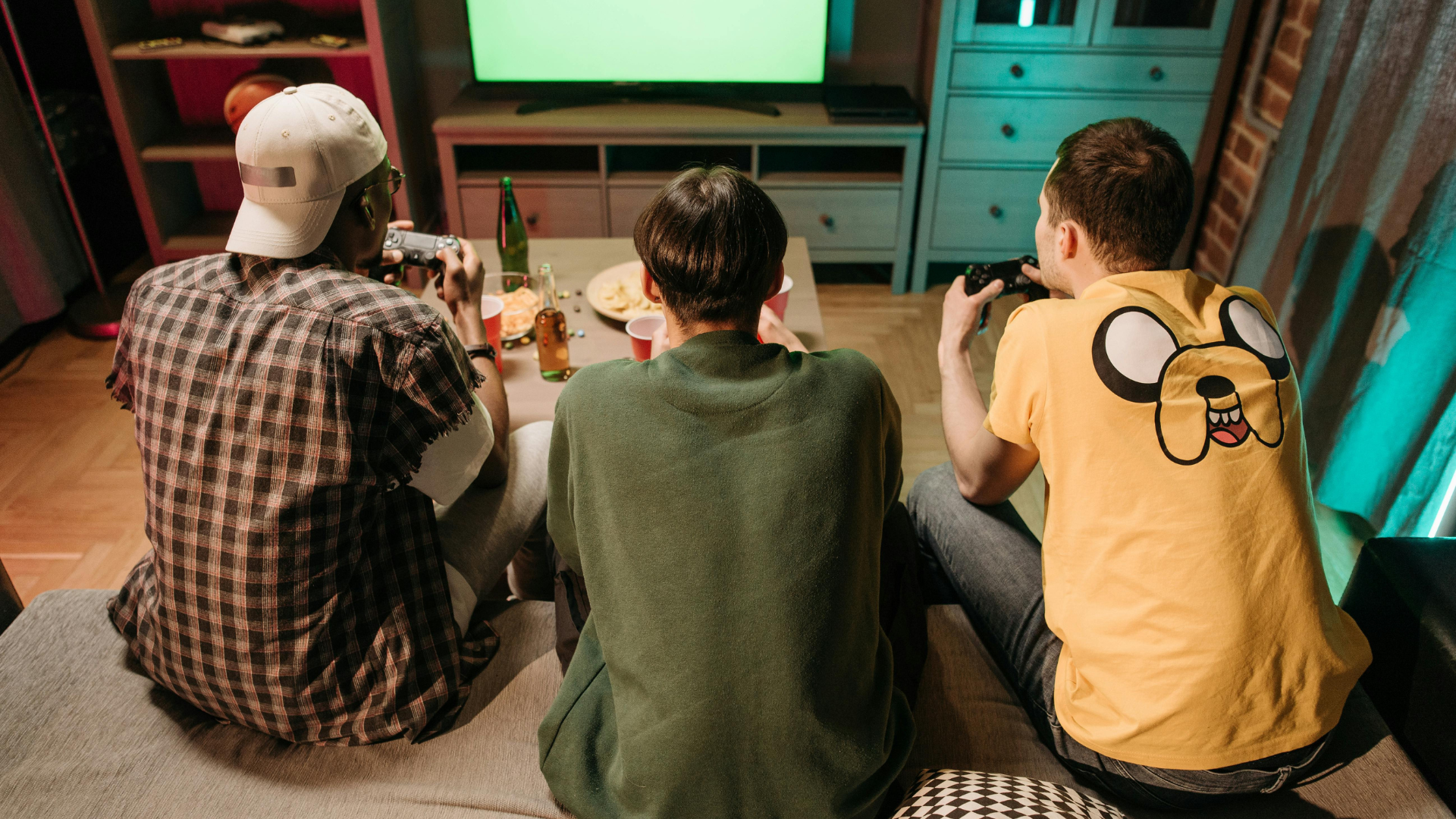
Gaming can be entertaining, social, and even creatively satisfying, so it can be hard to convince people who are in it to step away. Still, a hobby can be enjoyable and take up more room in your life than it should. That's often where the real issue begins, because what feels like harmless downtime can slowly become the default way you spend your energy, attention, and free hours.
If you have ever looked up from a long session and wondered where the evening went, you already understand the concern. The problem is not that every game is bad or that every player is out of balance. It's that gaming can become so easy, so rewarding, and so constant that it starts crowding out parts of life that are less immediately exciting but much more important in the long run.
It Can Quietly Take Over Your Time
One reason to stop gaming is that it has a way of swallowing time. A single round turns into another, then a daily challenge appears, then a friend invites you into one more match, and suddenly the entire day is gone. Because the experience feels structured and active, it often seems more productive than it really is.
That time loss matters more than people like to admit. You may tell yourself that you're just relaxing for an hour, but gaming is built to keep you engaged far longer than you intended. Many games are carefully designed around progress loops, unlocks, rewards, and social pressure, which makes stopping feel harder than continuing.
The effect becomes more obvious when gaming starts causing you to neglect things you actually care about. Reading, exercising, sleeping on time, seeing people in person, building relationships, or working steadily on a real goal can all get pushed aside by the promise of quick entertainment. When a hobby keeps winning against everything else on your calendar, it's worth asking whether it's still serving you well.
There's also the subtle problem of mental carryover. Even after you log off, part of your attention may stay stuck on levels, rankings, builds, or unfinished tasks waiting for you next time. That constant background pull can make your off-screen life feel less vivid, which isn't exactly a great trade.
It Gives You Stimulation Without Much Satisfaction
Gaming is excellent at producing a feeling of activity. You are making decisions, reacting quickly, earning rewards, and moving through systems that constantly respond to your effort. Yet stimulation is not the same as satisfaction, and that difference becomes clearer the longer the habit stays in place.
You can spend hours feeling fully occupied and still end the day with very little sense of progress. The achievements may look impressive inside the game, but they rarely improve your health, deepen your relationships, or move your real life forward in any lasting way. That gap between feeling busy and being fulfilled is one reason gaming can become strangely draining over time.
For some people, games also become a convenient escape. If you're stressed, bored, lonely, or frustrated, it's much easier to log into a familiar digital world than to face what's making you unhappy, and that can make you simply avoid real problems.
Another issue is that games can train your brain to expect constant reward. Real life rarely offers the same pace of feedback, praise, and measurable progress, so ordinary tasks can start feeling dull by comparison. Once that happens, your patience gets weaker, focus becomes harder, and everyday life may seem flatter than it really is.
Stepping Away Can Make Room for a Better Life

Stopping gaming doesn't mean you have to become a joyless productivity machine. It simply means choosing activities that give something back in a deeper way. When gaming is no longer eating up your free time, you may be surprised by how much room opens up for sleep, movement, learning, creating, and real connection.
Walking away from gaming can also improve your attention span. Without a steady stream of rapid stimulation, your mind often regains some tolerance for slower tasks that require patience and effort. This can make work feel less fragmented, and conversations feel more present, which tends to benefit almost every area of life.
Socially, quitting can help you reconnect with people in a more grounded way. Online gaming can certainly be social, but it's not always the same as building closeness face-to-face or investing in relationships with full attention. Once you stop defaulting to the screen, you may notice that your interactions become more intentional and more memorable.
There is also a confidence that comes from no longer being controlled by an easy habit. When you stop doing something that used to consume your time, you prove to yourself that your choices are still yours to make. That feeling is often more rewarding than any rank, streak, or digital reward system ever was.
And finally, life, for all its messiness, is still far better than any simulation. Games can offer excitement, progress, and escape, but they're still closed systems built to keep you engaged rather than fully alive. Real life gives you things a screen never can—and it's honestly pretty rad. When life is already full of possibilities, it makes less and less sense to get swallowed by a simulation that pulls you away from the real thing.