The Double-Edged Life of a Fan
Being part of a fandom is one of those experiences that can be incredibly rewarding one moment and utterly exhausting the next. Whether you're devoted to a game, a TV show, or a comic book franchise, fandoms have a way of pulling you into a world where passion runs high and community feels everything. There's no shortage of opinions about what it means to be a fan, and the reality is that it comes with a pretty mixed bag of highs and lows that most members know all too well.
1. The Toxicity Can Be Overwhelming
Fandoms have a well-earned reputation for turning toxic fast, especially when disagreements break out online. What starts as a healthy debate about a character's storyline or an artist's new direction can quickly spiral into personal attacks and harassment campaigns. It's hard to stay enthusiastic about something you love when the community surrounding it feels more hostile than welcoming.

2. It Gets Expensive Quickly
Being a dedicated fan rarely comes cheap, and the costs have a habit of sneaking up on you before you realize how much you've spent. Convention tickets, merchandise, collector's editions, and limited releases can add up to a significant financial commitment over time. If you're the type who wants to stay current with every new drop or release, you might find your wallet taking a hit far more often than you'd planned.

3. Gatekeeping Is a Real Problem
Few things kill the excitement of discovering a new fandom faster than being told you're not a "real" fan by someone who got there first. Longtime members dismissing or belittling newcomers for "not knowing enough" is frustratingly common in fan communities and creates an unwelcoming atmosphere that actively discourages people from diving deeper into something they could have truly loved.

4. Spoilers Are Basically Unavoidable
The moment a new episode drops or a collection leaks early, fandom spaces become absolute minefields for spoilers. Even with the best social media discipline, it's nearly impossible to avoid stumbling across a major plot reveal or a surprise collaboration before you've had a chance to experience it yourself. The disappointment of having a big moment ruined before you've seen it is something most fans have dealt with at least once, and it never really gets less frustrating.

5. Fan Wars Are Draining
When two fandoms clash, the fallout can be surprisingly exhausting to witness, let alone participate in. Rival fan bases will compete for popularity charts, awards, or social media metrics with an intensity that starts to feel less like fun and more like a second job. Spending your free time defending your favorites against coordinated attacks from another fandom isn't exactly the relaxing hobby most people signed up for.
6. Shipping Wars Turn Communities Into Battlegrounds
In comic book communities especially, debates over which characters should be romantically paired can escalate into full-blown conflicts that are exhausting to be around. Fans on opposing sides of a ship will go to remarkable lengths to argue their case, flooding forums, comment sections, and social media threads with increasingly heated takes. What should be a fun corner of fan culture has a way of fracturing otherwise tight-knit communities right down the middle.
7. The Time Commitment Is Significant
Keeping up with an active fandom can feel like a part-time job when you factor in new content, fan theories, community events, and ongoing discussions. There's always something new to watch, read, or weigh in on, and the pace can feel relentless depending on how devoted the community is. For fans who already have demanding schedules, it can be difficult to stay engaged without feeling like you're falling behind.

8. Parasocial Attachment Can Become Unhealthy
Fan culture has a way of encouraging very strong emotional bonds with public figures who don't actually know their fans exist. These parasocial relationships can feel meaningful and fulfilling up to a point, but they become problematic when fans start making real-life decisions based on the actions of a celebrity or fictional character. It's worth checking in with yourself periodically to make sure your investment in a fandom isn't crossing into territory that affects your day-to-day well-being.

9. Social Judgment from Non-Fans Is Common
Not everyone understands the depth of enthusiasm that fandoms can inspire, and plenty of people are happy to let you know they think it's excessive or immature. Being open about your fan interests can sometimes invite dismissive comments or eye rolls from people who see it as a silly thing to pour energy into. While their opinions don't define your experience, navigating that kind of judgment repeatedly can wear on you over time.

10. Disappointment Hits Harder When You Care This Much
The flip side of caring deeply about something is that when it lets you down, the disappointment cuts deeper than it would for a casual observer. A bad season finale, a canceled show, or a falling-out with a beloved creator can feel like a genuine loss to someone who's been invested for years. Fandoms condition you to feel things at a higher emotional register, which makes the good moments incredible but makes the bad ones sting in a way that's hard to explain to anyone outside the community.
Of course, if fandoms were only a source of stress and disappointment, nobody would stick around for long. For all the friction and frustration that comes with the territory, there are just as many reasons why people not only stay in their fandoms but actively cherish being part of them.

1. You Find Your People
One of the most powerful things a fandom can offer is the sense that you've found a community of people who genuinely get what you're excited about. Shared enthusiasm for the same thing creates a natural foundation for connection, and those bonds can grow into some of the most meaningful friendships you'll ever form. There's something special about talking to someone who lights up at the same references, debates, and inside jokes that you do.

2. It Deepens Your Appreciation for the Subject
Being embedded in a fandom exposes you to layers of detail, context, and analysis that you'd likely miss on your own. Fan essays, discussion threads, and close-reading communities have a way of illuminating things you hadn't noticed or considered before. That kind of communal engagement can transform something you already love into something you appreciate on a much richer level.
3. Fan Creativity Is Genuinely Inspiring
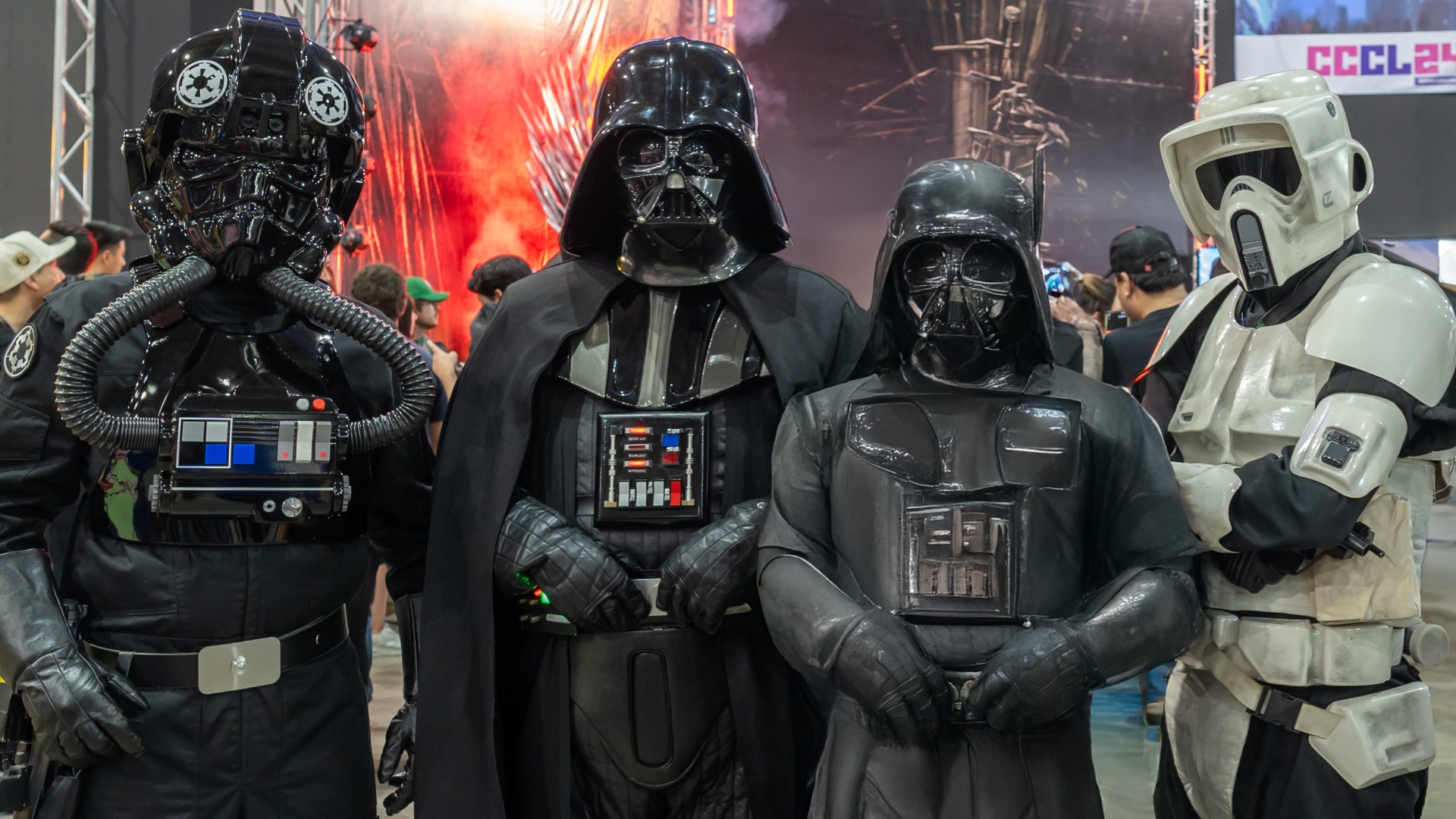
Fandoms are breeding grounds for extraordinary creative work, from fan fiction and fan art to original music, cosplay, and video edits. Being surrounded by that kind of output can light a creative spark in people who might never have considered themselves artistic or crafty. Many professional writers, artists, and designers trace the start of their creative journey back to work they made or encountered within a fan community.

4. You Always Have Something to Look Forward To
Anticipating a new release, series, or live event with a group of equally excited people is one of the most enjoyable aspects of fandom life. That collective buildup of excitement gives you a constant stream of things to look forward to, which can do a lot for your general mood and motivation. There's a particular kind of energy that comes from counting down to something alongside thousands of other people who care just as much as you do.

5. Fandoms Can Provide Real Emotional Support
For many people, a fandom is more than just a hobby; it's a support network that shows up during difficult times. It's not uncommon for fans to rally around each other during personal hardships, offering encouragement and solidarity simply because they share a common love for something. That kind of community care, even between strangers, can make a meaningful difference in someone's life.
6. It Builds a Sense of Belonging
Having a group identity tied to something you care about can provide a strong sense of belonging, particularly for people who've struggled to find their place in other social settings. Knowing you're part of something larger than yourself, and that others share your enthusiasm, can be grounding in a way that's hard to replicate elsewhere. For younger fans especially, that sense of membership can be formative in shaping how they relate to community throughout their lives.
7. You Develop New Skills Along the Way
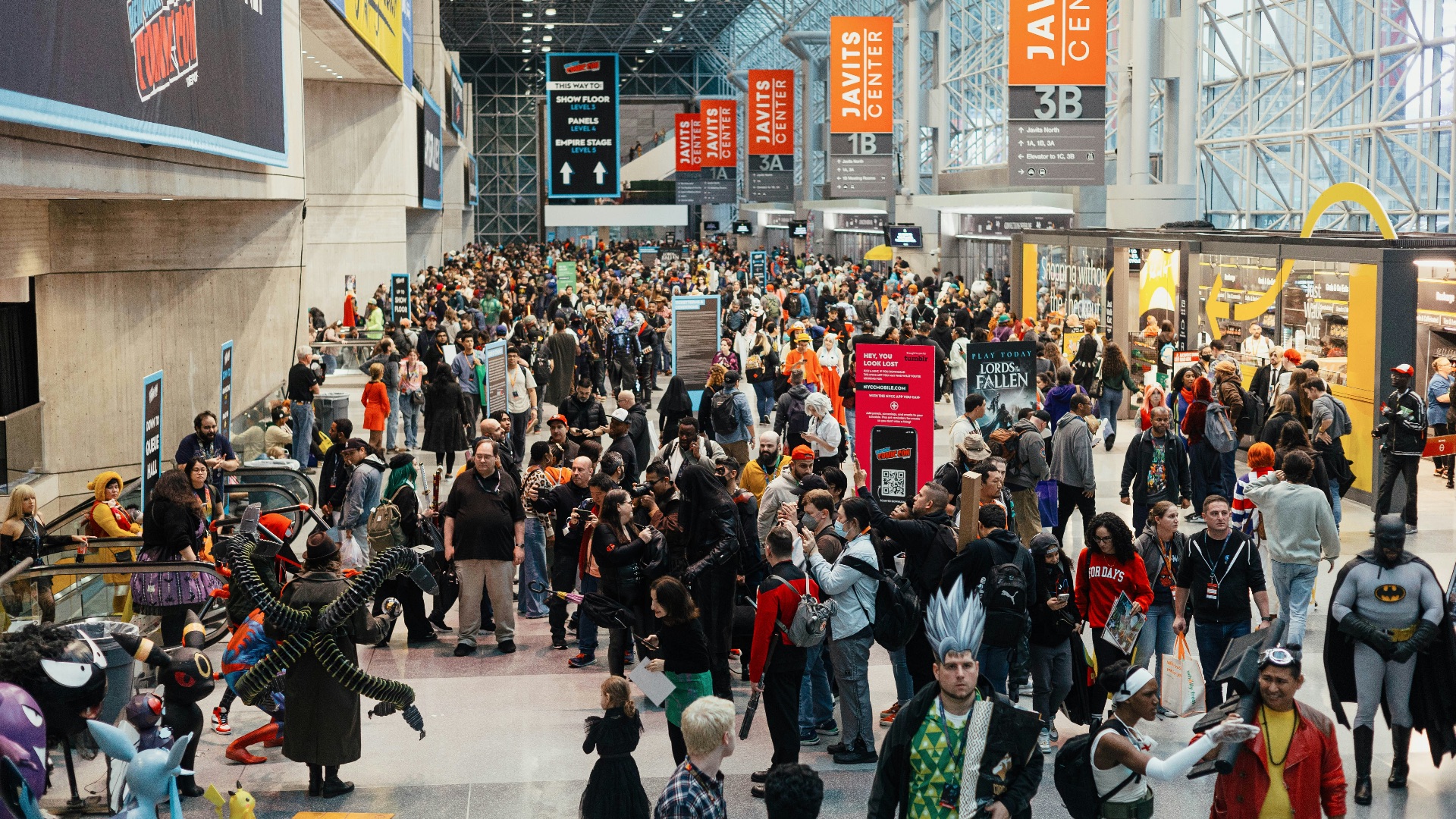
Participating in a fandom often leads to picking up skills you wouldn't have developed otherwise, whether that's graphic design, video editing, coding a fansite, or moderating an online community. The drive to contribute something to a fandom you care about has pushed plenty of people to learn tools and techniques they later carried into professional settings. It's a surprisingly practical side effect of what most people consider a purely recreational interest.

8. The Shared Language Makes Socializing Easier
Every fandom develops its own vocabulary, inside jokes, and cultural references that act as instant social lubricant between members. When you meet a fellow fan, there's already an established common ground that takes some of the awkwardness out of getting to know someone new. That shared language can make conventions, meetups, and online interactions feel comfortable almost immediately, even with complete strangers.
9. Fandoms Can Drive Meaningful Real-World Action
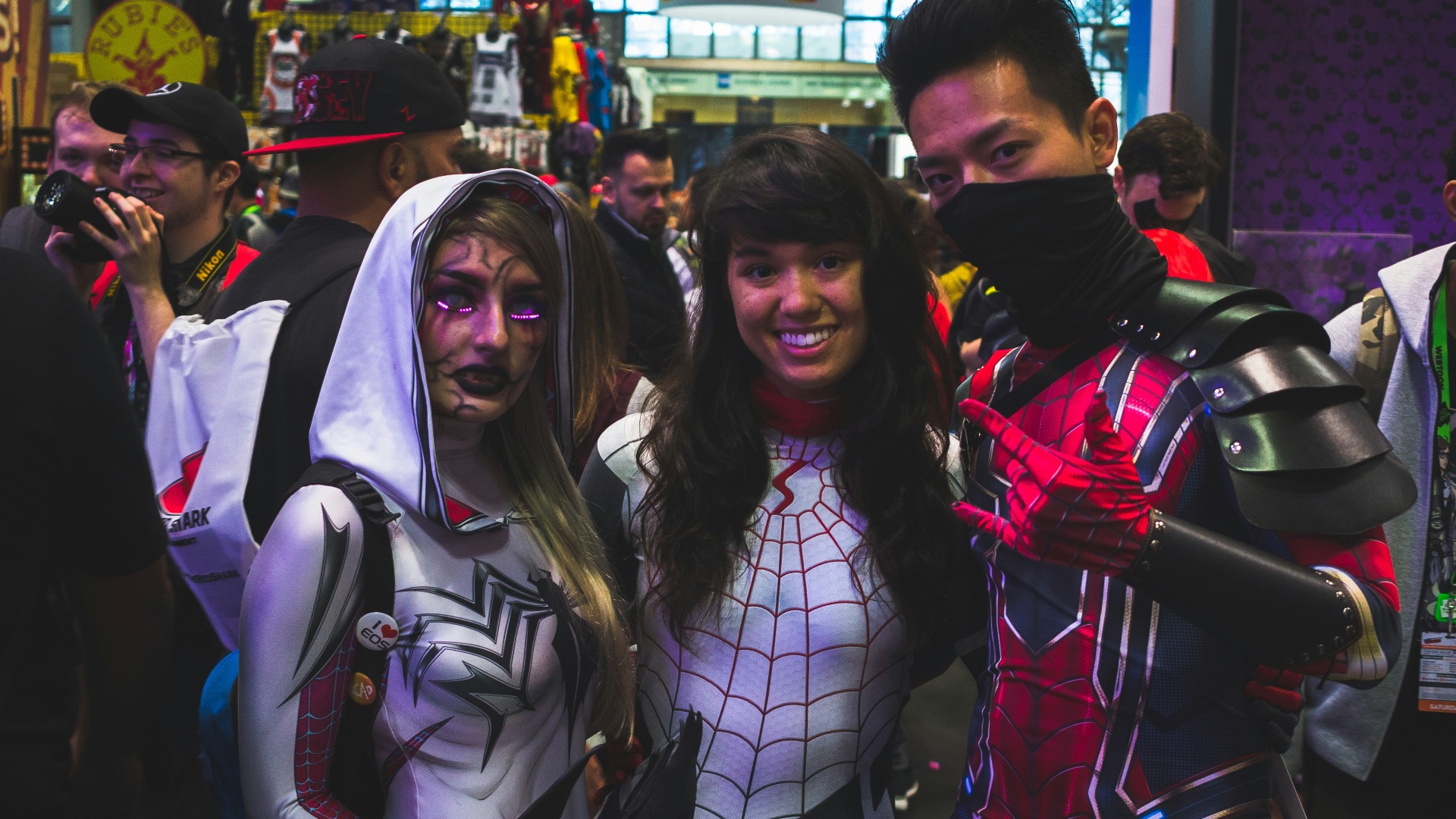
Fan communities have a track record of mobilizing their collective energy toward charitable causes, whether it's fundraising in a favorite artist's name or organizing donation drives inspired by a show's themes. The organizational capacity of a motivated fandom is substantial, and when that energy is directed toward something productive, the results can be impressive. It's a reminder that passion, when channeled well, has the power to do a lot of good beyond the fandom itself.

10. Joy Is Better When It's Shared
At the end of the day, one of the simplest and most powerful things a fandom offers is the chance to share your excitement with other people who feel it just as strongly. Reacting to a big moment together, dissecting it afterward, and celebrating it over and over with people who care creates memories that outlast the thing itself. That amplified joy is what keeps most fans coming back, and it's an experience that's difficult to find anywhere outside of a community built around something everyone loves.