
Can You Hear Me Now?
The last thing any paying customer wants is terrible service that costs a fortune. But with so many phone plan providers out there, you never really know what you’re going to get or how locked into a contract you’ll be—especially if you stick with one of the monopolies. While a genuinely good phone plan provider earns your trust, you shouldn’t have to hunt for basic details like what’s included, what changes after promos end, or how to get help. With that, let’s dive into which providers have your back and which leave you stranded.
 Verizon Communications on Wikimedia
1. Boost Mobile
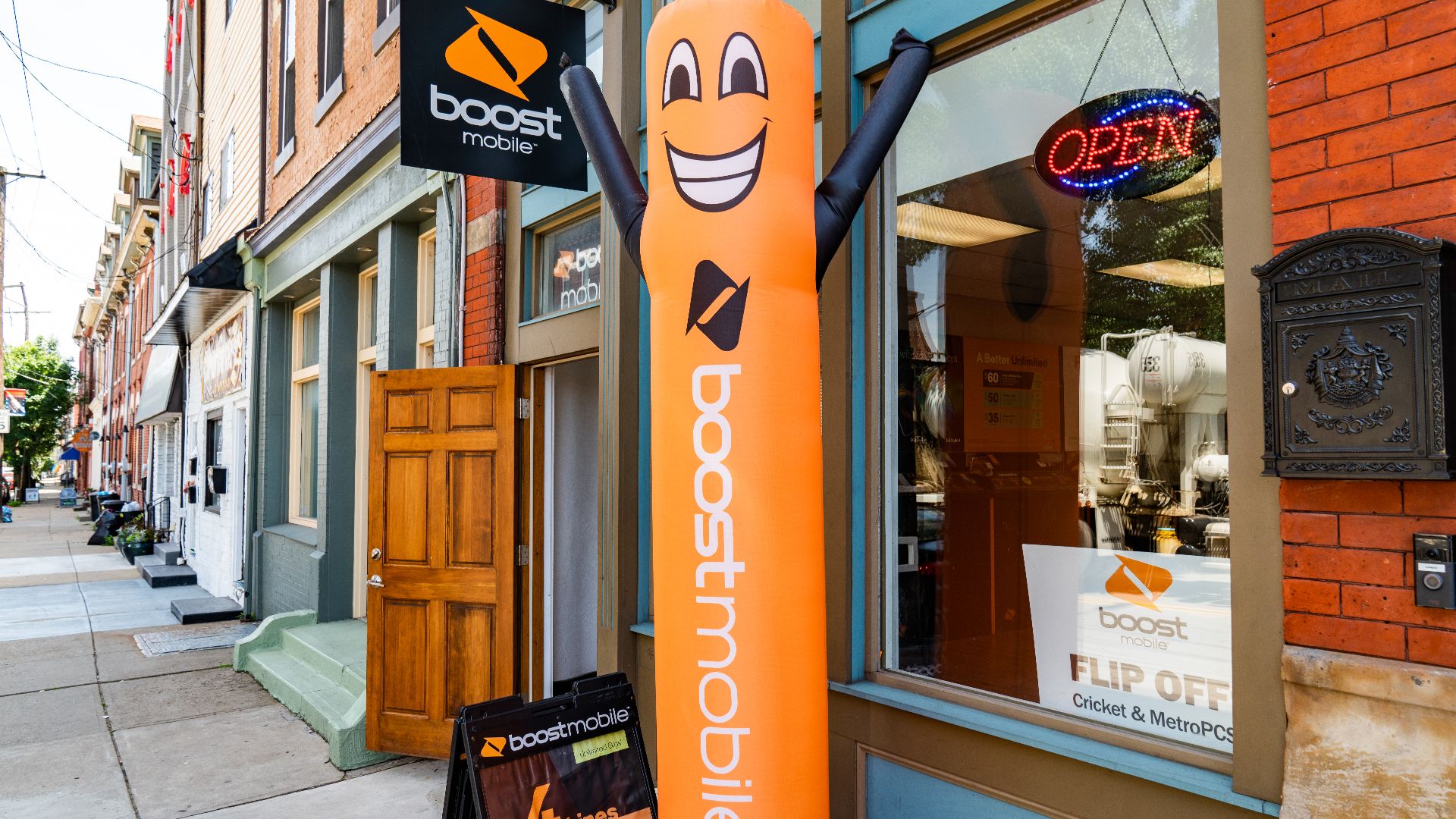
Think twice about the upfront costs saved. Boost Mobile can feel like a bargain until you run into inconsistent data performance and plan fine print you didn’t notice at first. Account changes sometimes involve more steps than you’d expect for an app-first service, too.
 Tony Webster from Minneapolis, Minnesota, United States on Wikimedia
2. Tracfone
Tracfone’s pay-as-you-go style can be convenient, but its plan rules and add-ons get confusing fast. To make it worse, customer support experiences can be uneven, too, especially when you’re dealing with device or activation issues. Do yourself a favor and build a paper trail of confirmations and receipts.

3. Straight Talk Wireless
Here’s the good news: Straight Talk Wireless has plenty of retail availability. The bad news? Support and troubleshooting can be a mixed bag. Data policies and speed changes aren’t always as easy to interpret as the marketing makes them sound, so if you’re switching phones, the setup might test your patience.

4. Spectrum Mobile
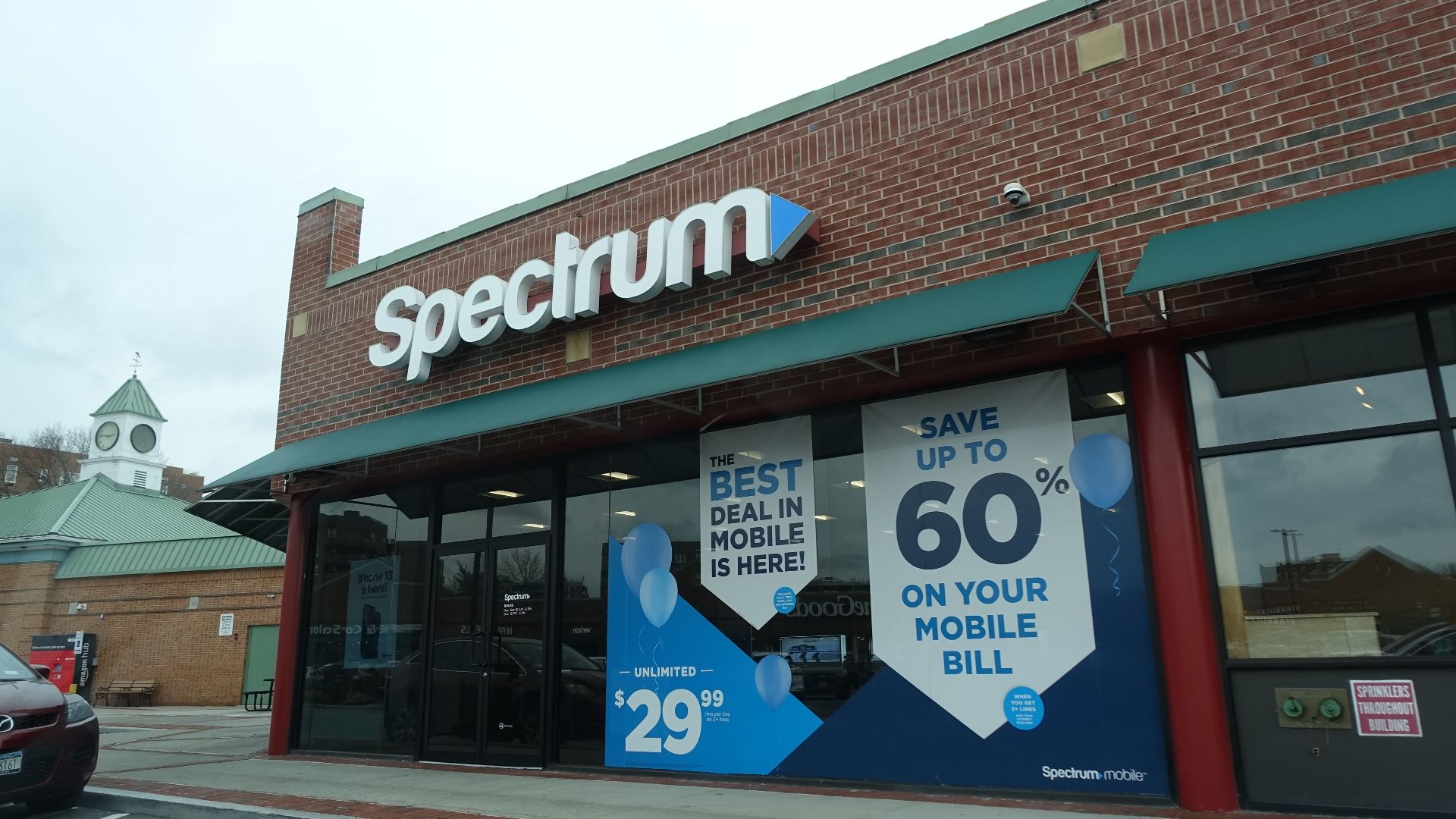
Spectrum Mobile looks pretty enticing if you already use Spectrum for your internet. That said, it’s not always a stress-free add-on. Plan eligibility and pricing can hinge on keeping other services, which only complicate your “simple” wireless decision.
5. Xfinity Mobile
While Xfinity Mobile’s pricing is competitive, it also makes you pay in other ways. It comes with a lot of moving parts tied to your broader Xfinity relationship, meaning billing and plan adjustments feel more complex than they should. No one wants to do extra math just to confirm they’re still on the best option.

6. Red Pocket Mobile
Red Pocket Mobile offers many plan variations, and that variety can become its own headache—especially when you’re trying to change service. Setup issues are a headache on their own, but support turnaround is another frequent pain point.

7. Ting Mobile
Ting Mobile is known for a lighter, flexible approach, which only goes so far. Pricing can become less satisfying once your usage climbs, and plan transitions aren’t always intuitive. You might start out happy and then wonder why the savings faded, so keep that in mind.

8. PureTalk
We hope you’re prepared for constantly-reported lag! PureTalk often appeals to shoppers who want a straightforward alternative, but the day-to-day experience can disappoint if you expect some kind of premium plan. Some customers even report that support interactions can be slow or overly scripted.

9. TextNow
TextNow’s low-cost model is attractive on the surface…but that’s where it stops for some people. Despite the enticing cost, it can come with trade-offs that don’t fit everyone’s expectations. Service reliability and feature limitations also tend to show up at inconvenient moments.

10. FreedomPop
We know those deals look good, which is more than enough for some customers—but FreedomPop’s account experience can be messy if you’re not watching every detail. Keep an eye on plan terms, renewals, and add-ons, which can be easy to misunderstand if you skim. You’ll probably do best if you treat it like a true contract instead of a set-it-and-forget-it plan.

Now, for every disappointing option out there, there's a great company just waiting for your service! Here are ten providers that never get any grumbling.
1. Verizon
Verizon is a go-to choice when you want broad U.S. coverage and a big menu of plan options. You’ll usually find solid reliability, which is good enough, but you’ll also get straightforward paths for adding lines and connected devices. Their plan structure is built to accommodate customization as well.

2. AT&T
AT&T offers a range of unlimited plans that are easy to compare, especially for families. You can pick plans that bundle hotspot data and other add-ons without turning things into a guessing game, so if you’re already with AT&T, it’s even more convenient to keep everything under one roof.

3. T-Mobile
T-Mobile already stands out for its plan lineup, but it also markets plenty of perks and features. You’ll find reliable options aimed at heavy data users, and the company puts a lot of emphasis on its 5G network positioning. If you want a major carrier experience without feeling stuck in 2012, it’s worth a look.

4. Mint Mobile
Do you hate long contracts? Say hello to this little fox! Mint Mobile is well-known for lowering costs by selling plans in multi-month chunks. It sounds weird, but that plan can work nicely if you’re comfortable paying upfront. You can get nationwide service, too, and minimal retail overhead.
 Priscilla Du Preez 🇨🇦 on Unsplash
5. Visible
Visible offers a streamlined prepaid approach for any interested customer, and the app-centered structure keeps plans deliberately simple. The company pitches a single-price feel by baking taxes and fees right into the advertised monthly rate on its core offerings. Think of it like Verizon-network access without a classic bill.
 Ruan Richard Rodrigues on Unsplash
6. Google Fi Wireless
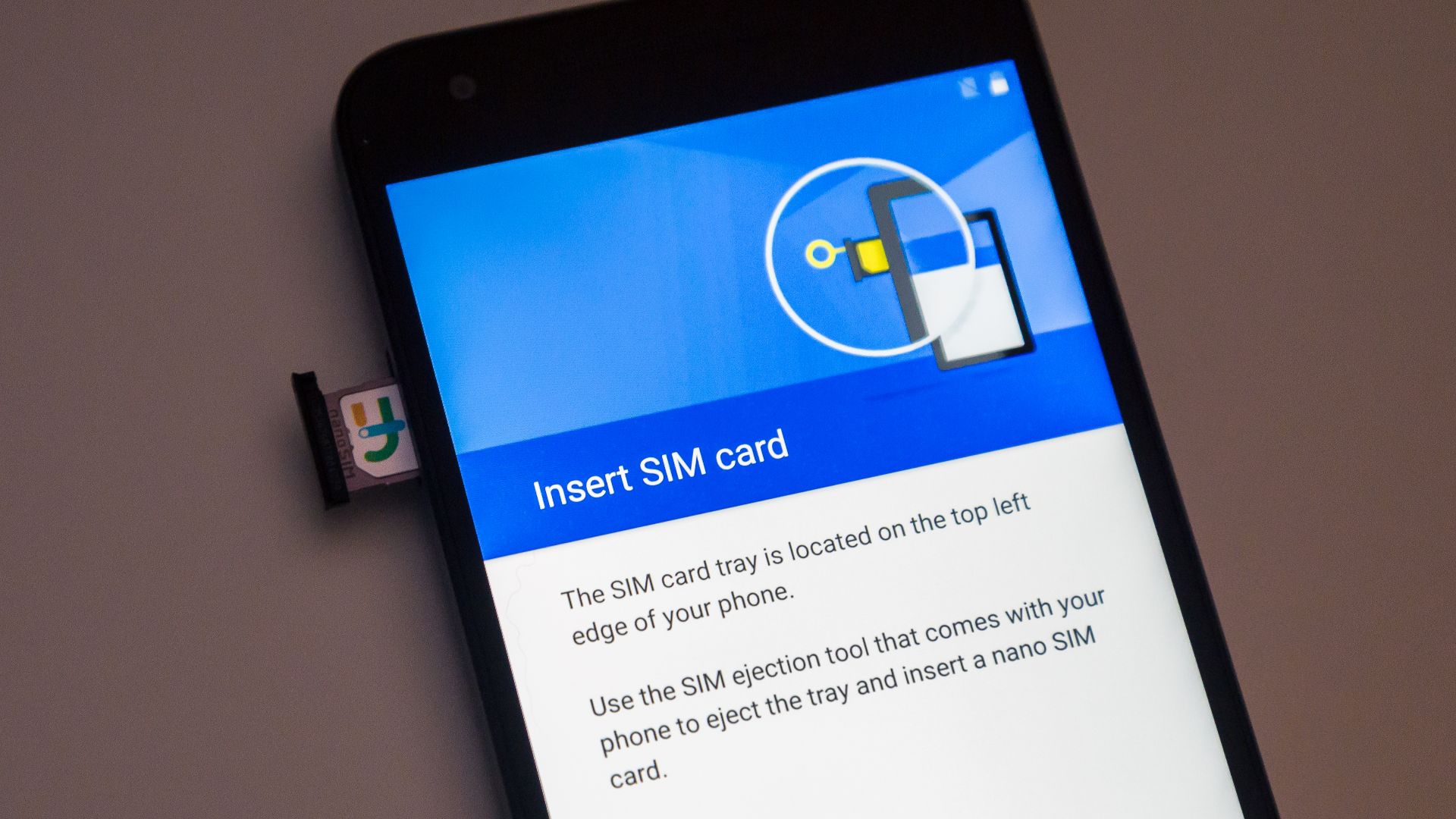
Google Fi is built around flexibility, especially if you like switching between plan types. You’ll see tons of flexibility, like options ranging from pay-for-what-you-use to more traditional unlimited tiers. It’s a great choice for anyone who already uses Google services.
 Tony Webster from Minneapolis, Minnesota, United States on Wikimedia
7. US Mobile
If you’re the type who likes to tune a plan to match your real usage, you’ll definitely enjoy US Mobile. It focuses on prepaid plans with lots of customization, including different data packages depending on how you use your phone. It’s also terrific for people who want control without committing to big-carrier contracts.

8. Cricket Wireless
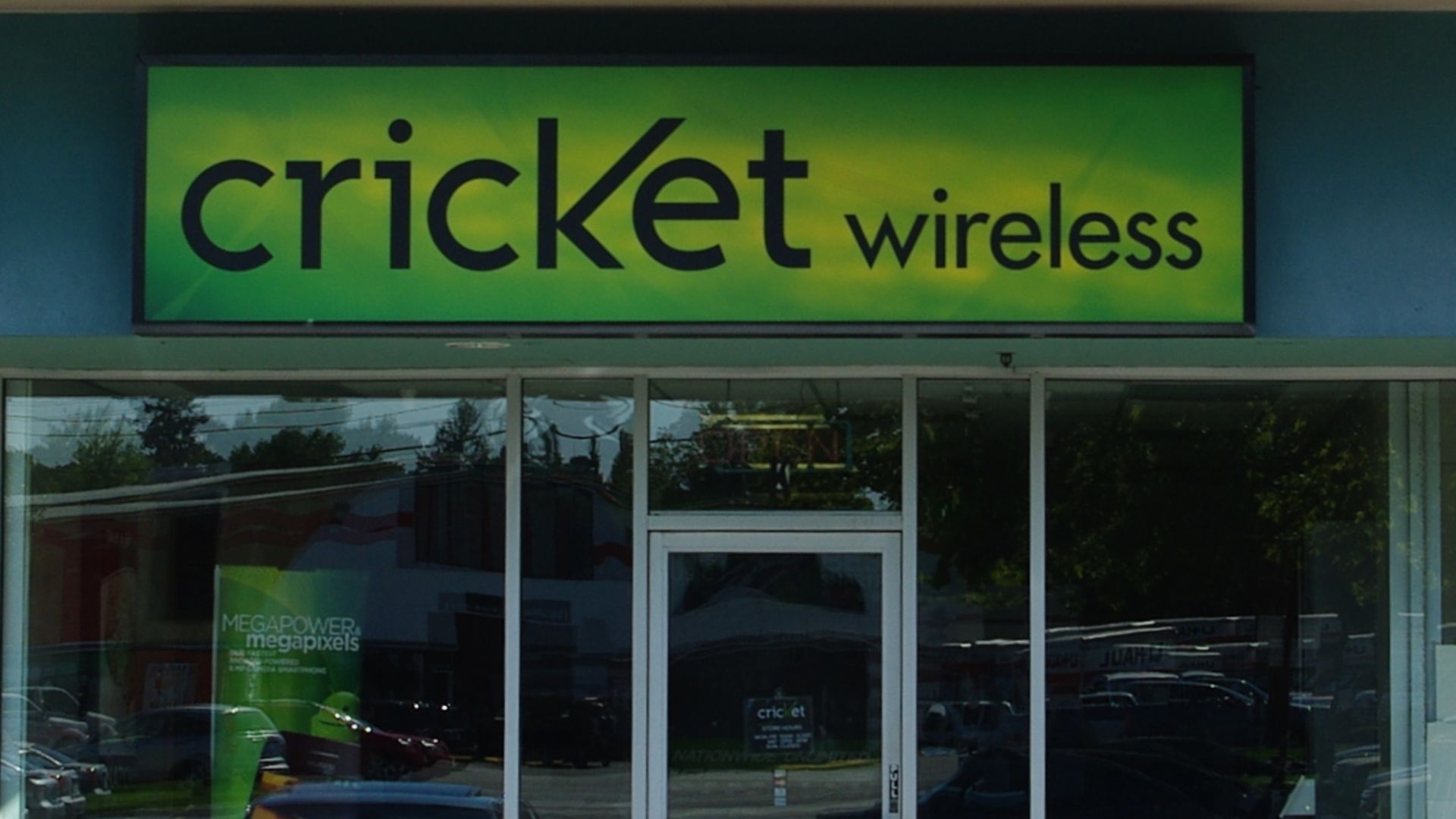
The last thing you’ll hear with this cell coverage is crickets! Cricket’s a prepaid brand that emphasizes affordability and no annual contract commitment. Plans are straightforward, and it’s easy to understand what you’re getting at each price tier. And who doesn’t want a simpler bill?
9. Metro by T-Mobile
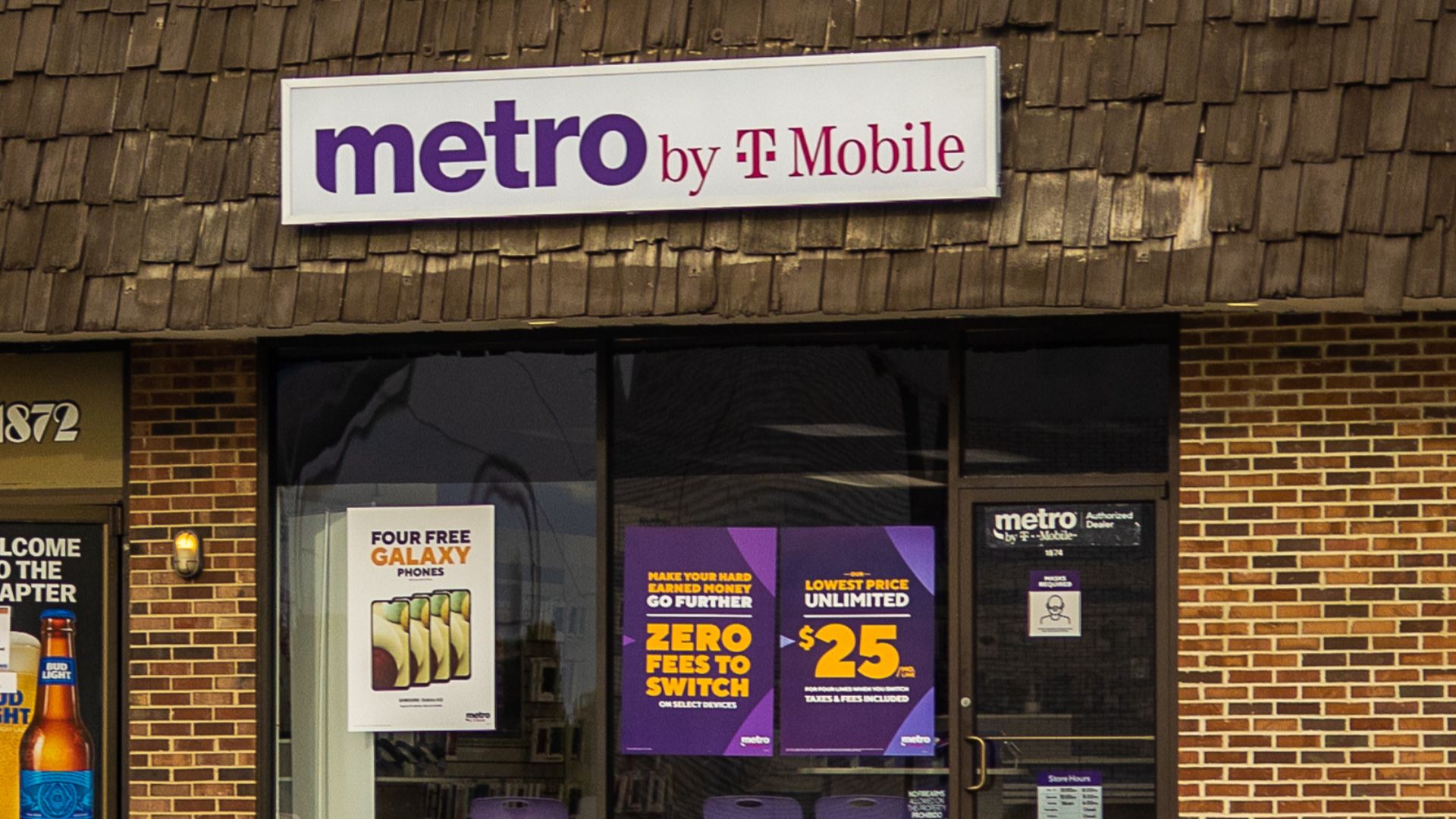
Okay, we know we already covered T-Mobile, but Metro targets prepaid customers—it just happens to lean on the T-Mobile network for service. The company regularly updates its plans and highlights price guarantees in its current offerings, so if you want an in-store option, Metro is designed for simplicity.
10. Consumer Cellular
Forget about flashy plan gimmicks; Consumer Cellular is known for keeping an approachable plan selection and focusing on customer experience. You can choose simple plans that are not only easy to manage, but also come with different comfort levels with smartphones.