
20 Video Games Where the “Good Guys” Weren’t All That Good
Heroes, But Make It Complicated
Video games love to hand you a mission, point at a faction, and quietly imply that your side must be the right one. Then you play a little longer, read a few logs, listen to a few speeches, and realize the so-called good guys have done some pretty questionable things along the way. Sometimes they’re arrogant, sometimes they’re ruthless, and sometimes they’re just cleaner-looking villains with better marketing. Here are 20 video games where the hero is actually more of an antihero.
 Sergey Galyonkin from Raleigh, USA on Wikimedia
1. BioShock Infinite
At first glance, the forces opposing Columbia’s ruling class seem like a clear answer to a cruel and racist regime. The problem is that the Vox Populi don’t exactly stay on the moral high ground once the violence starts escalating. By the time the city is coming apart, it’s obvious that righteous anger has curdled into something much uglier.

2. The Last of Us
Joel and Ellie are easy to root for because the world around them is so brutal, but that doesn’t make their side automatically noble. Joel especially makes choices, driven by intense love and trauma, that are understandable but still pretty devastating from a wider moral perspective. By the end, the “good guy” label feels less like a fact and more like a personal bias.
3. Spec Ops: The Line
This game practically exists to punish you for assuming the people with the mission briefing must be the heroes. Captain Walker starts out seeming like the standard military lead, and then things go downhill in ways that are hard to excuse and even harder to forget. The point isn’t subtle, which honestly works in its favor. You spend a lot of time realizing the people you’re following aren't remotely clean-handed.
 Joseph Wright of Derby on Wikimedia
4. Red Dead Redemption 2
The Van der Linde gang gets framed with so much warmth and loyalty that it’s easy to forget how much damage they cause. Yes, they’re charming, complicated, and often more likable than the authorities hunting them, but they’re still robbing, killing, and dragging innocent people into the fallout of their choices. Arthur’s growing conscience doesn’t erase the harm already done.

5. Grand Theft Auto IV
Niko Bellic is more thoughtful than many GTA protagonists, and that can make players mistake him for a cleaner kind of antihero. Still, he spends the game working for criminals, carrying out hits, and leaving a trail of bodies behind him while talking about wanting a better life. You’re not playing a good man trapped by bad circumstances so much as a damaged man making very bad choices with occasional self-awareness.

6. Deus Ex
JC Denton starts out working within a system that presents itself as orderly and necessary, but it doesn’t take long to notice how murky that system really is. Even the factions positioned as alternatives come with their own power games, manipulation, and giant blind spots. The more you learn, the less anyone looks comfortably heroic. Part of why the game still works so well is that moral certainty never gets to feel easy.

7. Mass Effect
Commander Shepard is usually trying to save the galaxy, but the institutions on the “civilized” side of that fight are often smug, secretive, and morally selective. The Council ignores obvious threats, Cerberus wraps atrocities in the language of human advancement, and even the more respectable powers tend to excuse ugly behavior when it benefits them. You can play Shepard as noble, but the universe around that nobility is full of compromised allies.

8. Dragon Age: Inquisition
The Inquisition presents itself as a force for order, stability, and survival in a shattered world. That sounds great until you remember it’s also a rapidly expanding power structure with military reach, political leverage, and a very convenient sense of moral authority. Even when it’s doing useful work, it can still feel uncomfortably close to a machine that believes its own importance a little too much.
 Electronic Arts, Bioware on Wikimedia
9. The Witcher 3: Wild Hunt
Geralt may be more decent than most people he meets, but the supposedly respectable sides in this world are constantly stained by cruelty, hypocrisy, or plain old greed. Kings, mages, religious authorities, and military forces all love claiming they’re preserving order while making life worse for everyone beneath them. That leaves the “good guys” looking pretty suspect, no matter where you turn.
 BANDAI NAMCO Entertainment Europe on Wikimedia
10. Final Fantasy Tactics
This game takes a very dim view of institutions that talk about justice while quietly feeding on corruption. The church, the nobility, and the official structures of power all spend a lot of time preserving themselves while ordinary people get crushed beneath the machinery. Ramza is one of the few genuinely principled people around, which only makes everyone else look worse. If you like your fantasy politics with a heavy side of betrayal, this one delivers.

11. Halo 5: Guardians
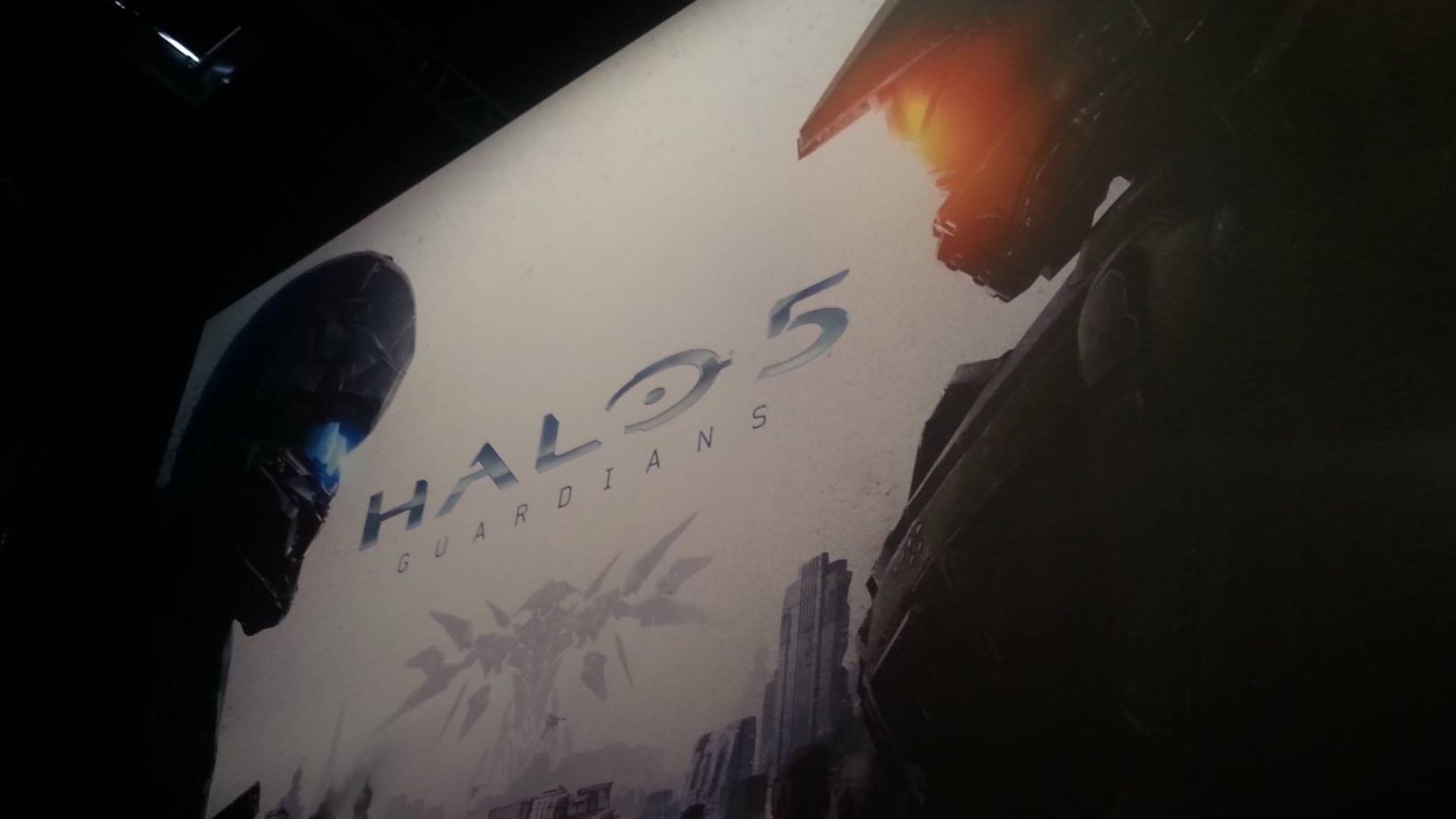
Master Chief is still Master Chief, but the wider UNSC and the people chasing him don’t come off especially heroic here. The game leans into surveillance, military obedience, and institutional overreach in ways that make the official “good side” feel colder than you’d expect. Even the attempt to frame one team as the reasonable response doesn’t fully land because so much of the surrounding authority feels rigid and suspect.
12. Fallout: New Vegas
One of the best things about New Vegas is that every faction can explain itself just well enough to sound convincing for a minute. The NCR talks about democracy and stability, but it’s also bloated, overextended, and pretty comfortable pushing its power into places that didn’t ask for it. That makes the so-called good option feel more compromised than comforting.
13. Far Cry 4
Ajay arrives in Kyrat and gets caught between a brutal dictator and a rebel movement that seems like the obvious alternative. Then the Golden Path starts showing its own ugly tendencies, power struggles, and talent for becoming just as frightening once it gets a little authority. The game enjoys making you question whether regime change really improved anything at all. By the time it’s over, “good guys” feels like a very generous term.

14. Tales of Berseria
This one flips the script by making your party openly vengeful and messy while the officially righteous force is led by someone who believes he’s saving the world. The trouble is that this supposedly noble mission comes with manipulation, sacrifice, and a chilling willingness to override ordinary human feeling in the name of a greater good, so you end up wondering whether order without compassion is just another kind of nightmare.

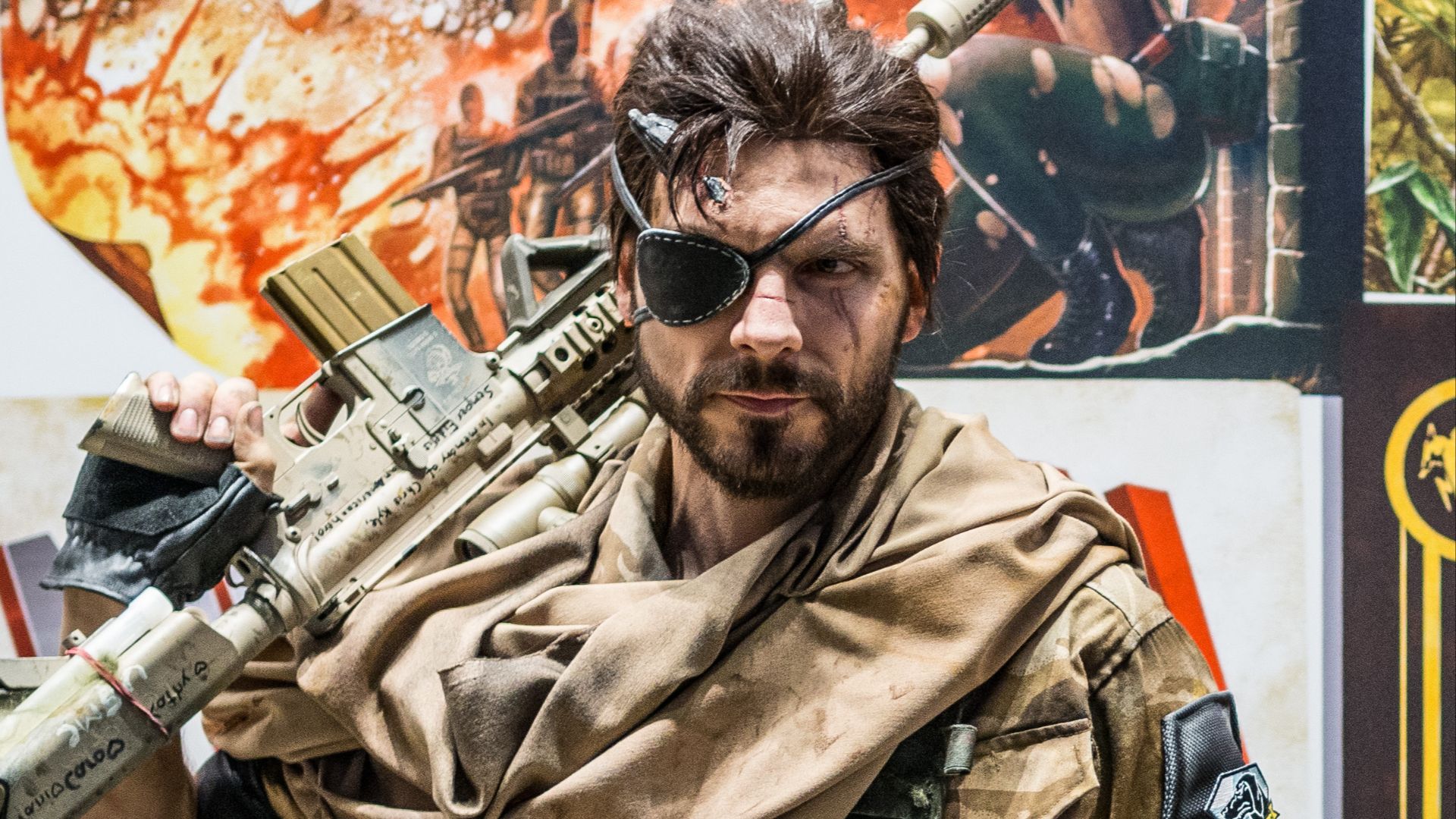
15. Metal Gear Solid V: The Phantom Pain
Big Boss has never been exactly normal, but this game really drives home how dubious his whole project is. Diamond Dogs are framed as a necessary force in a vicious world, yet they’re still a private military operation built on vengeance, indoctrination, and endless cycles of violence. The game gives you just enough heroic framing to make the rot underneath it feel more unsettling.

16. Fire Emblem: Three Houses
Depending on the route you choose, your allies can look brave, tragic, idealistic, or deeply alarming. That’s part of the fun, because every house has people who mean well and institutions that are tangled up in prejudice, secrecy, or old abuses of power. Even when you’re fighting for a cause that sounds noble, the game keeps hinting that nobody came to this war with perfectly clean hands. Picking your favorite students is easy, but pretending their whole side is innocent definitely isn’t.
 Diamo Laung Bobpuao on Wikimedia
17. Nier Replicant
The game goes out of its way to make you feel like a traditional hero for a while, and then it starts removing that comfort piece by piece. As more of the truth comes into view, the people you’ve been killing stop looking like obvious monsters and start looking tragically misunderstood, changing the entire emotional texture of the journey.

18. Assassin’s Creed III
The Assassins are meant to represent freedom against tyranny, which is a strong sales pitch right away. Yet the game does a nice job showing how selective, flawed, and politically compromised that cause can become when real history gets involved. Connor’s sincerity often makes the organization around him look even messier by contrast. You still understand the mission, but you’re not exactly left thinking the creed solved everything.
19. Papers, Please
This one is sneaky because it doesn’t hand you a shining band of heroes at all. Instead, it drops you into a system where the state, resistance, and everyday survival all blur together until your own role becomes morally uncomfortable, no matter what you do. The people claiming to protect order are often cold and abusive, but the alternatives don’t always feel pure either.
20. Star Wars: Knights of the Old Republic
You’d think a Star Wars game would make it easy to trust the Jedi and move on, but this one has other ideas. The Jedi Council is secretive, manipulative, and awfully comfortable making enormous decisions for other people while calling it wisdom. That doesn’t suddenly make the Sith nice, of course, though it does make the official heroes look a lot less spotless than the branding suggests.
 dalvenjah from USA on Wikimedia