A Handheld That Never Really Left
The Game Boy showed up in 1989 and never really left, even as millennials grew up, moved out, and traded handheld consoles for smartphones. There's something about that gray brick with the green-tinted screen that refuses to stay packed away in a closet or sold off at a garage sale. Whether it's the games, the design, or the memories tied to long car rides and sleepovers, millennials keep finding reasons to dust off their old units or hunt down new ones. Here are 20 reasons why this beloved console still holds a permanent spot in their hearts.
1. It Was Their First Personal Console
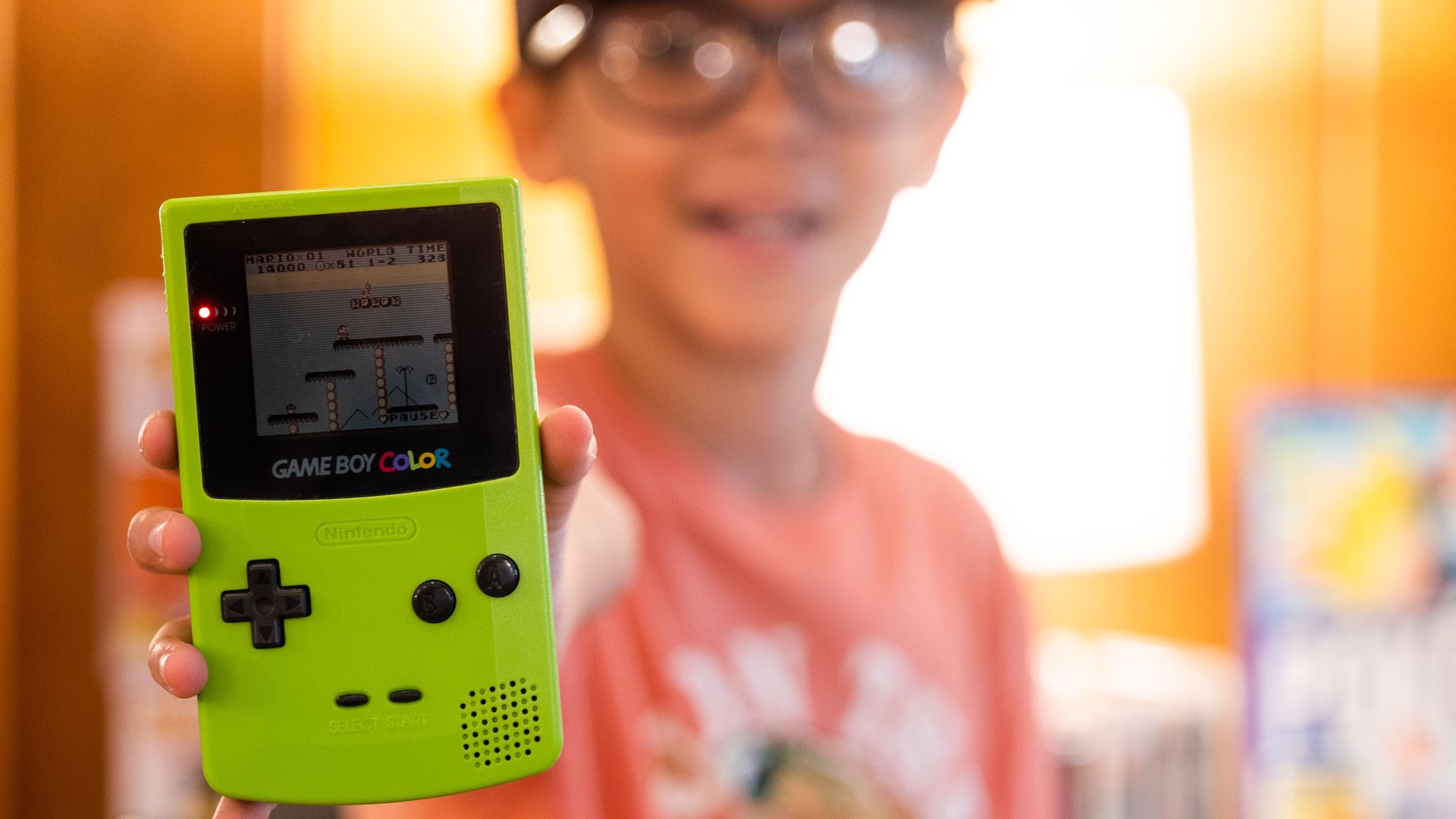
For a lot of millennials, the Game Boy represented the first piece of technology that belonged entirely to them. You didn't have to share it with siblings or wait for a turn on the family television, since it traveled wherever you went. That sense of ownership made it feel like more than a toy but more like an early symbol of independence.
2. It Made Gaming Portable Before Phones Did
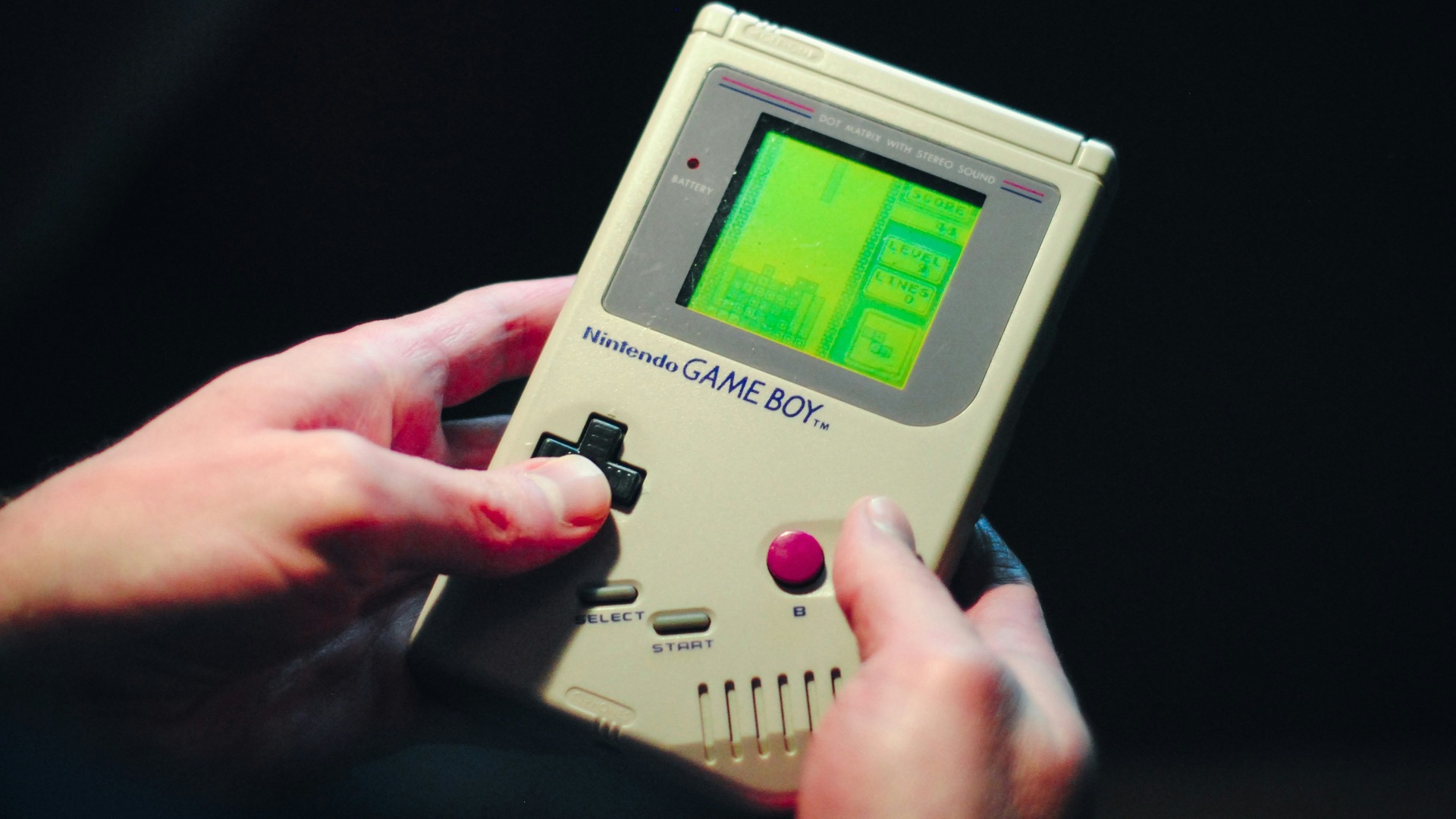
Before smartphones turned every spare minute into screen time, the Game Boy made portable gaming feel exciting. You could bring it to a sleepover, a doctor’s office, a long road trip, or a family gathering where the adults talked too long. It gave kids something to do when boredom had nowhere else to go. That freedom is hard to forget when you grew up during a time when entertainment wasn’t always in your pocket.
3. The Design Still Feels Iconic
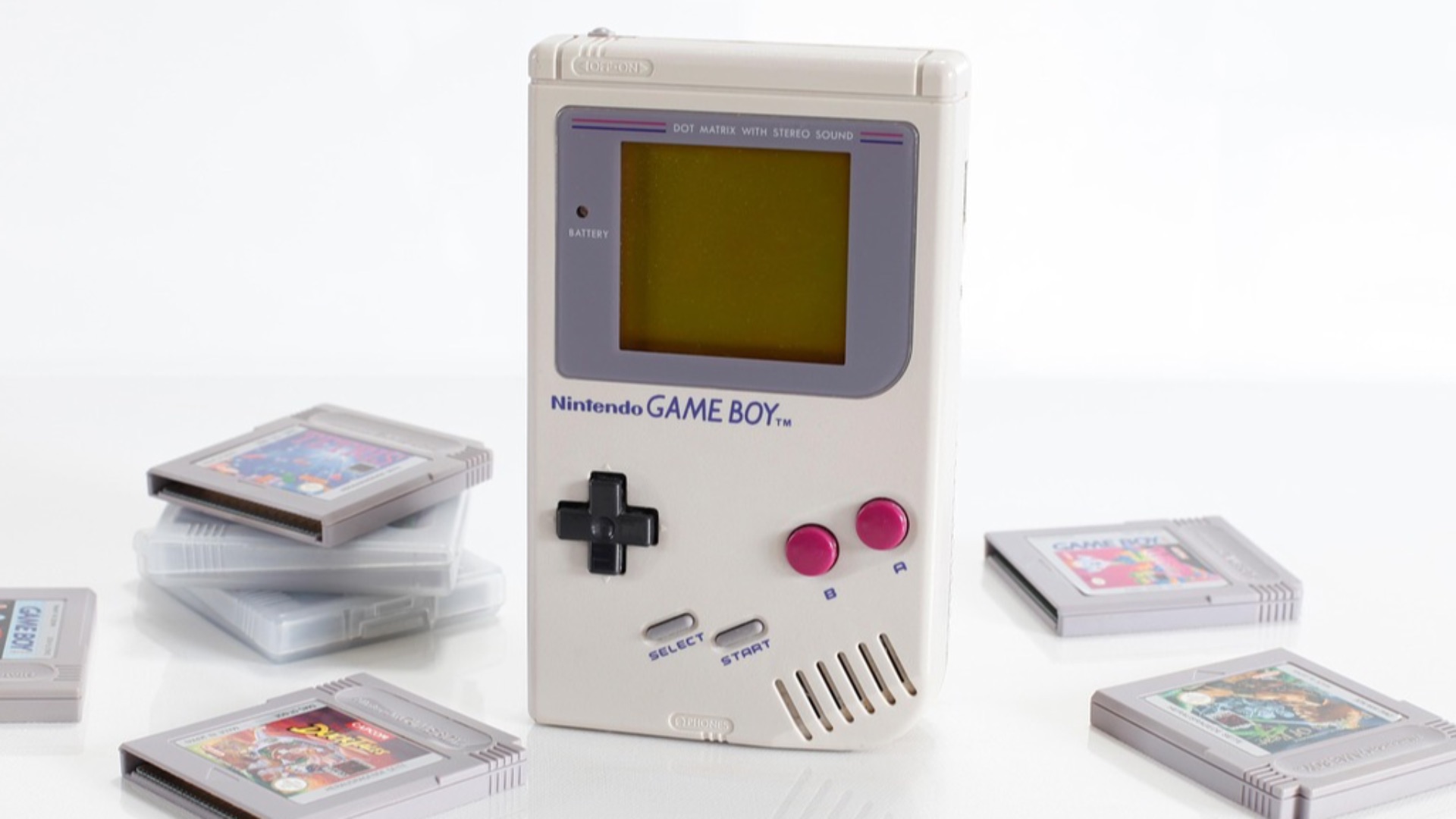
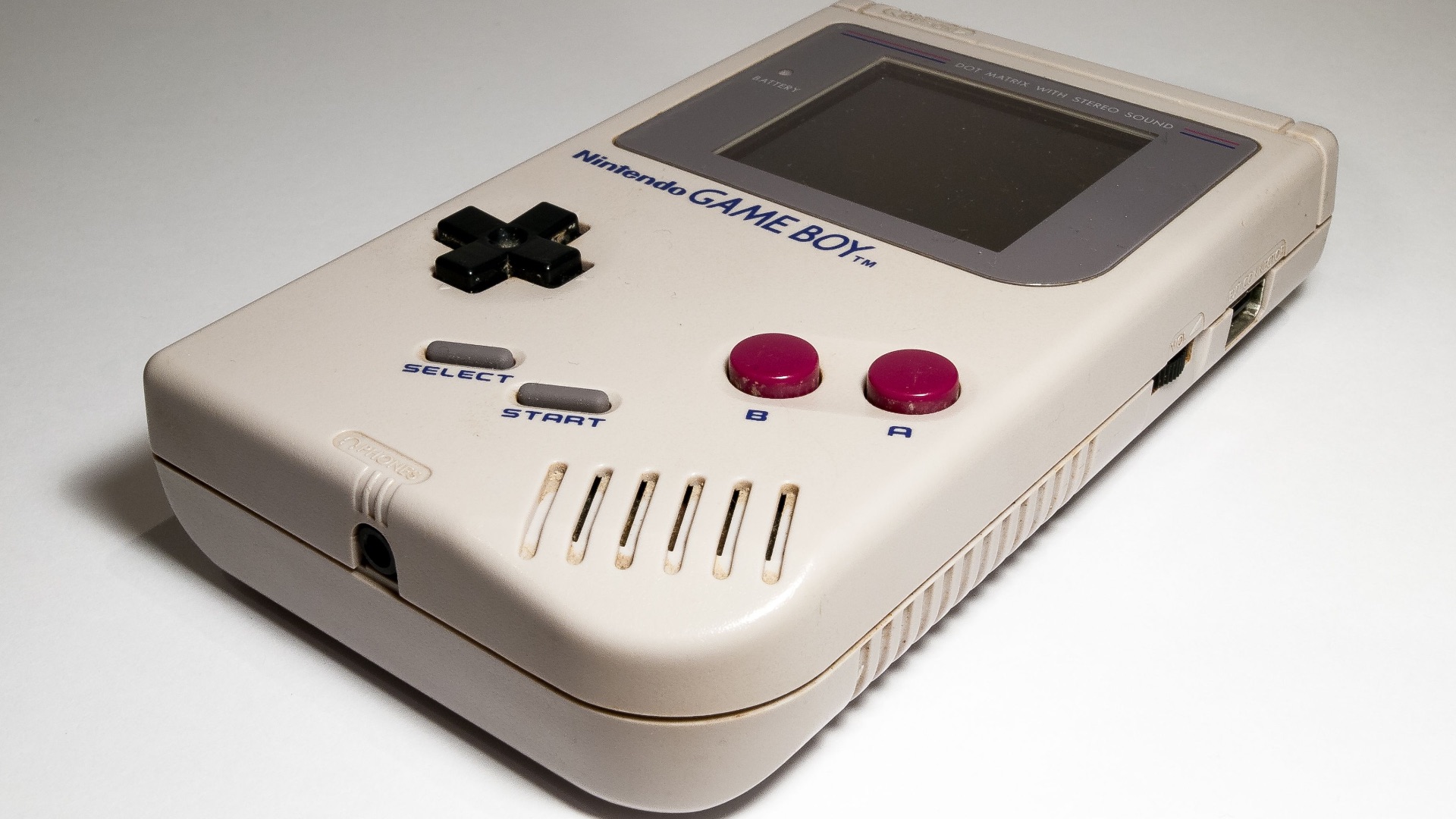
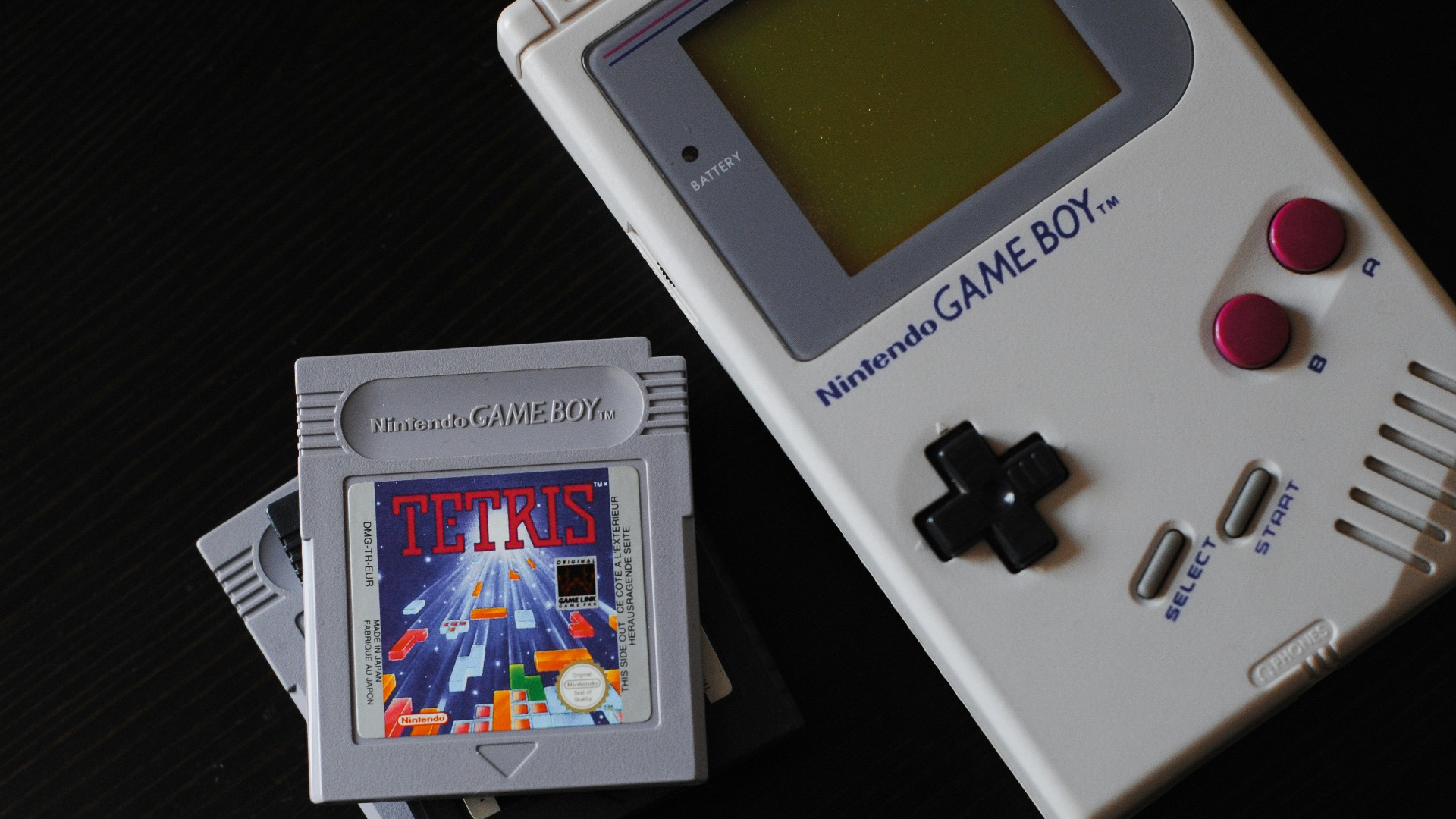
The chunky shape, the directional pad, and the four colored buttons created a look that's instantly recognizable even today. Nothing about its design tried too hard to be flashy, yet it became one of the most memorable pieces of gaming hardware ever made. That timeless appeal keeps collectors searching for mint-condition units to display.
4. The Battery Life Was Shockingly Good
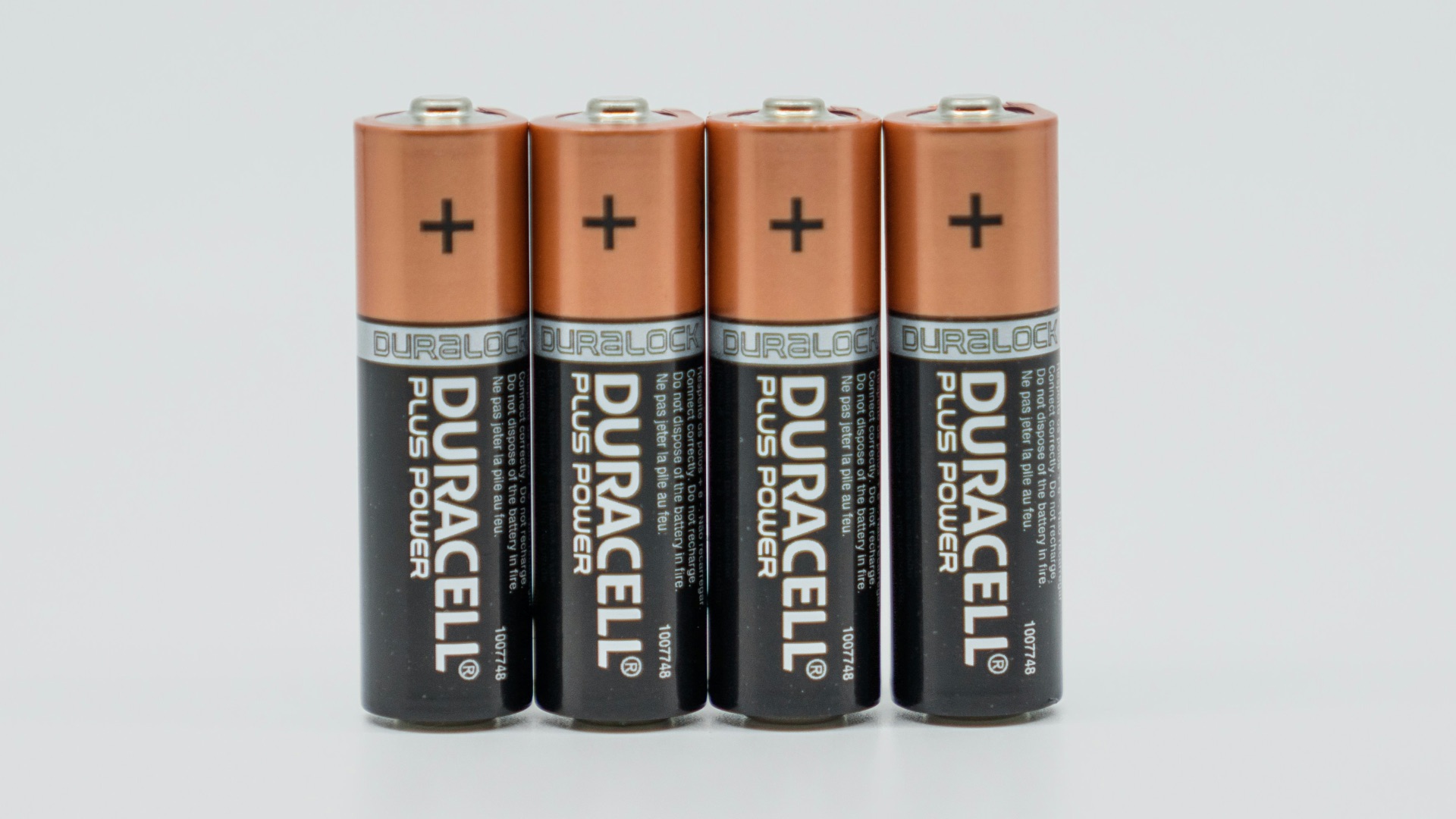
Anyone who grew up with a Game Boy remembers how four AA batteries could last for what felt like an eternity. Modern devices die within hours, but this console kept running through entire road trips without needing a recharge. That reliability built a level of trust that newer gadgets often struggle to match.
5. Pokémon Changed Everything
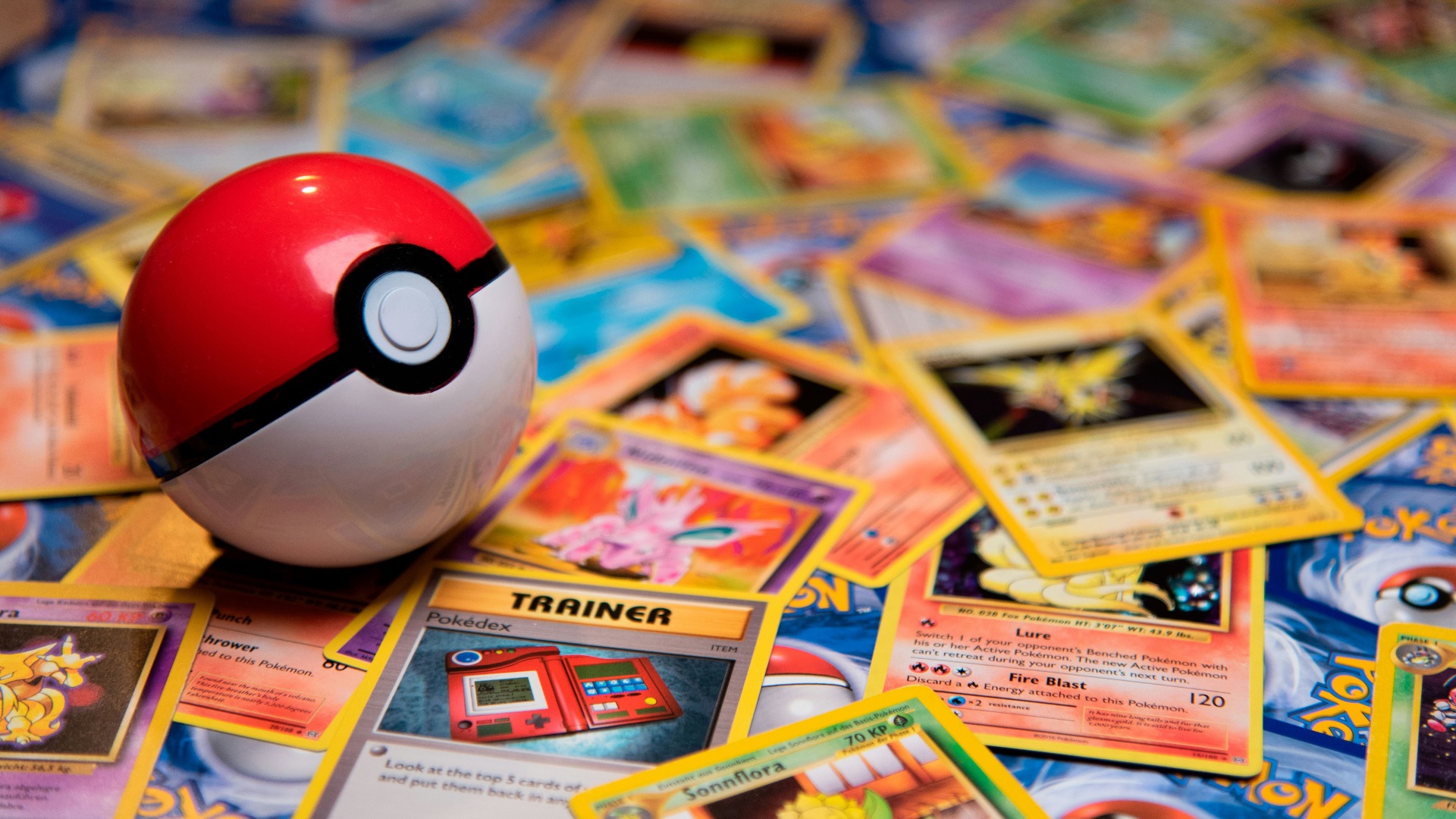
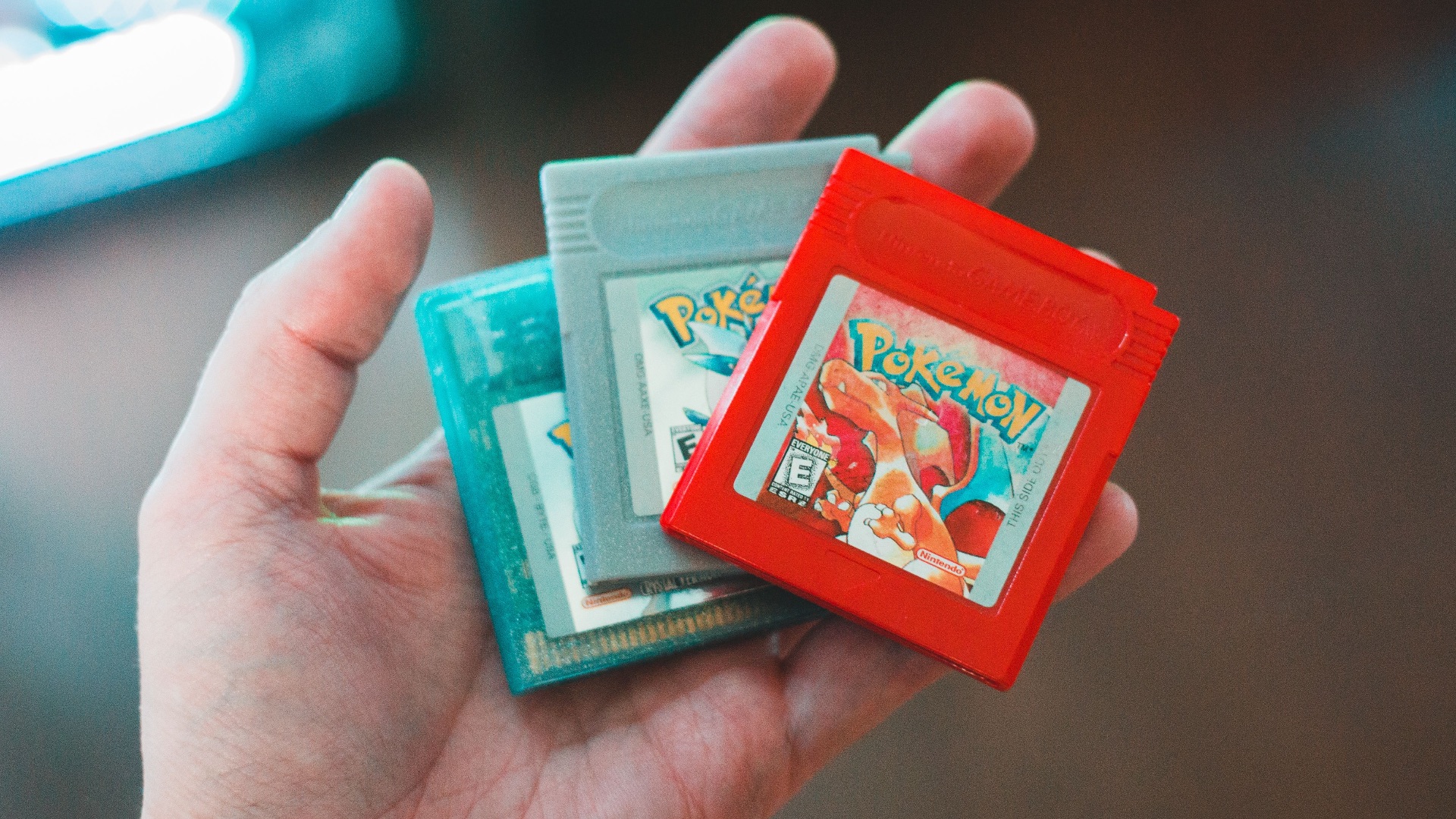
When Pokémon Red and Blue launched, the Game Boy transformed from a fun handheld into a cultural phenomenon. Trading and battling with friends through the link cable created social experiences that felt groundbreaking at the time. Millennials who caught that wave often credit those games with shaping their lifelong love of gaming.
6. The Link Cable Felt Like Magic
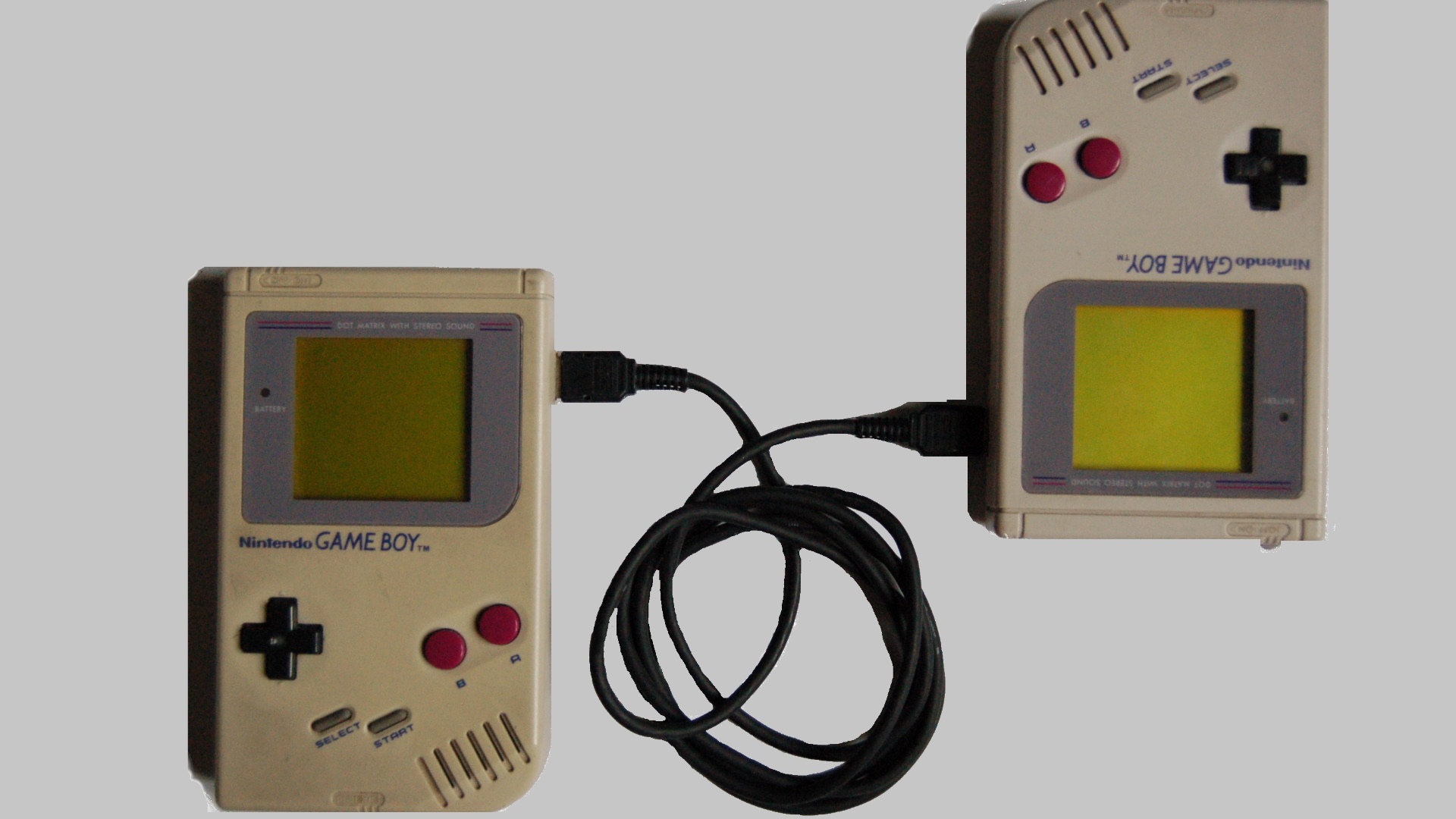
The link cable was clunky by today’s standards, but at the time, it made multiplayer feel special. You had to find someone with the right game, sit close enough, connect the cord, and hope nobody pulled it loose. That extra effort made trades and battles feel more memorable because they required real coordination. Millennials still remember the little ritual as much as the games themselves.
7. The Screen Had Its Own Charm
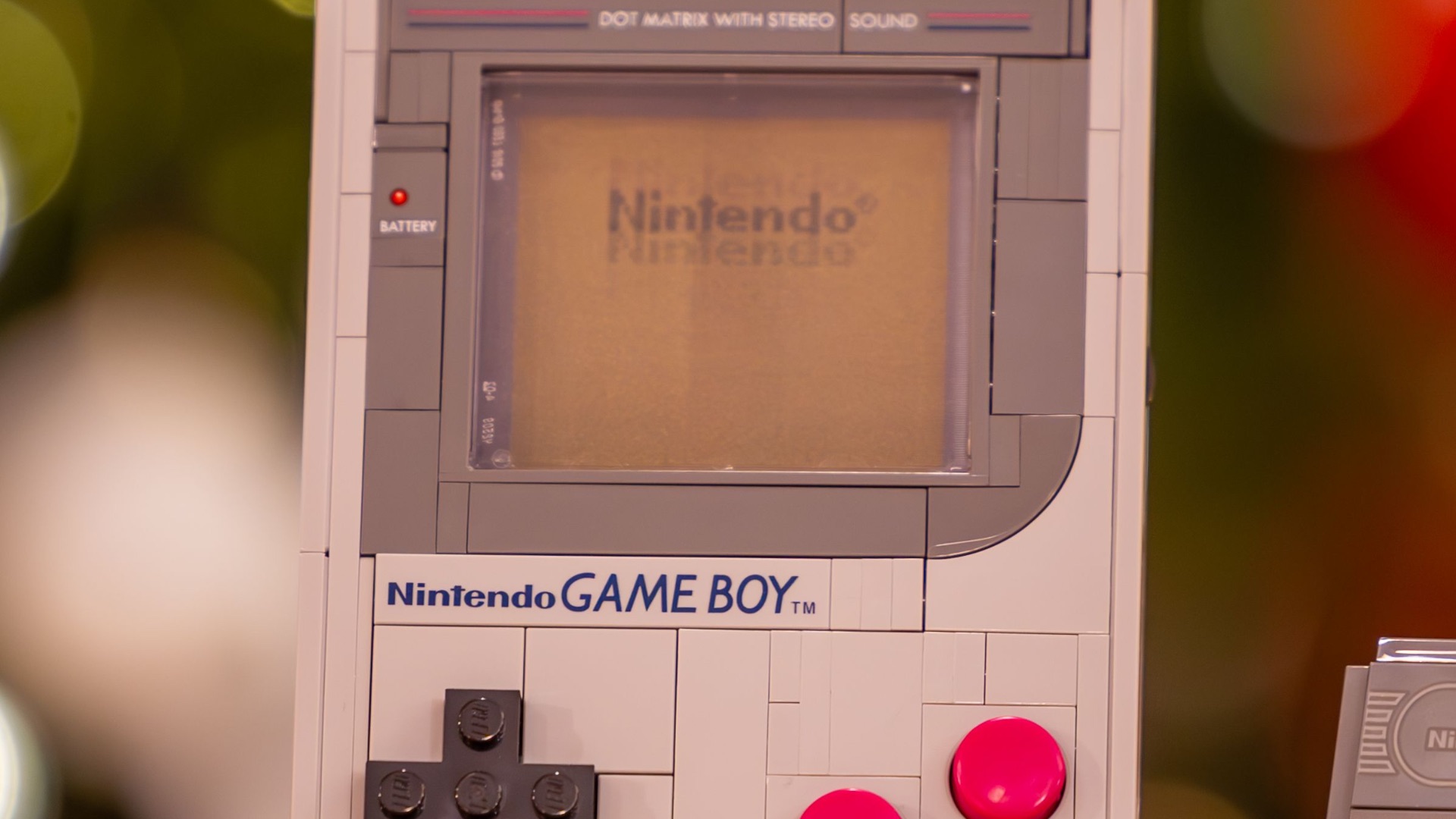
The Game Boy’s screen wasn’t bright, colorful, or especially easy to see in every setting. Still, that greenish display became part of the system’s identity. You adjusted your angle, looked for better light, and kept playing because the limitations were just part of the experience. For people who grew up with it, that imperfect screen now feels tied to a very specific kind of childhood gaming.
8. The Sound Effects Are Burned Into Memory
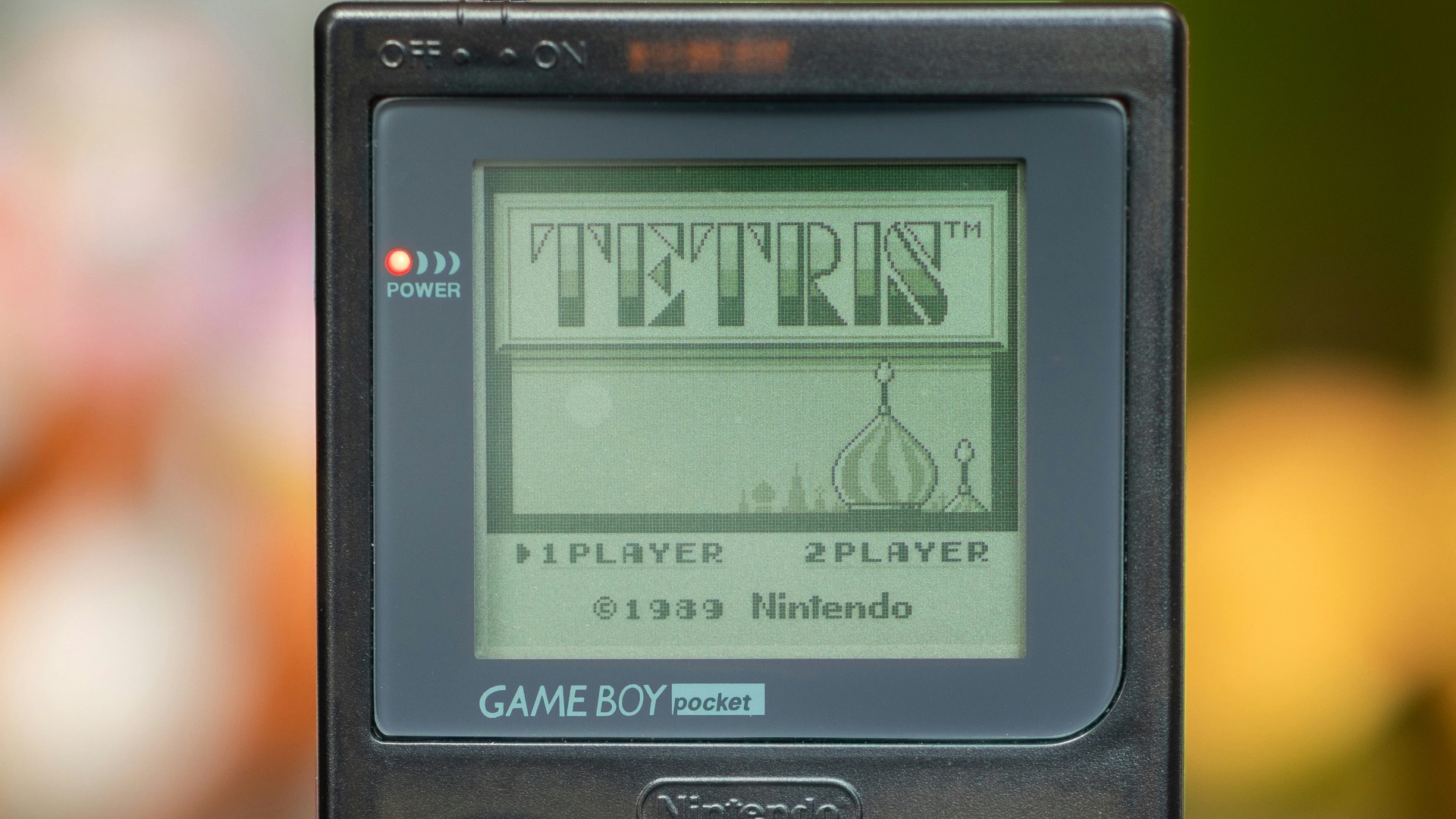
Composers working within the Game Boy's limited hardware created surprisingly catchy and memorable music using just a handful of sound channels. Songs from games like Tetris, Dr. Mario, and Puzzle Bobble remain instantly recognizable to anyone who grew up playing them. Many millennials still listen to remixed versions of these soundtracks for a quick hit of nostalgia.
9. The Cartridges Felt Like Treasure
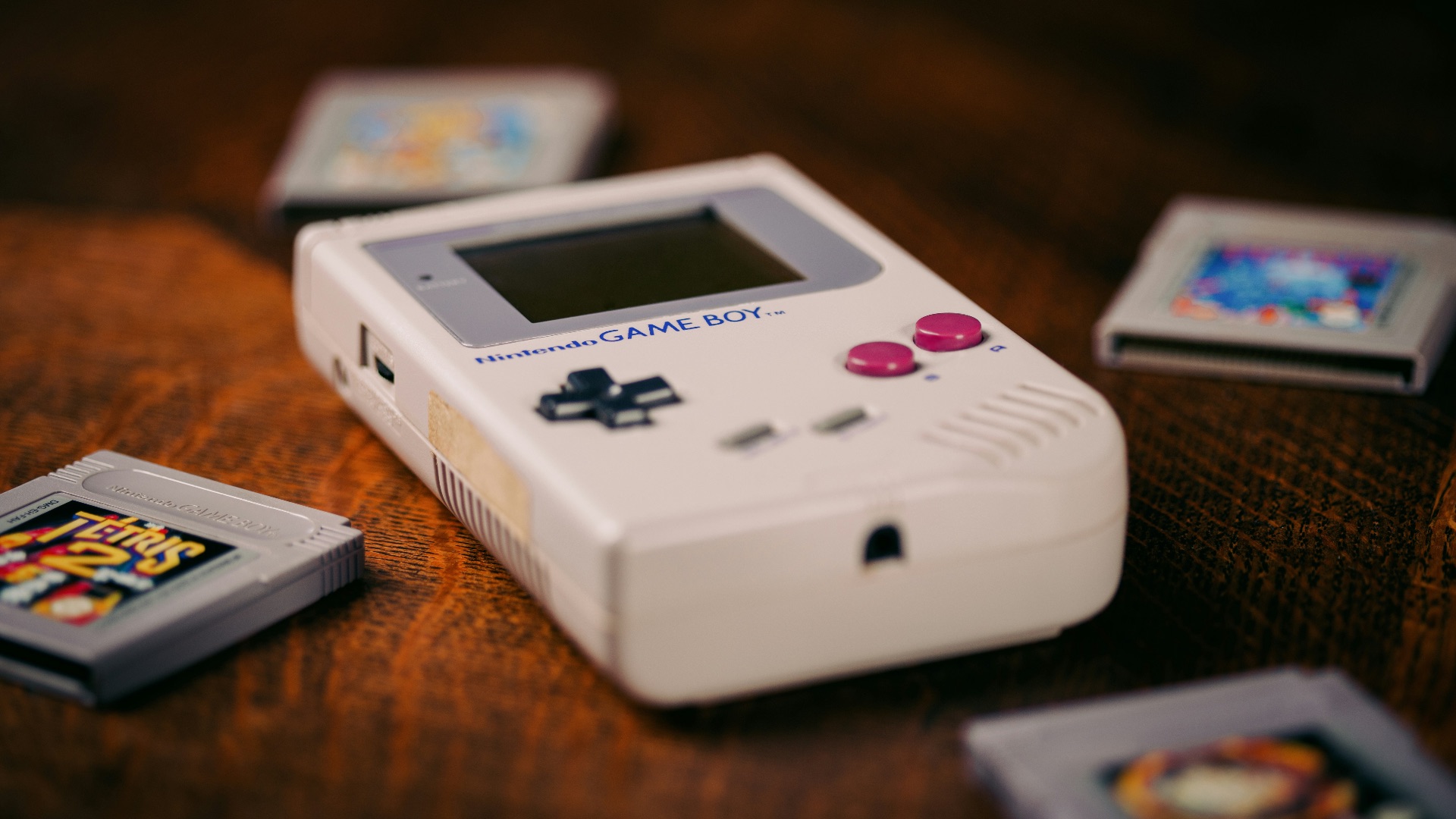
Each Game Boy cartridge had its own distinct color, label, and weight that made collecting them feel like building a small treasure chest. Swapping games meant physically blowing into the cartridge slot or wiping it down when something wouldn't load properly. Those quirky rituals turned into shared jokes among an entire generation of players.
10. It Was Perfect for Long Car Rides
Millennials who traveled with a Game Boy knew the routine of packing extra batteries and hoping the light lasted long enough. The system made long stretches of highway feel more bearable, especially when there wasn’t much else to do. Parents appreciated the distraction, and kids appreciated having control over their own entertainment. Those road trip memories still make the Game Boy feel tied to childhood freedom.

11. It Survived Almost Anything
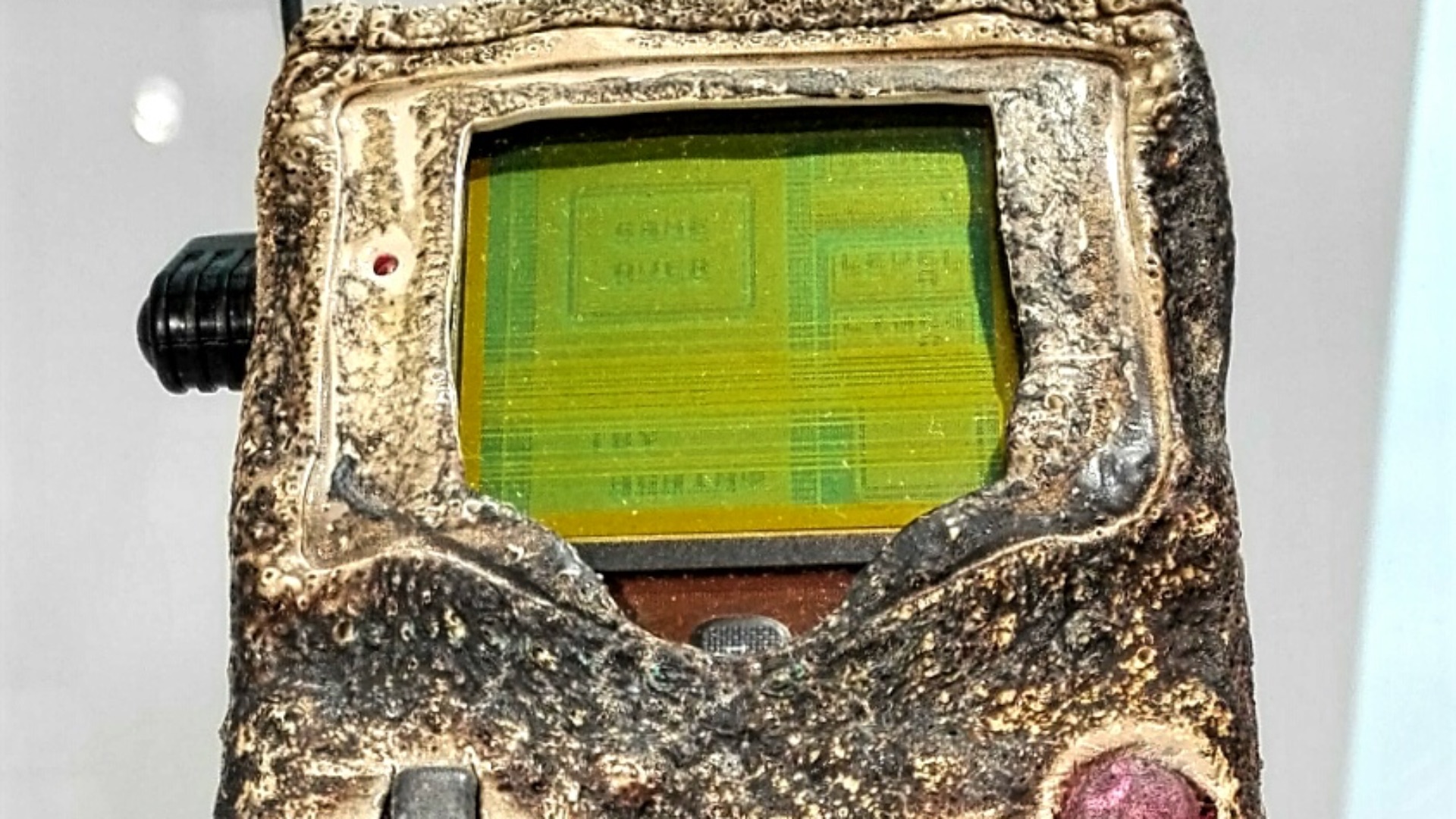
Stories about Game Boys surviving drops, spills, and even the Gulf War aren't just urban legends; they're often true. The durability of the original hardware became legendary among players who treated their consoles carelessly and somehow never broke them. That toughness gave millennials a level of trust in their electronics that newer, more fragile devices rarely earn.
 Alvaro Marques Hijazo on Wikimedia
12. Nostalgia Hits Differently During Adulthood
As millennials settled into careers, mortgages, and parenthood, the Game Boy became a reminder of simpler days before adult responsibilities took over. Picking one up again, even briefly, can transport someone back to a bedroom floor covered in cartridges and strategy guides. That emotional pull keeps the console relevant long after its technical capabilities became outdated.
13. Collecting Has Turned Into a Genuine Hobby
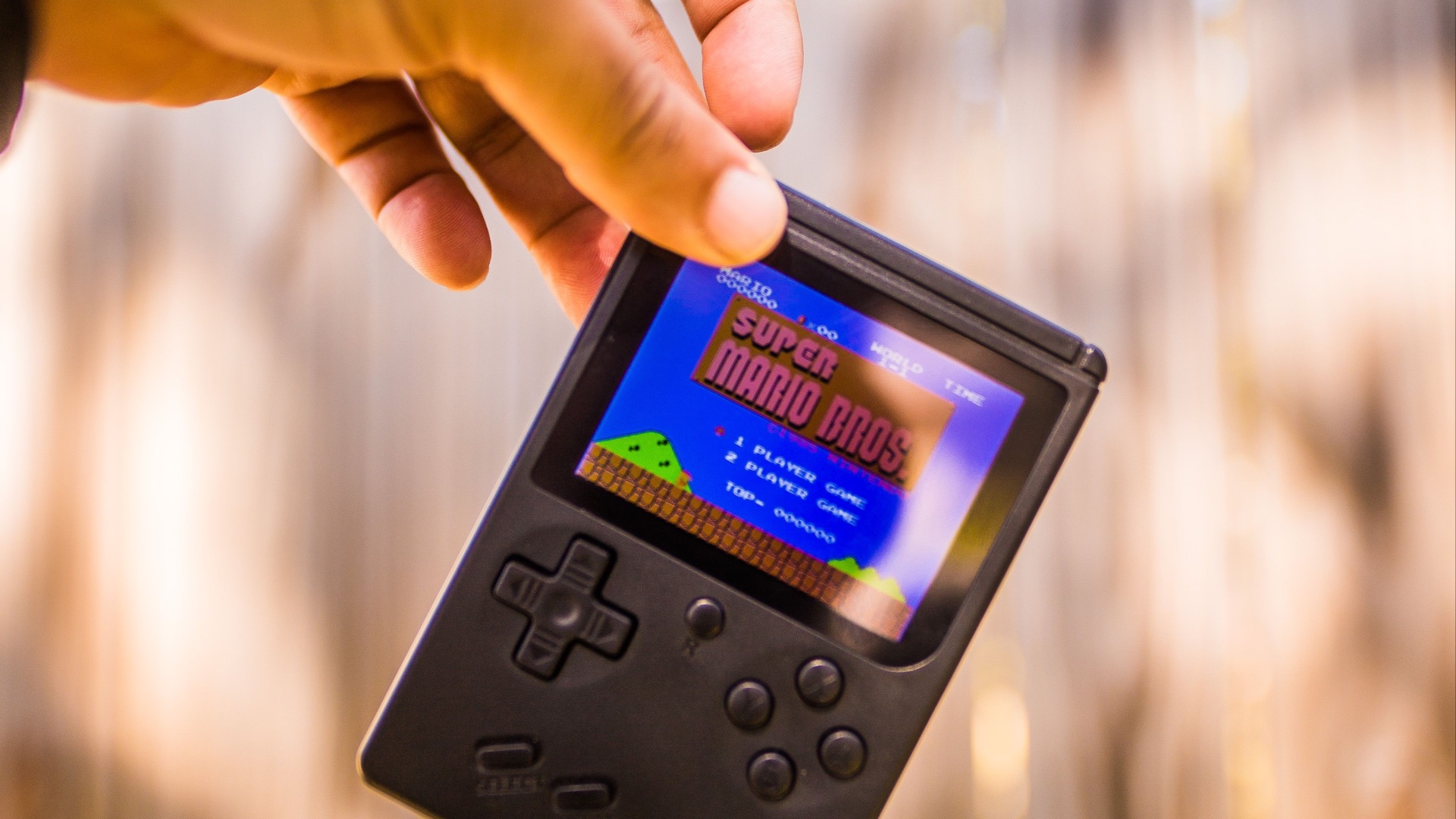
What started as holding onto a childhood console has evolved into full-fledged collecting for plenty of millennials. They hunt down rare cartridges, limited edition colors, and complete-in-box units at conventions and online marketplaces. This hobby gives them a structured way to reconnect with their past while building something tangible in the present.
14. It Represents a Slower Pace of Gaming
Modern games often push players toward constant progression, microtransactions, and never-ending content updates. The Game Boy offered straightforward gameplay without any of that pressure, letting players enjoy a level or two before putting the console down. That slower pace appeals to adults who now crave simplicity instead of endless engagement loops.
15. Limited Edition Colors Created Lasting Desire
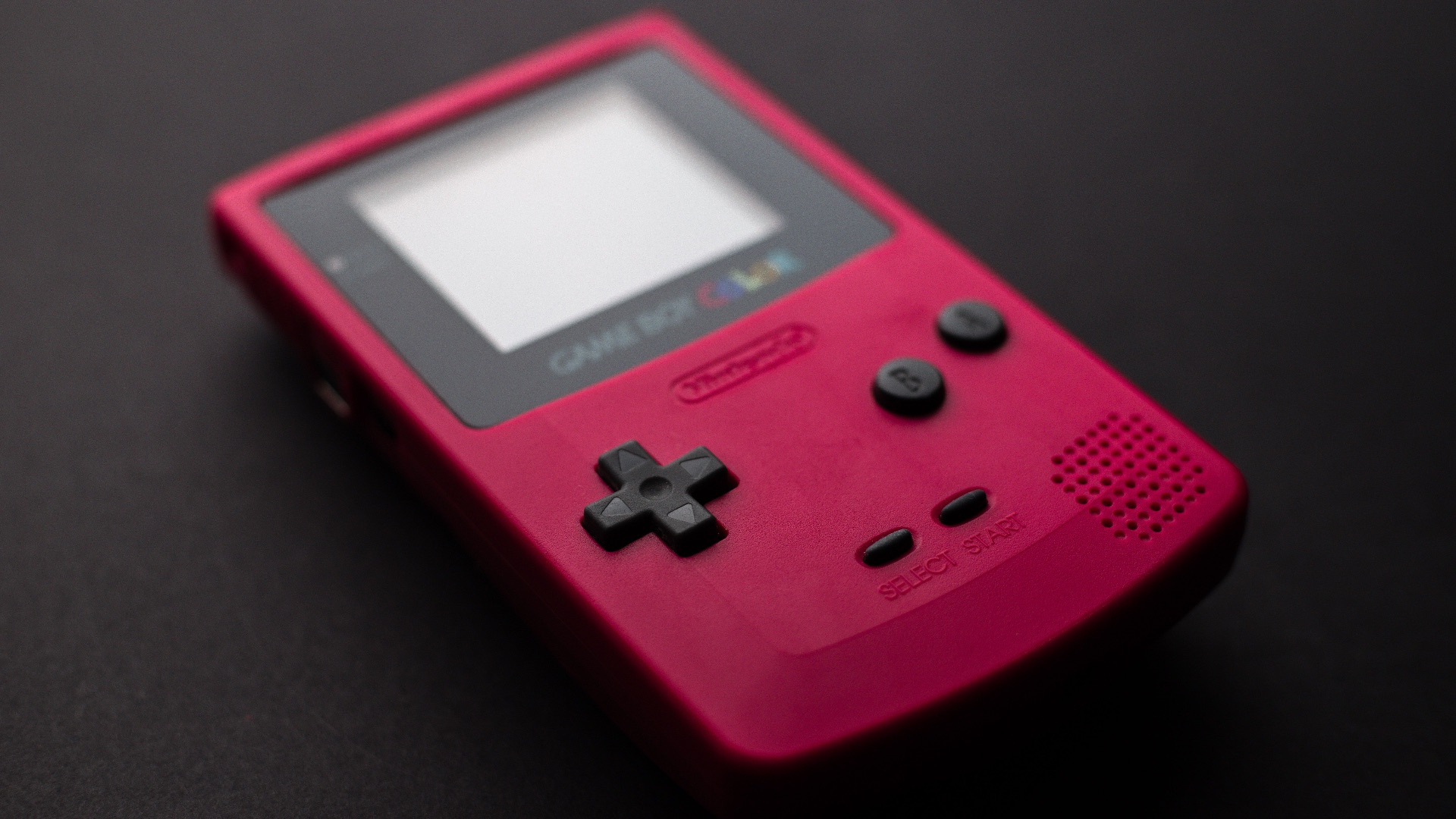
Special edition Game Boy colors, like the clear purple or the Pokémon-branded yellow, became coveted items the moment they hit shelves. Many millennials missed out on owning these versions as kids due to limited availability or tight budgets. Now that they have disposable income, tracking down these exact models has become a satisfying way to fill in old gaps.
16. It Offers an Escape from Constant Screen Notifications
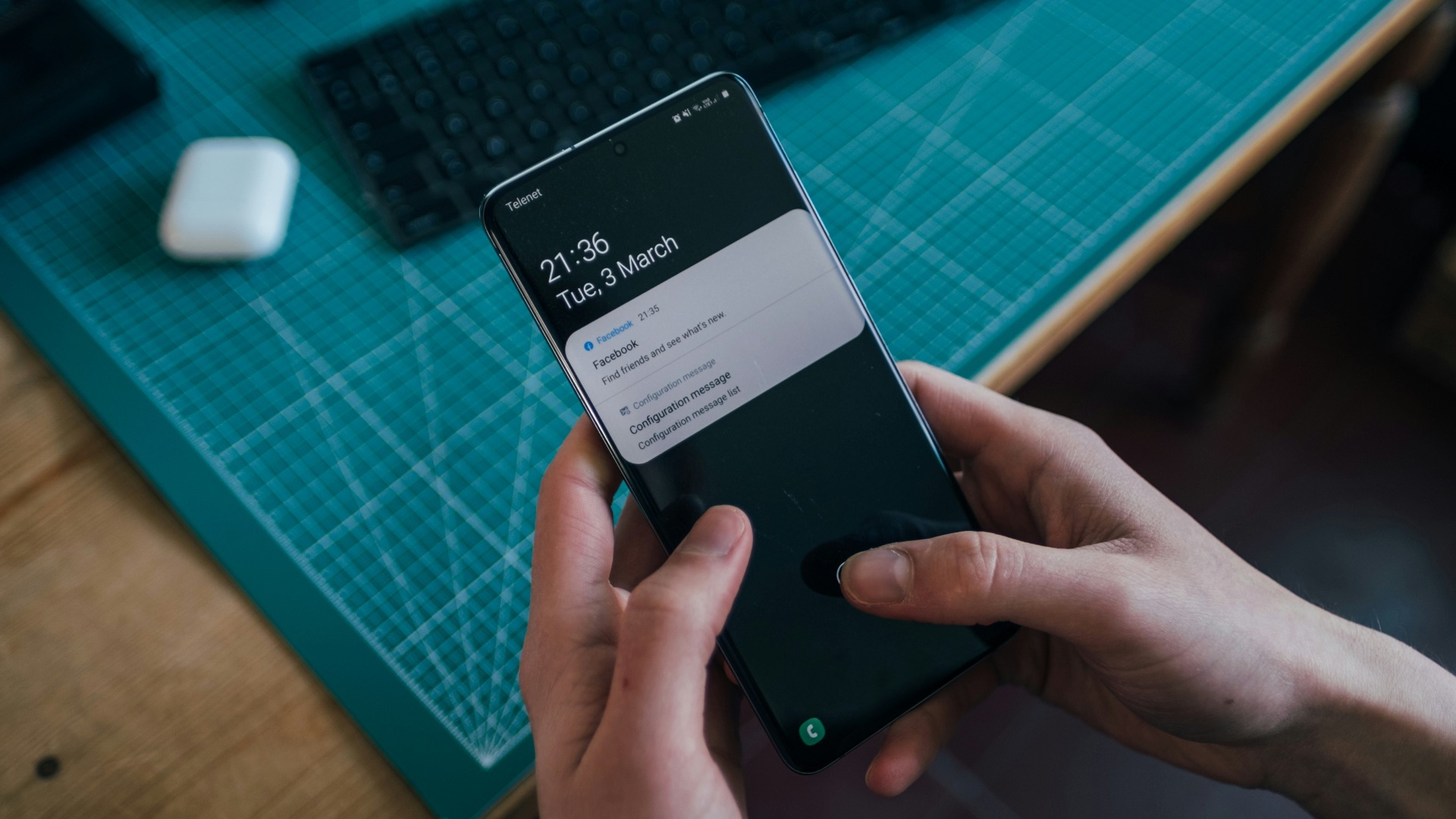
Smartphones bombard users with notifications, emails, and social media updates that make relaxing difficult. Picking up a Game Boy gives millennials a chance to play without interruptions, since there's no Wi-Fi, no texts, and no app updates to worry about. That uninterrupted experience has become a rare and welcome escape from modern technology's constant demands.
17. It Carries Strong Childhood Associations
The Game Boy is tied to very specific memories for many millennials: sitting cross-legged on the floor, asking for batteries, trading games with cousins, or playing before bed. Those associations go beyond the hardware itself. The device became connected to routines, friendships, and small moments that felt important at the time. Letting go of the Game Boy can feel like letting go of the setting where those memories happened.
18. The Games Still Feel Playable Today
Some childhood favorites lose their appeal when you revisit them, but many Game Boy games remain easy to enjoy. The controls are direct, the goals are clear, and the pacing often works well for short sessions. You don’t have to spend hours adjusting settings or learning systems before having fun. That lasting playability makes nostalgia feel earned rather than purely sentimental.
19. It Connects Generations Within Families
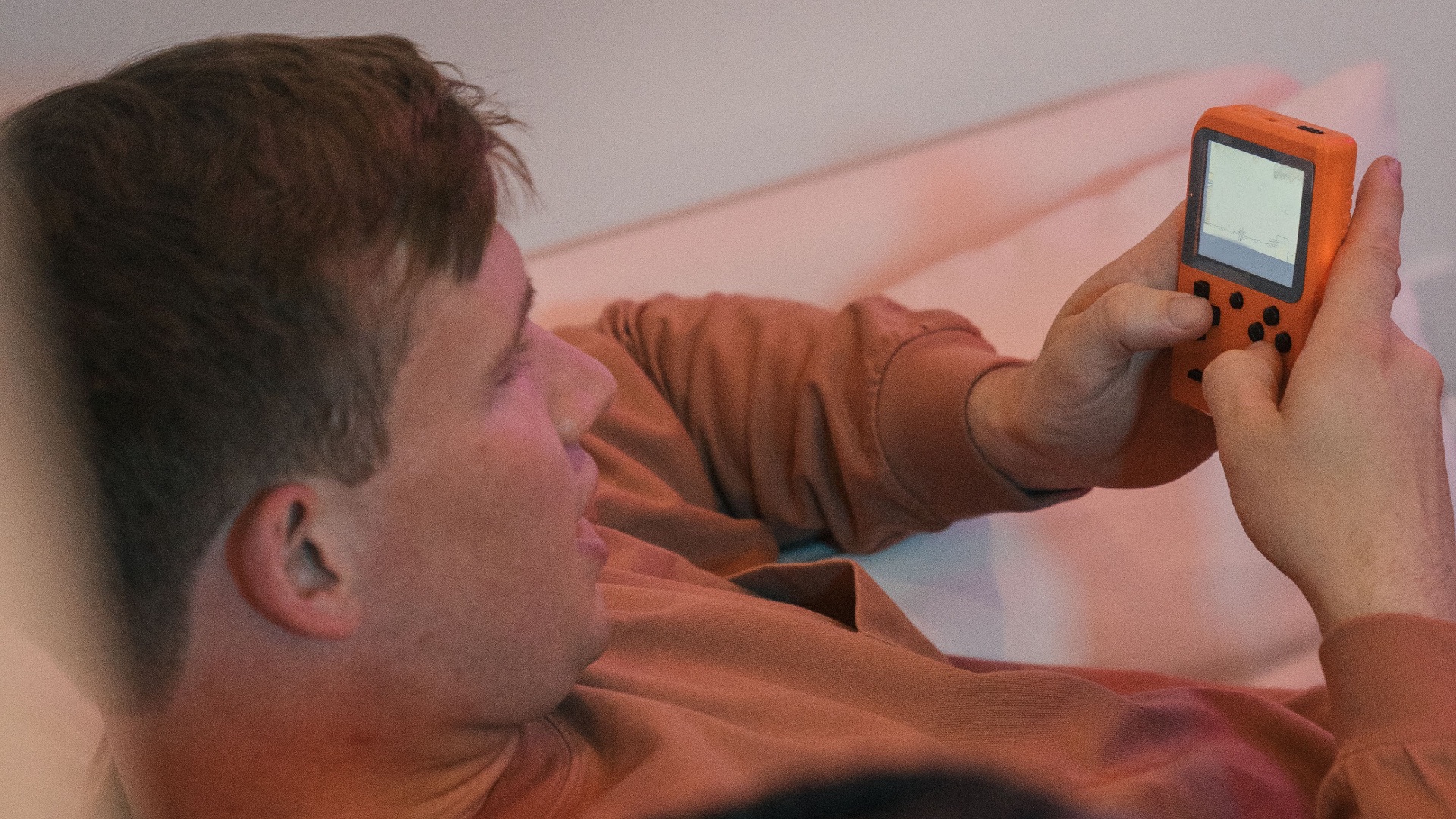
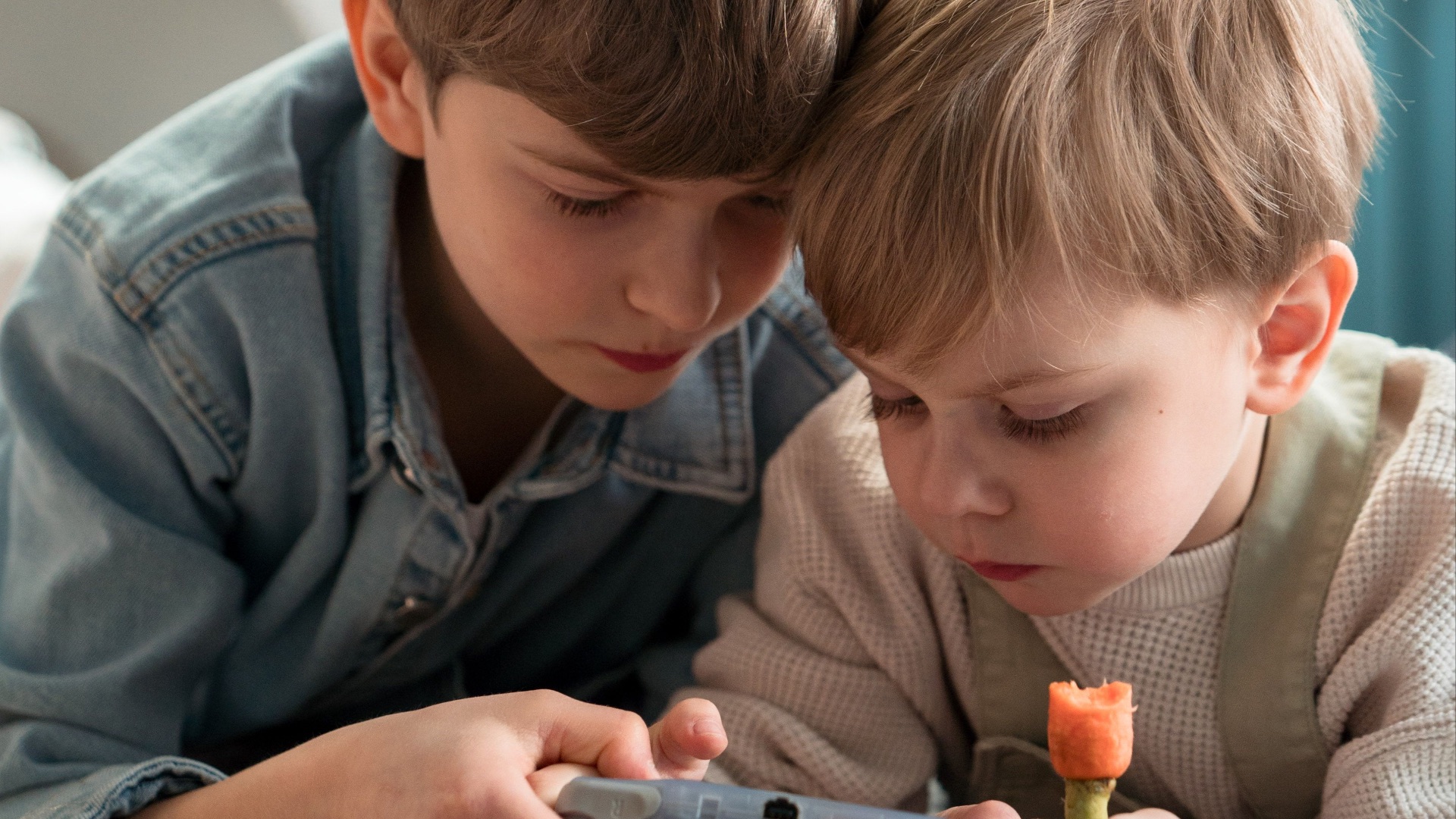
Many millennials now have kids of their own and enjoy introducing them to the same games that defined their own childhoods. Handing down a Game Boy creates a shared experience that feels different from simply talking about the past. Watching a child get excited over Tetris or Pokémon adds a new layer of meaning to an old console.

20. It Still Feels Like Theirs
The Game Boy belongs to a specific stretch of millennial childhood in a way few devices do. It arrived before phones became gaming machines, before online play became expected, and before every device demanded constant attention. Holding one now can bring back the feeling of having something small, sturdy, and completely absorbing in your hands. That’s why so many millennials still feel so attached to it.