
Levelling Up In the Game World Helps You Level Up In Real Life
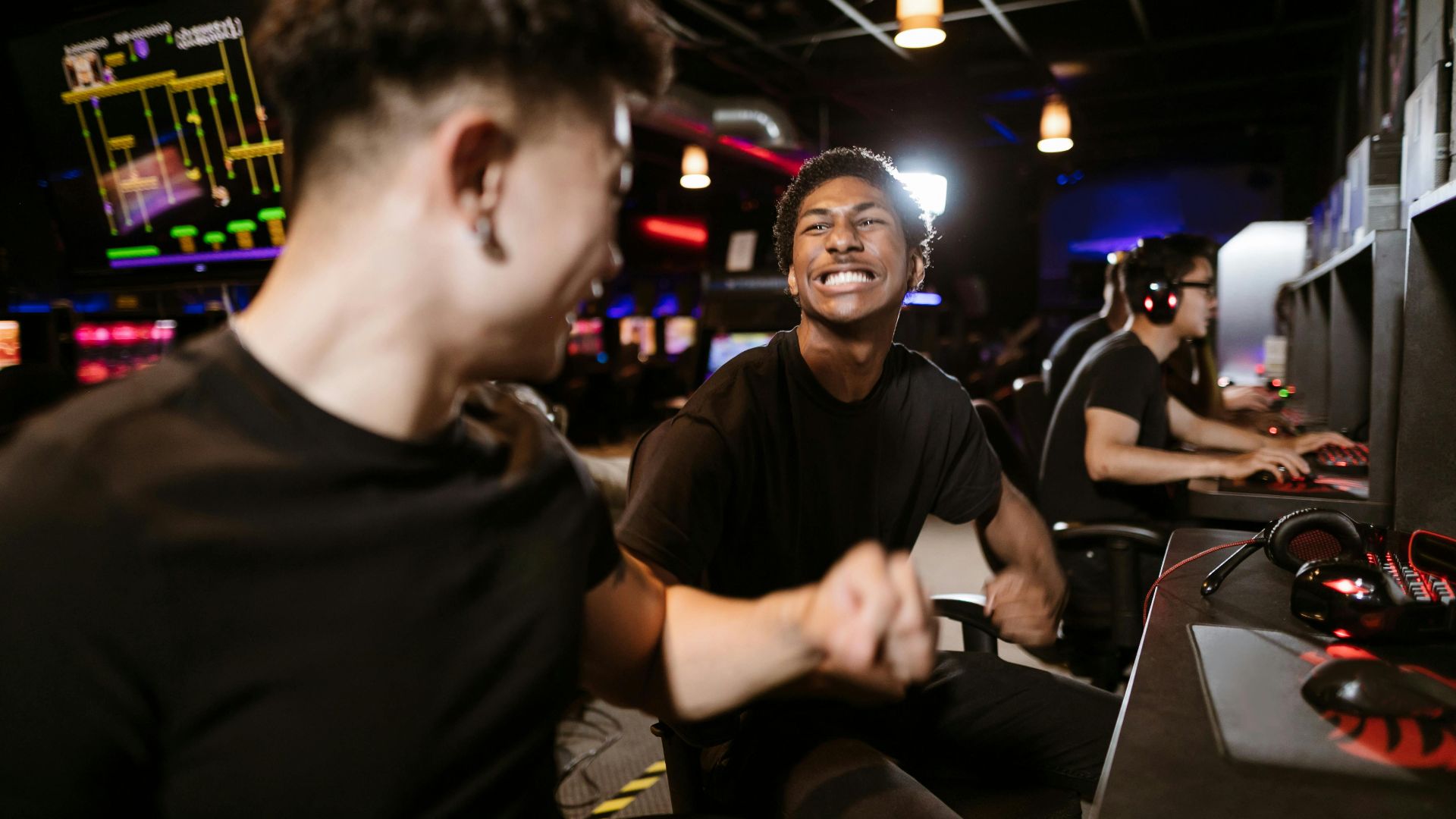
Gaming gets dismissed as a time-waster until you realize how many real skills it quietly builds while you’re having fun. Games reward patience, problem-solving, and the ability to keep going after you mess up, which translates well to real-life challenges. Here are 20 surprisingly useful skills you pick up from gaming, even if you never meant to “learn” anything at all.
1. Staying Calm Under Pressure
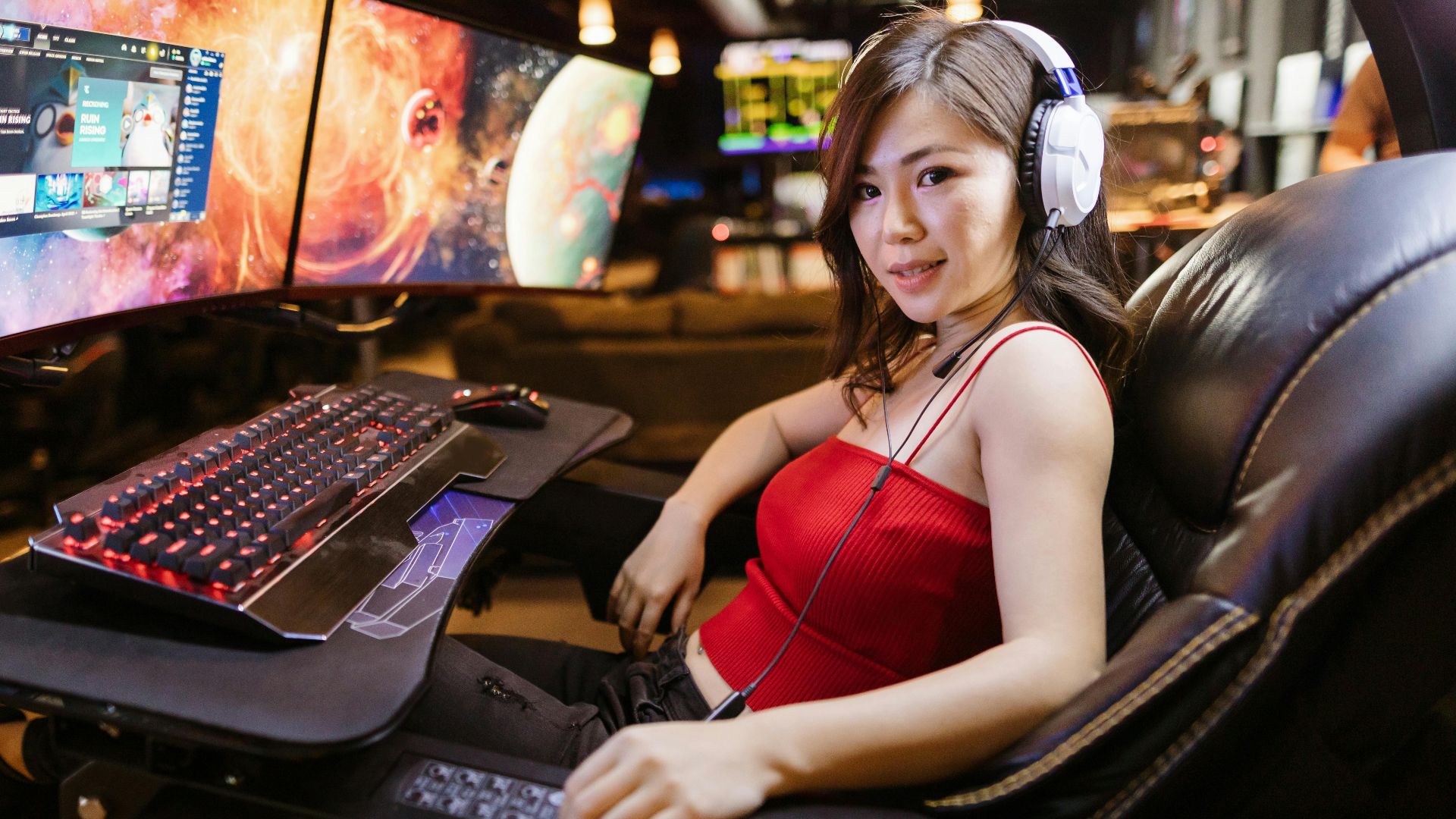
When your health bar is blinking, and everything’s on fire, panic doesn’t help. You learn to breathe, focus, and make a decision anyway. That calm carries over when real life gets stressful.

2. Strategic Thinking
Games teach you to plan ahead instead of only reacting to what’s happening right now. You start thinking in steps, weighing risk versus reward without overcomplicating it. That’s the same mindset that helps with money decisions, work projects, and pretty much every big choice.
3. Problem-Solving Through Trial & Error
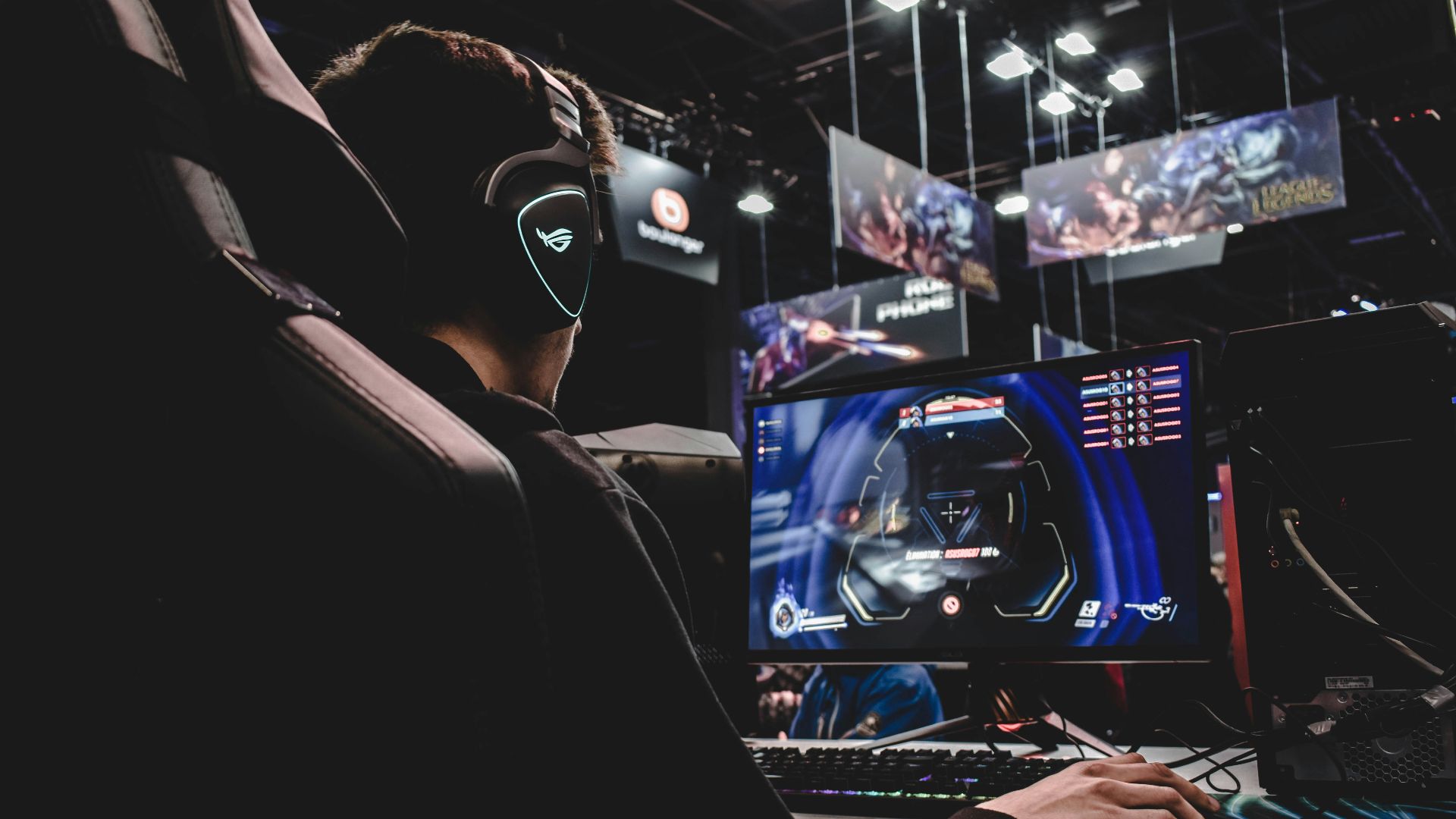
Most games don’t hand you the answer; they hand you consequences. You try something, fail, adjust, and try again with better information. Over time, you stop treating mistakes like disasters and start treating them like data.
4, Learning Quickly
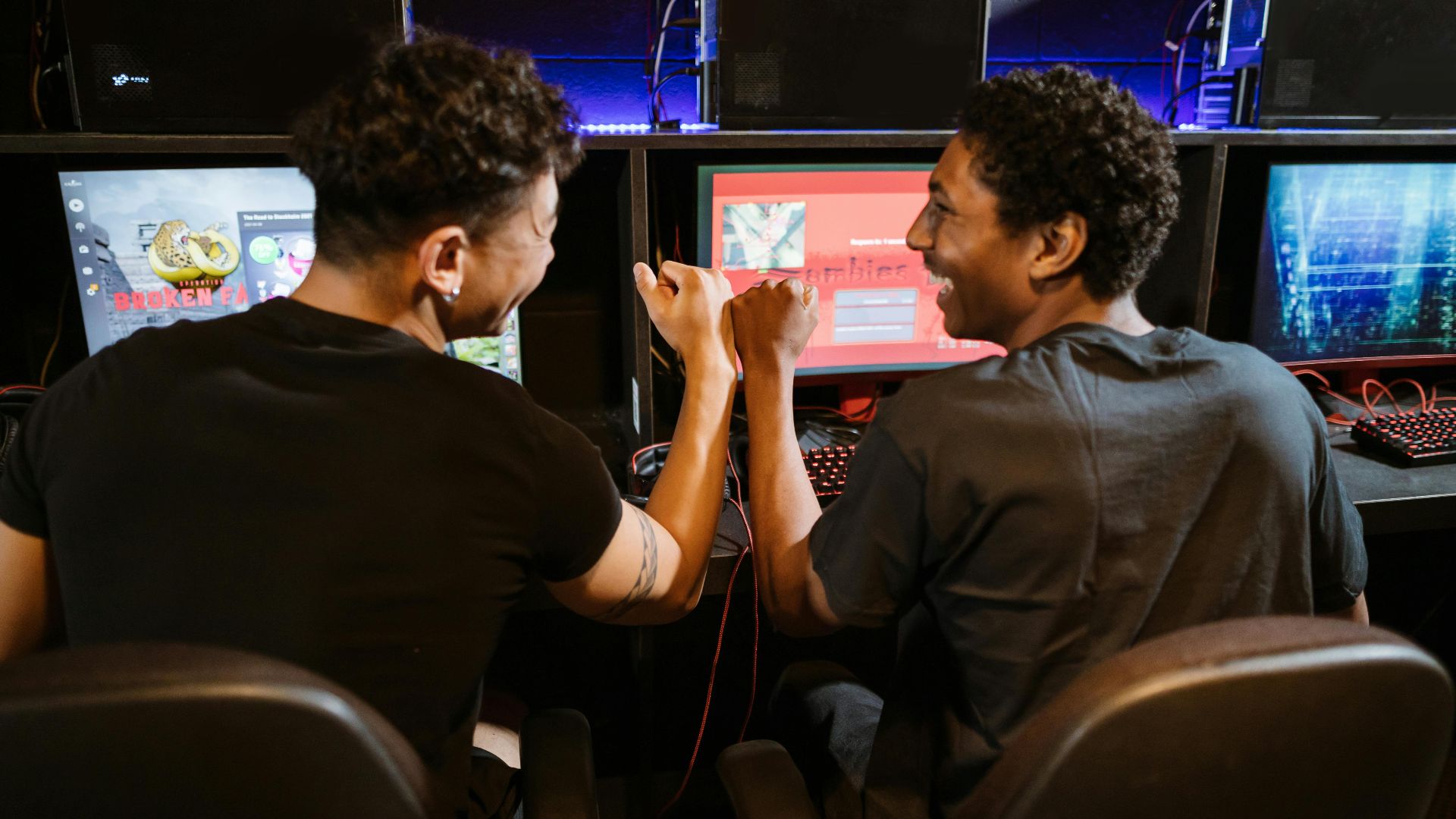
New mechanics, new maps, new enemies, and new rules show up constantly. You get used to absorbing information fast and applying it immediately. That “figure it out” mentality is useful everywhere in real life, from your career to traveling.
5. Patience and Persistence
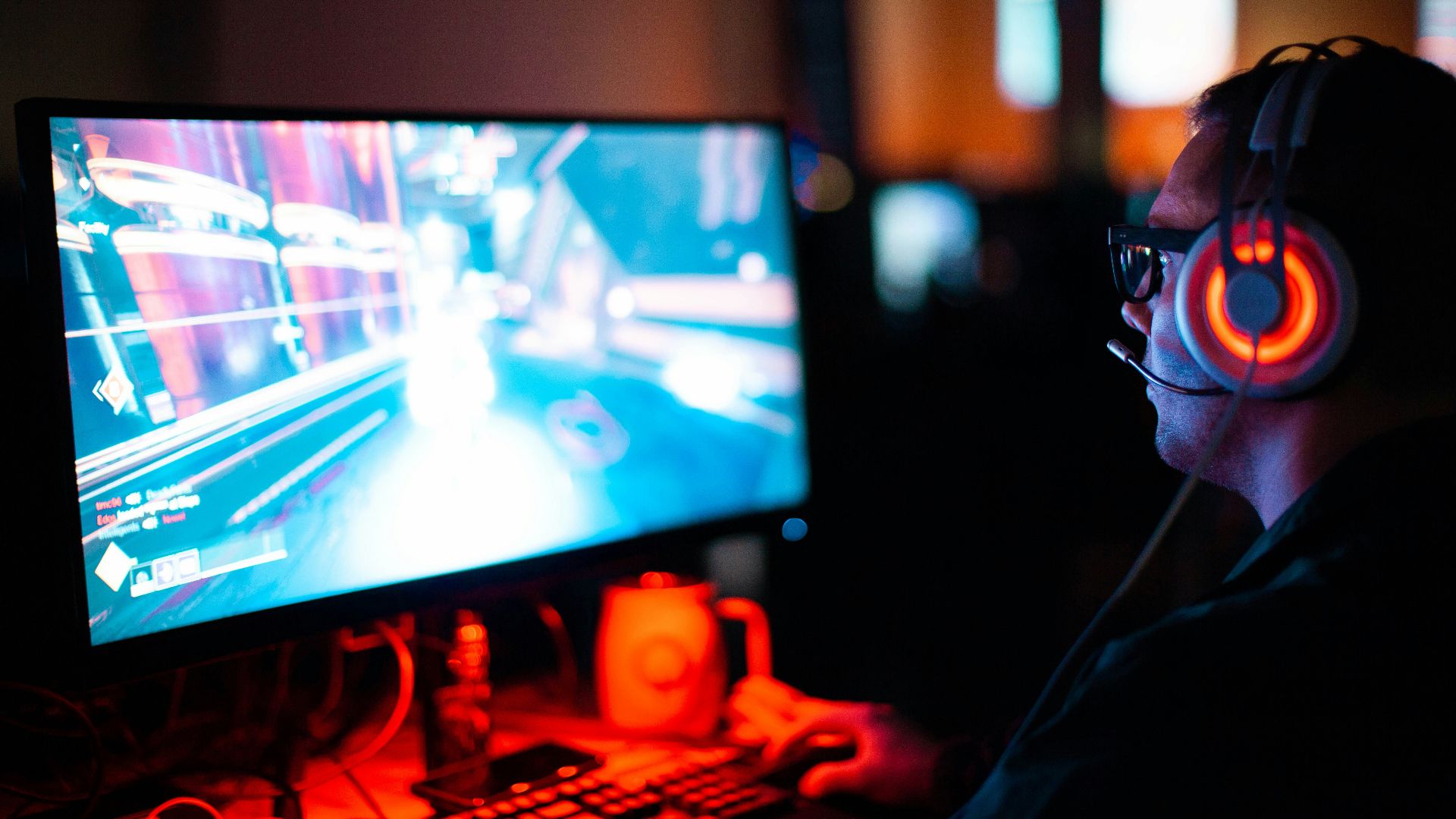
Grinding, leveling, and retrying a tough boss fight builds the ability to stick with something that isn’t instantly rewarding. You learn that slow progress is still progress. It’s hard to quit early once you’ve watched effort pay off a hundred times.
6. Resource Management
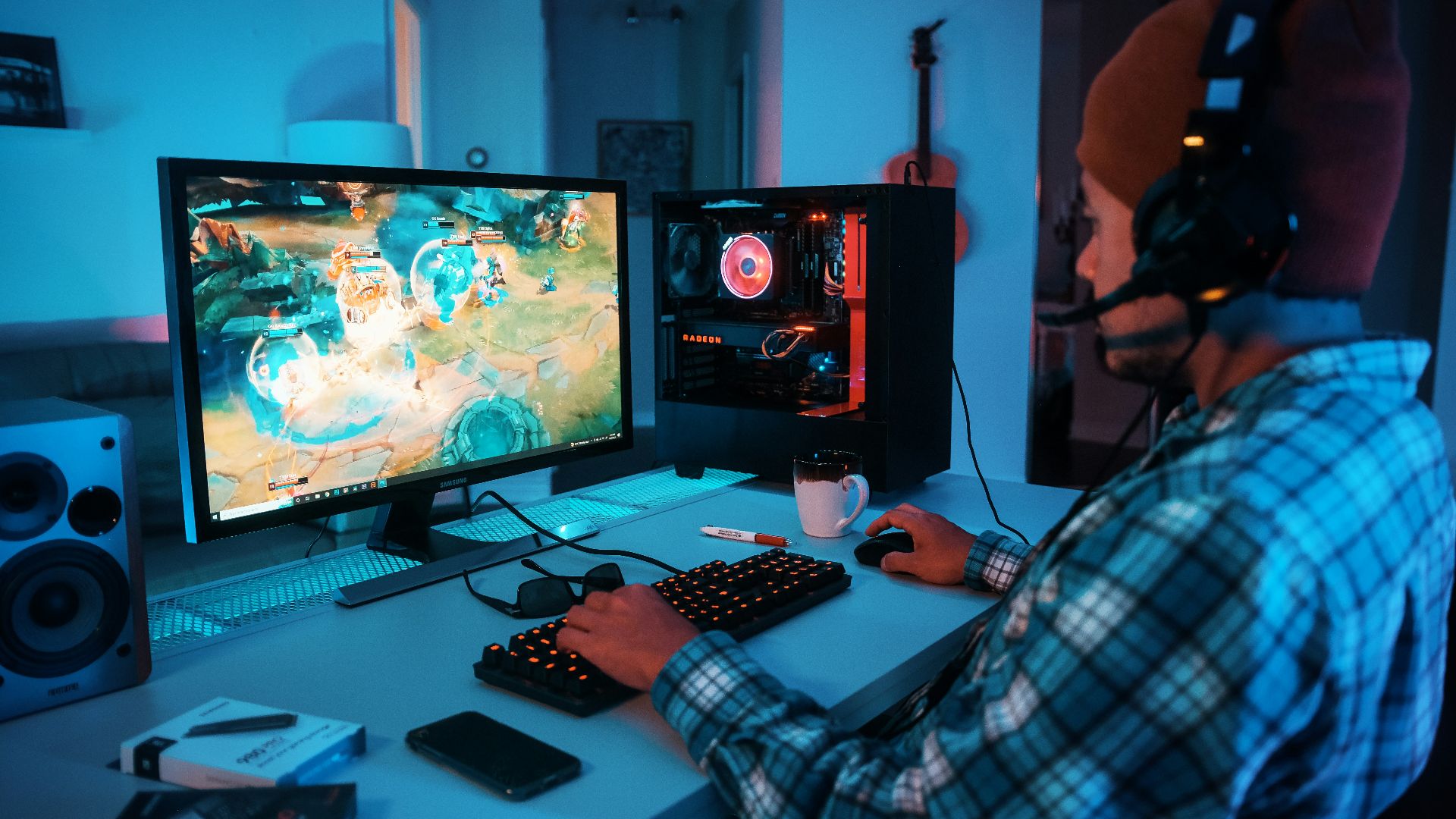
Whether it’s ammo, health potions, or crafting materials, you learn to use what you have wisely. You start saving the good stuff for when it actually matters. That same skill shows up when you’re budgeting time, money, or energy.
 Glenn Carstens-Peters on Unsplash
7. Prioritizing Tasks
Side quests are fun, but the main objective still exists. You get better at deciding what matters now versus what can wait, which is called prioritizing. This is key to adulting.
8. Teamwork and Collaboration
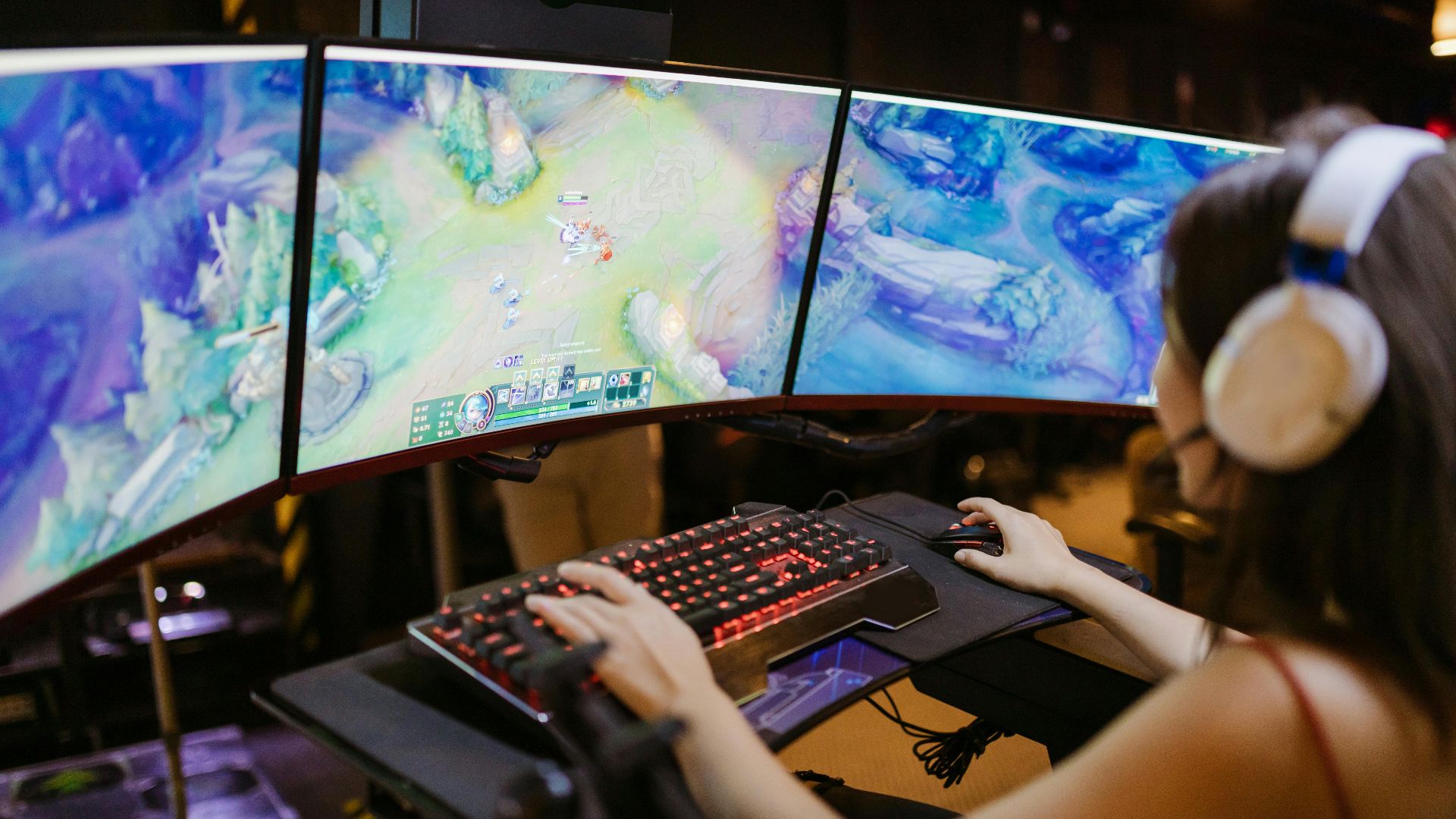
Co-op games and multiplayer modes teach you that individual talent isn’t enough when coordination matters. You learn to communicate, fill roles, and support the team’s goals. It’s a great reminder that winning isn’t always a solo sport, and you'll quickly find out how important this is in the professional world.

9. Communication Under Time Constraints
When things move fast, you can’t deliver a speech. You learn to be clear, direct, and helpful with minimal words. That translates well to work situations where everyone’s busy, and decisions still need to happen.
10. Reading People and Patterns
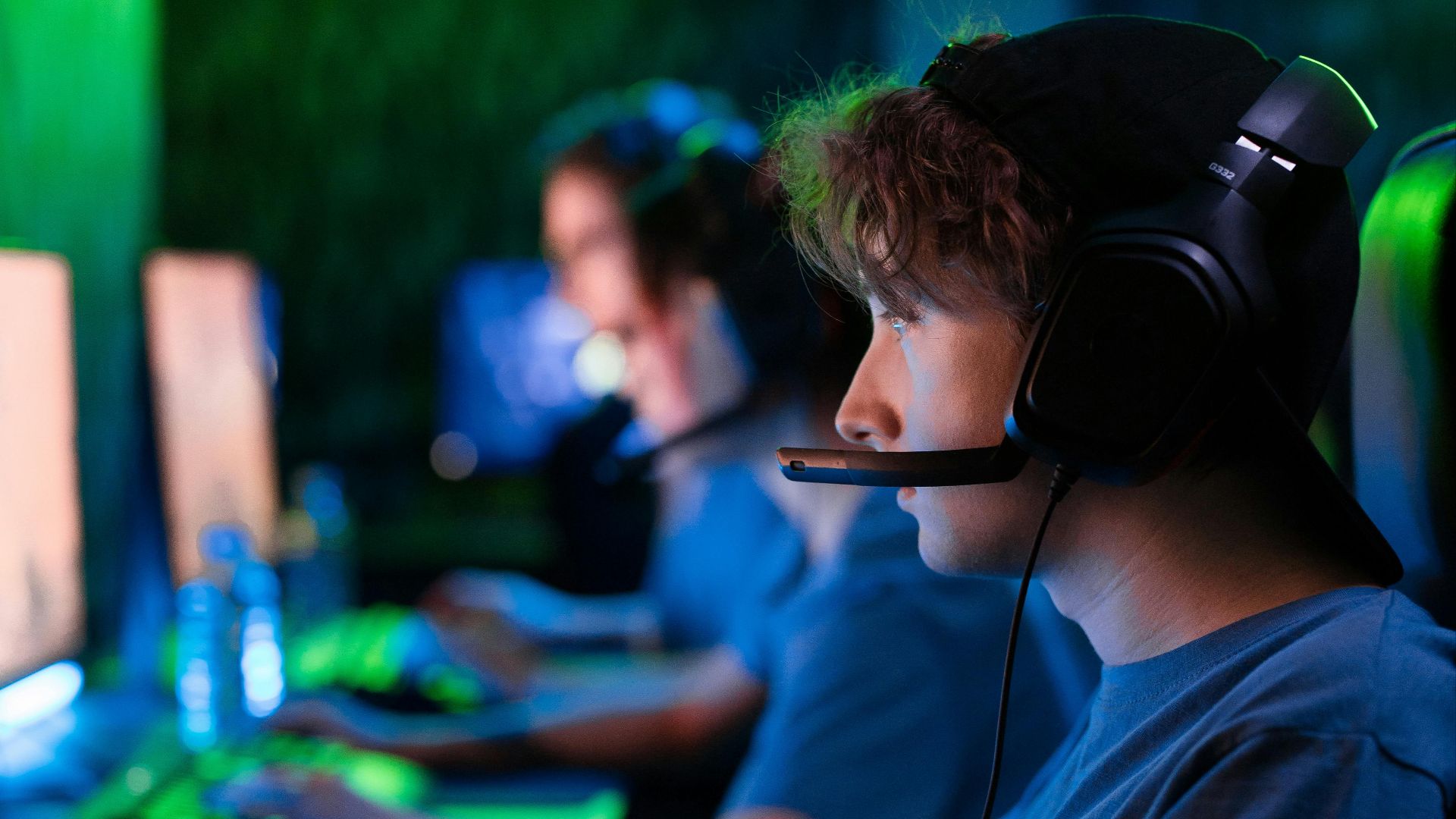
In competitive games, you start noticing behavior patterns and predicting what someone will do next. You pay attention to timing, habits, and small signals. That kind of observation helps in negotiations, social settings, and conflict.
11. Resilience After Failure
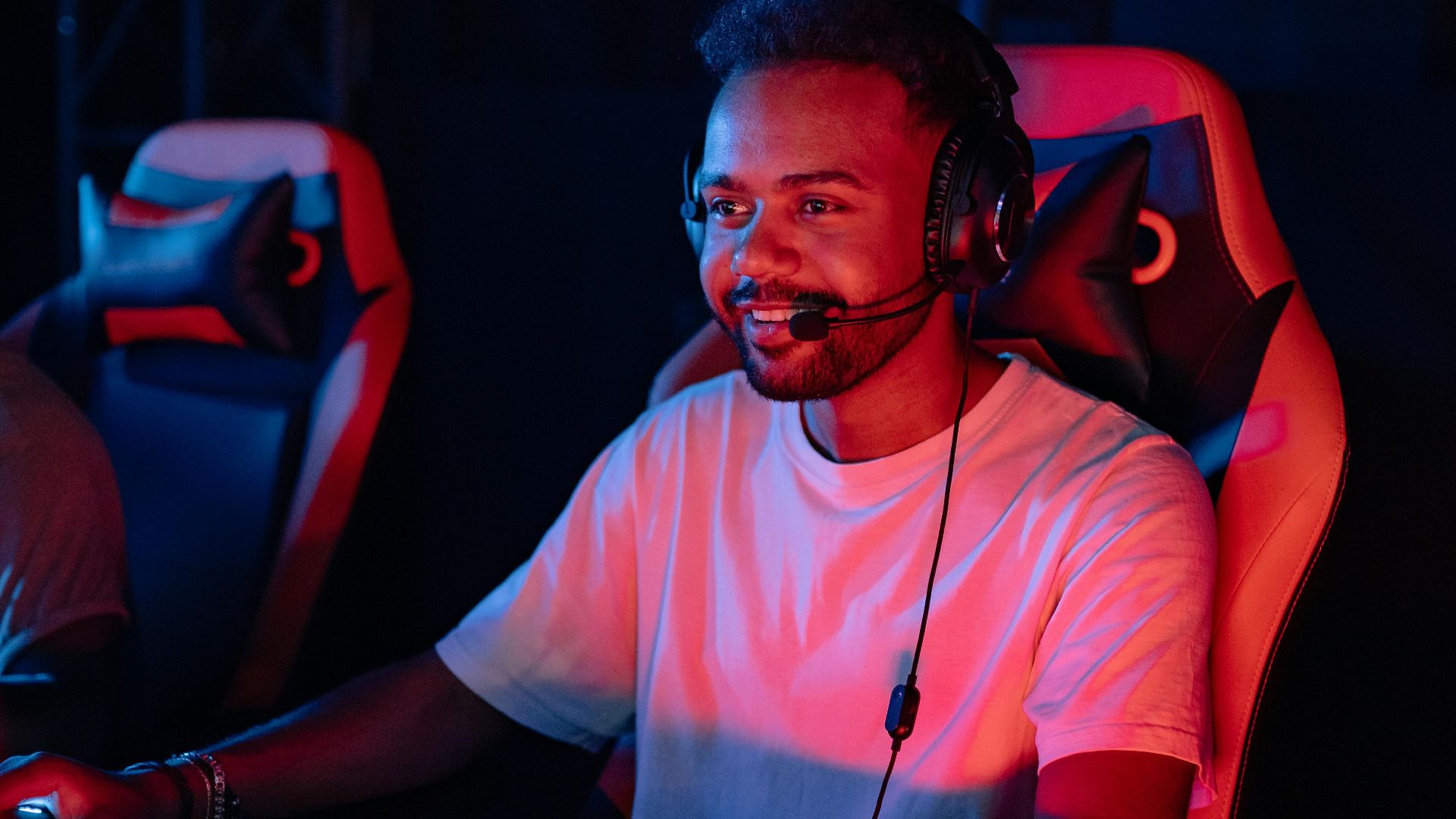
Games normalize failure because it’s built into the experience. You lose, respawn, and go again without spiraling into shame and regret. It may sound silly, but it really trains you for dealing with setbacks in real life.
12. Handling Criticism & Feedback
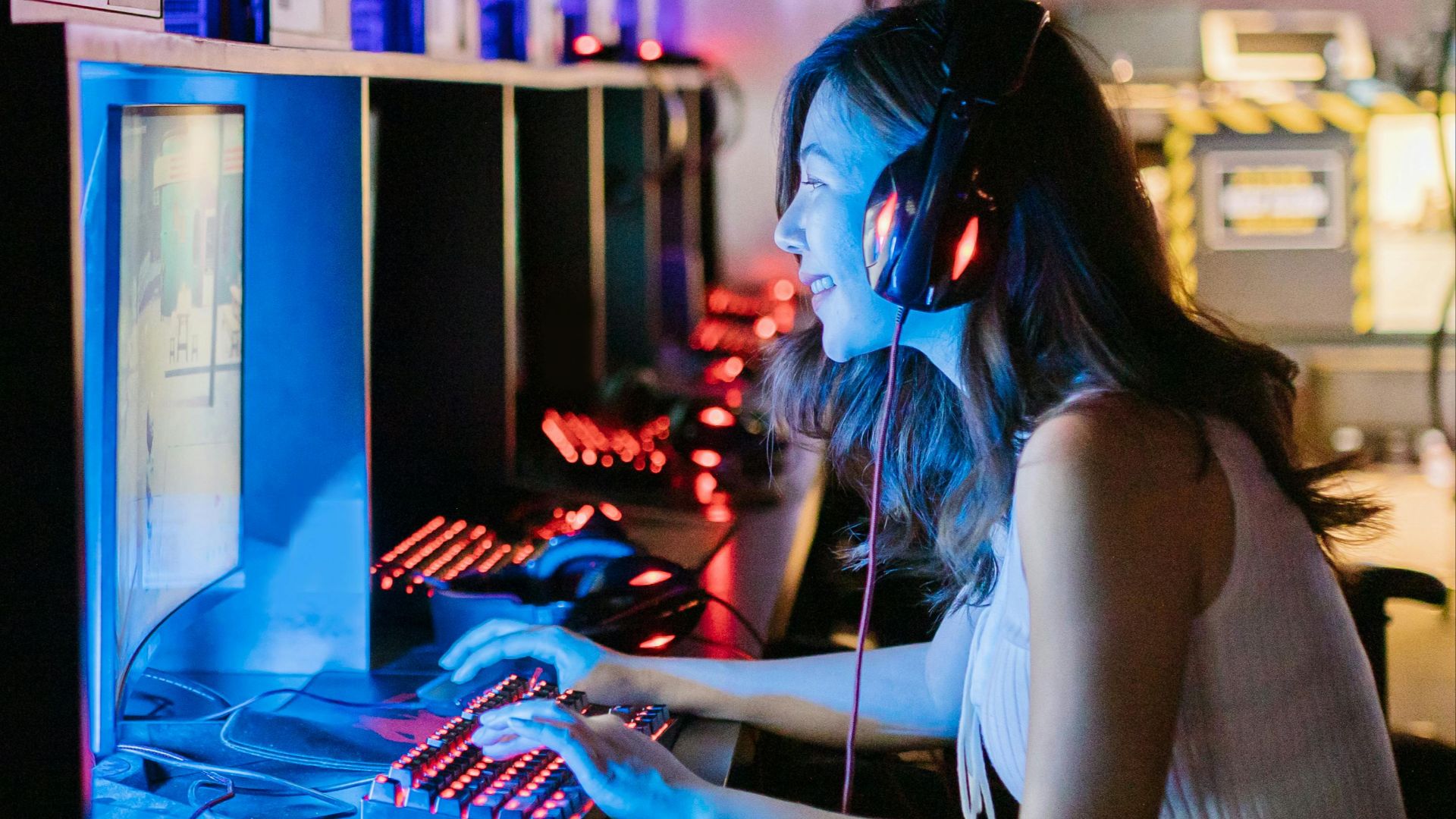
Whether it’s a teammate calling out a mistake or a scoreboard exposing you, games keep feedback honest. You learn to adjust without taking everything personally. It’s a useful skill if you want to improve at anything.
13. Focus & Attention Control
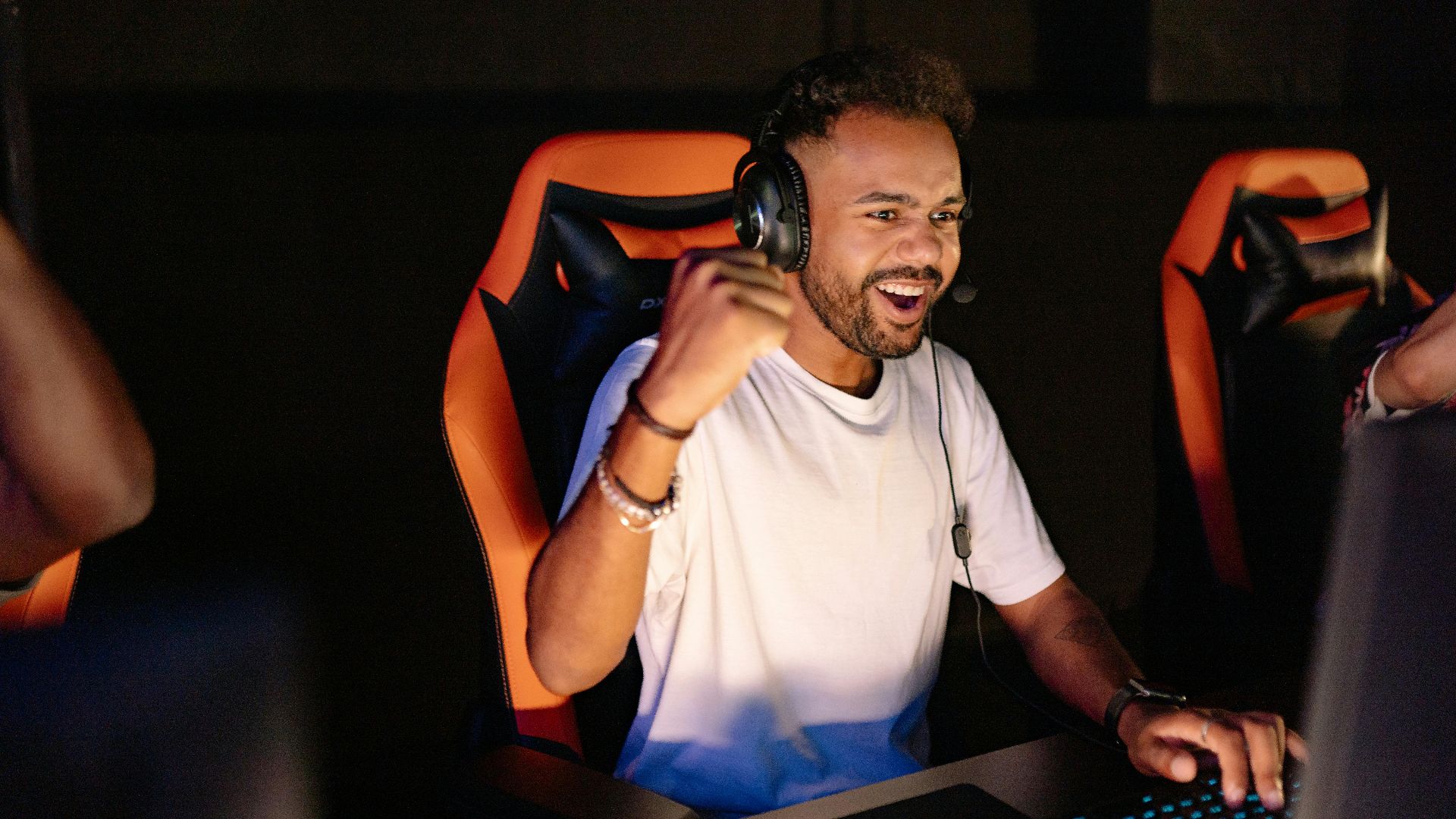
Games train you to lock in, block distractions, and stay engaged. You practice staying present in the moment instead of drifting. In a world full of notifications, that’s a superpower.
14. Adapting When Plans Change
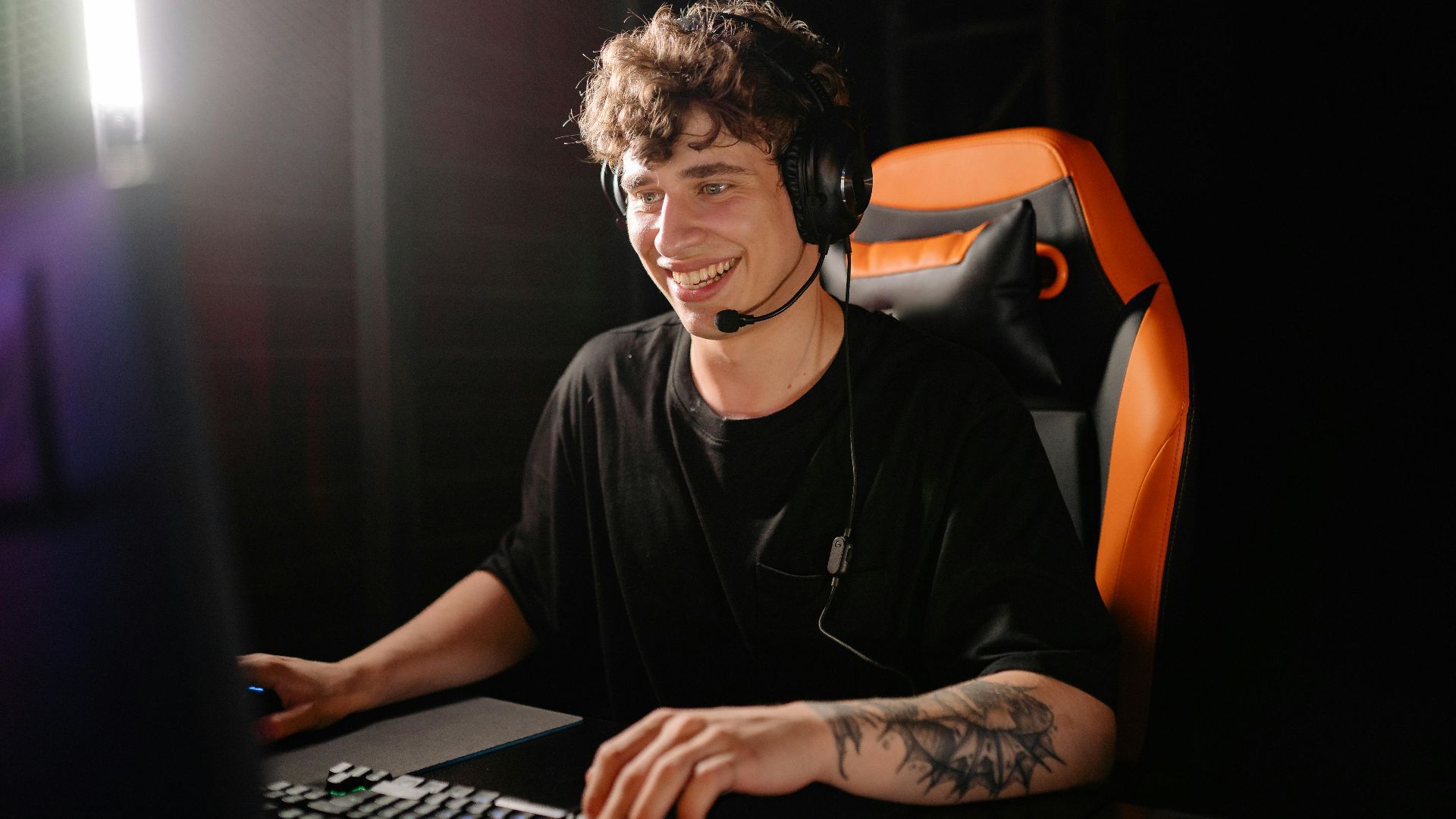
A strategy can fall apart in seconds, and you still have to keep playing. You learn to pivot, improvise, and find a new path without freezing. Flexibility is one of the most underrated life skills, and gaming drills it into you.

15. Goal Setting
Games are great at breaking big goals into smaller steps that feel achievable. You level up, unlock skills, and measure progress in clear ways. It subtly teaches you how to stay motivated without needing constant inspiration.
16. Decision-Making With Limited Information
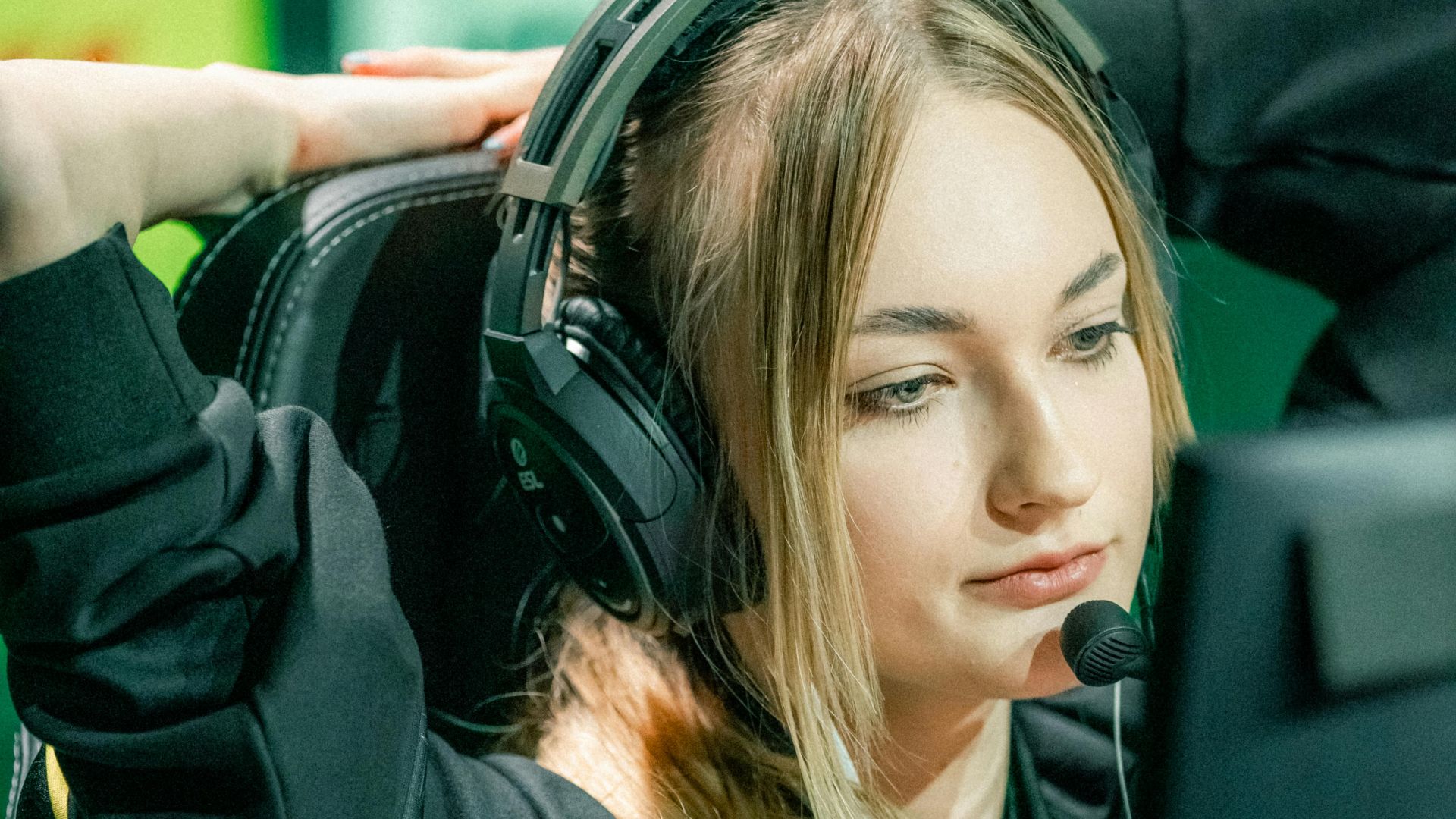
You rarely have perfect knowledge, but you still have to move. Games train you to make the best call you can with the information you have and deal with the consequences. That’s an accurate preview of real life.
17. Time Management
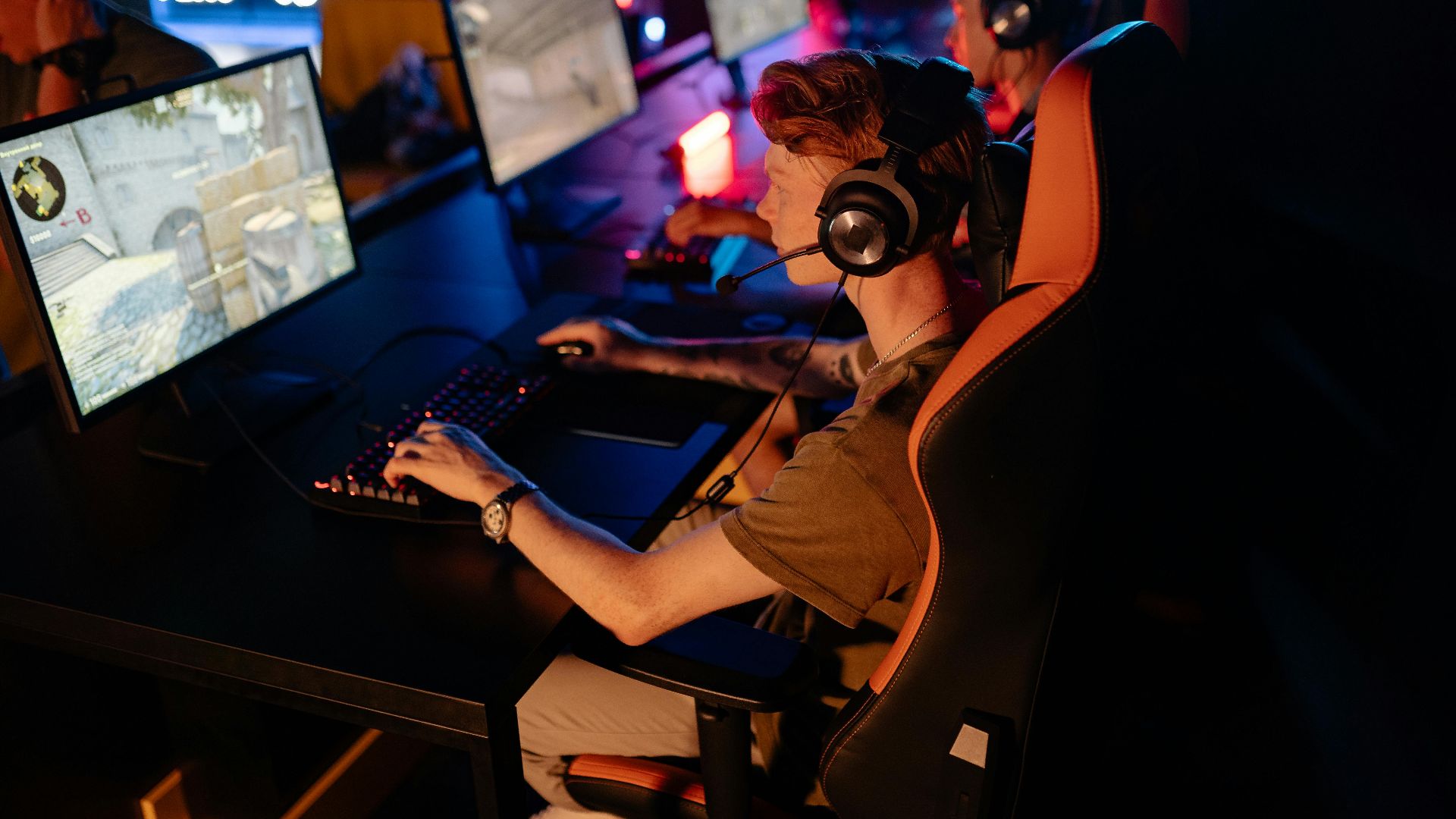
When you’re balancing quests, upgrades, and limited in-game time, you learn to plan your next moves. You also learn the hard truth that you can’t do everything at once. It’s a surprisingly good lesson in prioritizing.
18. Creativity & Experimentation
Sandbox games and build systems encourage you to try weird ideas just to see what happens. You learn to tinker, customize, and solve problems in your own style. That playful creativity can spill into real projects and hobbies and set you up well for certain career paths like engineering and design.
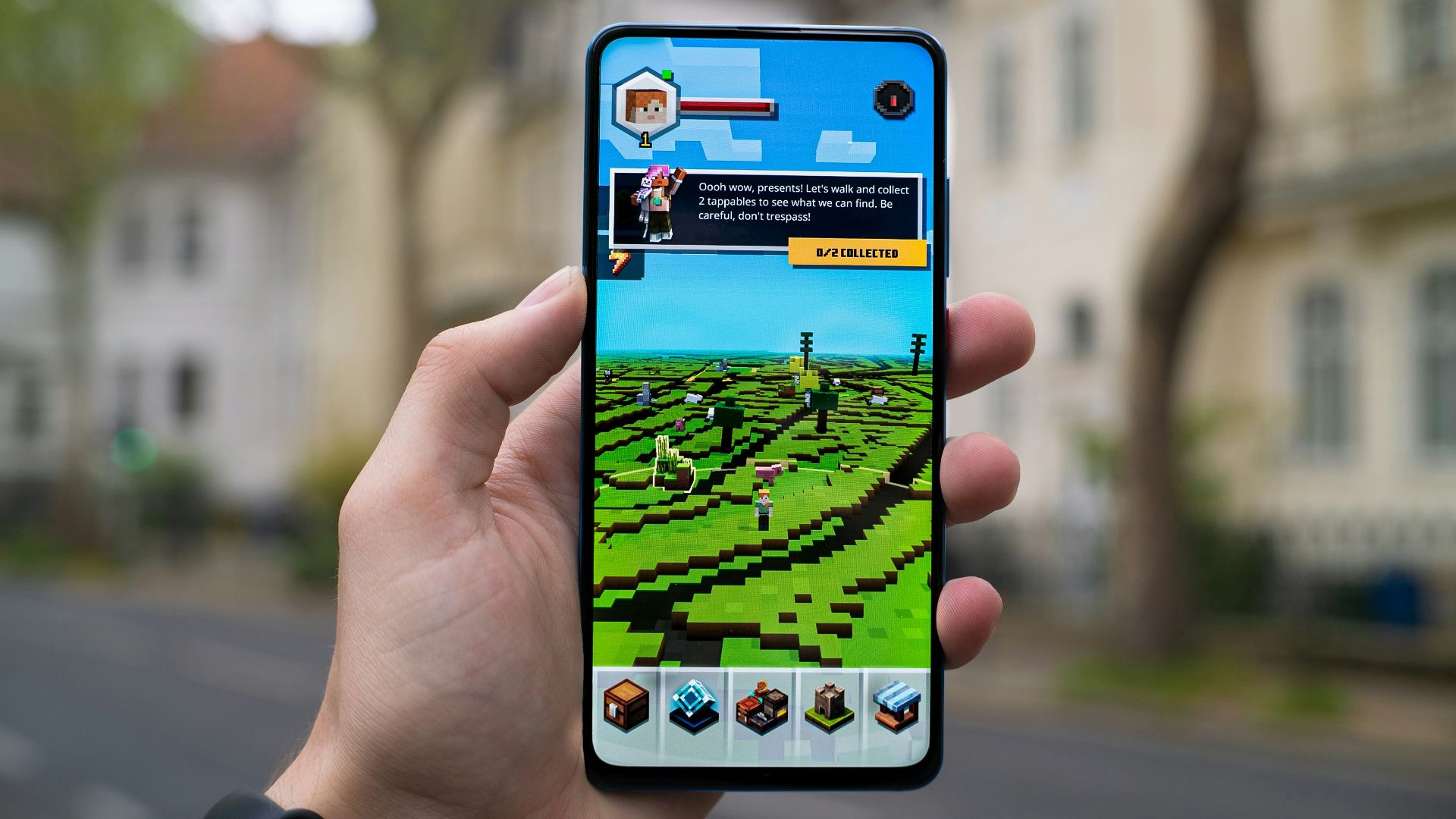
19. Sticking With a Learning Curve
The beginning of a game can be confusing and a little awkward because you're not used to it, but you push through anyway. You get comfortable being bad at something for a while without quitting. That makes learning new skills in real life feel less intimidating.
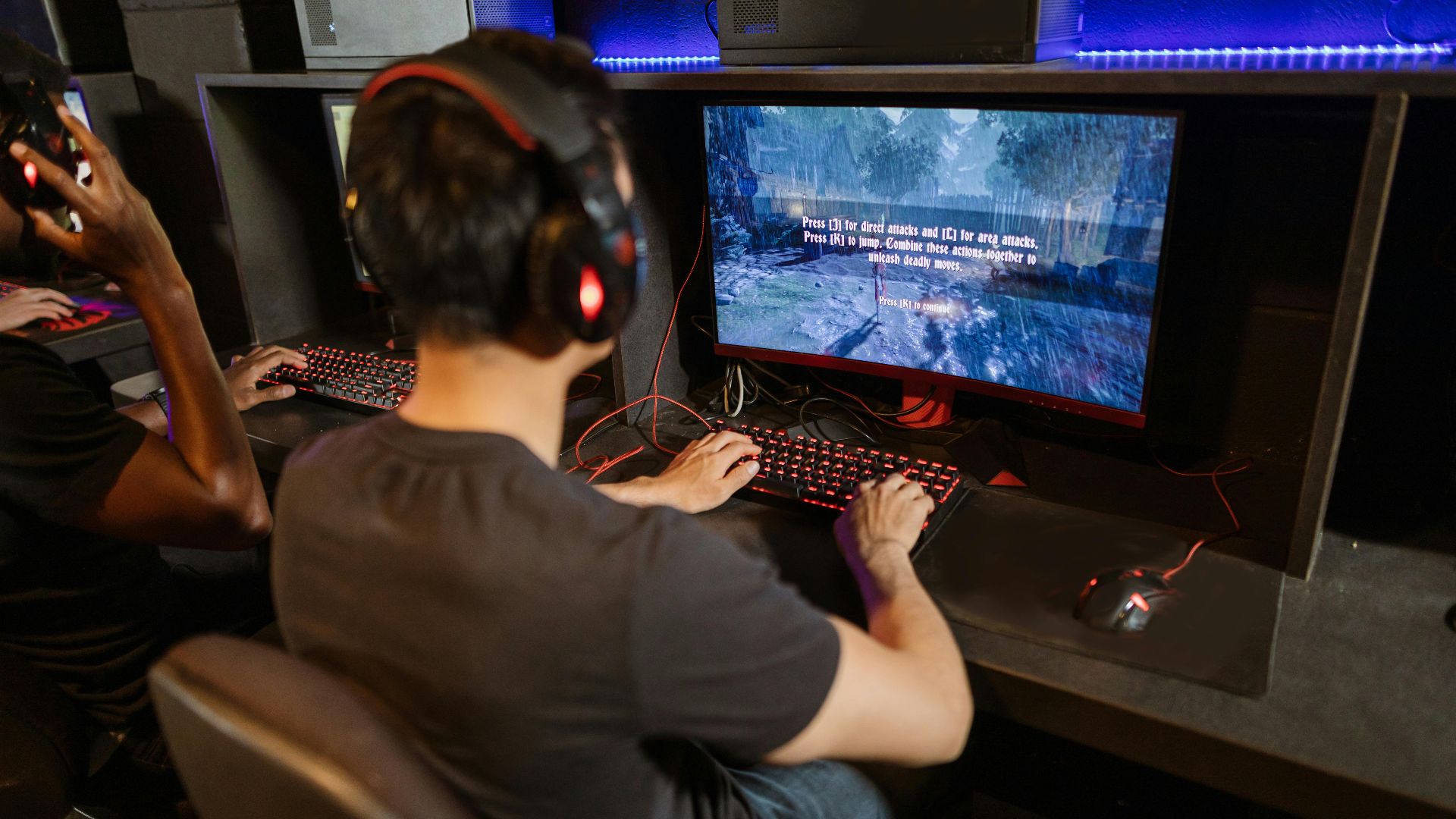
20. Finding Joy in Progress, Not Just Results
Games reward small wins, and you start appreciating improvement even before you “beat” anything. You learn to enjoy the process, not just the trophy moment. That mindset makes goals feel lighter, and life feel more fun.