
Unpredictable As Ever
Massively multiplayer online games are having a really tough time right now. Player expectations are changing, new technologies are being developed and new trends are arising. These days, traditional MMO games are failing to keep up. From slow patch fixes to outdated gameplay, there are many factors attributing to MMO games lacking their former glory. These are 20 reasons why MMOs suck.
1. Slow Content Updates
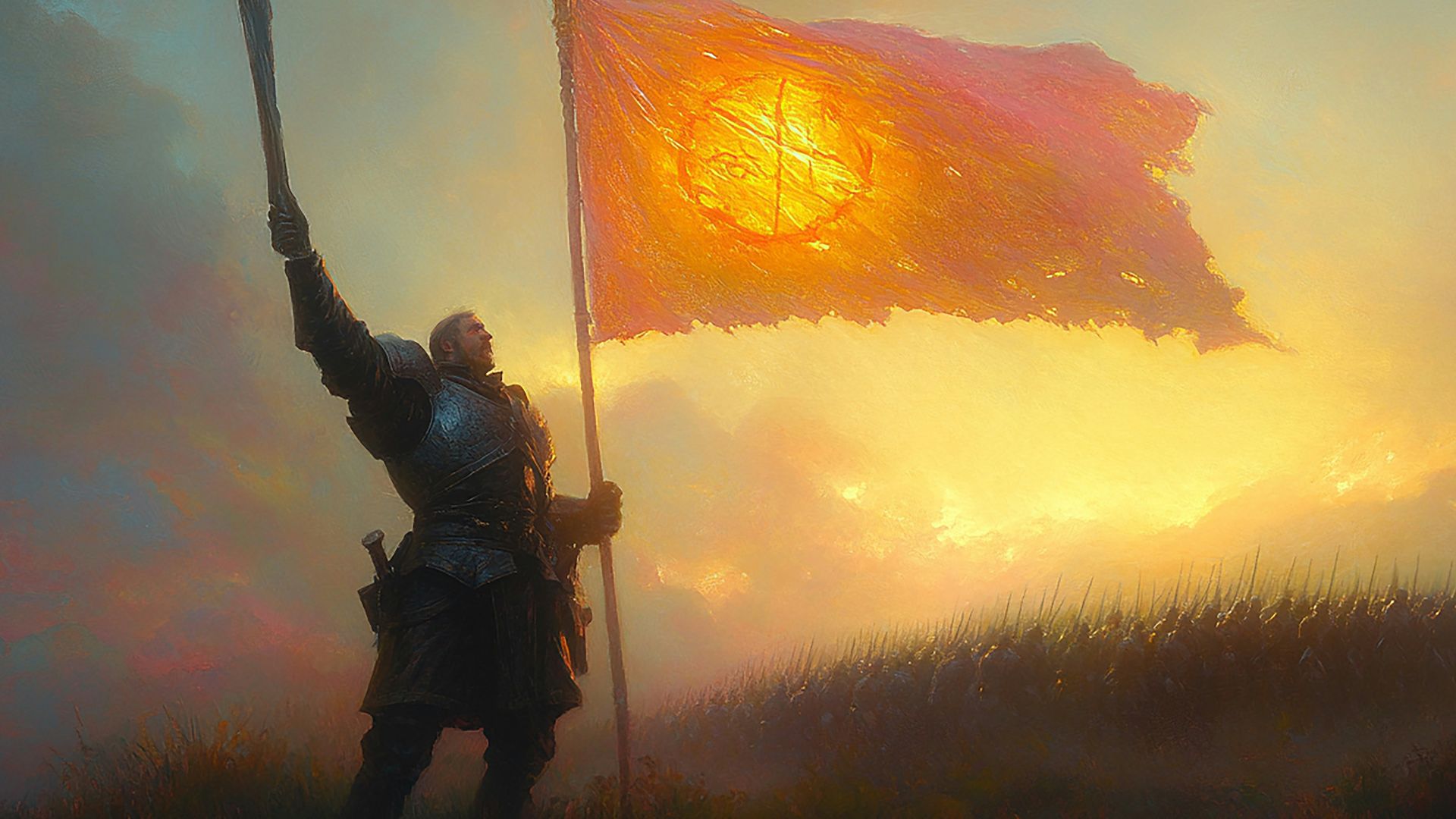
One of the biggest frustrations is how long it takes for new content to arrive. Players want fresh challenges, but traditional MMOs often roll out updates slowly. This can make the world feel stagnant and repetitive over time.

2. Outdated Graphics
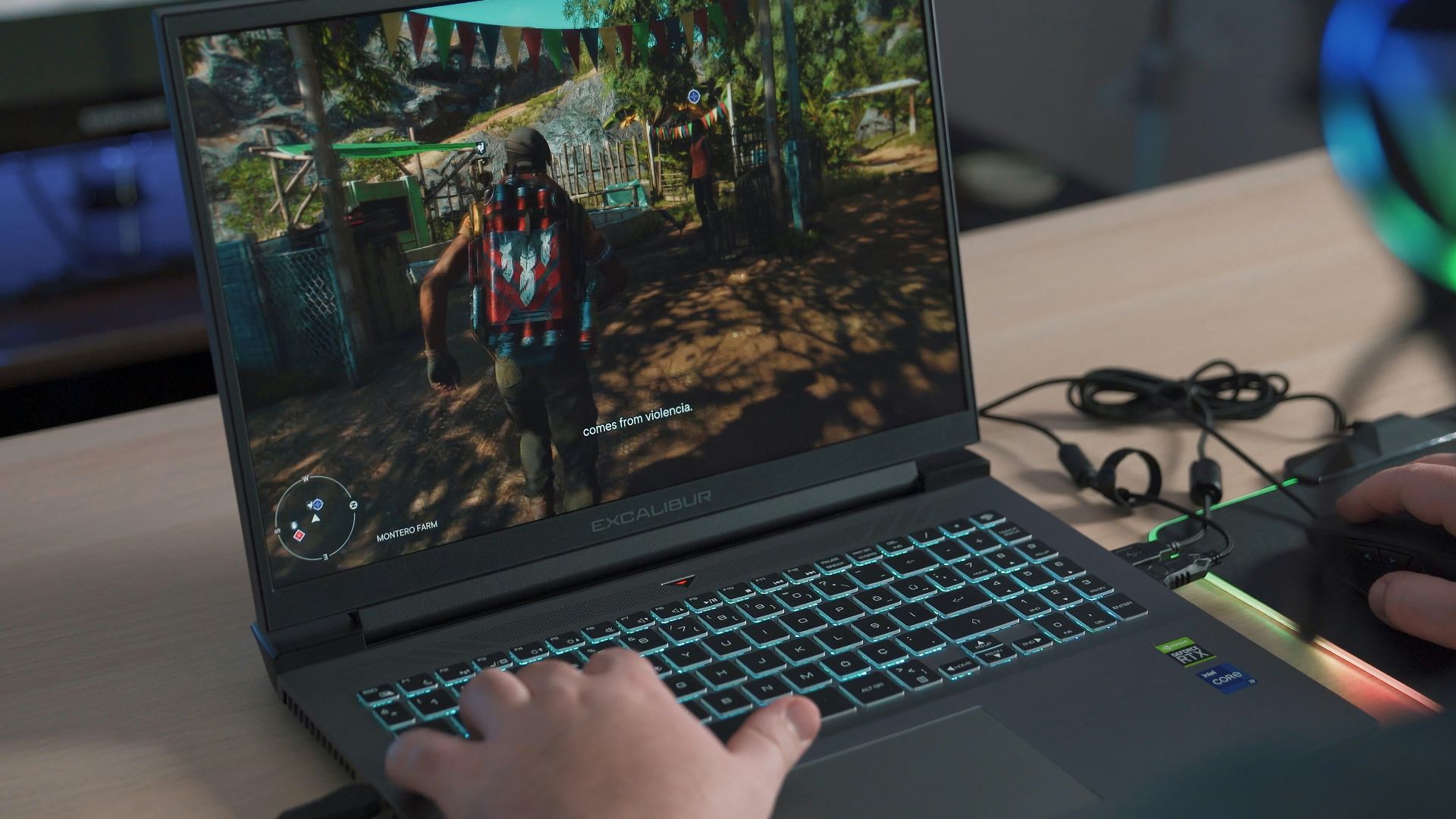
Many older MMOs haven’t kept up visually with modern gaming standards. Players expect immersive worlds and realistic environments, and pixelated or dated visuals can turn them away. Even loyal fans might struggle to stay engaged.
3. Steep Learning Curves
MMOs often demand hours of dedication just to understand basic mechanics. New players can feel overwhelmed and frustrated by complex systems. Without modern onboarding or tutorials, it’s hard to bring in fresh audiences.

4. Subscription Fees
Monthly fees used to be standard, but more players now expect free-to-play or flexible payment options. Charging every month can feel like a barrier, especially when other games offer high-quality experiences for free.

5. Repetitive Gameplay
Grinding the same quests or dungeons repeatedly can become tiresome. Without variety, even veteran players start to lose interest. Modern gamers crave dynamic content that feels different each time.

6. Poor Mobile Support
Many traditional MMOs aren’t optimized for mobile platforms. This limits the player base since a lot of gamers now expect to play anywhere. Ignoring mobile trends can make a game feel behind the times.
 Glenn Carstens-Peters on Unsplash
7. Competition from Battle Royale Games
Fast-paced, instant-action games like battle royale titles appeal to players who want immediate excitement. MMOs, which require long-term investment, can seem slow in comparison. It’s hard for them to compete for attention in this landscape.
 Cederic Vandenberghe on Unsplash
8. Toxic Communities
Old-school MMO communities sometimes develop toxicity that drives new players away. Harsh players and elitist groups can make the game feel unwelcoming. A negative social environment can hurt retention more than any technical issue.

9. Lack of Meaningful Social Features
Even though MMOs are social by nature, many fail to innovate in how players interact. Simple chat systems and basic guilds aren’t enough anymore. Players want rich, rewarding ways to connect.

10. Pay-to-Win Mechanics
In-game purchases that give competitive advantages frustrate players. They create unfairness and can alienate the community. When skill matters less than spending, loyalty drops.

11. Limited Cross-Platform Play
Traditional MMOs often restrict players to specific platforms. This makes it harder for friends on different devices to connect. Modern gamers expect flexibility and accessibility.

12. Outdated Combat Systems
Combat in older MMOs can feel slow, clunky, or repetitive. Players now enjoy fluid mechanics and responsive controls. Without modern updates, battles feel less exciting and engaging.

13. Declining Server Populations
As communities shrink, the world feels empty and less vibrant. Low populations make group content harder to enjoy. New players notice the lack of activity immediately.

14. Poor Marketing
Some MMOs rely on reputation and word-of-mouth rather than strong ongoing marketing. This makes it harder to attract fresh players in a competitive market. Without visibility, even solid games can struggle.
 Nikita Kachanovsky on Unsplash
15. Too Much Reliance on Nostalgia
Developers often focus on bringing back old fans rather than innovating for new ones. Nostalgia isn’t enough to sustain long-term growth. Players expect new experiences alongside familiar elements.

16. Technical Issues
Server crashes, bugs, and long loading times frustrate players. Reliable performance is critical in online games. Technical problems can drive even the most loyal players away quickly.

17. Limited Story Evolution
Some MMOs fail to expand their narrative beyond the original plot. Players want worlds that evolve and change with their actions. A static story can make progression feel meaningless.

18. High Entry Barriers
Character customization, complex skill trees, and gear systems can intimidate newcomers. Without easy entry points, it’s tough to grow the player base. Games need to feel approachable without sacrificing depth.

19. Overreliance on Endgame Content
Many MMOs focus heavily on max-level content, leaving casual players behind. Not everyone wants to grind for hours to enjoy the game. A balanced experience keeps more players invested.

20. Rising Popularity of Multiplayer Alternatives
Games like co-op shooters, mobile RPGs, and casual online experiences now offer strong competition. Players have more choices than ever, making it hard for traditional MMOs to stay top-of-mind. Flexibility and innovation are key to survival.