The High Cost of Entertainment
You'd think that seeing a game all over social media or at the top of a "Best Of" list means it's printing money, but the gaming industry is a lot more complicated than that. Sometimes, even the most beloved titles end up being a massive headache for the accountants behind the scenes because the development or marketing costs simply outweigh the sales. It's a wild world where a game can be a "hit" with players while still failing to break even for the studio.

1. E.T. the Extra-Terrestrial
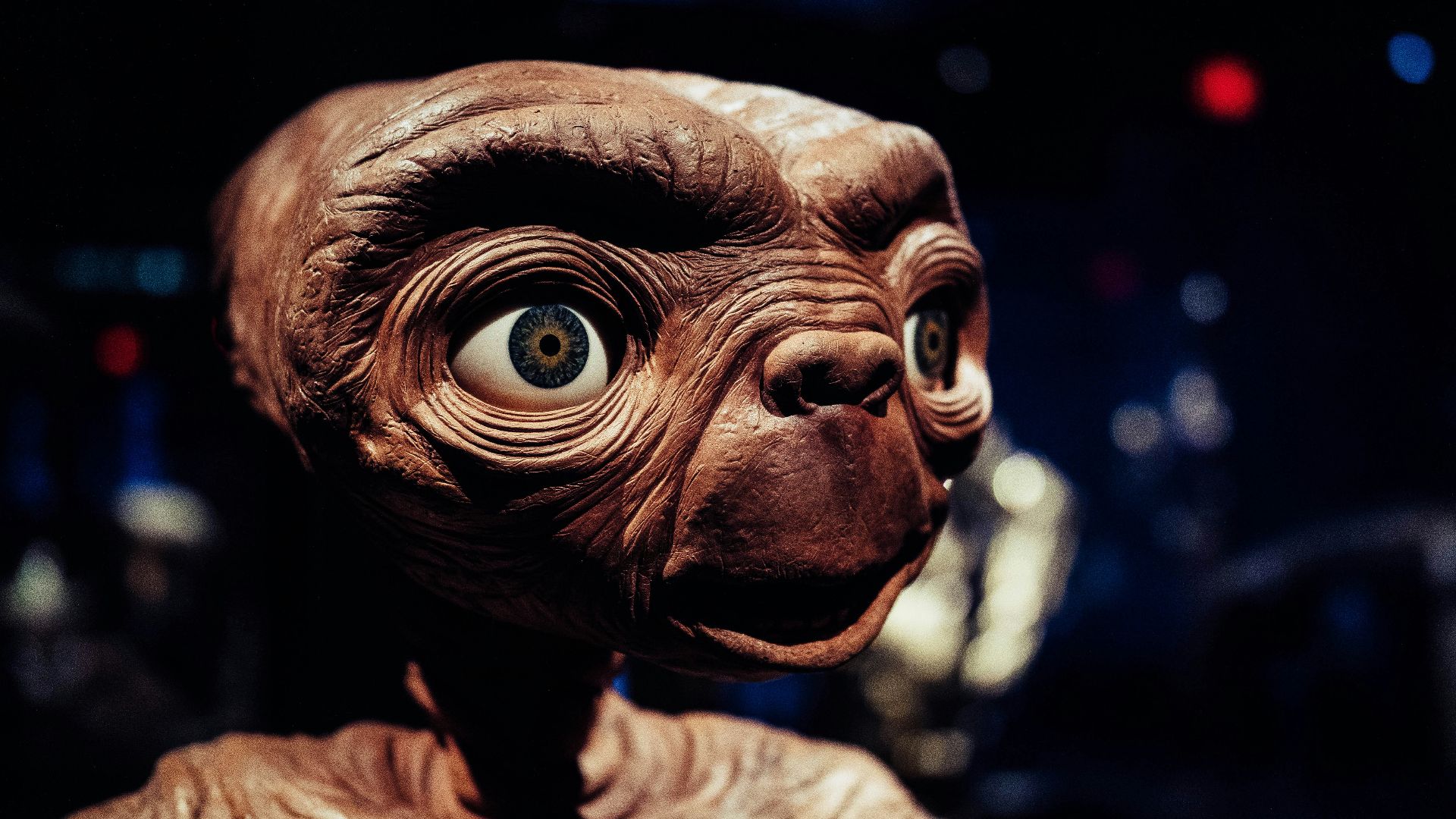
This is probably the most well-known debacle of all time. Atari dropped an absurd amount of money on the rights to the movie, then developed the game in only five weeks. They manufactured millions of cartridges, assuming every household with a console would need multiple copies.
2. Shenmue
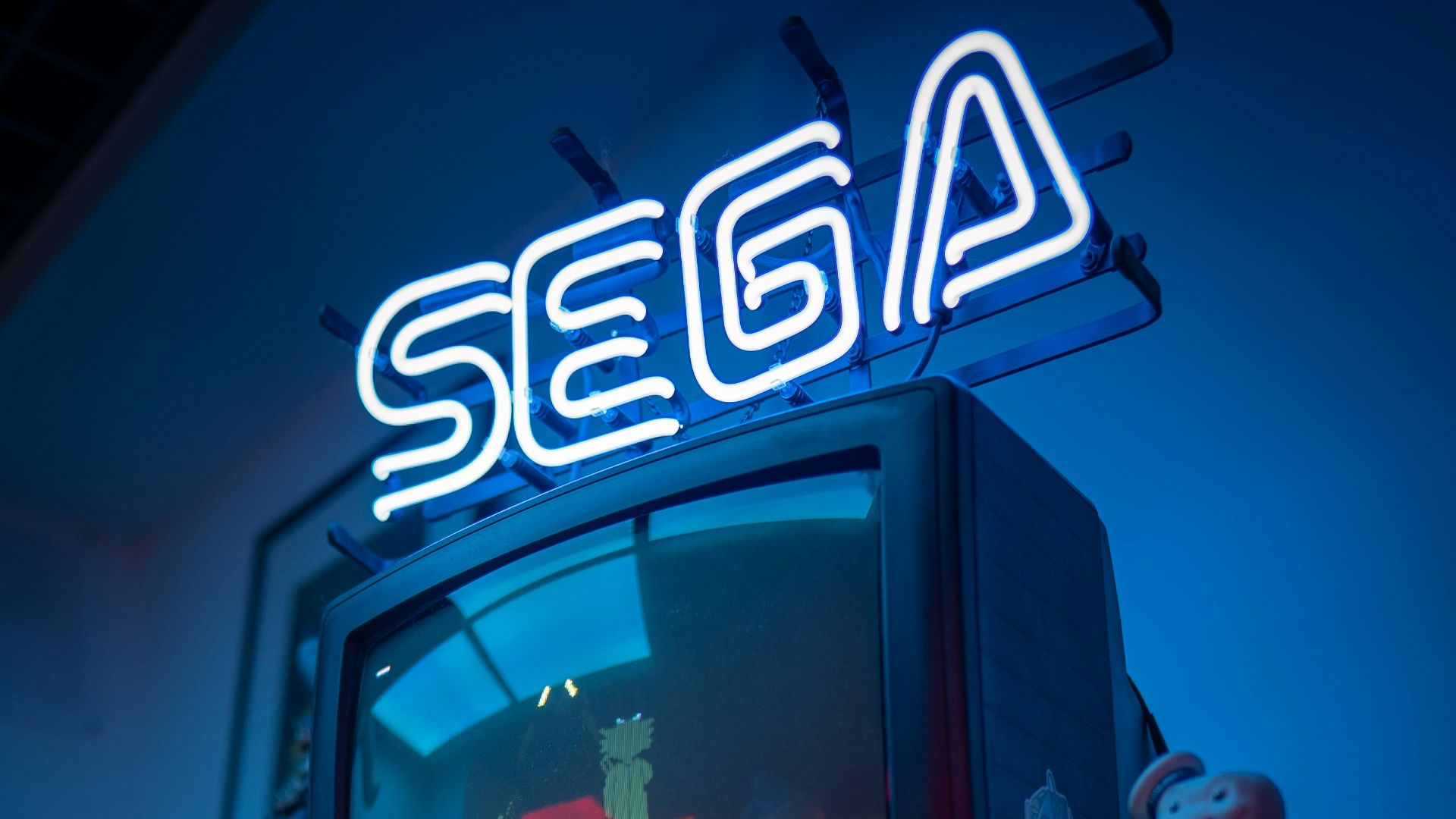
This epic adventure game cost more to make than any game before it when it released on the Dreamcast. For it to turn a profit, every owner of the console would’ve needed to purchase two copies each. You may love how quirky and atmospheric the world feels, but it devastated Sega financially and was a big reason they abandoned console manufacturing.
3. Kingdoms of Amalur: Reckoning
Developed by high-profile fantasy novelist R.A. Salvatore, this RPG seemed poised for success. But the developer took out a $75 million dollar loan from the government of Rhode Island that they never paid back. Despite selling over a million copies, it simply wasn’t enough to cover their debt.

4. Grim Fandango
If you’ve seen a top games of all time list, you’ve probably seen this title at the top. Despite its excellence and cult following, sales were so low that AAA adventure games didn’t appear for years. Sometimes games just fly too far under the radar for the general public.
5. Okami
You control a sun goddess in wolf form who can paint over the world with a celestial brush. The gorgeous cel-shaded artwork won awards aplenty, but never saw high sales on PS2. Sadly, the studio went under right after this game launched.
 Taelynn Christopher on Unsplash
6. Psychonauts
Tim Schafer’s journey into the minds of eccentric characters is celebrated today as a masterpiece of creative level design. Back when it launched in 2005, however, it was a major commercial flop that left its publisher in a very difficult spot. It took nearly a decade of word-of-mouth and digital sales for this quirky title to finally find the large audience it always deserved.

7. Dead Space 3
EA claimed the game needed to sell 5 million copies worldwide just to be considered “viable.” By that standard, its sales of “only” 12 million were great, but didn’t come close to justifying development costs. You can thank that financial pressure for why this series hasn’t returned until now, a decade later.

8. L.A. Noire
In order to create the detailed animations needed to accurately depict facial expressions, they literally had to model each muscle of an actor’s face. Players enjoyed cracking cases as detectives, but by the time it released, Rockstar San Diego was bankrupt and couldn’t pay its employees.

9. Beyond Good and Evil
Ubisoft was ready to push this game about an investigative journalist exposing aliens all over the world. Unfortunately, it launched right alongside Halo 3 and Call of Duty 4, selling far below expectations. Fans have been crying out for a sequel ever since, but it hasn’t seen any money to recoup the losses.

10. Conker's Bad Fur Day
Rare decided to throw caution to the wind and make their beloved kart racer as adult as humanly possible. Nintendo was reluctant to market such an M-rated game, and the Nintendo 64 was nearing the end of its lifespan. The game has become a pricey collector’s item, but failed to make much money initially.

11. Spec Ops: The Line
This game is famous for its haunting story that subverts the typical military shooter tropes, but it didn't have the marketing muscle of something like Call of Duty. Most people ignored it at launch, and the development costs for such a high-quality production were never fully recouped. You’ll find it’s a favorite among critics.
 Glenn Carstens-Peters on Unsplash
12. Alan Wake
Remedy invested five years into this noir thriller and was left devastated at its weak initial launch. Launching on the same day as Red Dead Redemption was always going to be an uphill battle. Thankfully, they kept at it through word of mouth.

13. The Last Guardian
Critically praised for the relationship you develop with your giant dog robot Trico, but it couldn’t match the insane amount of development hours. After spending almost a decade in development, the budget had skyrocketed to heights that sales could never reach.
 Nikita Kachanovsky on Unsplash
14. Bayonetta
Beautiful, stylish, and absolutely over-the-top, this action game still struggled to find an audience. Sega was reportedly unhappy with sales and expected Sega to fund future games in the series. Nintendo stepped in and gave them money to continue developing sequels.
 Dick Thomas Johnson from Tokyo, Japan on Wikimedia
15. Ico
As the spiritual predecessor to Shadow of the Colossus, this game is often cited by designers as a massive influence on the industry. Unfortunately, its minimalist cover art and quiet gameplay meant it barely made a ripple at retail stores. It's a prime example of a game that is worth a fortune in cultural value but very little in actual profit.
16. Mirror's Edge
The parkour movement felt so revolutionary that it gave the entire game a minimalist and sharp visual style. EA took a huge gamble on an original IP but didn’t anticipate it wouldn’t reach blockbuster numbers. The game was too niche to survive upon release.

17. Eternal Darkness: Sanity's Requiem
This GameCube exclusive used psychological horror and tricks the game plays on you, like lowering the brightness on your TV or erasing your save file. Despite being one of the highest rated games for the system, it sadly flopped, and Half-Life had a very hard time recovering.

18. Def Jam: Icon
The first two games in this hip-hop wrestling series were massive hits, but the third entry tried to change the formula too much. It focused on a complicated "rhythm-based" combat system that confused fans and led to dismal sales. You can tell the studio lost a lot of money on this one because the series has been completely dormant for almost two decades.
19. Prince of Persia (2008)
Along with a painterly art style, Ubisoft had envisioned a magical owl companion that would help you solve puzzles. The cinematic game was gorgeous but failed to capture the huge following of the prior Sands of Time games. Continuing such a high-quality franchise likely would have cost more money than it made.

20. Duke Nukem Forever
Holding the record for one of the longest development cycles in history, this game spent fifteen years in "development hell." By the time it finally came out, the technology was dated and the humor felt like a relic of the past. It’s almost impossible for a game to make a profit after fifteen years of paying staff and switching game engines multiple times.