From Retro Arcade Classics To Modern Multiplayer Marathons
Olympic video games have been capturing the thrill of athletic competition since the early arcade days of button-mashing sprint events and crude pixelated long jumps. What started as simple timing challenges evolved into fully licensed simulations with motion-captured athletes, career modes tracking your rise from unknown to gold medalist, and multiplayer modes that turn your living room into a makeshift Olympic stadium. The best entries blend accessibility with depth, offering enough events to keep things fresh while nailing the fundamentals of whatever sport they're simulating. Whether you're chasing world records in track and field, mastering the perfect snowboard landing, or watching Mario and Sonic settle their rivalry on the 100-meter dash, these 20 games prove that Olympic competition translates remarkably well to controllers and screens.
1. London 2012
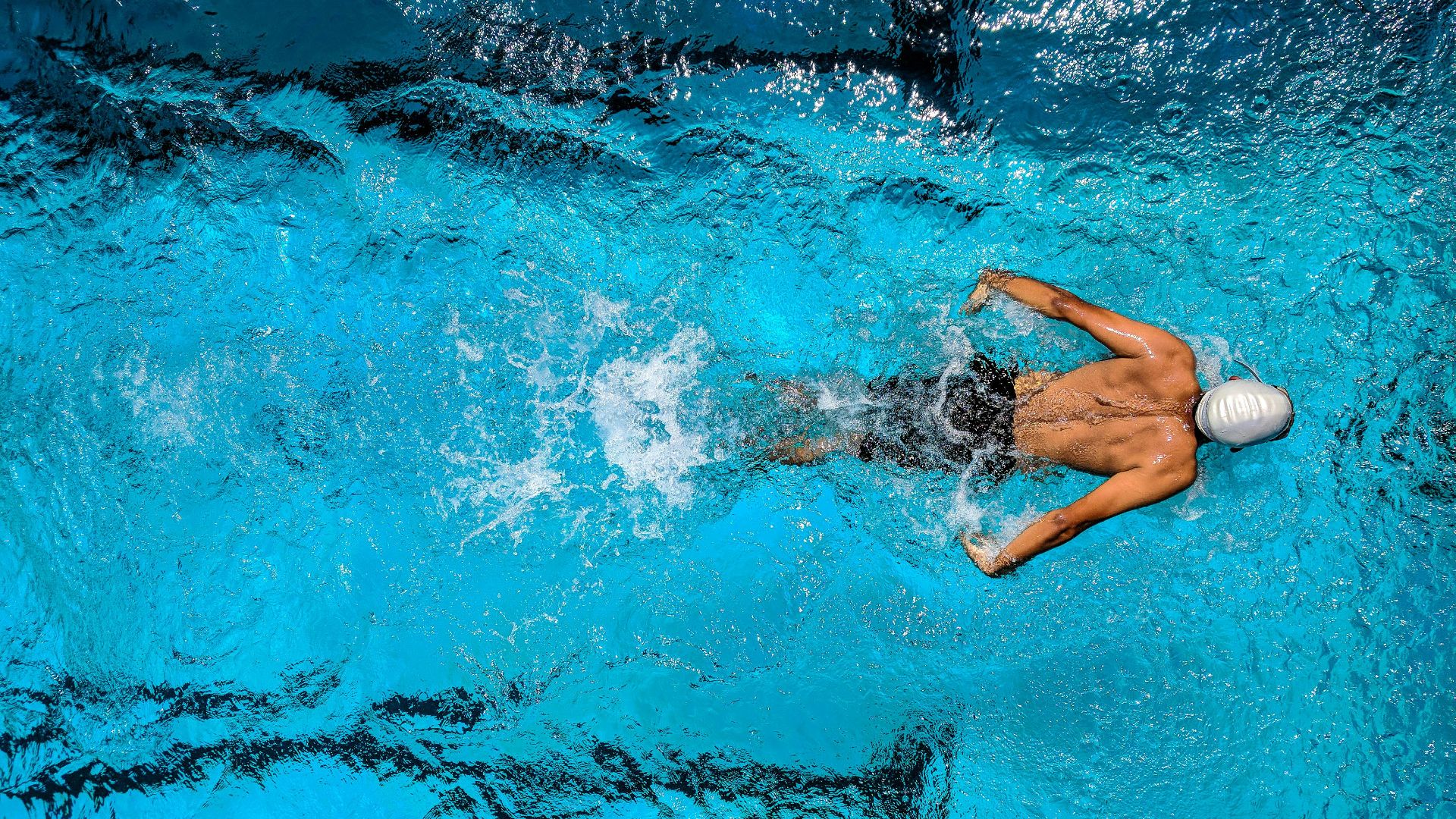
The 2012 official tie-in stands as one of the most polished Olympic simulations ever released, with 38 motion-captured events that feel responsive and rewarding across track, field, swimming, and gymnastics disciplines. The progression system tracks your stats across multiple playthroughs, giving you tangible goals beyond just winning every event on your first attempt.

2. Beijing 2008
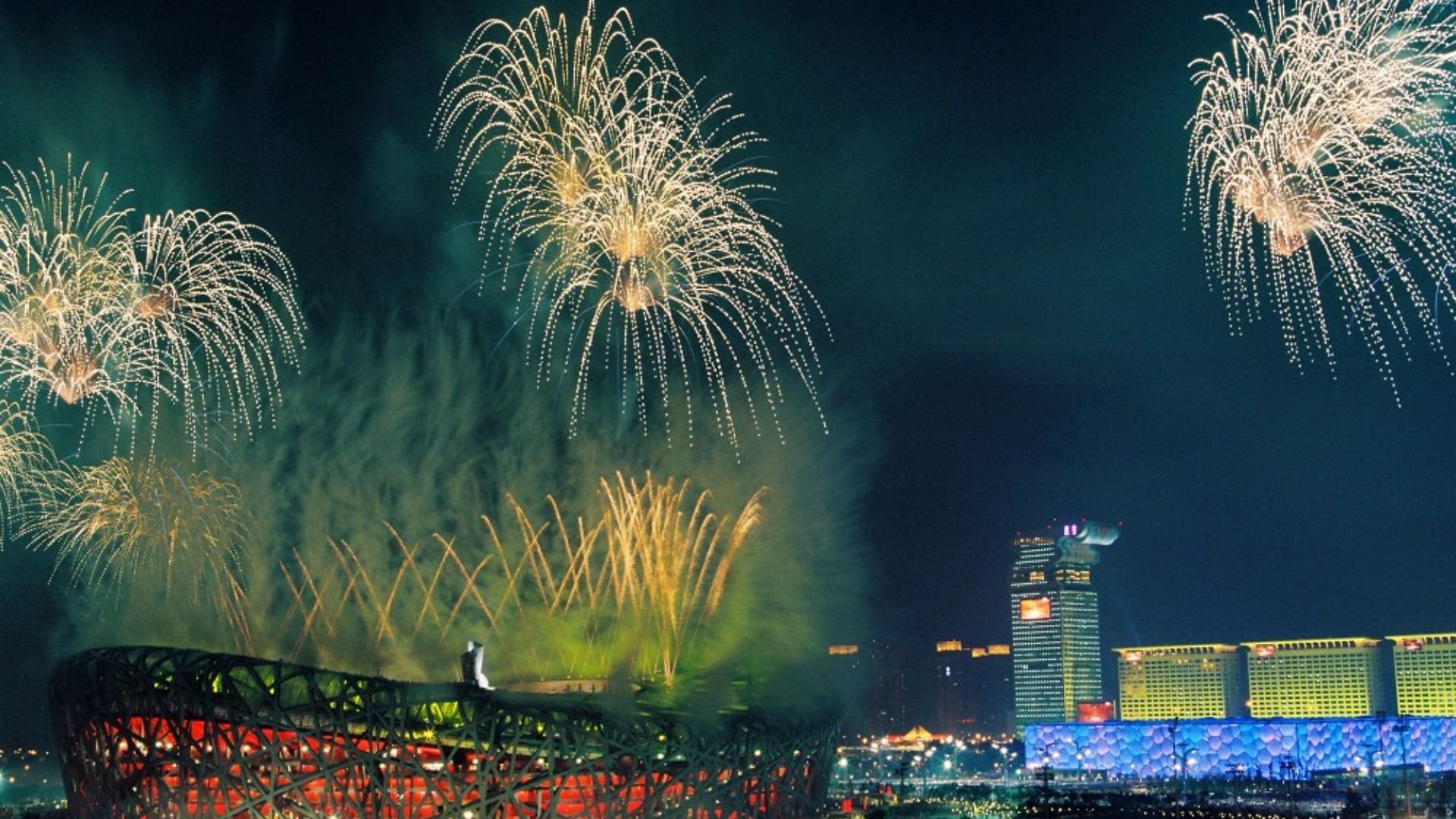
This entry delivered the most comprehensive event roster of any Olympic game, cramming in more than 40 different competitions, including rare games like hammer throw and rhythmic gymnastics that most titles skip. Career mode lets you build an athlete from regional competitions through to Olympic glory, tracking improvements and unlocking new training options along the way.
3. Athens 2004
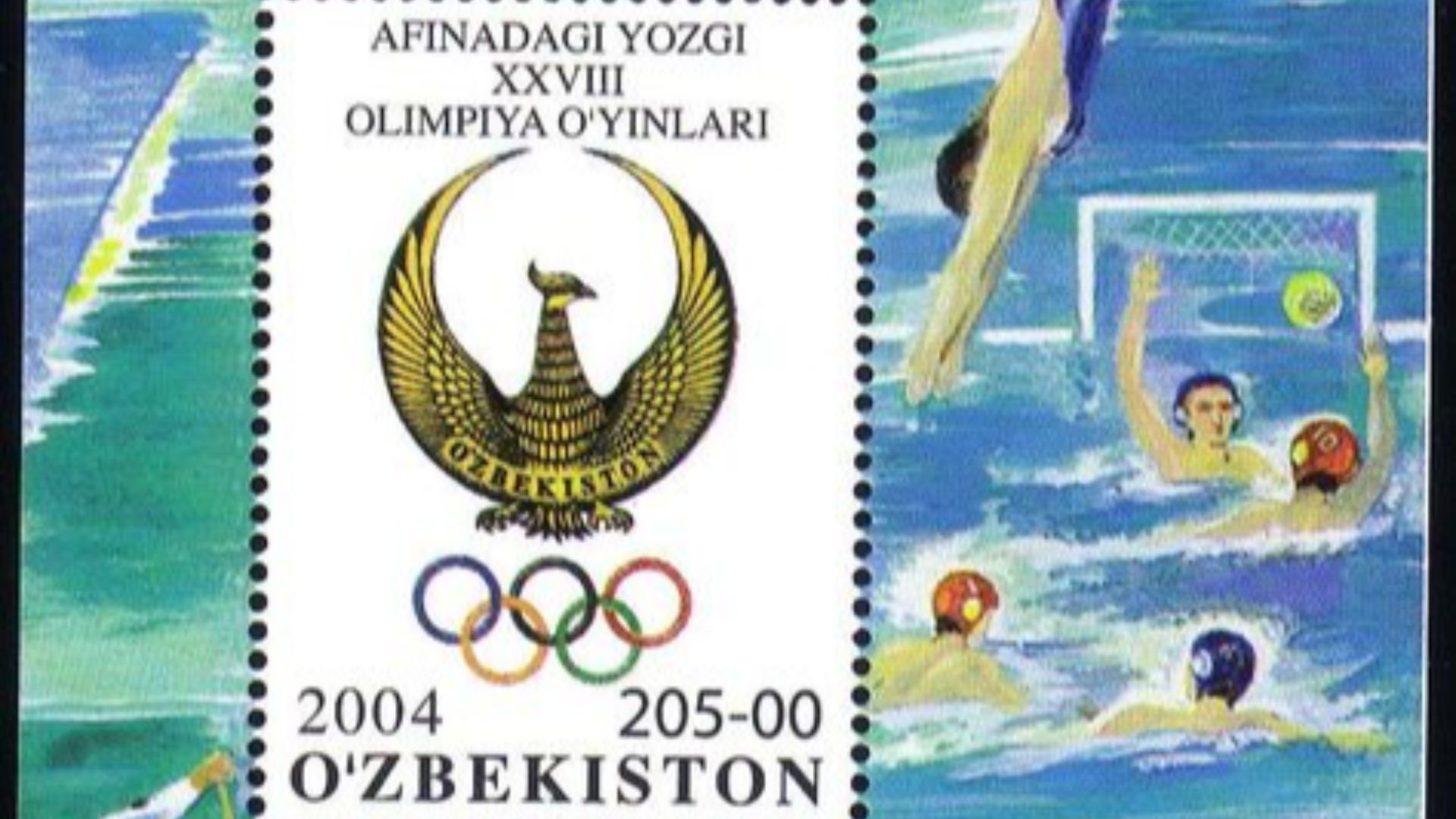
Athens 2004 pioneered many conventions that later Olympic sims would adopt, featuring over 800 athletes from 64 nations and multiple modes that let you approach the games casually or competitively. Despite some repetition in event structures, the sheer scope and charm make this a landmark title that set the template for everything that followed.
 Post of Uzbekistan on Wikimedia
4. Sydney 2000
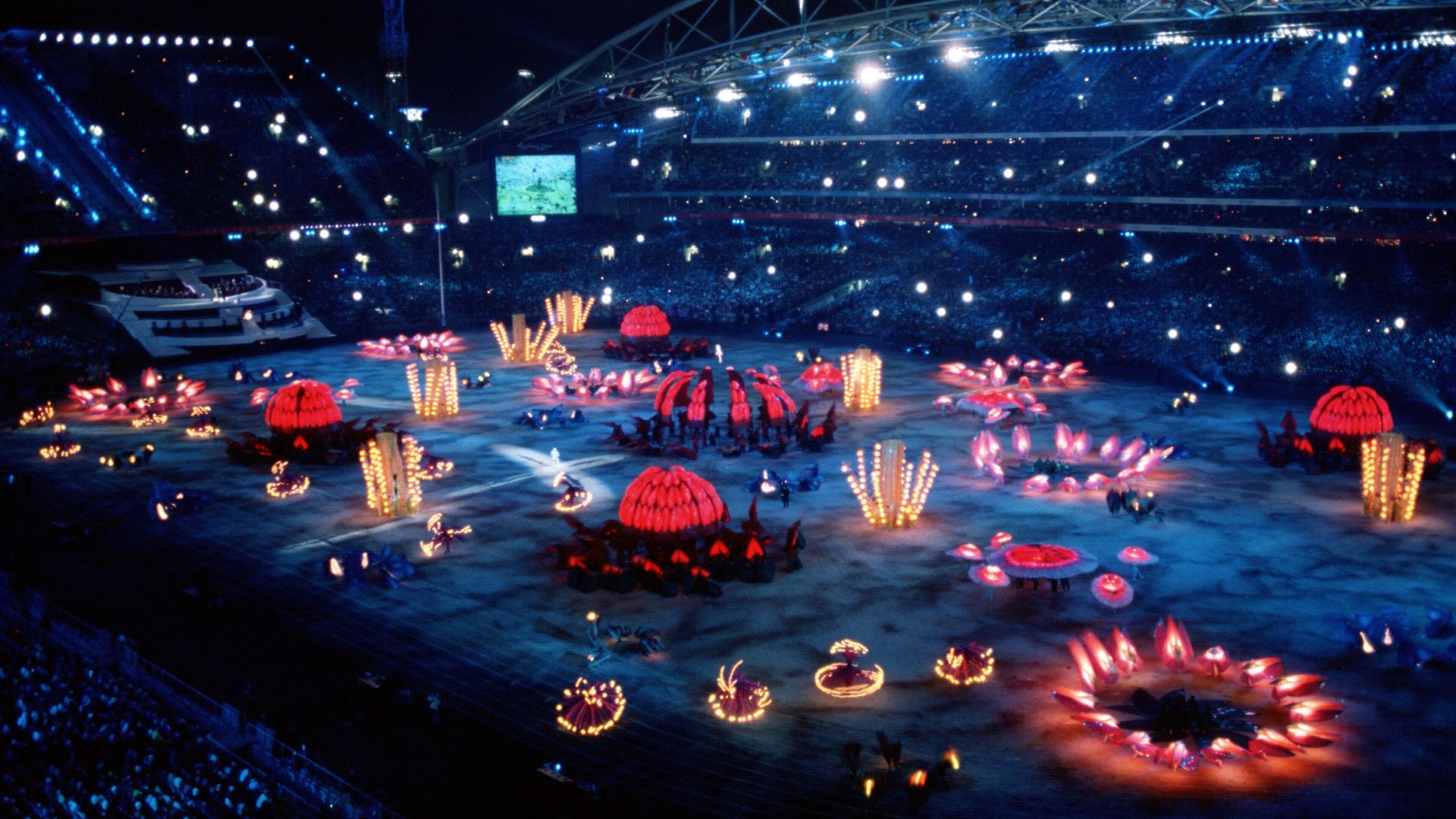
One of the early 3D Olympic games that actually nailed the fundamentals, Sydney 2000 balanced realistic physics with accessible controls across track, swimming, and field events. The PlayStation version captured the spirit of competition without demanding perfect execution on every attempt, letting you improve gradually, as any pro athlete does.
5. Torino 2006
Winter Olympics games often get overlooked, making Torino 2006's solid execution across 15 winter events particularly noteworthy for fans of bobsled, figure skating, and biathlon competitions. The winter setting provides a refreshing change of pace from the endless track and field simulations that dominate the Olympic game landscape.
6. Mario & Sonic At The Olympic Games Tokyo 2020
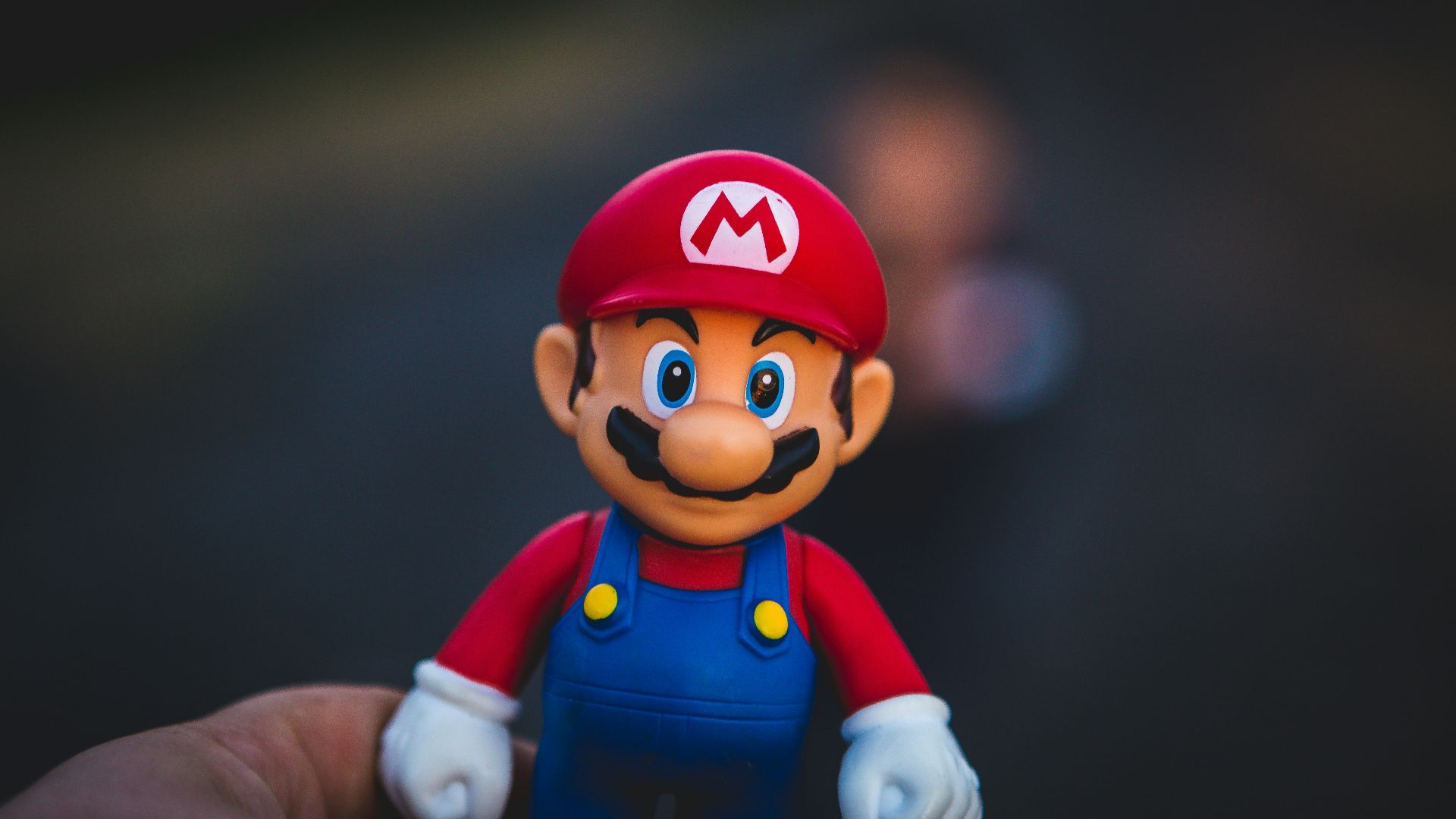
The most recent crossover entry packs in more than 30 events alongside a story mode that flashes back to the 1964 Tokyo Olympics with retro 2D graphics and simplified controls. Customizable athletes let you mix and match your favorite Nintendo and Sega characters, while the blend of realistic sports and whimsical minigames keeps things unpredictable.
7. Mario & Sonic At The Rio 2016 Olympic Games
Rio 2016 brought 17 core events plus carnival-themed challenges that leaned into the host city's party atmosphere, with more than 30 playable characters. The non-realistic approach suits the crossover concept perfectly, prioritizing fun over simulation accuracy in ways that let the mascot personalities shine.
8. Mario & Sonic At The Olympic Winter Games
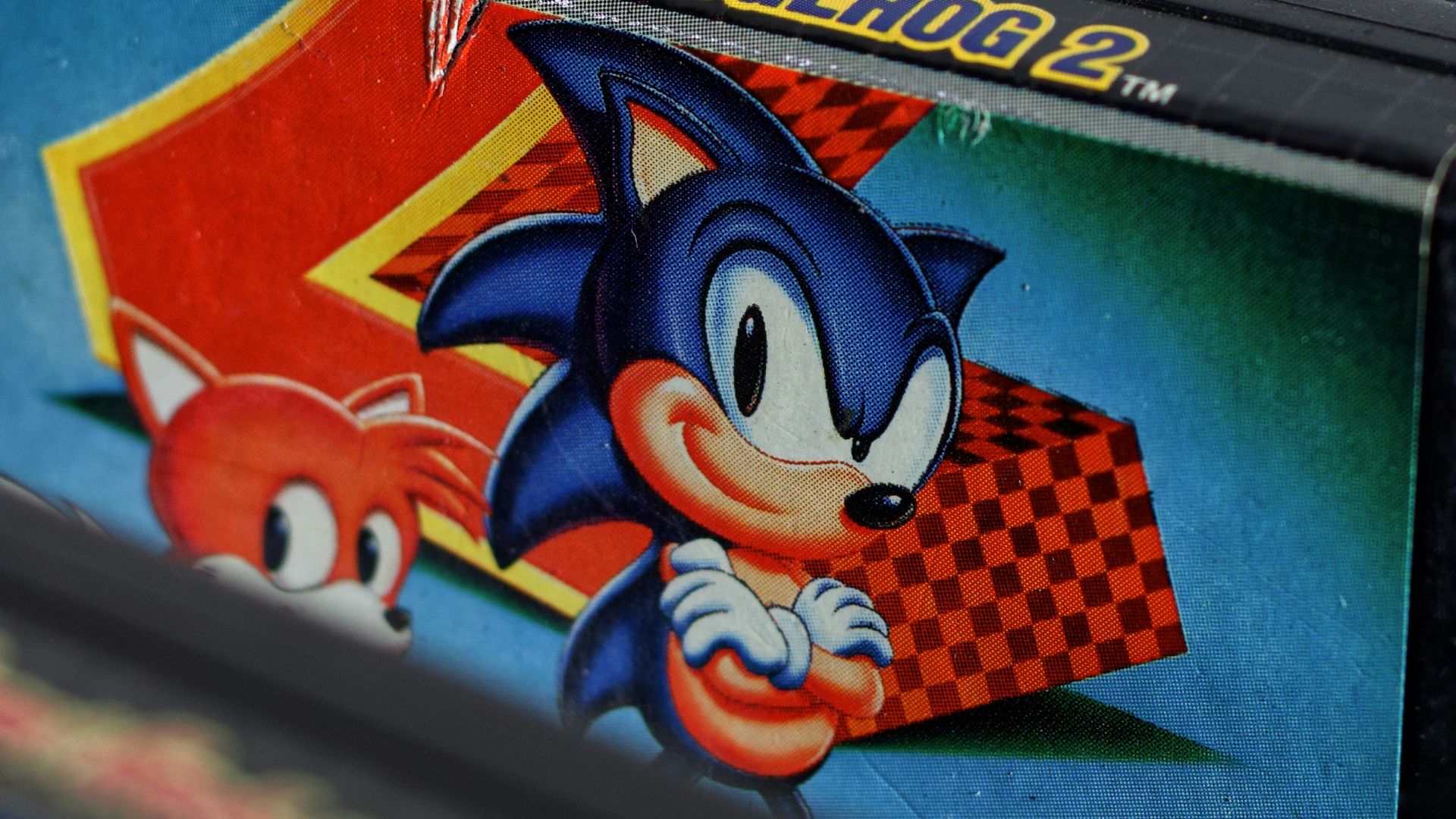
The winter edition adds snowboarding, skiing, and figure skating with arcade twists like character-powered jumps and over-the-top course designs that would never pass safety inspections. Wii motion controls worked surprisingly well for events like curling and ski jumping, adding a physical element not seen on other consoles.
9. Mario & Sonic At The Olympic Games (2008)
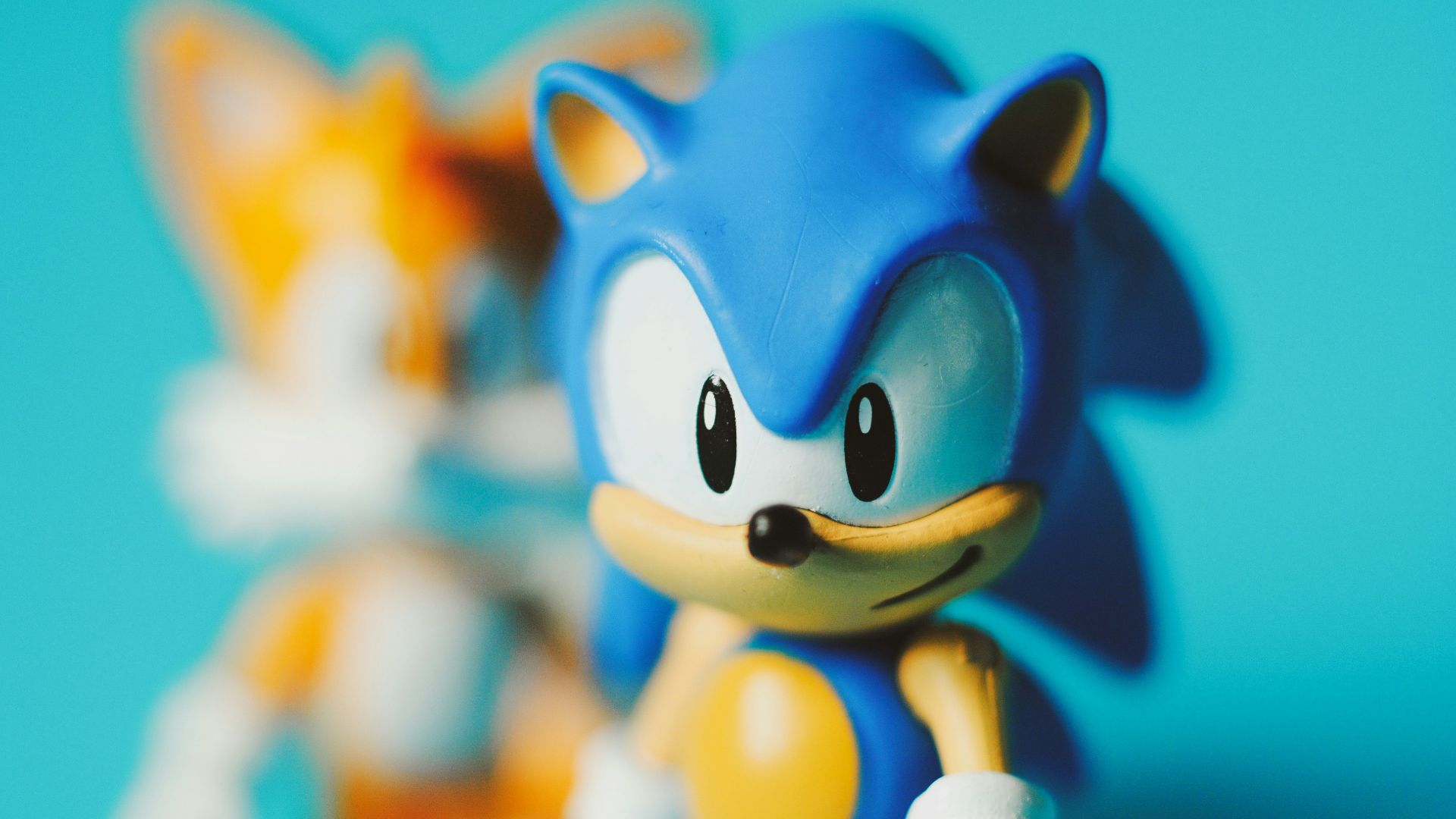
The original crossover hit introduced the concept with track, swimming, and gymnastics events that proved approachable for all ages while maintaining enough challenge to satisfy competitive players. Wii and DS versions each offered unique takes on the formula, with motion controls on console and stylus-based gameplay on handheld. This game sparked a beloved franchise that would span multiple Olympic cycles, proving the concept had legs beyond a single novelty release.

10. Olympic Gold: Barcelona '92
Officially licensed for the 1992 Games, this Sega Genesis title featured seven events highlighted by a creative diving competition that required precise timing and button combinations. The diving mechanic remains impressive even by modern standards, offering more depth than you'd expect from a game that's over 30 years old.

11. Track & Field
The arcade pioneer that launched the Olympic gaming genre featured sprinting, long jump, and other events with up to four-player simultaneous competition that created absolute chaos. Despite its unofficial status regarding Olympic licensing, this Konami classic established the blueprint for every Olympic party game that followed.

12. Track & Field II (1988)
The NES sequel expanded to 15 events, including fencing, pole vault, and other disciplines that required more varied inputs than pure button-mashing. Country selection added immersion by letting you represent different nations, while power-building challenges rewarded practice and skill development. The broader event selection elevated replayability significantly compared to the original, giving this sequel cult status among retro gaming enthusiasts.

13. Hyper Sports (1984)
Konami's early arcade entry threw in wild events alongside traditional Olympic competitions, creating frantic multiplayer action that prioritized entertainment over accuracy. The charm endures despite primitive graphics and sound, proving that solid gameplay fundamentals can overcome technical limitations.
14. Daley Thompson's Decathlon (1984)
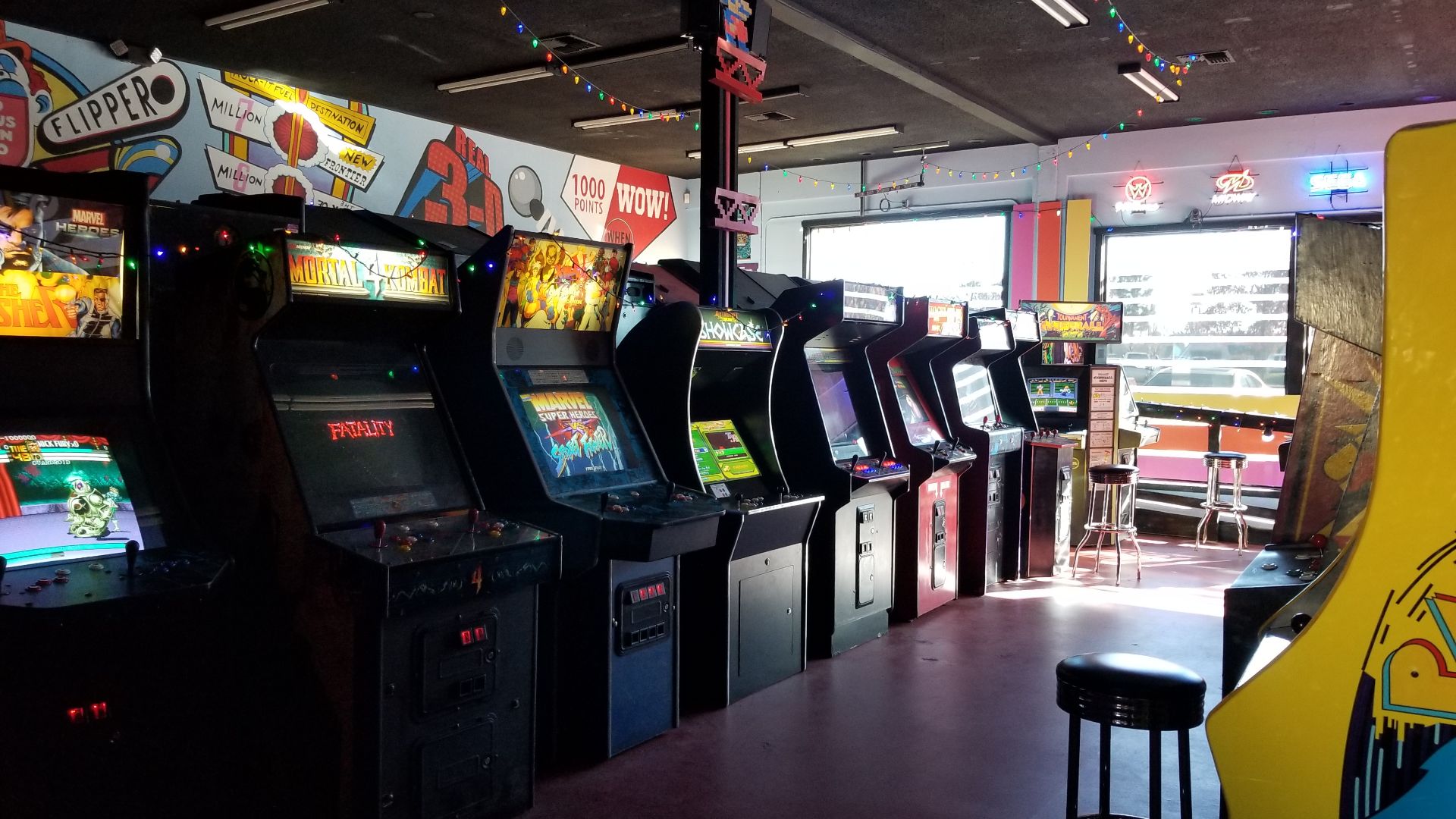
Named after the British track legend, this Commodore 64 and ZX Spectrum title forced players through all 10 decathlon events over two grueling in-game days that tested both skill and controller stamina. This remains a niche favorite for players who want something more demanding than casual Olympic party games.
 Federigo Federighi on Wikimedia
15. Nagano Winter Olympics '98
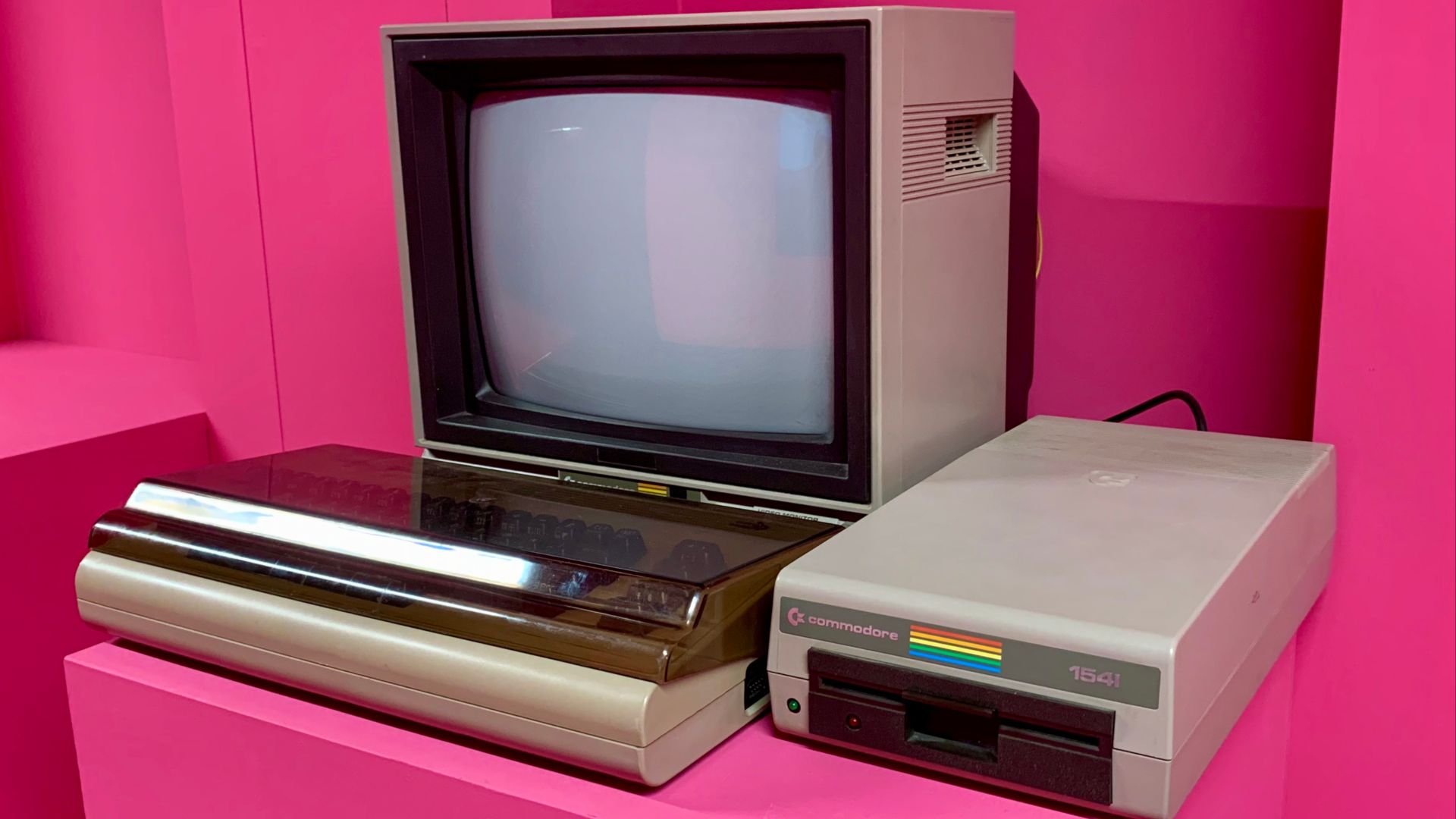
The first truly successful 3D winter Olympics game refined snowboarding and skiing with strategy and precision. N64 and PlayStation versions both delivered genre-defining visuals for the era, establishing what winter sports games could accomplish with proper 3D rendering. This stands as the most iconic winter Olympic title, influencing everything from SSX to later official Olympic releases.
16. Mario & Sonic At The Sochi 2014 Olympic Winter Games
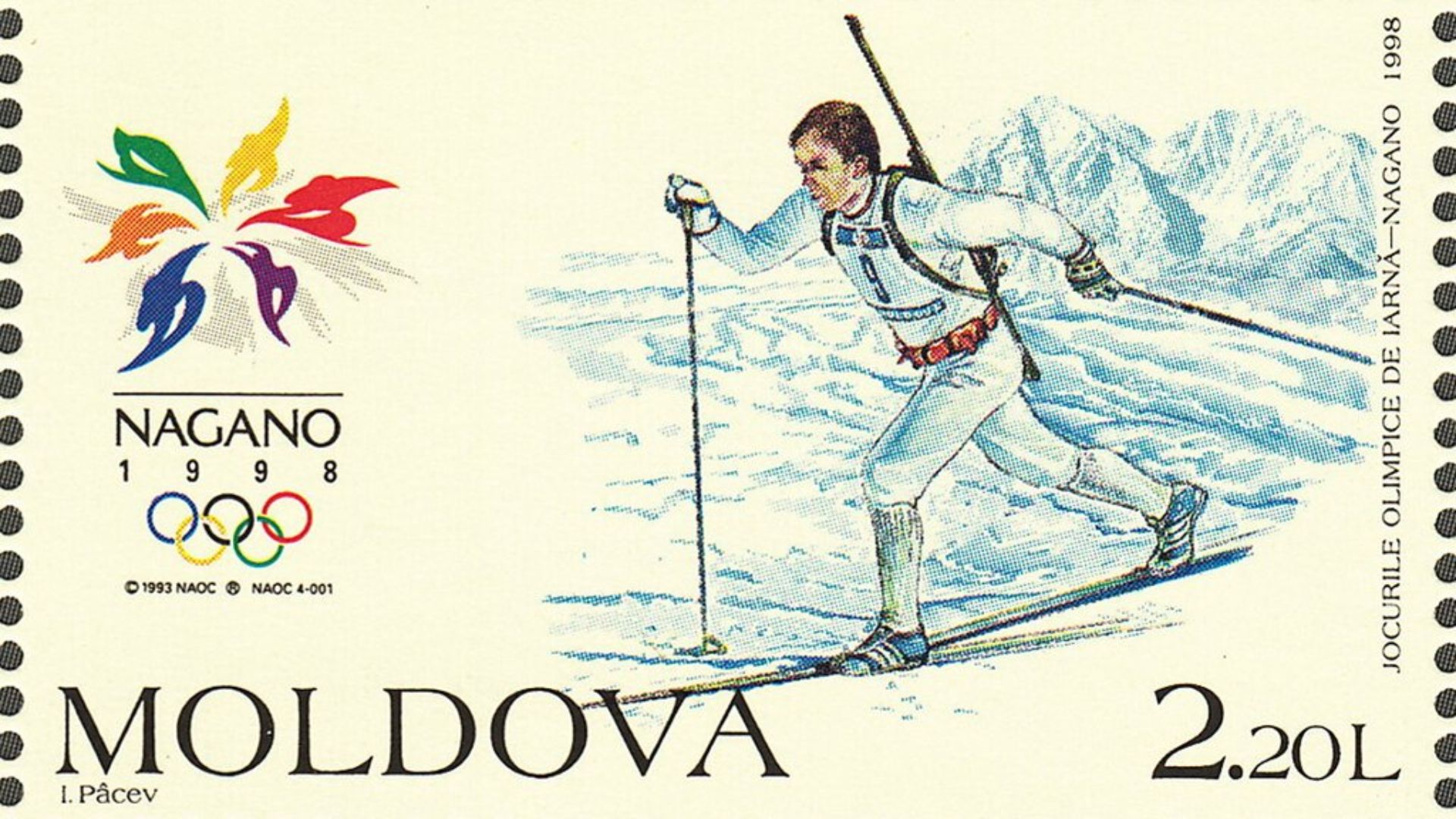
Sochi 2014 introduced dream events that mixed franchise elements beyond realistic sport simulation, featuring ice hockey and curling with character-specific twists. Adventure mode added narrative structure to the usual event gauntlet, giving you reasons to play beyond just chasing high scores.
 Cláudio Luiz Castro on Unsplash
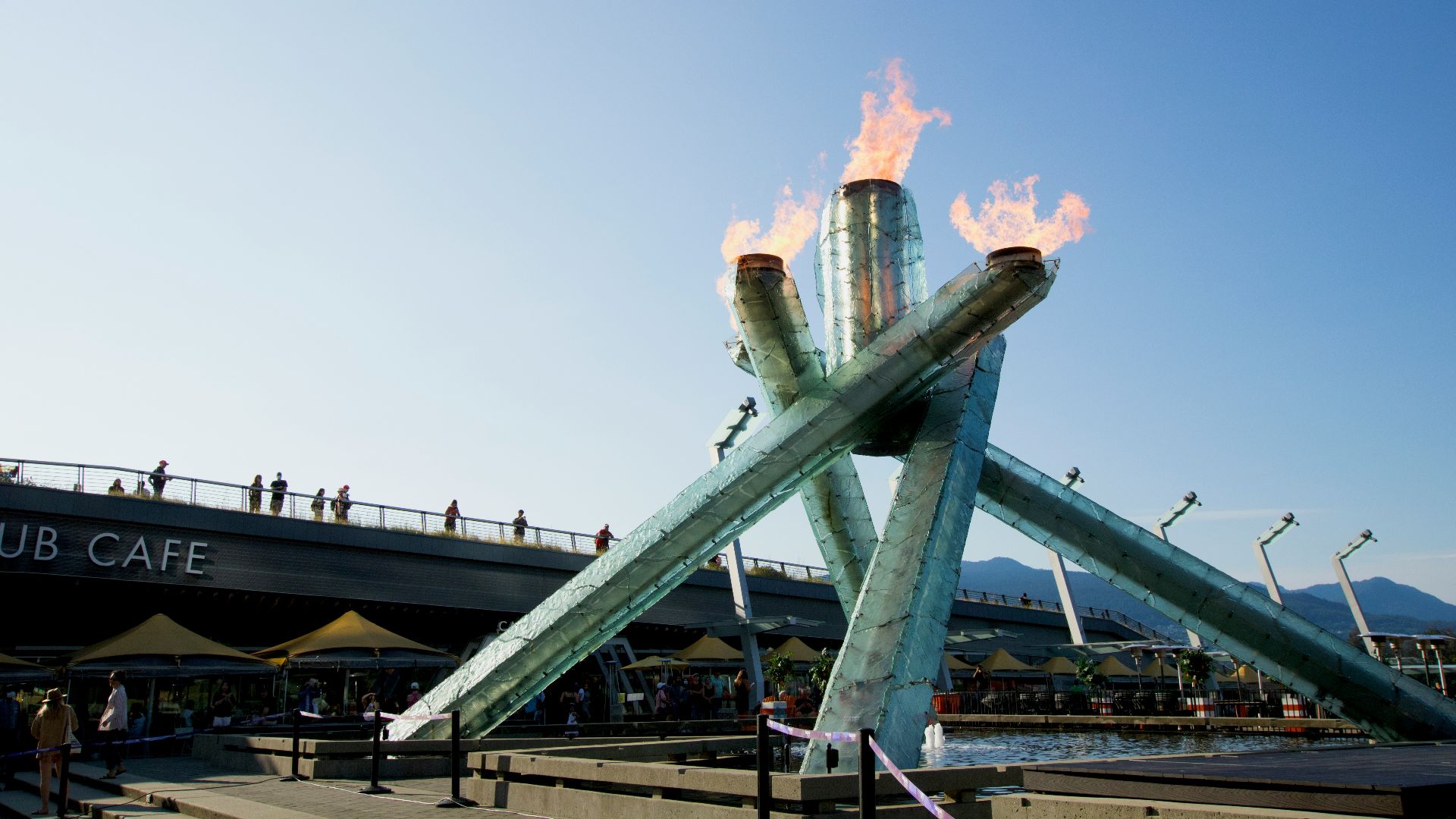
17. Vancouver 2010
This solid winter simulation featured 20 events with online multiplayer that let you compete against distant opponents, capturing some of the home-nation hype surrounding Canada's hosting duties. The PS3 and Xbox 360 versions prioritized multiplayer functionality over single-player depth, making this primarily a social experience.
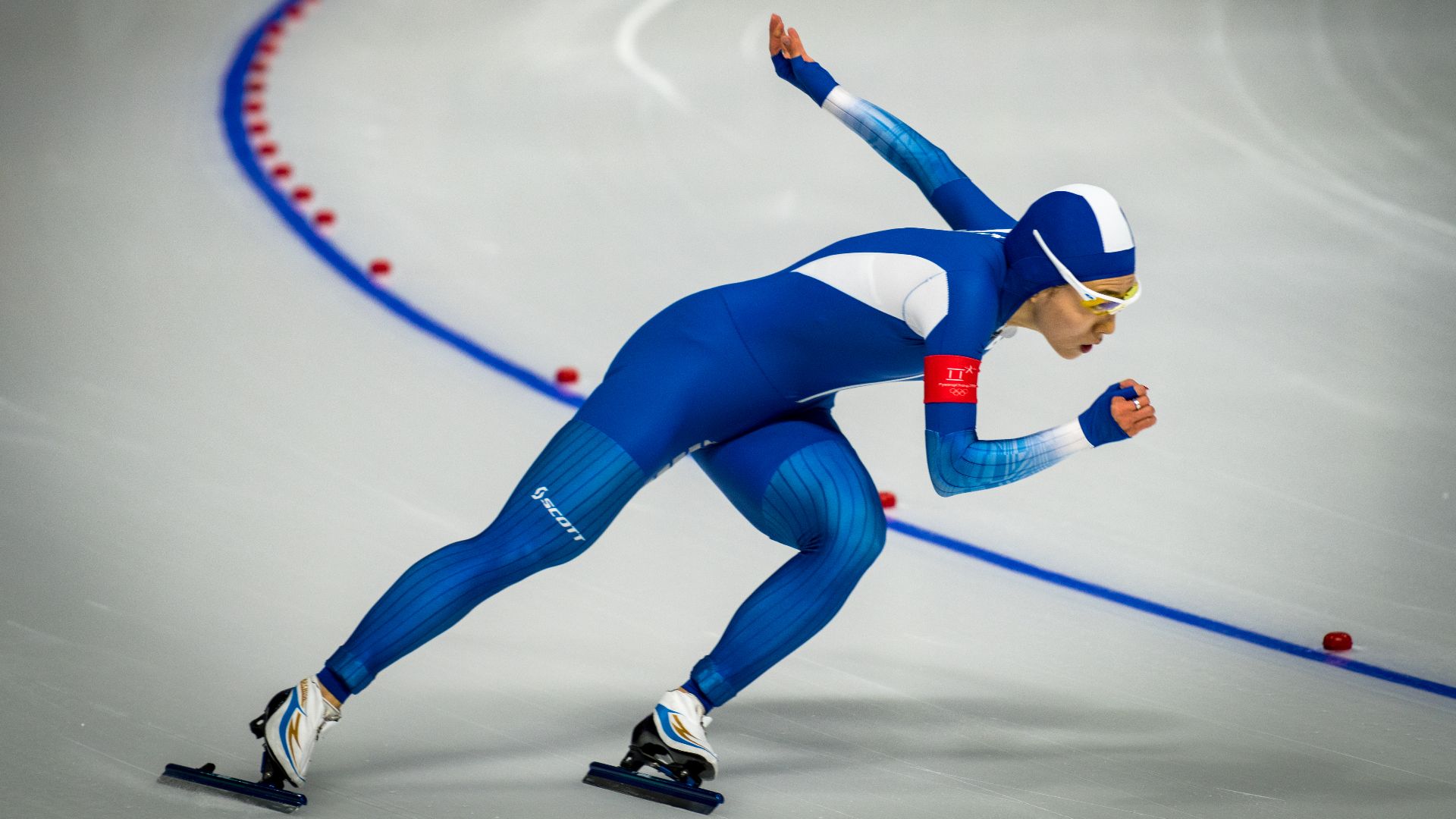
18. PyeongChang 2018
Party mode took center stage in this accessible entry that highlighted equestrian and curling alongside more traditional winter events. The PS4 and Switch versions aimed for newcomer-friendly controls that lower the barrier to entry, making this perfect for families or casual gaming groups.
 Andrew from New York, USA on Wikimedia
19. Olympic Games Tokyo 2020 (The Official Video Game)
The most recent official Olympics game offered extensive customization across 18 sports, letting you create athletes with specific appearances and attributes. The athlete creator adds personalization that increases investment in your performance, making victories feel more meaningful.
20. Summer Athletics 2009
This underrated Wii title featured unique minigames alongside traditional events, with training modes and online leaderboards that extended replay value. Progression systems added depth beyond just replaying events for better times, giving you unlockables and upgrades to pursue.