
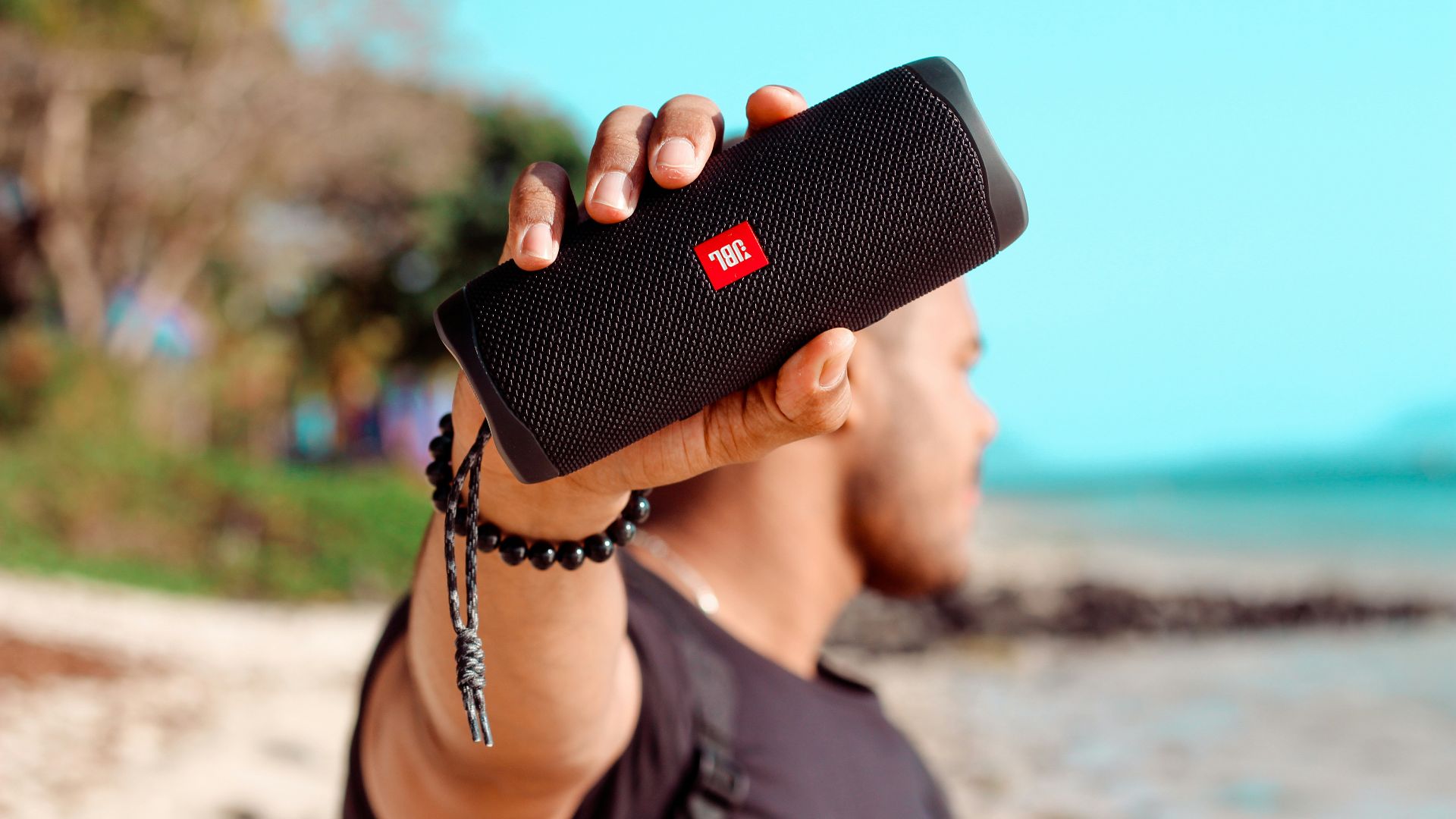
Wireless earbuds, smartwatches, speakers, and fitness trackers have become a large part of everyday life for millions of people. Bluetooth technology quietly keeps these devices connected, making it easier to listen to music, answer calls, or sync health data without dealing with tangled cords. As Bluetooth devices become more common, however, questions about their long-term safety continue to surface.
Some people worry that wearing Bluetooth earbuds for hours each day could expose them to harmful radiation or increase the risk of serious health problems. Others argue that the technology is perfectly safe and that concerns are based more on misunderstanding than evidence. While Bluetooth does use radiation, research so far has shown it to be safe. However, as we are using it at unprecedented levels, many are choosing to proceed with caution anyway.
Bluetooth Uses Radio Waves, But Not the Kind Most People Fear
Bluetooth devices communicate using low-power radio frequency (RF) waves, a form of non-ionizing electromagnetic radiation. For a lot of people, hearing the word "radiation" is enough to set off alarm bells, but unlike ionizing radiation, such as X-rays or gamma rays, these radio waves don't have enough energy to damage DNA or directly alter cells.
Another point that's easy to overlook is just how little power Bluetooth devices use. Wireless earbuds, for example, typically transmit at a fraction of the power used by a smartphone during a phone call. In many situations, your Bluetooth headphones are producing a much weaker signal than the phone sitting in your pocket or hand.
Distance also affects exposure. Bluetooth is designed for short-range communication, usually within about 30 feet, so it doesn't need a powerful signal to function. Engineers intentionally keep transmission power low because stronger signals would only waste battery life without improving everyday performance.
What Does the Research Actually Say?
Scientists have been studying radio frequency exposure for decades, including the frequencies used by Bluetooth and other wireless technologies. So far, research has not found convincing evidence that Bluetooth devices cause cancer or other serious health conditions when used within established safety guidelines. Organizations such as the World Health Organization (WHO), the U.S. Food and Drug Administration (FDA), and the American Cancer Society all note that current evidence hasn't demonstrated harmful effects from the low-level RF exposure produced by Bluetooth devices.
However, that doesn't mean scientists have stopped asking questions. Researchers continue to study the long-term effects of wireless technologies because they're now used more frequently than ever before. Ongoing research is common in public health, especially as new devices and patterns of use emerge over time.
Some of the concern surrounding Bluetooth stems from studies involving much higher levels of radio frequency exposure than consumers typically experience. Laboratory conditions often don't reflect how people actually use wireless earbuds or smartwatches in everyday life. As a result, those findings can't automatically be applied to Bluetooth devices without additional evidence.
You may also come across claims that Bluetooth earbuds "cook" your brain or expose you to dangerous amounts of radiation. Those statements aren't supported by the current body of scientific evidence. While it's healthy to ask questions about new technologies, it's equally important to evaluate where the information comes from and whether it's backed by credible research. In short, don't freak yourself out for no reason.
Should You Be Concerned?
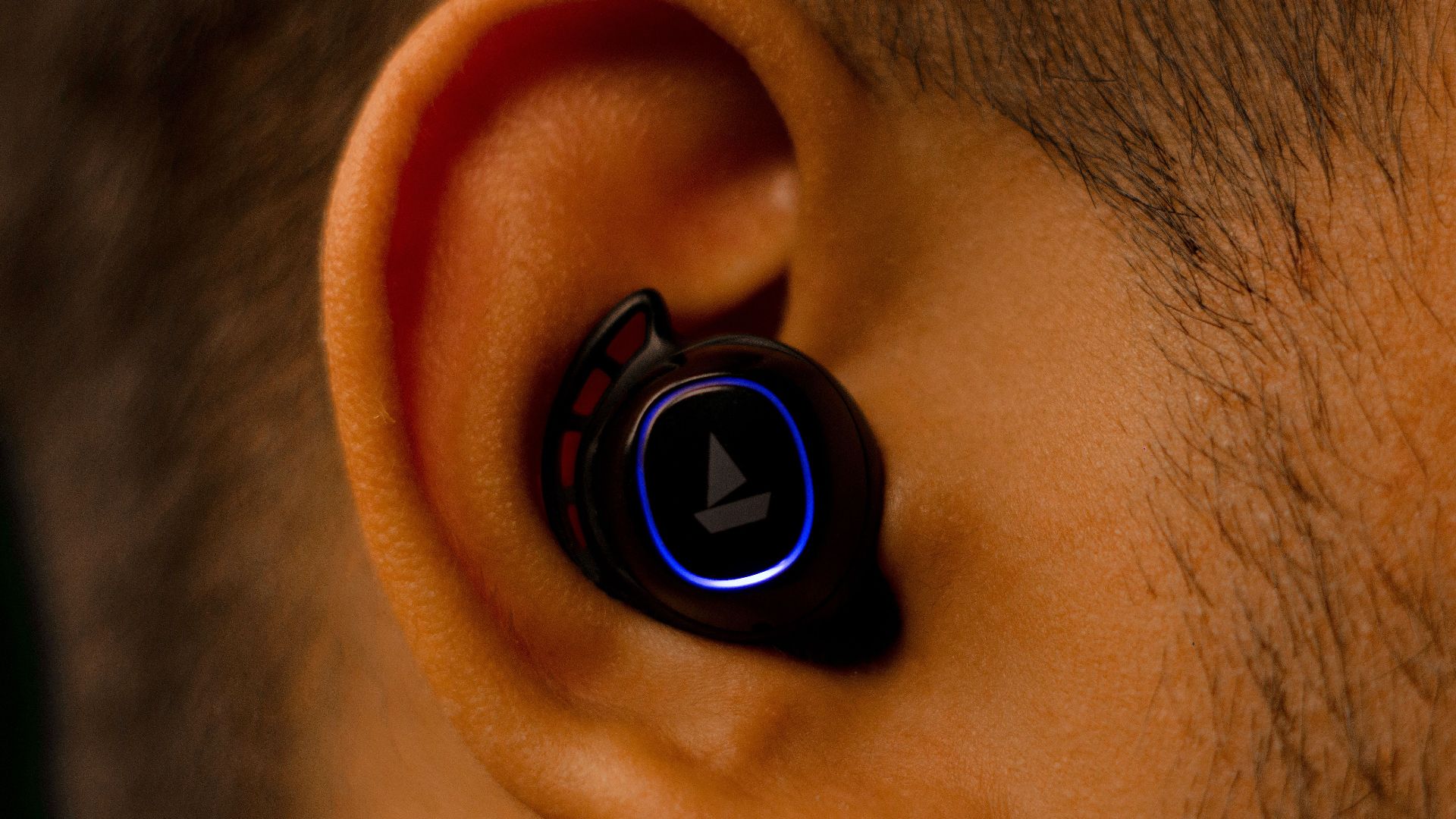
For most people, the biggest health risks associated with Bluetooth devices have little to do with radio waves and have everything to do with blasting noise directly into your ears. Listening to music at high volumes through wireless earbuds can contribute to hearing damage over time, regardless of whether the connection is wired or wireless. Safe listening habits are likely to have a much greater impact on your long-term health than Bluetooth itself.
Comfort and hygiene are also worth considering if you wear earbuds for extended periods. Keeping earbuds in for many hours may increase moisture inside the ear canal, potentially contributing to irritation or, in some cases, infections. Regular cleaning and giving your ears occasional breaks can help reduce those risks.
If you're still uncomfortable with Bluetooth exposure, there are simple ways to reduce it without giving up wireless technology altogether. You can alternate between speakers and earbuds, remove your headphones when you're not actively using them, or choose wired options when convenient. These choices are based on personal preference rather than a demonstrated medical necessity, but they may provide peace of mind.
Ultimately, the evidence available today suggests that Bluetooth is not considered harmful when used as intended. Scientists continue to monitor new research, and recommendations could evolve if compelling evidence emerges in the future. For now, experts generally agree that everyday Bluetooth exposure is very low, while habits like protecting your hearing, exercising regularly, eating a balanced diet, and getting enough sleep are likely to have a far greater influence on your overall health.