The Gadgets and Platforms That Felt Permanent, Until They Weren’t
Here's the thing about technology: it has a talent for tricking us into thinking it's forever. A gadget appears in every living room, a platform becomes muscle memory, and suddenly you can't imagine life without it. Then, almost overnight, something faster or slicker shows up, and the thing you swore by starts collecting dust in a drawer. If you grew up loving games, gadgets, or just being online, you've watched this happen again and again. Buckle up for a nostalgia trip through 20 technologies that once felt unstoppable, until the world quietly moved on without them.
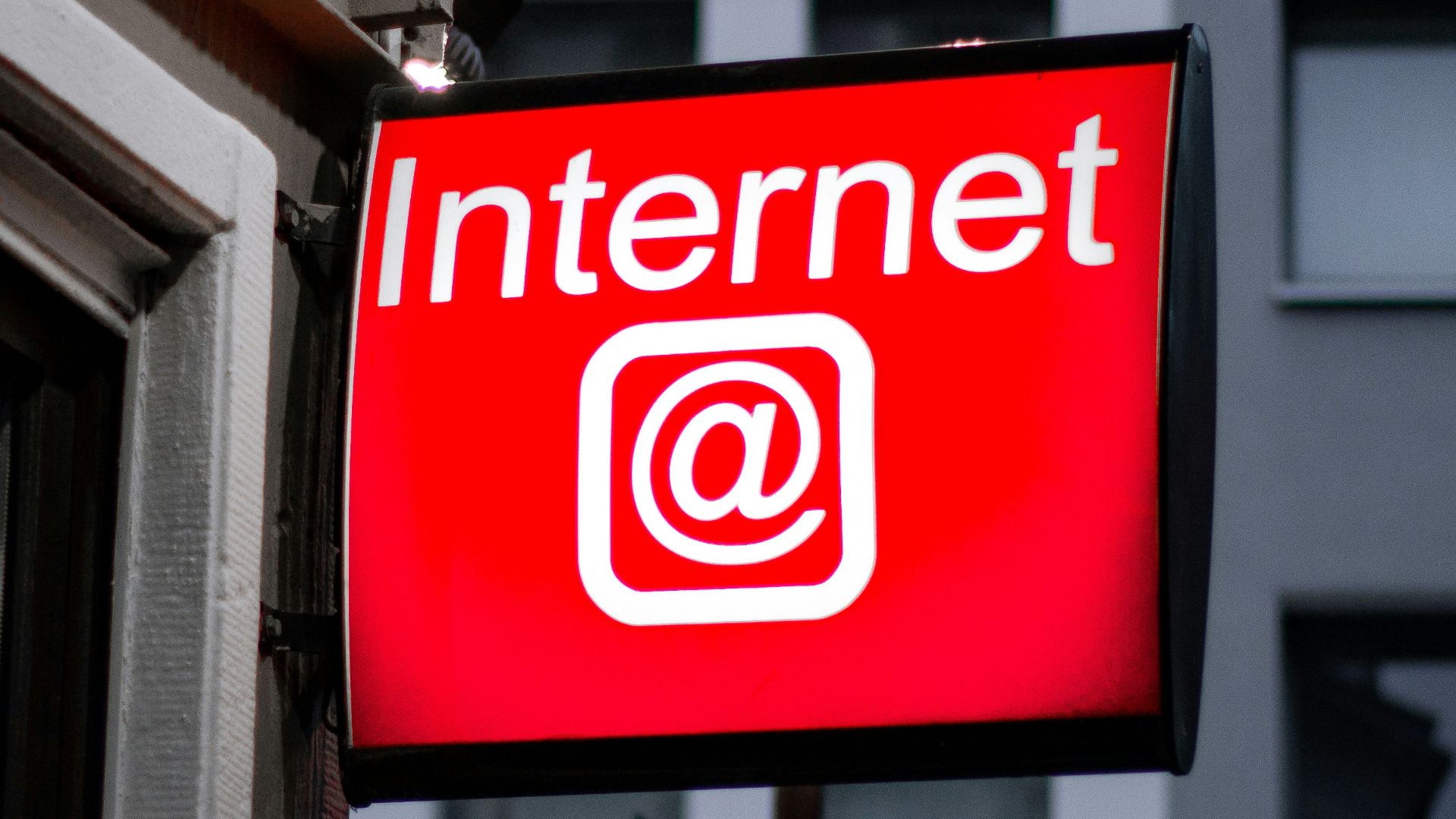
1. Dial-Up Internet
Remember that glorious, ear-splitting screech that meant the internet was finally loading? Back then, it also meant nobody in the house could use the phone. By December 2012, only three percent of Americans were still connecting this way at home. Try explaining to a kid today that you once waited five minutes just to load a single image.
2. Floppy Disks
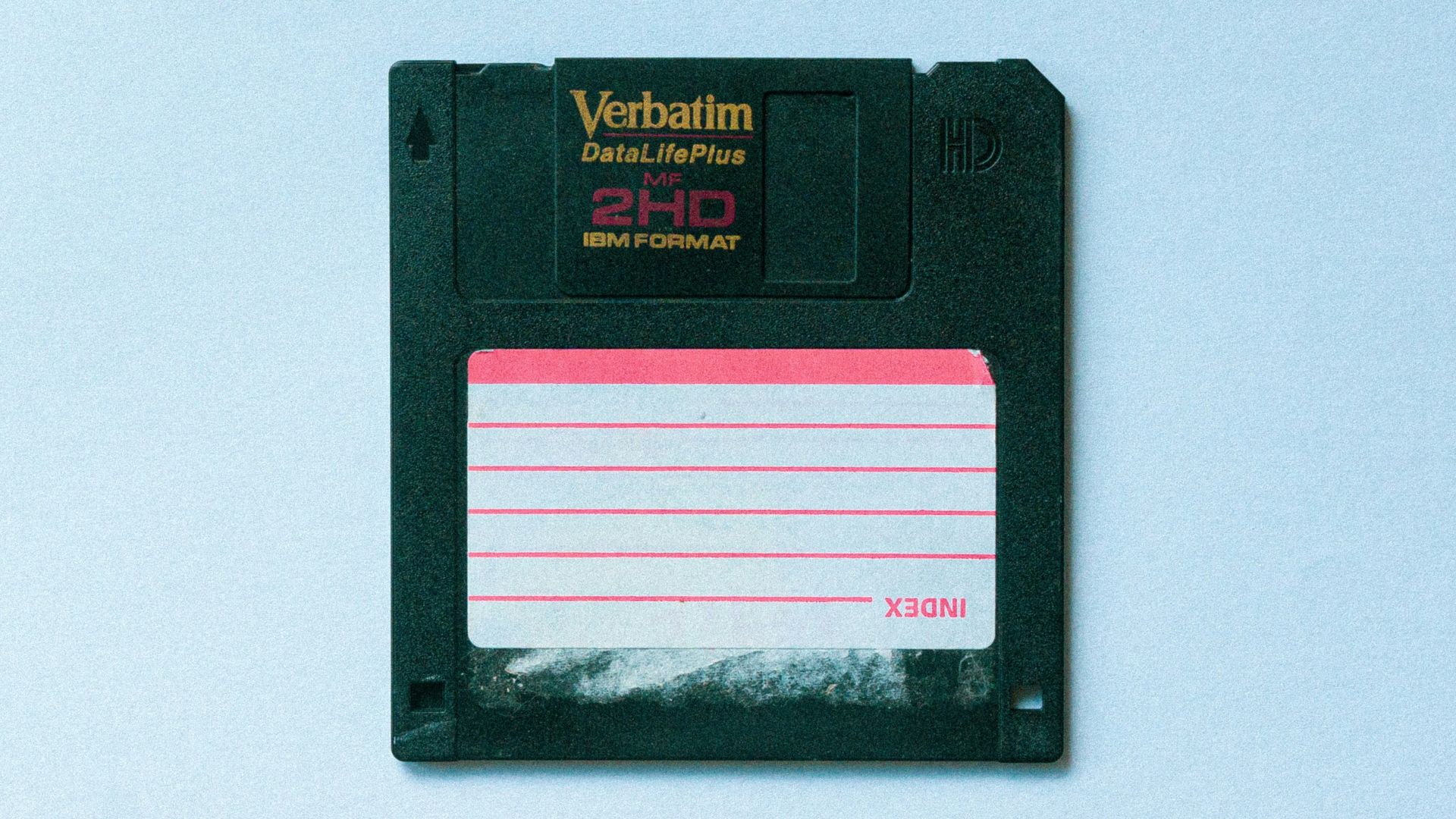
These flimsy little squares once carried entire school projects, software installers, and precious game saves, despite holding barely more data than a single modern photo. Faster, roomier storage eventually made them obsolete, but they refuse to fully disappear: that "save" icon you click a hundred times a day? Still a floppy disk.
3. VHS Tapes and VCRs
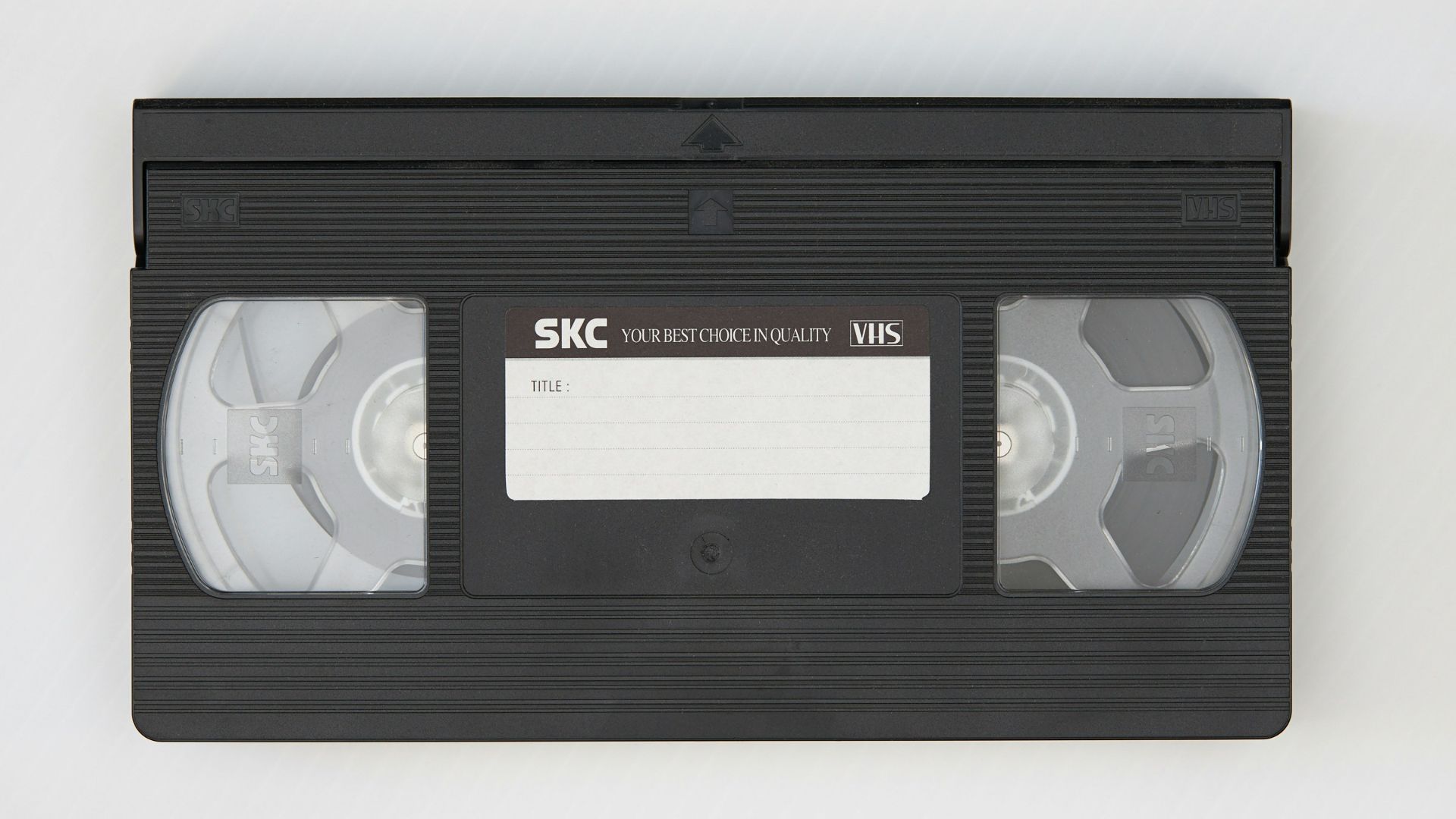
Movie night used to be a whole production: pick a tape, press play, and for the love of everything, rewind it before returning it. The last major VCR rolled off the line in 2016. And yet tapes haven't totally vanished. Collectors still swoon over that fuzzy, warm, unmistakably analog look.
4. DVD-by-Mail Rentals
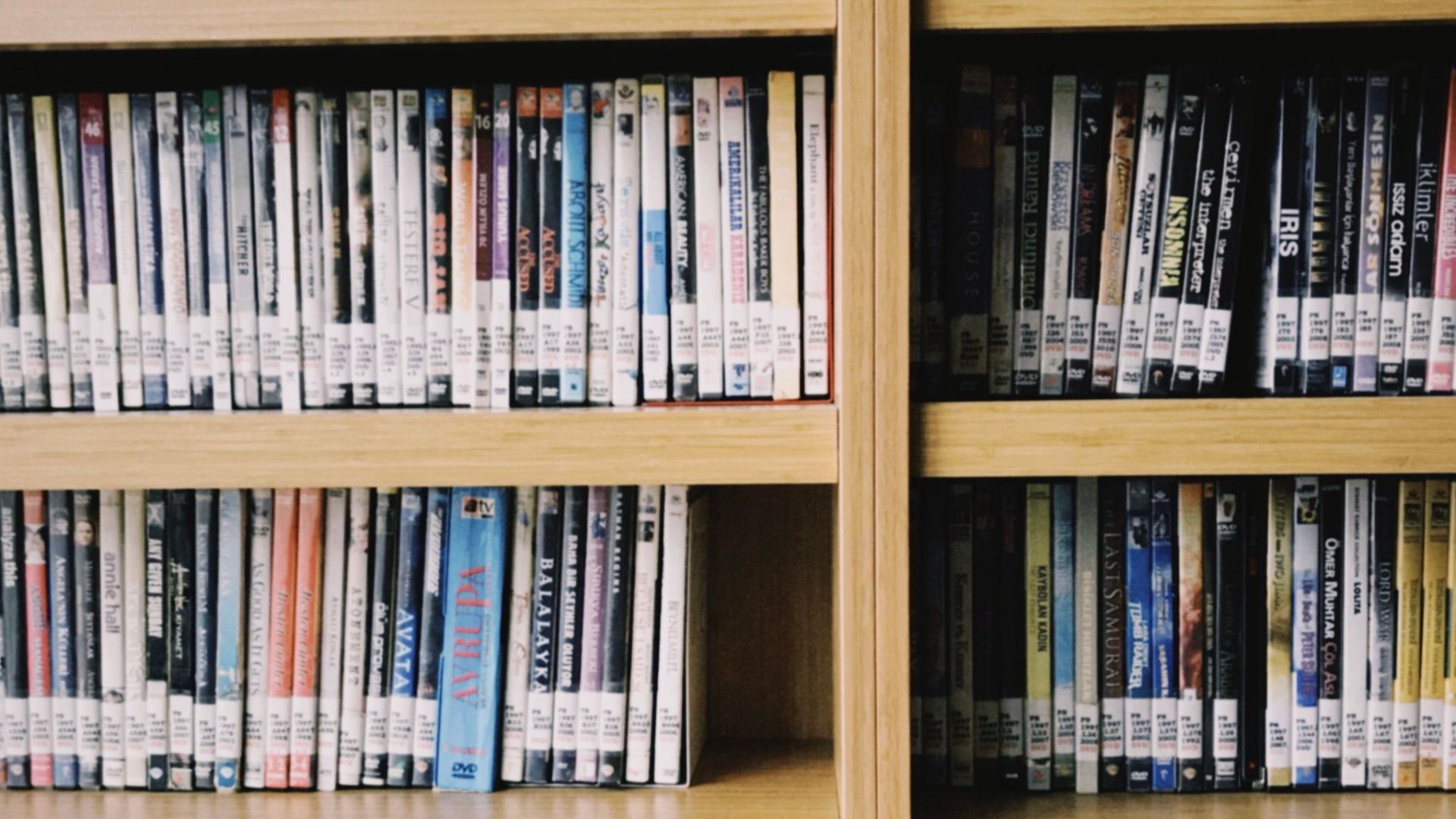
Getting a red envelope in the mail once felt like the height of convenience; no video store, no late fees, just movies delivered to your door. The final discs shipped on September 29, 2023. Turns out convenience evolves fast.
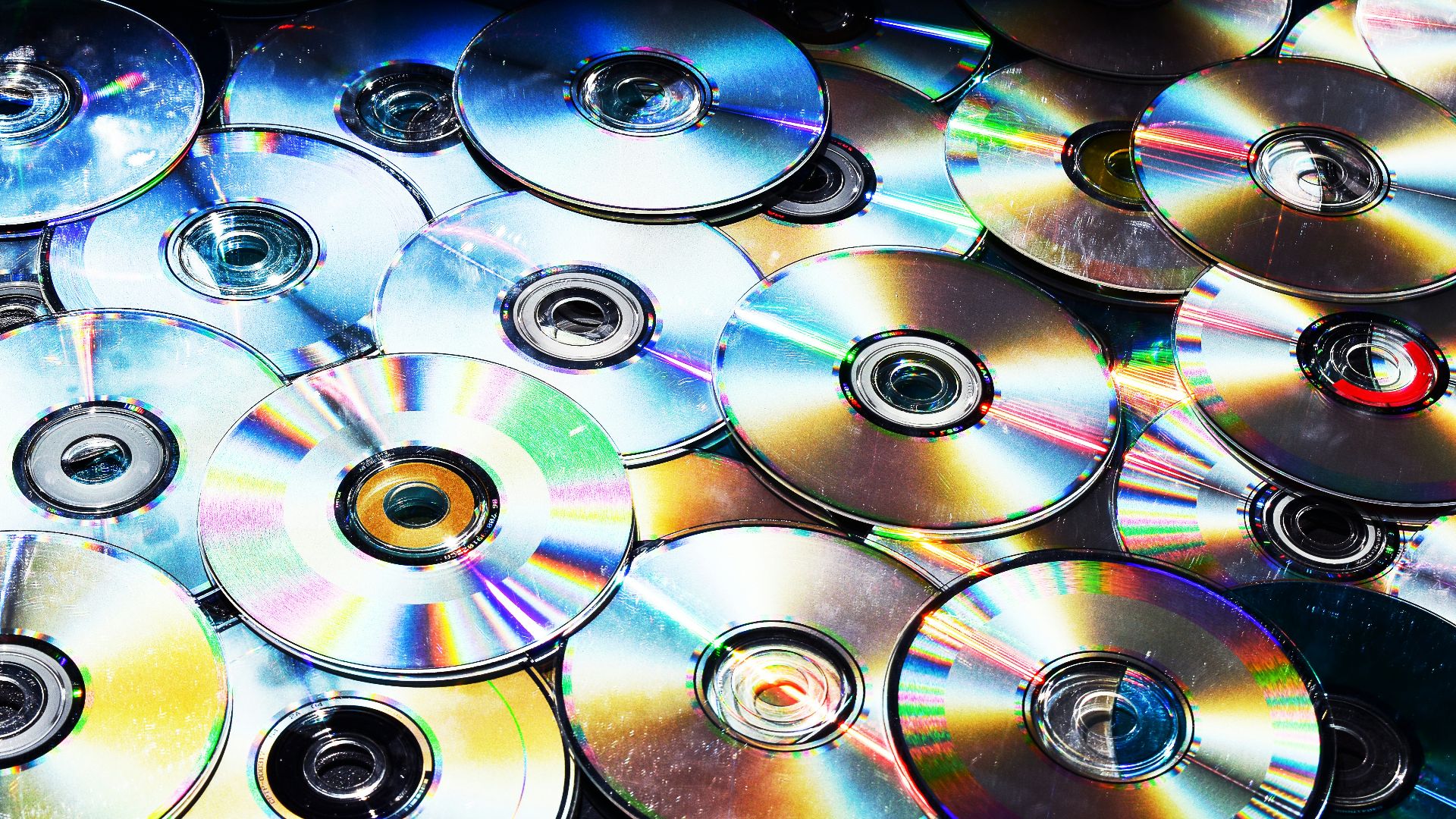
5. Burning CDs
There was real artistry in burning the perfect mix CD, whether for a road trip or to smuggle a full game soundtrack onto one disc. Fast forward to 2025, and streaming accounts for 82 percent of U.S. recorded-music revenue. The mixtape spirit lives on… online, that is.
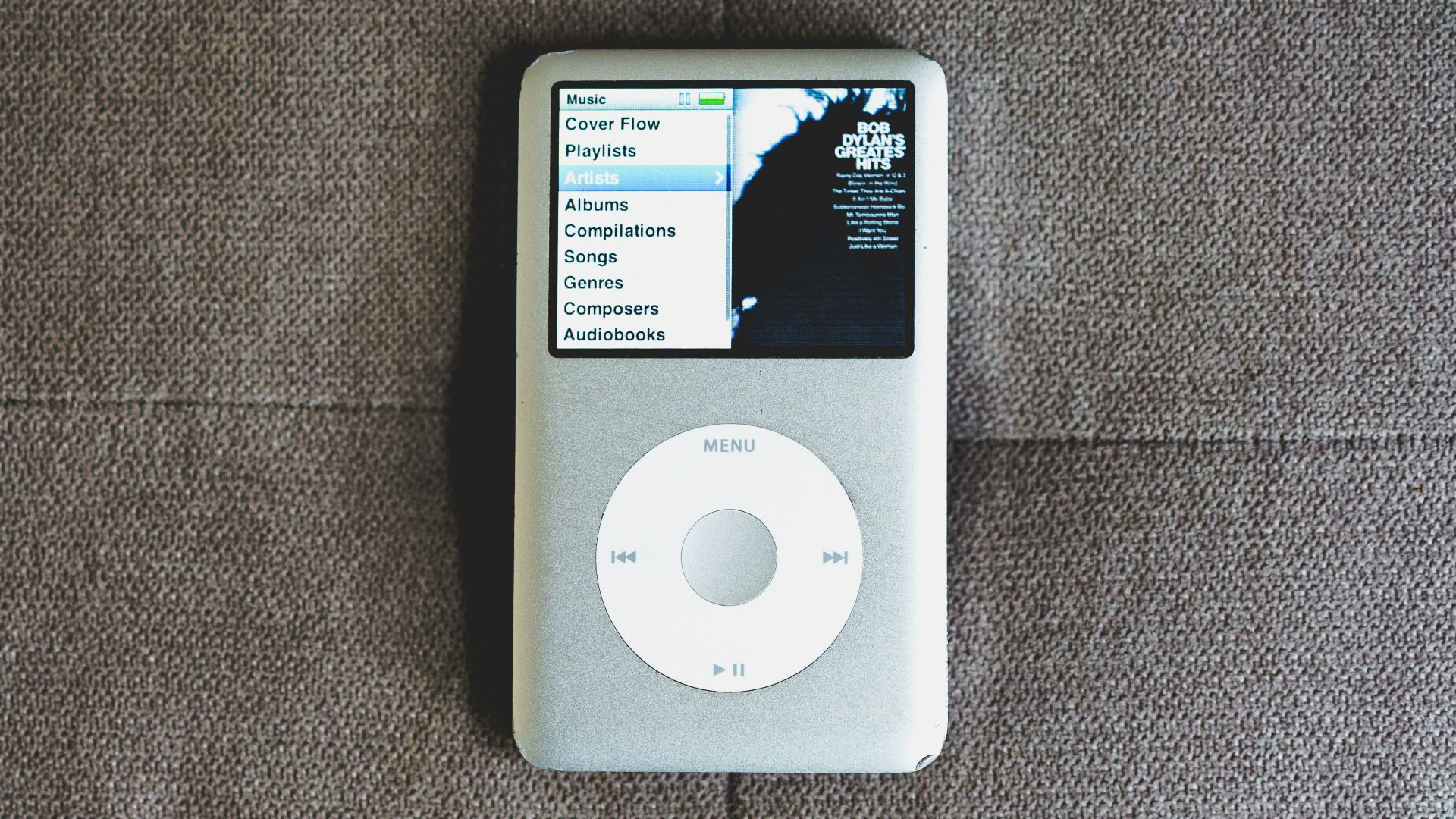
6. Standalone MP3 Players
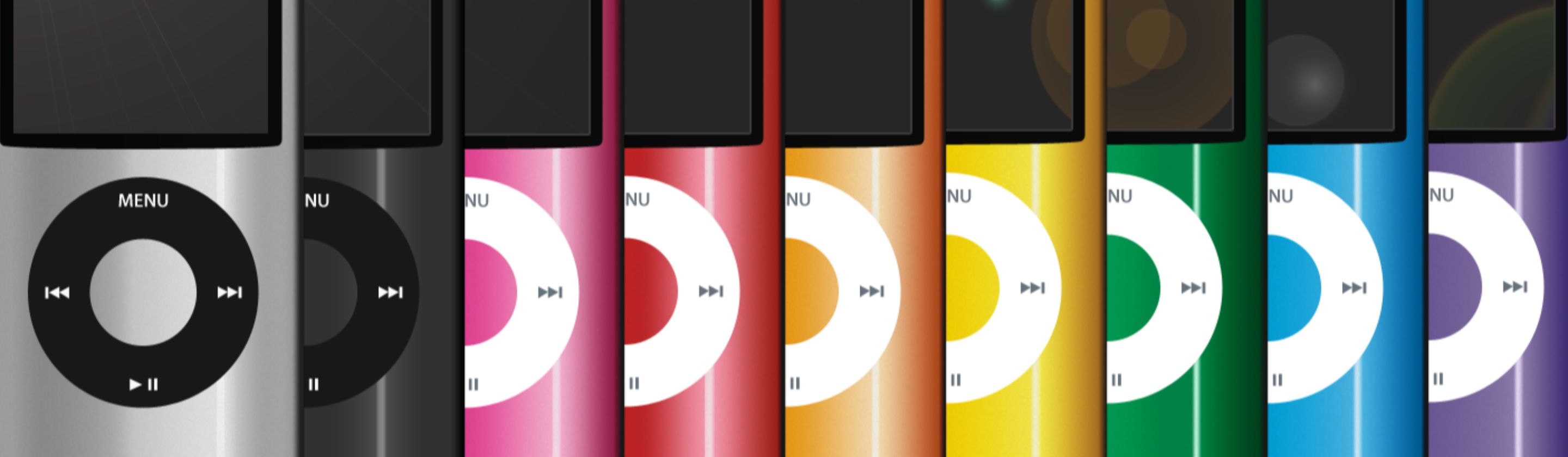
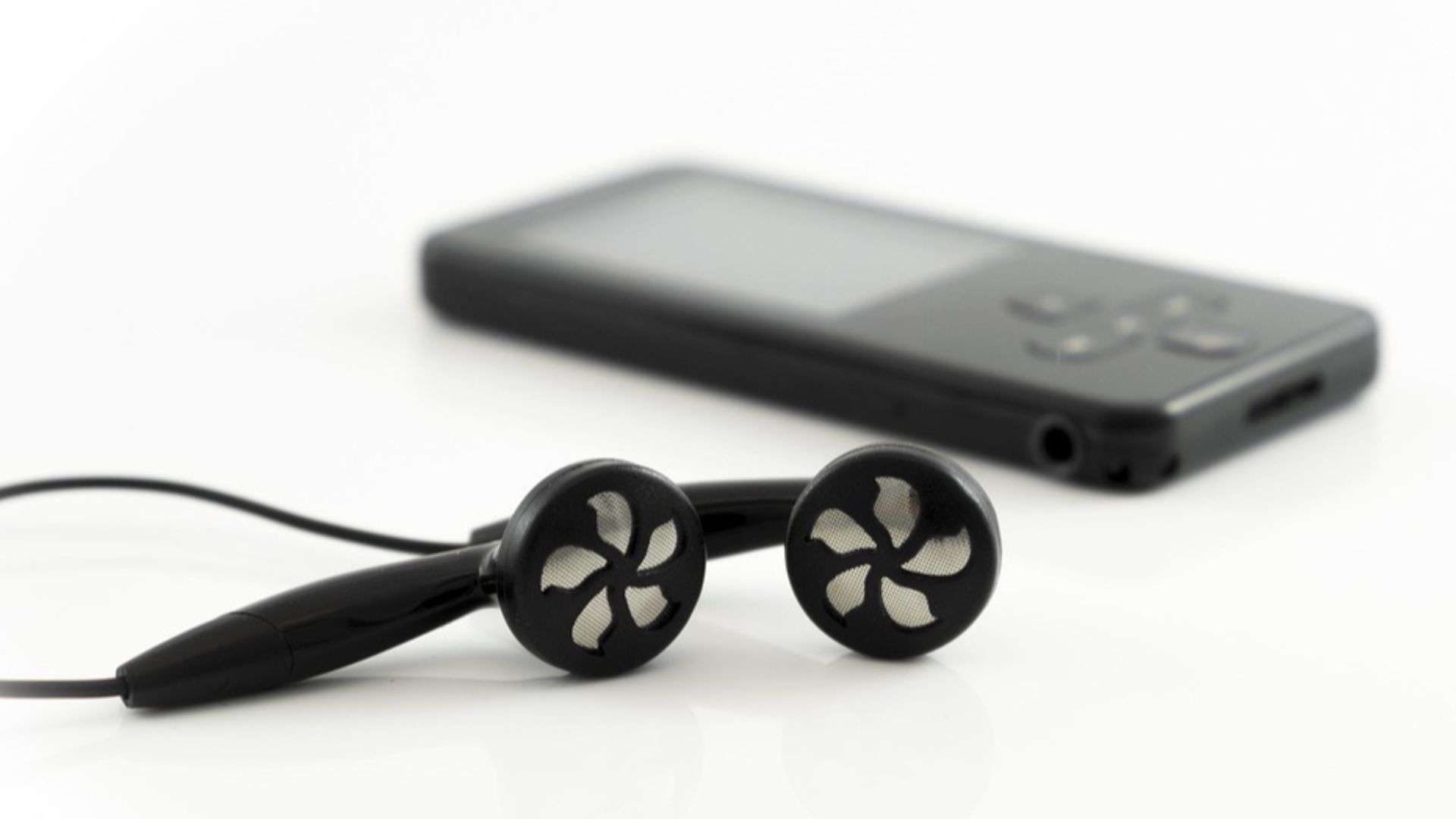
For a glorious stretch, a dedicated MP3 player meant carrying your whole music library without lugging a binder of scratched CDs. The final iPod touch was discontinued in 2022, closing the book on an era.
7. Point-and-Shoot Digital Cameras
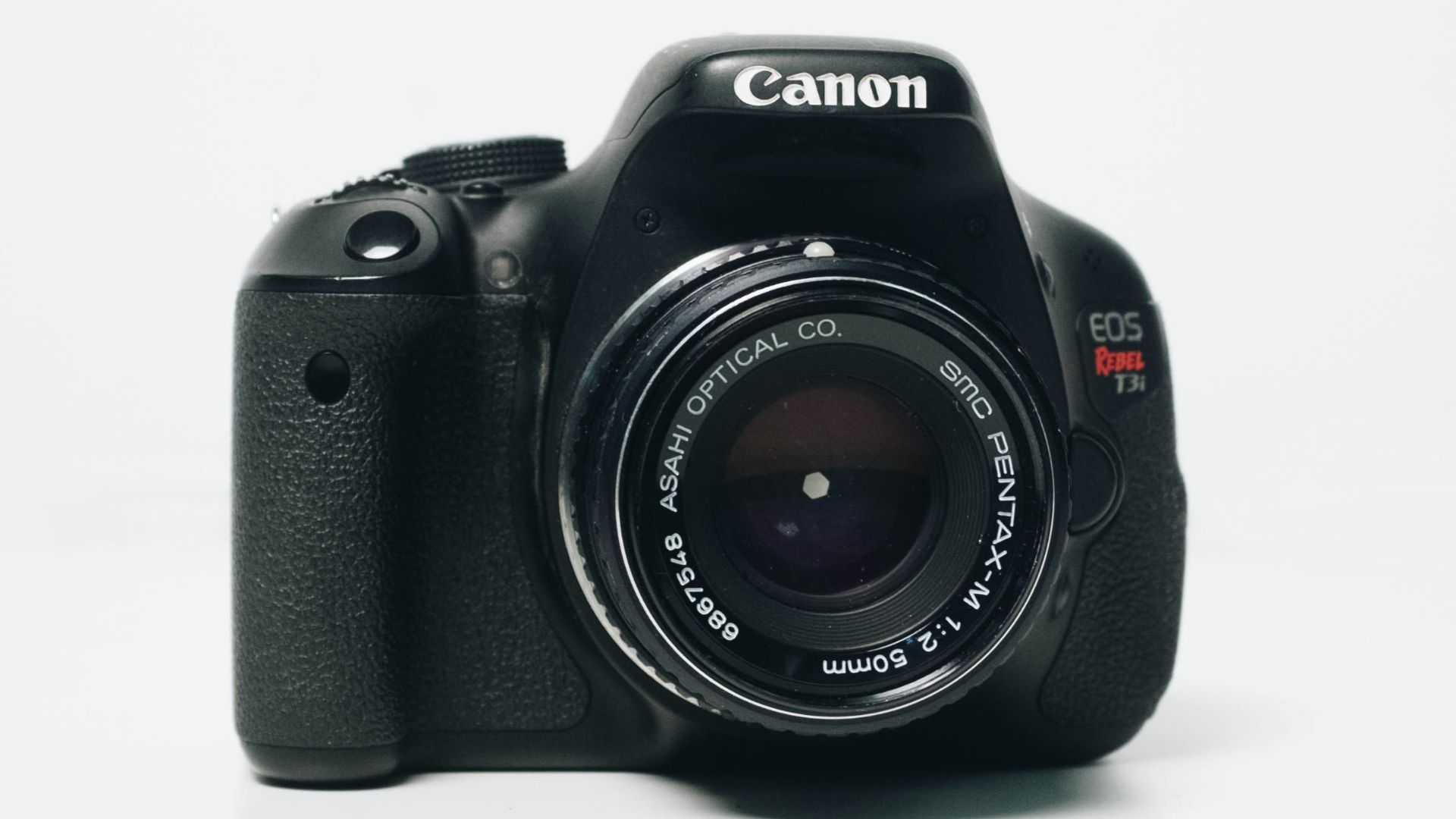
Once, no birthday, holiday, or road trip was complete without a chunky little point-and-shoot in tow. Shipments of built-in-lens digital cameras cratered from about 108.6 million in 2010 to roughly 2.4 million in 2025.
8. Dashboard GPS Units
Those clunky dashboard units felt like tireless robotic co-pilots; right up until you missed a turn and had to hear "recalculating" in that flat, judgmental tone. Phone maps made them mostly unnecessary, though hikers, truckers, and boaters still lean on standalone GPS where cell signal fears to tread.

9. Home Landlines
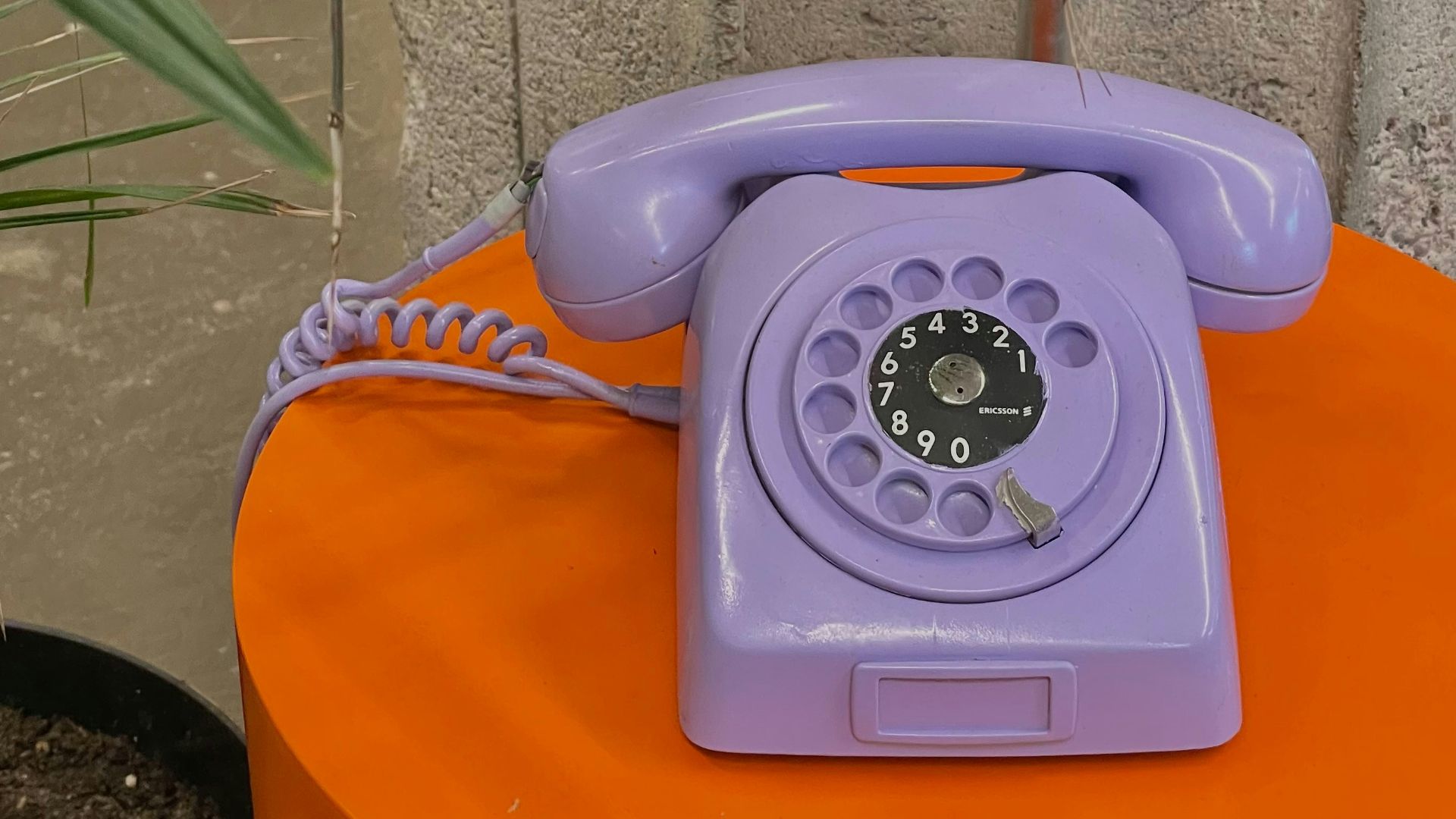
The family landline was command central for logistics, gossip, and sibling battles over who'd hogged the line for two hours. By late 2023, 76 percent of adults and a whopping 86.8 percent of kids lived in wireless-only households. Having a home phone now is no longer a necessity.
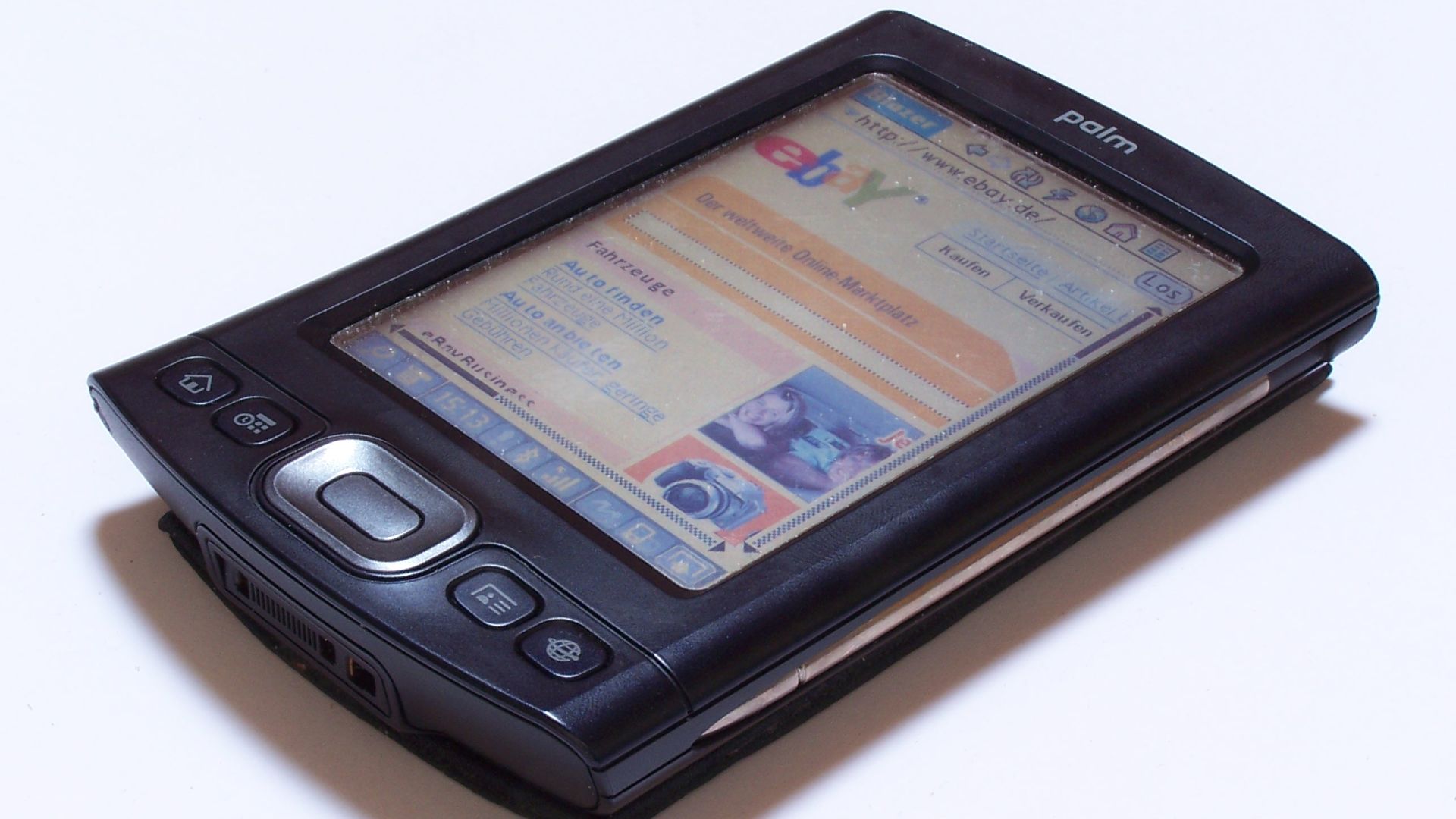
10. Palm-Style PDAs
Before smartphones existed, Palm devices made a digital calendar and a stylus feel like living in the future. Their job never really disappeared; it just packed up and moved into the same device that now also handles your camera, music, maps, and texts.
11. BlackBerry Keyboard Phones
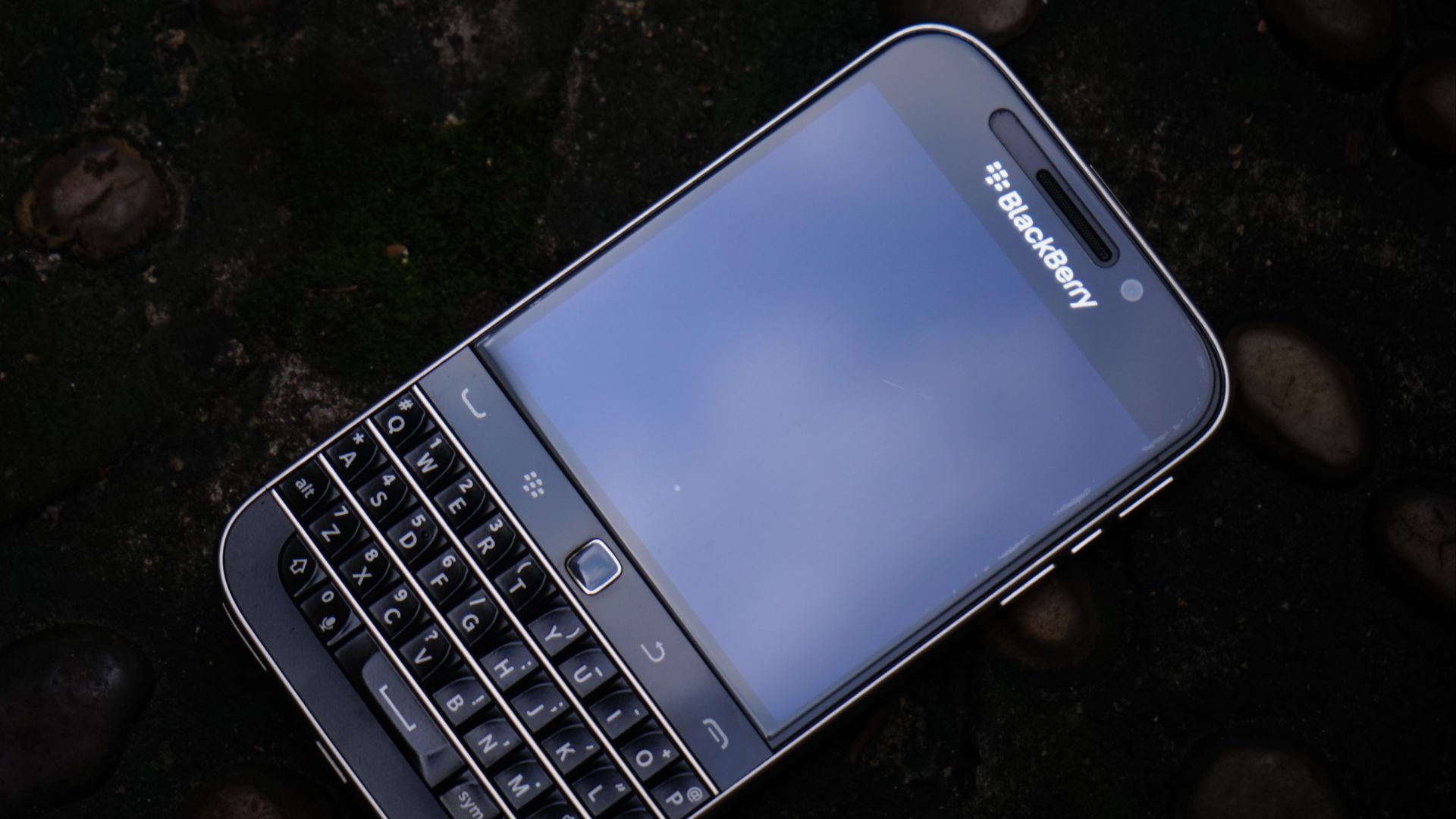
That tiny physical keyboard was practically a status symbol for people who lived and breathed their inbox. When BlackBerry's legacy services shut down in 2022, older devices could no longer reliably make calls, send messages, or even dial emergency services. Still, plenty of people miss typing at full speed without ever glancing down.
12. Netbooks
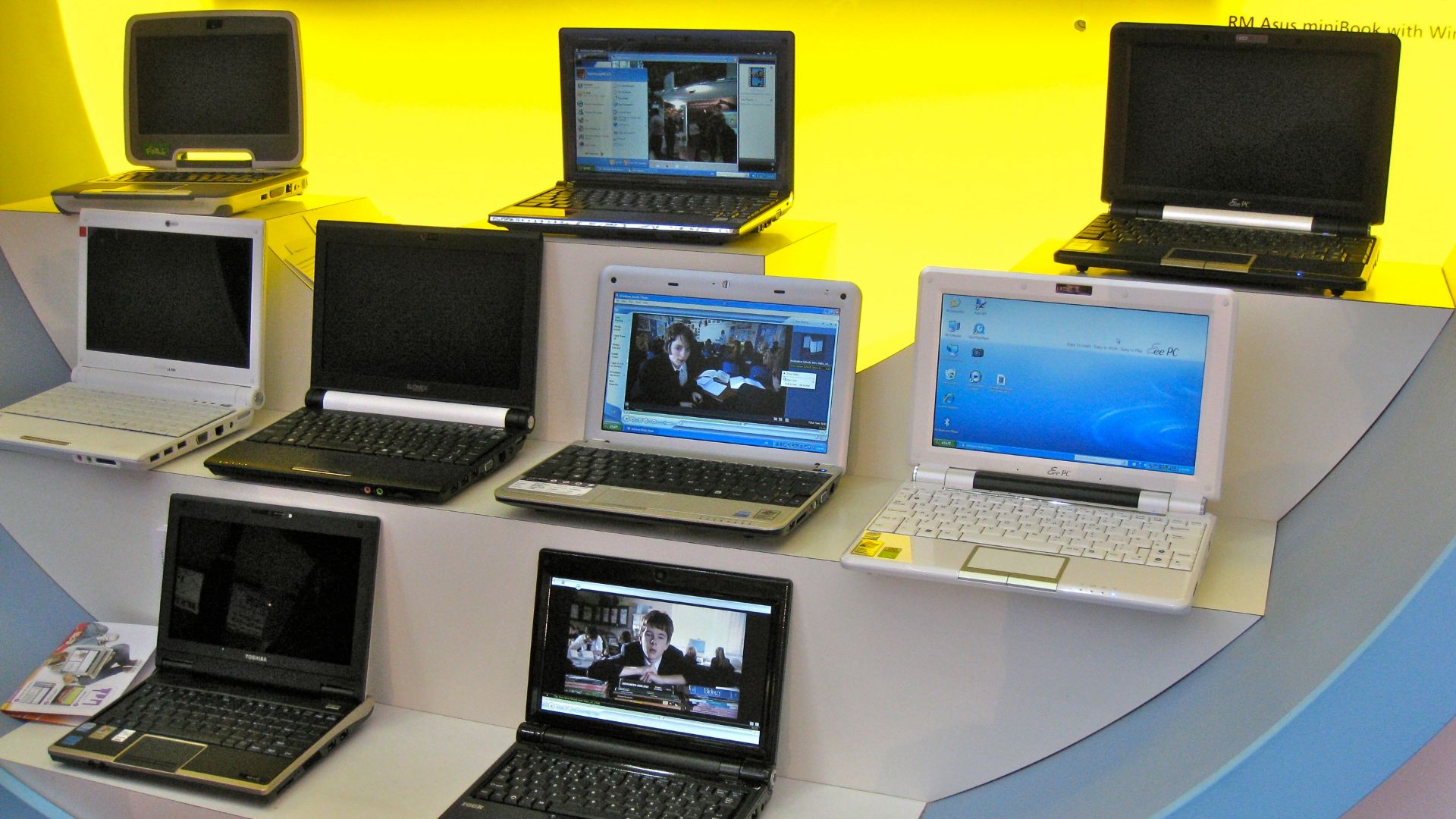
Netbooks promised an affordable, featherlight laptop for browsing and homework; as long as you didn't ask them to do much else. Tablets, phones, and genuinely good full-size laptops quickly exposed the compromise for what it was: proof that "small and cheap" only works if it's also actually useful.
13. Windows Phone
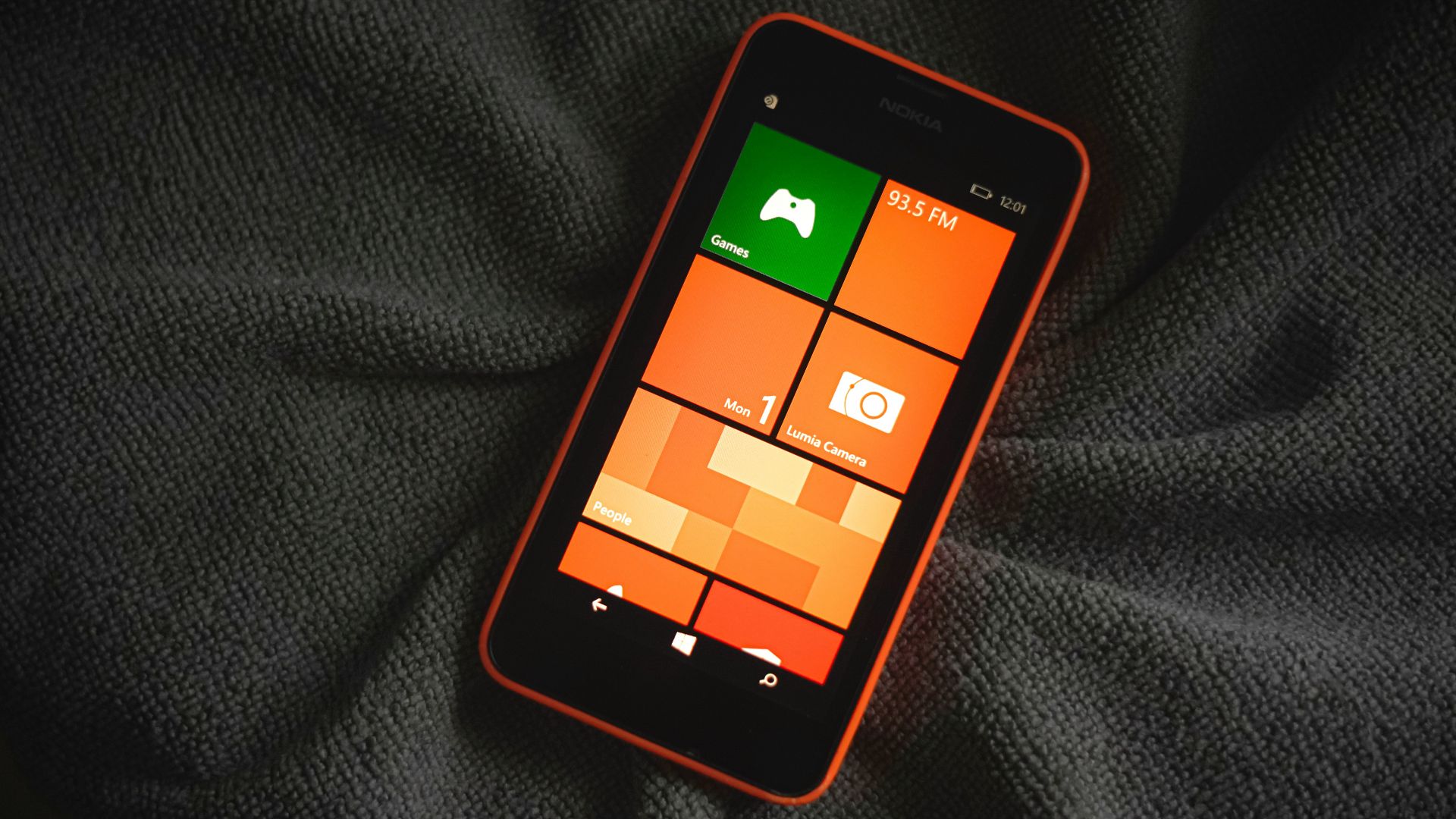
With its colorful, animated tiles, Windows Phone dared to look nothing like every other smartphone on the market. Its final release, Windows 10 Mobile, hit end of support on December 10, 2019. A great-looking interface, it turns out, can't survive without an army of app developers behind it.
14. Flash-Powered Websites and Games
Flash was the engine behind the internet's chaotic, delightful playground. It made the early web feel alive and interactive in a way nothing before it had. Support officially ended on December 31, 2020, with Flash content blocked the following month, leaving that messy corner of internet history mostly to archives and preservation nerds.
 Adobe Systems Uploaded by Tkgd2007 at en.wikipedia on Wikimedia
15. Internet Explorer
For years, IE was the browser people used simply because it was already there, glowing blue on every desktop. Its desktop app reached end of support for certain Windows 10 versions in 2022, though a surprising number of offices and legacy websites still can't seem to quit it.
16. RSS Dashboards
Long before algorithms decided what you'd see next, RSS readers let you build your own personal feed of blogs, news, and oddly specific hobby sites. A major reader service shut its doors in 2013 as its audience shrank. RSS never fully died, but it stopped being the first choice.

17. MySpace Profile Culture
MySpace pages were loud, glittery, and full of personal style; autoplay songs, chaotic backgrounds, and copy-pasted code that half the time broke your layout. The platform pulled in 75.9 million unique U.S. visitors in December 2008, then just 34.8 million by May 2011, as everyone drifted toward cleaner, quieter platforms.
 From a variety of images credited above. on Wikimedia
18. Home 3D TVs
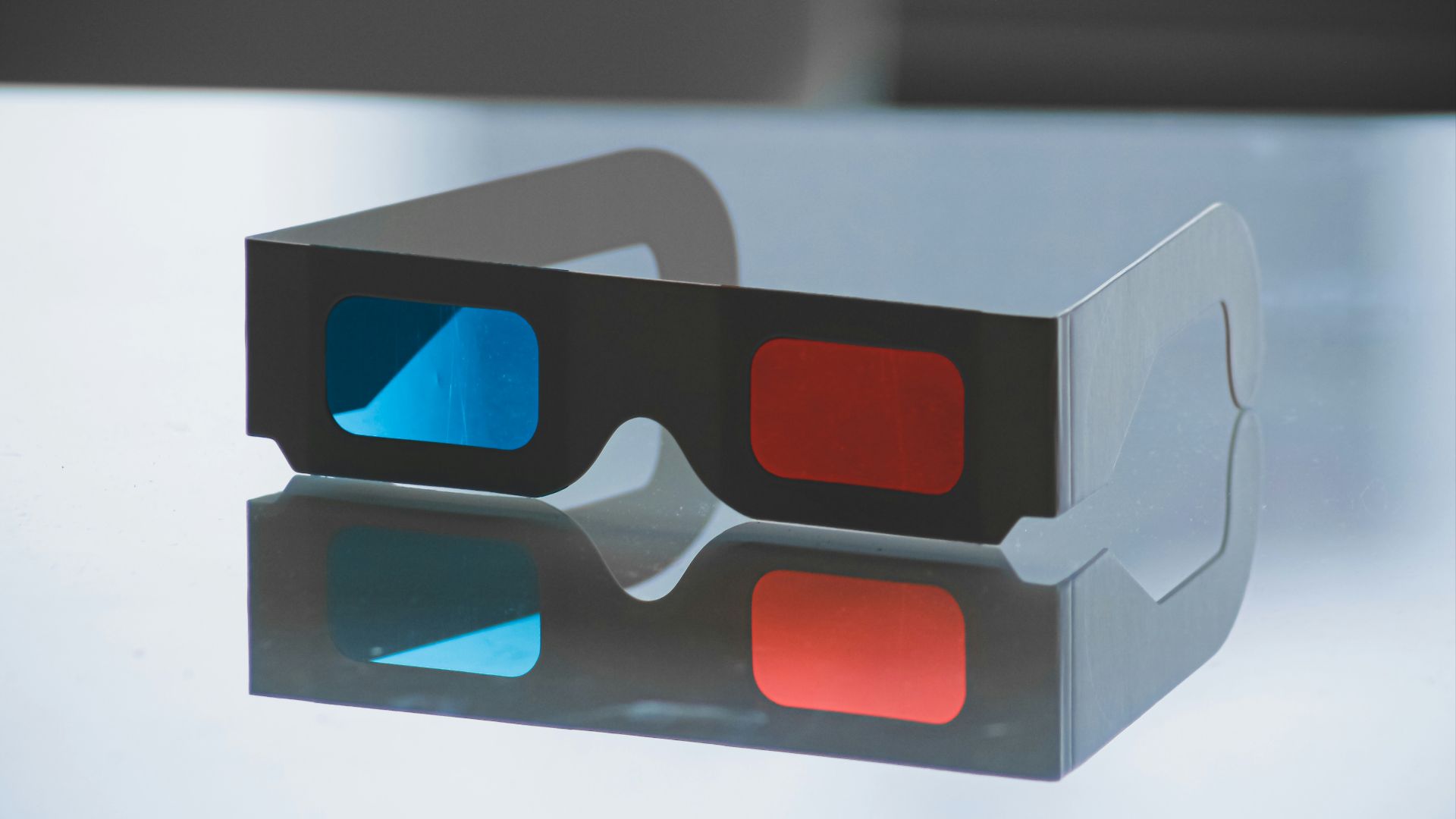
For a brief, shining moment, 3D TVs promised to turn your living room into a movie theater; provided everyone agreed to wear the goofy glasses. By 2017, major manufacturers had dropped 3D from new sets. A fun demo, it turns out, doesn't automatically become a nightly habit.
19. Kinect-Style Motion Gaming
For a while, it genuinely seemed like controllers might become optional, with your own body turning the living room into the game. Once the sensor and its adapter were discontinued, and with no support for Xbox Series X|S, that dream faded, though motion controls are still very much alive in fitness games and VR.
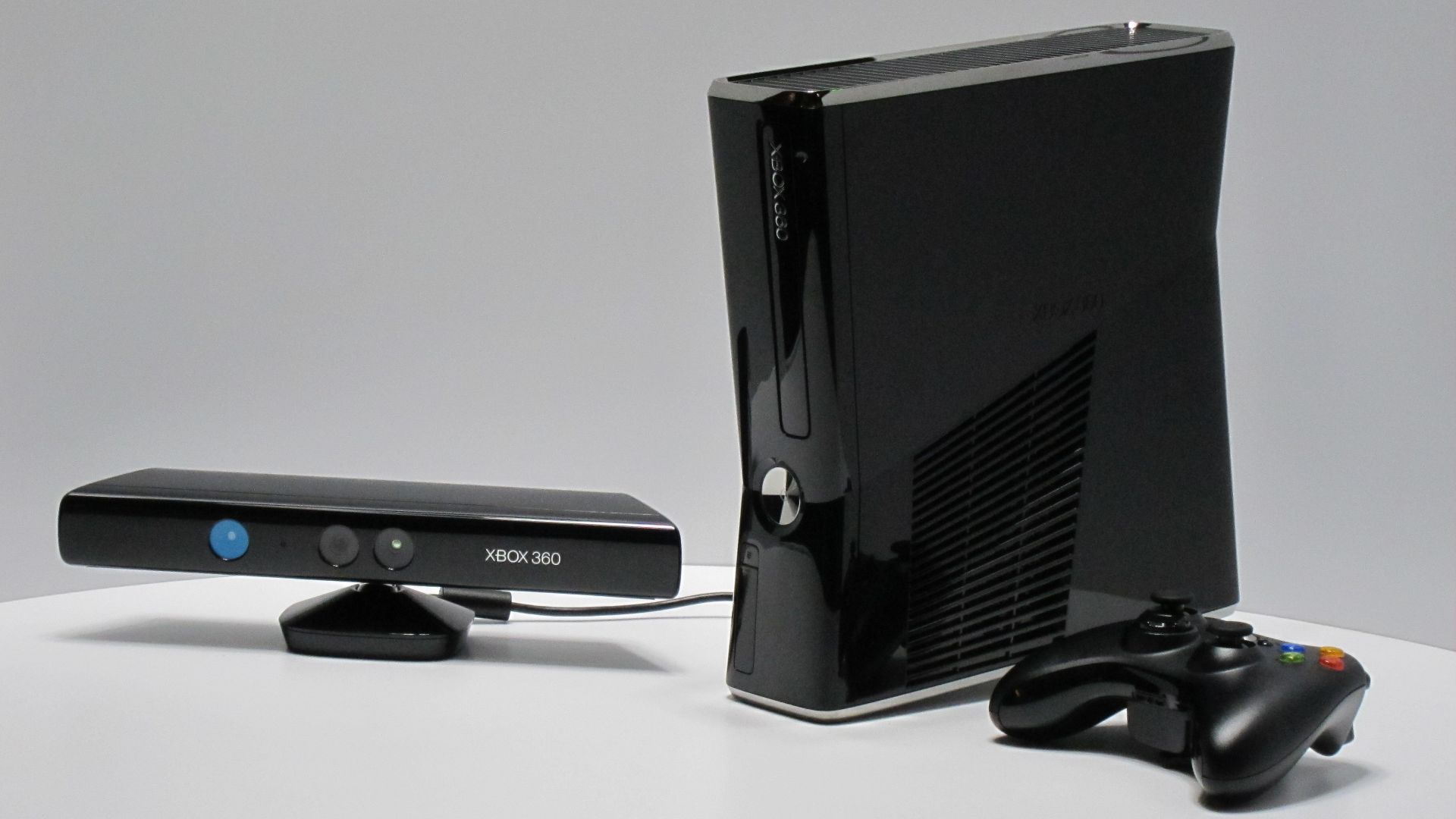 James Pfaff (litheon) on Wikimedia
20. Skype
Skype made free video calls to far-flung friends and family feel like actual magic, glitchy connections and all. Its consumer service retired on May 5, 2025. Video calling never went anywhere; it just outgrew the platform.