When a Revised Past Strengthened the Present
Comic book continuity is regularly adjusted, but only a small number of changes improve characters enough to become permanent parts of their identities. The strongest retcons don’t simply erase inconvenient stories; they explain contradictions, deepen motivations, or create relationships that writers can explore for decades. These revisions became so useful that later comics, movies, television shows, and games frequently treated them as though they’d always been there. Here are 20 comic book retcons that made things better (and stuck).
 William Tung from USA on Wikimedia
1. Bucky Barnes Became the Winter Soldier
Bucky spent decades as one of the rare comic book characters whose death seemed permanent. Writers eventually revealed that he had survived, lost his memory, and been turned into a controlled Soviet assassin.
2. Magneto Became a Holocaust Survivor
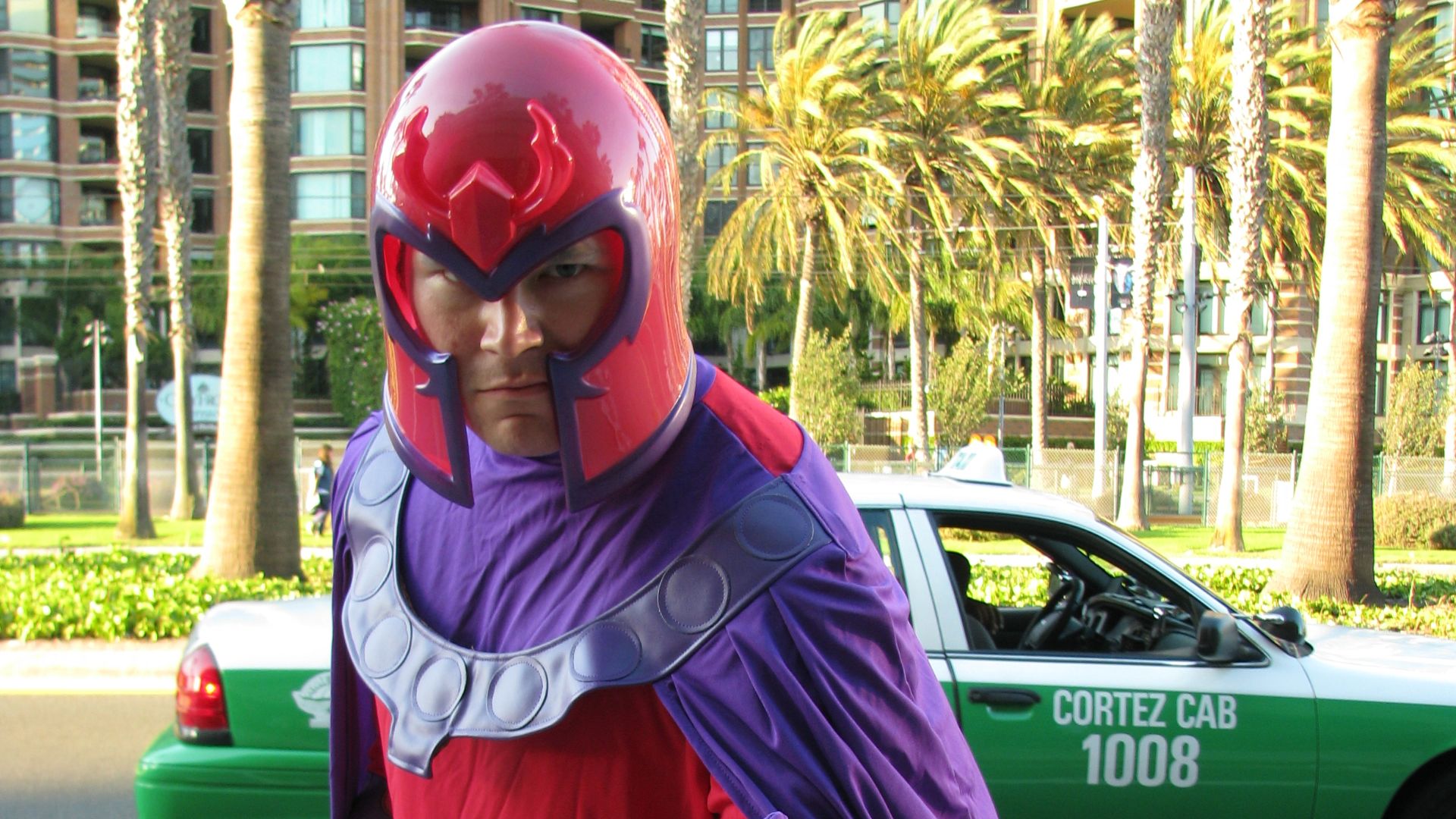
Magneto originally appeared as a fairly straightforward villain seeking mutant domination. His revised history as a Jewish survivor of the Holocaust gave his fear of persecution a deeply personal foundation without excusing his worst actions.
3. Captain America Had Been Frozen in Ice
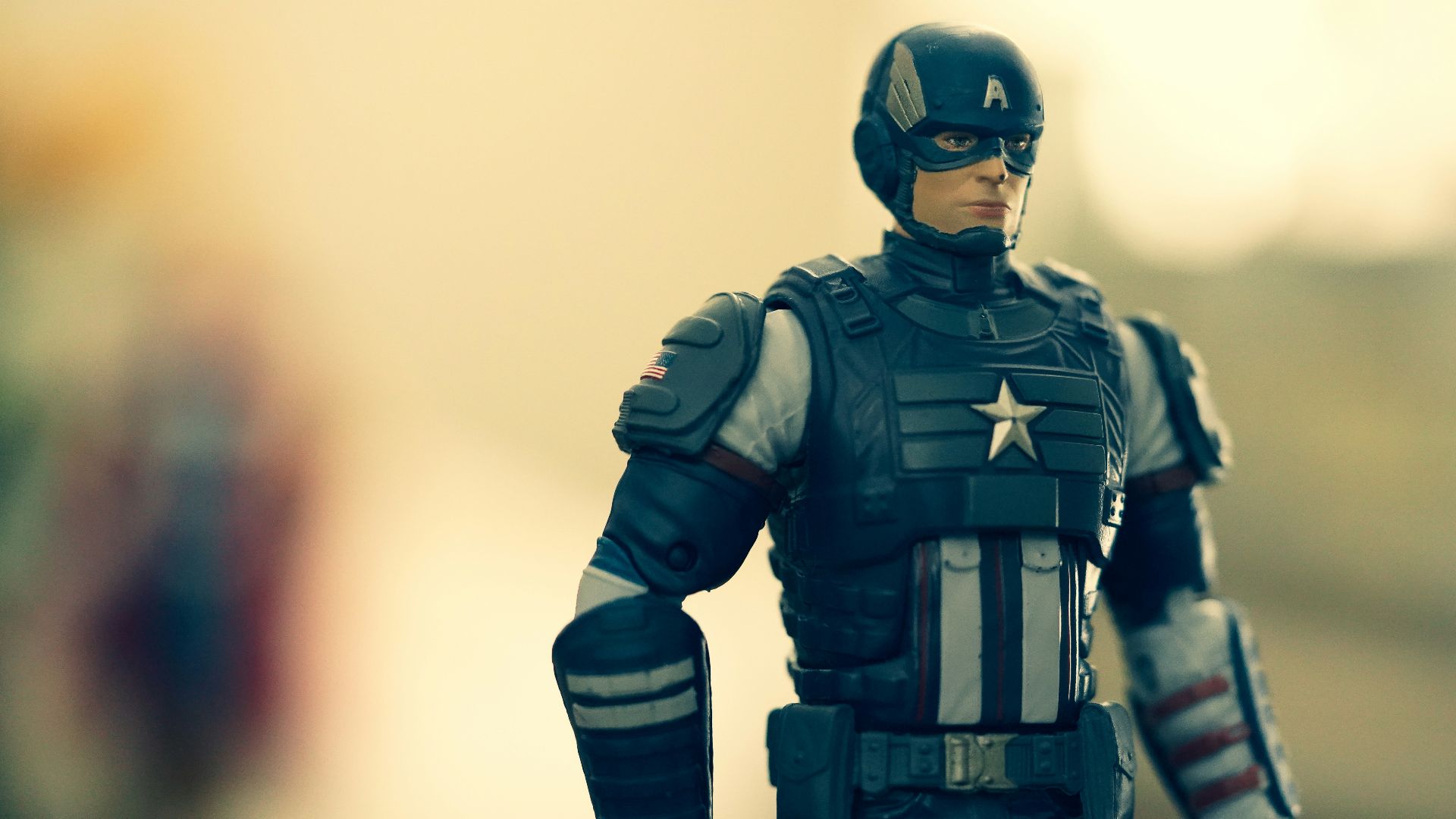
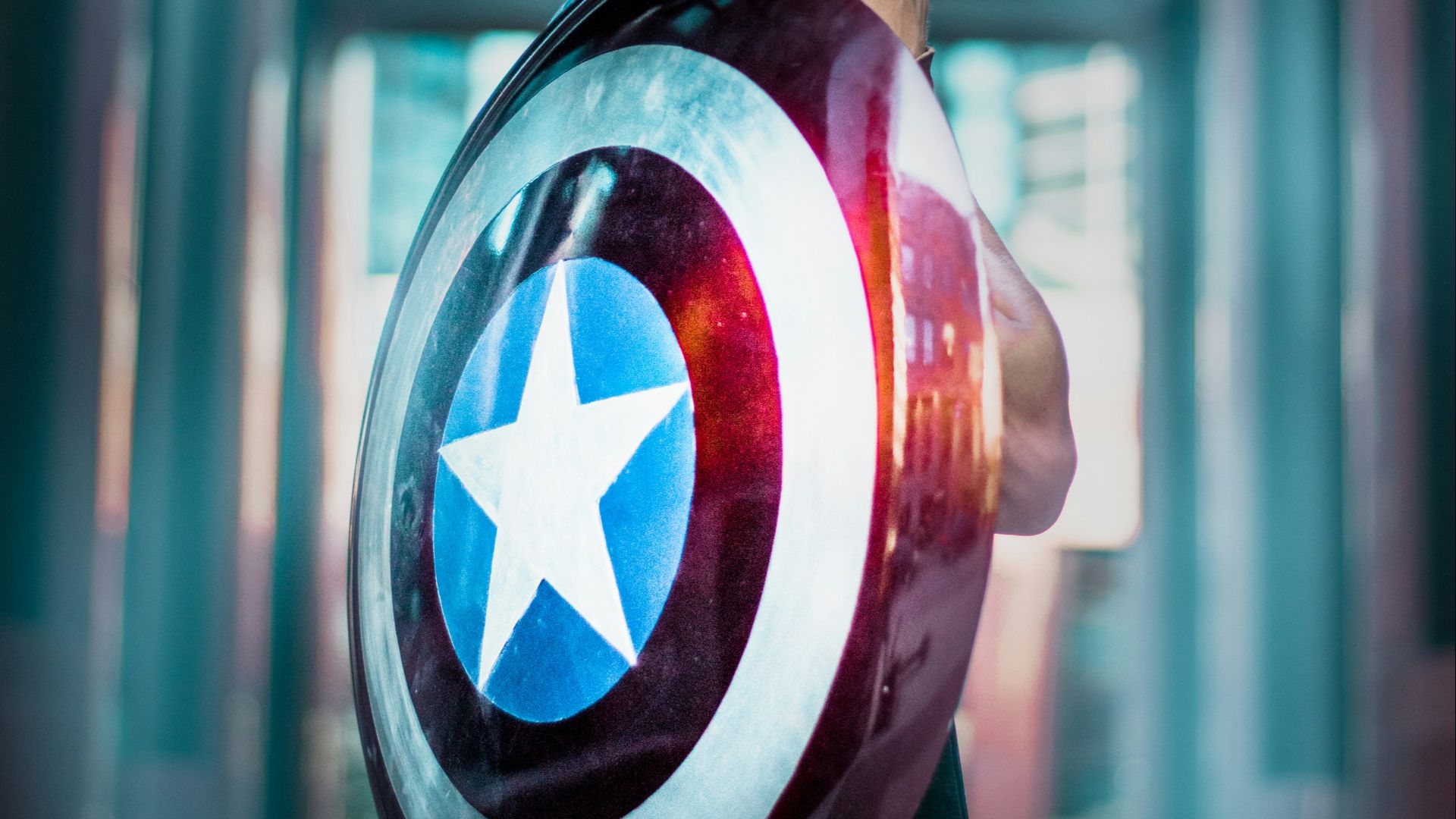
Steve Rogers wasn’t originally missing because he had fallen into suspended animation near the end of World War II. That explanation was introduced when he returned during the Silver Age, allowing him to enter the modern world without erasing his earlier adventures.
4. Professor X and Magneto Were Once Friends
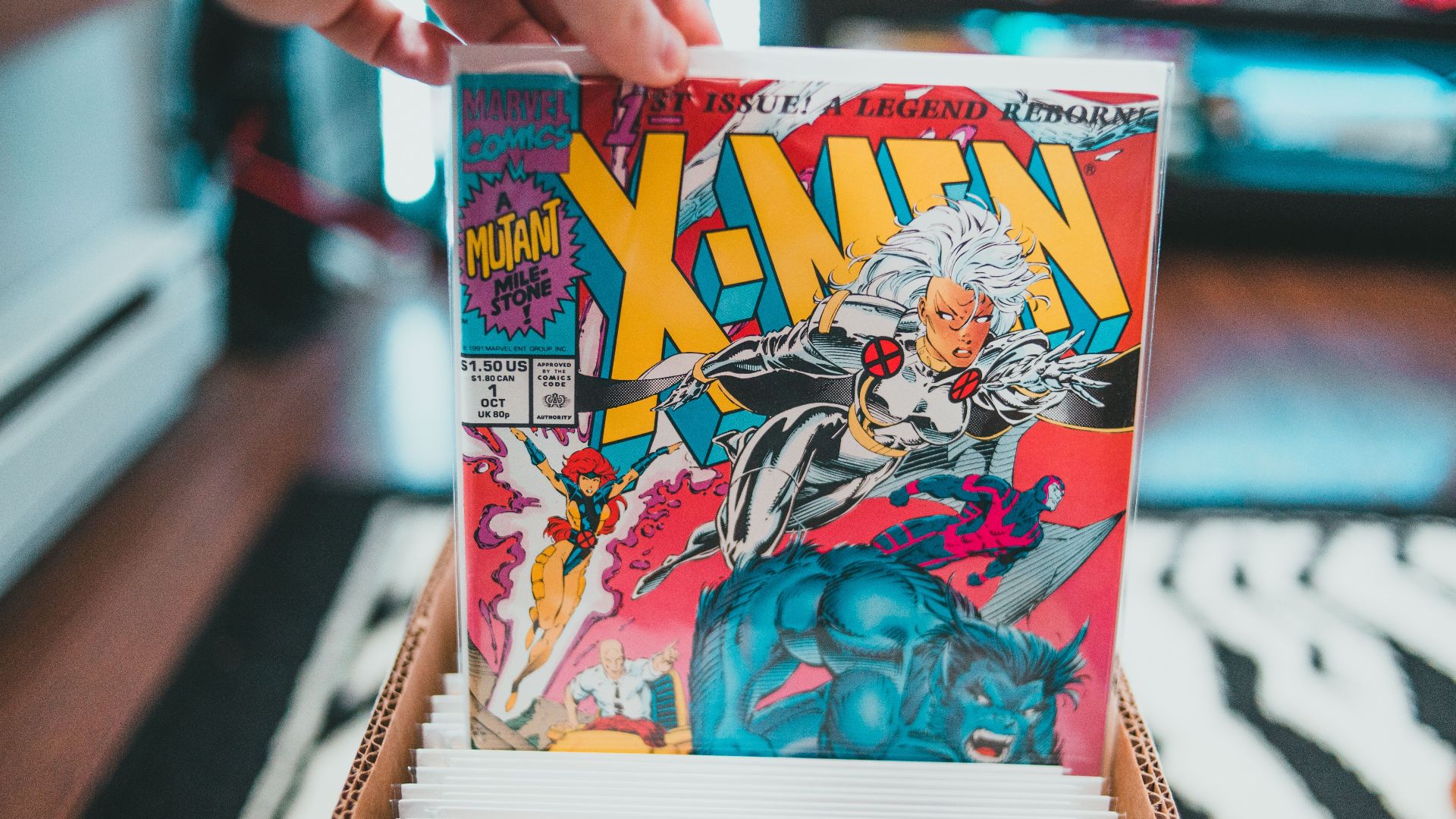
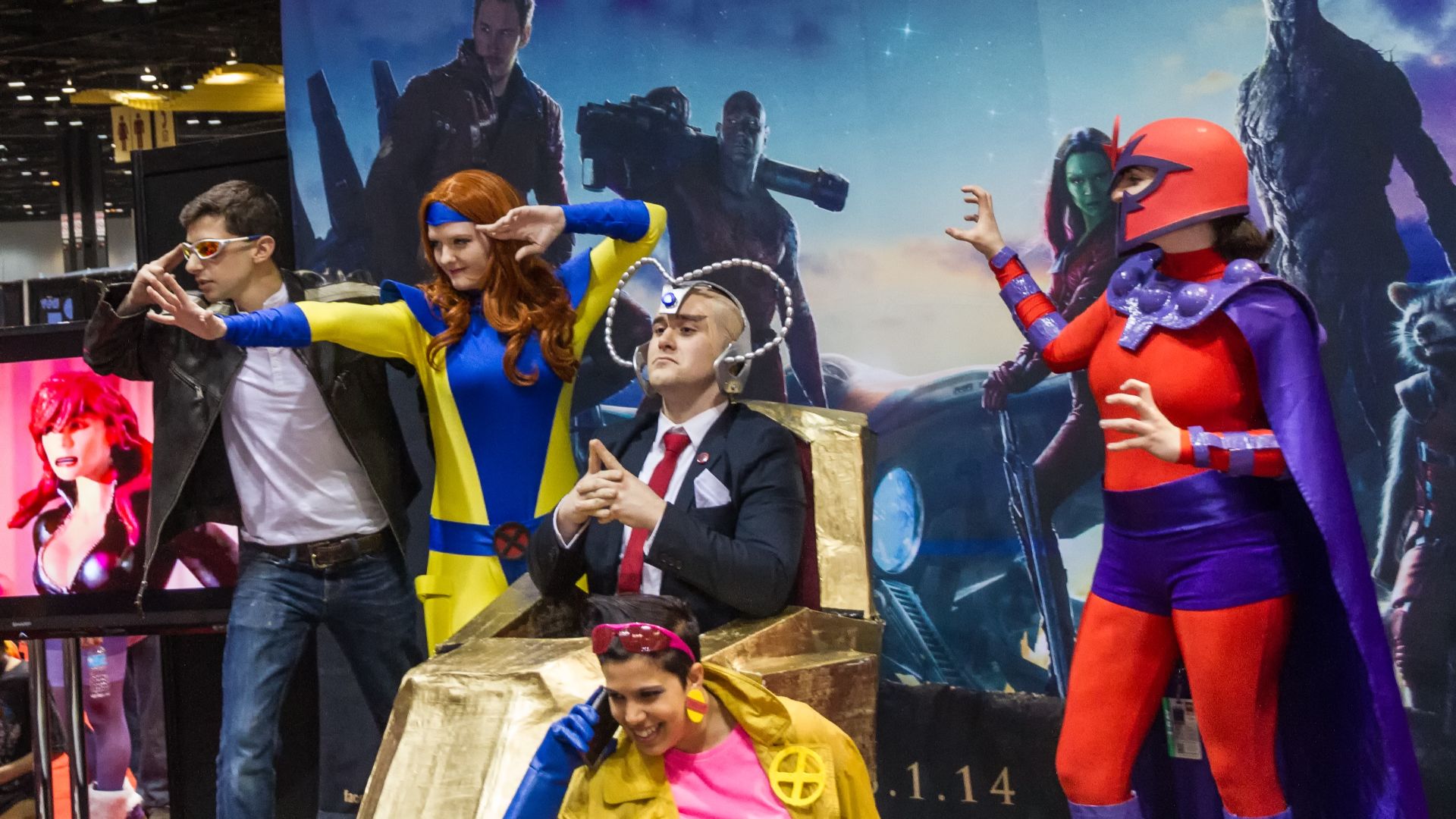
Charles Xavier and Magneto initially met as established enemies with opposing goals. Later stories revealed that they had once been close friends who shared a desire to protect mutants but disagreed over how to achieve it. Their personal history made every later confrontation more emotional because each man understood what the other might have become.
 Chris Favero from USA on Wikimedia
5. Swamp Thing Wasn’t Actually Alec Holland
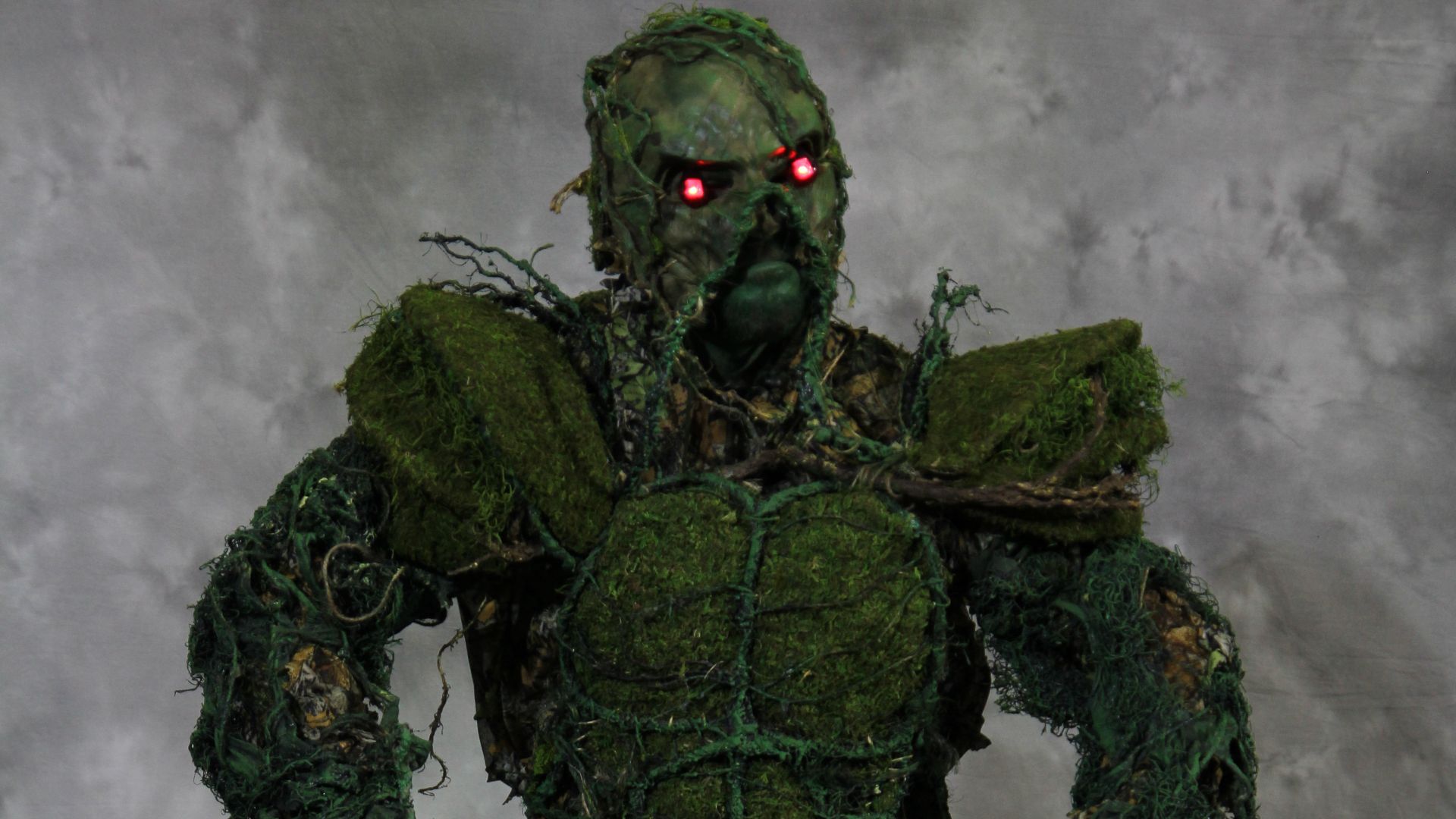
Readers initially believed Alec Holland had physically transformed into a plant-based creature after an explosion. A later revelation established that the creature was vegetation that had absorbed Holland’s memories and mistakenly believed it was human.
6. Wolverine Always Had Bone Claws
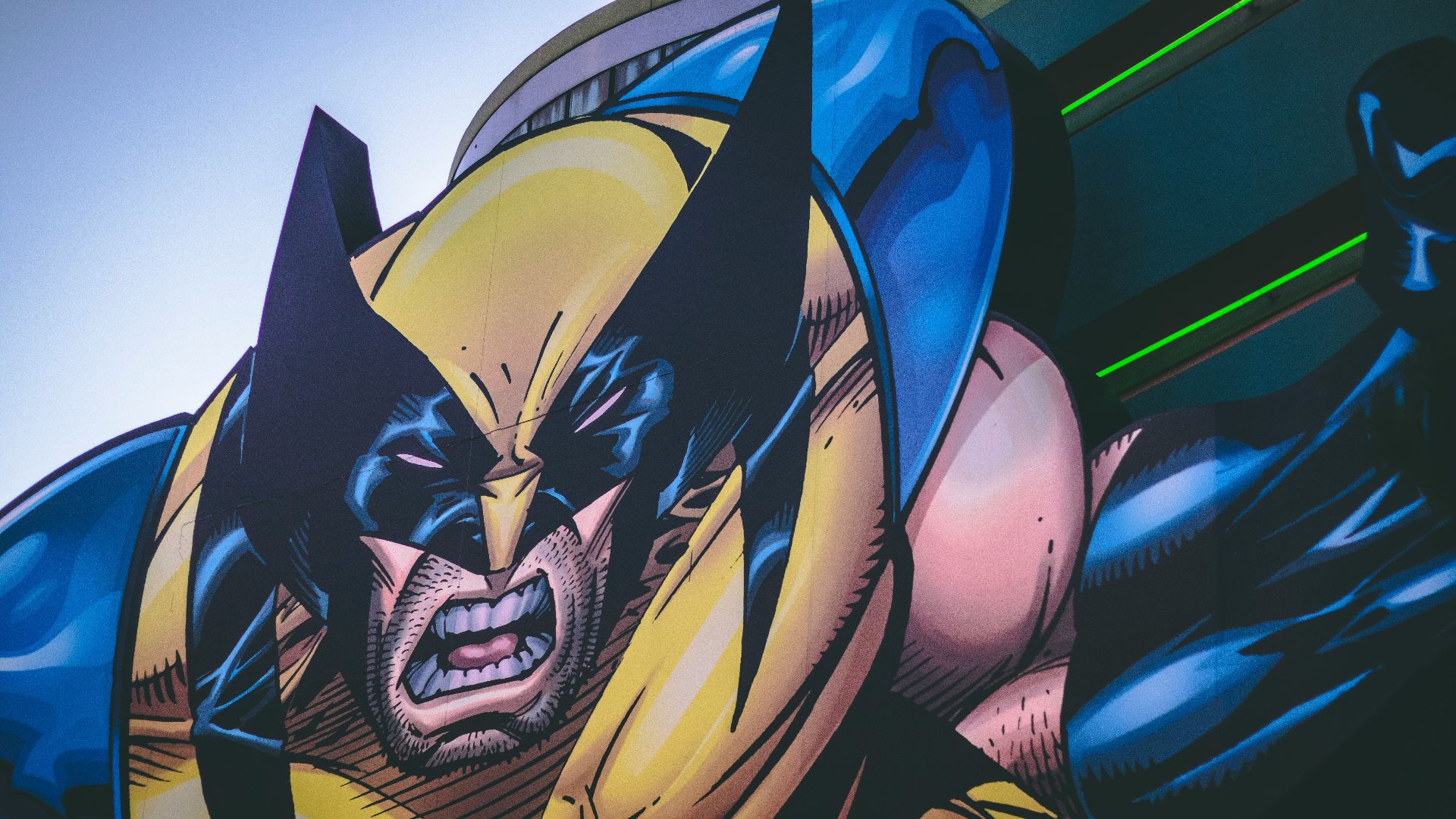
For years, Wolverine’s claws appeared to be mechanical additions connected to his gloves or later enhancements. After his metal was violently removed, readers discovered that natural bone claws had always been part of his mutation.
7. Mr. Freeze Was Trying to Save Nora
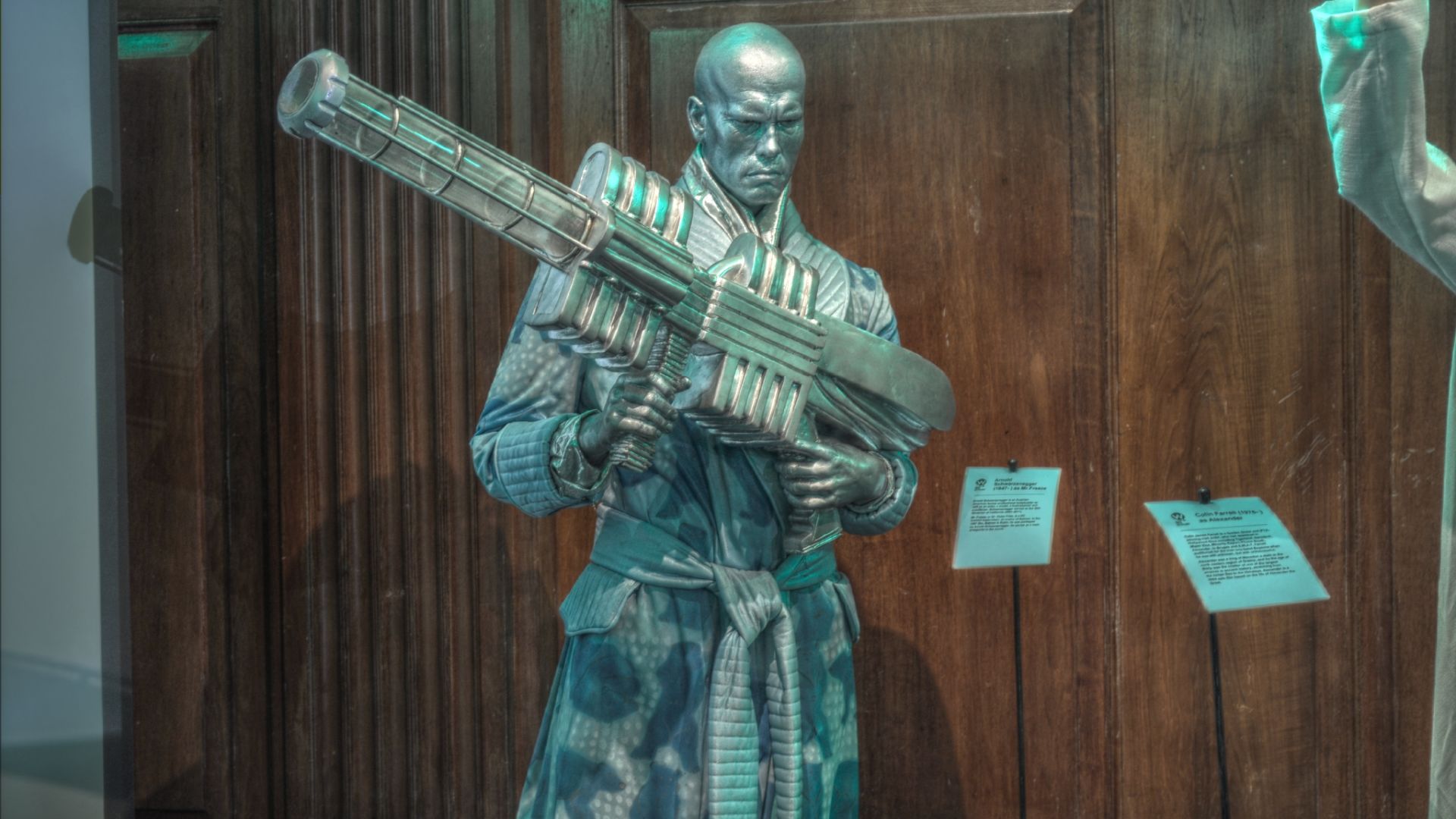
Mr. Freeze began as a colorful criminal whose freezing equipment provided most of his personality. His history was later rebuilt around his desperate effort to cure his terminally ill wife, Nora. That motivation gave him emotional depth, and comics quickly adopted the tragic background first developed outside the printed page.
 Miguel Mendez from Malahide, Ireland on Wikimedia
8. Jason Todd Grew Up on Gotham’s Streets
Jason Todd originally had a childhood that closely resembled Dick Grayson’s, including parents who performed as circus acrobats. After continuity was reorganized, he became an orphan Batman encountered while the boy was attempting to steal tires from the Batmobile.
9. Alfred Had Helped Raise Bruce Wayne
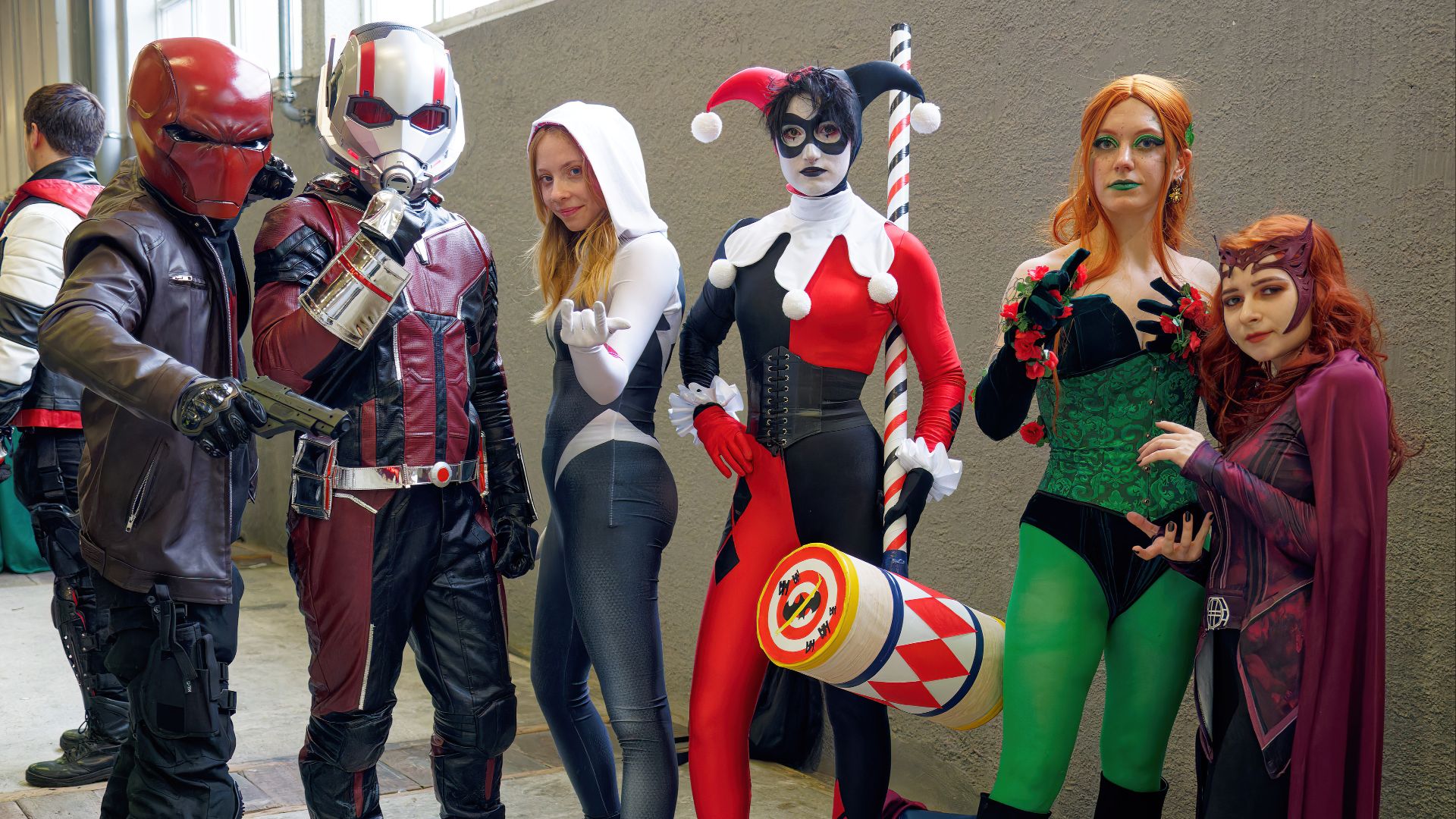
Alfred first arrived as an adult who hadn’t been present during Bruce Wayne’s childhood and was often used for comic relief. Later revisions made him the trusted family servant who helped raise Bruce after his parents were murdered. That change turned him into an essential father figure rather than someone who merely maintained the mansion.
10. The Hulk’s Anger Came From Childhood Trauma
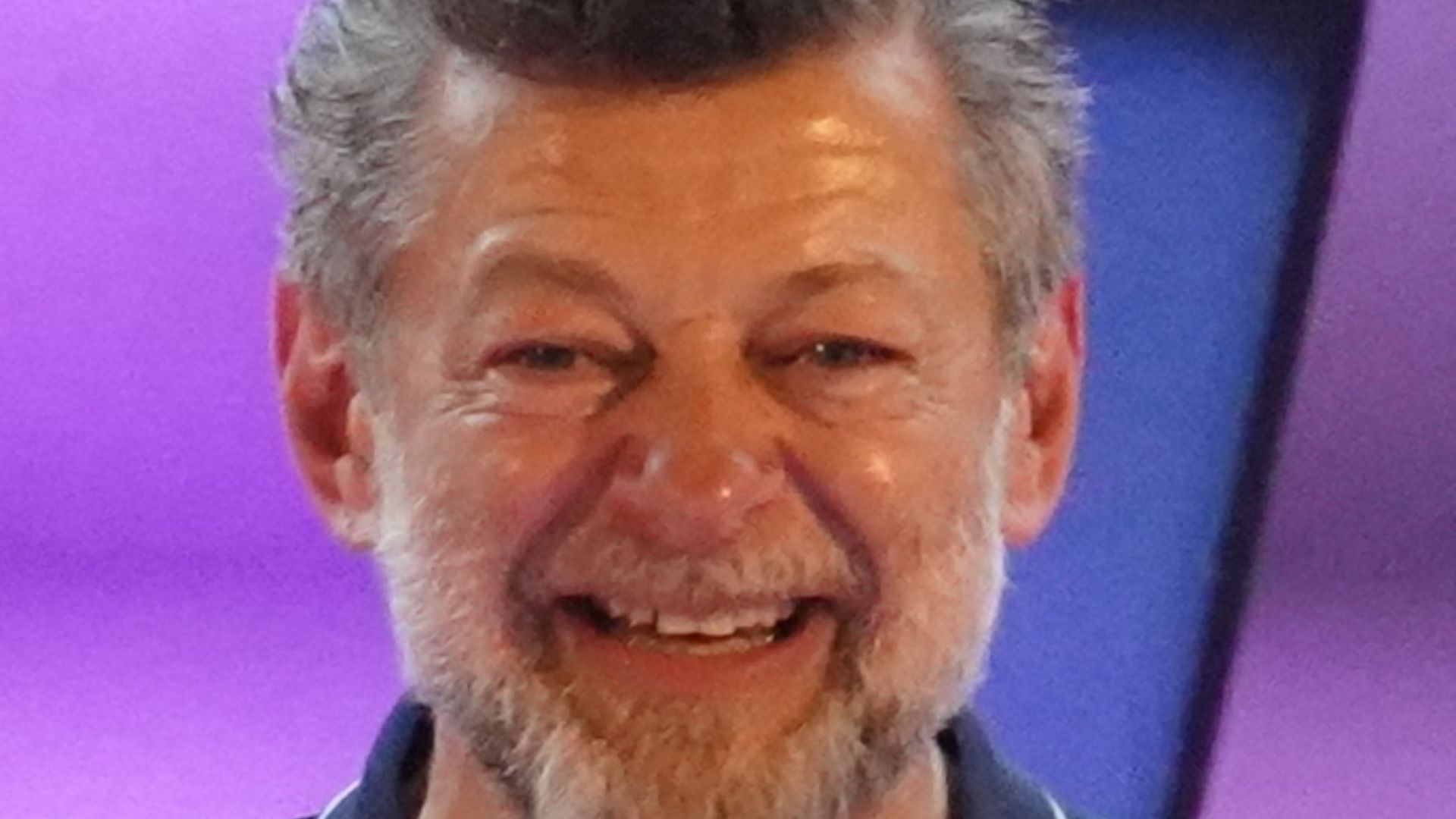
Bruce Banner’s difficult personality initially received little explanation beyond stress, scientific pressure, and the effects of radiation. Writers later established that he had endured severe abuse from his father and learned to suppress his emotions.
11. Namor Became Marvel’s First Mutant
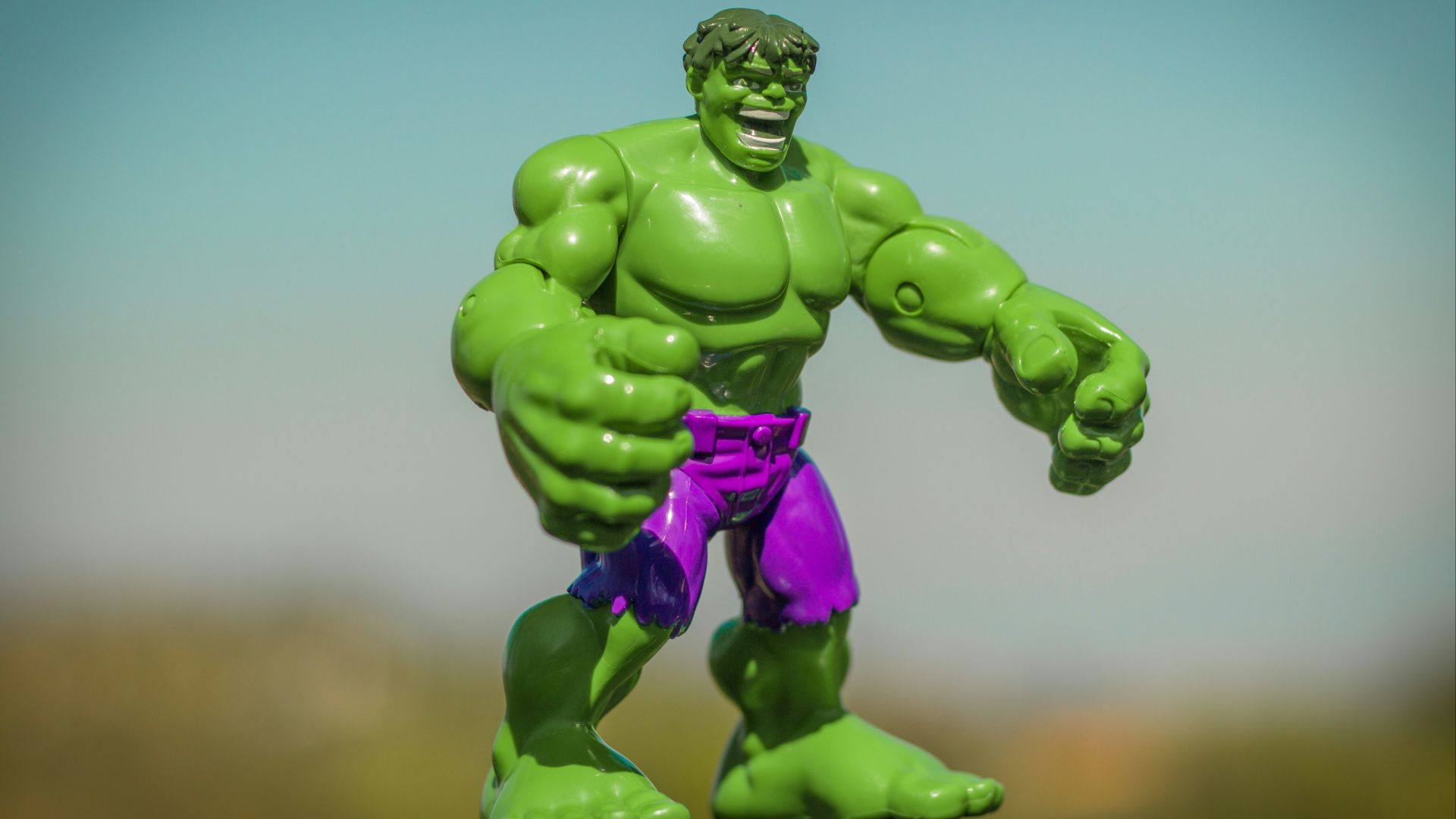
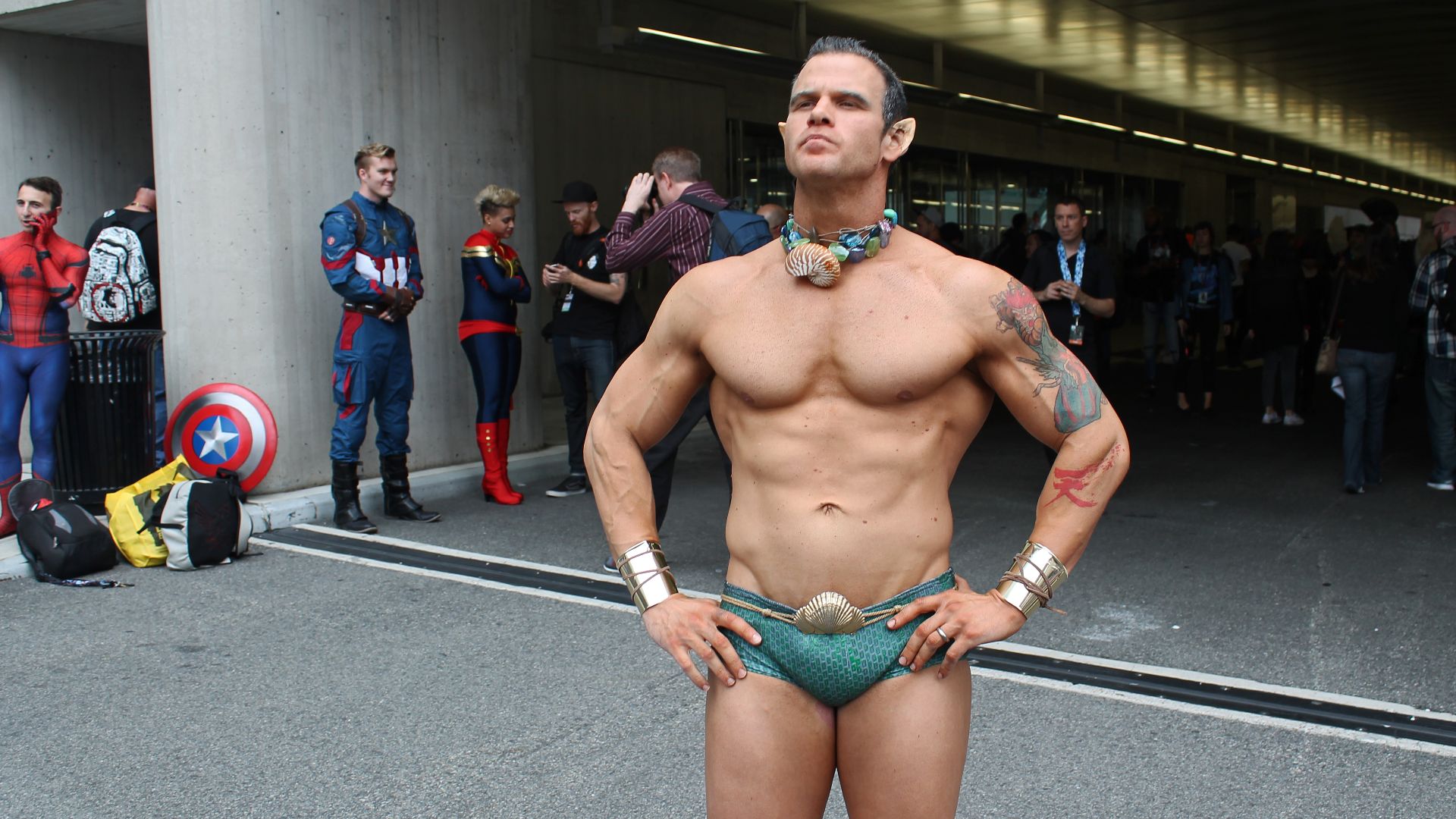
Namor existed for decades before the modern idea of mutants became a major part of the fictional universe. His unusual abilities were eventually explained by identifying him as a mutant born to a human father and an Atlantean mother.
 istolethetv from NYC, USA on Wikimedia
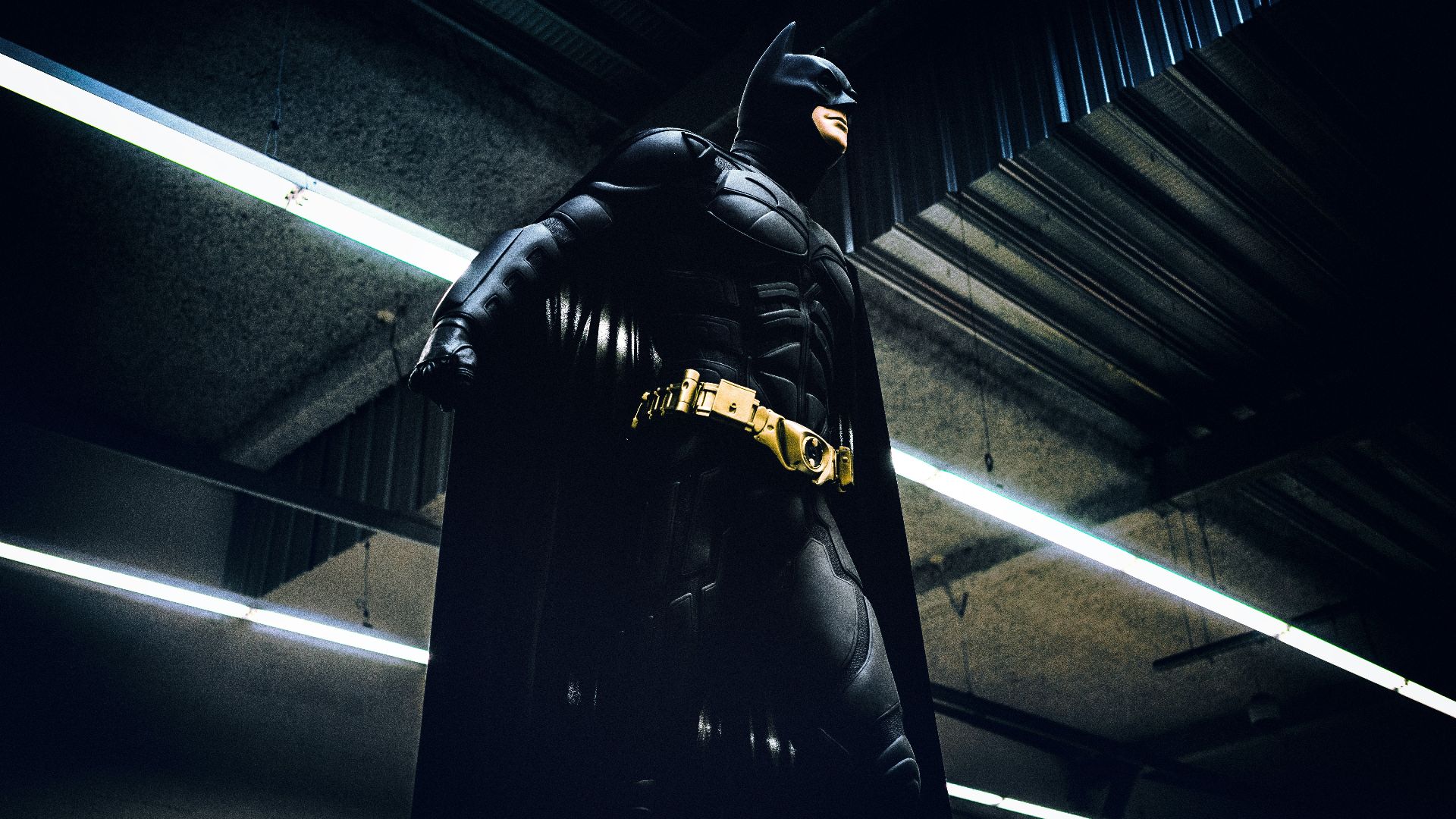
12. Batman Developed a Firm No-Kill Rule
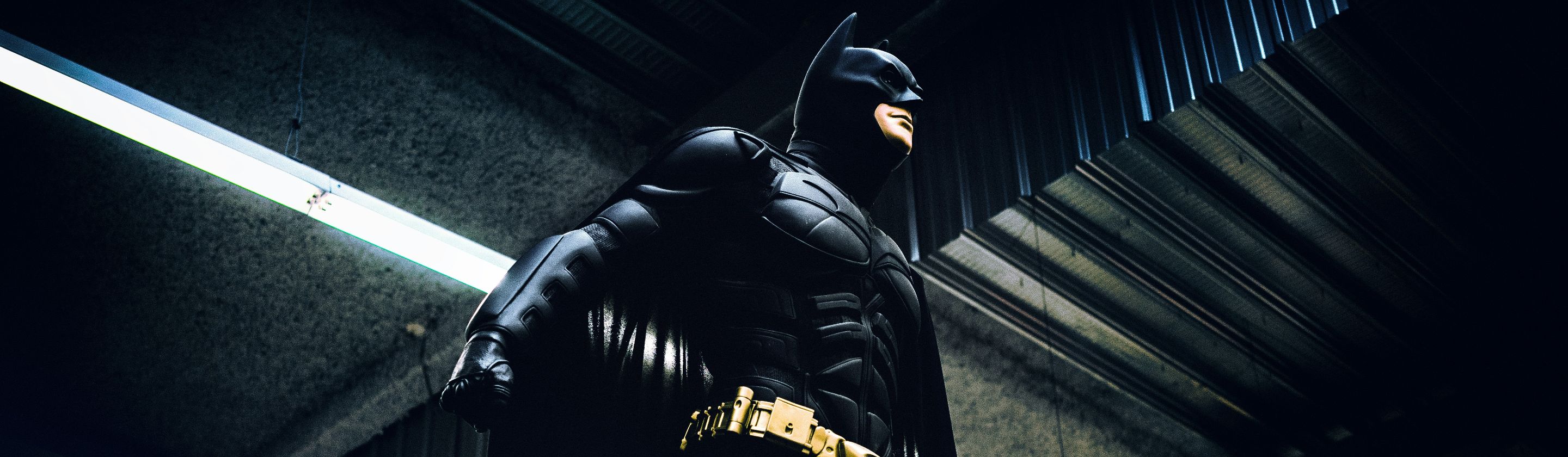
Batman’s earliest appearances occasionally showed him using lethal force or allowing criminals to die without much concern. His history and methods were gradually reshaped around an uncompromising refusal to kill.
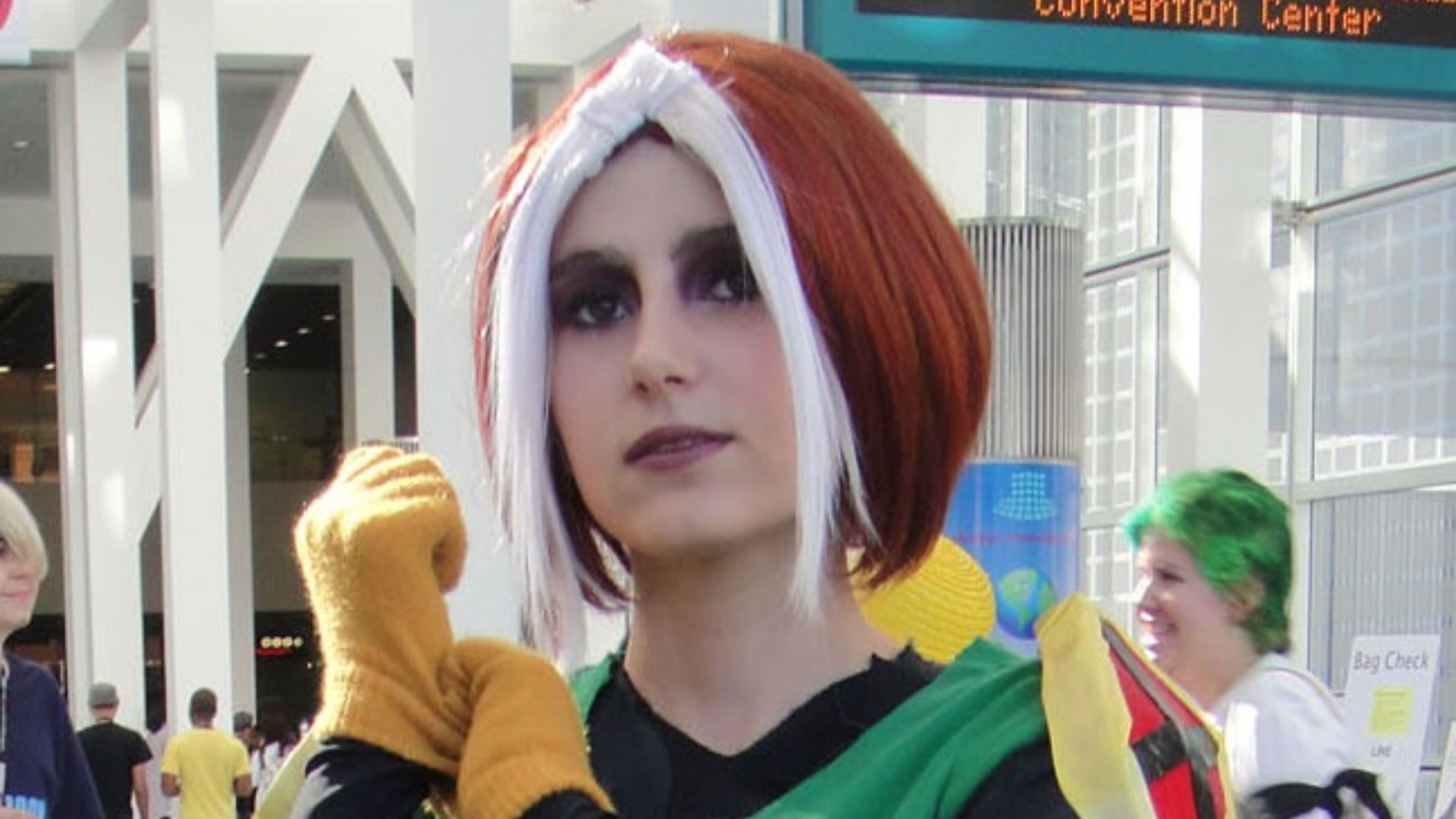
13. Rogue Was Raised by Mystique and Destiny
Rogue entered the fictional universe as a young villain whose personal background remained largely unexplored. Later stories revealed that Mystique and Destiny had taken her in and raised her as part of their unconventional family.
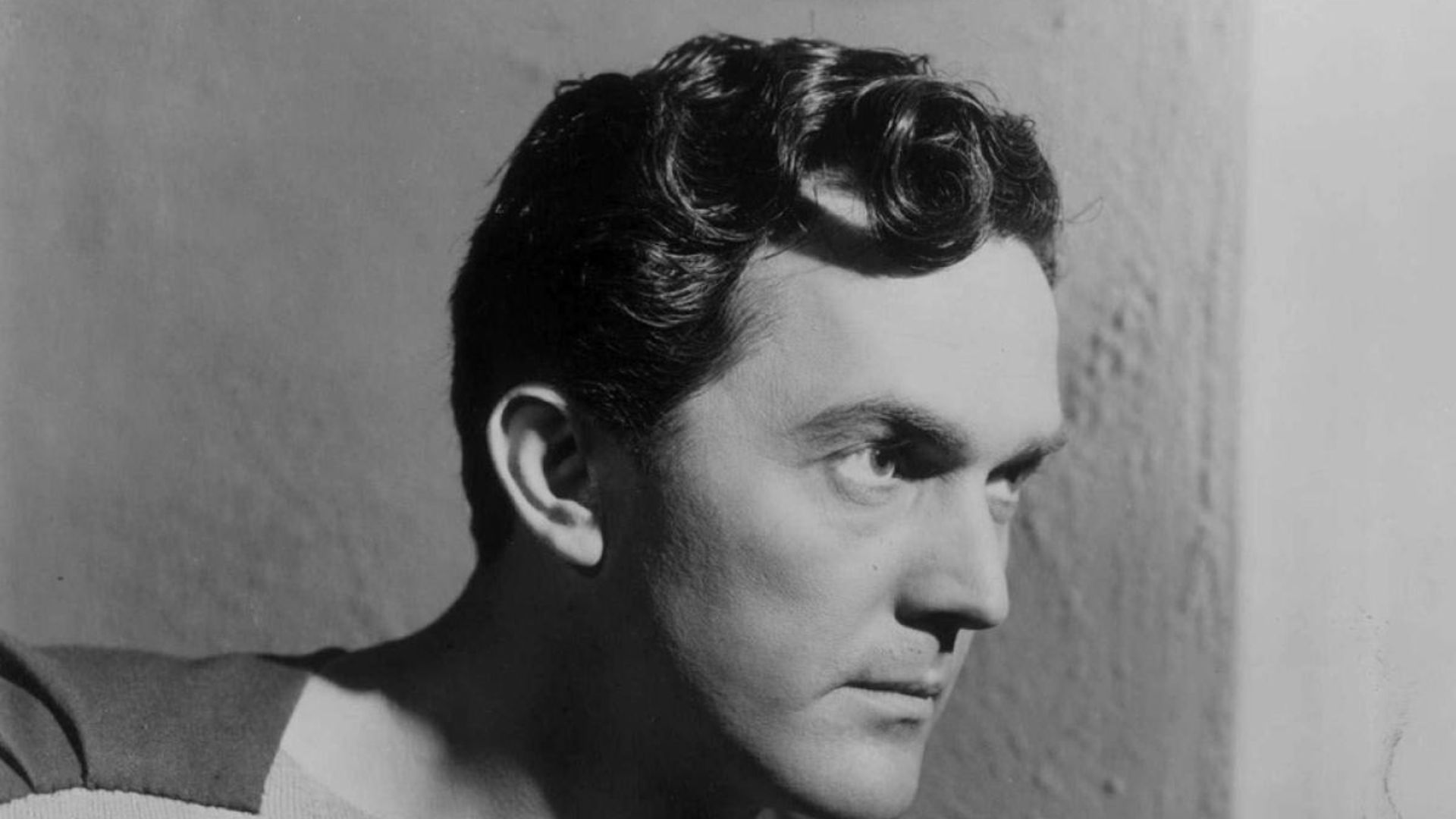
14. Superman’s Symbol Became a Family Crest
The familiar emblem on Superman’s chest originally functioned primarily as a stylized letter representing his name. Later interpretations established it as a Kryptonian symbol connected to the House of El, often carrying ideas associated with hope.
 AnonymousUnknown author on Wikimedia
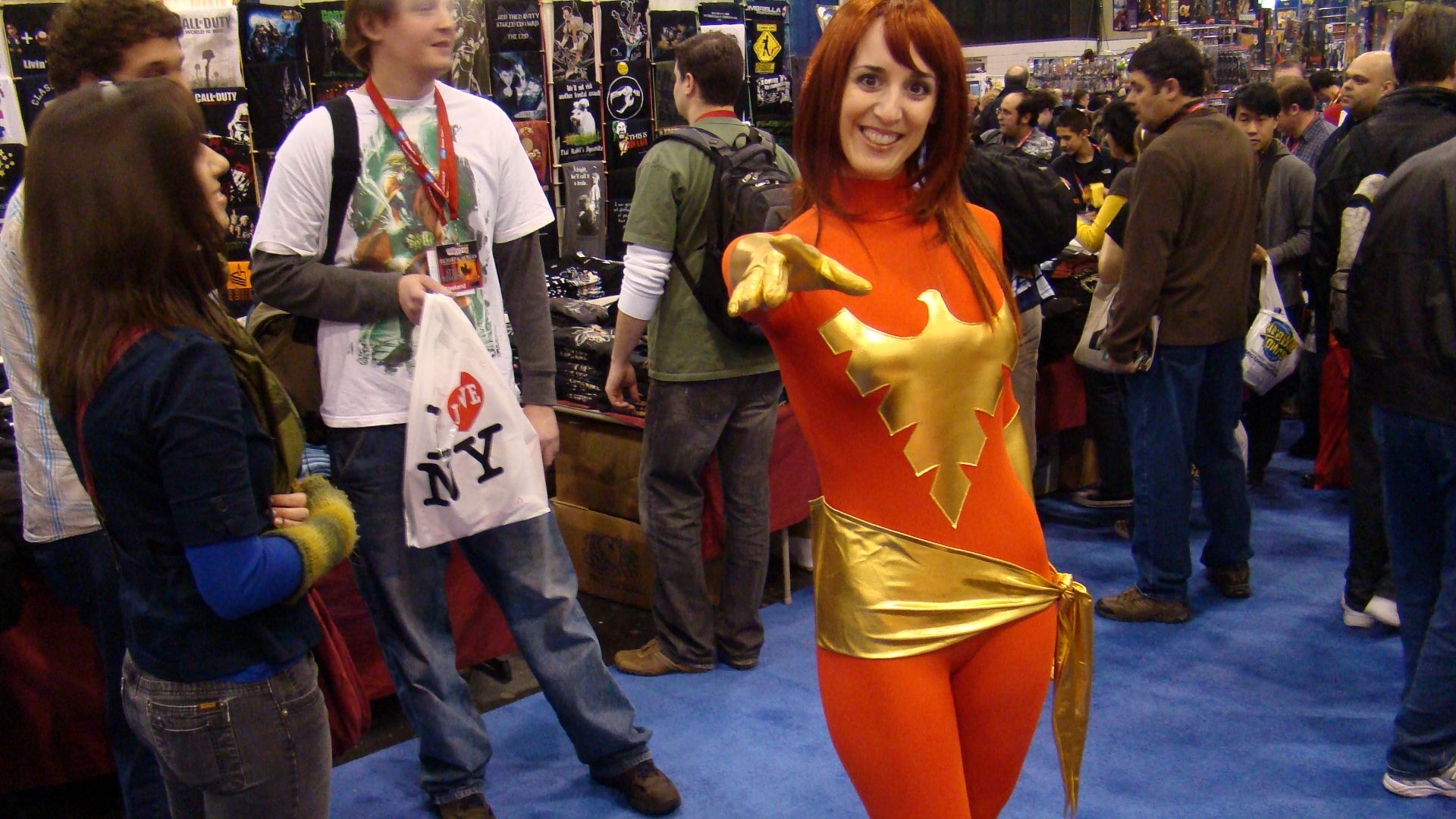
15. Jean Grey Hadn’t Committed the Phoenix’s Crimes
Jean Grey’s apparent death followed actions so destructive that returning her as an uncomplicated hero would’ve been difficult. Her comeback revealed that a cosmic entity had copied her appearance and memories while her real body recovered elsewhere.
 istolethetv from Hong Kong, China on Wikimedia
16. Joe Chill Murdered Bruce Wayne’s Parents
The earliest version of Batman’s origin didn’t identify the gunman who killed Thomas and Martha Wayne. A later story named Joe Chill and showed Bruce confronting the ordinary criminal responsible for changing his life.
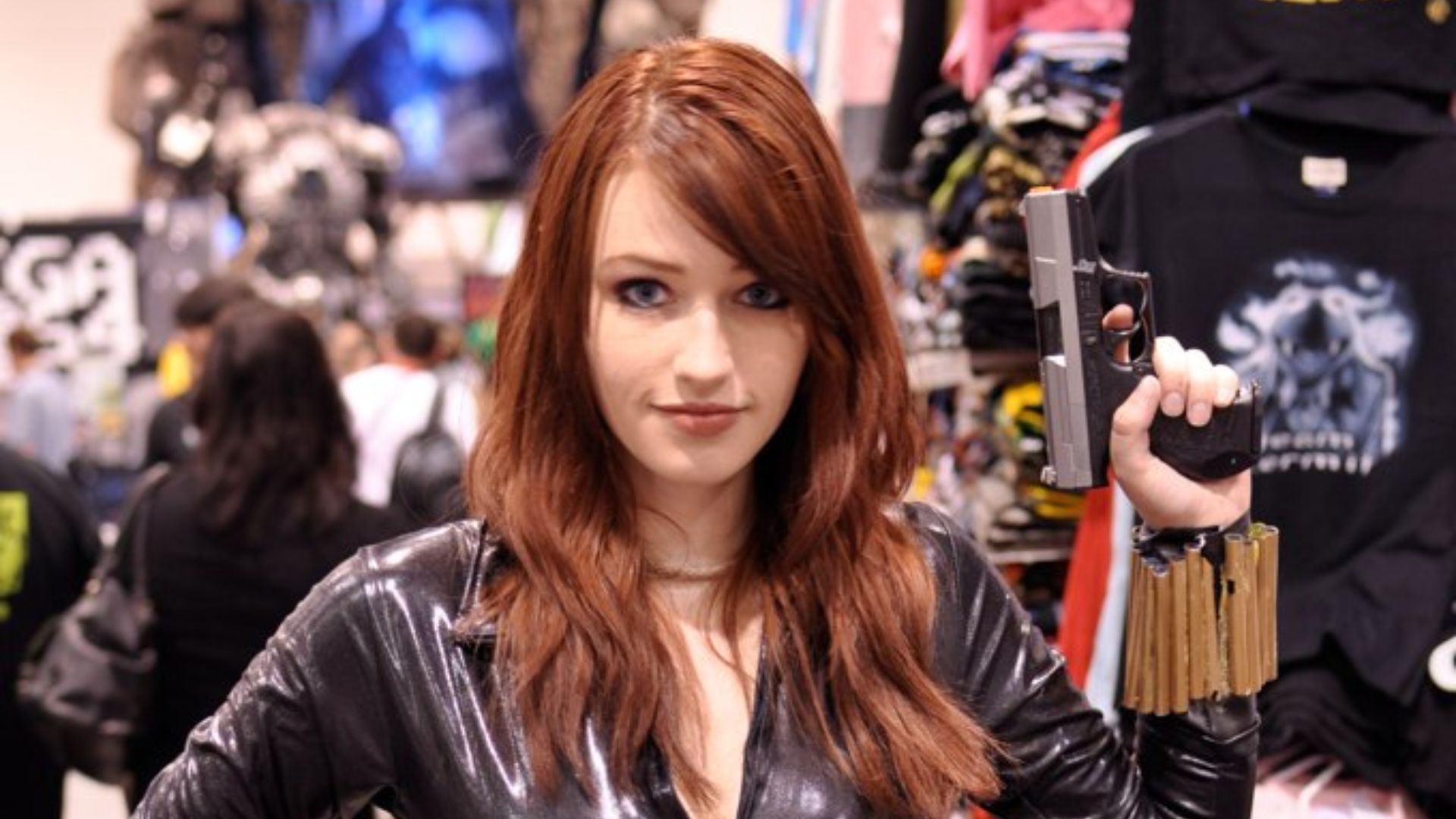
17. Black Widow Came From the Red Room
Natasha Romanoff first appeared primarily as a Soviet spy who eventually defected and became a superhero. Her background was later expanded through the Red Room, where she had been trained, manipulated, and conditioned from a young age.
 Christopher Brown on Wikimedia
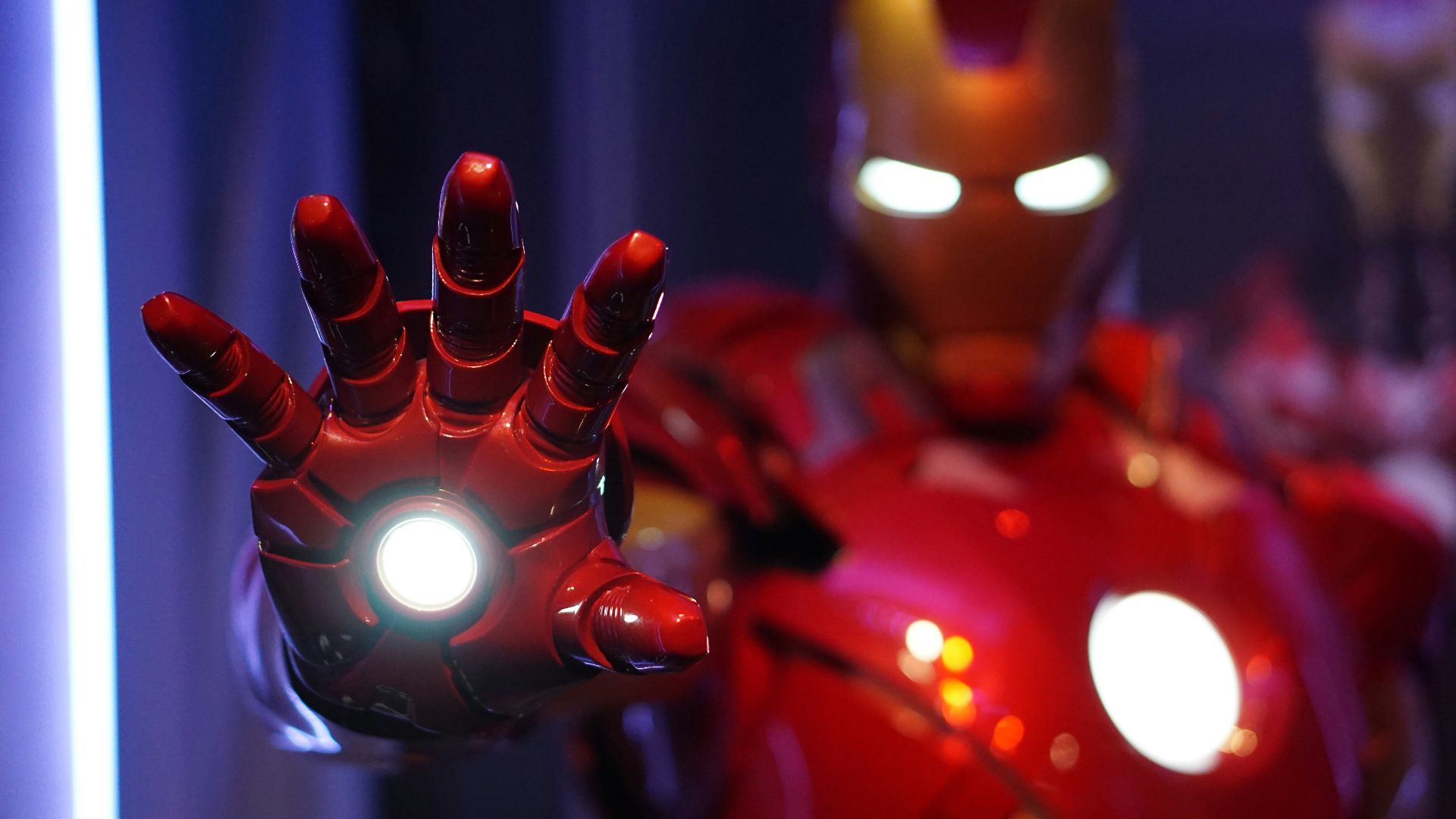
18. Iron Man’s Captivity Moved With the Timeline
Tony Stark’s original injury and imprisonment occurred during the Vietnam War, which became increasingly difficult to maintain as he remained relatively young. Later versions moved the event to more recent conflicts while preserving the essential details of his transformation.
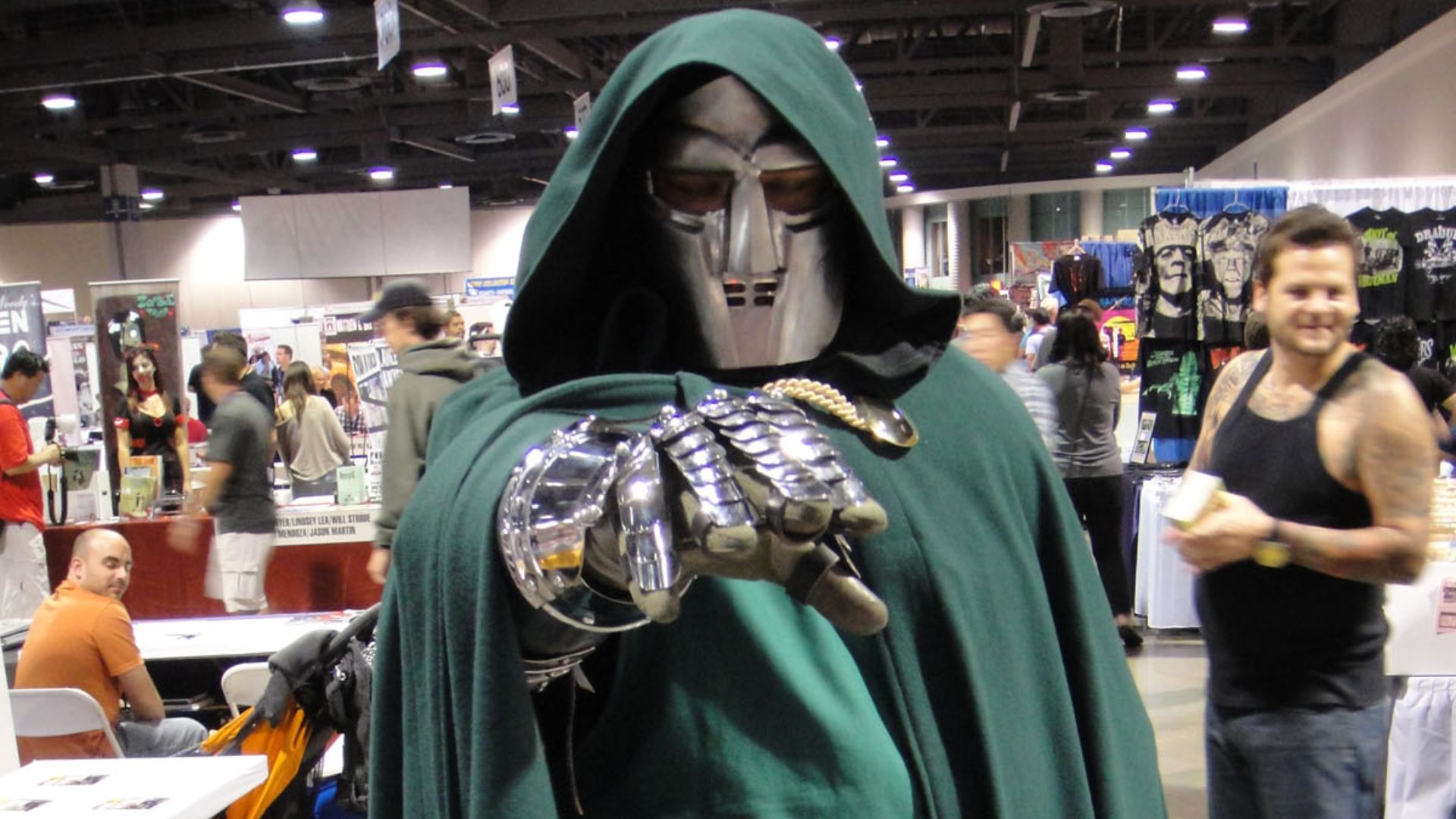
19. Doom’s Mask Made a Small Scar Much Worse
Doctor Doom’s face was once assumed to have been destroyed by the laboratory accident that fueled his hatred of Reed Richards. Later interpretations suggested the initial injury was comparatively minor, but his vanity led him to place a still-hot metal mask over it.
 The Conmunity - Pop Culture Geek from Los Angeles, CA, USA on Wikimedia
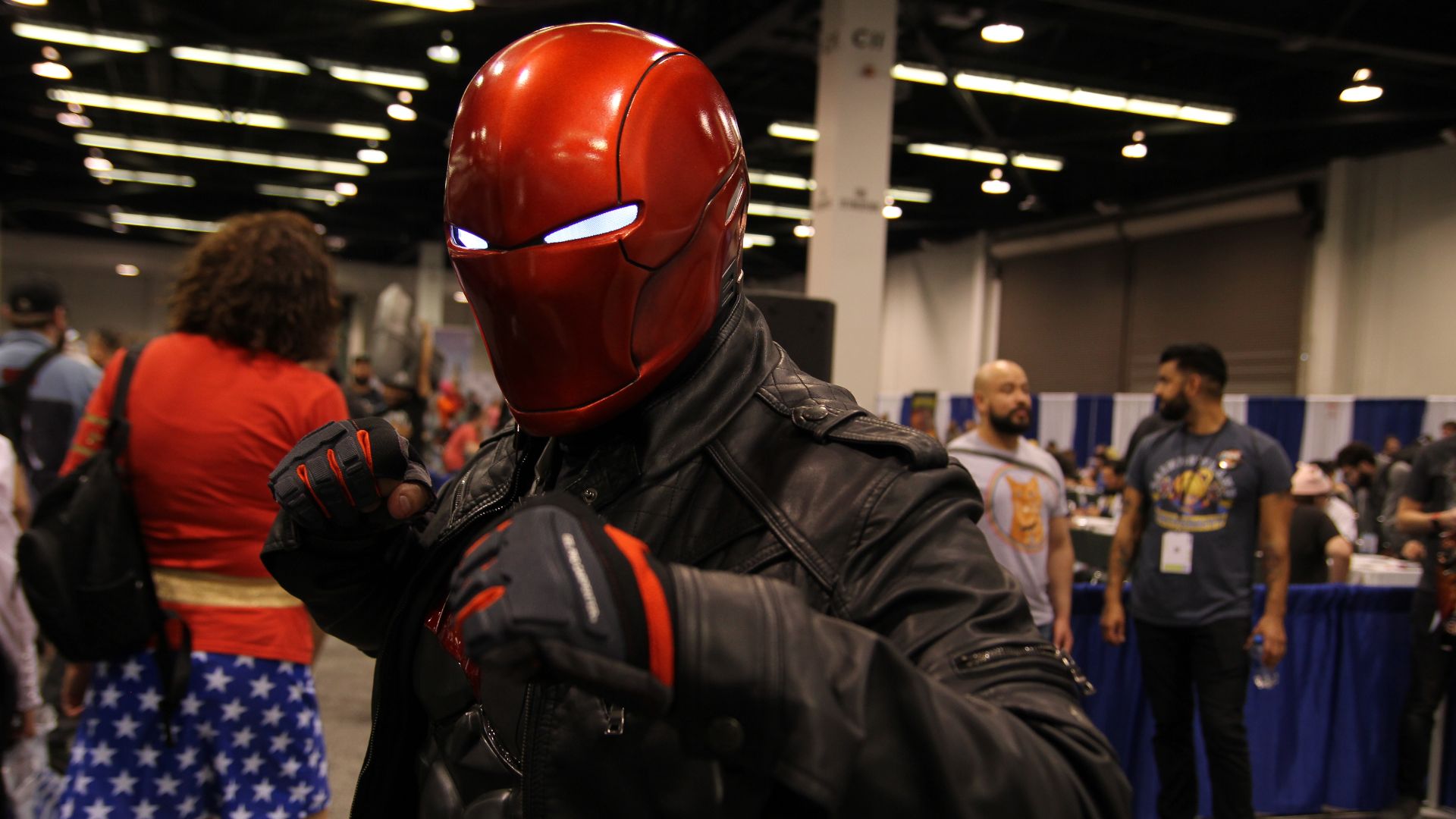
20. Jason Todd Returned as the Red Hood
Jason’s death had long served as one of Batman’s greatest failures and strongest reasons for protecting later partners. Rather than canceling the earlier tragedy, the retcon created a lasting character shaped by its consequences.