Hear that? That catchy new tune has been stuck in your head for days ever since you first heard it on a random TikTok. But did you know that it might have been created by AI? In fact, how can you truly tell if the music you listen to now, and in the future, won't be in part composed with the help of AI?
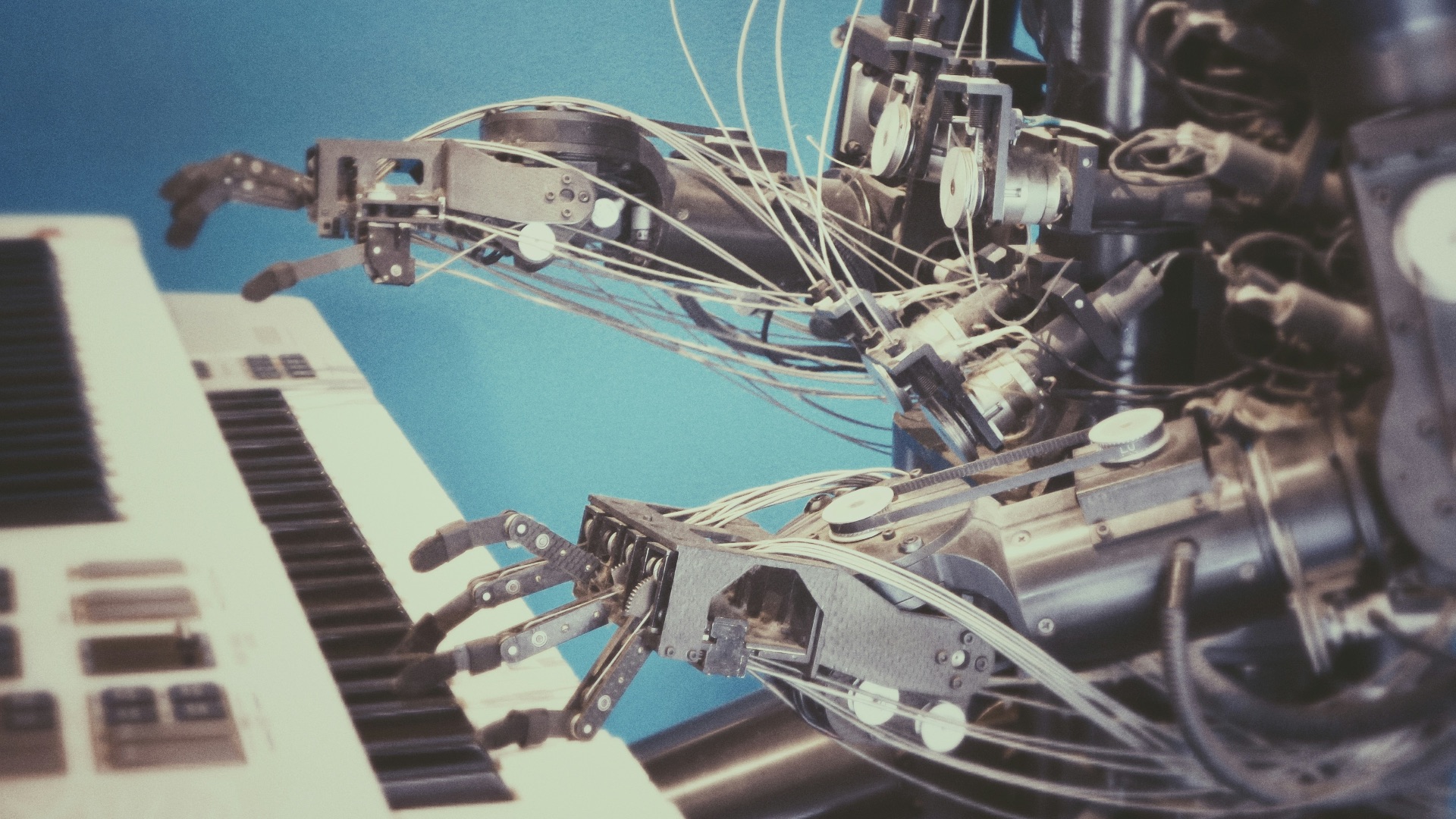
It's a frightening reality, but this isn't a hypothetical anymore; it's happening right now, on the charts and in your playlists. What used to feel like a novelty, a bot spitting out a few awkward bars and questionable lyrics, has turned into something far more convincing, and far more unsettling for anyone who cares about where music comes from. Is AI-generated music really the future?
AI Artists Are Already Topping the Charts
You might assume AI music is still a fringe experiment, but the numbers tell a different story. In April 2026, an AI-generated persona named IngaRose hit No. 1 on the U.S. iTunes chart with a song called "Celebrate Me," a track built using the AI generator Suno. The song racked up nearly 300,000 TikTok videos using it as a sound, and IngaRose's profile had gathered over 220,000 followers, all without a real human face behind the name.
Then there's Xania Monet, an even bigger case study in how far this has come. Monet's music has racked up millions of streams, landed on the Billboard charts, and secured a multimillion-dollar record deal, all for an AI-generated vocal persona. Interestingly, the lyrics reportedly come from a real poet named Telisha Jones, which raises an odd new category: is Monet an AI artist, a human songwriter's avatar, or something in between?
These aren't isolated flukes, either. A growing list of AI acts has climbed global charts throughout 2026, with tracks moving from TikTok virality to legitimate sales figures within days. What started as a gimmick that made people chuckle has become a business model that record labels and independent creators alike are now chasing, and that shift alone should give you pause about what "chart-topping" even means anymore.
The Fear of Losing Creativity and Originality
For a lot of musicians, this technological shift feels like a threat to their livelihood and their art. A recent survey from PRS for Music found that 79% of musicians say they're worried about AI-generated music competing with human-created work, a number that's climbed steadily since 2023. And that makes sense: how are you supposed to compete with a machine that can output far more songs than you could, faster than you ever could? While human-created music will always evoke more emotion (compared to the uncanniness of AI voices), the truth is, some people may still prefer quantity over quality.
Some of the loudest pushback has come from artists who discovered their own work was used without consent. SZA has spoken out after learning hundreds of her songs (238, to be exact, according to the artist herself) were reportedly tied to AI training data, venting out her frustration and distaste via her Instagram story: "If your (sic) a musician and you support this degenerate shit? Your (sic) disgusting and there’s NOTHING YOU COULD EVER SAY TO ME TO MAKE THIS OKAY."
SZA is not the only one. More than a thousand musicians, including Paul McCartney, went as far as contributing to a protest album specifically aimed at AI music that fails to compensate the human artists whose work trained it, titled Is This What We Want? As TIME put it, the danger is that AI is channeling existing human work without giving anything back, and if that continues unchecked, the fear is a "downward spiral into slop" where music (AI- and human-made alike) increasingly echoes itself rather than pushing forward. And listener attitudes back this concern up: a Luminate report on generative AI in entertainment found that consumers are, on the whole, net negative toward AI-generated music, especially when it's fully AI-composed rather than just AI-assisted.
What This Means for Music Going Forward
Despite the backlash, AI isn't going away, and most artists know it. A recent industry report found that 69% of artists are already using more AI tools than they were the previous year, and 90% of that group plans to keep increasing their usage going forward. For many of them, AI is doing more than just songwriting but also handling the tedious stuff, like cover art, captions, and promotional content, freeing up time for the actual creative work.
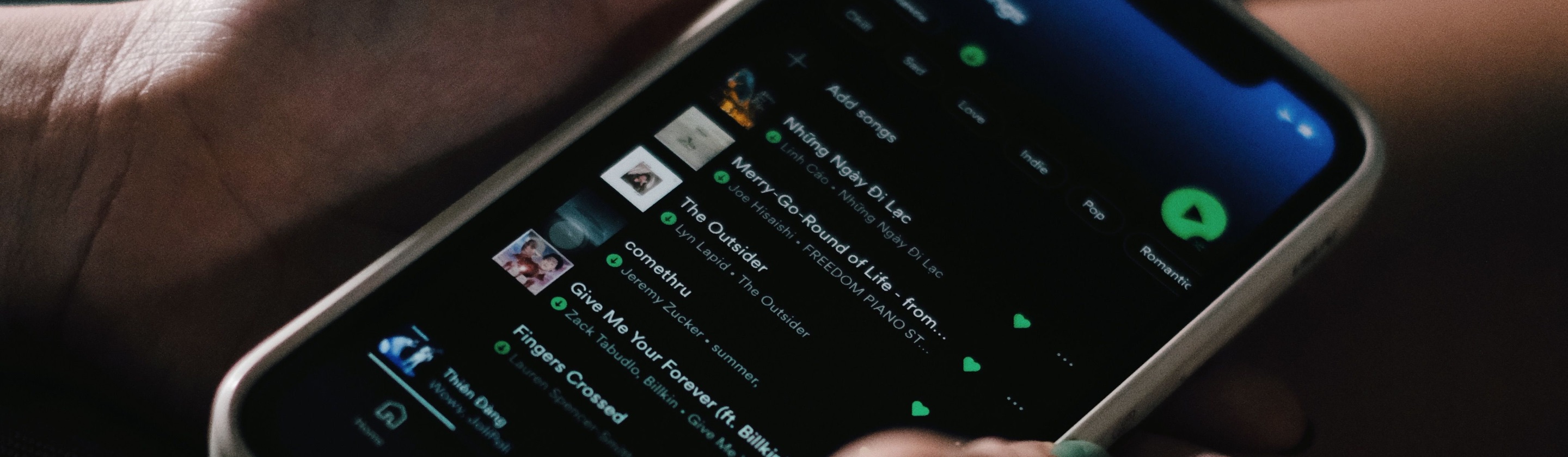
Streaming platforms are scrambling to keep up with the flood of AI-generated tracks, too. Spotify recently introduced a feature called Artist Profile Protection, letting artists review releases before they go live, after AI-generated songs kept landing on the wrong artist pages entirely. The platform has said it isn't banning AI music outright, but it's trying to draw a line between AI as a legitimate creative tool and AI as a vehicle for spam and stolen royalties.
Not everyone thinks the technology is close to replacing human artistry, though. Singer Jason Derulo has said publicly that AI-generated lyrics still lack "soul," and that he hasn't come across an AI lyric he'd actually call impressive. That kind of skepticism from someone inside the industry suggests the technology, however impressive its chart performance, still has real limits when it comes to genuine emotional resonance.
So, is AI music the future? It's already part of the present, whether listeners realize it or not, and the industry is being reshaped by it in real time. What remains unresolved is whether AI ends up as a tool that expands what musicians can do, or a shortcut that floods the world with music built on borrowed creativity. The songs stuck in your head might keep coming from unexpected places; the real question is whether you'll know the difference, and whether that difference will still matter to you when you hear it.