
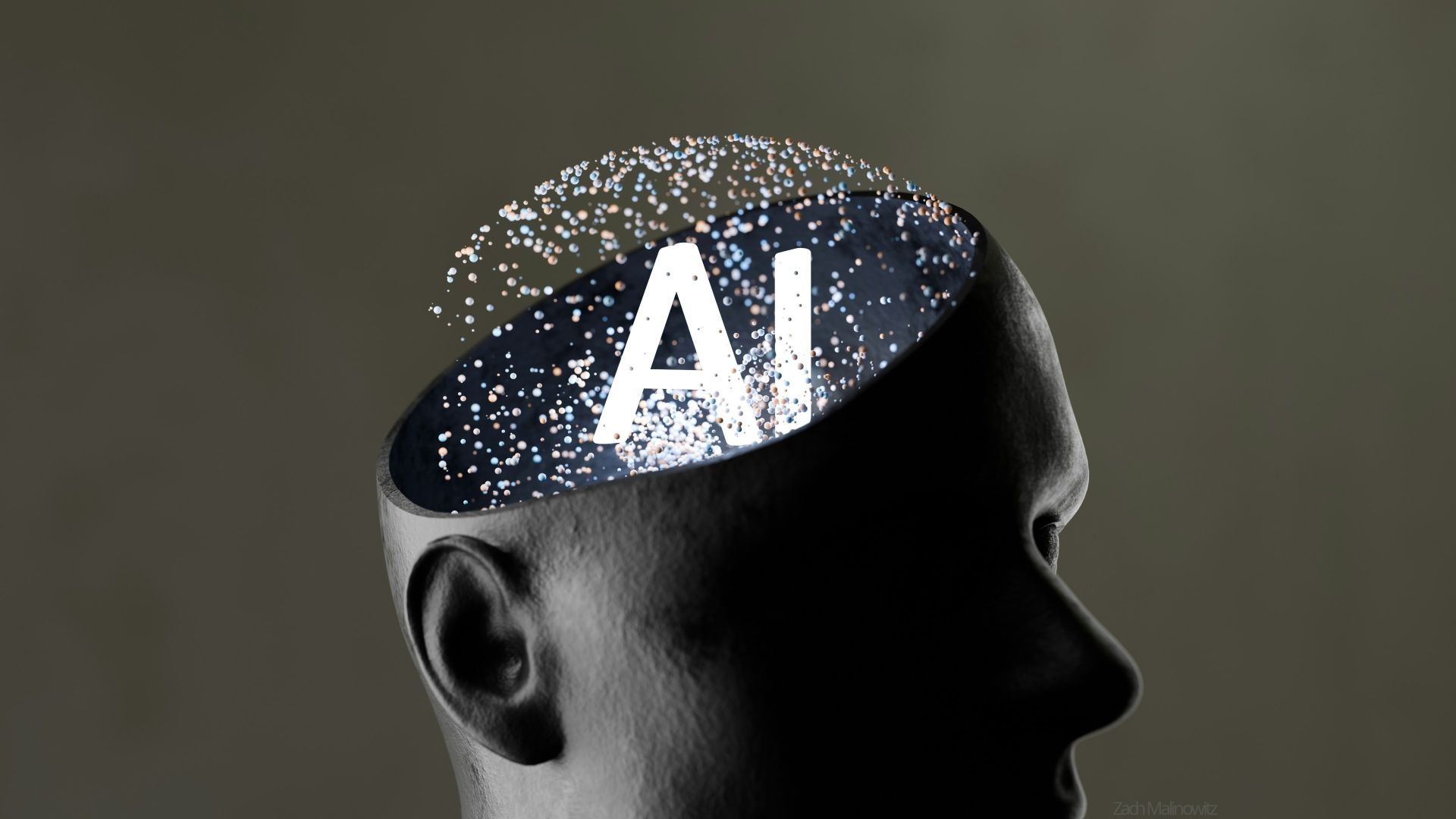
AI brain fry is the foggy, overloaded feeling that can come from using artificial intelligence too much or for the wrong kinds of tasks. It’s that strange mental state where you’ve asked a chatbot for help, read five generated summaries, compared three suggested outlines, and somehow feel less clear than when you started. The tool was supposed to make thinking easier, but now your brain feels like it has 47 tabs open and none of them are responding.
That doesn’t mean AI is bad or that everyone needs to throw their laptop into a lake. AI can be incredibly useful for brainstorming, organizing information, drafting, coding, planning, and getting unstuck. The problem begins when people use it as a constant shortcut for every small decision, creative task, or piece of mental effort. At that point, AI stops feeling like a helpful assistant and starts feeling like one more source of noise.
Why AI Brain Fry Happens
One reason AI brain fry happens is that AI gives you too much, too fast, leaving you with more decision fatigue. Instead of sitting with one idea, you can instantly generate ten angles, twenty headlines, five drafts, and a list of improvements. That sounds efficient, but your brain still has to sort, judge, edit, reject, compare, and choose. When the machine keeps producing options, the human mind can get stuck cleaning up the buffet.
Another problem is that AI often removes the natural pauses that help people think. Before these tools became common, you might stare out the window, scribble a bad first sentence, take a walk, or slowly figure out what you actually meant. Those moments may look unproductive, but they give your brain time to connect ideas. If you replace every pause with a prompt, you may get answers faster while understanding your own thoughts less.
Because the output usually sounds polished, you have to keep asking yourself whether it’s correct, original, useful, too generic, too confident, or quietly wrong. That constant evaluation takes mental energy, especially when you’re using AI across work, emails, research, social posts, and daily problem-solving. Eventually, even a helpful tool can make your brain feel like it’s working overtime as a quality-control department.
What AI Brain Fry Looks Like
AI brain fry can show up as mental fog. You might use AI to summarize something, then realize you don’t really remember the original material or the summary. You may have technically “processed” the information, but it didn’t fully land. That can leave you with the uncomfortable sense that you’ve been productive without actually absorbing much.
It can also make your own ideas feel harder to access. If you constantly ask AI what to write, say, cook, plan, buy, or think, your first instinct may become outsourcing instead of trying. That’s convenient in small doses, but over time it can make ordinary thinking feel strangely rusty. You may start needing help not because the task is difficult, but because you’ve gotten used to skipping the first few steps. One MIT study even suggested that heavy AI use is shrinking our critical thinking abilities.
Another sign is creative sameness. AI can produce clean, organized, reasonable suggestions, but those suggestions often seem very generic. If you rely on them too heavily, your work may start sounding competent but a little flattened. The edge, weirdness, humor, and personal judgment that make ideas feel alive can get worn down if every thought passes through the same machine-polished filter.
AI brain fry can also make you more impatient with slow thinking. Reading a full article, making a decision without instant suggestions, or drafting something from scratch may start to feel unnecessarily hard. A recent study led by a researcher at Carnegie Mellon University found that once people get used to using AI to solve problems, they're more likely to give up quickly when the AI is taken away, indicating that our brains tend to become lazy when AI is used as a crutch. Unfortunately, many meaningful ideas still need time and effort to develop.
How To Use AI Without Frying Your Brain

The best way to avoid AI brain fry is to decide what kind of help you actually want before opening the tool. AI works best when it has a specific job, such as summarizing notes, checking structure, generating alternate phrasings, or helping you brainstorm after you’ve already formed a rough idea. It becomes more draining when you ask it to think for you from the beginning. A little intention can keep the tool from taking over the whole process.
It also helps to do a first pass on your own. Write the messy paragraph, list your rough ideas, or decide what you think before asking AI to improve it. That way, you’re using the tool to sharpen your thinking rather than replace it. The difference may seem small, but it keeps your brain involved instead of letting it sit in the passenger seat, eating snacks.
Breaks matter too, even when the work is digital and technically easy. If you’ve been prompting, comparing, editing, and re-prompting for a while, step away before the words start looking meaningless. Walk around, read something written by a human, or do a task that doesn’t involve generating more text. Your brain isn't a content mill, even if your calendar makes it seem that way.
In the end, AI brain fry is a reminder that convenience still has a cost. AI can make work faster, smoother, and less intimidating, but it can also flood your attention with options, shortcuts, and half-finished thoughts. The goal isn’t to avoid AI completely. It’s to use it in a way that supports your thinking instead of replacing the parts of thinking that make you feel clear, creative, and human.