10 Superhero Hideouts With Fantastic Interior Design & 10 Villains Who Did It Better
10 Superhero Hideouts With Fantastic Interior Design & 10 Villains Who Did It Better
From Secret Bases To Boss-Level Rooms, These Fictional Spaces Know How To Use Tech, Scale, And A Whole Lot Of Atmosphere
Superhero hideouts do a lot more than store costumes, vehicles, and wildly expensive gadgets. The best ones tell you plenty about a character before they’ve even stepped into the room, whether that means a cave full of gear, a quiet Arctic sanctuary, or a lab that looks like it’s running five years ahead of everyone else. In comics, games, movies, and animation, these spaces also help shape how we understand secrecy, teamwork, control, and ego. Some feel safe and personal, some feel cold and untouchable, and some look like they’d be a nightmare to insure. Here are 10 superhero hideouts with fantastic interior design, followed by 10 villain spaces that may have pulled off the whole idea even better.
1. The Batcave
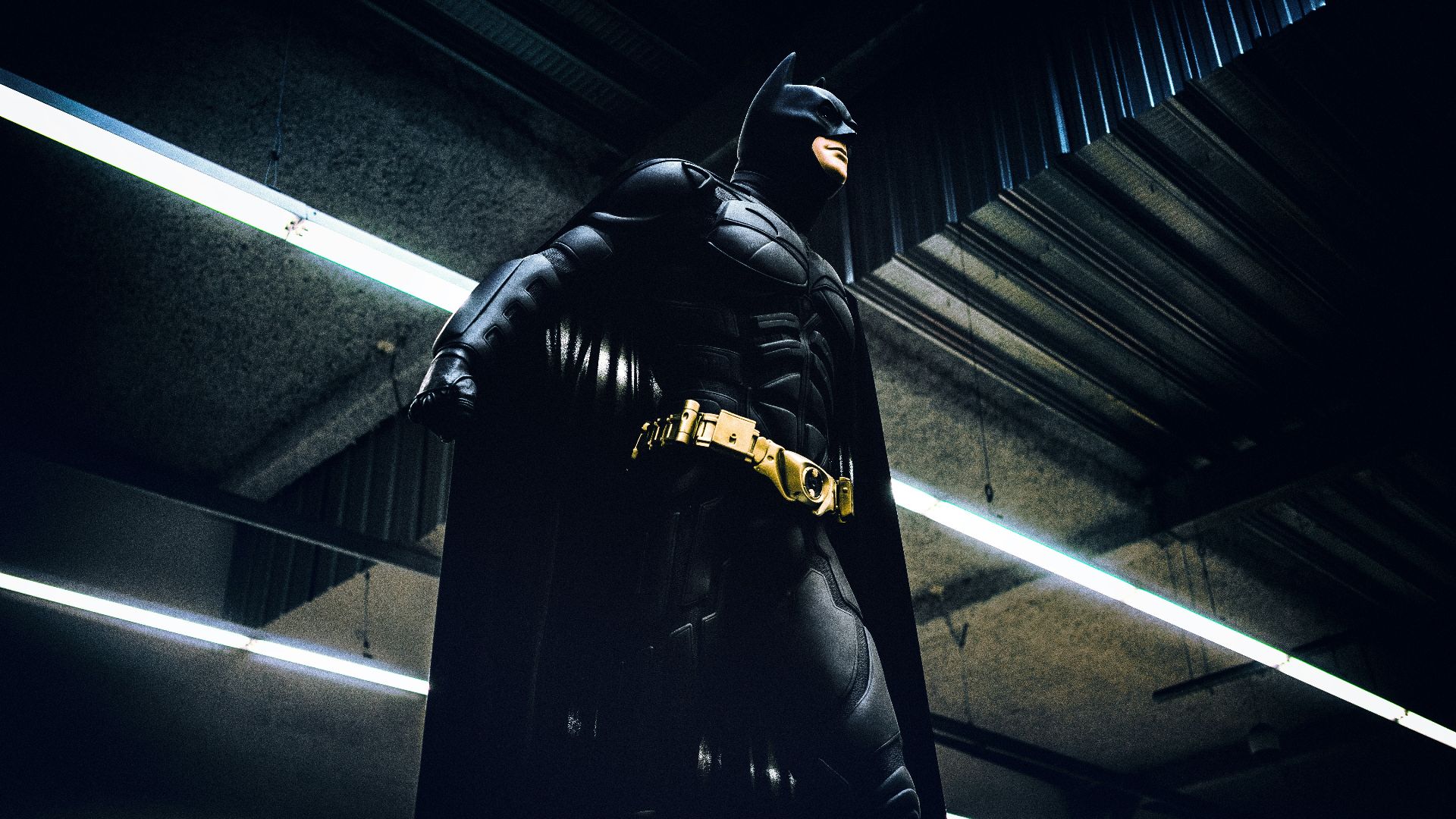
The Batcave is the superhero hideout everyone else gets measured against, and for good reason. Beneath Wayne Manor, Bruce Wayne keeps vehicles, suits, weapons, computer systems, and forensic tools in a space that feels private, serious, and built for someone who never really clocks out.
2. The Fortress Of Solitude
The Fortress of Solitude gives Superman a rare place where quiet matters as much as strength. Its icy, crystalline design feels far away from everyday human life, while still keeping him connected to the Kryptonian history he carries with him.

3. The Sanctum Sanctorum
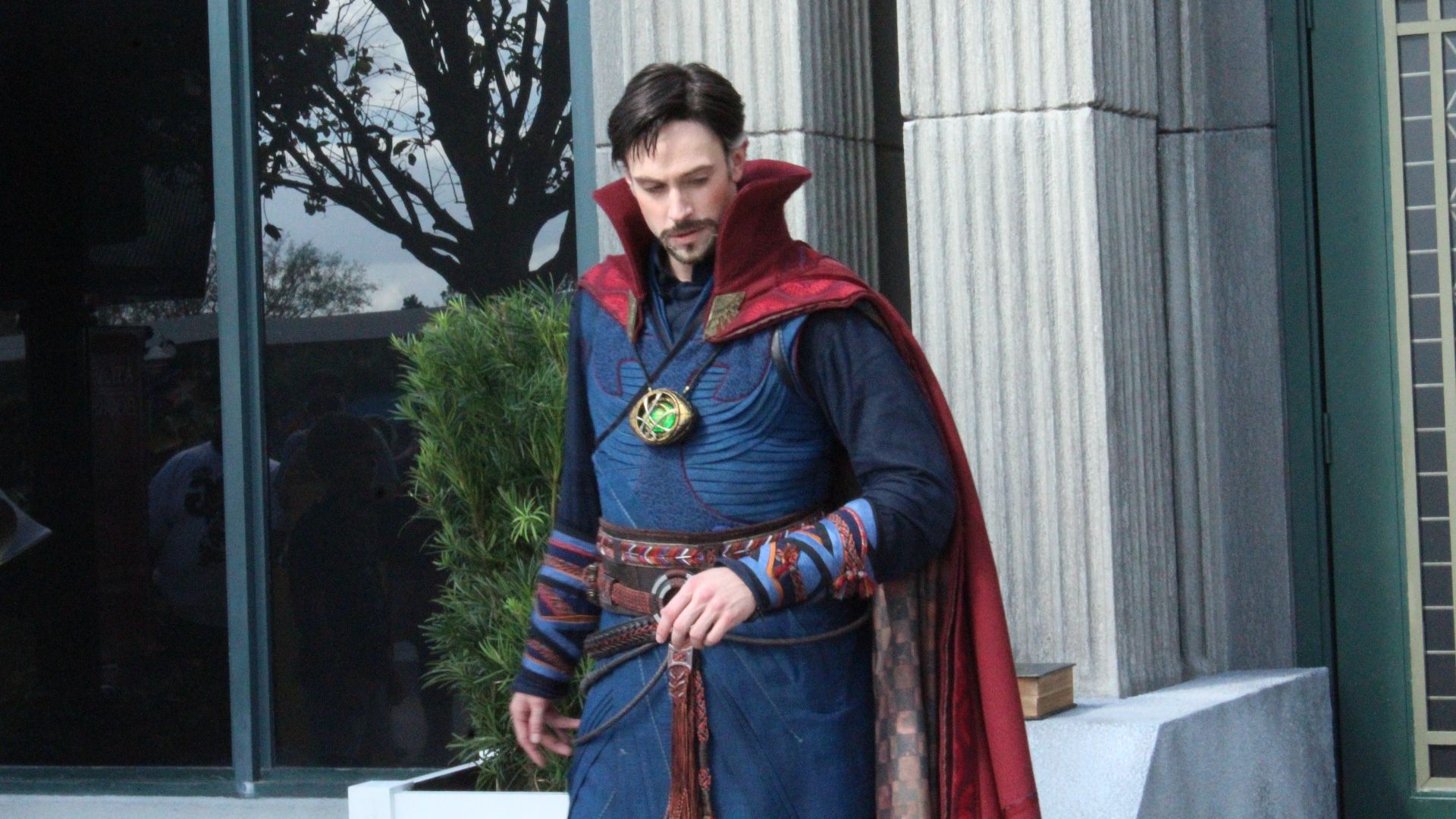
Doctor Strange’s townhouse brings old city architecture together with mystical danger, which is a pretty great design brief. From the street, it looks like an unusual residence, but inside, it holds artifacts, libraries, staircases, and rooms that don’t seem too concerned with ordinary rules.
 Theme Park Tourist on Wikimedia
4. Avengers Tower
Avengers Tower feels like a glossy headquarters for heroes who save the world and still need somewhere to compare notes afterward. Its labs, open rooms, landing areas, and command-ready interiors make it feel more public than most superhero bases, which fits a team that tends to make a lot of noise.

5. The X-Mansion
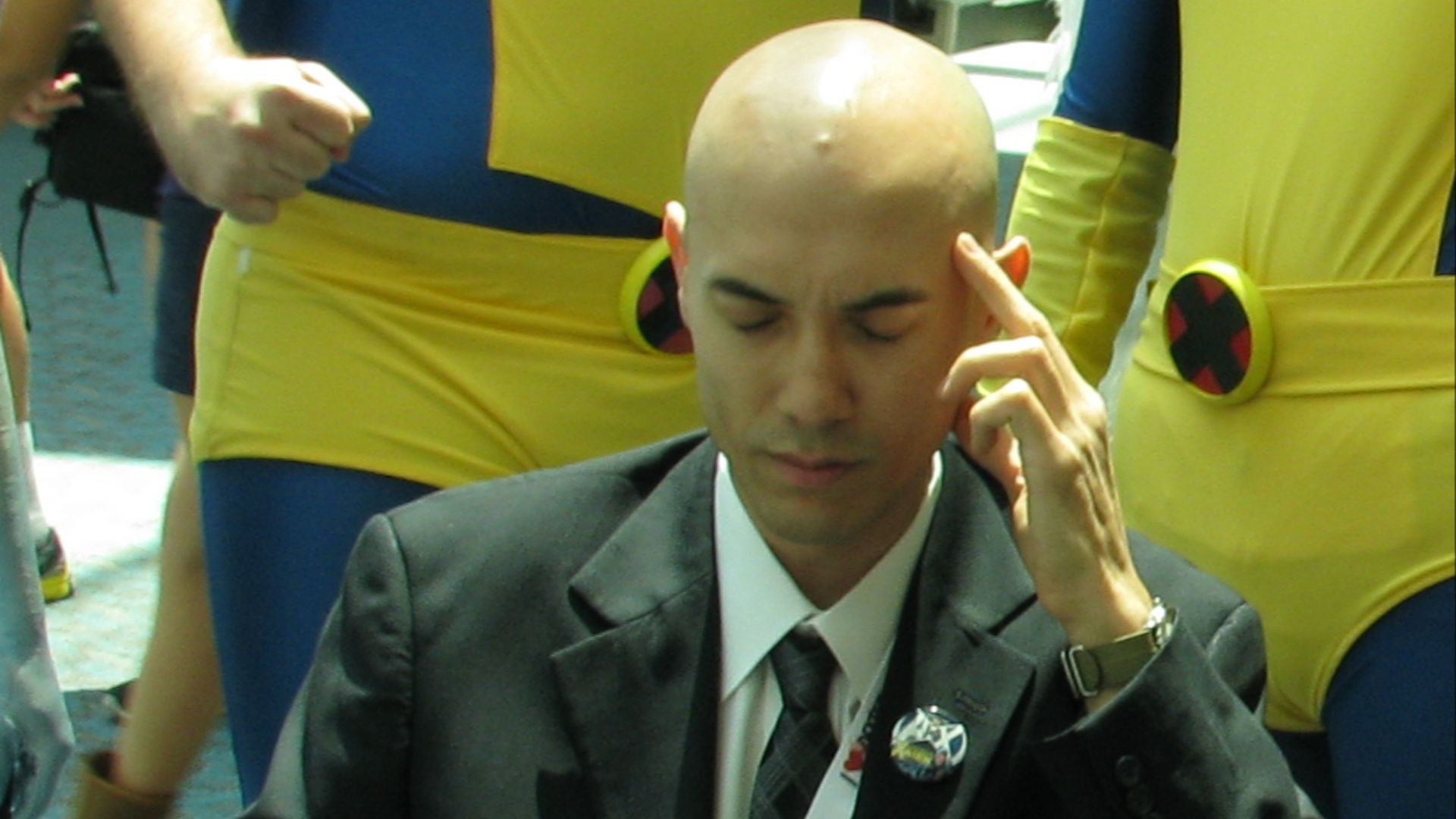
The X-Mansion works so well because it looks like a school before it looks like a tactical base. Classrooms, dorm rooms, lawns, and estate architecture give it warmth, while the hidden training rooms, labs, and underground systems make it clear that mutant safety takes serious planning.
 William Tung from USA on Wikimedia
6. The Justice League Watchtower
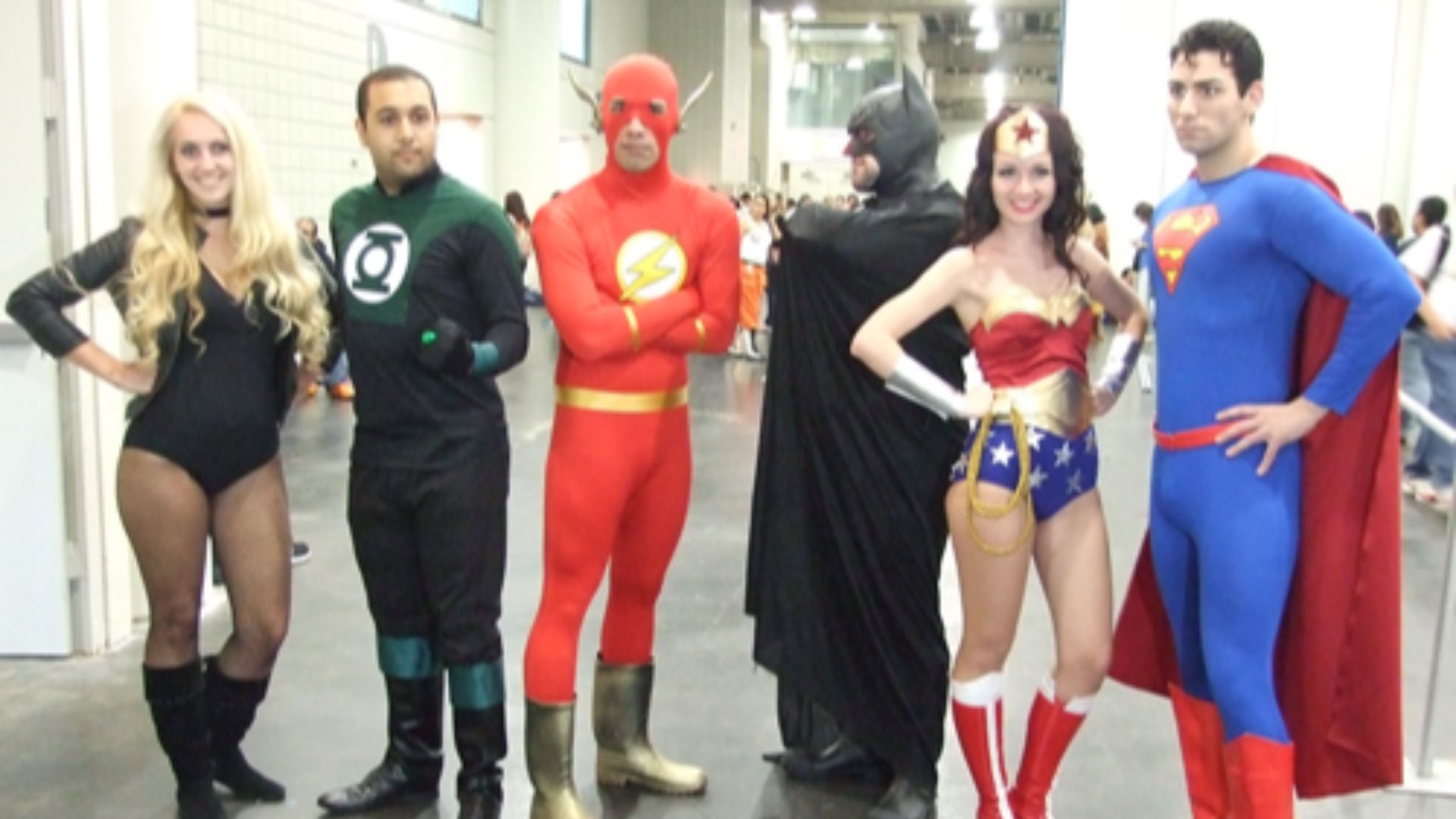
The Watchtower has a bigger job than feeling cozy, and that’s part of its appeal. As a space-based headquarters for heroes with very different powers and needs, its command areas, medical rooms, observation decks, and shared spaces feel built for constant global emergencies.
7. Titans Tower
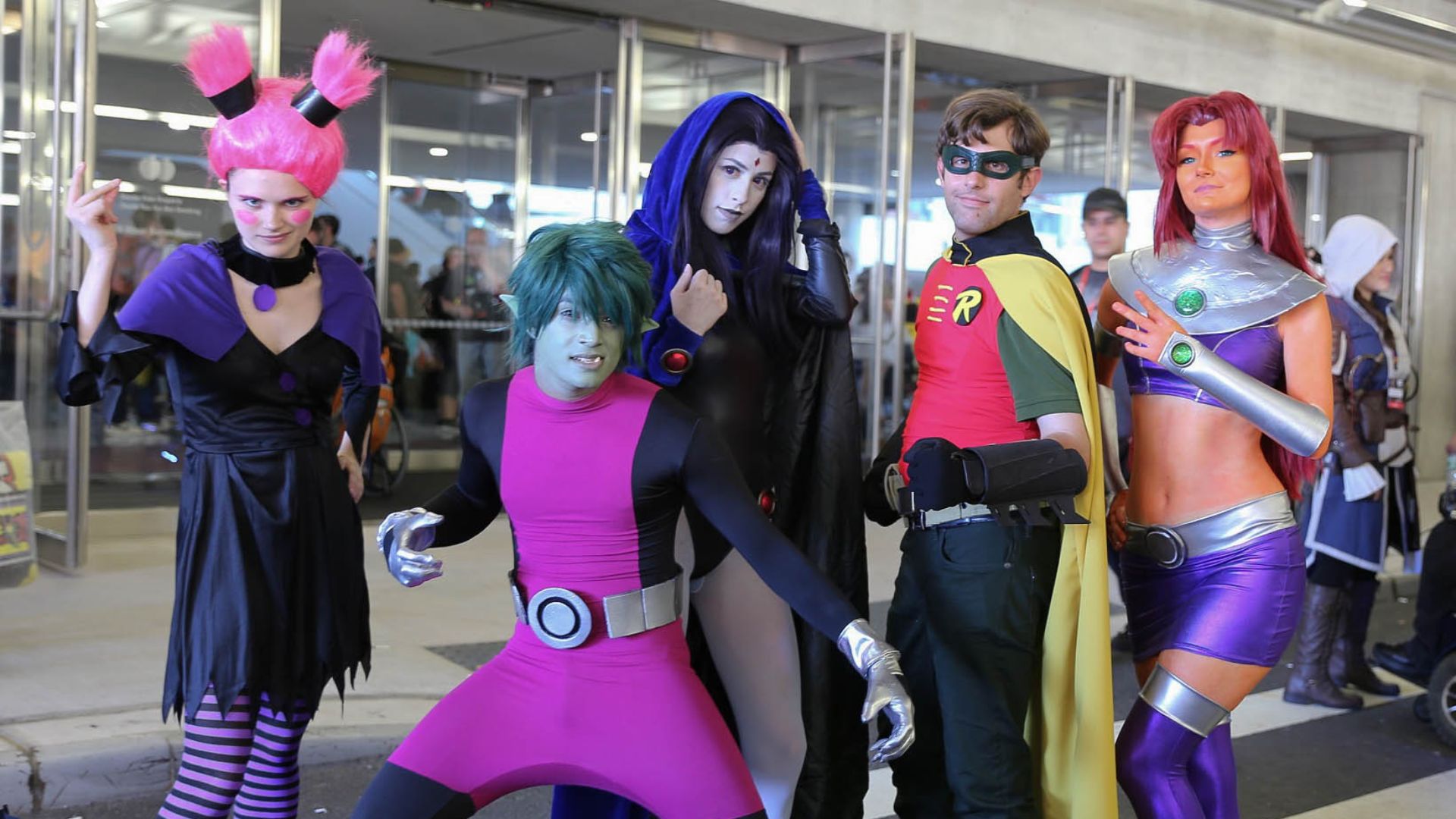
Titans Tower knows exactly how loud its own branding is, and that makes it fun. The giant T shape is impossible to miss, while the bedrooms, lounges, training areas, and tech rooms give it the feel of a dorm, clubhouse, and emergency base all at once.
 Richie S from Brooklyn, NY, United States on Wikimedia
8. Shuri’s Lab
Shuri’s lab is one of the best superhero tech spaces because it has real personality without losing its clean, advanced look. The room feels bright, quick, and warm, with interfaces and workstations that suit someone whose mind is usually several steps ahead of everybody else’s.
 Sheba_Also 43,000 photos on Wikimedia
9. The Helicarrier
The Helicarrier is a flying headquarters, so it already starts with a pretty wild advantage. Its command bridges, aircraft bays, tactical stations, corridors, and engineering areas make it feel like a military base, aircraft carrier, and sci-fi workplace packed into one enormous machine.

10. Spider-Society HQ
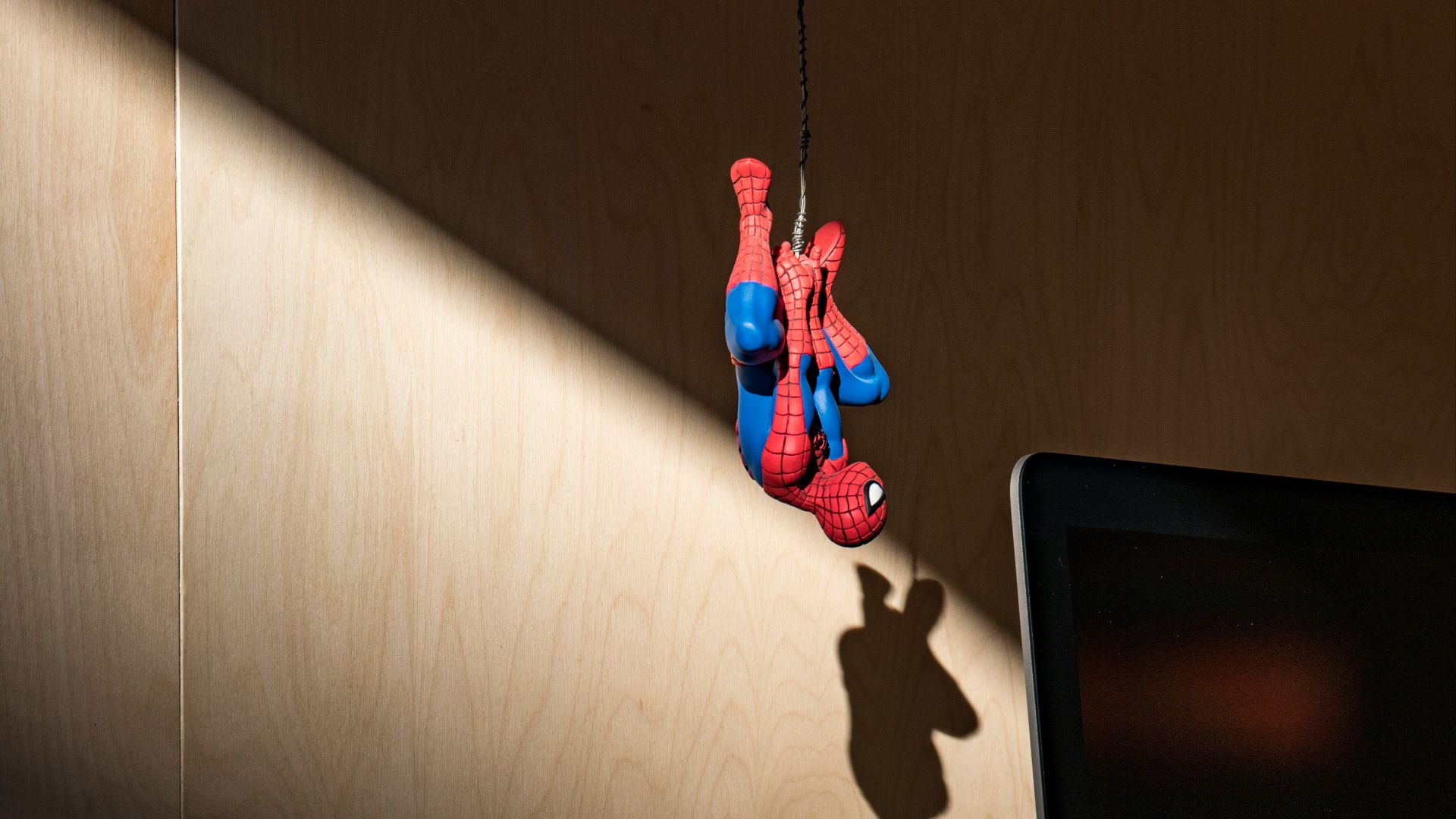
Spider-Society HQ feels built for heroes who move through space in ways most buildings could never handle. Its layered platforms, fast movement, dimensional technology, and huge scale make it feel part city, part operating system, and part animated obstacle course.
 Jean-Philippe Delberghe on Unsplash
1. Doctor Doom’s Castle
Doctor Doom’s castle makes most hero bases look modest by comparison. Its royal scale, stone corridors, laboratories, armor, machinery, and gothic menace turn Doom’s ego, intellect, and need for control into a full design style.
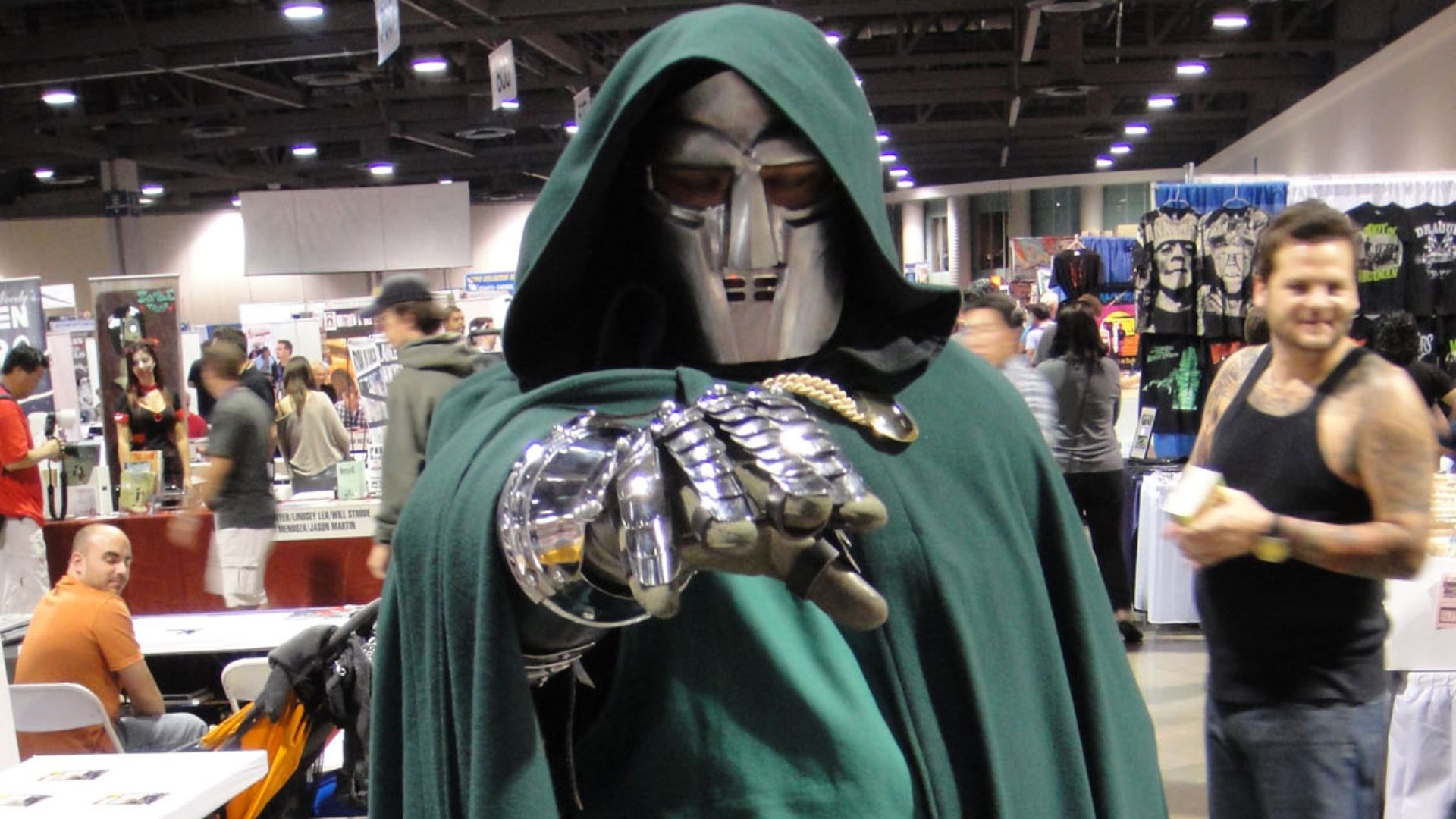 The Conmunity - Pop Culture Geek from Los Angeles, CA, USA on Wikimedia
2. Asteroid M And Avalon
Magneto’s orbital bases take the idea of a hideout and make it political. By moving his sanctuary off Earth, he turns physical distance into a statement, creating spaces that feel like a fortress, refuge, and warning sign all at once.
 William Tung from USA on Wikimedia
3. Ego’s Palace
Ego’s palace has an unusual advantage because the home and the villain are tied to the same cosmic self-portrait. Its glowing, symmetrical, almost too-perfect beauty seems tempting at first, then slowly starts to feel like the most expensive red flag imaginable.

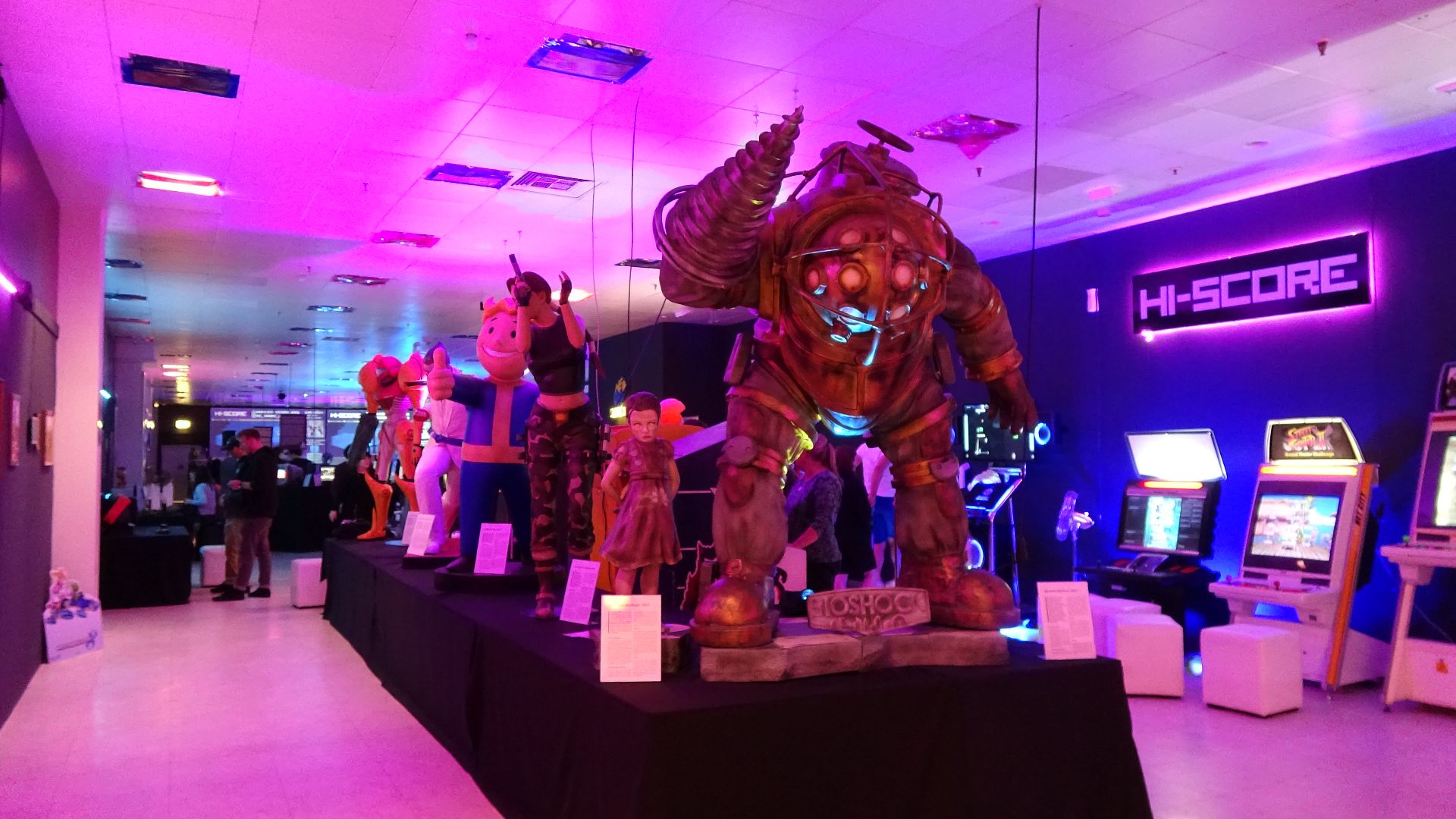
4. Syndrome’s Island Base
Syndrome’s island base is villain design in its most entertaining form. The remote setting, tropical cover, sleek control rooms, hangars, hidden systems, and retro-futurist touches all make it feel like a boss level built by someone who studied every supervillain cliché and upgraded the lighting.
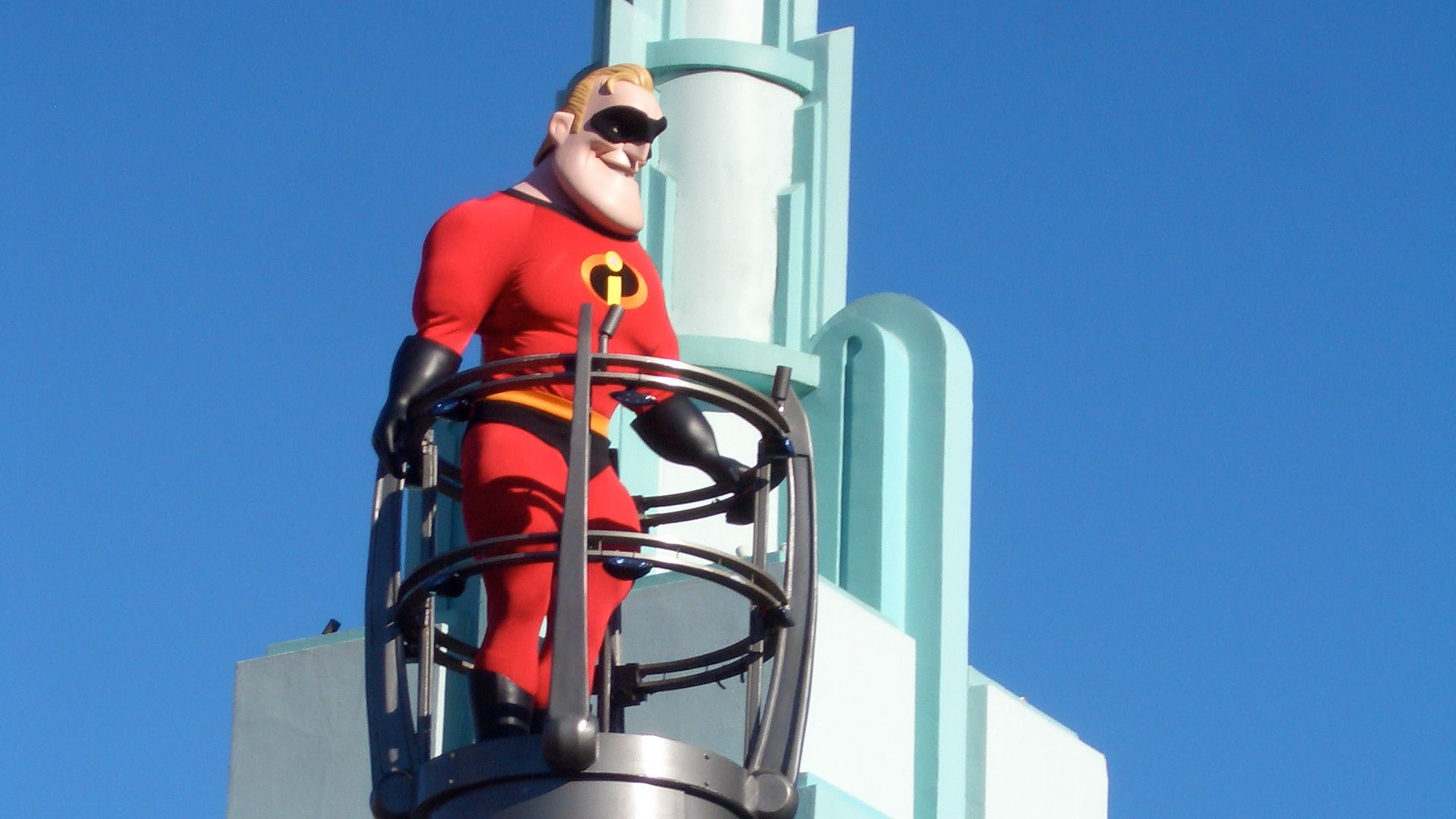
5. Aperture Laboratories
Aperture Laboratories is one of gaming’s great interiors because it keeps changing what kind of place it is. The test chambers are clean, clinical, and darkly funny, while the hidden maintenance areas reveal rust, cables, decay, and years of corporate ambition gone badly wrong.
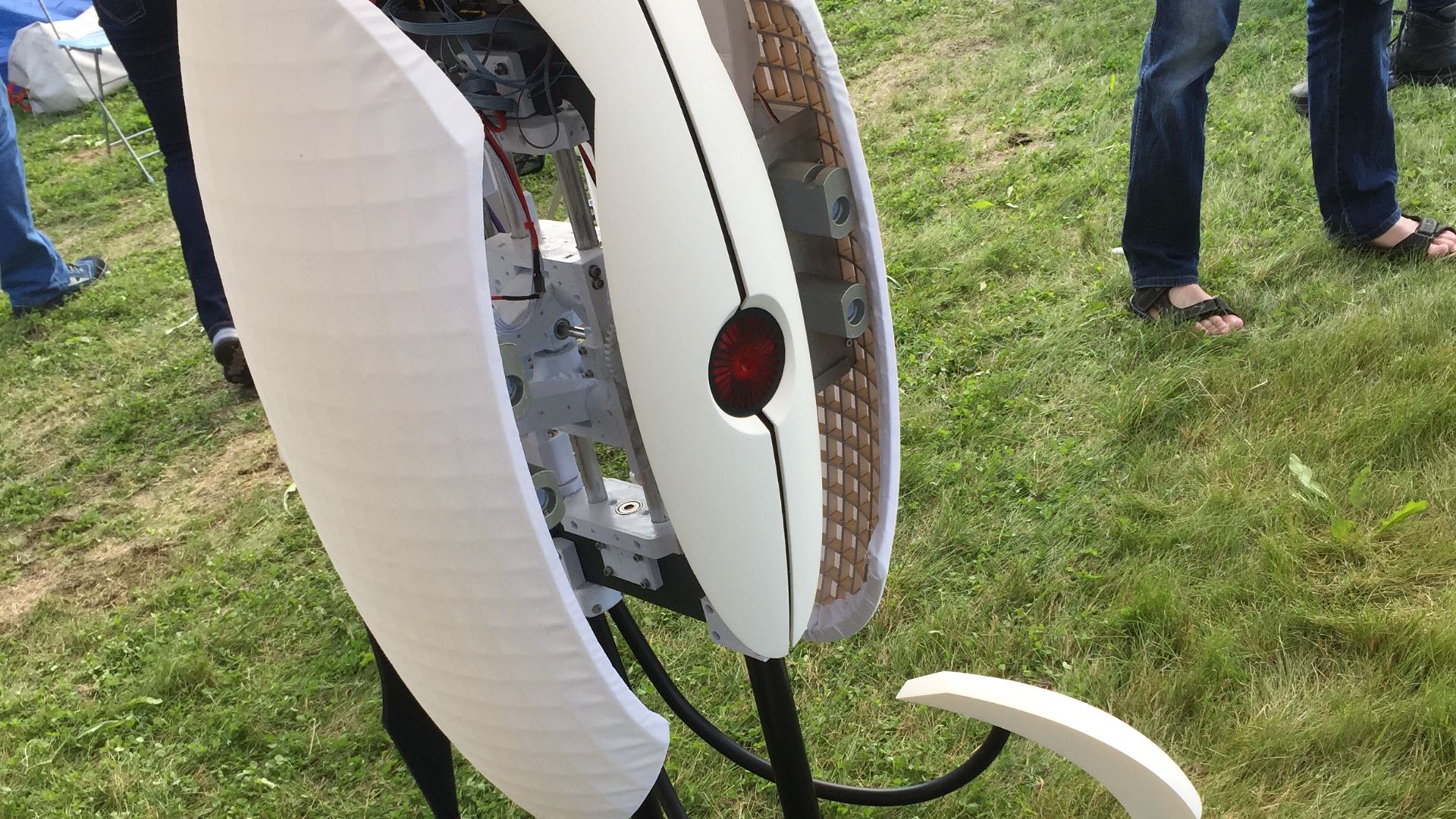
6. Rapture
Rapture takes the villain lair idea and stretches it into an entire underwater city. Its Art Deco interiors, glass tunnels, glowing signs, grand public rooms, and collapsing luxury let players see both the dream and the failure at the same time.
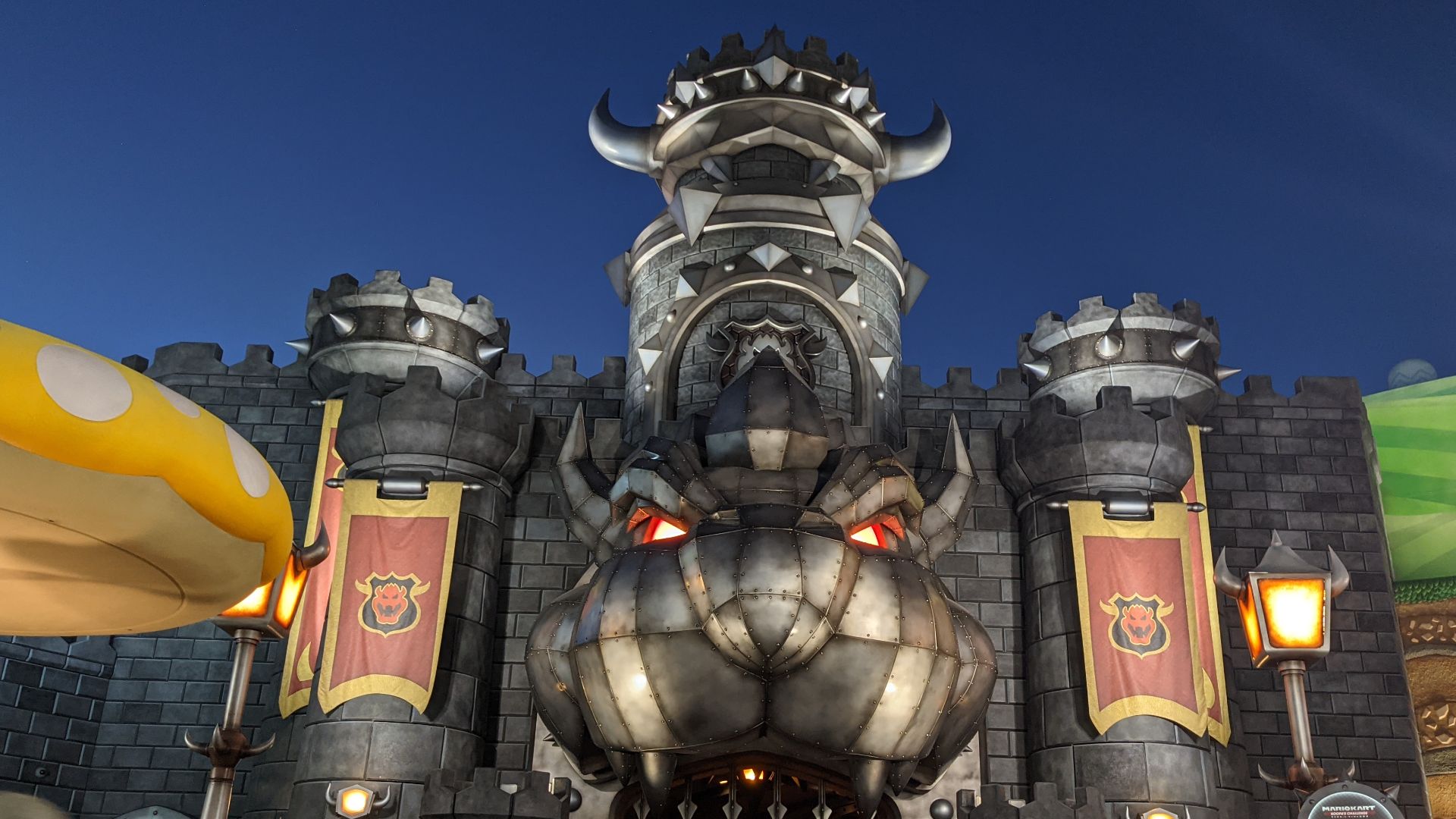
7. Bowser’s Castle
Bowser’s Castle has never cared much about restraint. Lava, spikes, bridges, trap doors, cages, fireballs, and oversized doors make every room feel like it was designed by someone who treats safety codes as a personal insult.
 Japanexperterna.se on Wikimedia
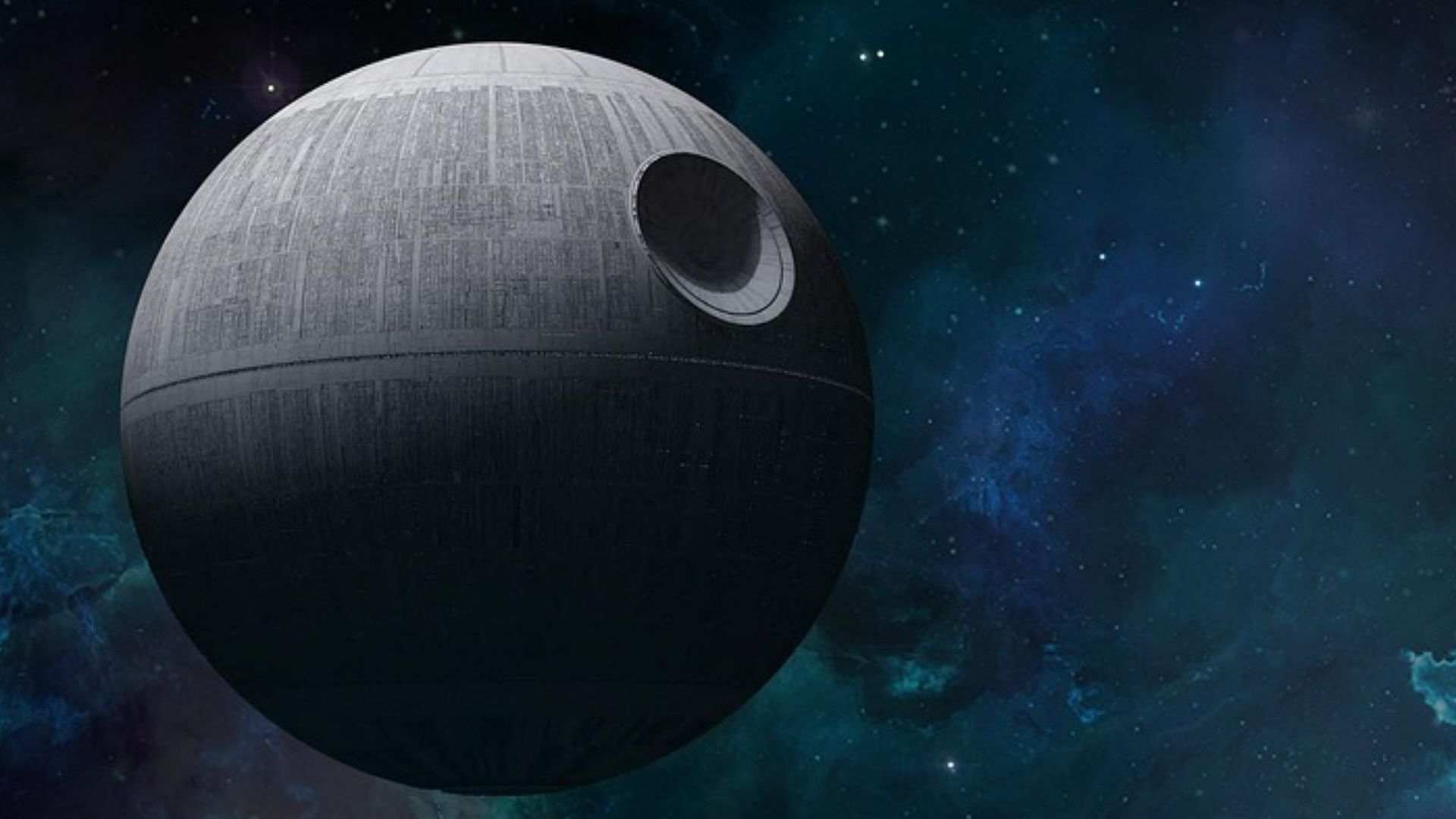
8. The Death Star
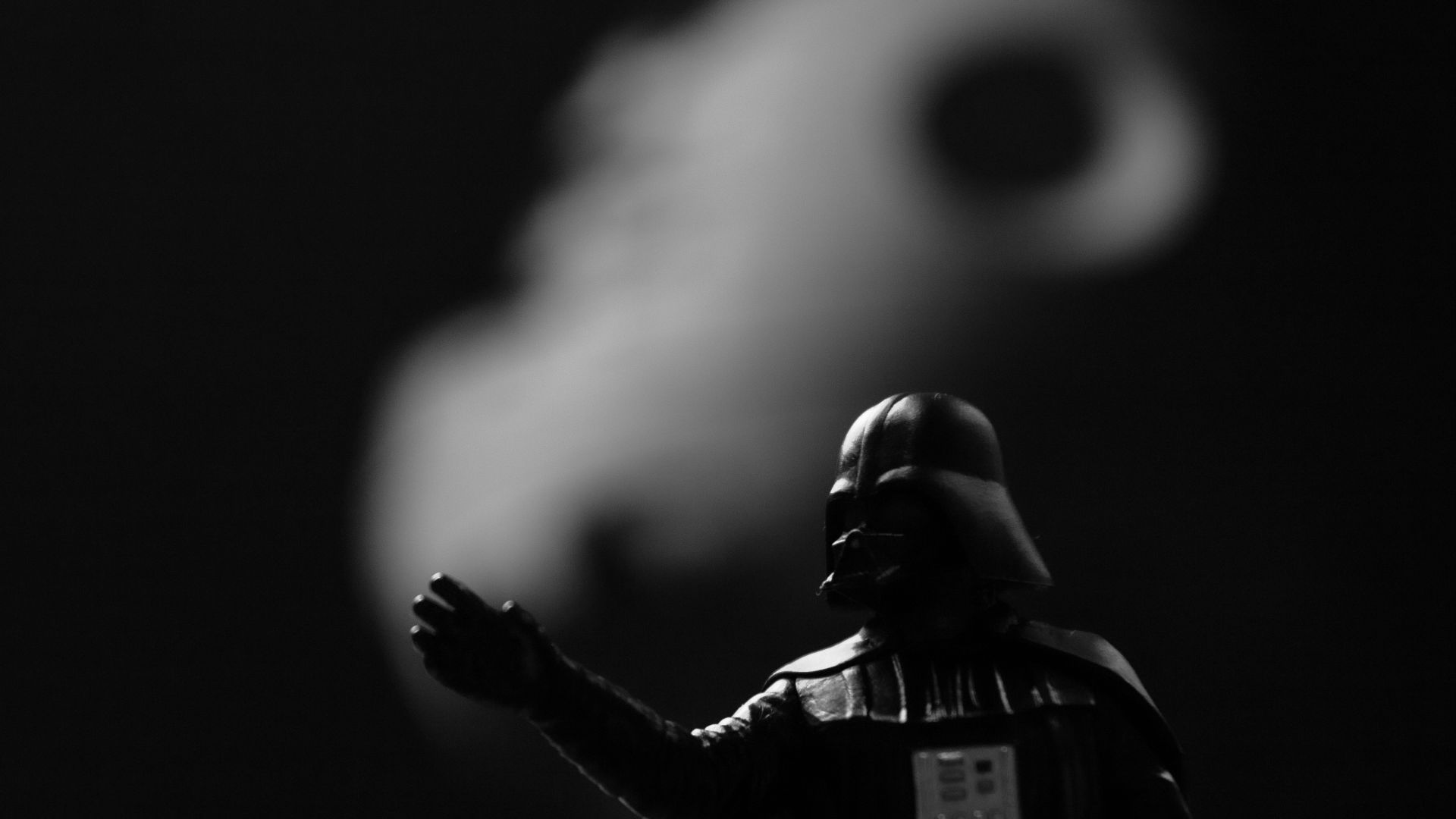
The Death Star is a villain interior design on an industrial scale. Its corridors, hangars, control rooms, detention areas, conference rooms, and enormous empty spaces make power feel cold, impersonal, and almost absurdly overbuilt.
9. The Iceberg Lounge
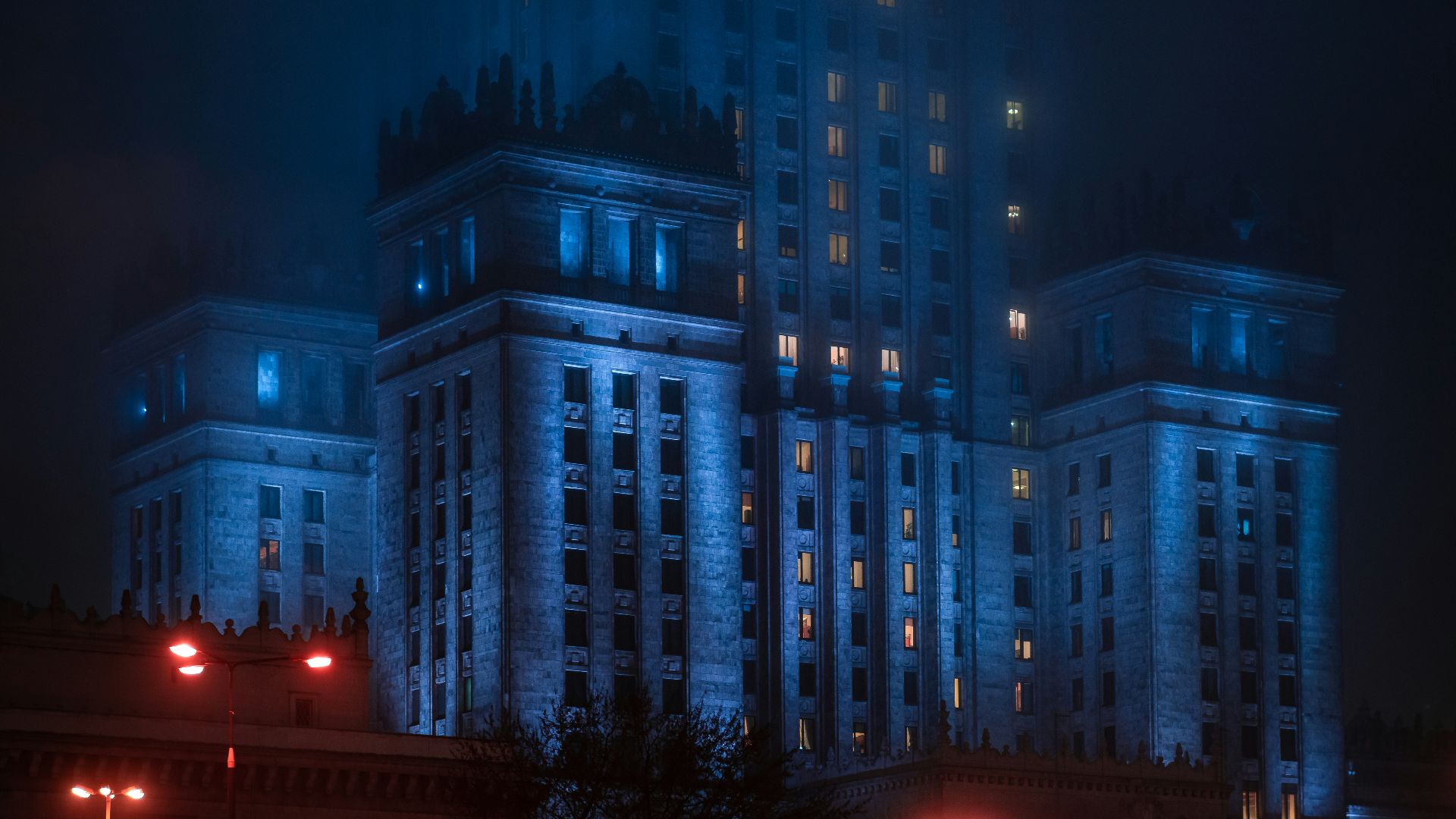
The Iceberg Lounge is clever because it hides villainy behind nightlife instead of a giant blast door. It works as a club, a criminal front, a power base, and a personal stage, giving it a grimy kind of Gotham luxury that Batman’s cave could never fake.
10. The Emperor’s Throne Room
The Emperor’s Throne Room is more contained than the Death Star, but it may be stronger as interior storytelling. Set high in the second battle station’s isolation tower, with Palpatine’s private chambers and Sith artifacts nearby, it turns one room into a clean, terrifying summary of absolute control.