10 Disappointing Ways Tech Has Ruined Human Connection & 10 Ways It's Strengthen Bonds
10 Disappointing Ways Tech Has Ruined Human Connection & 10 Ways It's Strengthen Bonds
Technology Has Changed Us—for Better and Worse
From Instagram to TikTok, dating apps to online communities, technology has made it easier than ever to connect with our family, friends, and people beyond our personal bubble. Yet, for all its perks, being constantly glued to our screens has weakened bonds, too, and made us less present in our daily lives. Sure, you can keep in touch with a friend or a partner even with continents between you, but if you're the type to check your notifications every 10 seconds when catching up with someone in person, technology has you in a stranglehold. Here are 10 disappointing ways tech has ruined human connection, along with 10 other ways it has helped strengthen bonds.

1. Conversations Are Often Interrupted by Phones
Few things make a person feel less valued than watching someone check their phone mid-conversation. Even a quick glance at a notification can shift attention away from the person sitting right there. Over time, these small interruptions can make face-to-face interactions feel less focused and less thoughtful. You may still be physically present, but the other person can tell when your attention is divided.

2. Social Media Can Turn Relationships Into Performances
Social media has made it easy to share milestones, photos, and daily updates, but it can also make relationships feel staged. Some people become more focused on how a moment looks online than how it feels in real life. Birthdays, vacations, friendships, and even romantic relationships can start to seem like content instead of private experiences. That pressure can make connection feel less personal and more like something being measured for public approval.
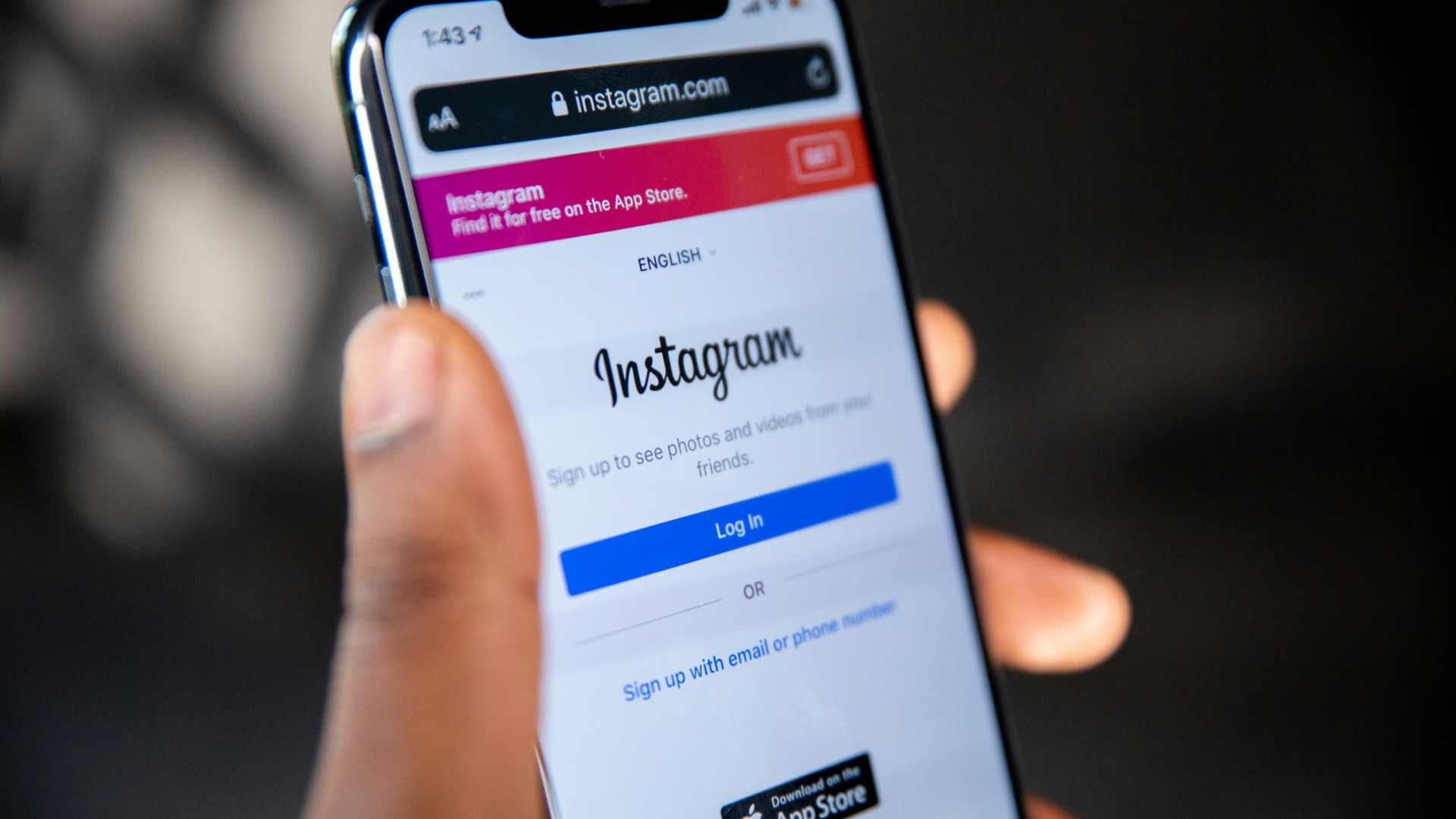
3. Texting Has Made Misunderstandings More Common
Texting is convenient, but it doesn’t always carry tone, facial expressions, or emotional context well. A message that was meant to be brief can come across as cold, annoyed, or dismissive. People may also overanalyze punctuation, response time, or a single word choice when there was no hidden meaning at all. Instead of clearing things up, digital communication can sometimes create tension that wouldn’t have happened in person.

4. People Avoid Difficult Conversations More Easily
Technology gives people plenty of ways to dodge uncomfortable conversations. Instead of talking things through directly, someone might leave a message unread, send a vague reply, or end a relationship through a short text. That kind of avoidance can make conflicts feel more confusing and unresolved. Human connection needs honesty, and tech can make it easier to delay or escape the hard parts.

5. Constant Availability Has Made Boundaries Harder
Being reachable all the time can sound helpful, but it often creates pressure. Friends, partners, coworkers, and family members may expect fast replies simply because they know you saw the message. When people don’t respond right away, it can lead to hurt feelings or assumptions that something is wrong. The ability to contact anyone at any moment has made personal space harder to protect.

6. Online Comparison Can Damage Real-Life Relationships
Seeing curated versions of other people’s friendships, marriages, families, or social lives can make your own relationships feel lacking. Someone else’s highlight may make you question a perfectly normal situation in your own life. That comparison can create resentment, insecurity, or unrealistic expectations. Instead of appreciating the connection you have, you may start measuring it against images that don’t show the full story.

7. Digital Validation Can Replace Deeper Attention
Likes, reactions, and comments can feel rewarding, but they’re not the same as a meaningful conversation. A quick heart on a photo may technically count as interaction, but it doesn’t always make someone feel known or supported. When relationships rely too heavily on digital validation, they can become thinner than they appear. Real connection usually needs more effort than tapping a button.

8. Group Chats Can Create New Social Pressure
Group chats can be fun, but they can also make people feel overwhelmed or left out. If you miss a burst of messages, you may feel like you’ve fallen behind in the conversation. Inside jokes, side discussions, and delayed replies can accidentally make someone feel excluded. What was meant to keep everyone connected can sometimes become another source of social stress.
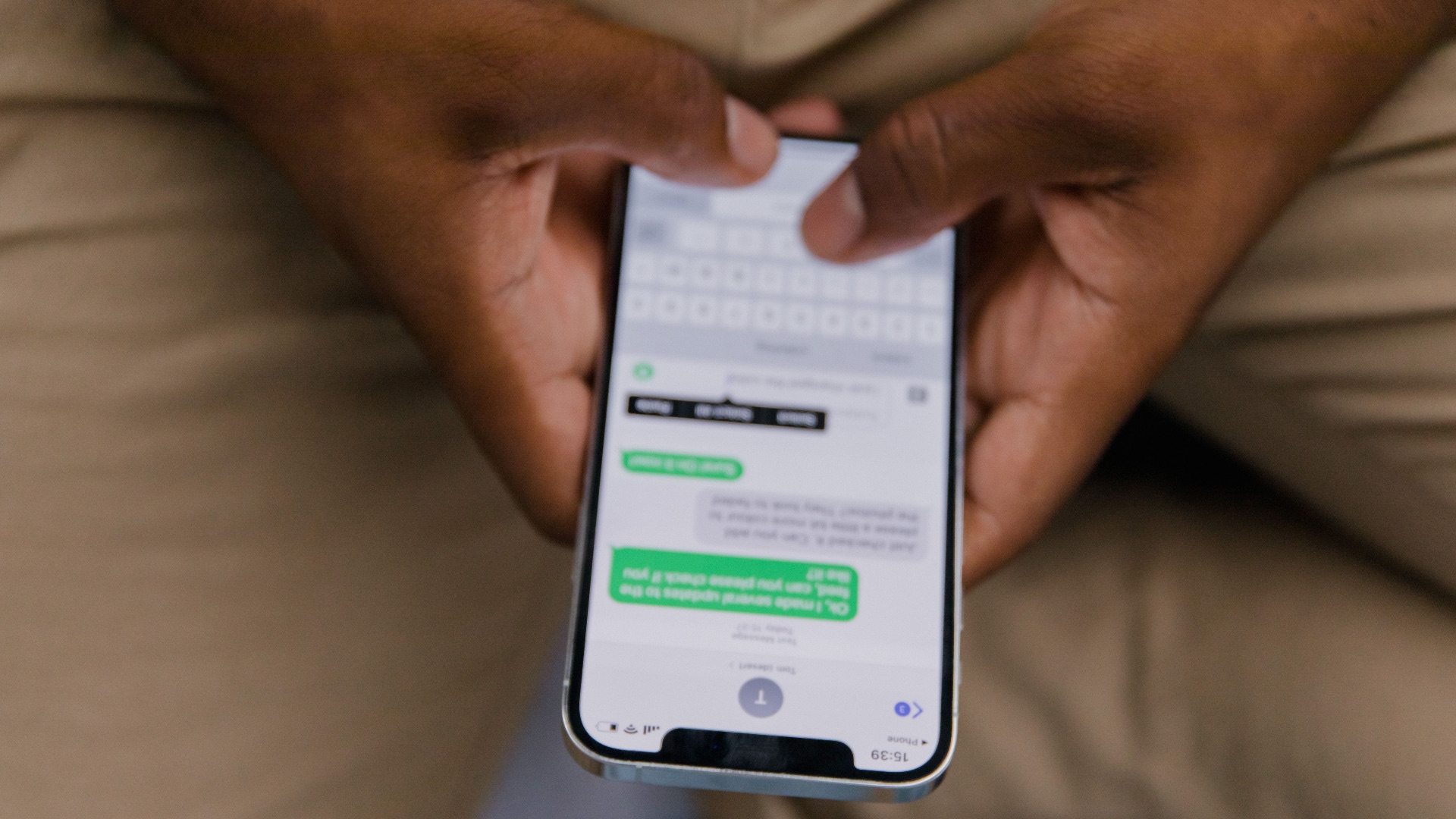
9. Dating Apps Can Make People Feel Replaceable
Dating apps have helped many people meet, but they can also make dating feel transactional. When there are endless profiles to swipe through, it’s easy to treat people like options instead of individuals. Conversations may fade without explanation, and rejection can feel casual because the next match is always waiting. That environment can make it harder to build patience, trust, and emotional investment.
10. In-Person Silence Feels Harder to Handle
Technology has made it easy to fill every pause with scrolling, checking, or watching something. Because of that, ordinary silence between people can start to feel uncomfortable. Instead of sitting with a moment, someone may instinctively reach for a device. That habit can limit the slower, more natural parts of connection that often happen when people aren’t trying to distract themselves.
Technology has certainly disrupted human connection, but even then, it isn't all bad. Here are 10 ways it's actually helped strengthen bonds:
 Viktoria Slowikowska on Pexels
1. Long-Distance Relationships Are Easier to Maintain
Video calls, voice messages, and instant texts have made distance less isolating for couples, families, and friends. Instead of waiting weeks for updates, people can share their lives in real time. A parent can see their child’s face, partners can talk after a long day, and friends can stay involved even when they live far apart. These tools can’t replace being together, but they can help relationships survive distance.

2. Families Can Share Everyday Moments More Easily
Technology lets families stay connected through small updates that might otherwise be missed. A quick photo, short video, or message can make relatives feel included in daily life. Grandparents can watch children grow, siblings can stay in touch after moving away, and extended family members can celebrate moments from different places. These simple exchanges help maintain closeness between visits.

3. Online Communities Help People Feel Less Alone
For people who feel isolated in their immediate surroundings, online communities can offer real comfort. Someone dealing with grief, illness, parenting struggles, identity questions, or a niche interest may find others who understand. These connections can be especially meaningful when local support is limited. Feeling seen by people with similar experiences can make a difficult situation easier to carry.
4. Technology Makes It Easier to Check In
A short message can matter more than it seems when someone is having a hard time. Technology makes it simple to send encouragement, ask how someone is doing, or remind a friend that they’re not alone. Those small check-ins can help maintain relationships during busy seasons when long conversations aren’t always possible. Connection doesn’t always need to be elaborate to be meaningful.

5. Shared Digital Experiences Bring People Together
Streaming parties, multiplayer games, shared playlists, and online classes can give people something to enjoy together from different locations. These experiences can help friends and family maintain routines even when they can’t meet in person. They also create new ways to bond over interests, hobbies, and entertainment. For many people, digital hangouts have become a practical way to spend time together.

6. Social Media Can Help People Reconnect
While social media has its downsides, it can also bring people back into each other’s lives. Old classmates, former coworkers, distant relatives, and childhood friends can reconnect after years apart. Sometimes a simple message turns into a renewed friendship or a meaningful conversation. Without these platforms, many of those connections might have faded permanently.
7. Group Planning Has Become Much Easier
Technology has made it simpler to organize dinners, trips, celebrations, and family events. Shared calendars, polls, group chats, and location sharing can reduce confusion and keep everyone updated. When planning is easier, people may be more likely to actually make plans instead of letting them fall through. Better coordination can lead to more time together in real life.

8. People Can Preserve Memories More Easily
Photos, videos, messages, and digital albums help people hold onto important moments. Families can save birthdays, graduations, weddings, vacations, and ordinary days that might otherwise be forgotten. Looking back at these records can strengthen emotional bonds and remind people of what they’ve shared. Technology gives people more ways to revisit the relationships that shaped them.
9. Accessibility Tools Help More People Participate
Technology has improved connection for people who may face communication barriers. Captions, translation tools, screen readers, speech-to-text features, and video calling can make conversations more accessible. These tools can help people stay involved in work, school, family, and social life. When technology removes barriers, it can make relationships more inclusive.

10. Support Can Arrive Faster in Moments of Need
When someone is in trouble, technology can make it easier to ask for help quickly. A text, phone call, location share, or emergency alert can connect a person to support when timing matters. Friends and family can respond sooner, even if they’re not physically nearby. In those moments, tech can strengthen trust by making people feel reachable, cared for, and less alone.