Essential Helper
If you're like most, the rise of artificial intelligence has probably felt a bit jarring, having now slowly woven itself into our daily lives in ways that are hard to ignore. What once felt experimental or futuristic now handles small tasks, helps with big decisions, speeds up research, and does practically everything in between. Whether you've gotten used to it or not, AI is shaping how you work, shop, communicate, and even relax. Here are 20 ways it's changed how we live.
1. How We Search for Information
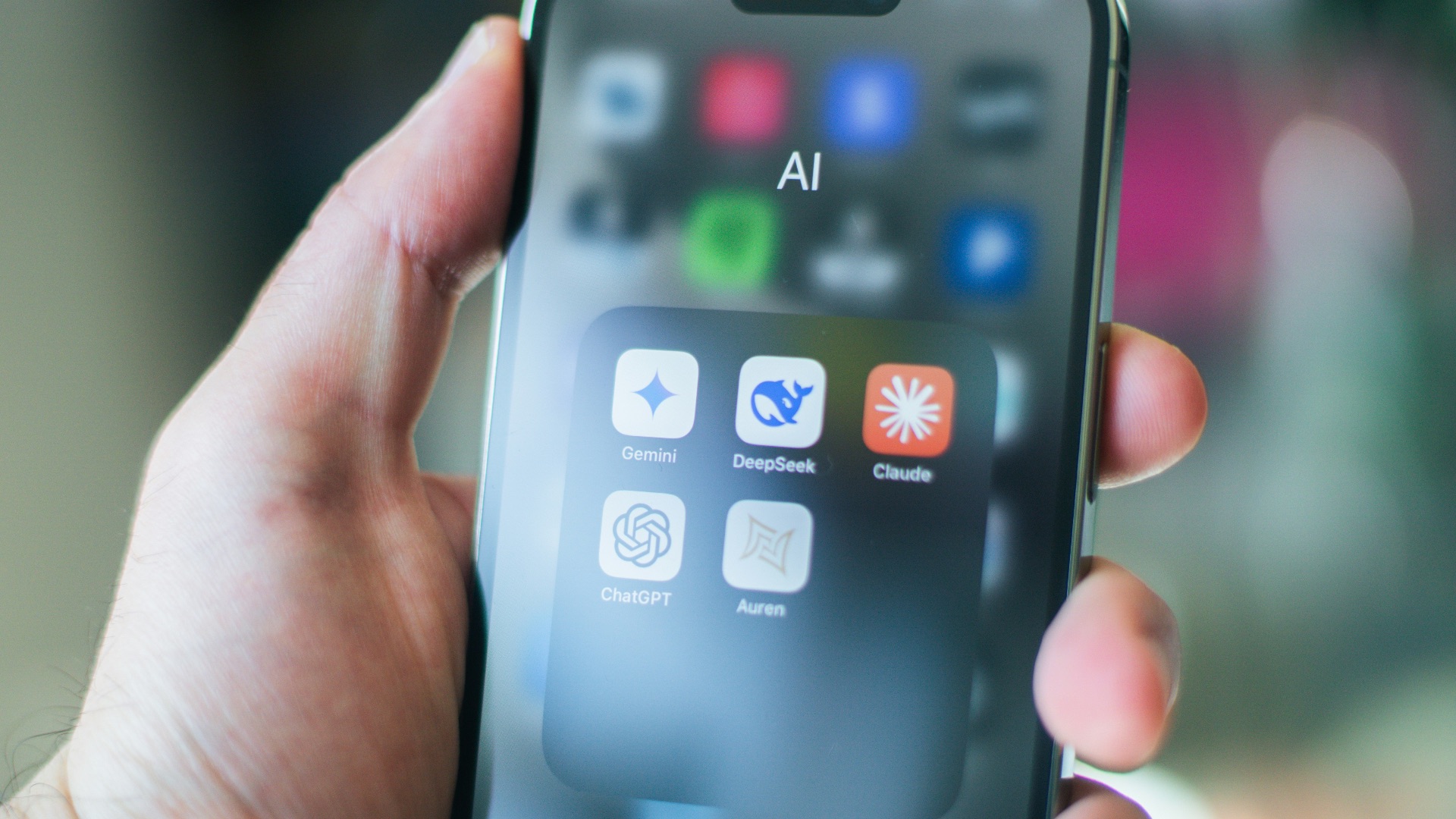
Searching online used to mean sifting through pages of links that were often irrelevant to find what you needed. But because AI can understand and anticipate intent, it's able to deliver direct answers, expand on follow-up queries, and refine responses based on behavior. This means you spend less time digging and more time actually getting useful information.
2. Personalized Algorithms
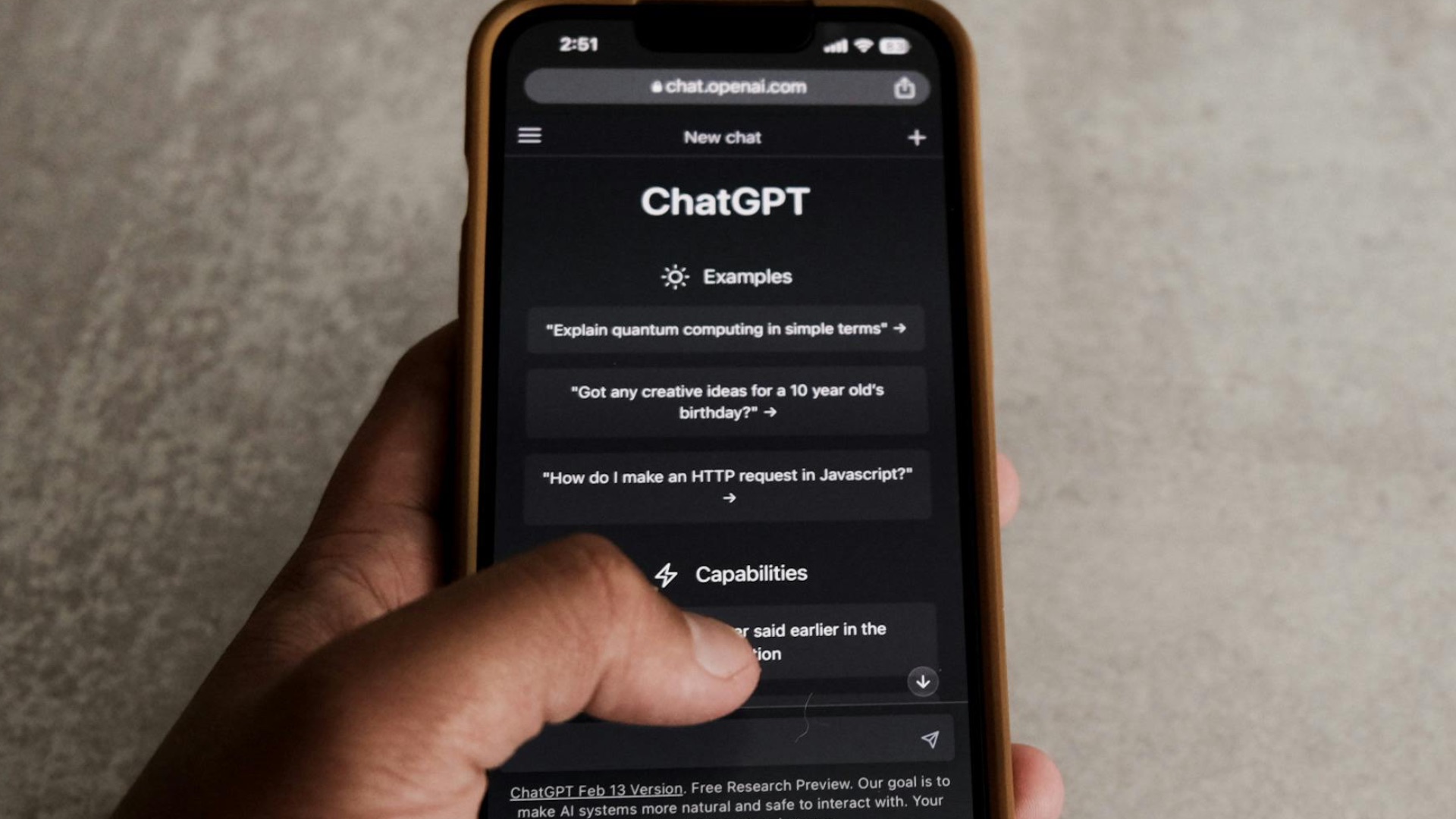
Streaming platforms rely heavily on AI to figure out what you might enjoy next. Instead of browsing endlessly, recommendations are now tailored to your habits and preferences, which can make it feel as if these platforms know your tastes better than you do.
 Christian Wiediger on Unsplash
3. Smarter Smartphones
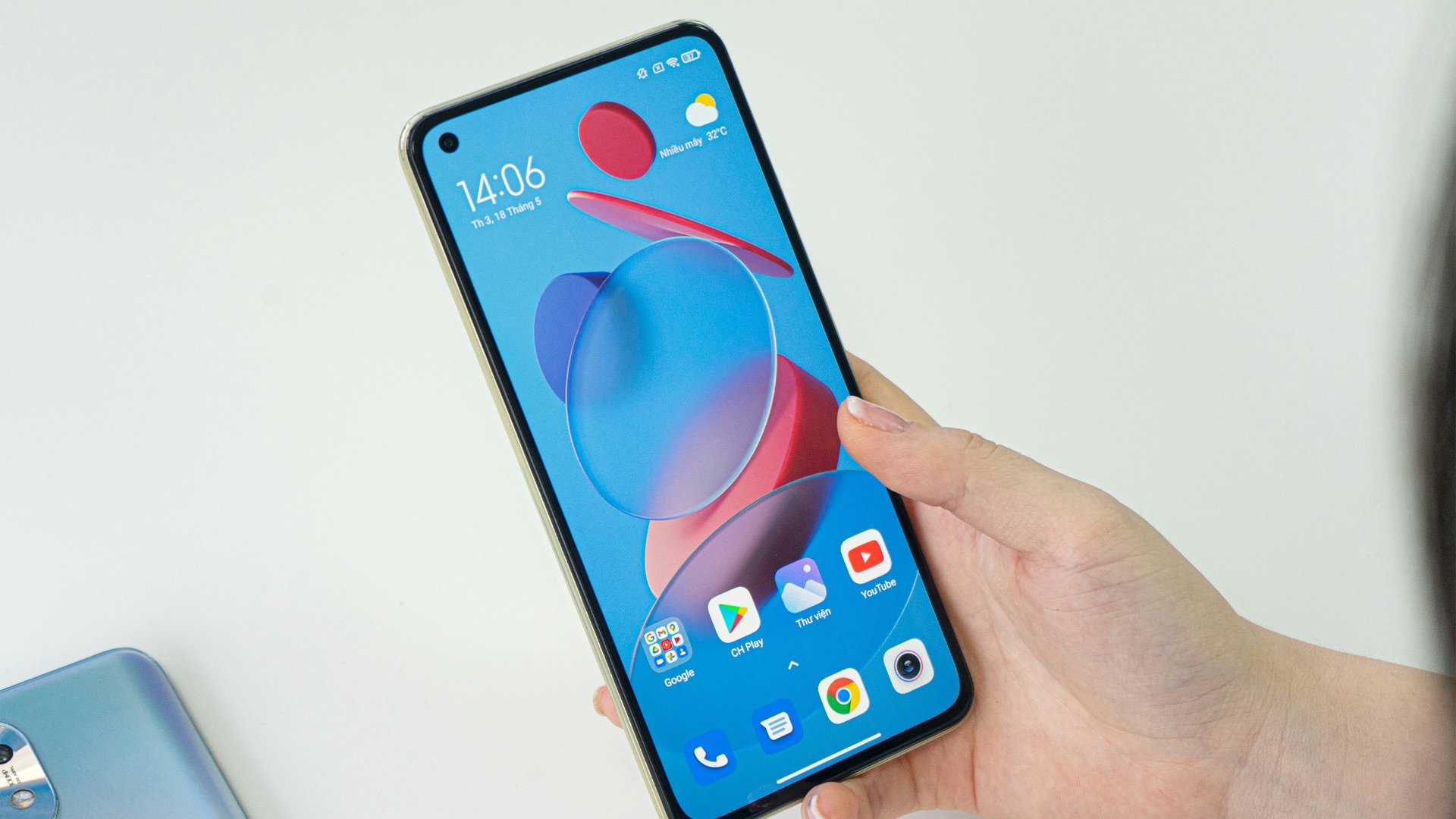
Voice assistants, predictive text, and photo enhancements all depend on AI working quietly in the background. In turn, these features help you save time by handling small decisions and tedious routine tasks. More than ever, your phone now feels more like an intelligent digital companion than a simple, text-call-and-surf device.
4. Revolutionized Online Shopping
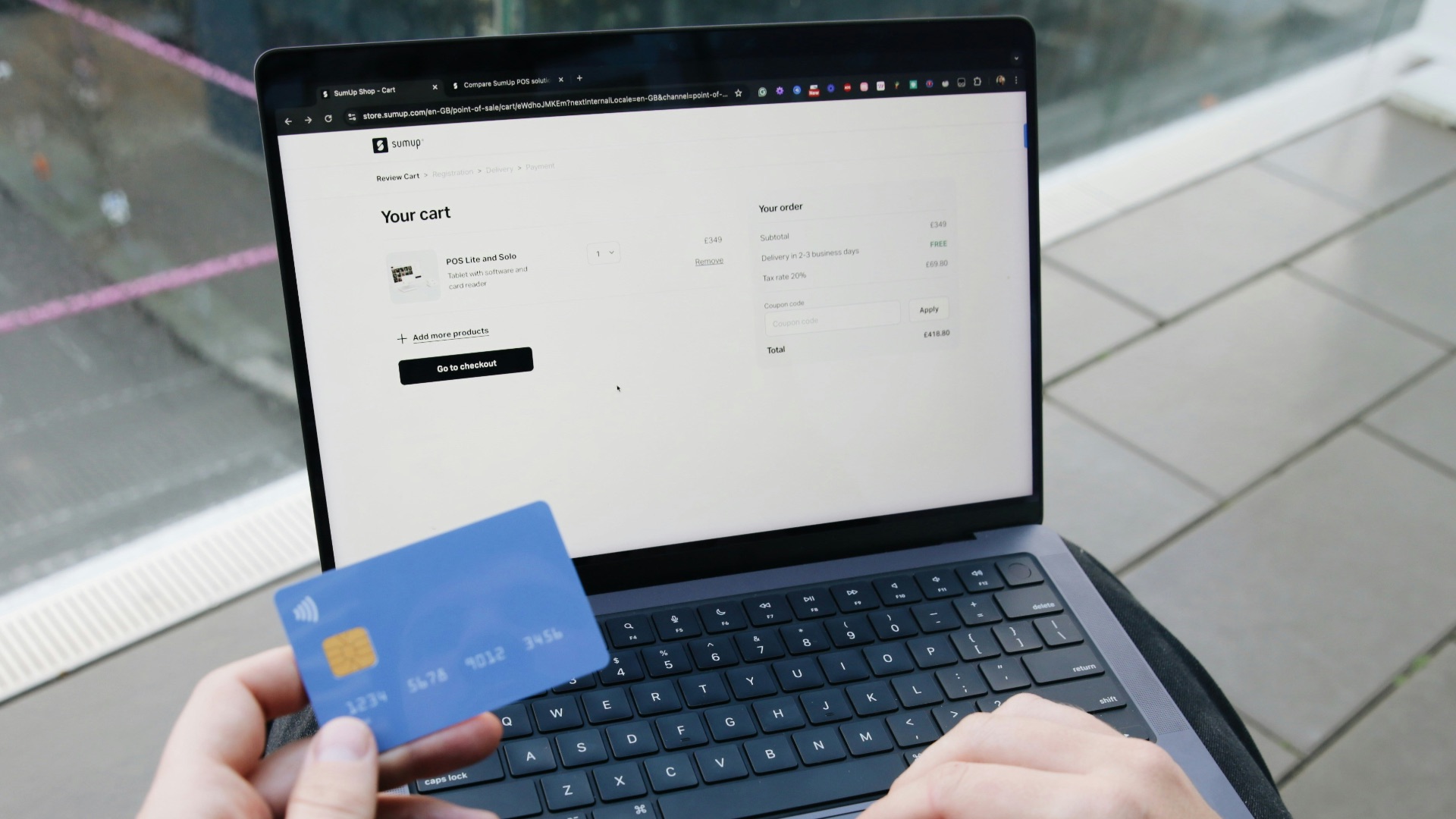
AI tracks your browsing behavior to suggest products that align with your interests and past purchases; it sounds eerie, but it can actually make things more convenient. Prices, ads, and even search results shift based on what you’re most likely to click, which has made shopping online faster, more tailored, and surprisingly persuasive.
5. How We Work
From scheduling meetings to summarizing documents, AI tools now easily handle tasks that once ate up hours in the day. This frees you up to focus on other, more fulfilling things, such as creative or strategic work, allowing you to be more productive.

6. Improved Navigation and Travel
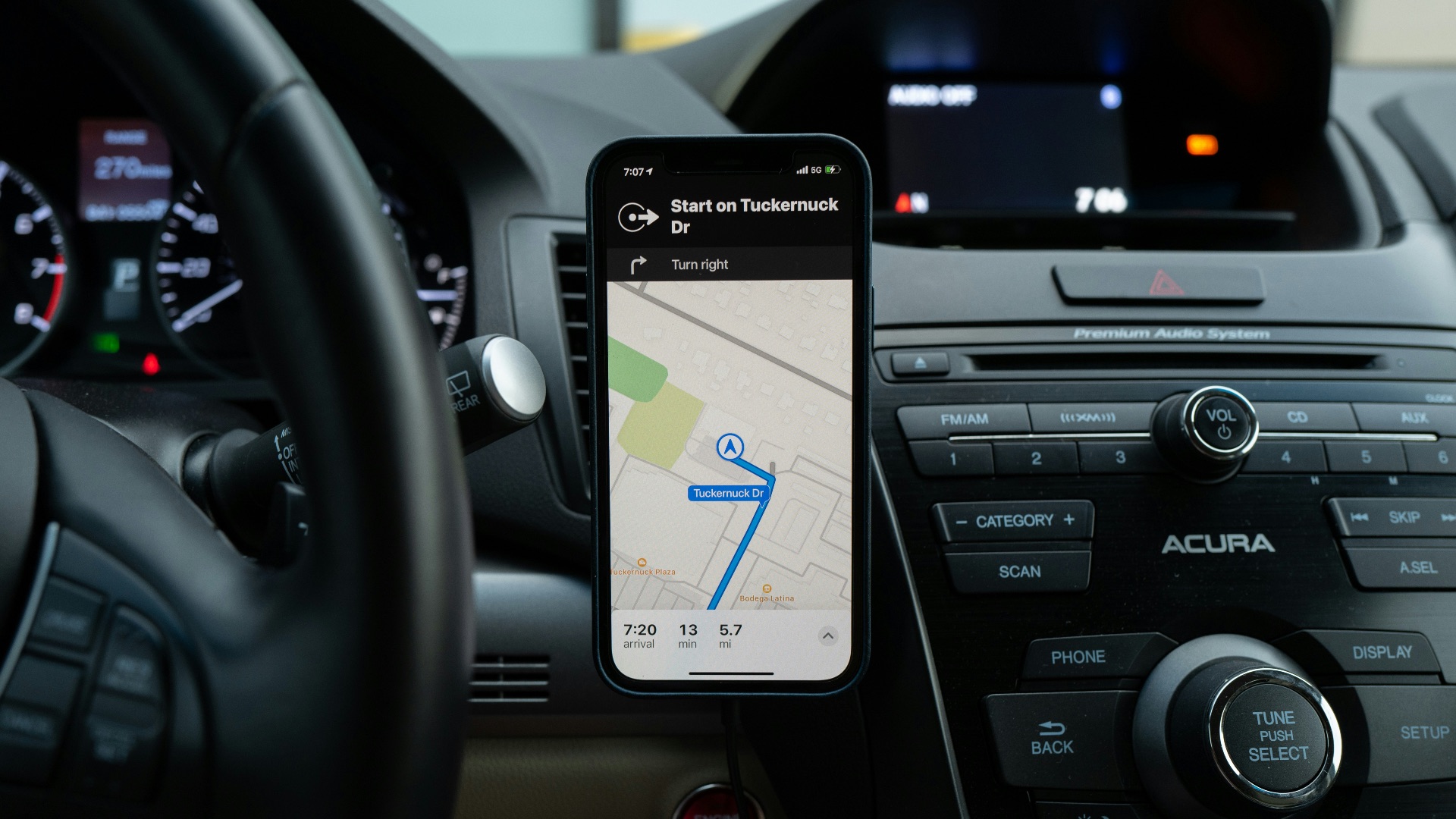
Getting lost has become far less common thanks to AI-powered maps and traffic prediction. Since routes adjust in real time based on accidents, traffic congestion, or road closures, your daily commutes likely feel much more manageable with this smarter guidance.
7. Customer Service Chatbots
Surfing a website and have a question? Don't worry; you can get support right away. Chatbots and virtual assistants now handle many support requests, meaning you don't need to wait for a human agent to point you to the right answer. Sure, this can be frustrating at times, especially if you have a more complex request, but at the very least AI can help resolve simpler issues quickly.

8. How We Take Photos
AI can enhance photos automatically by adjusting lighting, sharpness, and color, making even casual snapshots look polished without any professional editing skills. Plus, if you want to clean up or remove a person or an object from the background, you can simply circle and erase.

9. What We Read Online
Social platforms and news feeds use AI to decide which content appears first, based on your previous activity and interests. This personalization keeps you engaged longer than you might expect, meaning you may end up scrolling for hours. Over time, it may even subtly shape how you interpret the world and the things around you.

10. Automated Daily Tasks
AI doesn't just help automate tedious tasks at work; in fact, it can do much more than that. Smart home devices, for example, rely on AI to learn routines and adjust settings, meaning lights, thermostats, and appliances know how to respond to habits instead of relying on manual input. This helps make your daily life feel smoother and easier.
11. How We Learn
AI-powered tools know how to adapt lessons so that they cater to individual learning speeds and styles. This flexibility makes education more accessible and personalized than traditional one-size-fits-all methods. Plus, this also means learning can now happen anytime, anywhere.

12. Improved Healthcare Diagnostics
You might feel wary about it, but AI in healthcare is a lot more helpful and essential than you think. By assisting doctors in analyzing data, images, and patterns, AI can flag down issues that may otherwise be missed. This extra layer of insight, in turn, leads to more accurate diagnoses.

13. Writing and Communication
From email drafts to grammar checks, AI assists with everyday writing tasks. This allows you to communicate more clearly and efficiently without second-guessing every sentence or poring over potential errors or grammatical mistakes.
 Glenn Carstens-Peters on Unsplash
14. How We Discover Music
Want to discover new music? AI can help. Using smart algorithms, AI learns what genres, moods, and artists you tend to gravitate toward, curating playlists that feel custom-made for specific moments in your day.

15. Hiring and Recruitment
Whether you like it or not, resumes are now often screened by AI before ever reaching a human recruiter. Sure, this speeds up hiring, but it's also changed the way people apply for jobs, and raises questions about fairness and bias. Sometimes, experienced candidates may not pass the initial screening just because of a misinterpretation by AI.
 Cytonn Photography on Unsplash
16. Improved Accessibility
With AI-powered tools like speech-to-text and image description, this has helped remove potential barriers, allowing people to navigate and interact with the world more easily. Even better news? Accessibility has become more integrated into everyday products.
 Volodymyr Hryshchenko on Unsplash
17. How We Manage Money
Budgeting apps and fraud detection systems rely on AI to spot patterns and risks. On top of that, AI-powered tools have made it easier to make financial decisions, changing the way we spend, save, budget, and invest.

18. Personalized Ads
As mentioned previously, AI helps personalize ads by analyzing your behavior, interests, preferences, and location. These ads are then shown whenever they're relevant to your searches, which can be eerie and unsettlingly accurate.
19. How We Express Creativity
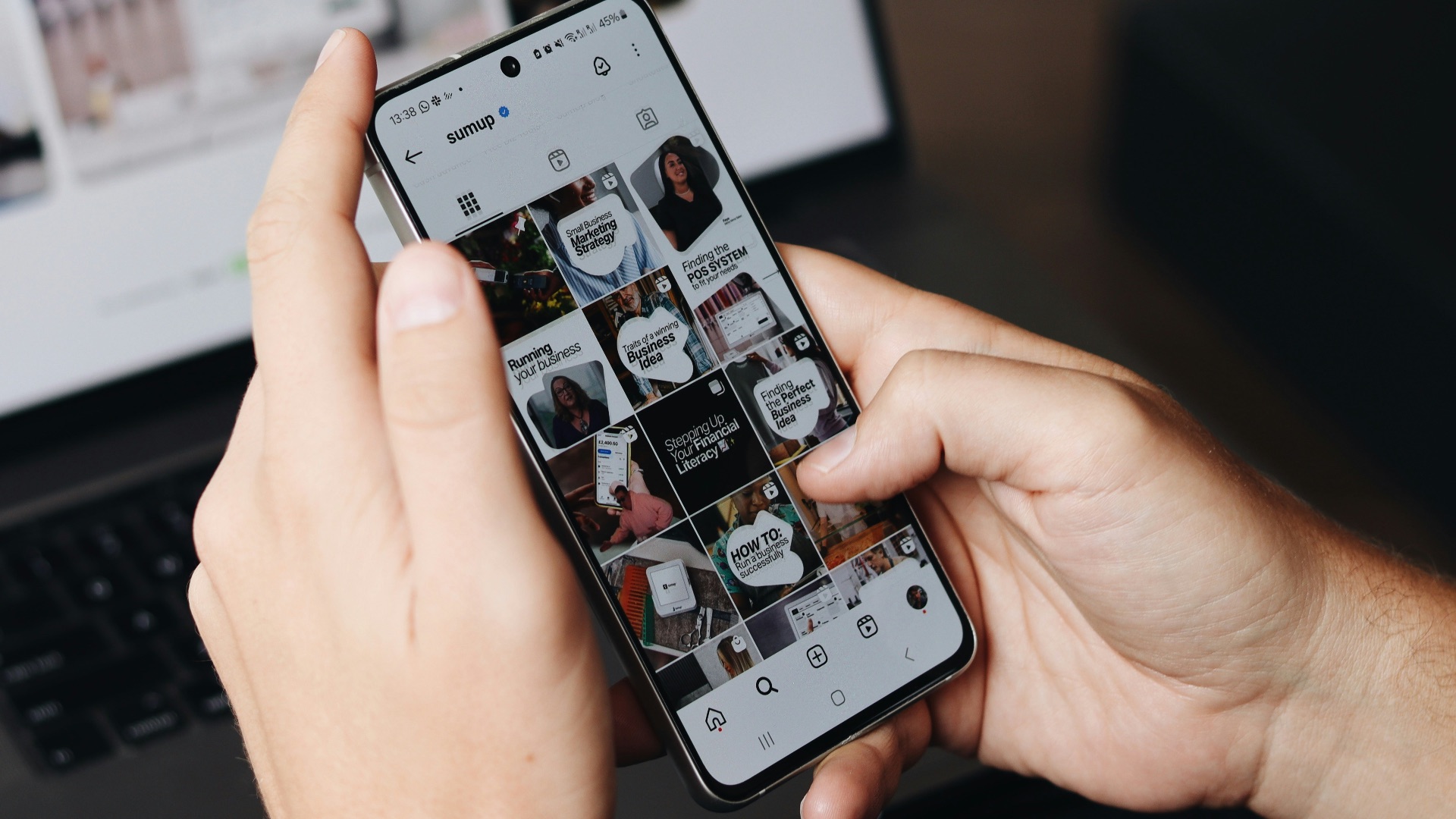
AI doesn't just help us communicate more efficiently; it can also assist with art, music, design, and even video production. This means creators can experiment faster and explore ideas as soon as they pop into their minds, allowing early concepts space to evolve.

20. It Changed Expectations of Technology
The rise of AI has changed people's expectations: we now assume that technology will grow and become more advanced faster than we can adapt. AI has raised the bar for what “smart” really means, and that has changed how we view and interact with the world.