

Smart homes promise the kind of life that sounds pretty good after a long day. The lights answer to your voice, the thermostat adjusts itself, and the speaker in the kitchen remembers the thing you were absolutely going to forget. For anyone who likes gadgets, games, or convenience technology, this sounds like a pretty good setup.
That convenience isn’t automatically a bad thing. A smart home can help with accessibility, safety, energy use, reminders, and all the little routines that don’t need to take up half your brain. The more interesting question is whether all that seamless help also removes a few of the small thinking tasks that used to keep you more tuned into your own home.
Convenient Thinking
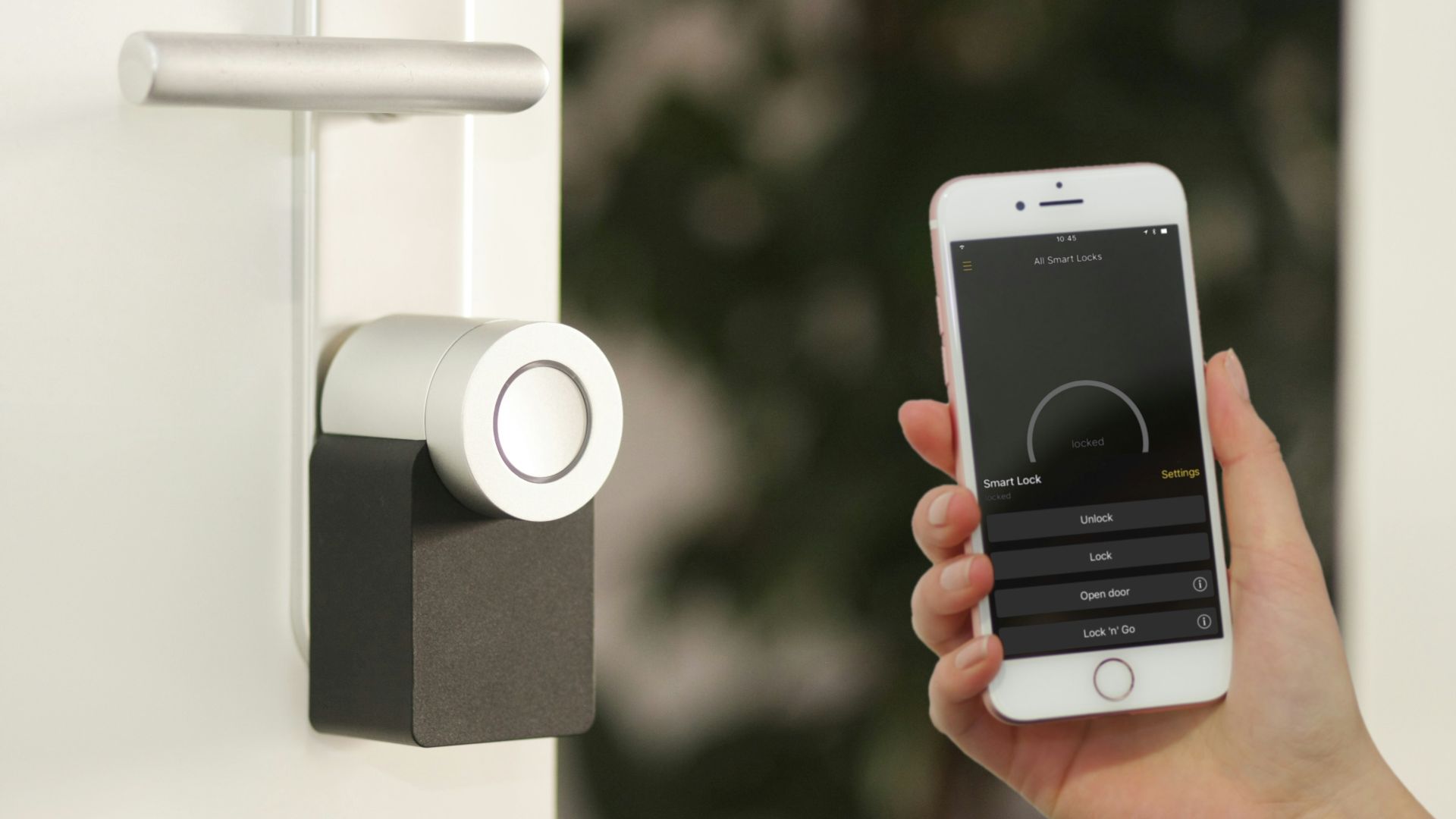 Sebastian Scholz (Nuki) on Unsplash
There’s a real idea behind this worry, and it’s called cognitive offloading. In simple terms, it means letting a tool, system, or person handle mental work you might otherwise do yourself. This isn’t a new idea; it’s just a step further from the pen-to-paper grocery list.
The newer part is how fast digital tools make that offloading feel. A 2024 meta-analysis in Frontiers in Public Health describes the “Google Effect” as the tendency to rely on the internet as a source of knowledge rather than remembering information directly. The same review found that frequent internet search behavior was closely associated with cognitive load, behavioral patterns, and cognitive self-esteem, though the research is about internet searching, not smart homes specifically.
That difference matters. A voice assistant answering the weather or a smart fridge tracking groceries doesn’t prove your memory is crumbling into dust. What it can do is reduce the number of daily moments when you observe, remember, decide, and check something for yourself.
The Evidence Is Mixed
The scariest version of this argument is too neat to be safe. Technology use, as a broad category, isn’t equivalent to “brain rot.” A 2025 Nature Human Behaviour meta-analysis reviewed 136 papers, with 57 studies suitable for odds-ratio or hazard-ratio meta-analysis, and found that digital technology use among adults over age 50 was associated with reduced risk of cognitive impairment and slower time-dependent cognitive decline.
That finding is a useful reality check. It means active digital engagement may support cognitive health rather than simply weaken it. We’re not saying you should automate every part of your life, but it's comforting to know that it’s not making us worse off.
Other research shows that the kind of tech use matters. A UK Biobank-linked prospective cohort study of 407,792 participants found that watching TV for five or more hours per day was associated with higher risks of dementia, stroke, and Parkinson’s disease, along with lower gray matter and hippocampus volume in imaging data. The same study did not find significant associations between discretionary computer use and those brain-related disorders or neuroimaging features, which makes the passive-versus-active difference hard to ignore.
How to Make the Smart Home Smarter
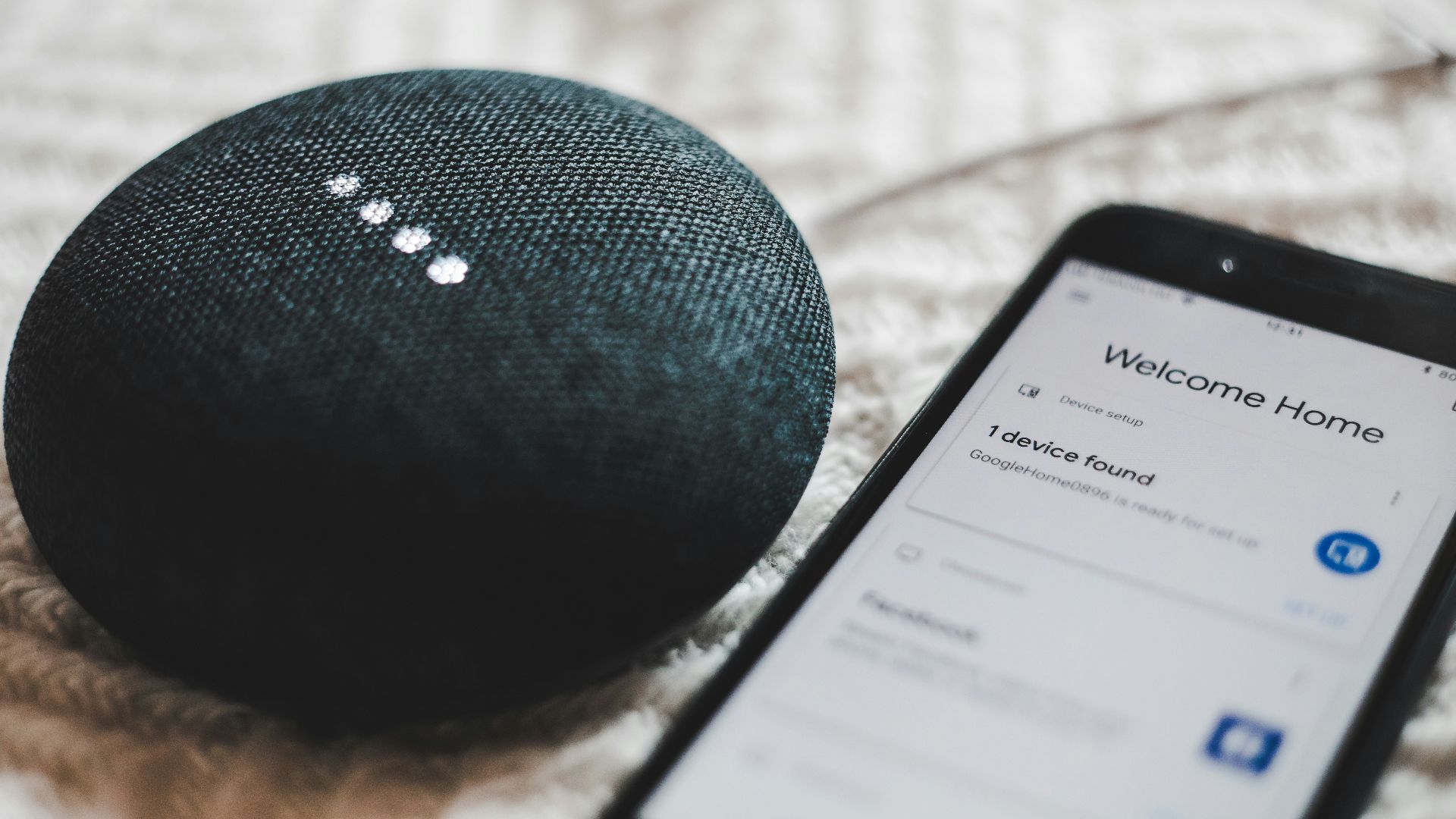
Smart-home technology is easiest to defend when it solves a real problem instead of simply removing ordinary effort. In dementia care, researchers have described ways everyday technologies may support people with Alzheimer’s disease and related dementias through cognitive offloading, automation, remote monitoring, emotional or social support, and symptom management. Essentially, what we’re hearing is that overloading on screens still isn’t ideal, but your Google Home isn’t necessarily causing issues either.
For healthy users, automation can still be genuinely useful. Door alerts, reminders, smart locks, appliance shutoff features, and energy-saving routines can lower stress and make a home safer or easier to manage. The safer takeaway isn’t that convenience is bad, but that convenience works best when it has a clear job.
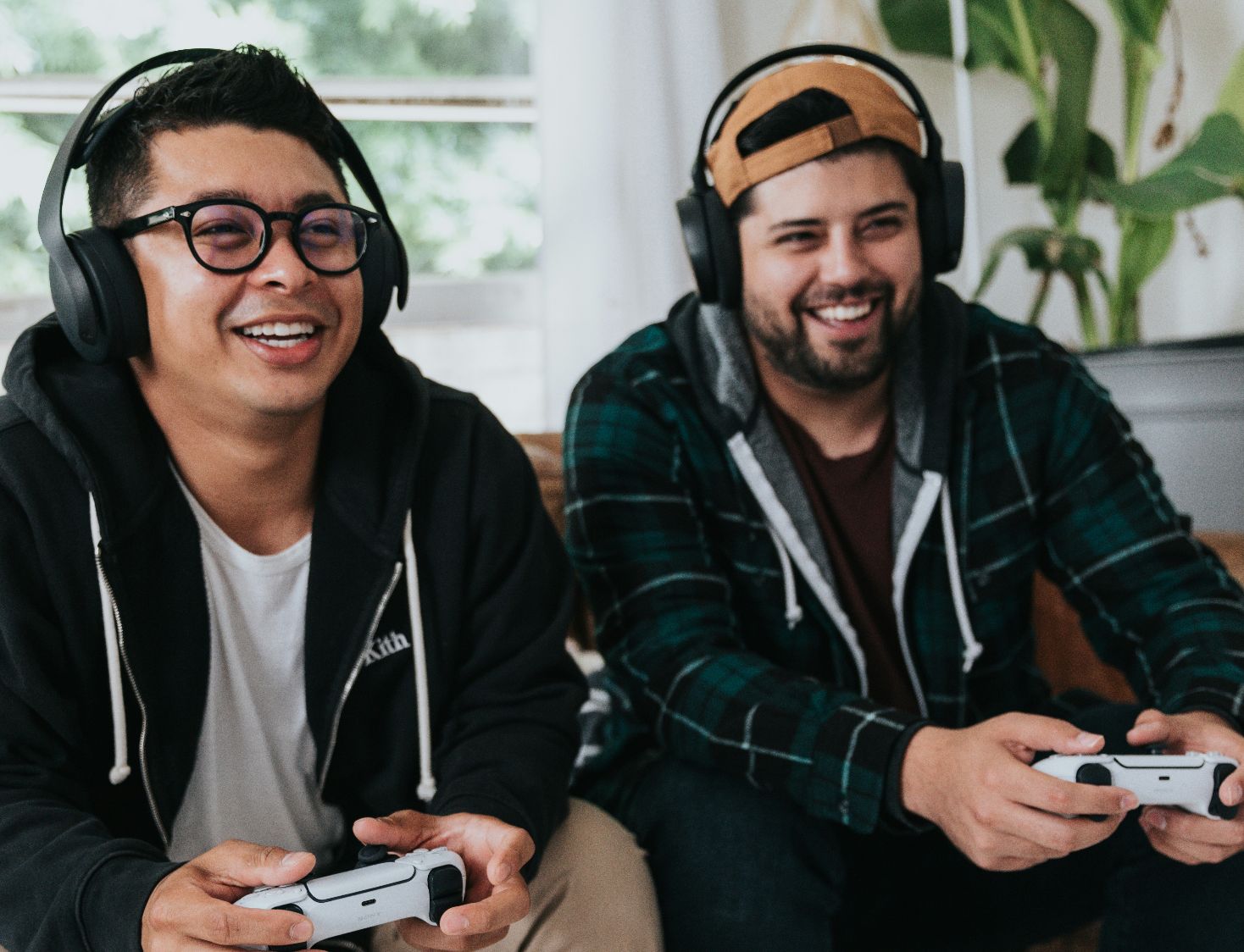
Gamers already know the difference between a good assist and a broken difficulty setting. A power-up helps you play better, while autopilot makes the whole thing feel hollow because you’re barely playing at all. Smart-home tech is at its best when it gives you an edge without taking the controller out of your hands.
That can mean keeping automations that improve safety, accessibility, comfort, or energy use while leaving a few ordinary habits manual on purpose. Check the sky before asking for the weather, flip the occasional switch, remember a routine without a reminder, or do a quick calculation before reaching for your phone. Tiny acts like that won’t turn anyone into a genius, tragically, but they do keep you participating in your own day.
So, is your smart home making you less smart? The fairest answer is: not by itself. The real risk is the habit of letting every device turn daily life into a friction-free hallway where almost nothing asks much of your memory, attention, or body. A smart home should make life easier where it matters, not to turn your brain into a decoration.