Comics Come and Go
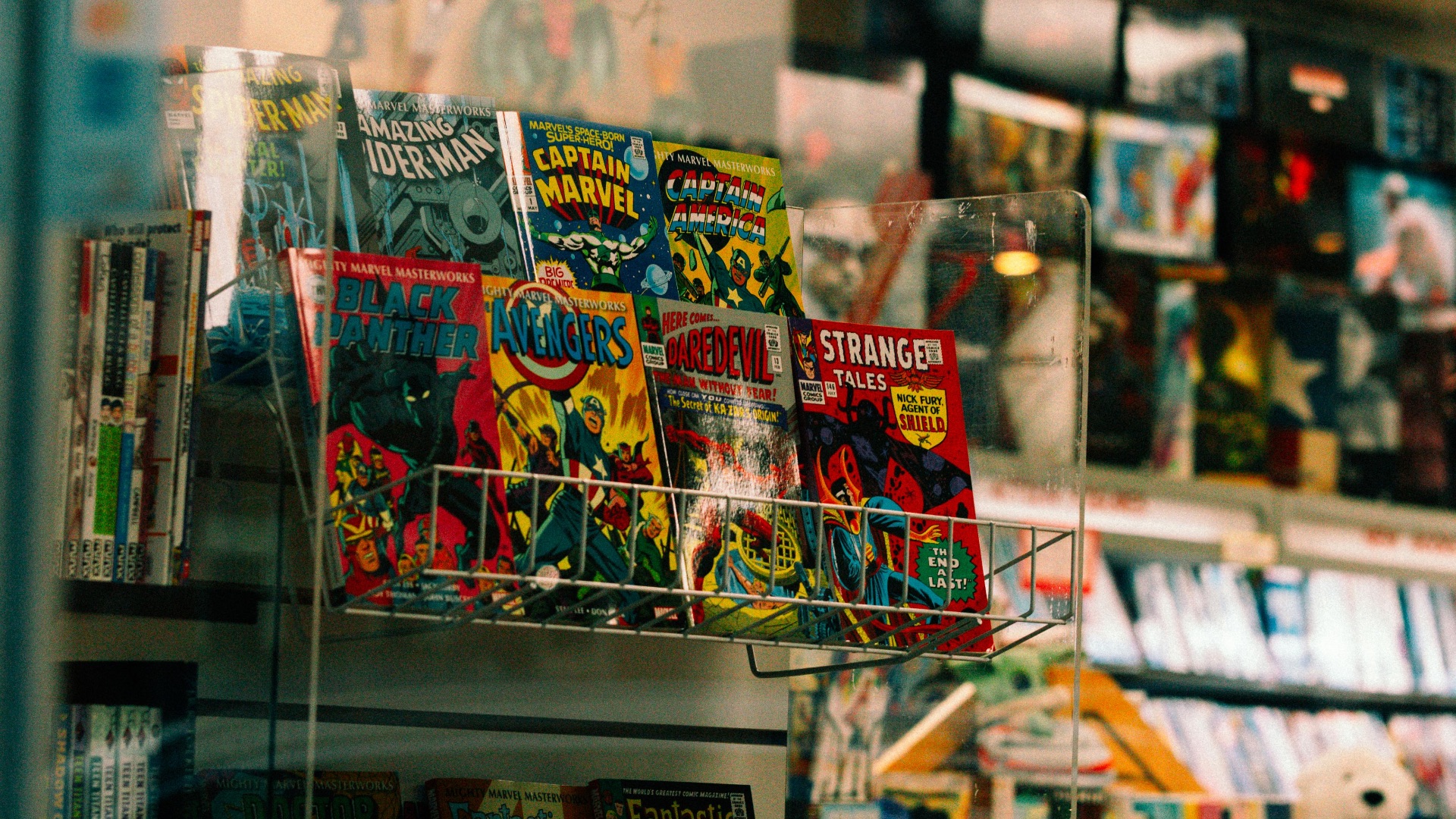
Comic books don’t all age the same way. Some titles were everywhere for a while and then slowly lost their appeal, while others continue to find readers, no matter how many years have passed. Looking across superhero comics, humor books, newspaper-strip collections, licensed titles, and all-ages favorites, here are 10 comics people have forgotten about and 10 that fans still love re-reading. Which ones do you still flip through?
 Cover artist: Samm Schwartz (1920 - 1997) on Wikimedia
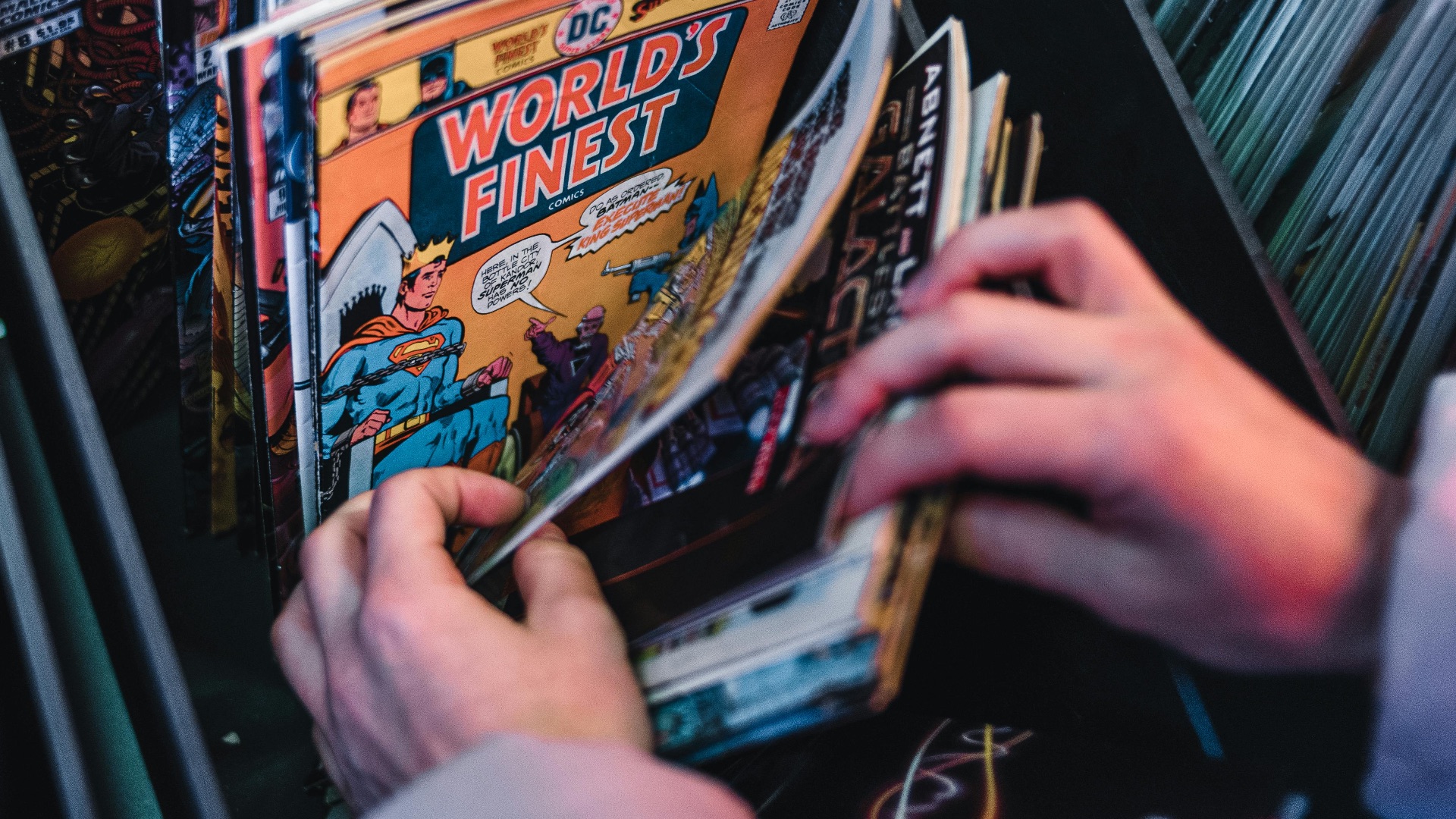
1. Youngblood
Youngblood was a massive deal when Image Comics launched, and its first issue still matters as a publishing milestone. The actual comic, though, is much more often discussed as a symbol of 1990s superhero excess than as a story people actively recommend today. Its bold visuals and hype-driven arrival made sense for the moment, but modern readers usually approach it with curiosity rather than devotion. You’re more likely to hear about its place in comic history than see someone call it essential reading.
 Stanislav Kondratiev on Pexels
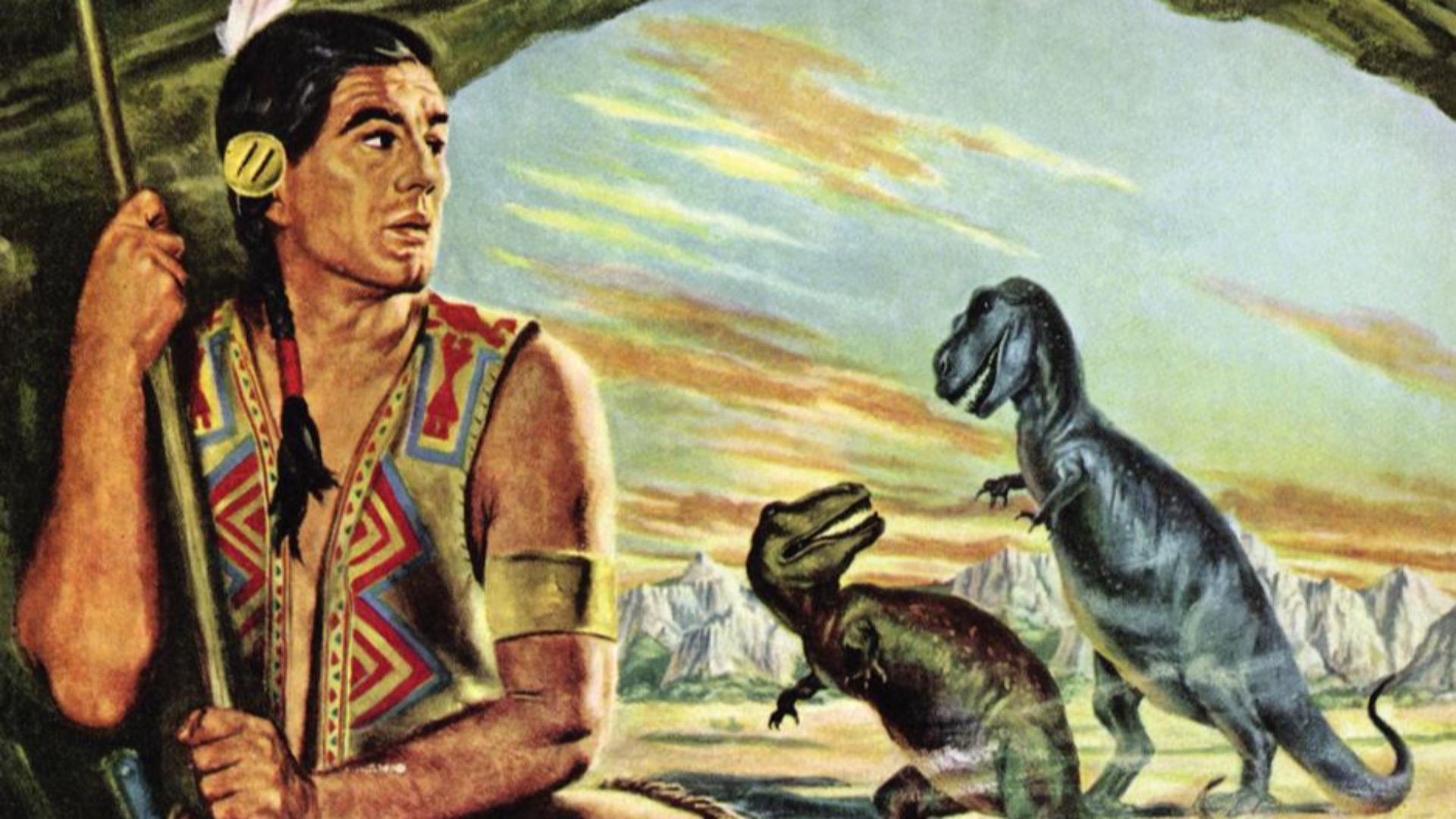
2. Turok, Dinosaur Hunter
Turok, Dinosaur Hunter had a strong concept, especially during the Valiant Comics boom, because dinosaurs, action, and survival adventure are easy hooks. The character still has name recognition, but a lot of that now comes from nostalgia for the video games rather than steady comic readership. Older issues can still interest collectors and Valiant fans, but they don’t tend to sit near the top of modern recommendation lists. It’s remembered, but not read nearly as much as its former visibility might suggest.
3. The Adventures of Bob Hope
Celebrity comics once made perfect sense, and The Adventures of Bob Hope lasted far longer than many modern readers would expect. The challenge is that the comic’s humor and appeal were tied to a specific entertainer whose cultural presence isn’t the same today. Without that connection, new readers don’t have much reason to seek out long runs of the series. It remains an interesting piece of publishing history, but it doesn’t have a large modern audience reading it for pleasure.
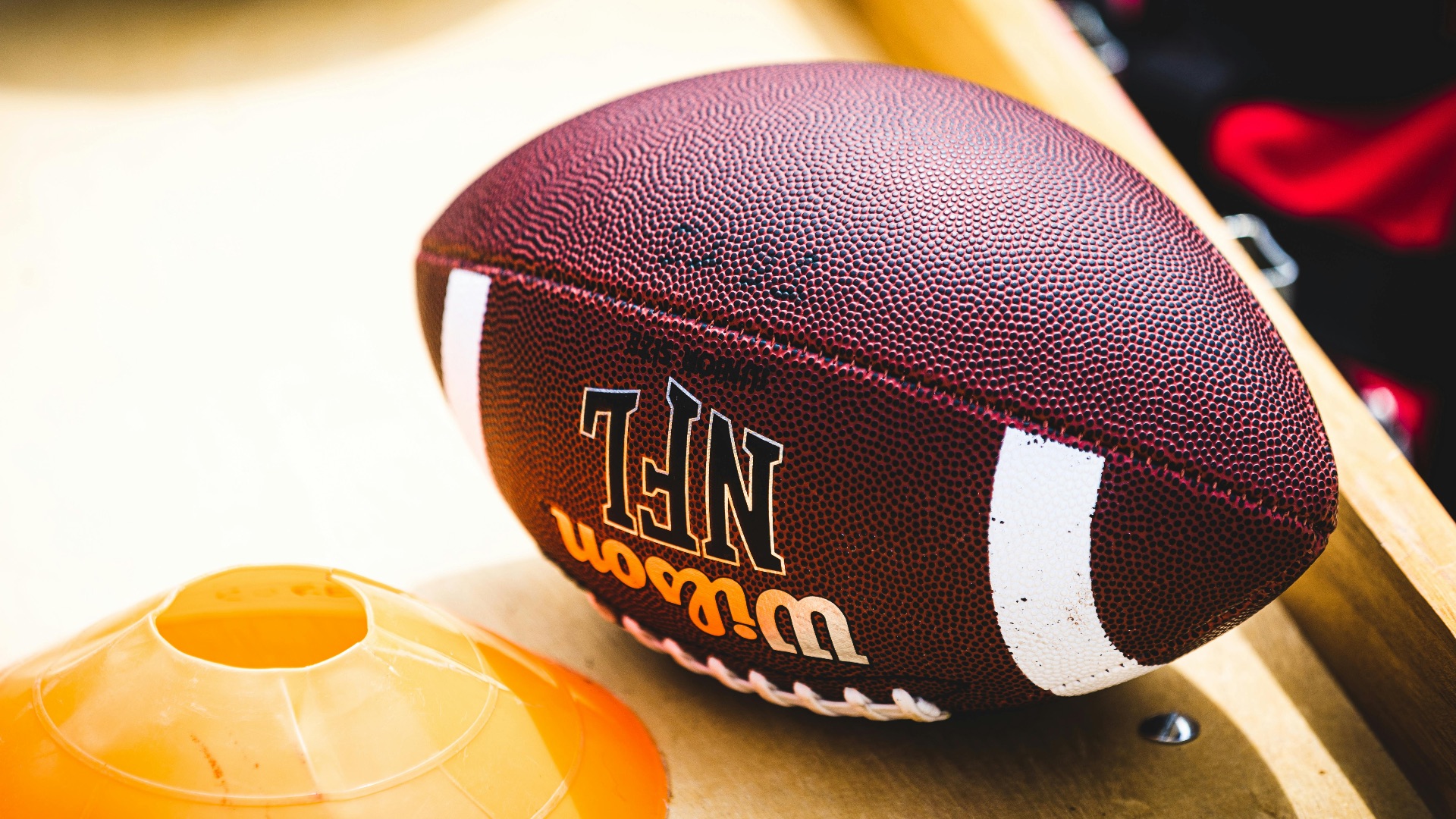
4. NFL SuperPro
NFL SuperPro is one of those comics people remember because the premise is so strange. A football-themed superhero with an official NFL connection was certainly attention-grabbing, but that doesn’t mean the book became beloved. Today, it’s mostly brought up as a curiosity from Marvel’s past rather than as a hidden gem. Readers may sample it for the novelty, but very few are working through it as a serious favorite.
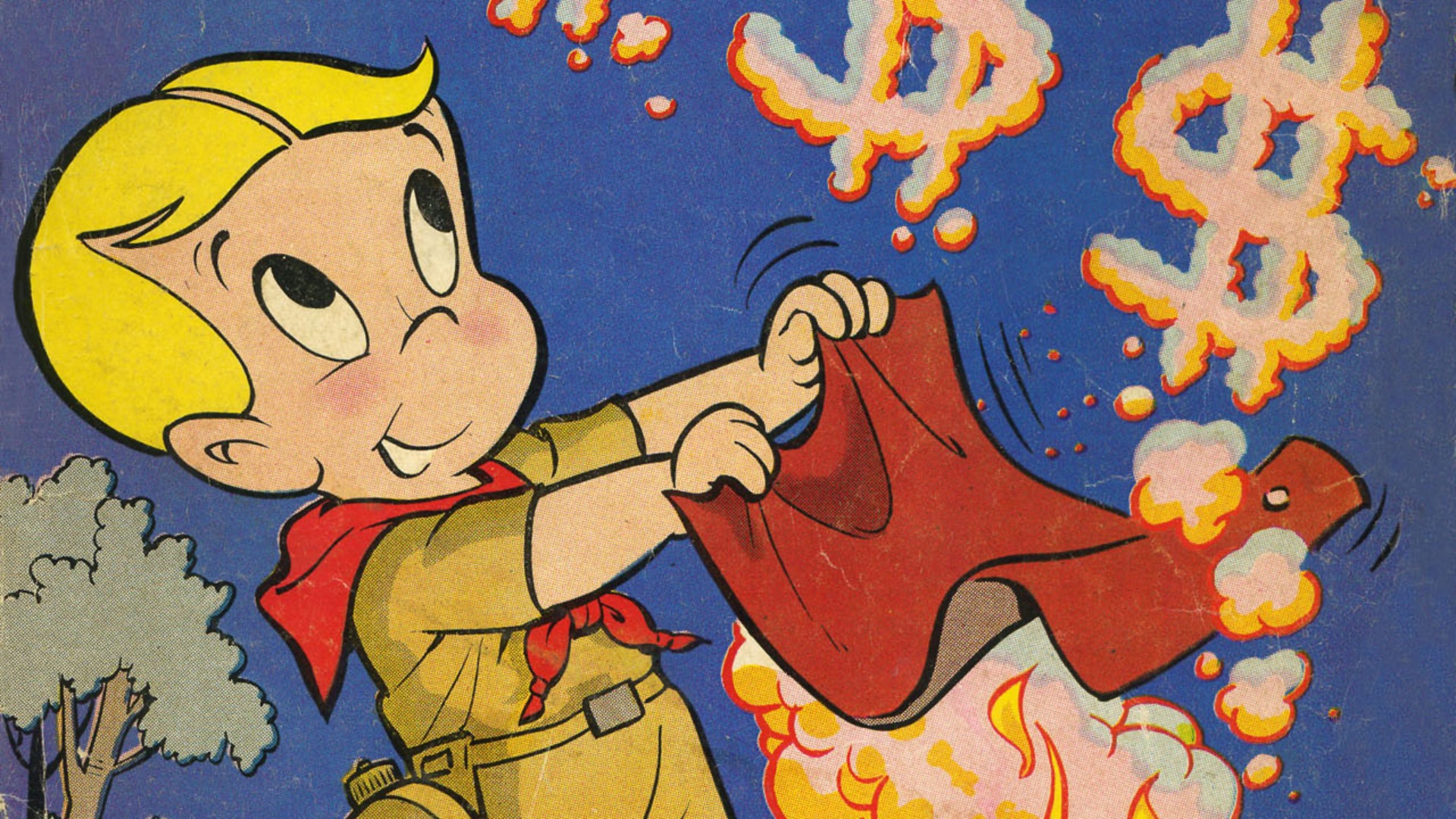
5. Richie Rich
Richie Rich was once a huge part of the comics landscape, especially for readers who grew up with Harvey Comics. The character appeared in a remarkable number of titles, but that level of visibility hasn’t translated into the same kind of lasting reading culture. Modern kids have plenty of other all-ages comics competing for attention, and adults usually revisit Richie Rich through nostalgia rather than active enthusiasm. The name still means something, but the comics themselves aren’t nearly as central as they used to be.
6. Cracked
Cracked had a long life as a humor magazine and comic-style parody publication, but it has been overshadowed by stronger pop-culture memory around MAD. Its spoofs, jokes, and references were built around whatever was current at the time, which makes a lot of older issues feel less immediate now. Some readers still enjoy that dated quality, but it’s more of a collector’s interest than a broad reading habit. When people talk about classic parody comics, Cracked usually isn’t the first title they reach for.
7. Team Youngblood
Team Youngblood expanded the Youngblood brand at a time when early Image Comics was producing spin-offs at a rapid pace. That energy helped the book feel connected to a larger movement, but it also made the title very dependent on the excitement of its era. Modern readers who are curious about Youngblood usually start with the original series and don’t always feel the need to follow every related title. As a result, Team Youngblood feels more like a period piece than an ongoing point of interest.
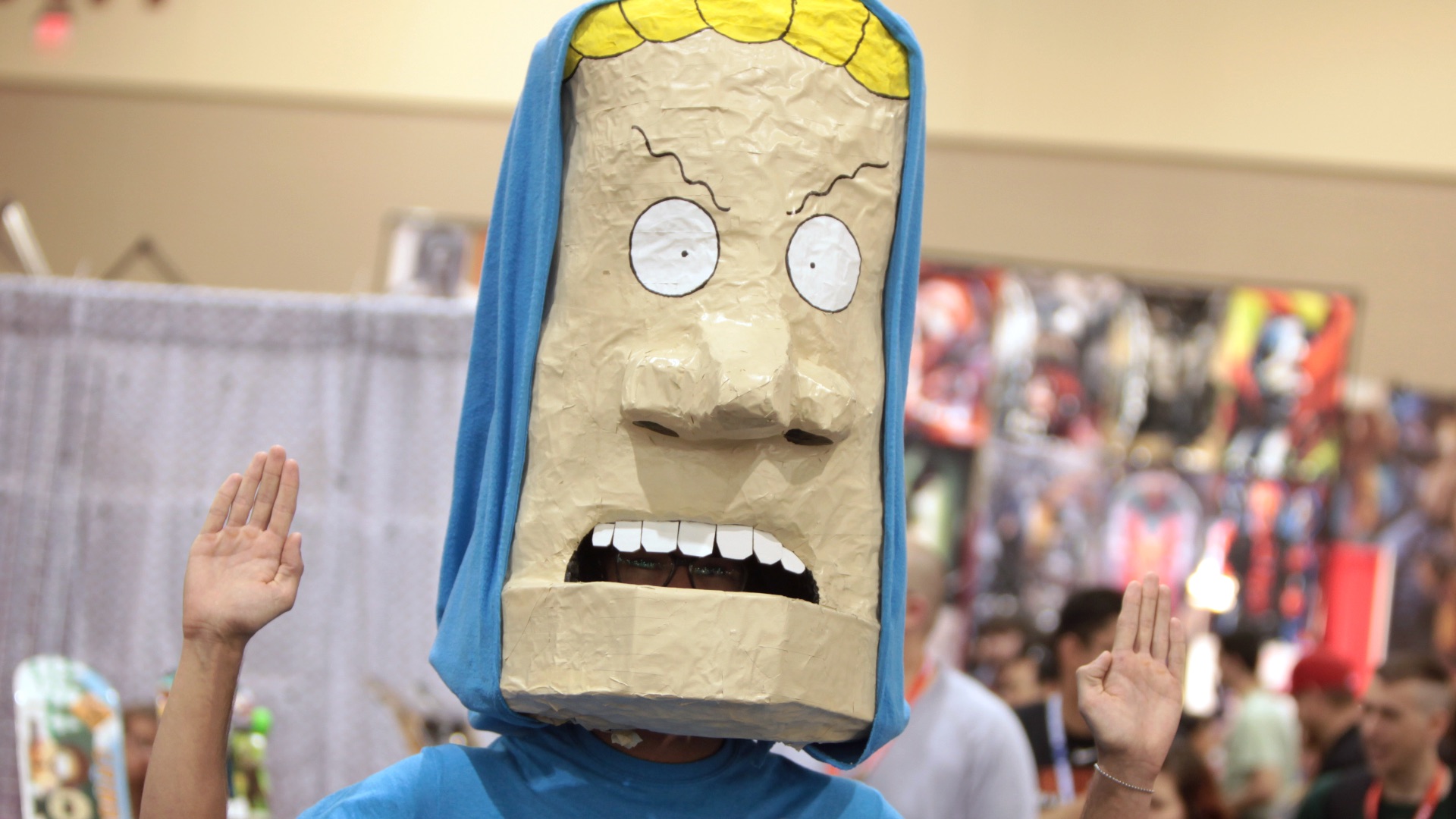
8. Beavis and Butt-Head
The Beavis and Butt-Head comic made sense when the animated series was at its cultural peak. It gave fans more of the characters’ crude humor and attitude, but it was always tied closely to the television version. Today, people who want to revisit Beavis and Butt-Head usually go straight to the show instead of tracking down the comics. The comic isn’t unknown, but it’s not where the audience mainly lives anymore.
 Gage Skidmore from Surprise, AZ, United States of America on Wikimedia
9. Sad Sack
Sad Sack was once a familiar military humor comic, especially in the decades when that style of gag-driven storytelling had a clear audience. Its central joke about an unlucky soldier was easy to understand, but the setting and comic rhythm feel much more tied to an earlier era. Modern readers don’t tend to seek it out unless they’re studying old humor comics or collecting vintage issues. It had its time, but it hasn’t remained a living favorite in the way some other legacy humor comics have.
10. ROM
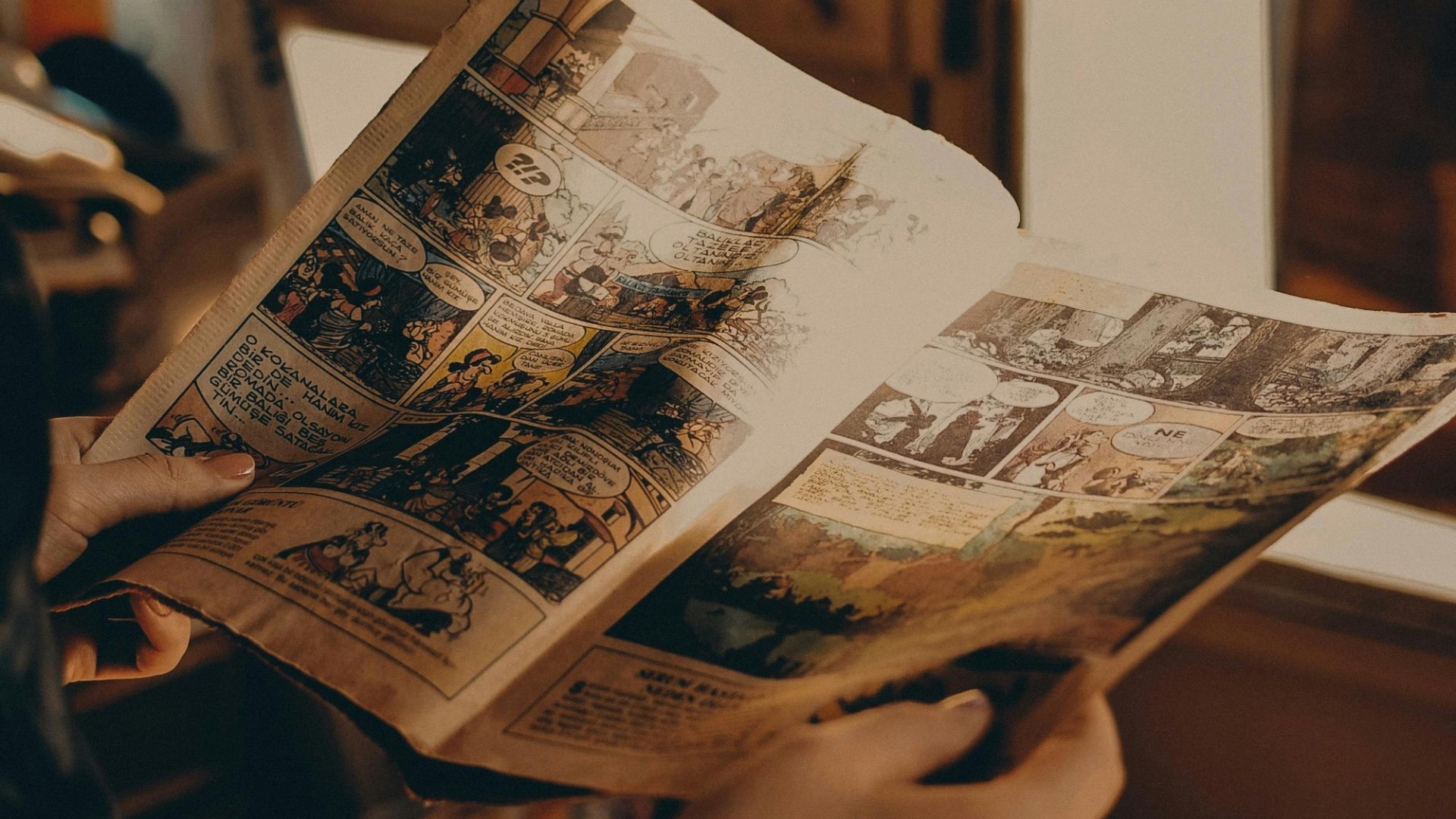
ROM is a tricky case because the character has passionate fans, and the original Marvel series has a stronger reputation than many toy-based comics. Still, rights issues and long gaps in availability made it harder for the book to stay in regular circulation for years. That means it didn’t remain as easy for new readers to discover as many other Marvel titles from the same period. People still talk about ROM, but for a long time, far fewer people actually read it than its cult status might suggest.
Now that we've touched on the comics that have since faded from popularity, let's jump into the books that readers still love to pore through.
1. Archie
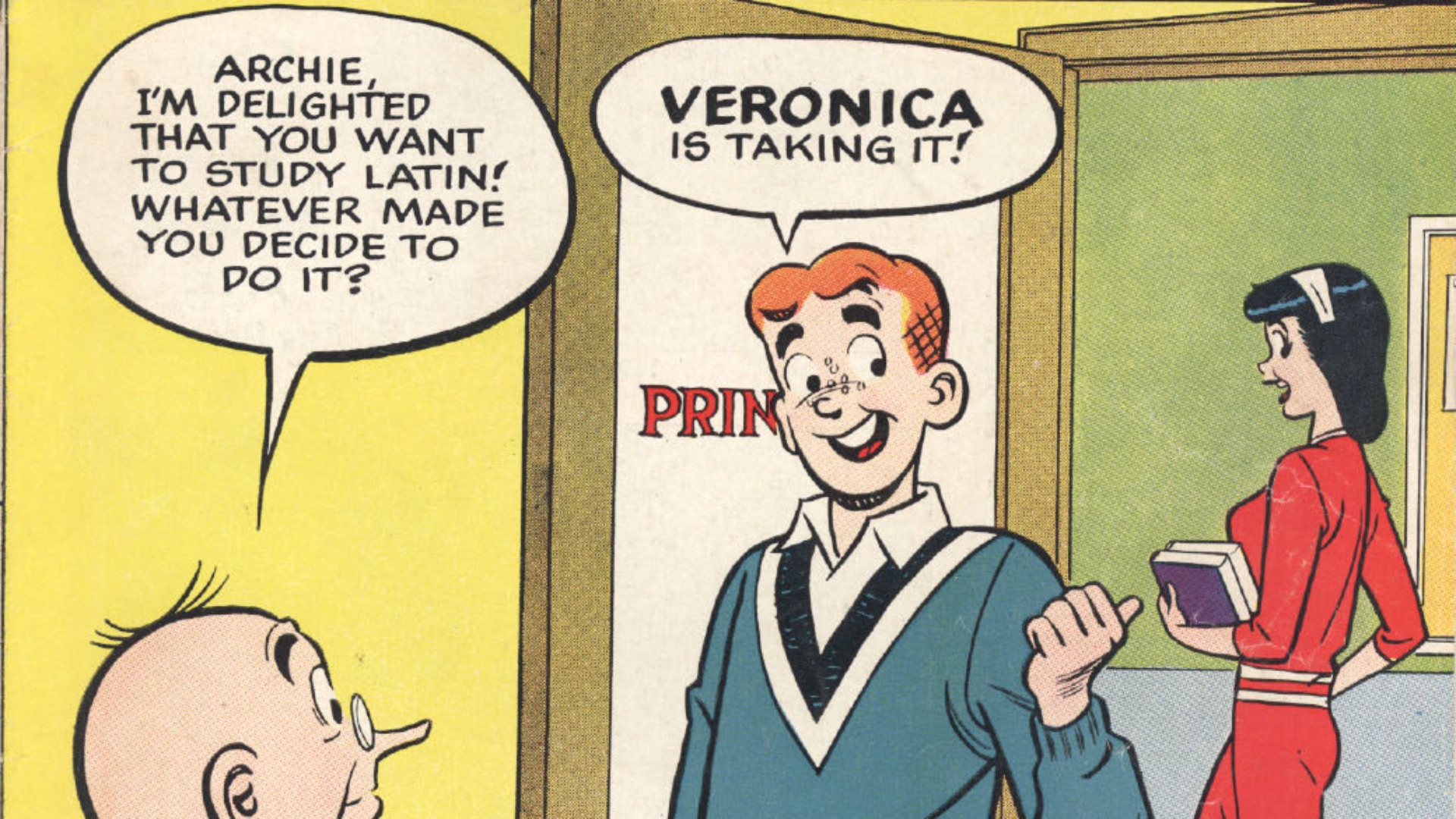
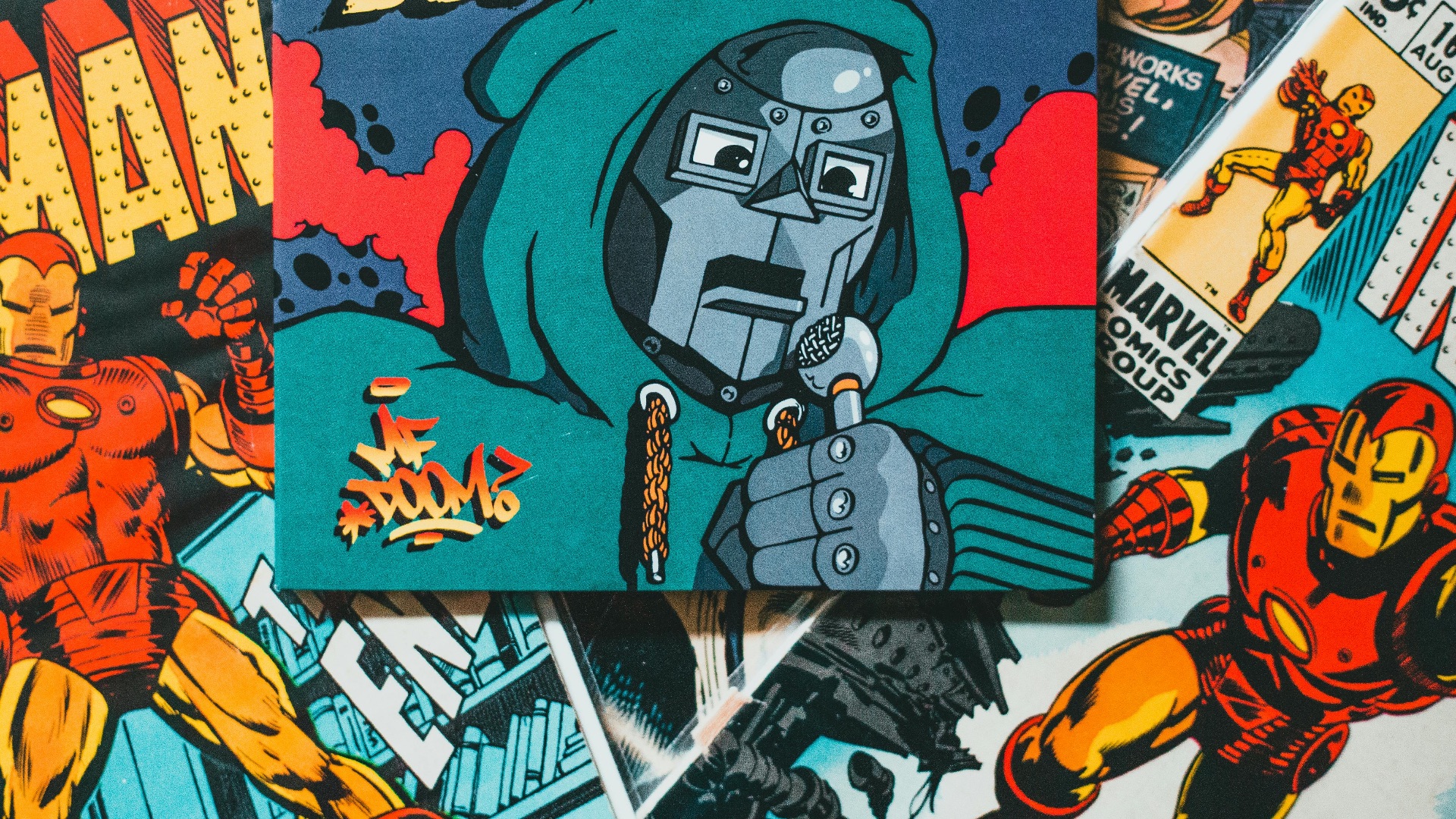
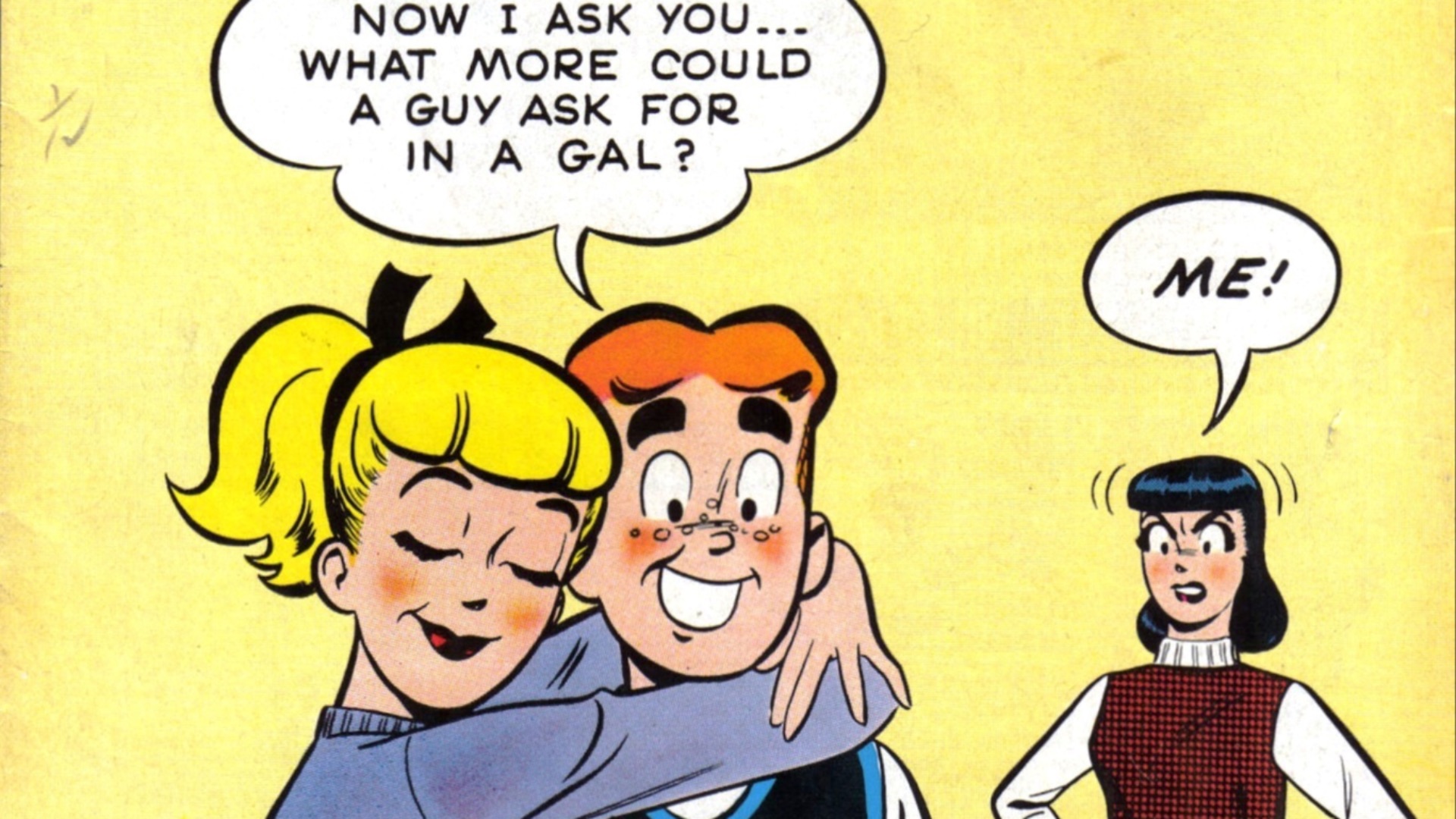
Archie has been around for so long that it’s easy to underestimate how active the franchise still is. The classic digests continue to offer simple, approachable humor, while newer versions have refreshed Archie, Betty, Veronica, Jughead, and Sabrina for modern readers. The characters also benefit from being instantly understandable, so you don’t need years of continuity before jumping in. Even if Archie isn’t always treated with the same seriousness as superhero comics, people absolutely still read it.
 Pencils:Harry Lucey Inks: Terry Szenics on Wikimedia
2. Garfield
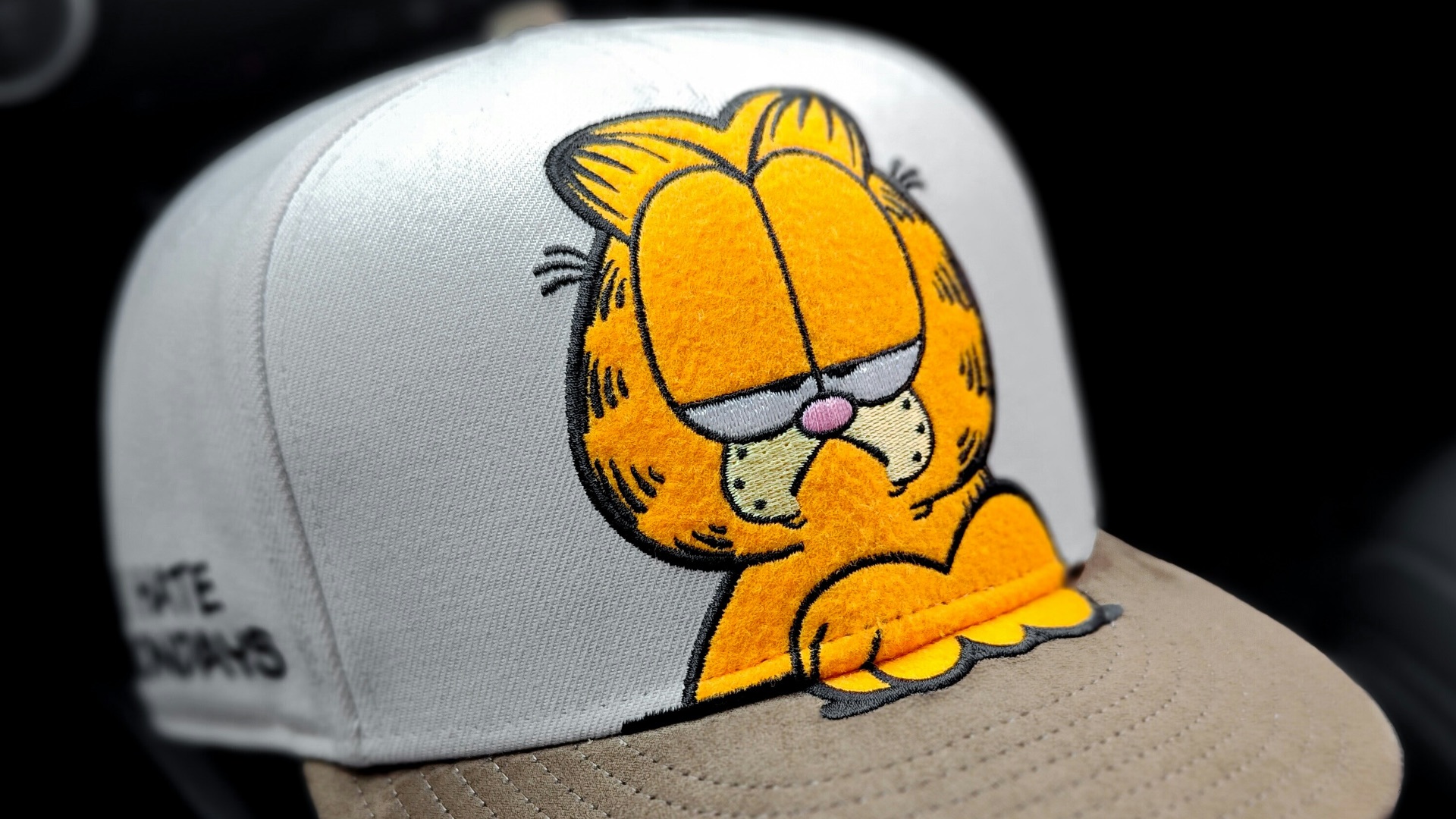
Garfield remains one of the most readable strip comics because its humor is simple, familiar, and easy to revisit in small doses. The comic doesn’t ask readers to follow an intricate story, which helps collections stay accessible across ages. Garfield himself is also still recognizable through books, merchandise, animation, and online circulation. You may not think of it as a comic-shop title, but it’s still very much a comic people read.
 ANDRES LABARRIOS LINARES on Unsplash
3. Batman: Year One
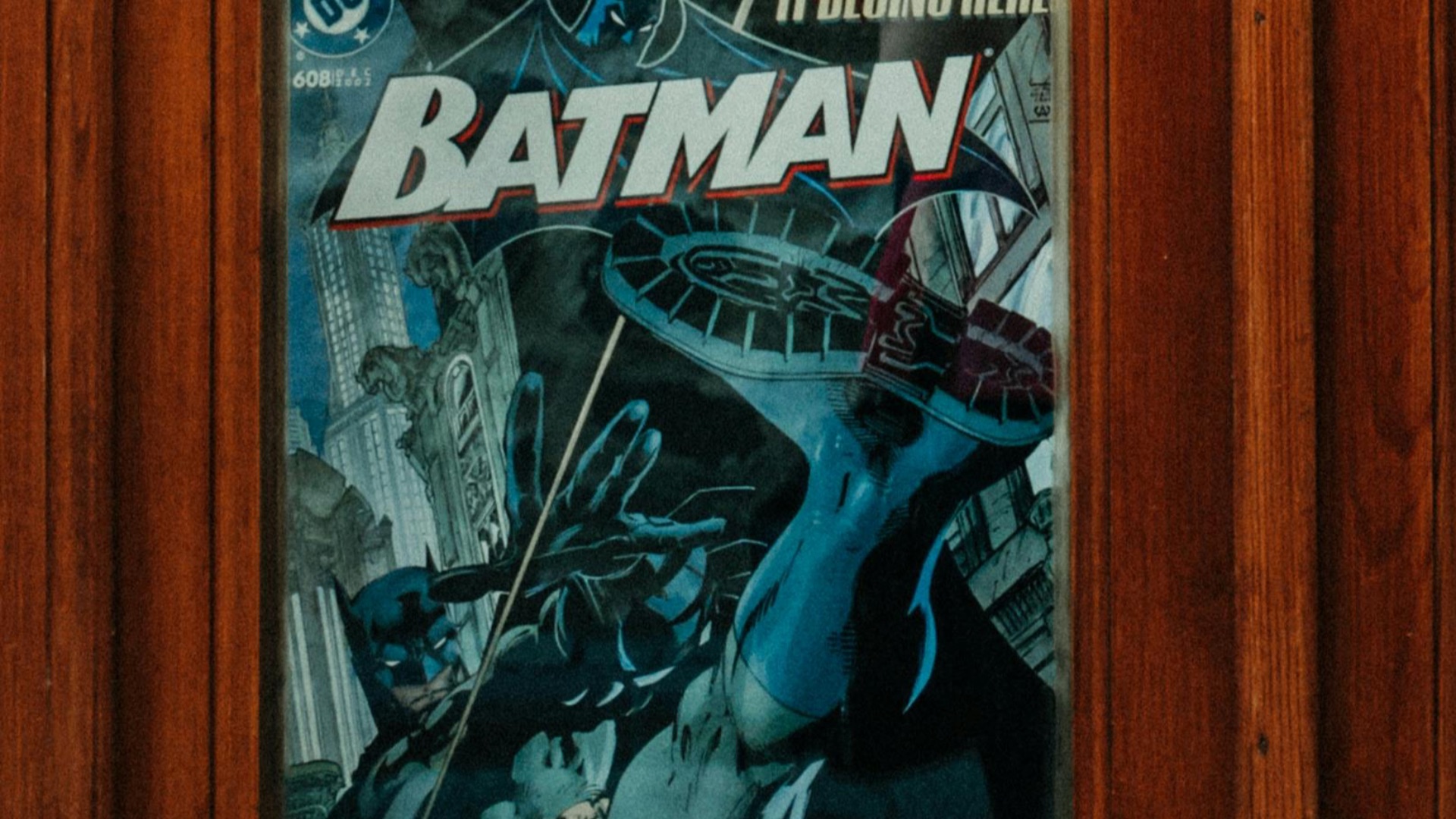
Batman: Year One continues to be one of the most reliable entry points for Batman readers. It tells a focused origin-era story without burying the reader in decades of continuity, and it gives Jim Gordon nearly as much weight as Bruce Wayne. The writing is lean, and David Mazzucchelli’s artwork gives Gotham a grounded, lived-in feel. If someone asks where to begin with Batman comics, this title still comes up almost immediately.
4. The Amazing Spider-Man
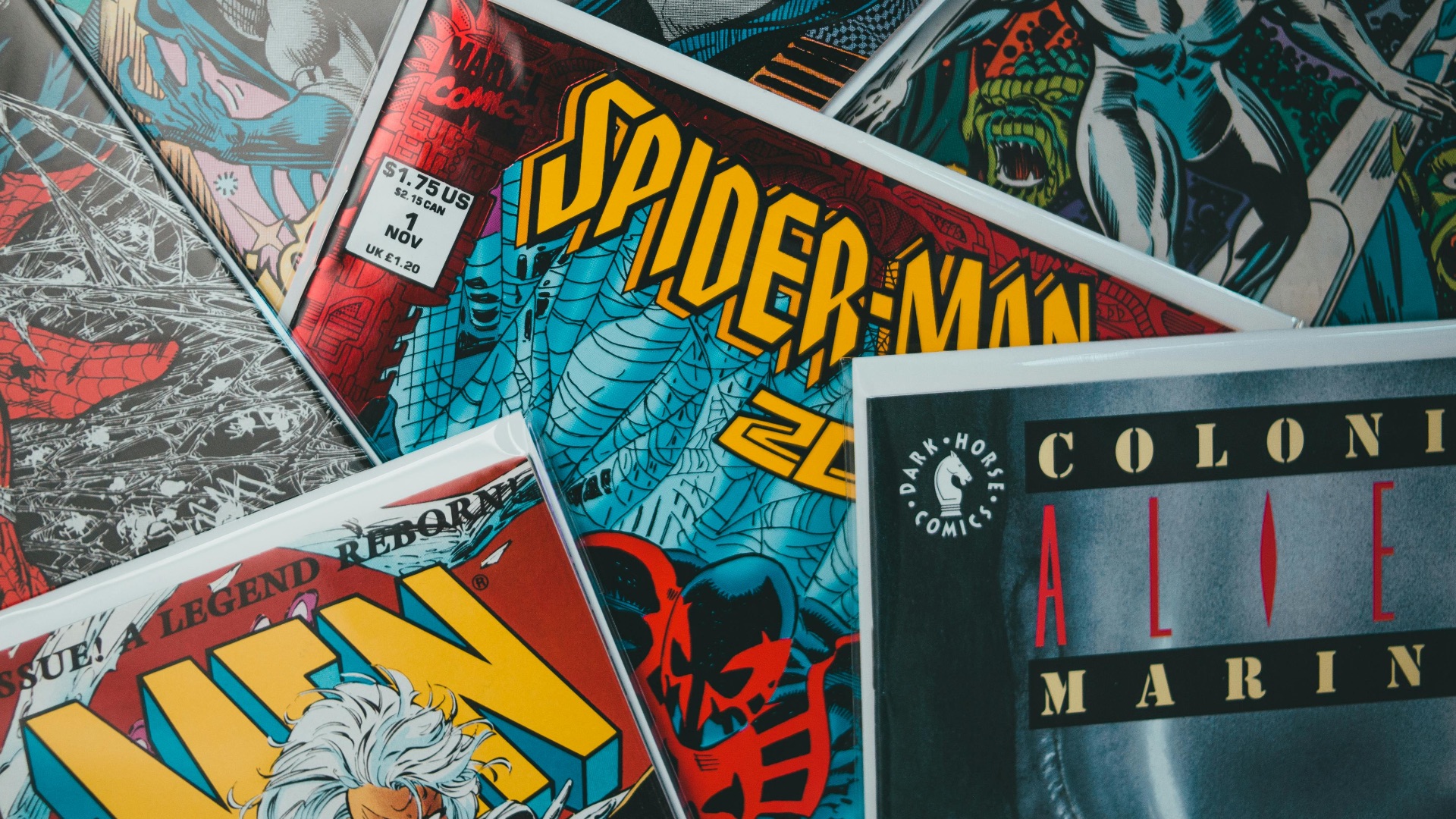
The Amazing Spider-Man has gone through many eras, creative teams, and controversial choices, but the core character still pulls readers back. Peter Parker’s mix of superhero responsibility, personal problems, humor, and bad luck remains one of Marvel’s most durable formulas. Some fans follow current issues, while others focus on classic runs or major storylines. Either way, Spider-Man has never stopped being a comic people actively read, debate, and revisit.
5. Peanuts
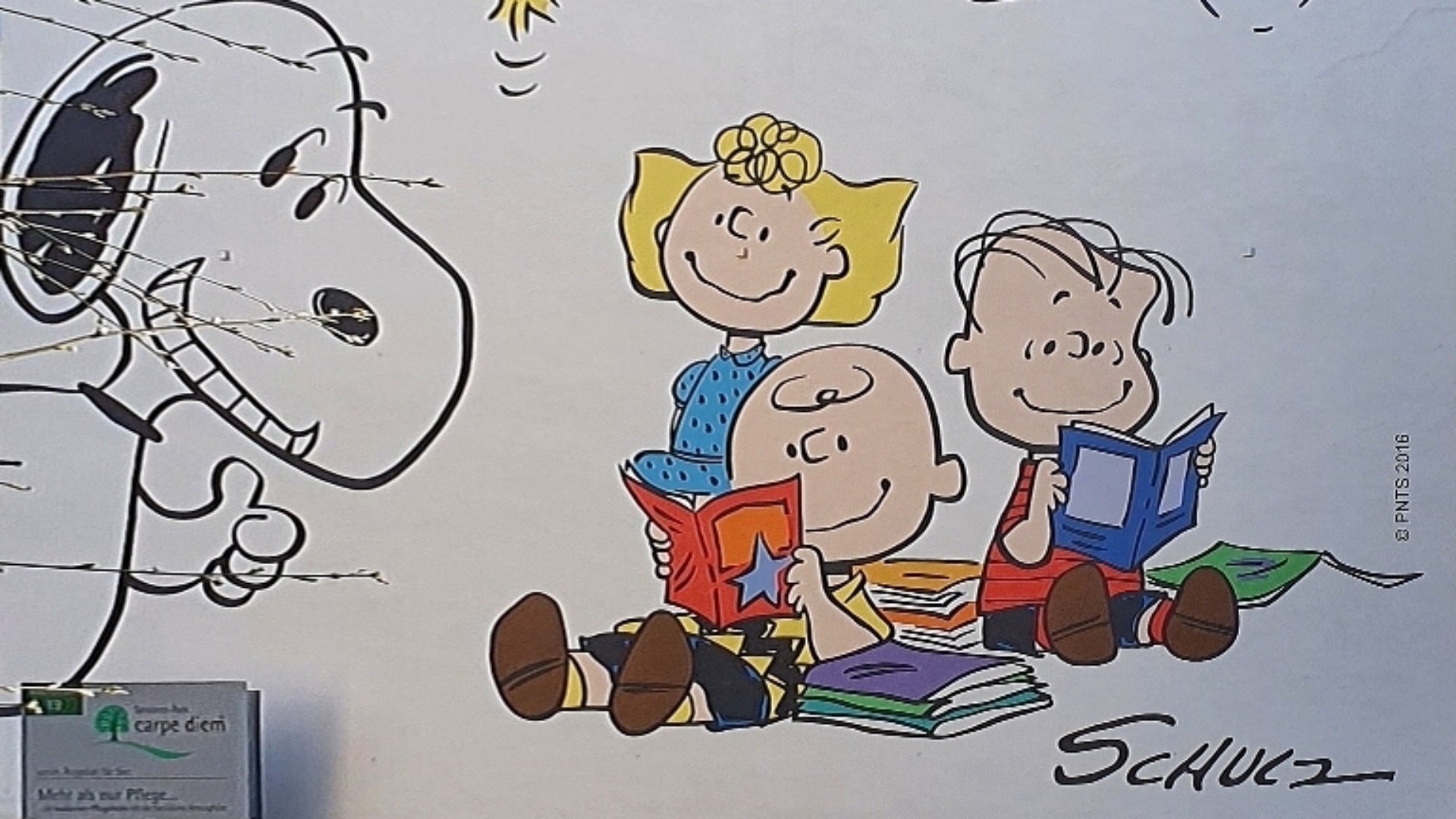
Peanuts is still so beloved because Charles Schulz created the perfect formula: a comic strip that has both simple humor and thoughtful character writing. Charlie Brown, Snoopy, Lucy, Linus, and the rest of the cast remain familiar to readers who may not read many comics at all. It’s one of the clearest examples of a comic that never really left the conversation.
6. X-Men
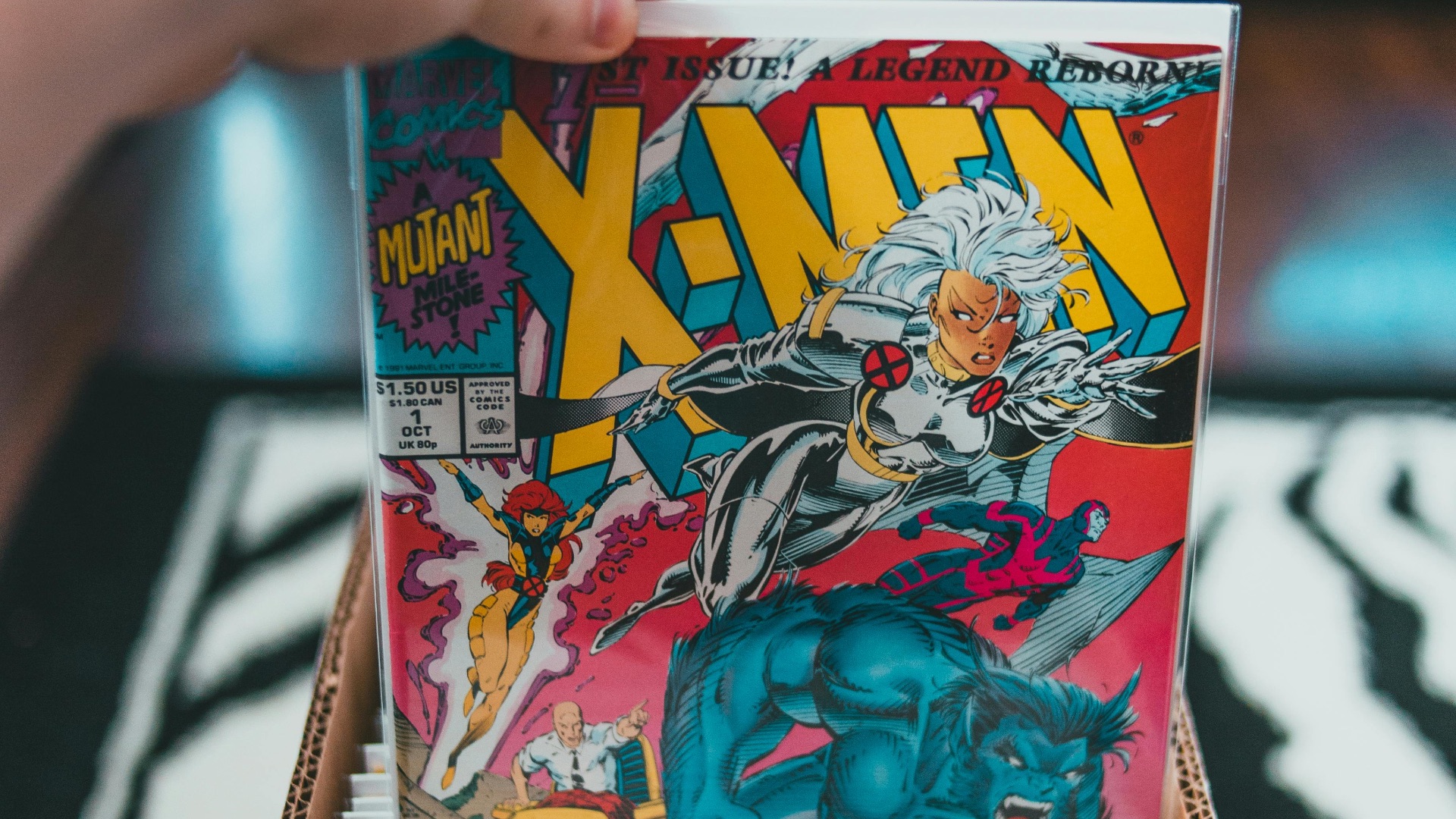
X-Men can be intimidating because there are so many series, timelines, teams, and relaunches, but that hasn’t stopped people from reading it. In fact, the franchise’s complexity is part of the appeal for many fans who enjoy following generations of characters and shifting status quos. Classic stories like “The Dark Phoenix Saga” still attract new readers, while newer eras keep the line active. Even when readers argue about where to start, they’re still talking about a franchise with a living audience.
7. Calvin and Hobbes
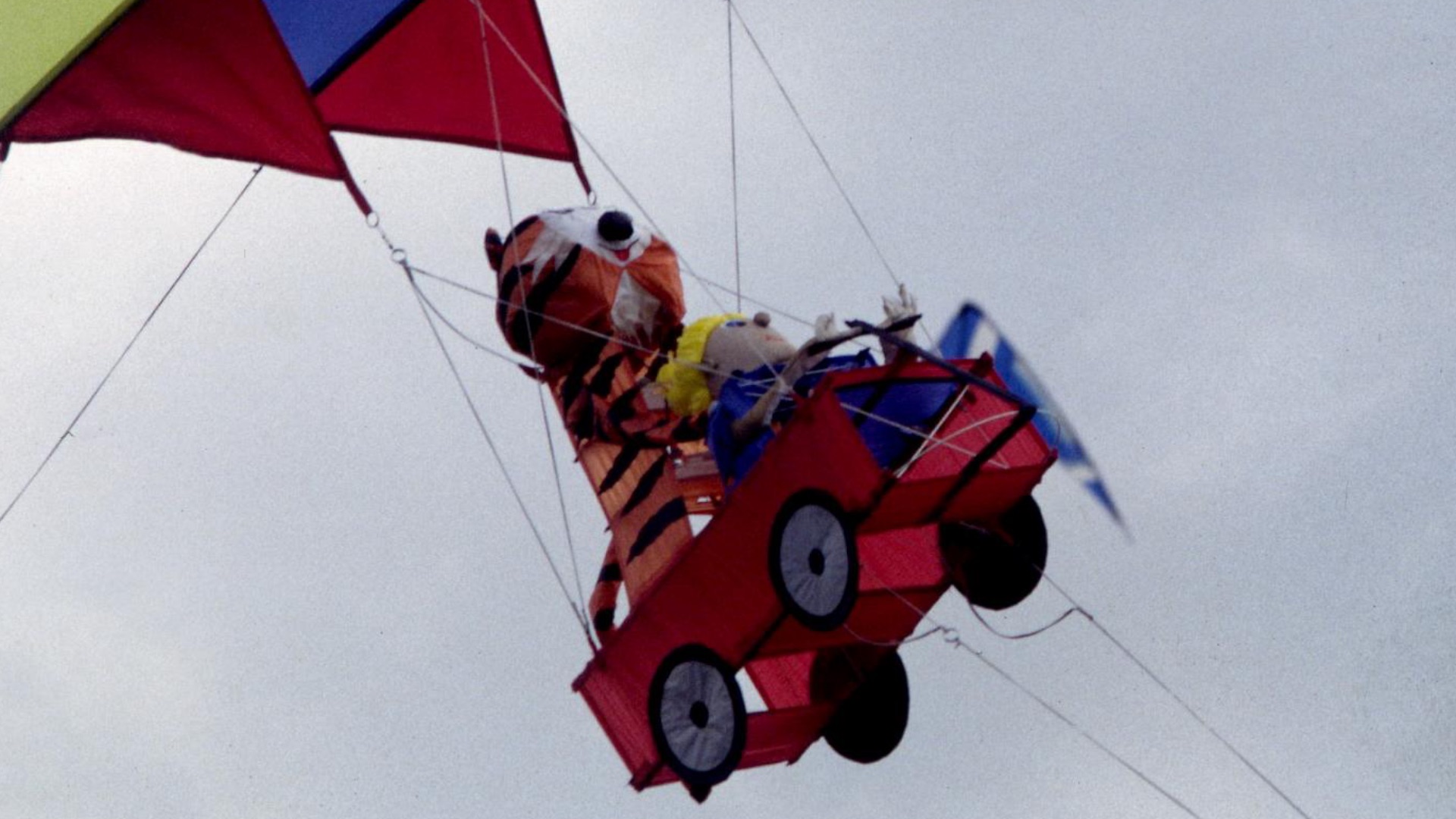
Calvin and Hobbes remains widely read even though it ended decades ago, which says a lot about its staying power. Bill Watterson’s strip is funny, thoughtful, and visually expressive in a way that continues to work for both kids and adults. Even now, people return to it because the humor and character work still feel fresh, and because where else can you read about a boy and his stuffed pet tiger?
8. The Sandman
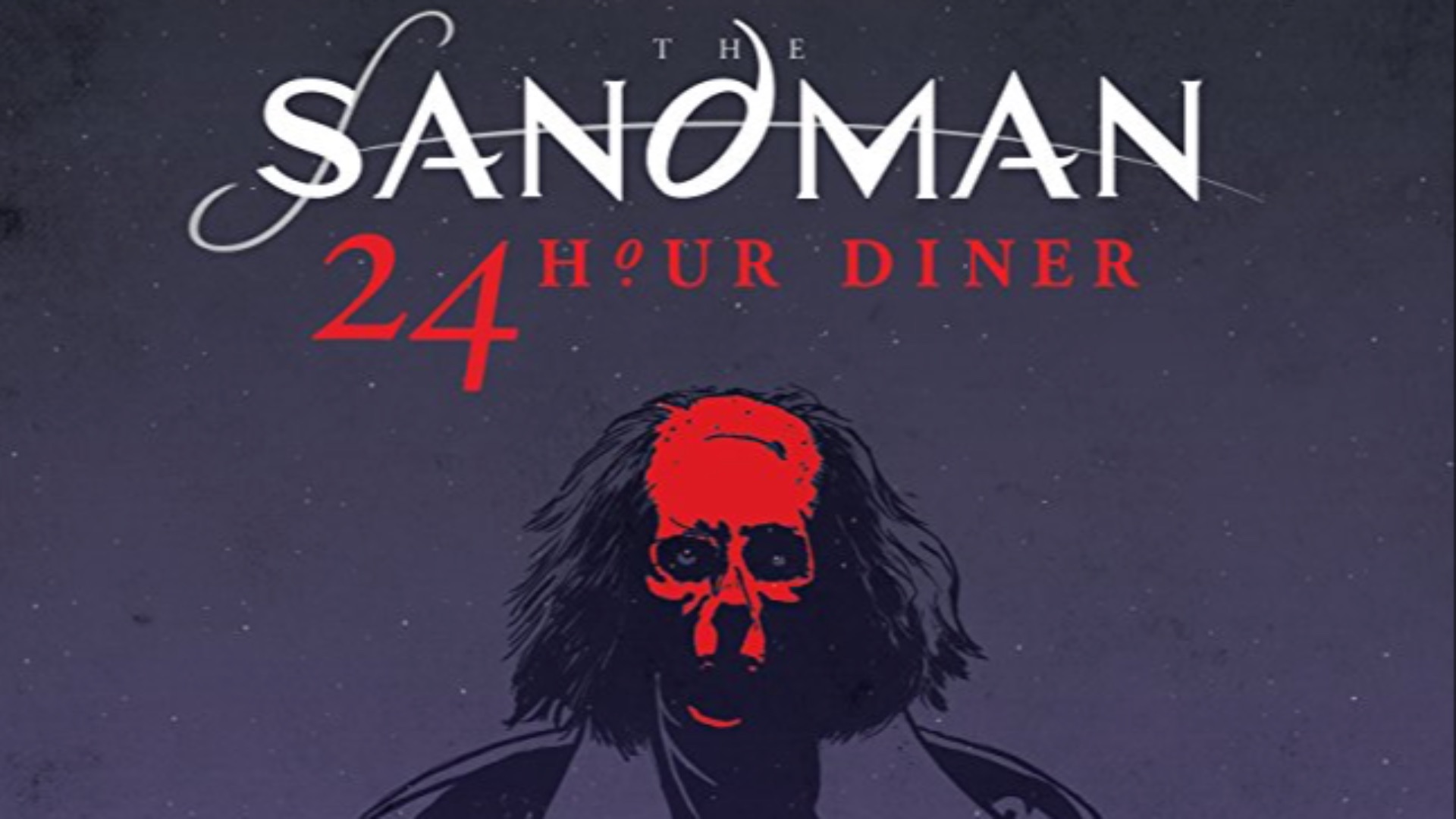
The Sandman has held onto readers because it reaches well beyond the usual superhero audience. Neil Gaiman’s series blends fantasy, horror, mythology, and literary storytelling in a way that gives each arc its own identity. It’s also the kind of comic that people recommend to readers who think comics are only about capes and fights. Its reputation, adaptations, and constant reprint availability keep bringing new readers into the series.
9. Bone
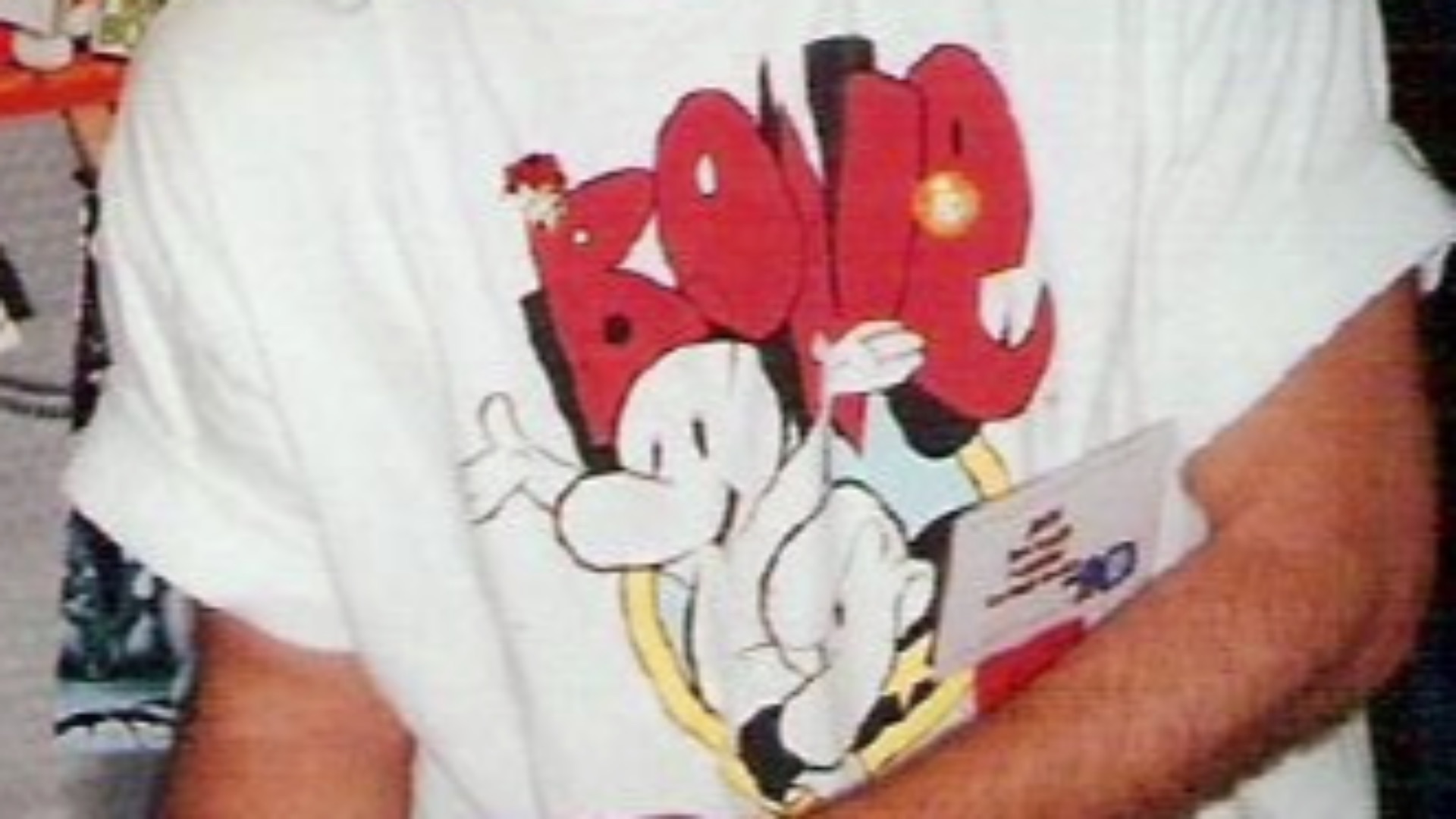
Bone still remains popular because it works for all ages and anyone who wants a complete comic story without needing decades of continuity. Jeff Smith’s series has humor, adventure, expressive art, and a clear reading path, which makes it easy to recommend. Even among people who don’t usually follow monthly comics, Bone has remained one of the most approachable graphic novel series around.
 Corey Bond from United States on Wikimedia
10. All-Star Superman
Widely regarded as one of the best Superman stories ever written, it probably comes as no surprise that All-Star Superman is on this side of the list. Grant Morrison and Frank Quitely lean into the character’s kindness, imagination, and sense of responsibility, making for a highly emotional tale with great characterization and artwork. The result is a comic that feels timeless, and one that readers will certainly never forget.