When Challenge Becomes the Point, Not the Problem
In gaming, difficulty often walks a fine line between frustration and satisfaction, yet some titles manage to turn that challenge into their greatest strength rather than a barrier. These games don’t just test reflexes or patience; they reward learning, persistence, and careful decision-making in ways that feel fair and intentional. Instead of punishing players without reason, they create systems where failure teaches you something useful, encouraging improvement over time. If you’ve ever felt genuinely accomplished after overcoming a tough moment in a game, you’ve experienced exactly what these 20 titles aim to deliver.

1. Dark Souls
This experience is known for demanding precision, patience, and careful observation from the player. Each encounter teaches you to read patterns, manage resources, and approach situations strategically rather than rushing in. The difficulty feels fair because mistakes are clearly tied to player decisions. Over time, progress feels earned, which is why many players appreciate the challenge rather than resent it.

2. Sekiro: Shadows Die Twice
Combat here focuses heavily on timing and mastery rather than grinding for strength. You’re encouraged to learn enemy patterns and react with precision, especially through defensive mechanics that reward confidence. Failure often highlights exactly where your timing was off. This clarity makes it feel achievable.

3. Elden Ring
While challenging, this game provides flexibility in how you approach obstacles. Exploration allows you to strengthen your character or find alternative paths when something feels too difficult. The open design reduces frustration by giving you options. Players often praise how it balances freedom with difficulty.

4. Bloodborne
This title emphasizes aggressive play and quick reactions, shifting away from slower defensive strategies. You’re rewarded for staying engaged and taking calculated risks during combat. The challenge pushes you to adapt your instincts rather than rely on caution alone, making success feel especially satisfying.

5. Cuphead
The difficulty comes from precise timing and pattern recognition, combined with fast-paced action. Each attempt teaches you more about enemy behavior and how to respond effectively. The visual clarity helps you understand what went wrong when you fail. This makes repeated attempts feel purposeful rather than repetitive.
 Japanese State Propaganda (1936). on Wikimedia
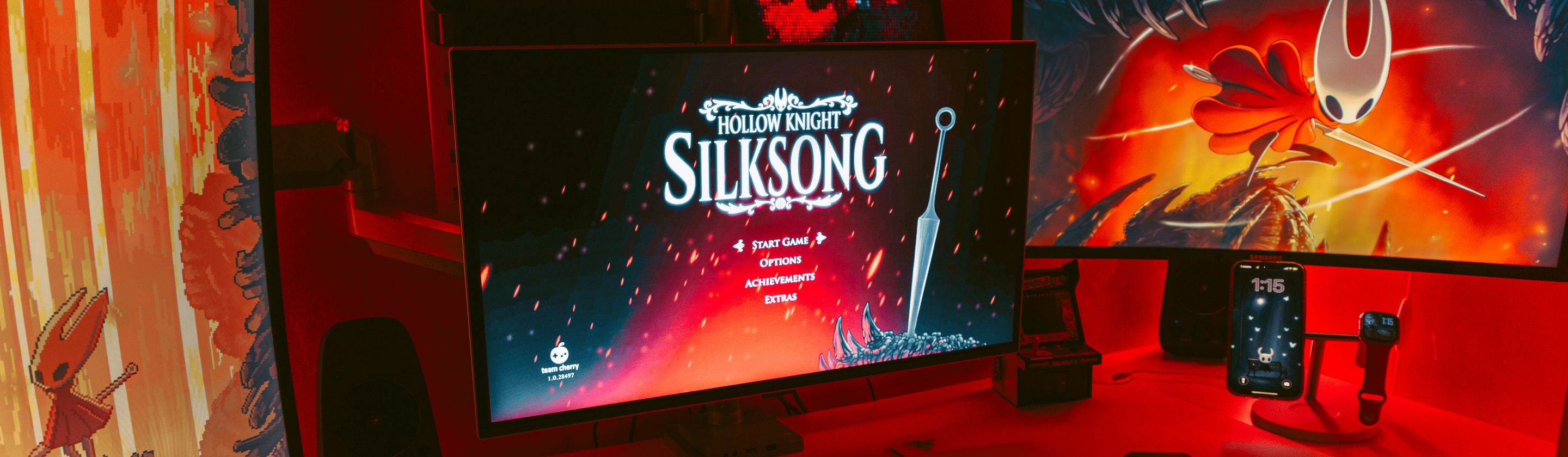
6. Hollow Knight
Exploration and combat both demand attention to detail and patience. The game doesn’t guide you heavily, which encourages independent discovery. Challenges feel rewarding because they rely on skill rather than randomness. Many players appreciate the sense of growth that comes with persistence.

7. Celeste
Precision platforming requires careful control and timing, but the game also offers quick restarts that keep frustration low. Each obstacle is designed to be overcome through learning rather than luck. The structure encourages experimentation and improvement. As a result, difficulty feels motivating rather than discouraging.
 Nikita Kachanovsky on Unsplash
8. Super Meat Boy
Fast-paced levels demand quick reflexes and consistent execution. Failures happen frequently, but restarts are immediate, allowing you to try again without delay. This design keeps momentum going despite the challenge. Players often enjoy the sense of mastery that develops over time.
 Wireframe, Raspberry Pi Press, Raspberry Pi Foundation on Wikimedia
9. The Binding of Isaac
Difficulty arises from unpredictable elements combined with skill-based gameplay. You’re encouraged to adapt to changing conditions and make the most of each run. Success depends on decision-making as much as reaction speed. This balance keeps the challenge engaging.

10. Dead Cells
Combat and movement require constant awareness and quick thinking. Each run offers different tools, encouraging flexibility in your approach. The difficulty feels fair because systems are consistent and responsive. Improvement comes naturally as you learn from each attempt.

11. Spelunky
This game combines platforming with unpredictable environments that require careful planning. You’re constantly weighing risk and reward in every decision. Mistakes are usually the result of oversight rather than unfair design. That clarity makes the challenge feel justified.

12. Returnal
Fast-paced combat and shifting environments create a demanding but structured experience. You’re encouraged to learn enemy patterns while managing resources effectively.
13. Nioh
Combat requires precise timing and understanding of multiple mechanics working together. You’re pushed to learn how to manage stamina and positioning carefully. The difficulty encourages mastery of systems rather than brute force. Progress feels tied to skill development.

14. Monster Hunter: World
Encounters are designed around learning creature behaviors and preparing accordingly. You’re rewarded for studying patterns and choosing the right equipment.

15. FTL: Faster Than Light
Strategy plays a central role, with decisions impacting outcomes in significant ways. You must manage resources and respond to unexpected situations quickly. Difficulty arises from balancing multiple priorities at once. Players often enjoy how each run teaches better decision-making.

16. Hades
Combat is fast and responsive, requiring quick reactions and strategic thinking. Each attempt builds knowledge of enemy behavior and available upgrades. The structure encourages continuous improvement through repetition. Difficulty feels rewarding because progress is always visible.

17. Doom Eternal
Fast movement and resource management are essential to survival. You’re encouraged to stay aggressive and constantly reposition during combat. The challenge pushes you to engage fully with its systems.

18. Into the Breach
This game focuses on planning and predicting enemy actions in advance. Each move requires careful consideration, as mistakes can have lasting consequences. Difficulty comes from making the best decision with limited options. Players often appreciate the clarity of its mechanics.

19. Slay the Spire
Strategic choices define each run, with deck-building decisions shaping your success. You must think ahead and adapt to changing conditions. Difficulty arises from balancing risk and reward effectively.

20. Getting Over It with Bennett Foddy
The challenge here is intentionally unforgiving, requiring patience and precise control. Progress can be lost quickly, which tests persistence and focus.