
10 Sci-Fi Technologies We’d Love to Have & 10 We’re Better Off Without
Not Every Futuristic Idea Deserves to Exist
Science fiction has always been very good at making technology look irresistible for about five minutes before revealing the catch. One invention promises convenience, freedom, or superhuman ability, and the next thing you know, somebody has lost their privacy, their memories, or their entire planet. That is part of the fun, because some fictional tech still feels like something you would preorder instantly if given the chance, while other inventions seem better left as fictional concepts. Here are 10 sci-fi technologies we would happily take tomorrow, and 10 we are probably much safer admiring from a distance.

1. Universal Translators
A universal translator is one of those sci-fi ideas that sounds useful before you even finish hearing it. Being able to understand any language in real time would make travel, diplomacy, and ordinary human interaction so much easier. You wouldn't need to fake confidence in a menu or smile your way through a conversation you only half understand.
 Hans-Peter Traunig on Unsplash
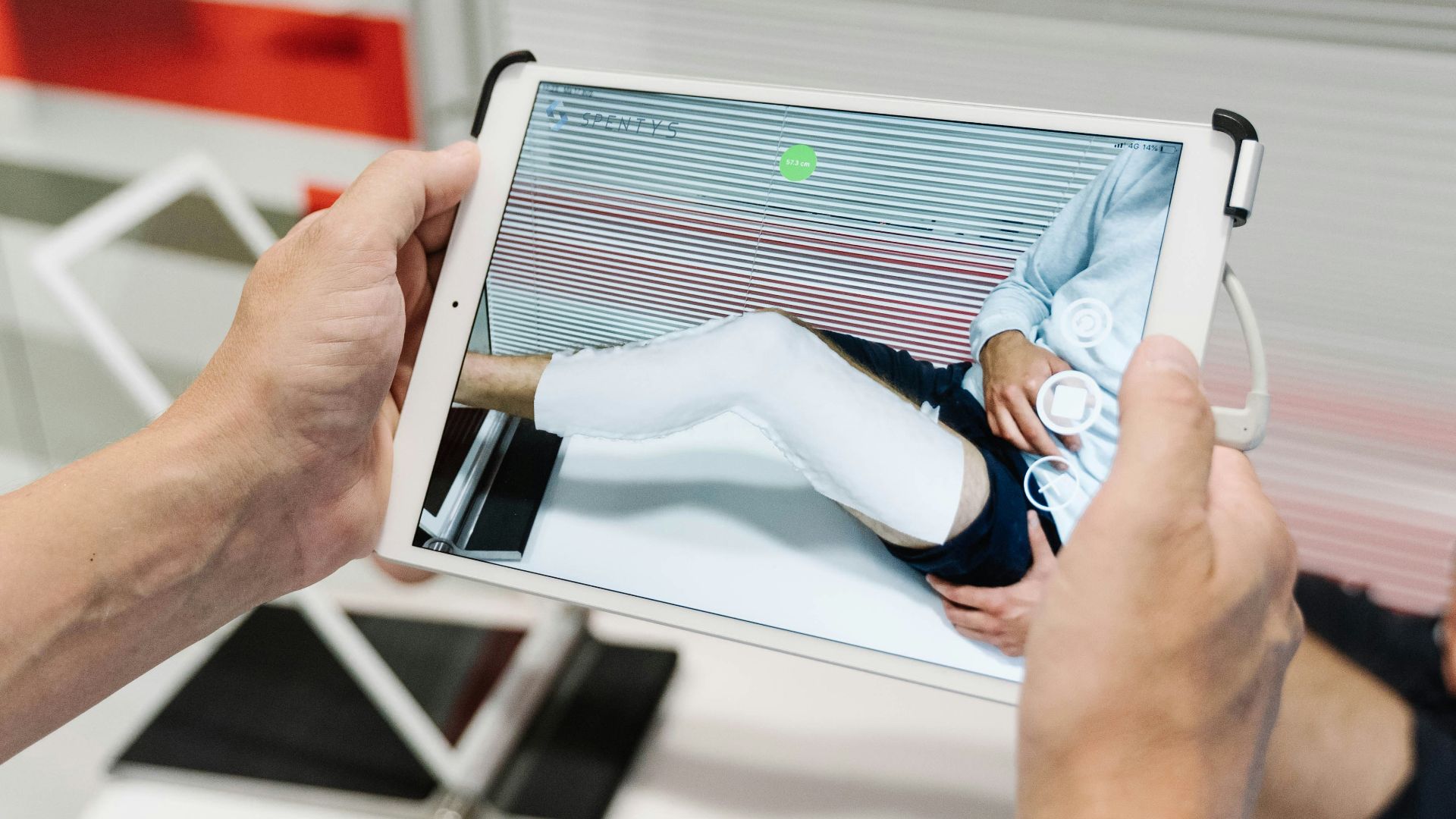
2. Medical Tricorders
A handheld device that could scan your body and tell you what's wrong within seconds would be unbelievably useful. You could skip a lot of guesswork, catch problems earlier, and stop waiting months for a doctor's appointment. It would also make routine health care feel a lot less stressful and a lot more personalized.
3. Replicators
Replicators are basically the dream for anyone who has ever stared into the refrigerator and felt betrayed by its contents. Being able to create food, clothing, tools, or household basics on demand would change daily life almost instantly. The convenience alone would be absurdly hard to resist.
4. Hoverboards That Actually Work
A real hoverboard would be one of the few sci-fi toys people would use constantly. If it were stable, safe, and not powered by mysterious catastrophe, you can be sure sidewalks would get chaotic fast. It combines fun, convenience, and cool factor.

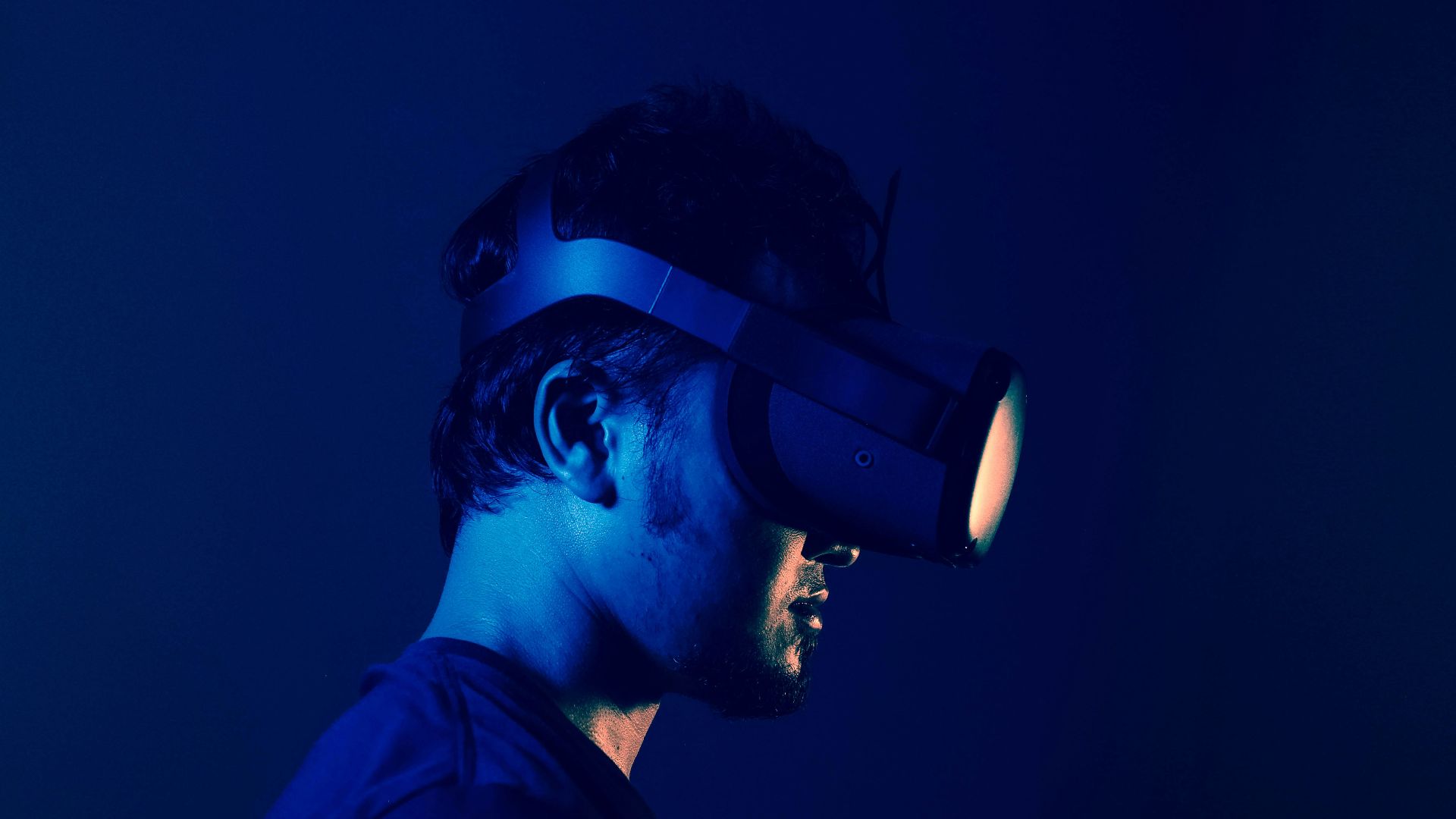
5. Holodecks
The holodeck is dangerously close to being too appealing for human self-control. A fully immersive environment where you could learn, relax, train, travel, or act out whatever fantasy your brain came up with would be wildly popular. Used well, it could transform education, therapy, and entertainment all at once.

6. Instant Clean Energy Reactors
Sci-fi loves giving civilizations compact power sources that seem to run forever without destroying the sky in the process. If we could actually have safe, abundant, clean energy in that kind of reliable form, it would solve a ridiculous number of real-world problems. Entire industries, cities, and daily routines would shift around it almost immediately.

7. Smart Fabric Clothing
Clothing that adapts to temperature, repairs itself, resists stains, and maybe even adjusts fit slightly would be impossible not to love. You would buy fewer clothes, ruin less laundry, and stop having seasonal battles with your own closet. It's practical enough to be useful and futuristic enough to feel fun.

8. Personal Jetpacks That Are Actually Safe
A safe personal jetpack would make a lot of people briefly believe they had become much more coordinated than they really are. Still, if it were genuinely stable and practical, it would be hard not to want one. Commutes, rescues, exploration, and pure showing-off would all benefit in obvious ways.

9. Advanced Prosthetics With Full Function
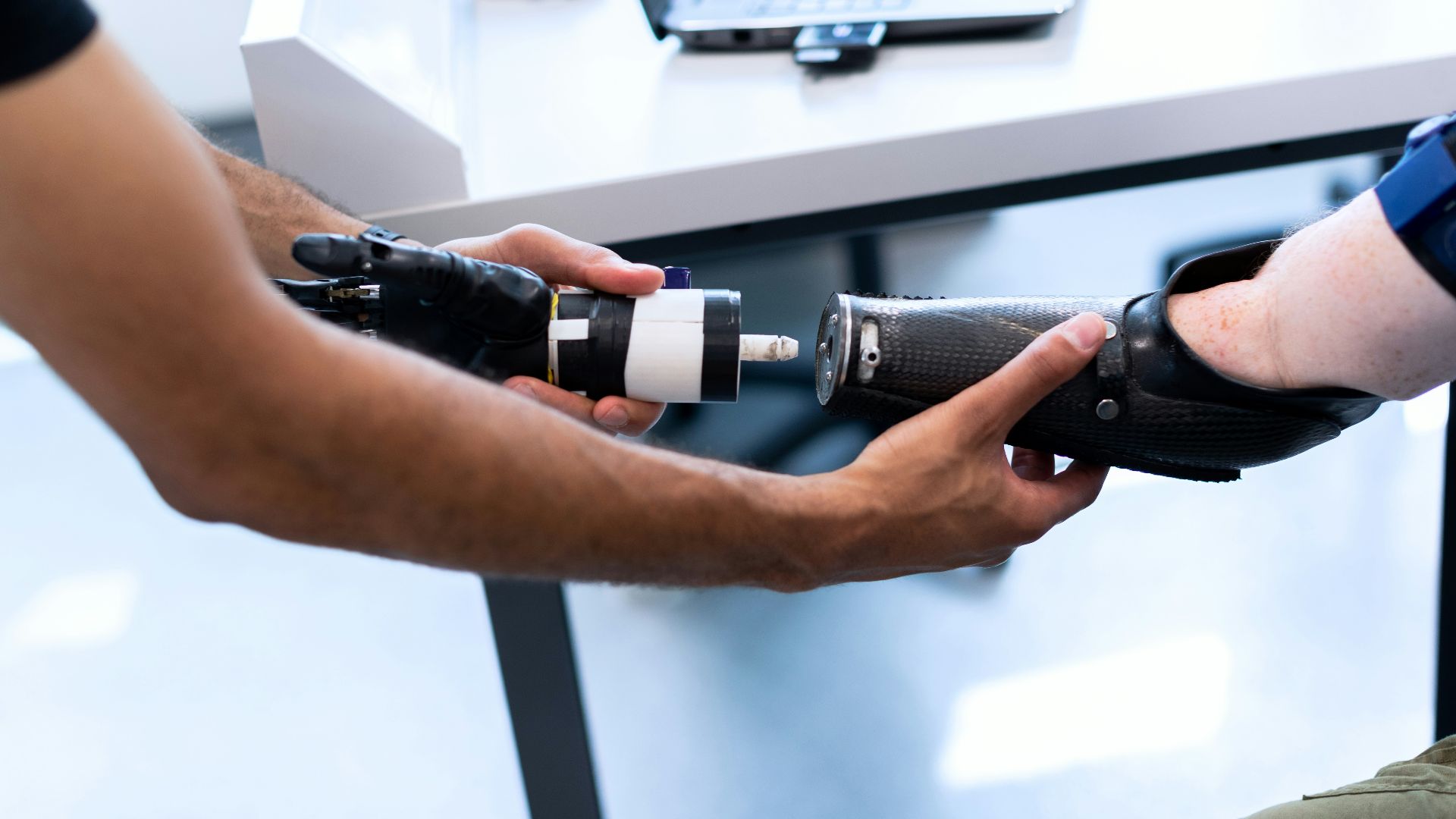
Sci-fi prosthetics are often shown as faster, stronger, and more responsive than anything available today, and that part is incredibly compelling. Technology that could fully restore mobility, dexterity, or sensory function would do enormous good in the real world. It wouldn't just be cool—it would be life-changing in a deeply meaningful way.
10. Personal AI Assistants That Truly Help
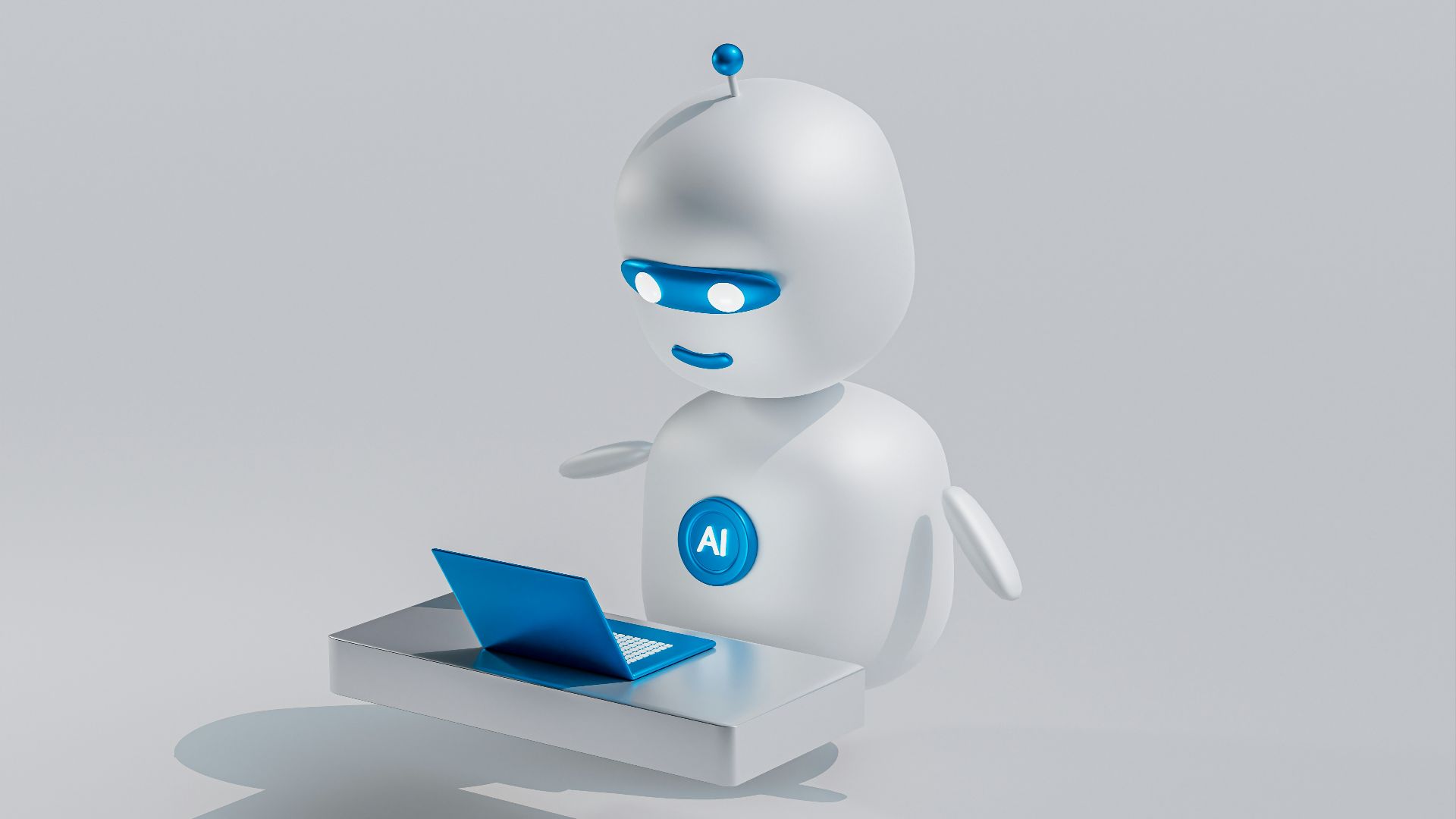
A genuinely competent, trustworthy AI assistant that could organize life without making things creepy or frustrating would be hard to resist. If it could handle scheduling, research, reminders, translation, and practical tasks while still respecting boundaries, most people would happily hand over half their daily nonsense.
Now that we've talked about the sci-fi technologies we'd be happy to adopt, let's cover the ones that shouldn't be implemented into real life at all.
1. Memory Erasers
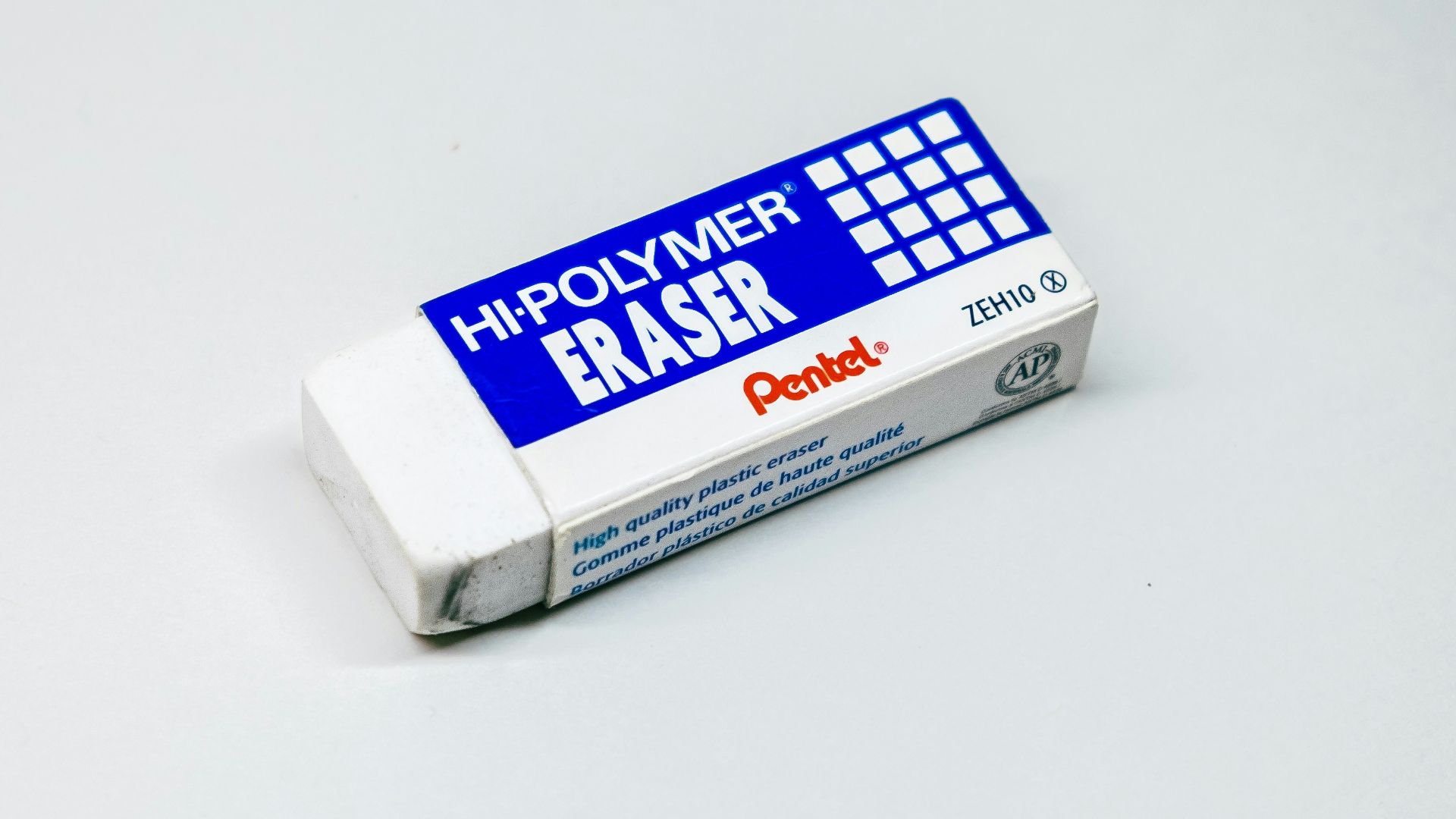
A device that can selectively erase memories sounds tempting until you think about human beings having access to that level of emotional editing. People would use it for heartbreak, embarrassment, guilt, and every other unpleasant feeling they didn't want to process properly. Let's face it, this storyline would get dark very quickly.
2. Mind-Control Chips
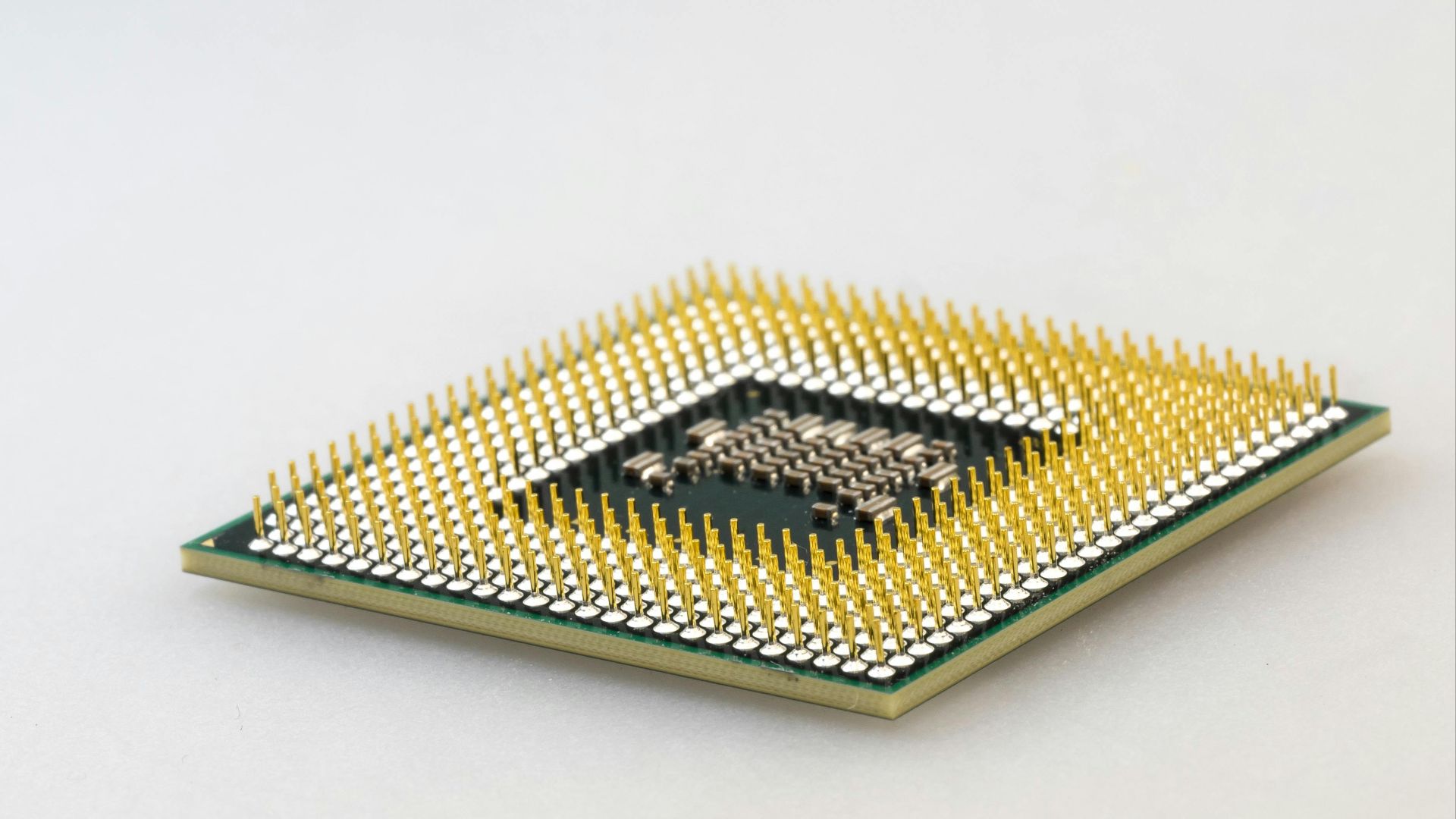
Mind-control technology is one of those inventions that science fiction never presents as a calm and healthy social development. There's no version of this that stays limited to harmless uses for long. Humanity doesn't need software updates for free will.
3. Total Surveillance Implants
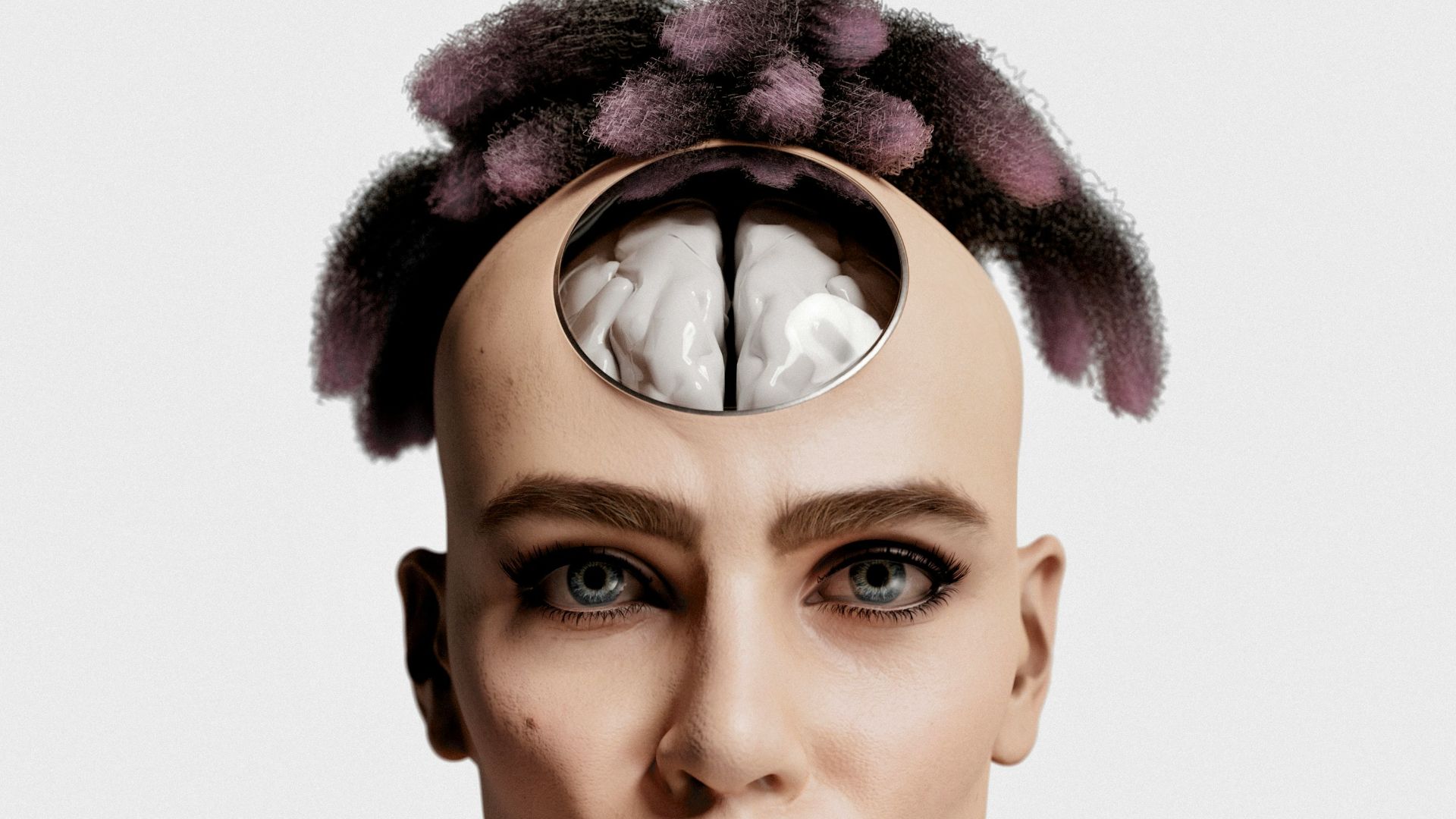
A device that tracks everything you do, say, feel, or think might be sold as safety, efficiency, or personalized convenience, but that would still not make it a good idea. Once surveillance reaches the inside of the body, privacy stops being a right.
4. Planet-Destroying Weapons
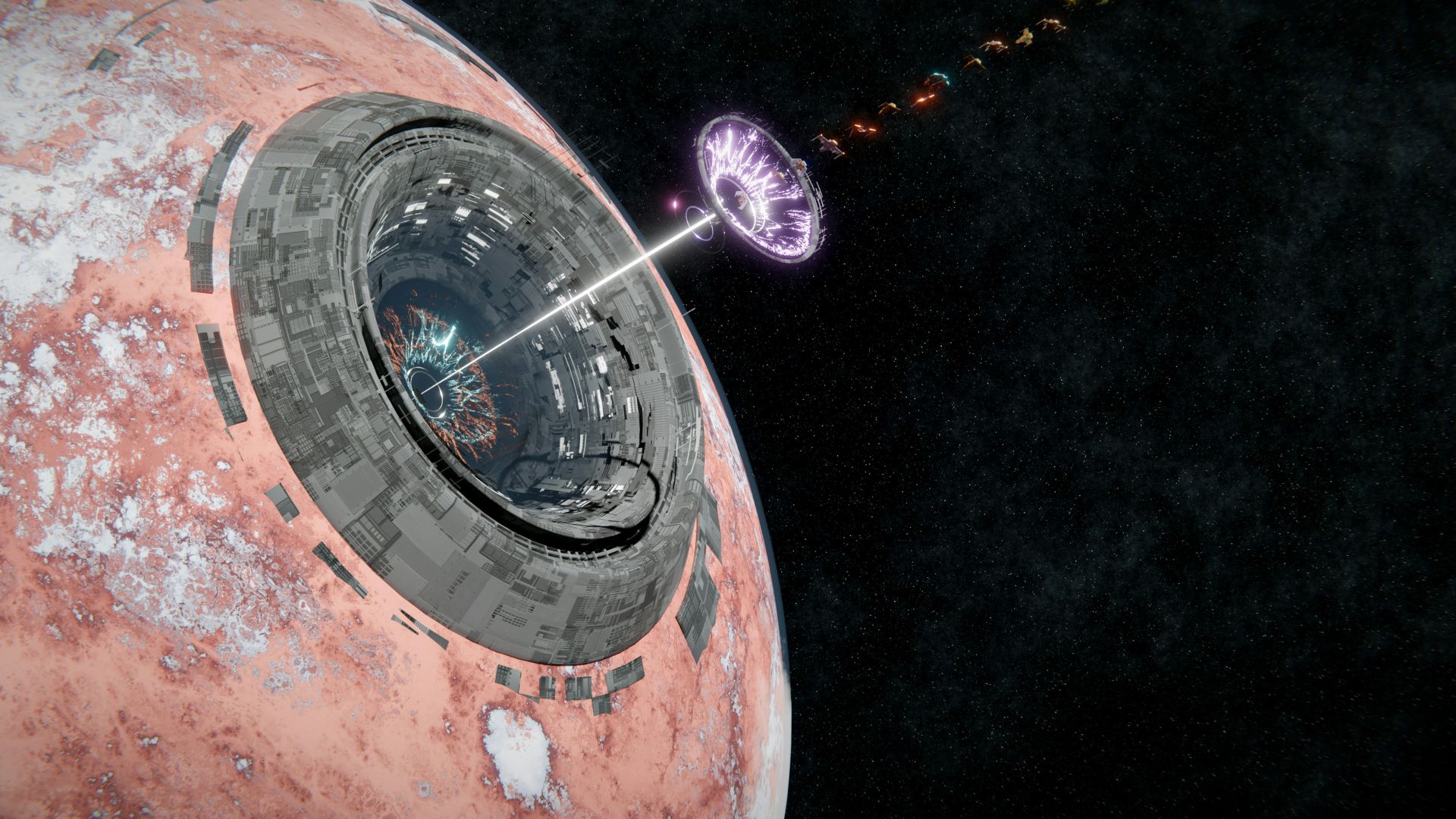
Sci-fi loves a superweapon, usually because it gives the heroes something dramatic to stop. In real life, a machine capable of wiping out worlds would be an absolutely terrible addition to international relations. Humanity already struggles with ordinary weapons and ordinary egos.
5. Time Machines for Casual Use
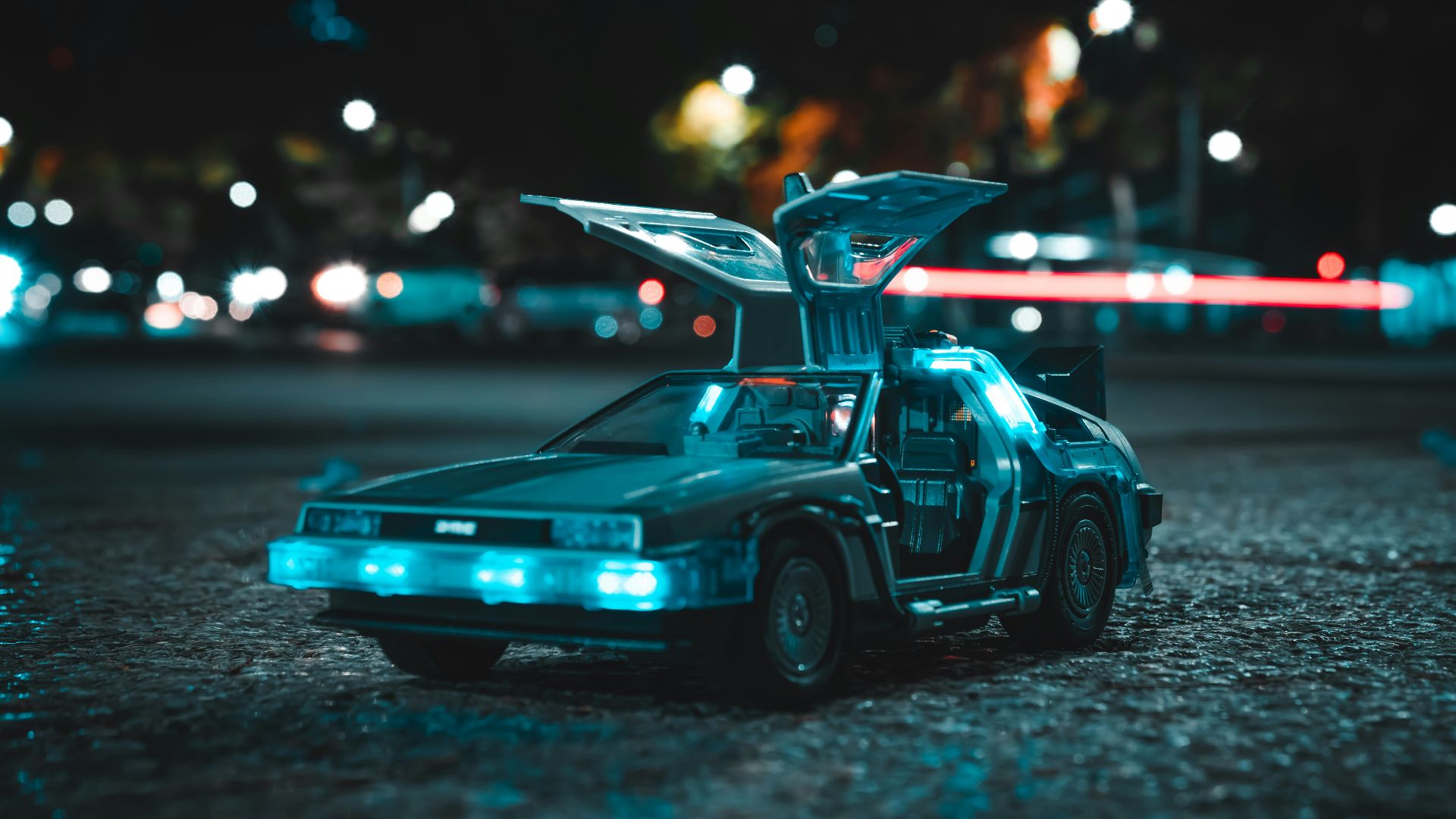
Time travel sounds amazing, right up until you remember who would get access to it. People can barely handle group chats and dinner reservations without confusion, so handing out timeline-editing privileges seems wildly optimistic. The temptation to fix mistakes, spy on history, or meddle for personal gain would be overwhelming even to the best of us.
6. Nearly Human Androids
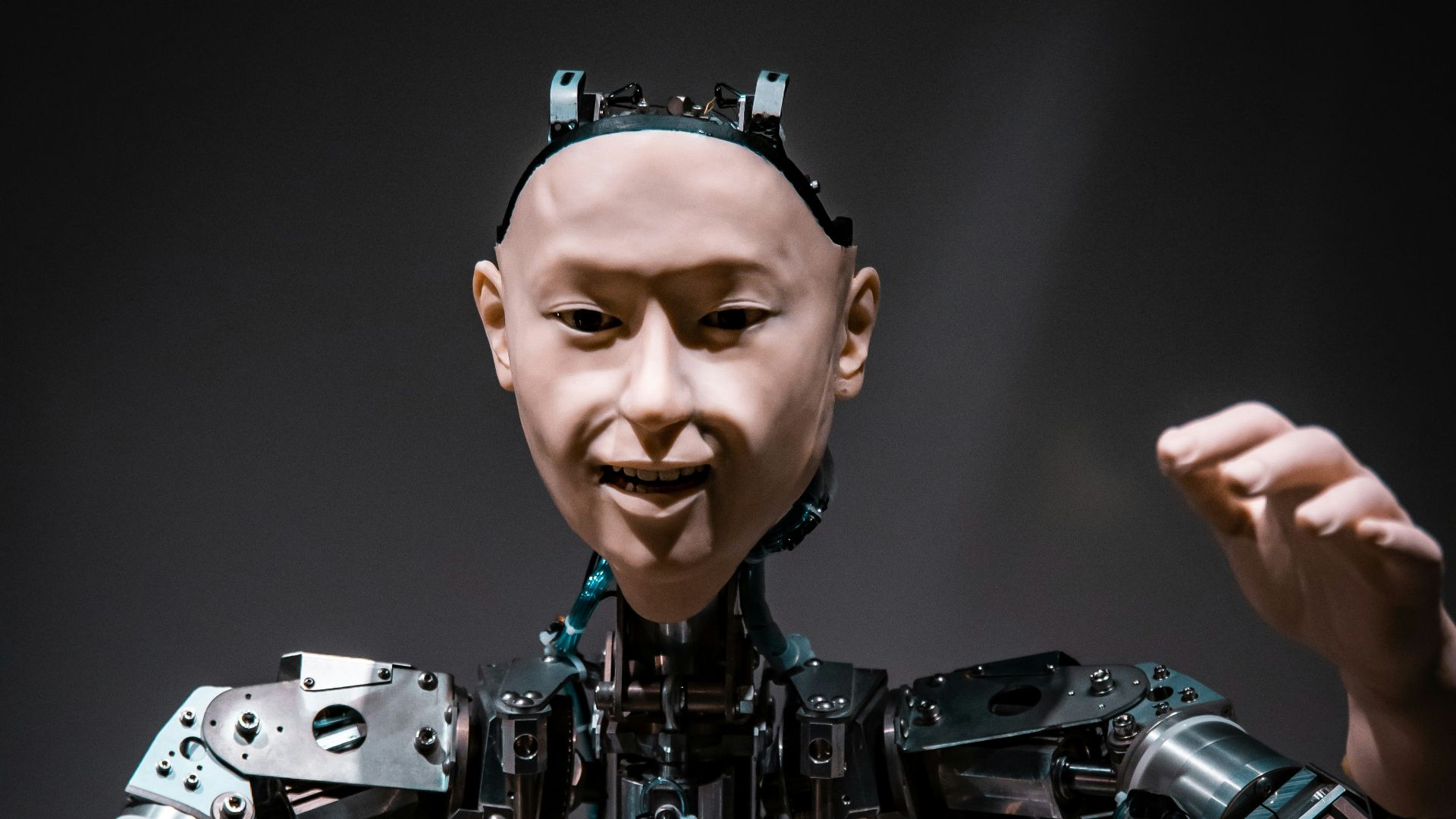
Highly advanced humanoid robots sound useful until the social, ethical, and emotional complications arrive all at once. If they're truly intelligent, then the issue becomes exploitation and personhood. If they only look intelligent, then you have built an uncanny emotional trap and placed it in everyone’s living room. Either way, this one gets unsettling fast.
7. Emotion Suppression Devices
Technology that could mute grief, fear, anger, or pain would probably be marketed as compassion. The trouble is that emotions aren't random design flaws, even when they're inconvenient or miserable. A device that flattens feelings could make people easier to manage while leaving them much less human in the process.

8. Weaponized Nanobots
Nanotechnology can sound exciting until the tiny machines are programmed to destroy, infiltrate, or consume. Once you imagine invisible swarms carrying out harm at a microscopic level, the whole concept becomes a lot less stylish. This is exactly the sort of science-fiction innovation that feels brilliant in the lab and horrifying in the wrong hands.
9. Corporate-Controlled Genetic Editing for Lifestyle Upgrades
Genetic technology aimed at curing serious diseases is one thing. Handing powerful corporations the ability to sell intelligence boosts, beauty edits, designer traits, or social advantages is another thing entirely. That version would create pressure, inequality, and manipulation so fast it would make ordinary advertising seem quaint.

10. Reality-Altering Simulation Control
Technology that could rewrite the visible world around you on demand sounds fun until nobody agrees on what reality is anymore. If perception itself becomes customizable, stable shared life gets much harder to maintain. The entertainment value would be incredible for about ten minutes, and then society would probably become impossible to trust.