 Harrison Broadbent on Unsplash
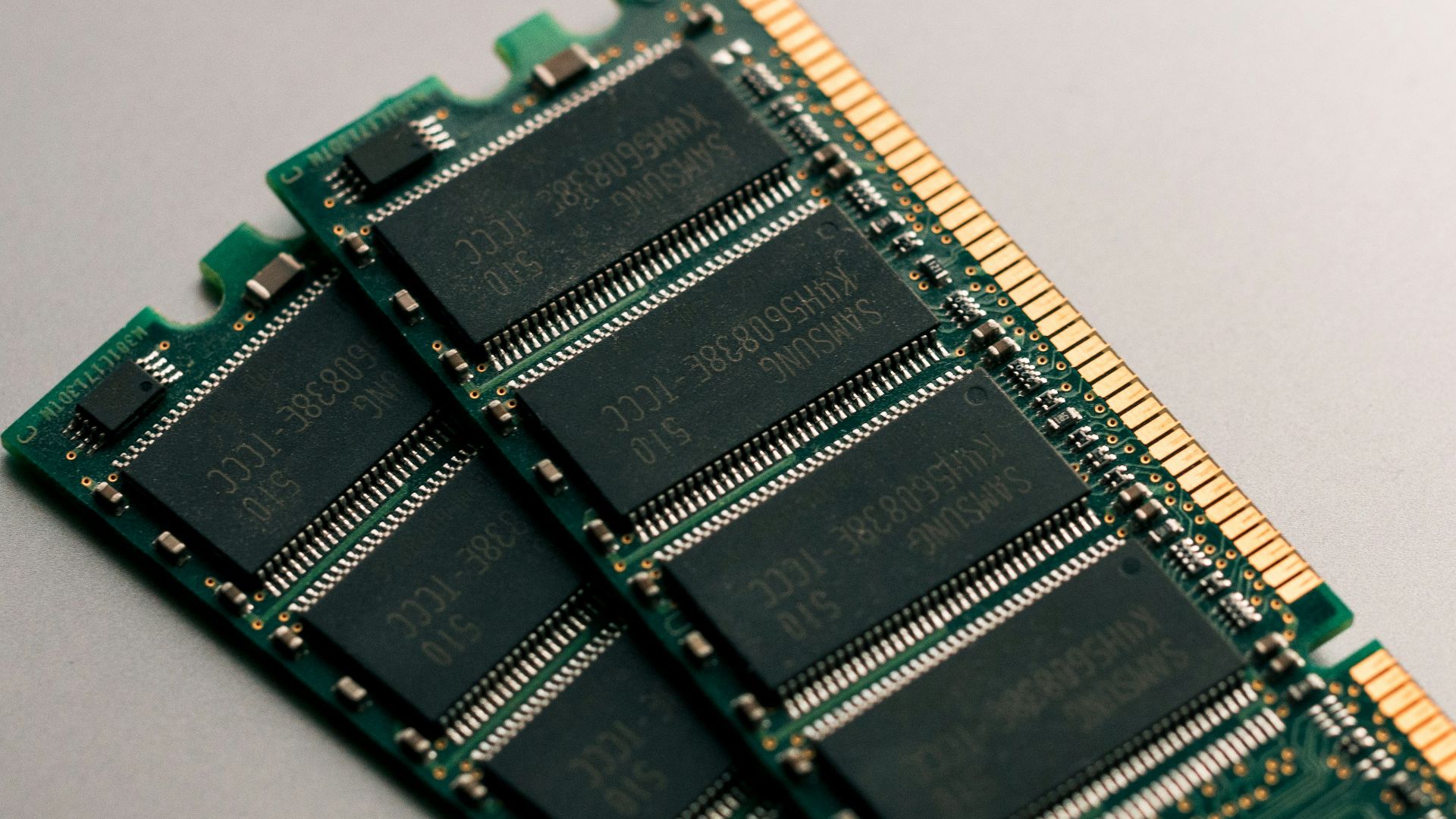
If you’ve tried to build a new gaming rig or upgrade your current setup lately, you’ve likely stared at the price of DDR5 memory in absolute disbelief. What was once a relatively affordable component has turned into a massive budget-ruiner, with some kits tripling in price over the last year alone. It’s a frustrating situation for gamers who just want to play the latest titles without taking out a second mortgage. You aren't imagining the sticker shock; the global market for RAM is currently navigating a perfect storm of technical shifts and massive corporate competition that’s leaving the average consumer in the dust.
The reality is that your PC’s memory is no longer just a "gamer" resource; it has become a strategic asset for the biggest companies on the planet. While we’re looking for a few extra frames in our favorite shooters, tech giants are buying up every available chip to power the next generation of digital infrastructure. This surge in demand has created a supply-and-demand gap that hasn't been this wide since the peak of the cryptocurrency mining boom. Understanding why this is happening is the first step in deciding whether you should hit the "buy" button now or wait for the silicon tide to eventually recede.
The Unstoppable AI Appetite
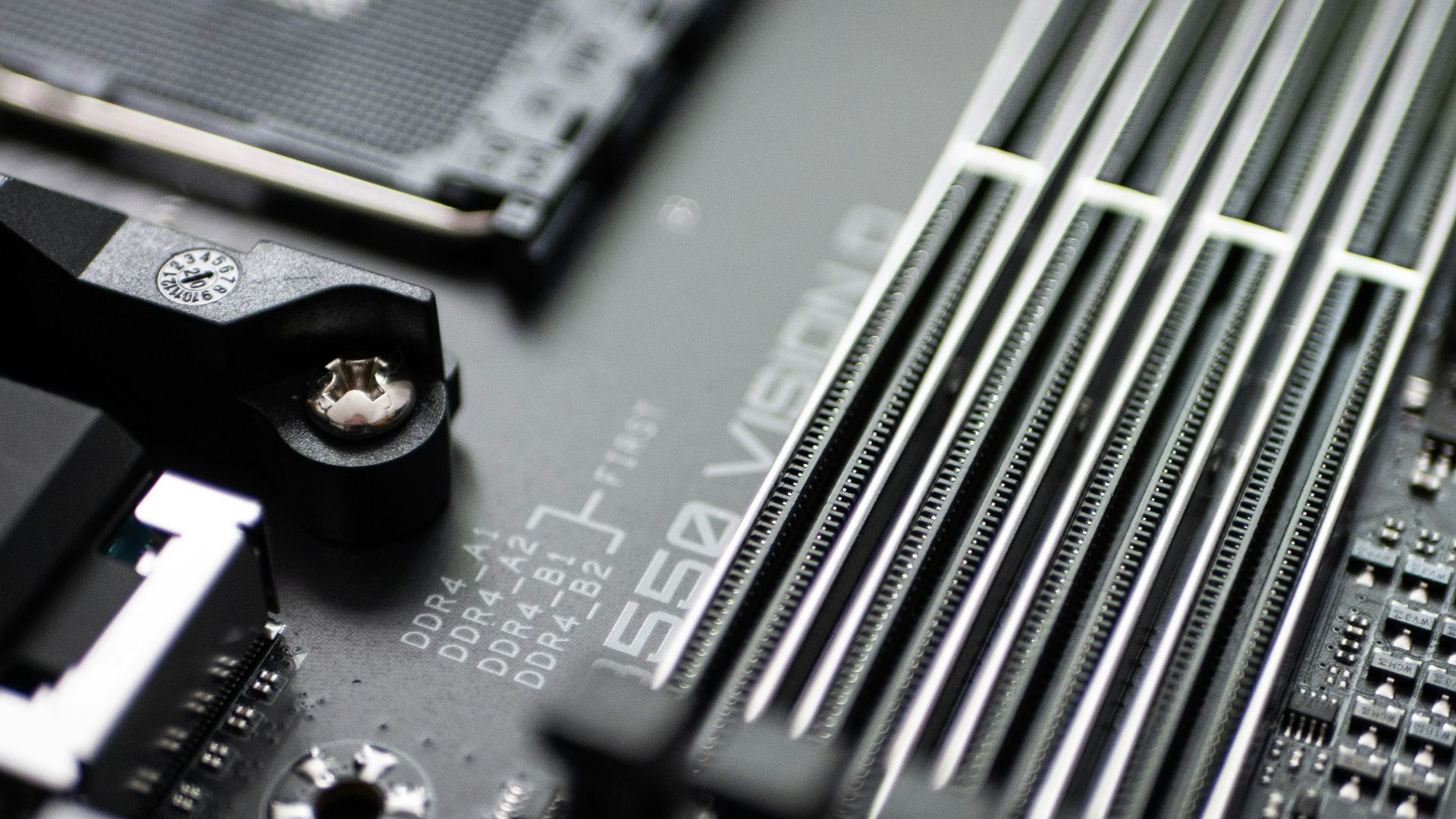
This leads us to why your RAM costs so much. Simply put, artificial intelligence is growing exponentially, and so are the data centers needed to power it. Companies like Nvidia and Google are gobbling up truckloads of HBM and specialized DDR5 chips to feed into their large language models. AI chips are much higher-margin products than a generic 16GB stick for your gaming PC, so manufacturers are moving their production lines to cater to Silicon Valley’s seemingly endless bank accounts. You’re fighting big tech for factory real estate, and they always win.
Let’s call what is happening right now a “zero-sum game.” Imagine there are 100 silicon wafers available to produce memory chips. Those chips will be used to create server modules and RAM kits. But for every high-performance memory module created for an AI server, 3 or 4 potential consumer RAM kits may never see the light of day. Manufacturers are prioritizing hyperscalers and cloud providers’ needs over retail (they call it “feeding the DRAM supercycle”). Gamers everywhere can’t do anything but wait it out and hope for leftover factory capacity that isn’t being consumed by AI industries.
Throw all of that on top of increased demand and you’ve got a recipe for RAM shortages and inflated prices. But wait, there’s more. AI servers require exponentially more intense hardware usage than a computer at home. Data centers do not need hundreds of gigabytes of RAM; they need terabytes upon terabytes of the highest-frequency RAM they can get their hands on to feed their GPUs and CPUs. So even if every production factory was running at 100% capacity, the AI industry would still heavily strain global memory supply. Welcome to the wild, wild west of memory.
The Painful Transition To DDR5
We are currently in the middle of a massive architectural shift as the industry moves away from the older DDR4 standard and fully embraces DDR5. While DDR5 offers significantly faster speeds and better efficiency, it is much more complex and expensive to manufacture than its predecessor. The production process has a lower "yield," meaning that more chips end up being discarded during testing, which naturally drives the price of the surviving units sky-high. You’re paying a premium not just for performance, but for the inherent difficulty of mass-producing such high-density technology.
Many manufacturers have significantly scaled back DDR4 production to make room for the newer standard, but they have not yet mastered the efficiency of the old lines. This has created a "double squeeze" where DDR4 prices are rising because supply is dwindling, while DDR5 remains expensive due to manufacturing hurdles. It’s a frustrating "no-win" scenario for anyone looking to build a budget-friendly machine right now. You’ll find that even mid-range motherboards are forcing users into the more expensive DDR5 ecosystem, leaving very few affordable alternatives.
Additionally, the components that go into RAM sticks have experienced shortages themselves. Take Power Management ICs (PMICs), for example. DDR5 RAM has power management built onto the stick itself, as opposed to older generations of RAM where the motherboard provided this regulation. This adds another link in the chain that can and does go out of stock. If there is one small chip missing from the assembly line, manufacturers cannot produce that RAM kit. That level of complexity creates a market that can be drastically affected by even the smallest ripple in the global electronics supply chain. Expect to see triple-digit pricing for the foreseeable future.
Semiconductor manufacturing is also one of the most regionally concentrated industries in the world. Politics and shipping delays can wreak havoc on an industry where the majority of premium memory is coming from the same few facilities. Anytime there is instability in that region, the effects are felt downstream. Trade tensions and shifting global power dynamics have made it harder for companies to transport equipment and products between countries. You may not see how tensions on the other side of the world impact FPS, but that is exactly why pricing increased by 20% overnight.