20 Things Only People Who Grew Up With Early Internet Remember
Back When Going Online Felt Like an Event
The early internet was slower, stranger, and somehow more exciting than the polished version we use today. You didn’t just unlock your phone with your face and instantly appear online; you had to wait, listen to horrifying connection noises, negotiate with family members over the phone line, and hope the page loaded before someone needed to make a call. It was inconvenient, messy, and wildly limited, but if you grew up with it, you probably still feel a little nostalgic for the days when the internet felt like a secret clubhouse. Here are 20 things only people who remember the early internet can relate to.
 TheCuriousGnome by Michael C on Wikimedia
1. The Sound of Dial-Up Connecting
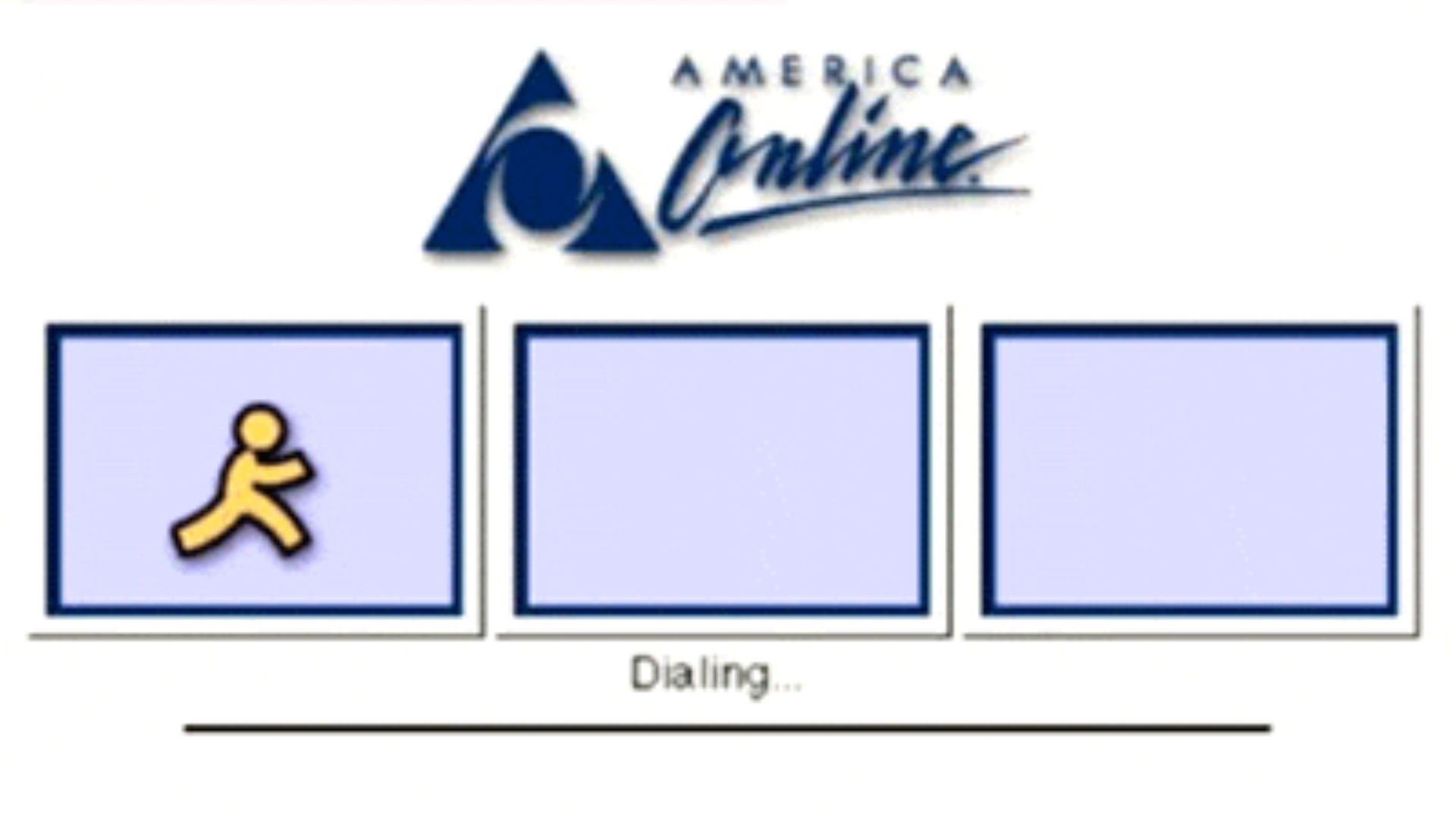
Nothing announced your entrance to the internet quite like the screeching, beeping chaos of dial-up. It sounded like a machine arguing with a fax machine, and somehow that meant everything was working. You had to sit there patiently while the computer negotiated its way into cyberspace.
2. Getting Kicked Off When Someone Used the Phone
Since dial-up used the household phone line, one incoming or outgoing call could ruin everything. Downloads stopped, chats disappeared, and whatever page you were trying to load was suddenly gone. It made internet access feel like a family resource everyone had to fight over.

3. Waiting Forever for One Picture to Load
Images didn’t simply appear back then; they revealed themselves one painful strip at a time. You could stare at the top of a photo for what felt like ages before the rest of it finally arrived. If the connection failed halfway through, you were left with half a face and a lot of disappointment.
4. AOL Instant Messenger Away Messages
AIM away messages were more than status updates; they were tiny public statements about your mood, friendships, and dramatic inner life. People quoted song lyrics, dropped inside jokes, or wrote cryptic lines clearly meant for one specific person. Checking someone’s away message could feel like reading a social clue you weren’t supposed to understand.

5. Chat Rooms With Strangers
Before social media profiles made everyone searchable, chat rooms felt like walking into a room full of screen names and chaos. You might talk about music, games, homework, or absolutely nothing with people you’d never be able to identify again. There was a thrill to it, but also a clear sense that the internet was a weird place with very few guardrails.
6. Choosing the Perfect Screen Name
Your screen name was your entire online identity, so the pressure was enormous. People mixed numbers, random capitalization, favorite bands, birthdays, and dramatic adjectives into usernames they later deeply regretted. A good screen name made you feel cool before you had posted a single thing. A bad one followed you around until you finally had the sense to make a new account.
7. Chain Emails That Threatened Bad Luck
Early inboxes were full of chain emails claiming something terrible would happen if you didn’t forward them to ten people. Some promised friendship, love, money, or a miracle, while others went straight for supernatural punishment. You probably knew they were fake, but there was always a tiny part of you that hesitated before deleting them.
8. Flash Games During Computer Class
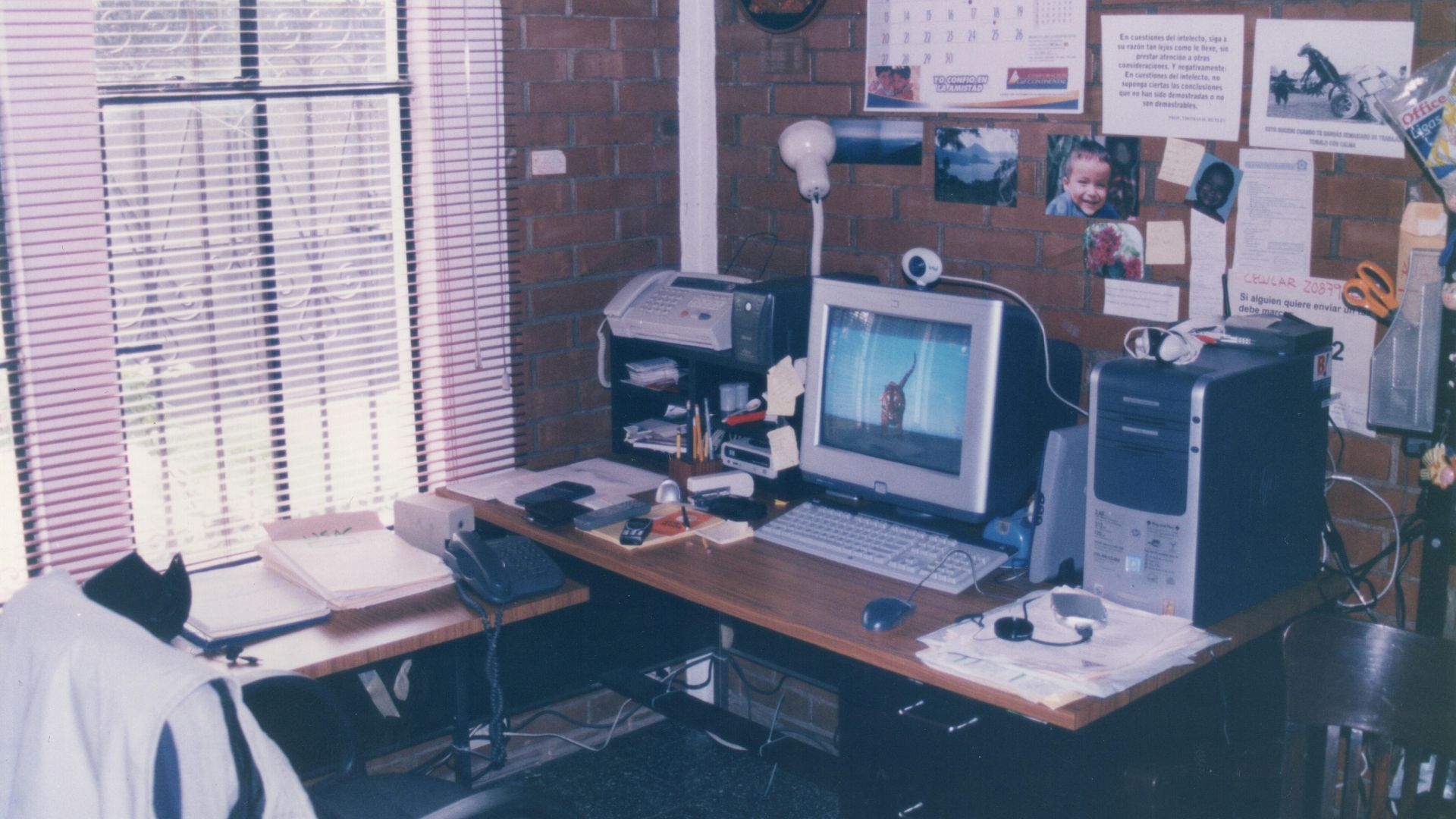
Flash games turned school computers into secret entertainment machines whenever the teacher wasn’t looking. Sites were full of simple games that loaded slowly but somehow held everyone’s attention. You had to know which ones weren’t blocked and how quickly to minimize the window. For a generation of kids, computer class was partly typing practice and partly digital mischief.
9. Neopets, Gaia Online, & Virtual Worlds
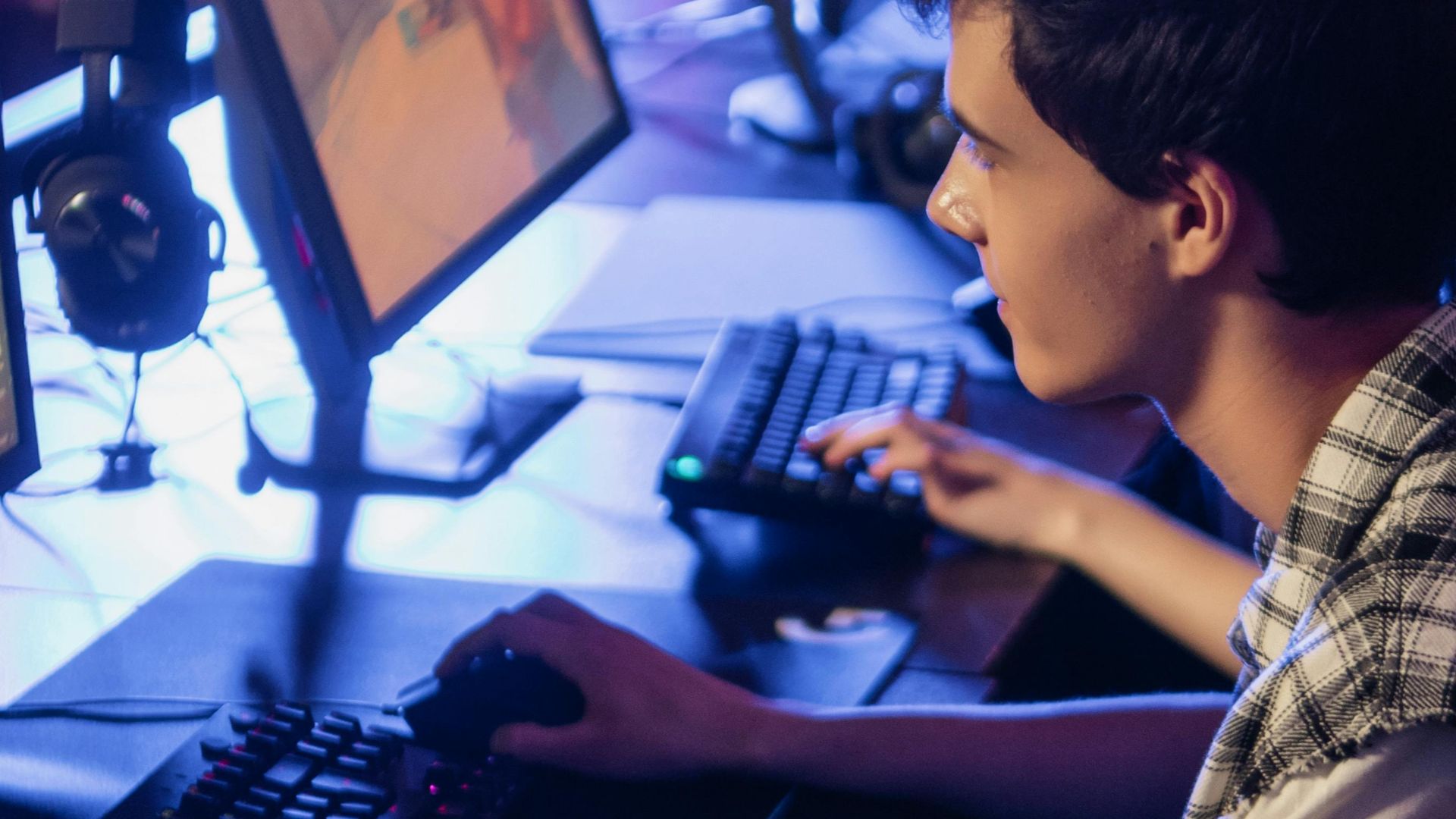
Early internet kids didn’t just browse websites; they adopted digital pets, decorated profiles, and built little online lives. Neopets, Gaia Online, Habbo Hotel, and similar spaces made the internet feel playful and social before mainstream social media took over. You could spend hours earning fake currency or customizing something nobody in your real life understands.
 Neopets Metaverse on Wikimedia
10. Ask Jeeves
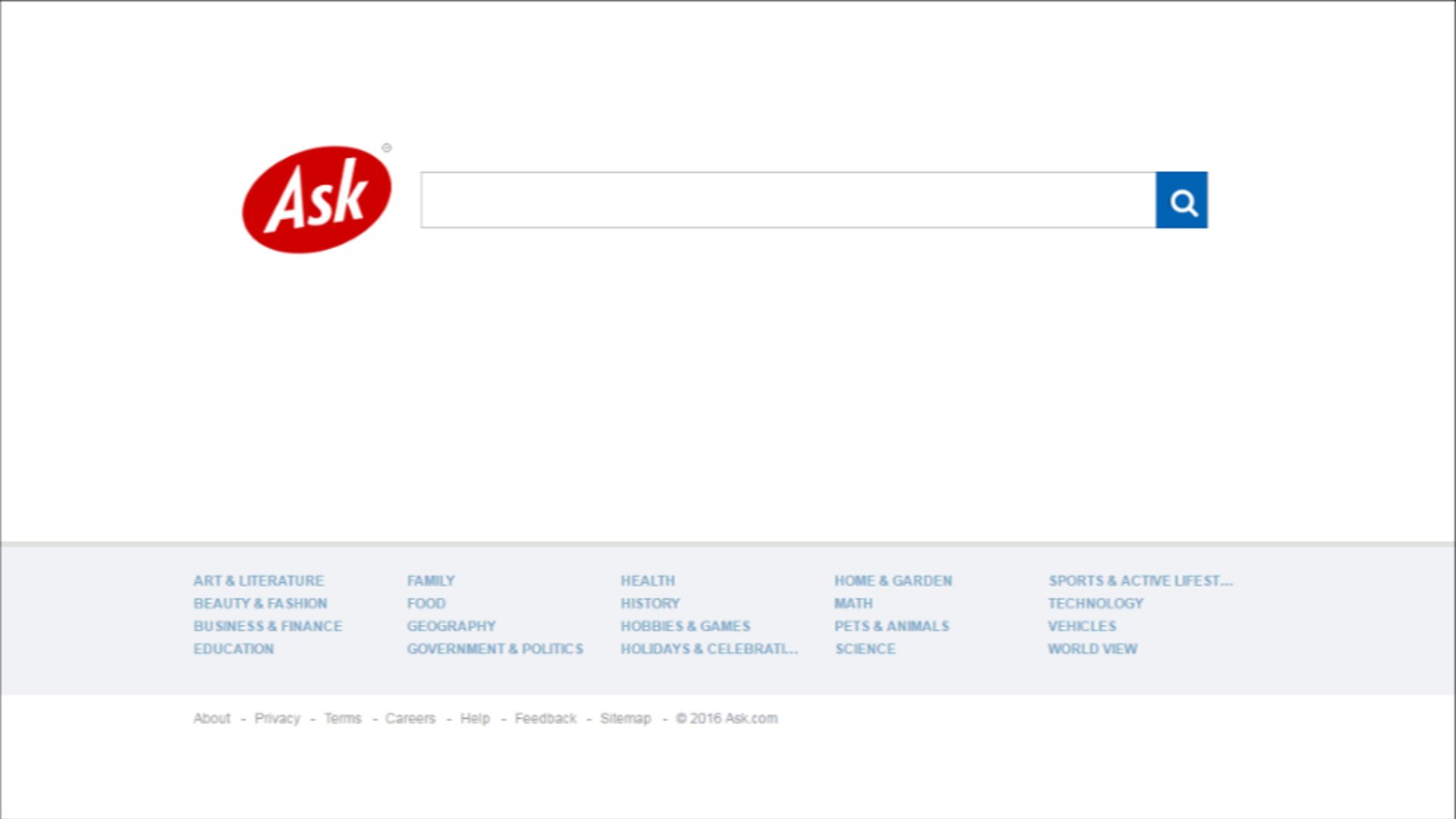
Launched in 1997, Jeeves was the precursor to Google, only a lot less accurate. The idea of typing a full question to a polite digital butler felt oddly civilized, even when the results weren’t always great. Search engines were still figuring themselves out, so finding information often took several attempts.
11. Web Pages With Visitor Counters
Old websites loved telling you exactly how many people had visited them. A little counter at the bottom of the page made even the most homemade site feel official. If you ran your own page, watching that number tick up was thrilling, even if half the visits were probably you checking it yourself.
12. Glitter Graphics & Cursor Trails
Early personal websites weren't subtle, and that was part of the charm. Pages had glitter text, blinking banners, animated flames, music that played automatically, and cursors that left sparkles behind. It was chaotic, but it felt personal in a way today’s clean templates often don’t. People weren’t building brands; they were decorating their little corner of the web.
 National Weather Service Portland, Oregon on Wikimedia
13. Downloading One Song for an Entire Afternoon
Getting music online used to require time, luck, and a healthy dose of optimism. You might wait forever for a song to download, only to discover it was mislabeled, corrupted, or secretly a weird remix nobody asked for. File-sharing programs made every download feel like a small gamble.
14. Burning Mix CDs
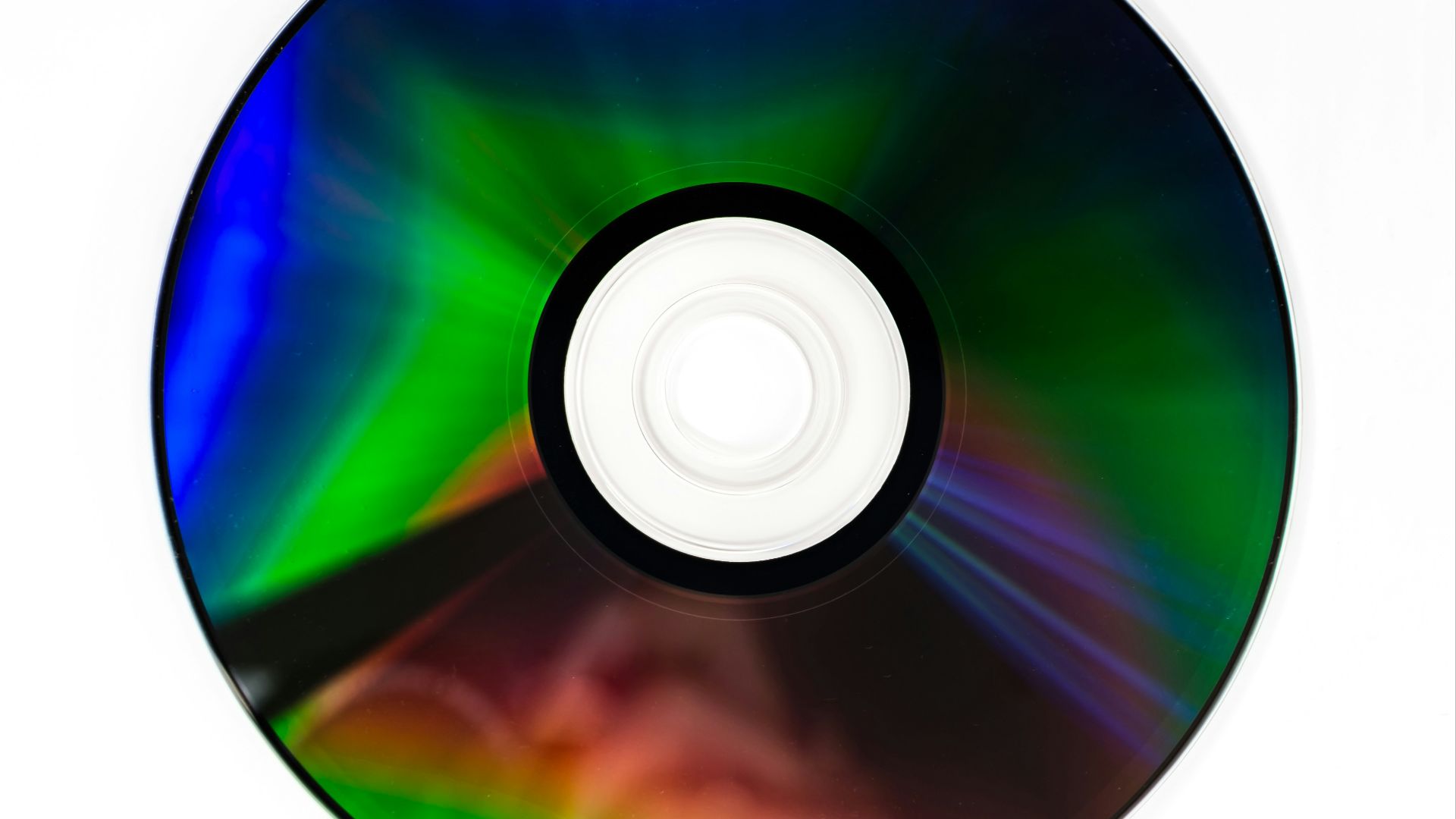
Once you had collected enough songs, the next step was making a mix CD. You had to choose the order carefully, hope the burn didn’t fail, and label the disc with a Sharpie. It was a lot of work for something modern playlists now do in seconds.
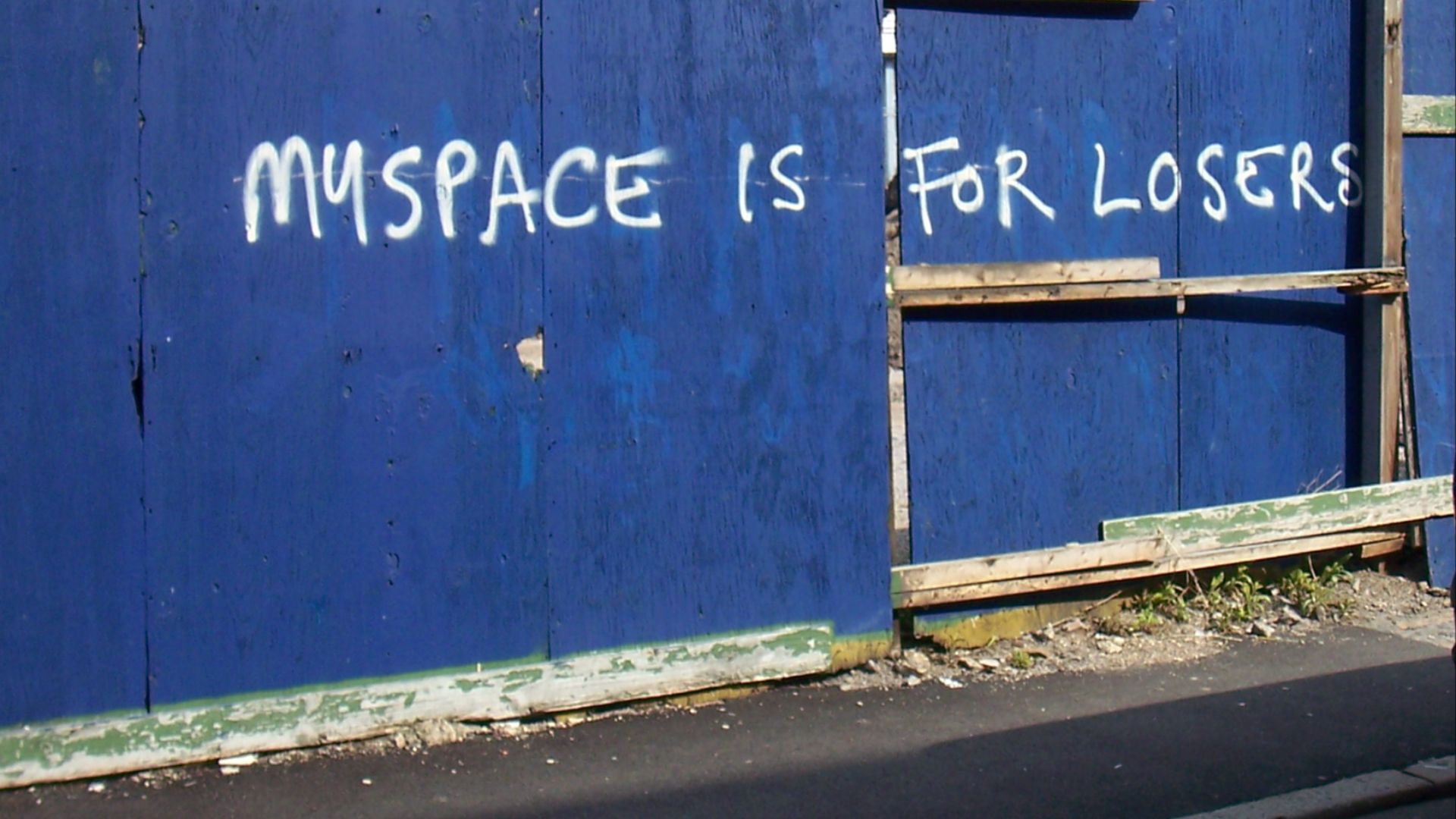
15. MySpace Profile Customization
MySpace gave people the dangerous gift of profile customization. You could add music, change backgrounds, rearrange your top friends, and accidentally make your page unreadable with bad HTML. The Top 8 alone caused enough social tension to power several school cafeterias.
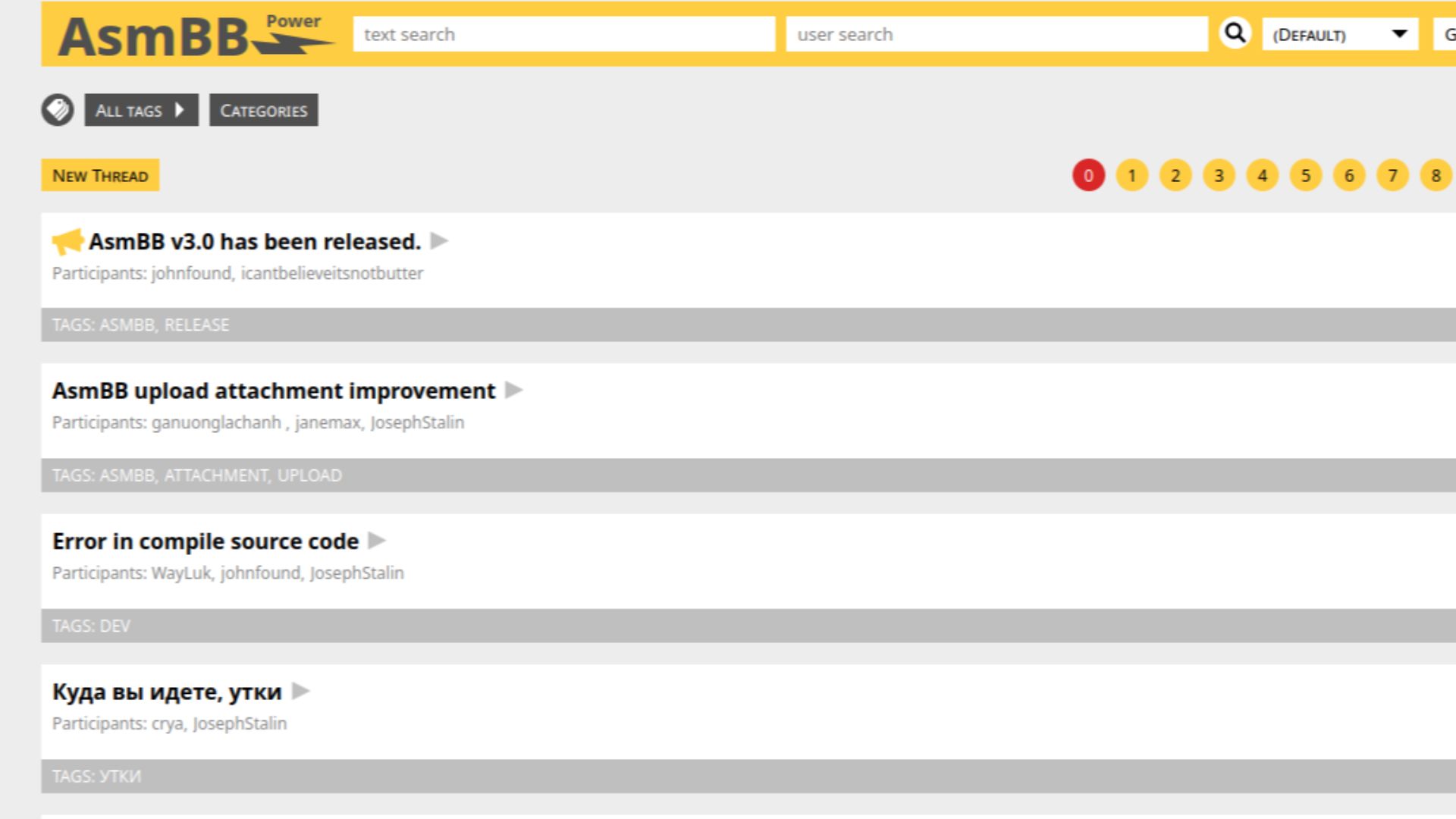
16. Forums With Signatures & Avatars
Before comment sections and group chats took over, forums were where people gathered around specific interests. You had avatars, signatures, inside jokes, moderators, and threads that could last for years. Some forums felt like tiny villages where everyone knew each other’s posting style.
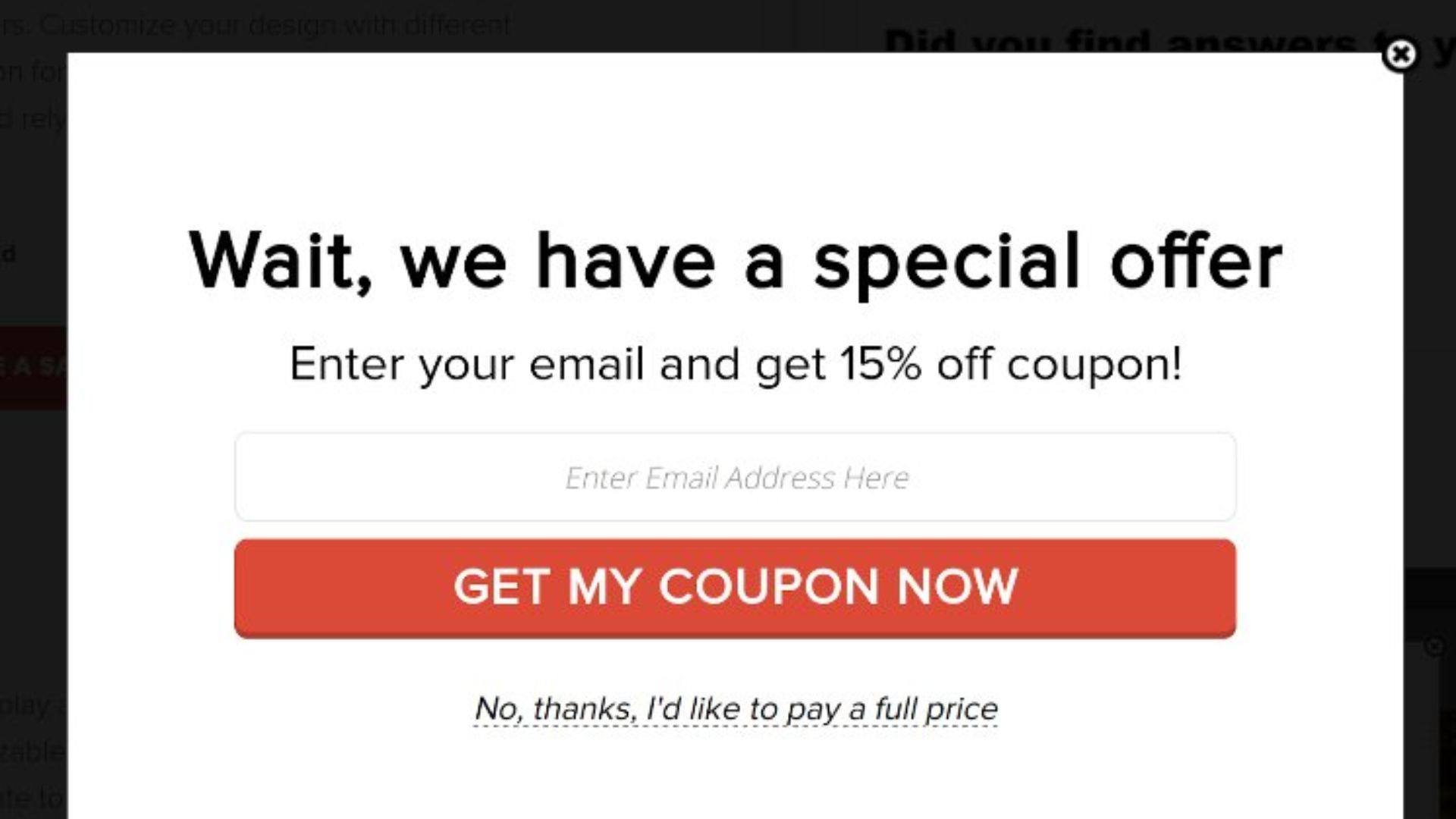
17. Pop-Up Ads Everywhere
The early internet loved pop-up ads far too much. You’d click one page and suddenly have five new windows promising prizes, screensavers, or suspicious miracle products. Closing them became a skill, especially when one pop-up seemed to create three more. It’s hard to explain now how much of browsing once involved fighting your own browser.
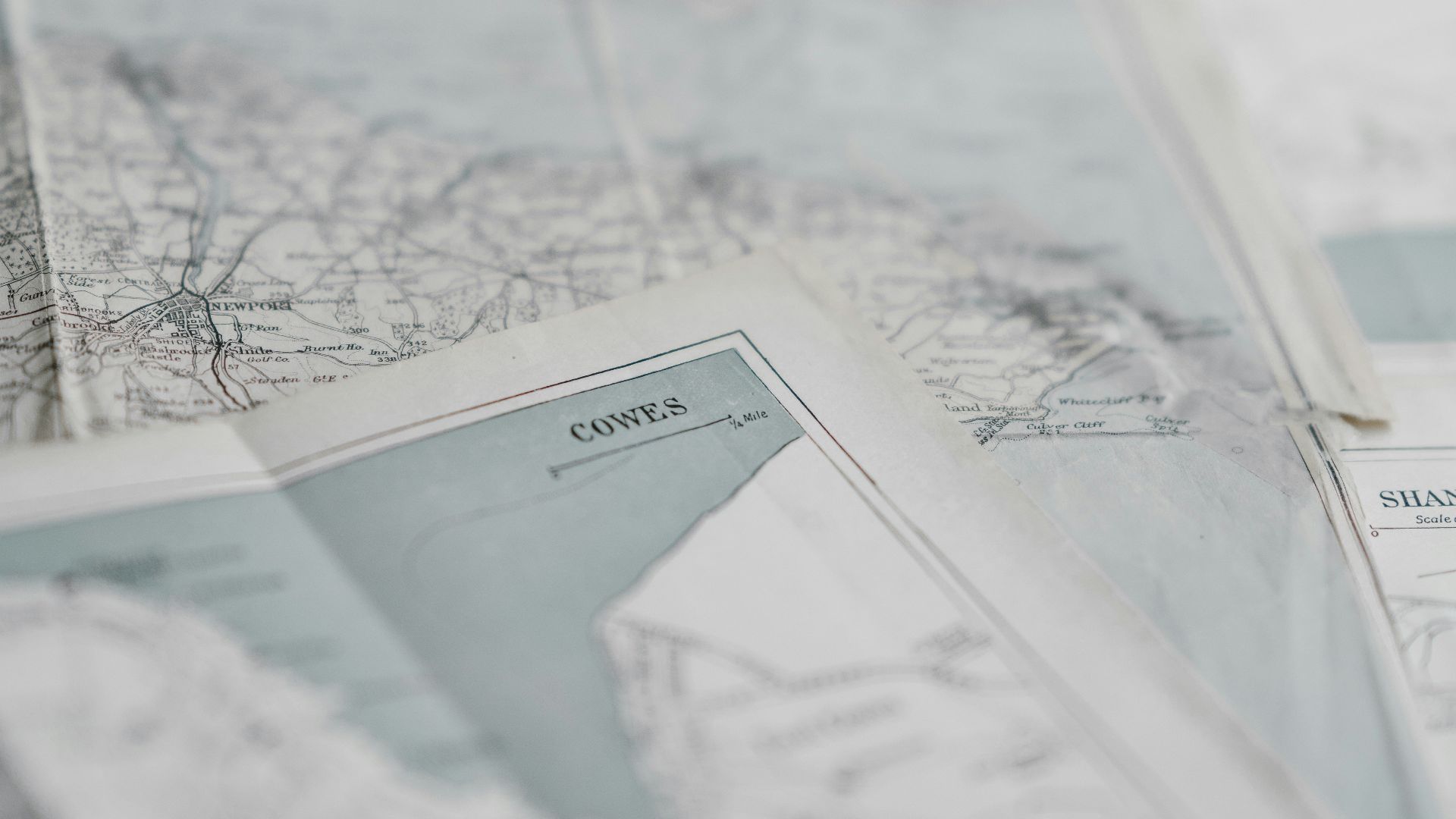
18. Printing Directions From MapQuest
Before smartphones handled navigation, people printed directions from MapQuest and hoped for the best. If you missed one turn, the paper could not calmly reroute you. Back then, getting somewhere new required planning, a printer, and a little faith.
19. The Fear of Computer Viruses
Early internet users were constantly warned that one wrong click could destroy the family computer. Viruses, worms, suspicious attachments, and shady downloads made online life feel a little dangerous. Antivirus software updates felt very serious, even if you barely understood what they were doing.
20. The Feeling That the Internet Was Still Small
For all its chaos, the early internet felt strangely intimate. You could find niche communities, weird fan pages, homemade guides, and personal blogs that seemed built by real people for no obvious reason except enthusiasm. There wasn’t an algorithm smoothing everything into the same few feeds. If you remember that version of the internet, you remember when getting online felt less automatic and more like discovery.