
Complicated Still Means Dangerous
A great villain usually has more going on than a sneer and a dramatic entrance. Comics and video games are full of characters with pain, charisma, style, and just enough emotional damage to make fans start defending the indefensible. That is where things get messy. Understanding why a villain became dangerous is not the same as pretending they were secretly the reasonable one all along. Here are 20 villains fans keep rebranding as antiheroes, even when the body count, betrayal, and bad decisions are right there.
1. Magneto
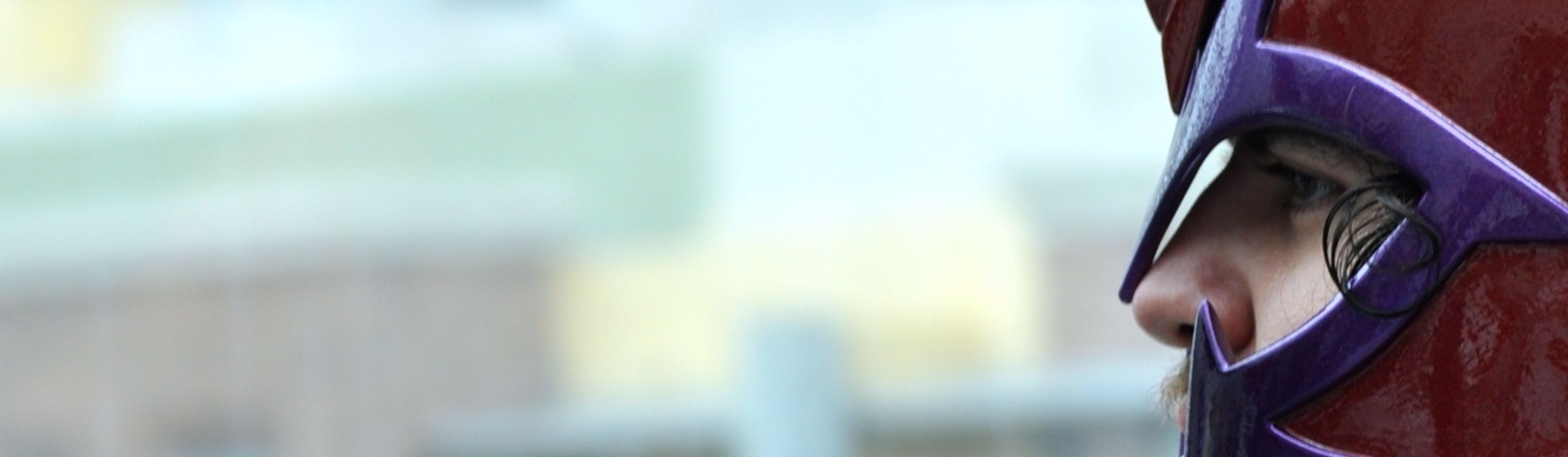
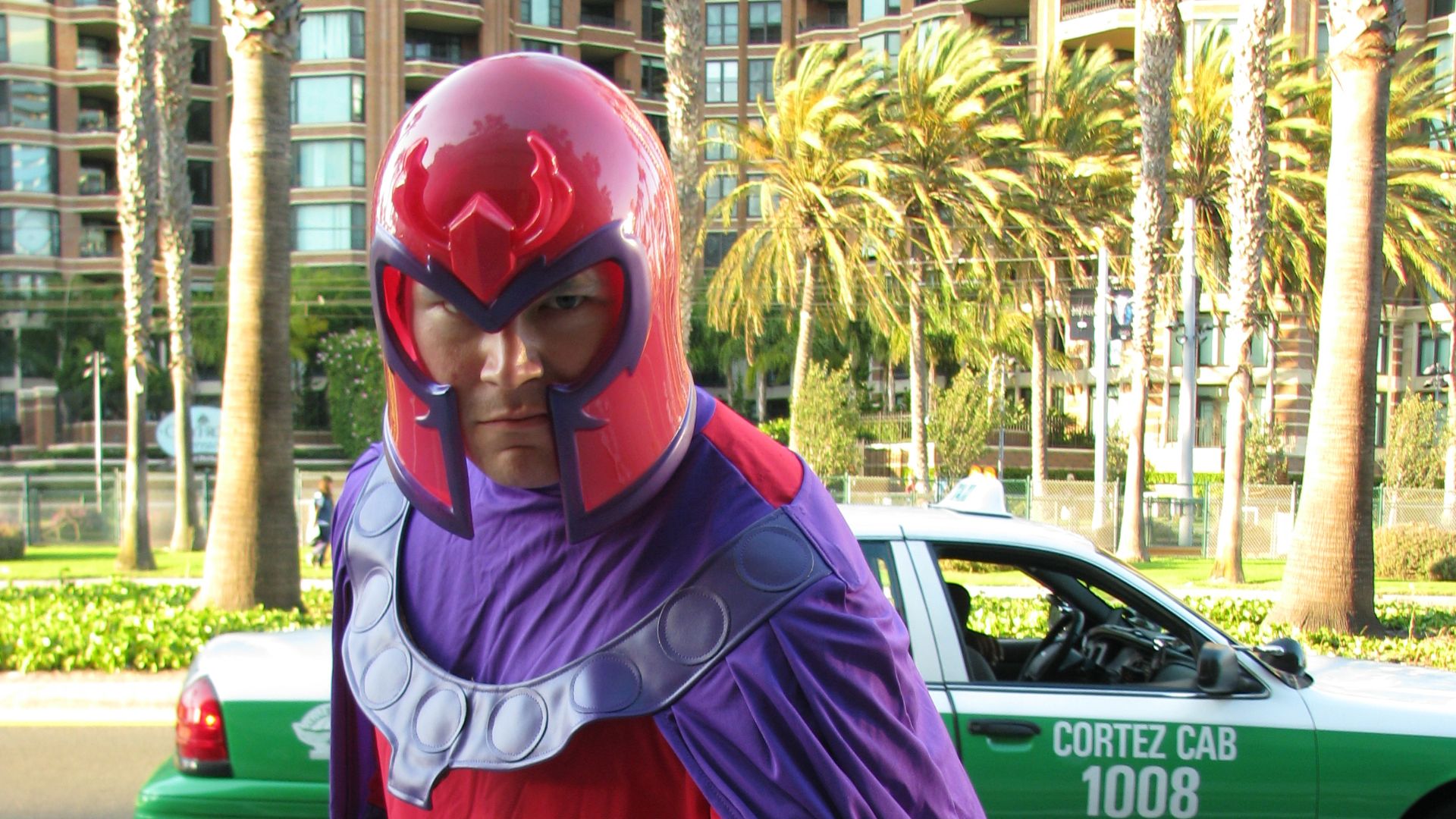
Magneto, from X-Men, is one of the most understandable villains in comics because his fear comes from real trauma. He has seen what humans are capable of, and his distrust is not random. But when his protection of mutants turns into domination, violence, and treating innocent people as acceptable losses, he stops being only a survivor with a cause
 William Tung from USA on Wikimedia
2. Doctor Doom
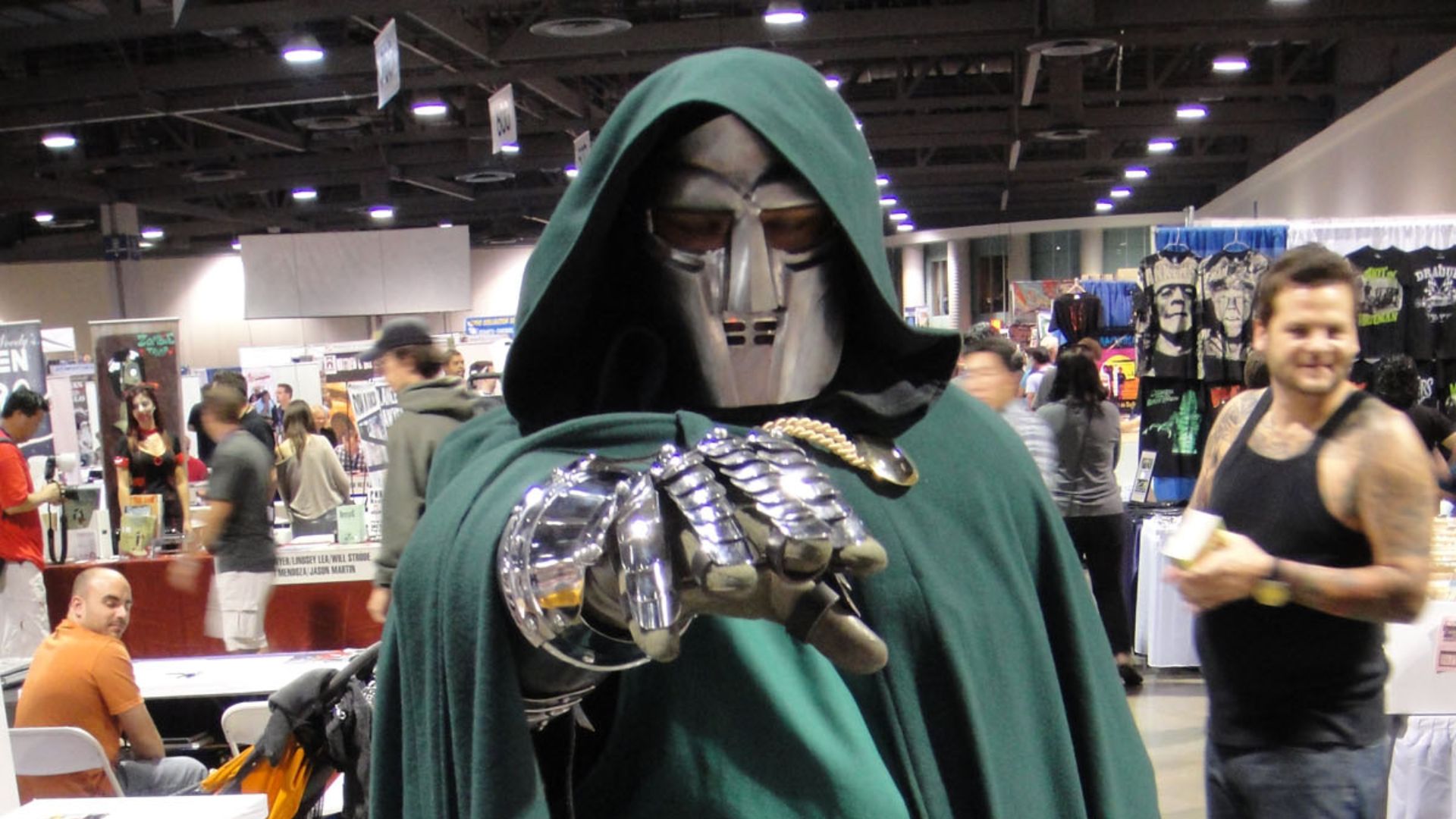
Doctor Doom, from Fantastic Four, is brilliant, disciplined, and genuinely effective as a ruler. Fans often defend him by pointing out that Latveria is stable and protected under his control. But stability does not erase the fact that he rules through fear, ego, and absolute power.
 The Conmunity - Pop Culture Geek from Los Angeles, CA, USA on Wikimedia
3. The Joker
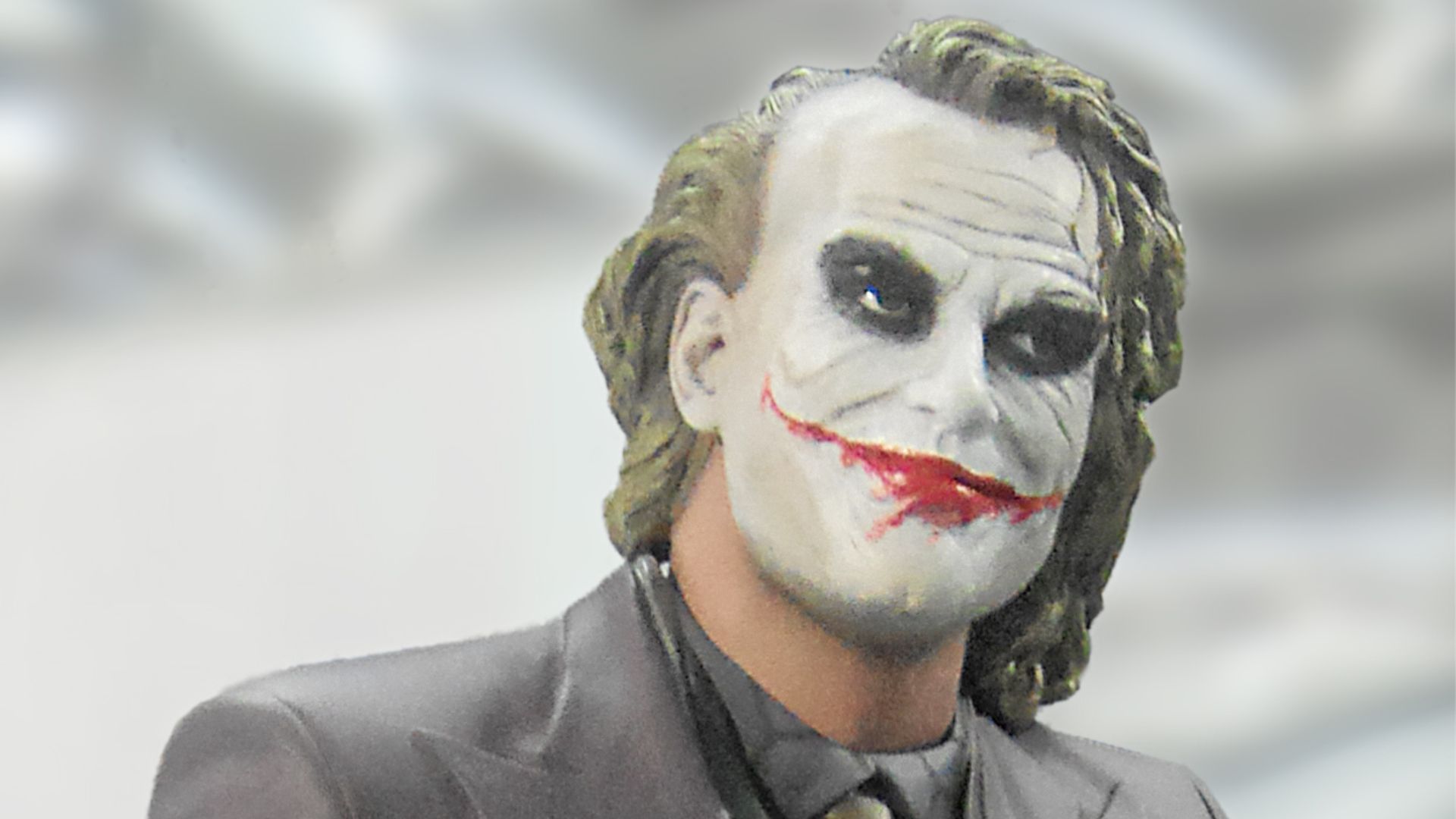
The Joker, from Batman, gets treated like a chaos philosopher by people who mistake cruelty for depth. He is not exposing society’s hidden truth so much as creating pain and then acting amused by the reaction. A villain can be iconic without secretly being right.
4. Poison Ivy
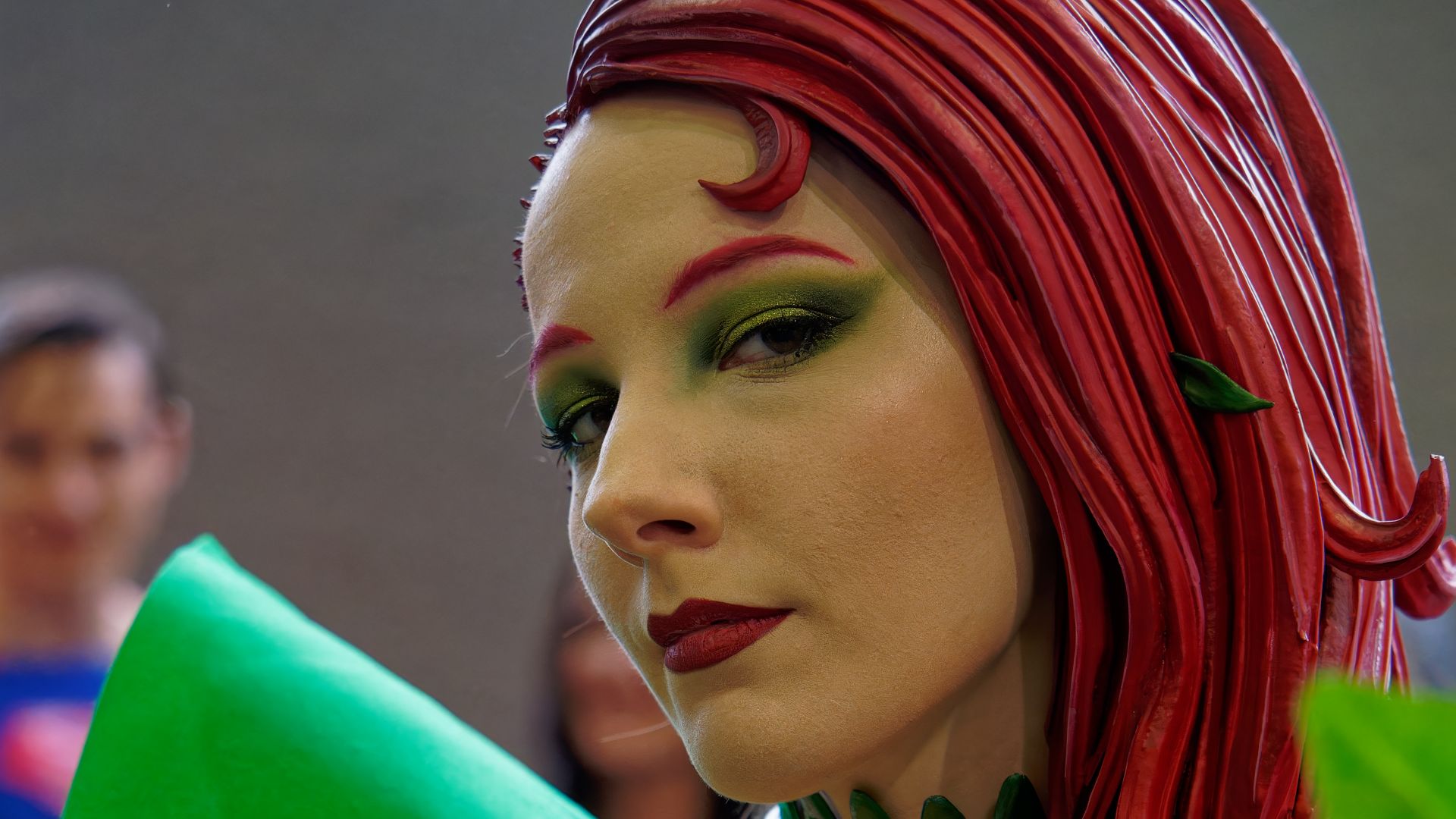
Poison Ivy, from Batman, has anger that often makes sense because her stories are rooted in environmental destruction. She can be written with real moral force, especially when the world around her treats nature like something disposable. But her methods regularly treat human beings as weeds to be cleared away, and that is where the argument falls apart.
 Miguel Discart & Kiri Karma on Wikimedia
5. Harley Quinn
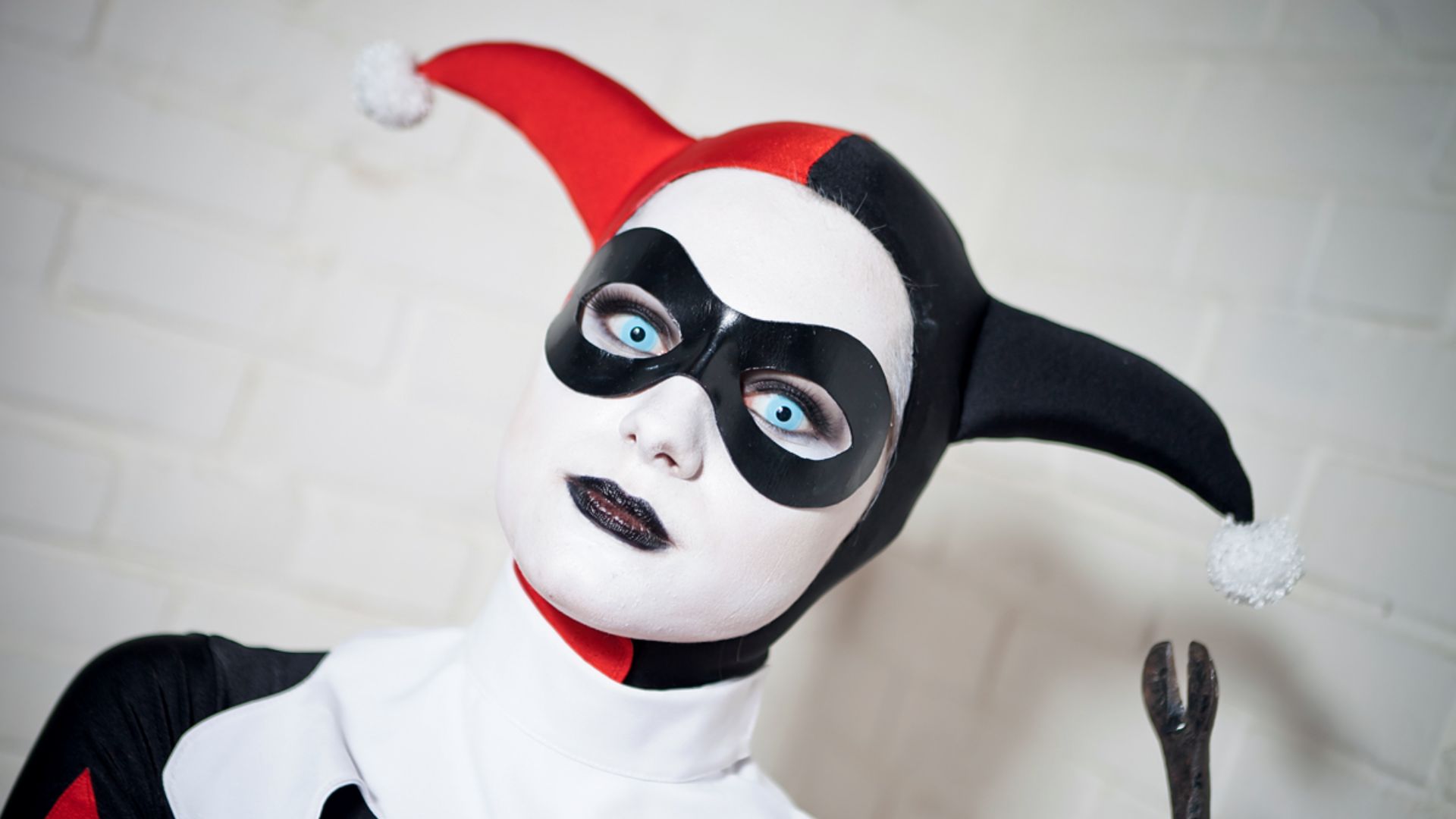
Harley Quinn, from Batman, has one of the clearest cases for sympathy because so much of her story is shaped by manipulation, abuse, and survival. That does not mean everything she did as a villain becomes harmless in hindsight. Her growth matters because the damage was real first.
6. Venom
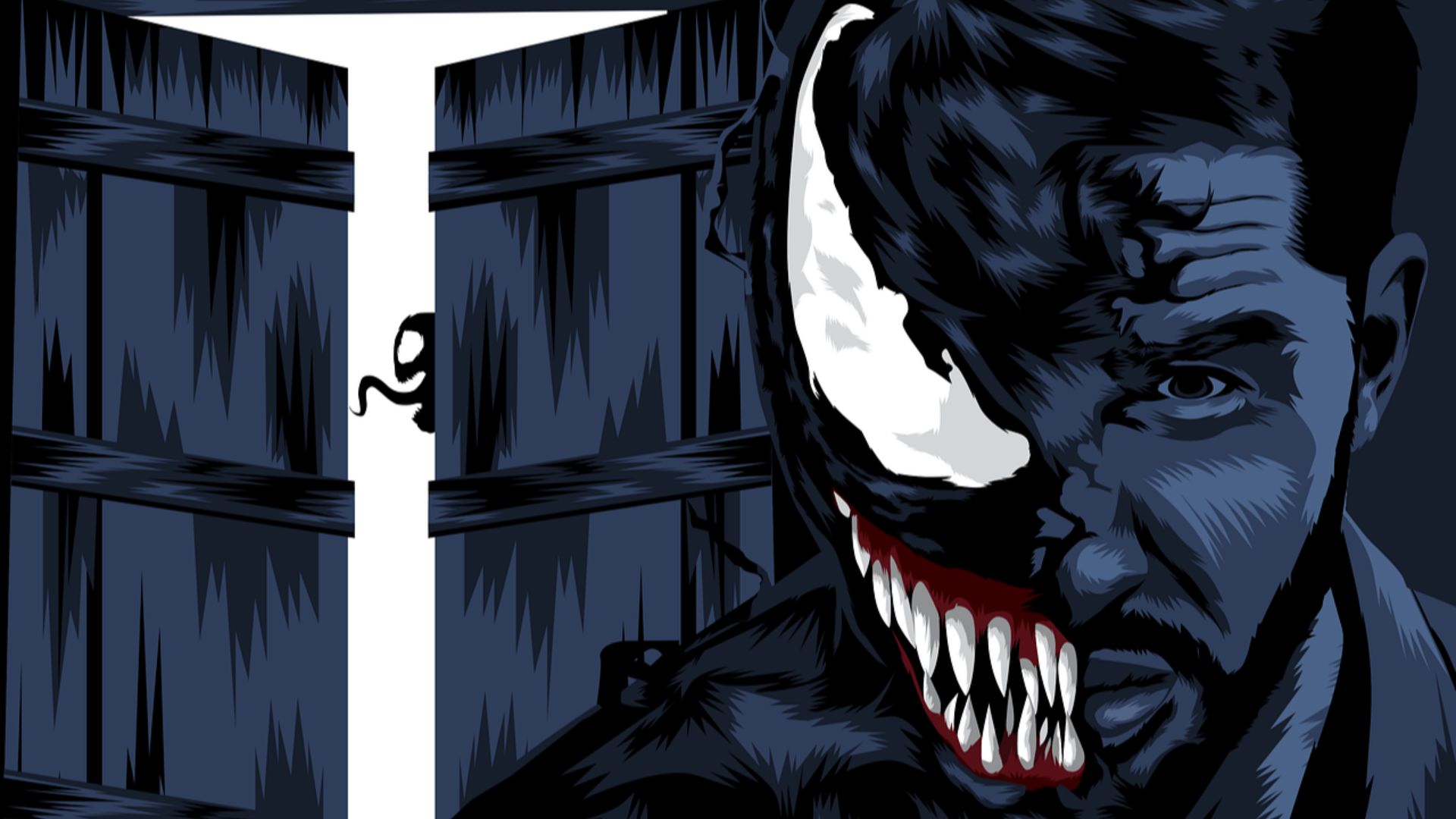
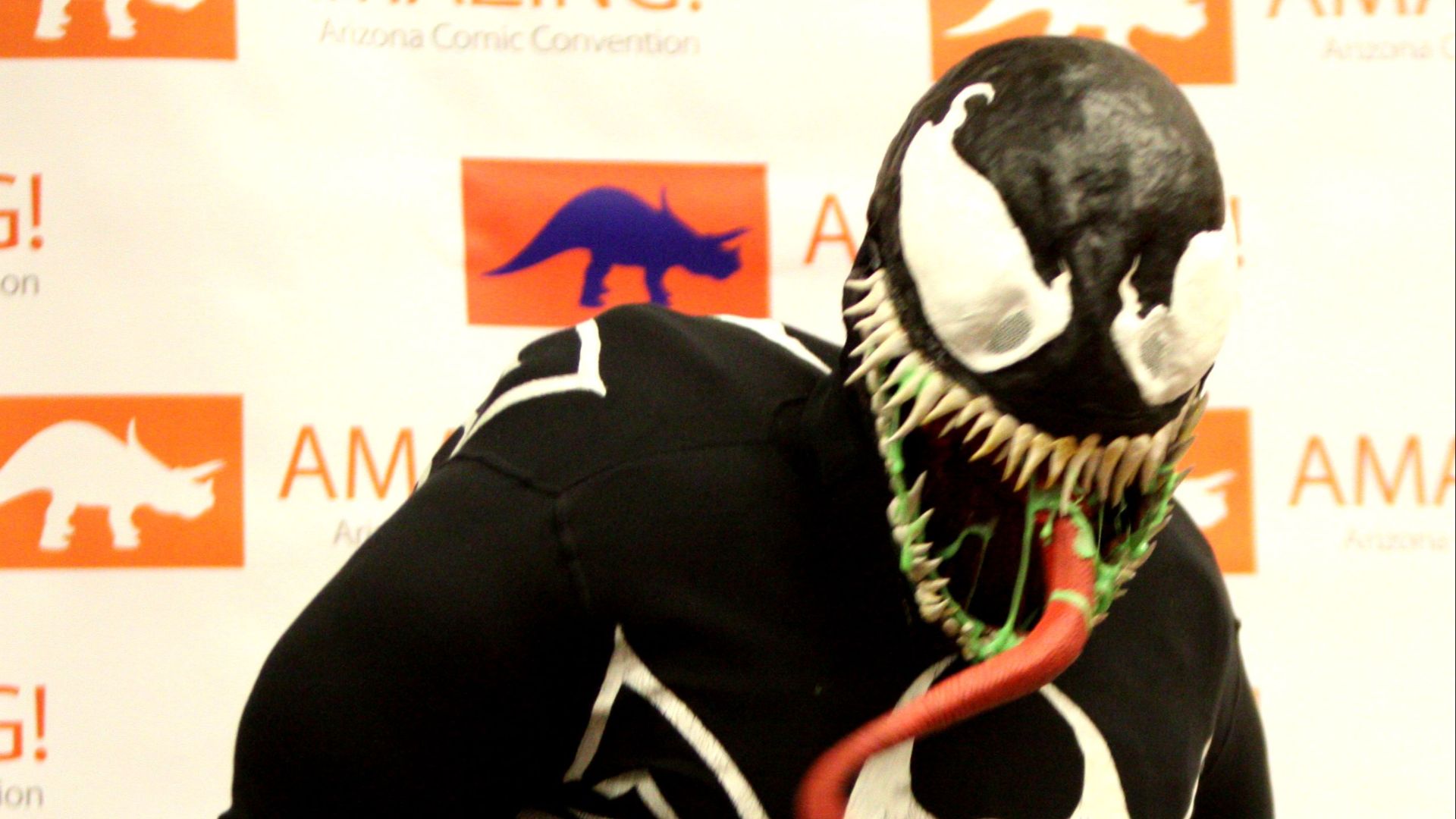
Venom, from Spider-Man, has become funny, loyal, and strangely lovable in plenty of stories. That makes it easy to forget how much of the character began with obsession, revenge, and monstrous violence. The “lethal protector” version may be compelling, but the lethal part was never just decoration.
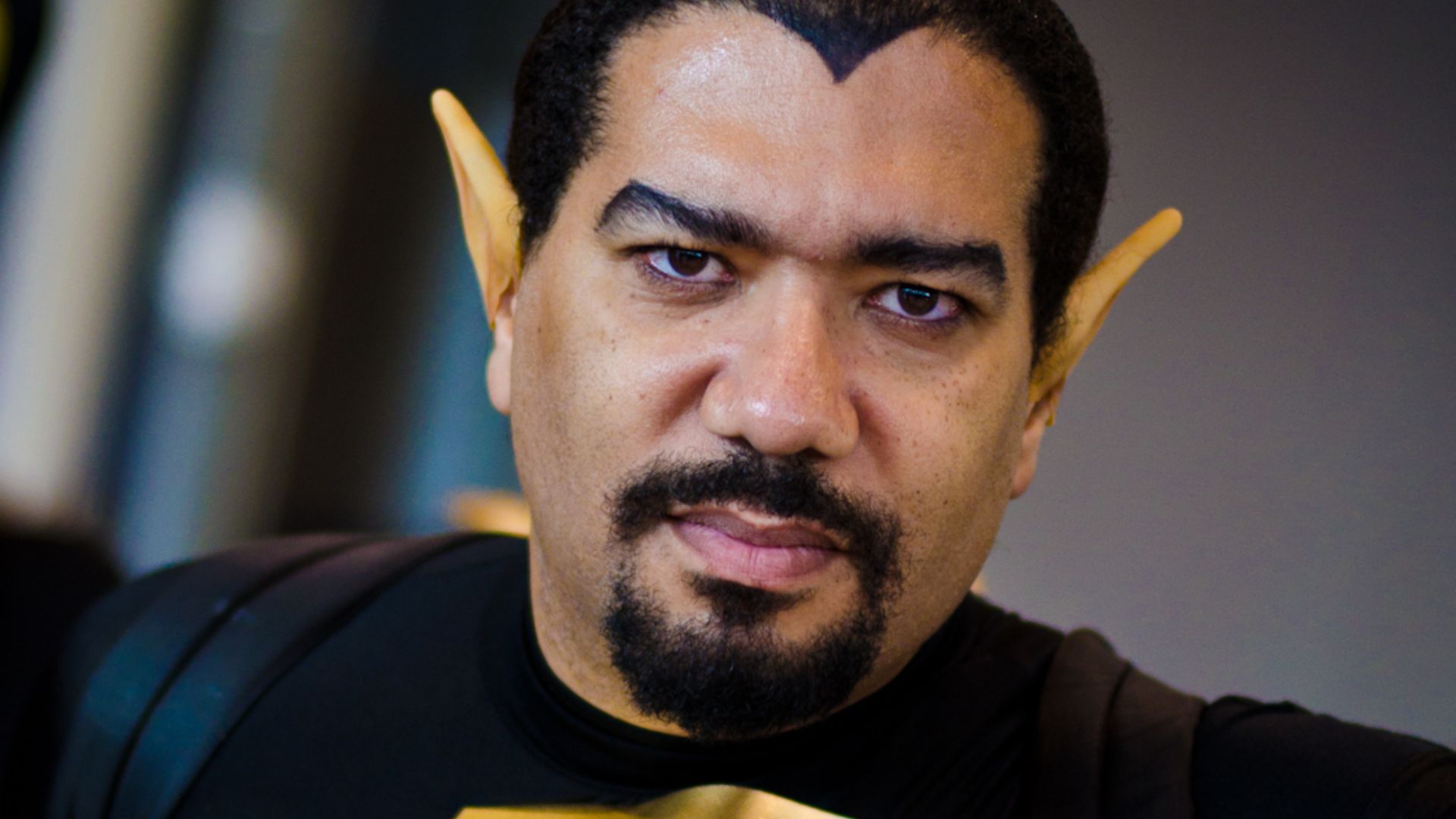
7. Black Adam
Black Adam, from Shazam! and his own Black Adam comics, often sounds persuasive because he speaks in the language of justice, grief, and protecting his people. He does not waste time pretending broken systems are working. But his answer is usually fear, force, and the belief that power gives him the right to decide for everyone else.
 Marnie Joyce from New York City, USA on Wikimedia
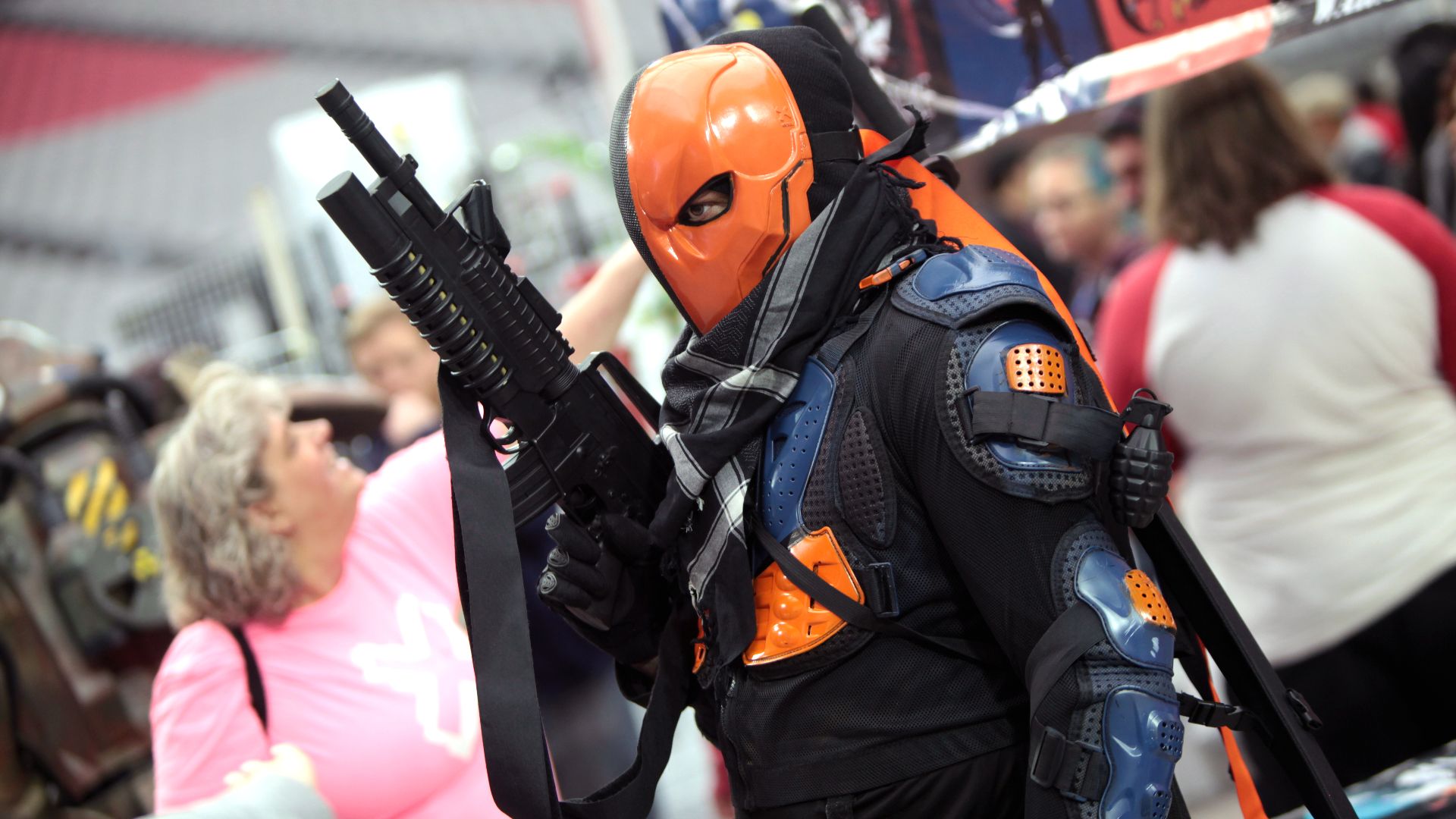
8. Deathstroke
Deathstroke, from Teen Titans, is cool in the way many terrible comic book characters are cool: calm, tactical, and almost annoyingly competent. Fans sometimes frame him as a professional with a code, as if that smooths over the rest. Being controlled and efficient at violence does not make someone honorable.
 Gage Skidmore from Peoria, AZ, United States of America on Wikimedia
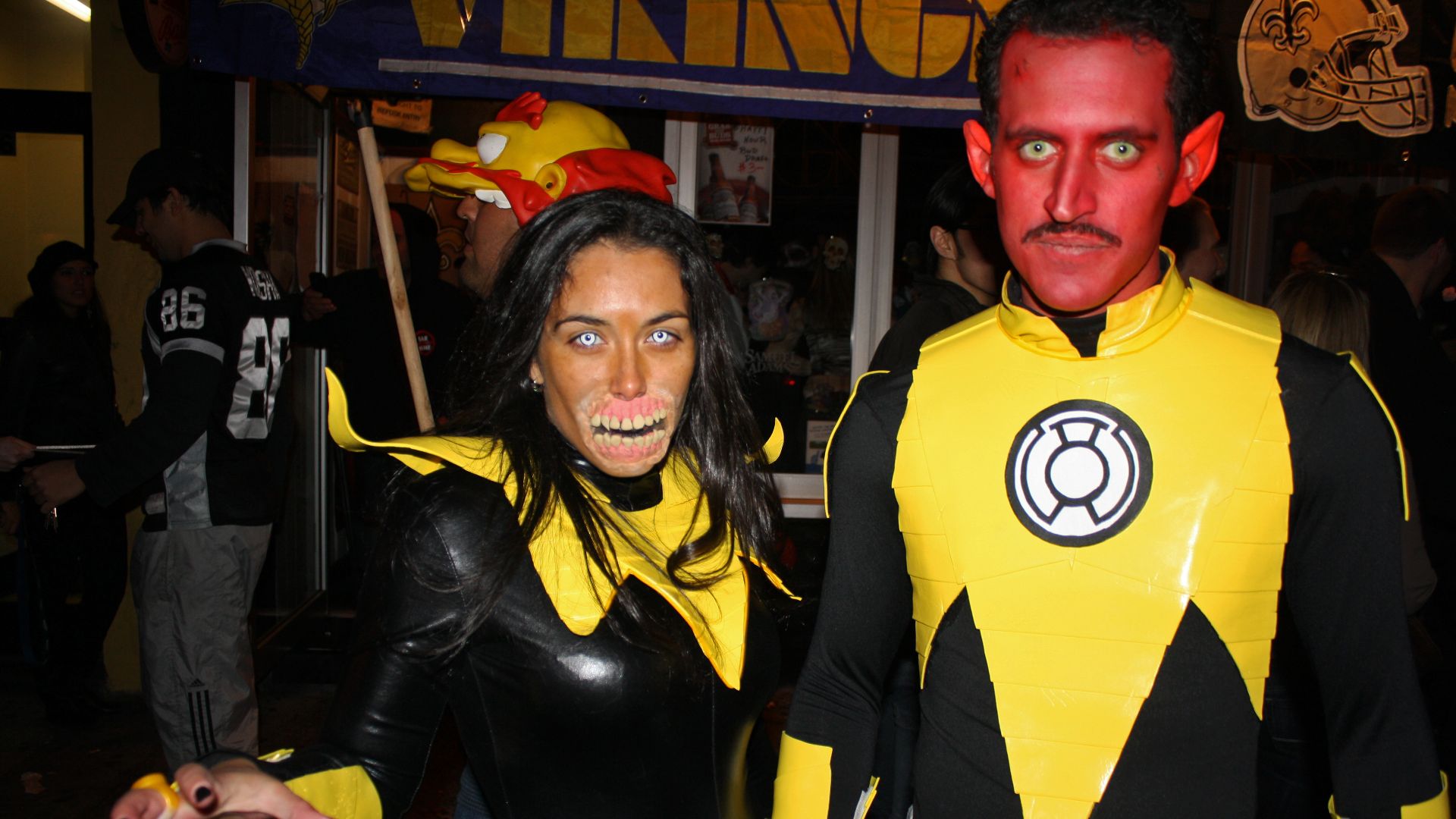
9. Sinestro
Sinestro, from Green Lantern, sees himself as the one person willing to do what others are too soft to do. He believes fear creates order, and in a messy universe, that can sound almost practical for a minute. Then you remember that a society built on terror is still a society built on terror.
 istolethetv from Hong Kong, China on Wikimedia
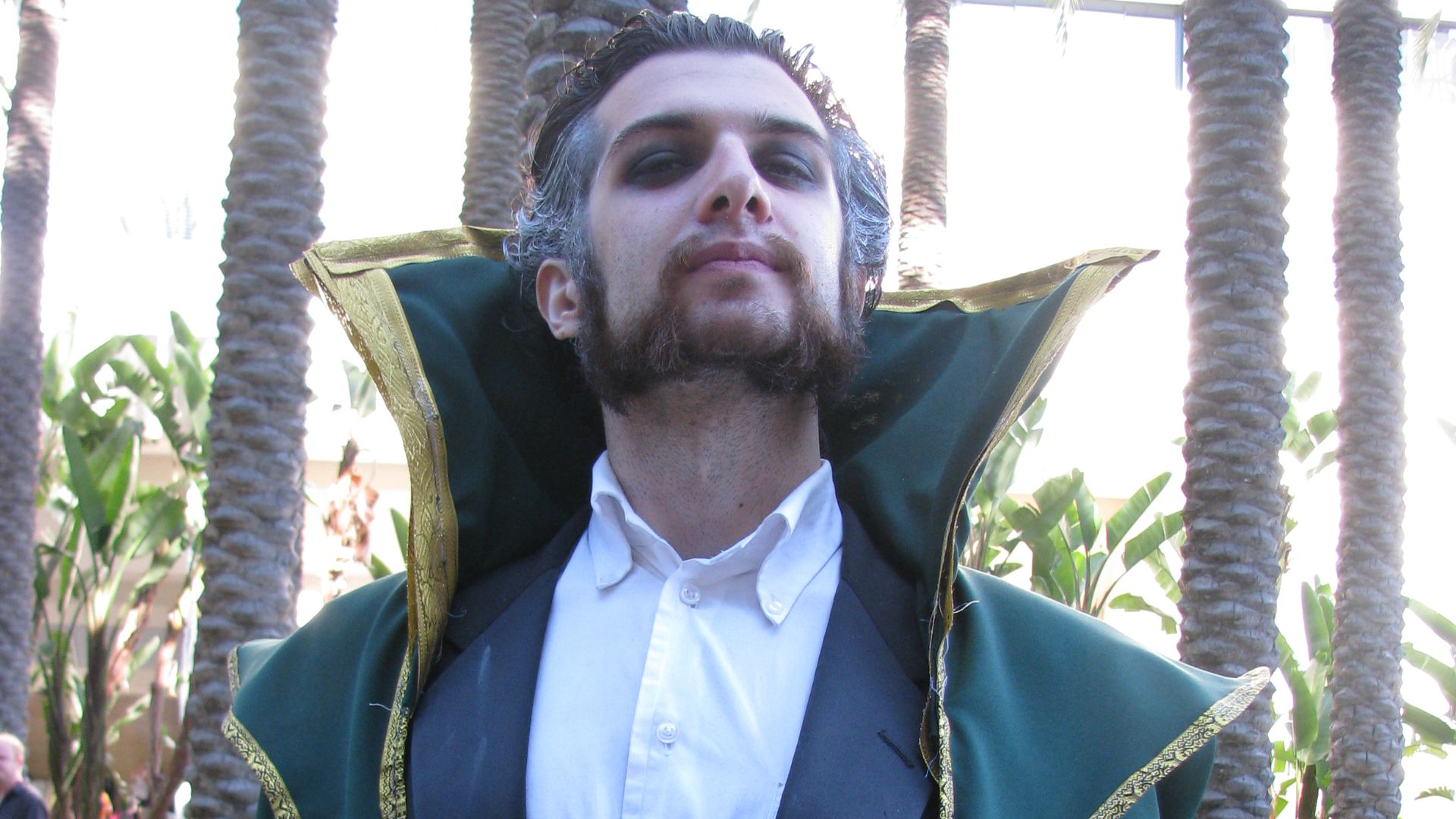
10. Ra’s Al Ghul
Ra’s al Ghul, from Batman, talks about balance, corruption, and saving the world from itself. His calmness makes the plan sound more reasonable than it is. But the plan usually involves mass death, because he keeps confusing wisdom with the right to decide who deserves to survive.
11. Sephiroth
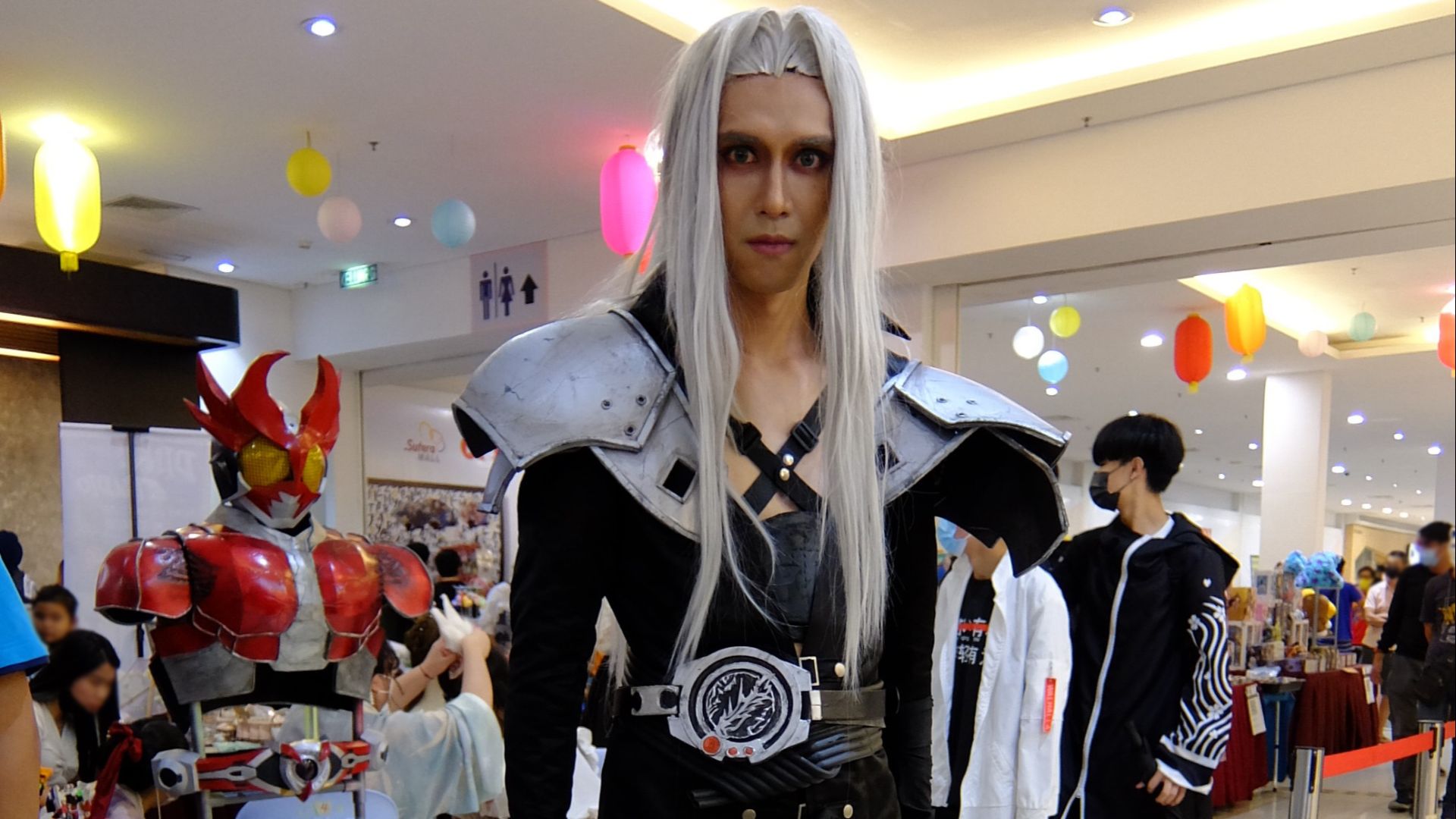
Sephiroth, from Final Fantasy VII, has the tragic backstory, the perfect design, and the kind of presence that makes fans soften his edges. But he is not simply a wounded man who needs better information. Once he starts treating the world as something to wound, control, or rise above, the tragedy becomes part of the horror.
12. Handsome Jack
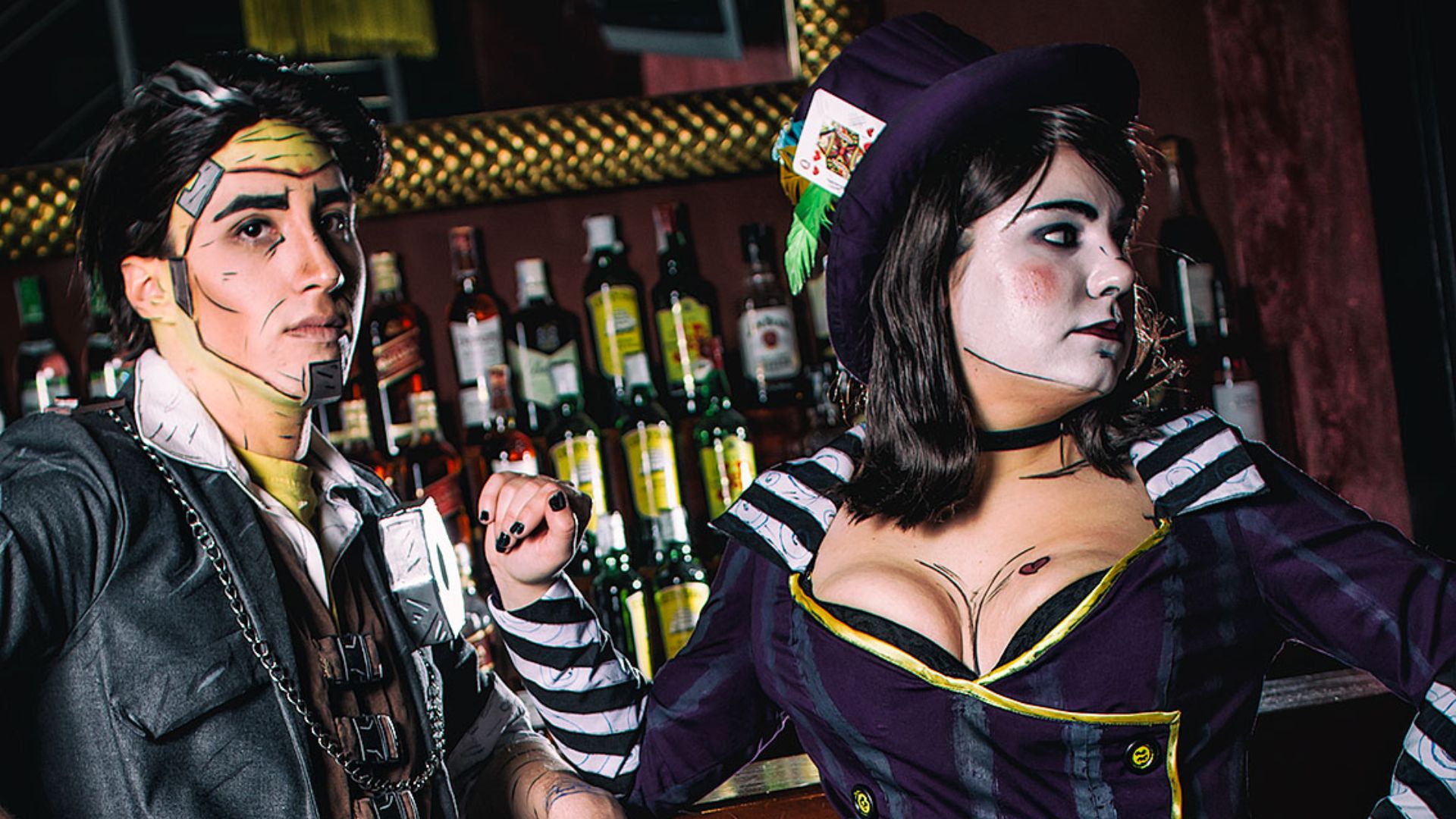
Handsome Jack, from Borderlands, is funny, charismatic, and confident enough to make cruelty sound like a punchline. That is exactly why people fall into the trap of seeing him as the hero of his own story. He may call himself righteous, but his version of heroism runs on exploitation, violence, and ego.
 Gaudencio Garcinuño on Wikimedia
13. GLaDOS
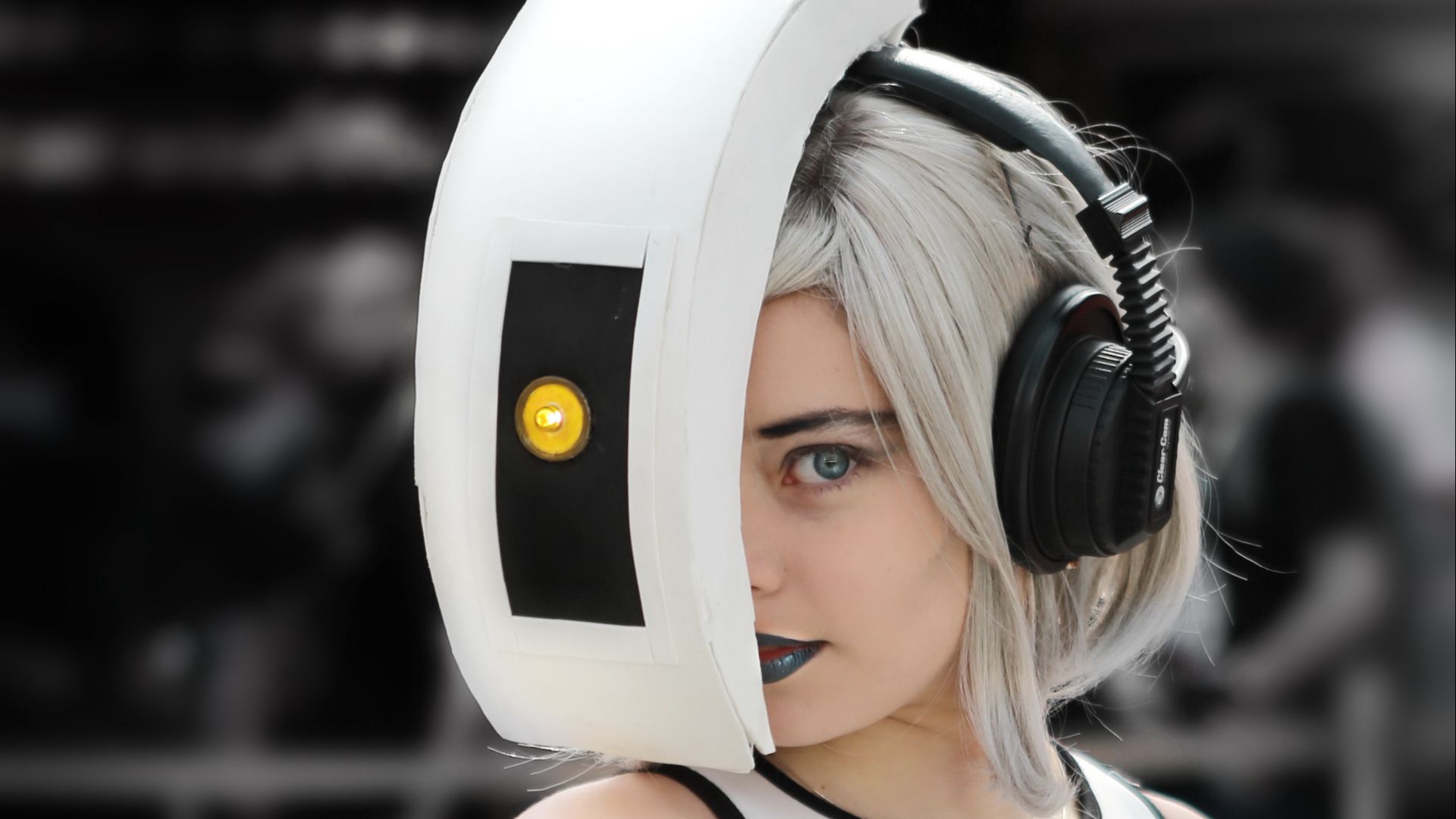
GLaDOS, from Portal, is hilarious, which does a lot of work in making players forgive the nightmare of the situation. Her timing is perfect, her insults are surgical, and her murder attempts are delivered like office announcements. Still, turning people into disposable test subjects is not just quirky behavior with better jokes.
 Claudio Marinangeli on Wikimedia
14. Vergil
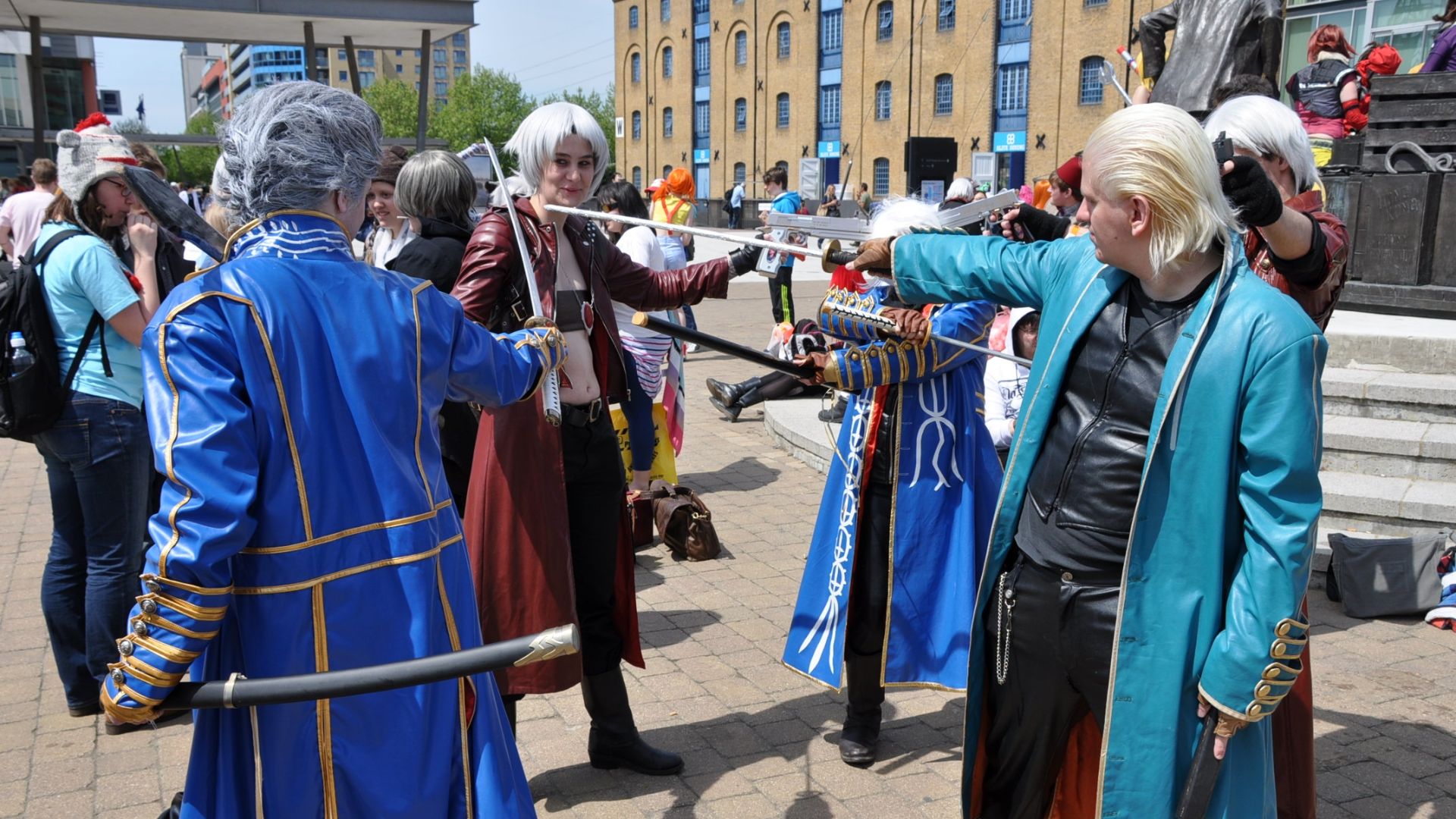
Vergil, from Devil May Cry, has discipline, pain, and a deep fear of weakness, which gives his villainy a real emotional shape. Fans often treat his hunger for power as tragic ambition instead of a pattern of choices that hurt other people. Wanting strength because you were wounded does not make every sacrifice around you acceptable.
 commons.wikimedia.org on Google
15. Bowser
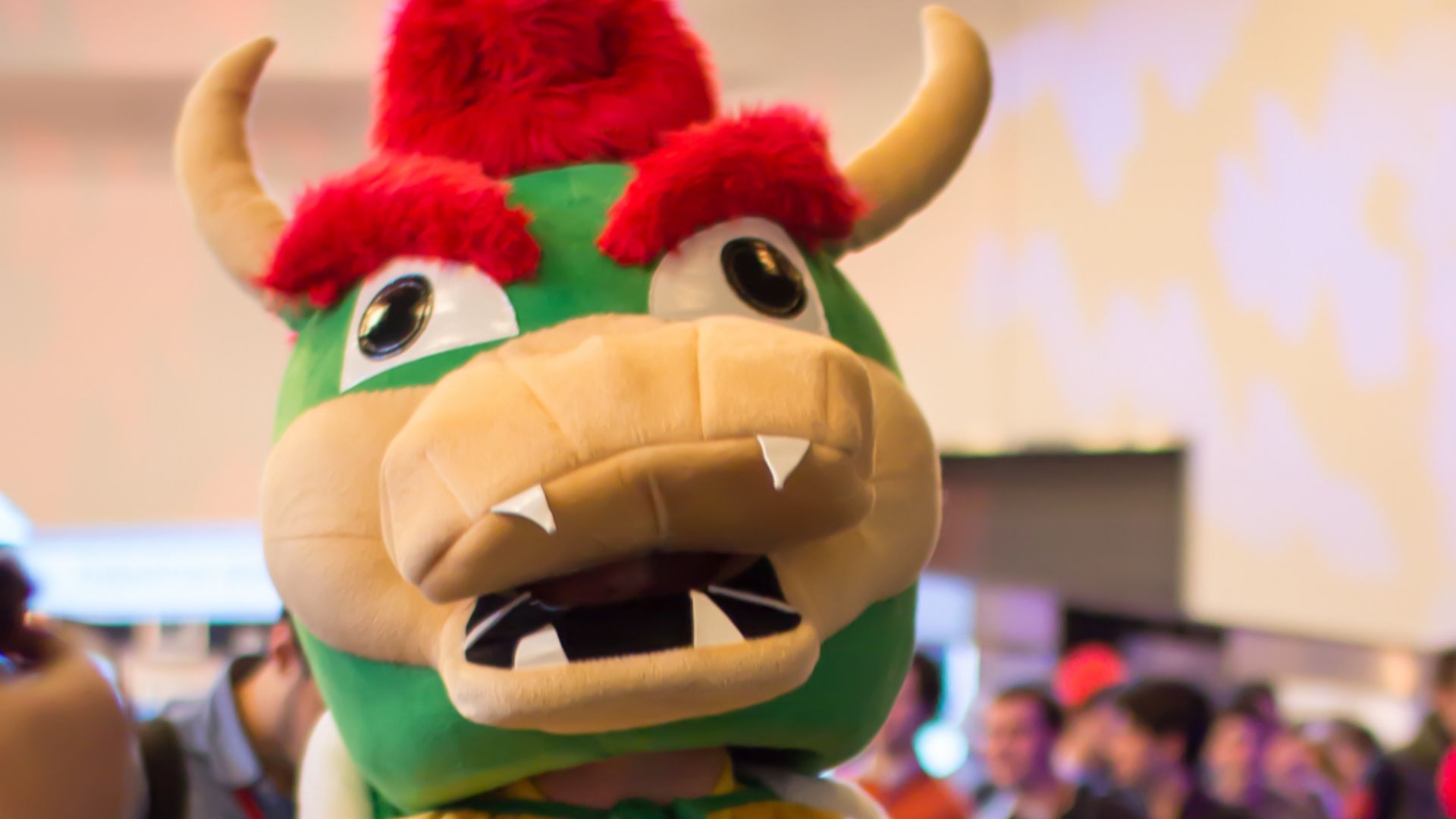
Bowser, from Super Mario Bros., gets softened because he is funny, persistent, and sometimes weirdly charming. In spin-offs, he can feel more like the loud friend who ruins game night than a real threat. But kidnapping, conquest, and constant attacks on whole kingdoms are still a lot to file under misunderstood.
16. Ganondorf
Ganondorf, from The Legend Of Zelda, has presence, ambition, and the kind of mythic weight that makes him feel bigger than a simple villain. Fans sometimes frame him as a king denied his rightful place. But again and again, his answer to resentment is conquest, corruption, and turning the world into a monument to his own will.
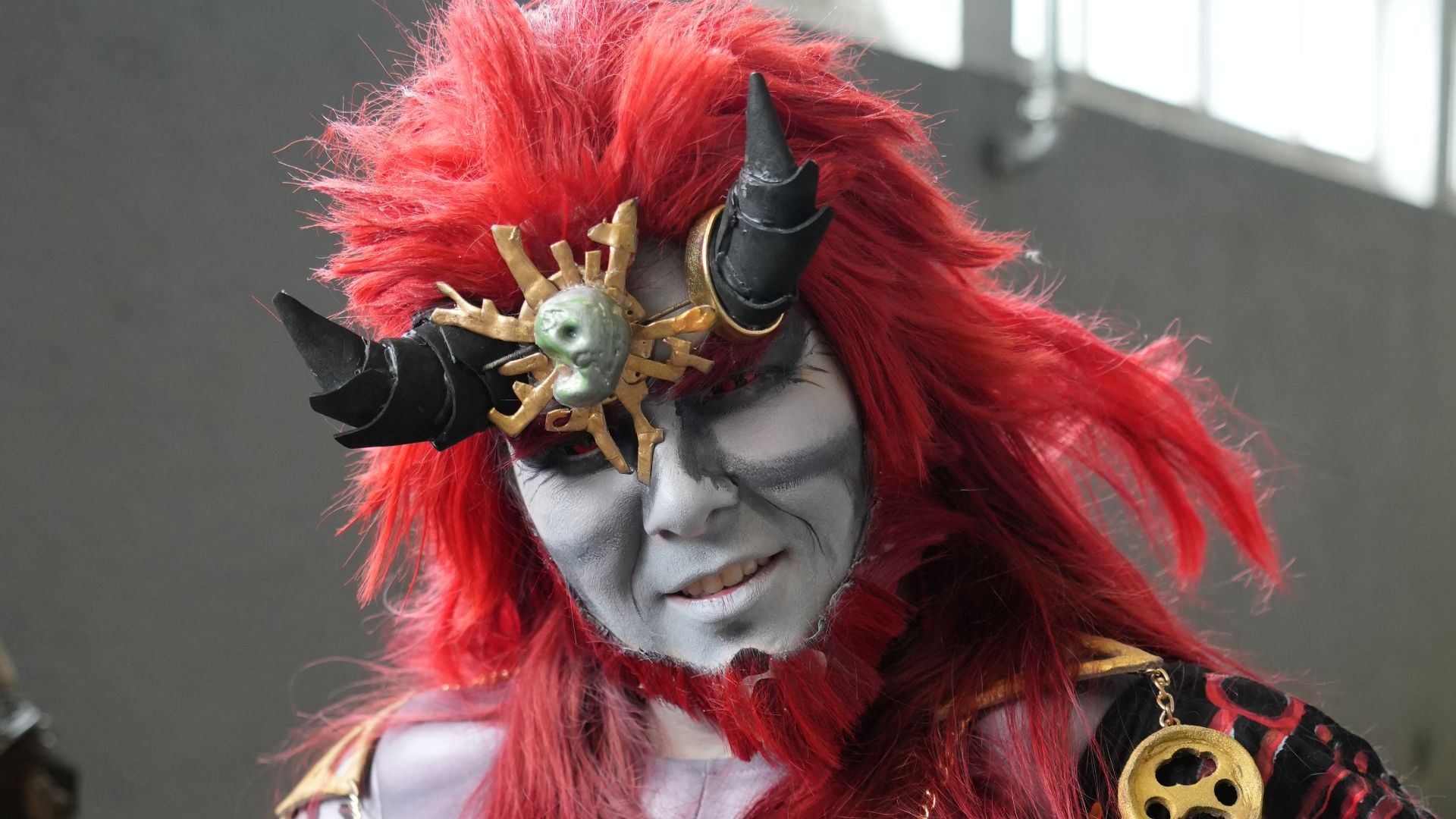 Miguel Discart & Kiri Karma on Wikimedia
17. Arthas Menethil
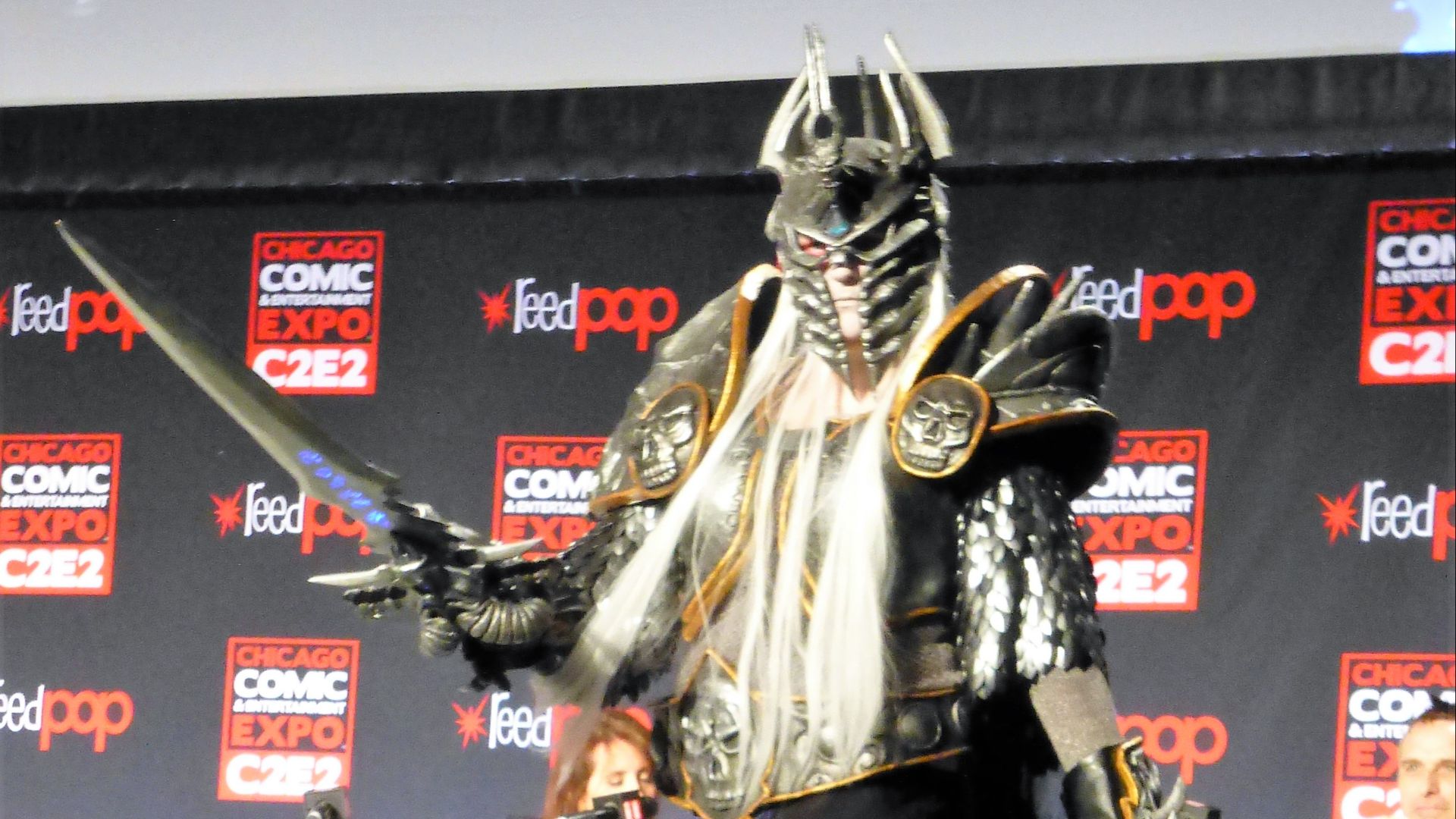
Arthas Menethil, from Warcraft, is tragic because his fall begins with fear, pressure, and the desperate belief that he can save his people by crossing lines no one should cross. That makes his story powerful, but it does not make him innocent. The road to becoming the Lich King is paved with choices, and plenty of them were his.
18. Andrew Ryan
Andrew Ryan, from BioShock, speaks in grand ideals about freedom, ambition, and refusing to live for someone else’s approval. For a while, that can sound thrilling. Then Rapture shows what happens when philosophy becomes an excuse for cruelty, vanity, and letting the powerful call selfishness a virtue.
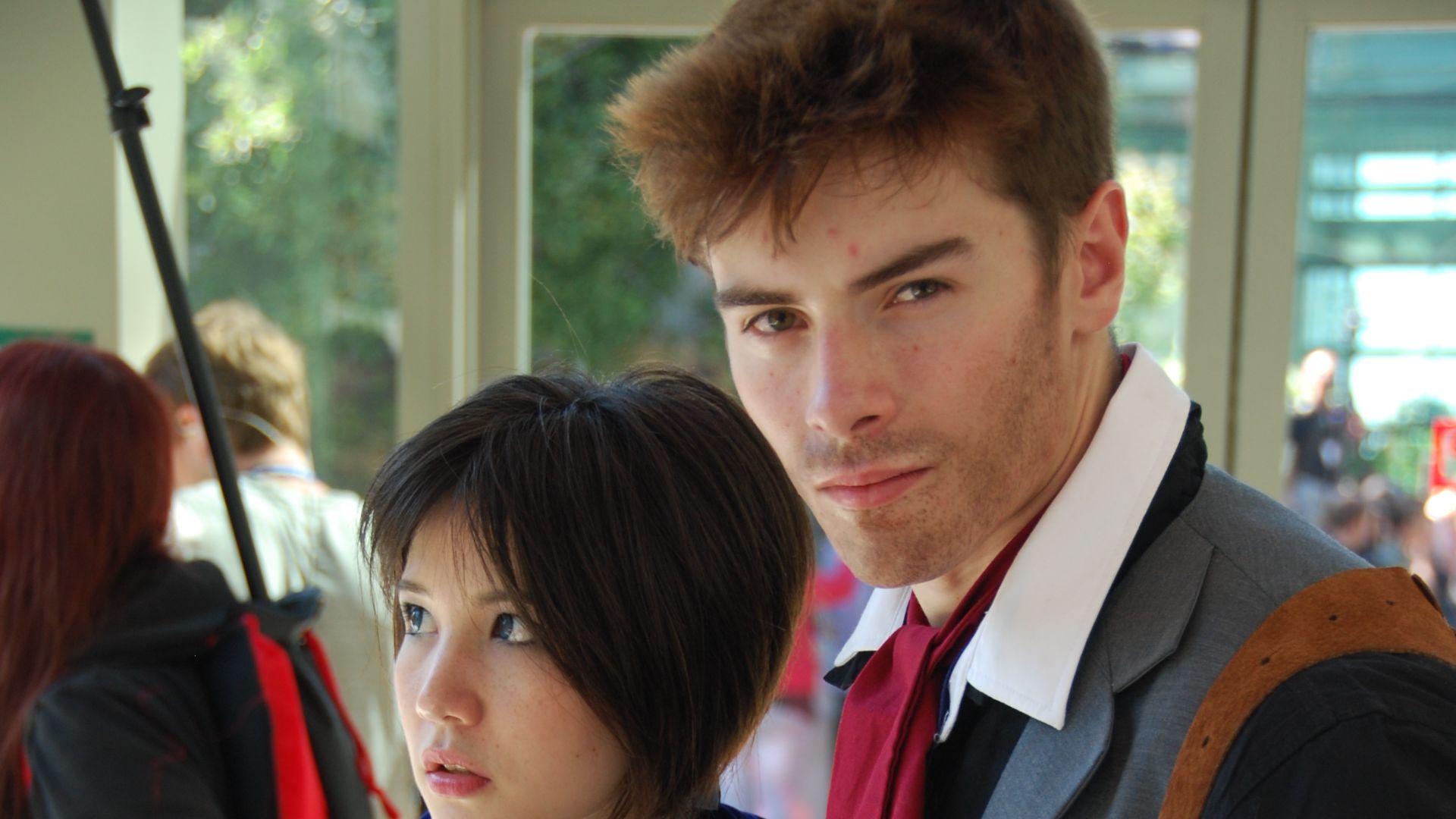 Dave Monk from Seattle, USA on Wikimedia
19. Dutch Van Der Linde
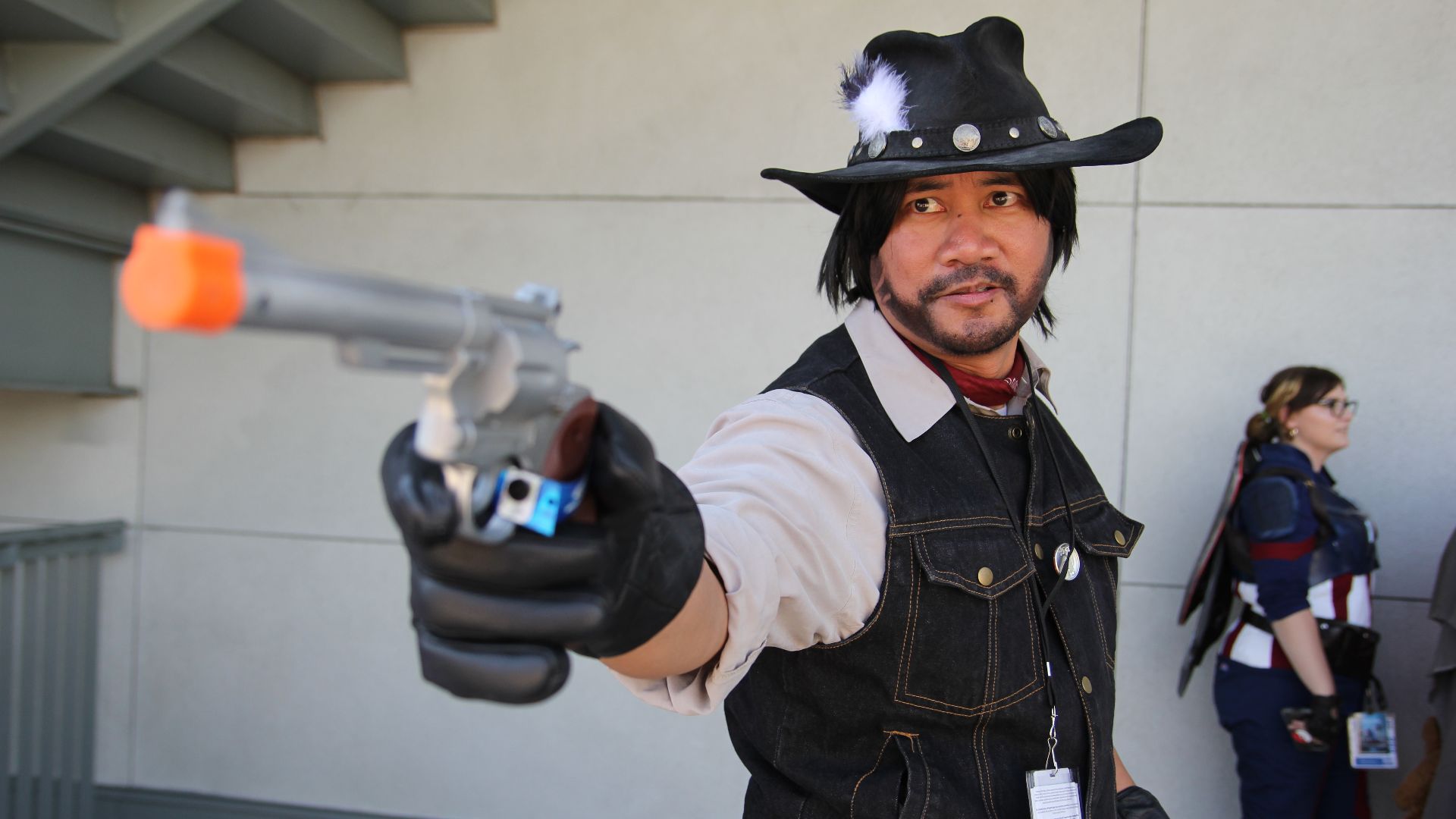
Dutch Van Der Linde, from Red Dead Redemption, has charm, vision, and the gift of making doomed plans sound like moral crusades. He talks about loyalty and freedom while pulling people deeper into danger. Fans can mourn the man he might have been, but by the end, his ideals mostly serve his pride.
 commons.wikimedia.org on Google
20. Vaas Montenegro
Vaas Montenegro, from Far Cry 3, is magnetic because he is unpredictable, funny, frightening, and impossible to look away from. He talks about insanity with enough rhythm and confidence that fans start treating him like a philosopher. But charisma does not turn violence into wisdom; it only makes the danger more entertaining.


.jpg)
_Cosplay,_Wondercon_2019_(47503801191).jpg)
