
Bigger Is Not Better
Power-scaling can be fun in the same way arguing over pizza toppings can be fun: loud, pointless, and weirdly revealing. There is something satisfying about lining up feats, comparing explosions, and deciding who could flatten whom if everyone agreed to fight in a parking lot with no context. But stories are not just damage calculators wearing costumes. Sometimes the strongest character loses because they are arrogant, distracted, tired, grieving, or up against someone who understands the room better. Here are 20 power-scaling arguments that miss the entire point of the story.

1. “But He Beat Someone Stronger”
A character beating someone stronger does not automatically make them stronger forever. Fights are shaped by timing, terrain, motivation, surprise, and plain old bad judgment. Sometimes a win tells us more about the loser’s mistake than the winner’s ceiling.

2. “She Lost Once, So She’s Weak”
One loss is not a permanent downgrade. Good stories let capable people fail because failure creates pressure, growth, and consequences. If every strong character won cleanly every time, most stories would feel like watching a spreadsheet clear its throat.
 Antoni Shkraba Studio on Pexels
3. “That Feat Makes No Sense”
Sometimes it does not make sense because it is not there to be measured that way. A huge feat might be emotional, symbolic, or meant to show what happens when a character breaks past their normal limit. The scene may care less about physics than about the cost of desperation.
 Henri Mathieu-Saint-Laurent on Pexels
4. “The Villain Should Have Won Immediately”
Villains do not always make optimal decisions because villains are people, not chess engines. They gloat, underestimate, panic, crave recognition, and drag things out because their ego wants a front-row seat. That flaw is often the point, not a writing error.

5. “The Hero Only Won Because Of Plot Armor”
Sometimes, yes, the hero survives because the story still has work for them to do. But “plot armor” gets thrown around whenever luck, mercy, friendship, or persistence matters more than raw force. Real victories often look messy, improbable, and slightly unfair.

6. “This Character Is Useless Now”
A character can matter without being the hardest hitter in the room. They might hold the group together, notice what others miss, buy three crucial seconds, or say the one thing nobody else can say. Usefulness is not always shaped like a knockout punch.

7. “Speed Blitz Solves Everything”
The phrase sounds decisive, which is probably why people love it. But stories rarely operate as sterile lab tests where everyone starts calm, focused, and perfectly aware. A faster character can still hesitate, misread the situation, or be forced into choices speed cannot fix.

8. “This Power Has No Counter”
Almost every overwhelming power has a counter if the story is interested in finding one. It might be emotional leverage, environmental limits, strategy, exhaustion, or the user’s own fear. The best counters are not always technical; sometimes they are personal.
9. “They Nerfed Him”
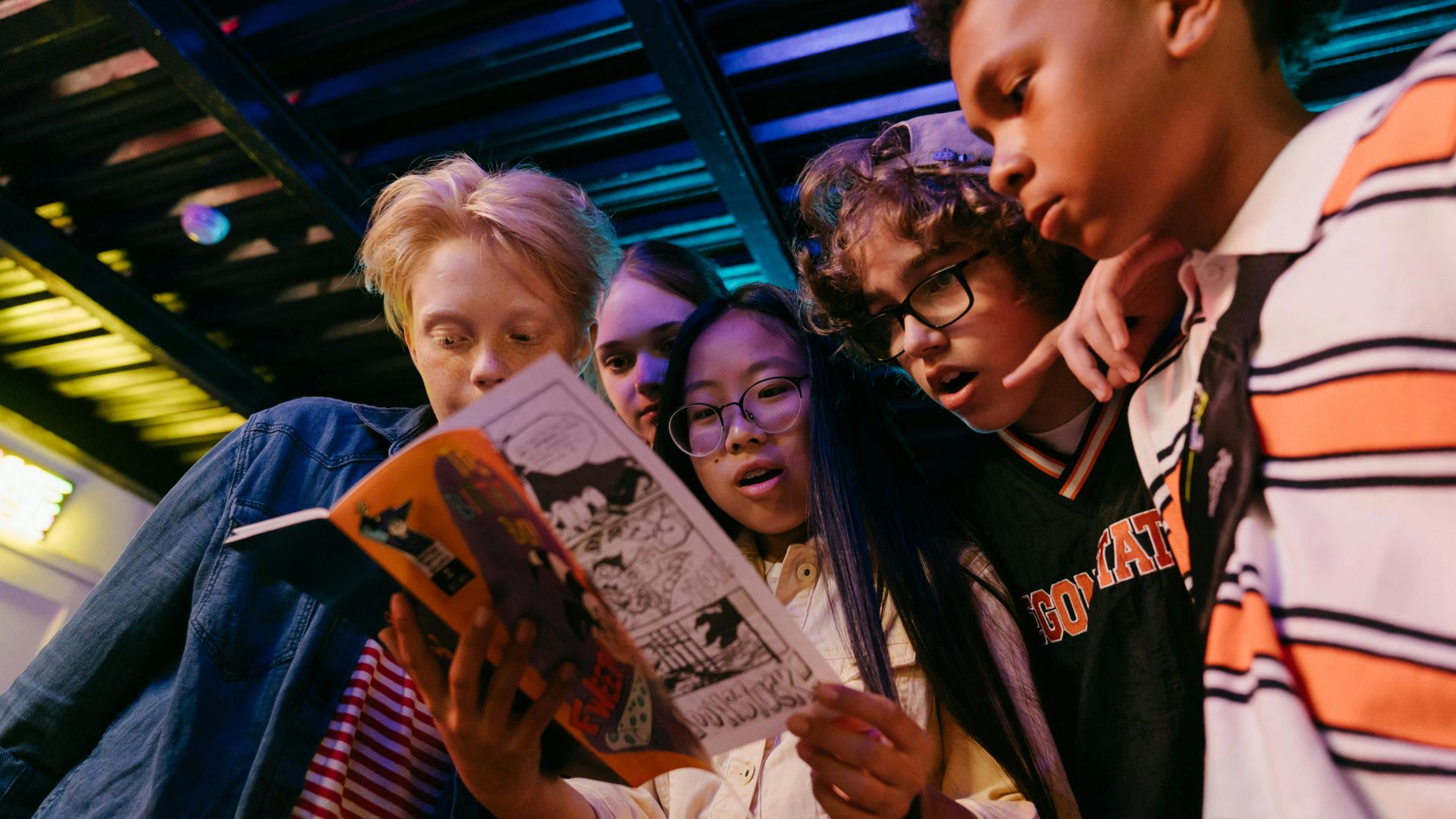
A character being tired, injured, conflicted, or emotionally shaken is not always a nerf. It may be the story remembering that power lives inside a person. Nobody performs at their absolute best every day, especially not after three betrayals and a building falling on them.

10. “The Writer Forgot How Strong She Is”
Writers do forget things sometimes, but not every quieter scene is a mistake. A character may hold back because of civilians, guilt, fear of collateral damage, or the simple fact that winning too hard would destroy something important. Restraint can be character work.

11. “He Has Better Feats”
Better feats do not always mean better odds. A mountain-shattering moment from one arc may not matter much in a cramped hallway, a hostage situation, or a fight against someone who knows exactly how to bait him. Context turns numbers into story.

12. “This Matchup Is Obvious”
Obvious matchups are often the least interesting ones. The stronger fighter might lose to someone more patient, more prepared, or less emotionally invested in looking cool. Stories love humiliating certainty, especially when certainty walks in with a smirk.

13. “Why Didn’t They Use Their Strongest Move First?”
Because people do not usually open every argument by setting the house on fire. Strongest moves may have costs, risks, cooldowns, moral limits, or consequences the character cannot afford. Sometimes the delay is not stupidity; it is fear of what winning would take.

14. “Training Arc Means Automatic Upgrade”
Training does not turn people into vending machines for new power levels. Sometimes training teaches discipline, humility, control, or how not to fall apart under pressure. The point may be less “now they hit harder” and more “now they understand what strength is for.”

15. “The Side Character Got Power-Crept”
A side character falling behind physically does not mean the story abandoned them. It may mean their role changed. Some characters become more interesting when they stop chasing the biggest blast and start bringing judgment, loyalty, or a very necessary reality check.
16. “The Ending Fight Was Too Small”
Not every final battle needs to throw moons around. Sometimes the right ending is two exhausted people in a quiet place, saying the cruel thing, missing the opening, or choosing not to strike. Smaller fights can hurt more because there is nowhere for the emotion to hide.

17. “He Could Destroy A City, So This Should Be Easy”
Destroying a city is not the same as saving one person, protecting a crowd, or stopping a friend without killing them. Power is blunt. Many of the hardest problems in stories require precision, patience, and the ability to care without losing control.

18. “The Friendship Power-Up Is Cheap”
It can be cheap when it appears out of nowhere, but it can also be the whole thesis. If a story has spent years showing that connection changes people, then friendship is not a cheat code. It is the engine that has been running under the hood the entire time.

19. “The Weak Character Should Stay Out Of It”
Weak characters often make stories feel human. They remind us what the stakes look like from the ground instead of the sky. When they step forward anyway, the moment can say more about courage than any planet-sized explosion ever could.

20. “Who Wins?”
It is the simplest question and sometimes the least useful one. “Who wins?” cuts away motive, theme, fear, history, sacrifice, and all the strange little reasons people fight in the first place. The better question is usually what the fight reveals once the dust clears.