
The Features Players Now Expect Without Thinking About Them
Many of gaming’s most influential ideas weren’t flashy technological breakthroughs or heavily advertised selling points at the time. Instead, they were mechanics that solved common frustrations, improved pacing, or made games feel smoother and more rewarding to play. Over time, these systems spread across genres so widely that most players now treat them as completely normal parts of modern game design. Here are 20 mechanics that quietly became industry standards.

1. Regenerating Health
Older games often relied entirely on health packs or limited healing items, which made mistakes far more punishing. Regenerating health changed pacing by encouraging players to briefly retreat and recover instead of constantly searching levels for supplies. This mechanic eventually became common across shooters and action games because it kept gameplay moving more consistently.

2. Autosave Systems
Manual saving once forced players to repeat large sections of games after every mistake or unexpected shutdown. Autosave systems quietly removed much of that frustration by preserving progress automatically during important moments. Players now largely expect games to protect their progress without constant input.

3. Objective Markers
Earlier games frequently relied on vague instructions or trial-and-error exploration to guide players. Objective markers simplified navigation by clearly indicating where players needed to go next.

4. Dialogue Wheels
Conversation systems originally presented long lists of text options that could feel slow or awkward to navigate. Dialogue wheels streamlined interactions by grouping responses into clearer emotional or thematic choices. This approach eventually became common in story-focused games because it kept conversations flowing naturally.
 Antoni Shkraba Studio on Pexels
5. Cover-Based Combat
Action games once focused heavily on open movement during firefights, which often created chaotic encounters. Cover systems introduced more tactical pacing by encouraging players to position themselves carefully during combat. This mechanic became especially influential in third-person shooters throughout the 2000s.

6. Skill Trees
Character progression systems became far more flexible once skill trees allowed players to specialize abilities over time. Instead of unlocking upgrades in a fixed order, players could shape builds around different playstyles.
7. Fast Travel
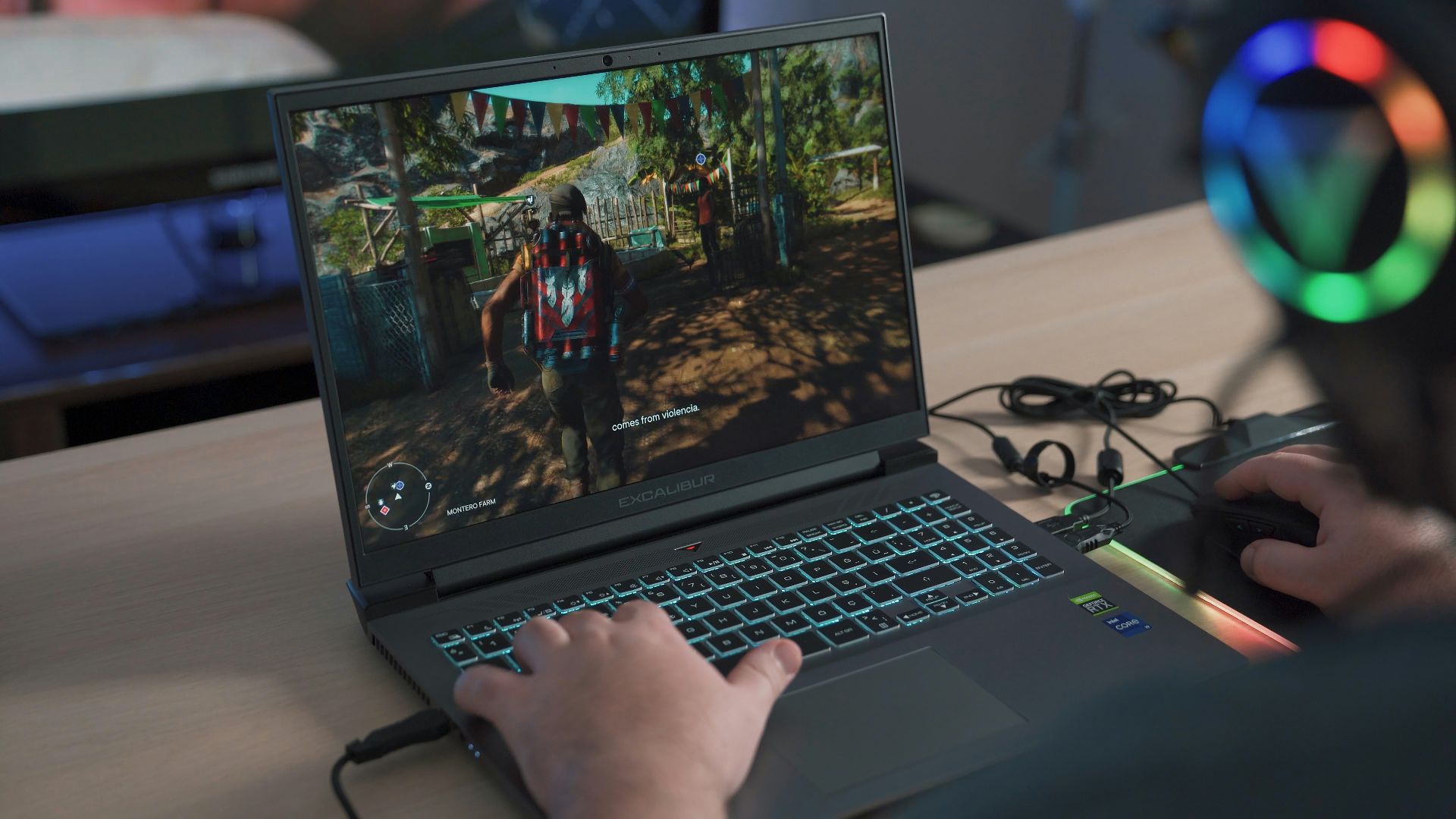
Large worlds became far easier to navigate once fast travel systems reduced repetitive backtracking. Earlier games often required players to manually cross the same areas repeatedly just to complete side activities or missions. Fast travel eventually became expected as open worlds continued growing in size.

8. Context-Sensitive Buttons
Older control schemes frequently assigned separate buttons for nearly every interaction. Context-sensitive controls simplified gameplay by allowing the same button to perform different actions depending on the situation.
 Nikita Kachanovsky on Unsplash
9. Minimap Navigation
Large environments became much easier to understand once minimaps provided constant spatial awareness during gameplay. Players no longer needed to pause repeatedly to check full maps or directions. The mechanic became especially important as open-world design grew more detailed and expansive.

10. Checkpoint Systems
Early games often forced players to restart entire levels after failure, even during lengthy missions. Checkpoints improved accessibility by preserving progress at reasonable intervals throughout gameplay. This change reduced frustration while keeping difficult sections challenging without feeling unfair.

11. Ping Systems
Multiplayer communication improved dramatically once games introduced quick ping systems for marking enemies, locations, or objectives. These tools allowed teammates to coordinate effectively without voice chat. This mechanic became increasingly valuable as online multiplayer expanded across platforms and skill levels.

12. Crafting Systems
Resource gathering and crafting added long-term progression outside of combat or story objectives. Players could create equipment, healing items, or upgrades using materials collected during exploration.

13. Daily Challenges
Daily objectives helped keep players engaged by providing short-term goals and rewards that refreshed regularly. These systems encouraged consistent play sessions without requiring major time commitments. Over time, they became a standard feature in multiplayer and live-service games.

14. Stamina Bars
Stamina systems added risk management to movement and combat by limiting actions like sprinting, dodging, or attacking repeatedly. This forced players to think more carefully about timing rather than relying on constant aggression. This mechanic became especially influential in action and survival-focused genres.

15. Quest Logs
As games became larger and more complex, players needed better ways to track objectives and side activities. Quest logs organized missions clearly while reducing the chance of forgetting important tasks. Most modern role-playing and open-world games now rely heavily on these systems.

16. New Game Plus
Replayability improved once games began allowing players to restart campaigns while keeping upgraded equipment or abilities. New Game Plus modes encouraged experimentation without forcing players to rebuild progress entirely from scratch.

17. Shared Multiplayer Progression
Earlier multiplayer games often treated matches as isolated experiences with little long-term advancement. Persistent progression systems rewarded players with unlocks, cosmetics, or abilities across multiple sessions. This created stronger long-term engagement and eventually became standard across online gaming.

18. Environmental Storytelling
Games gradually shifted away from relying entirely on cutscenes or dialogue to explain their worlds. Environmental storytelling allowed players to learn through architecture, item placement, visual details, and level design. This approach became popular because it made worlds feel more immersive and natural.

19. Companion AI Commands
Games featuring allies became easier to manage once players could issue simple commands during combat or exploration. Instead of relying entirely on unpredictable artificial intelligence, players gained more control over teamwork and strategy. This spread across tactical and action-focused genres alike.

20. Photo Modes
Photo modes originally seemed like a niche extra feature, but they quickly became popular once game worlds grew visually detailed enough to encourage screenshots and creative composition. Players now regularly expect the ability to pause gameplay, adjust camera angles, and capture scenes freely.