The Junk Drawer Used to Be a Luxury Aisle
Plenty of the gadgets we ignore today were, not that long ago, a real financial decision. People saved for them abd talked it over at the kitchen table before buying. Now the same object sits forgotten in a drawer, or comes bundled free with a phone. Prices in tech fall fast, and some of these fell faster than anyone expected. Here's 20 that went from expensive to nearly free.
1. Pocket Calculators
Texas Instruments sold a basic four-function model in 1972 for around $150, which works out to roughly $1,100 today. Engineers carried them the way people now carry a decent pen. Dollar stores sell them, and your phone shipped with a better one you have never opened.

2. Long-Distance Calls
Families used to schedule calls for Sunday evening because that's when the rates dropped. Ten minutes from New York to London ran about $12 in 1970, and an operator sometimes had to connect you by hand. Paying by the minute to talk to another country has more or less stopped being a thing.

3. GPS Navigation
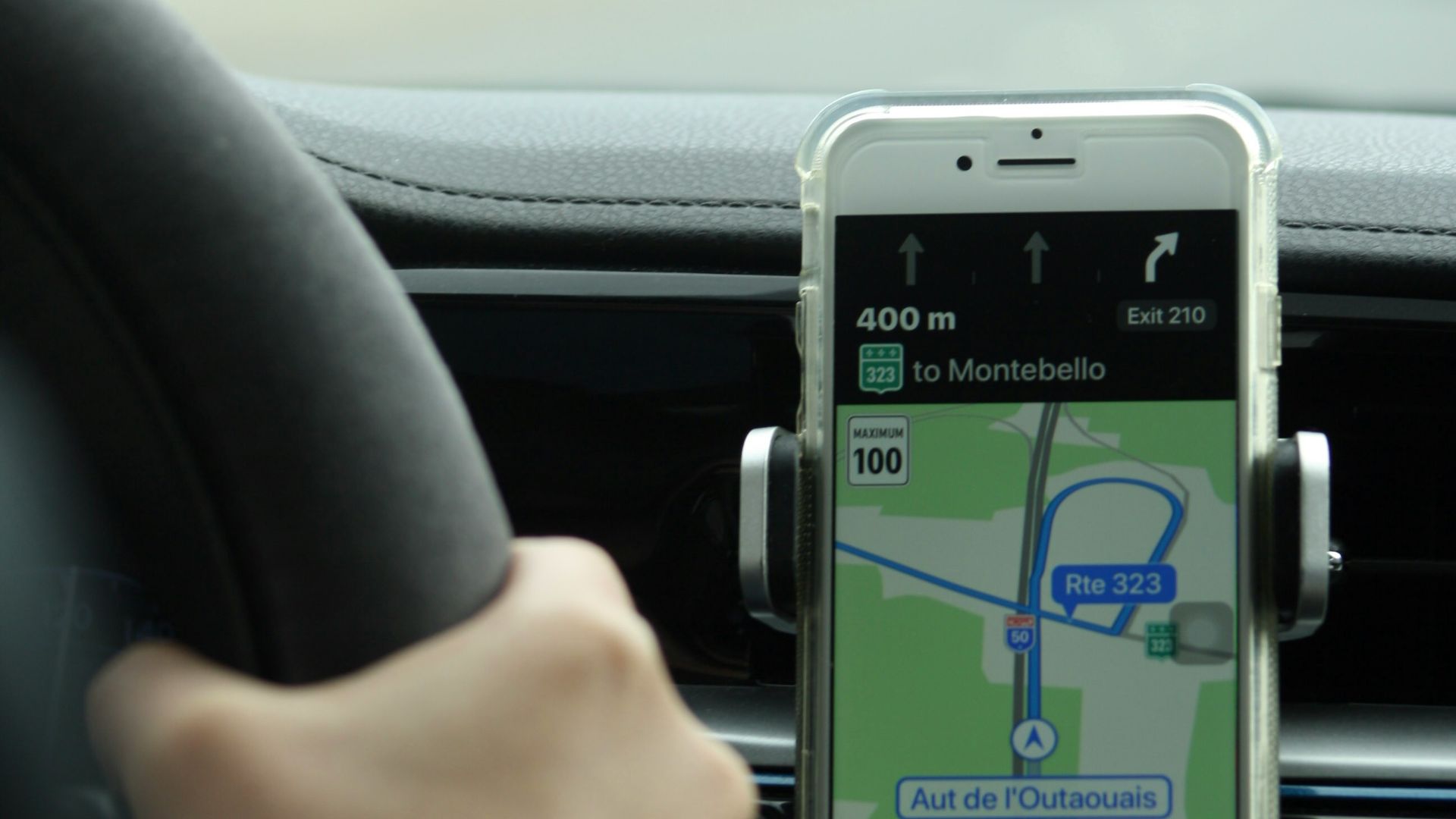
Windshield units from Garmin and TomTom sold for $400 to $600 in the mid-2000s, and people hid them in the glove box overnight so nobody would break a window for one. Google Maps landed on smartphones and the whole category collapsed in about four years. Very few product lines have died that fast.
4. Digital Storage
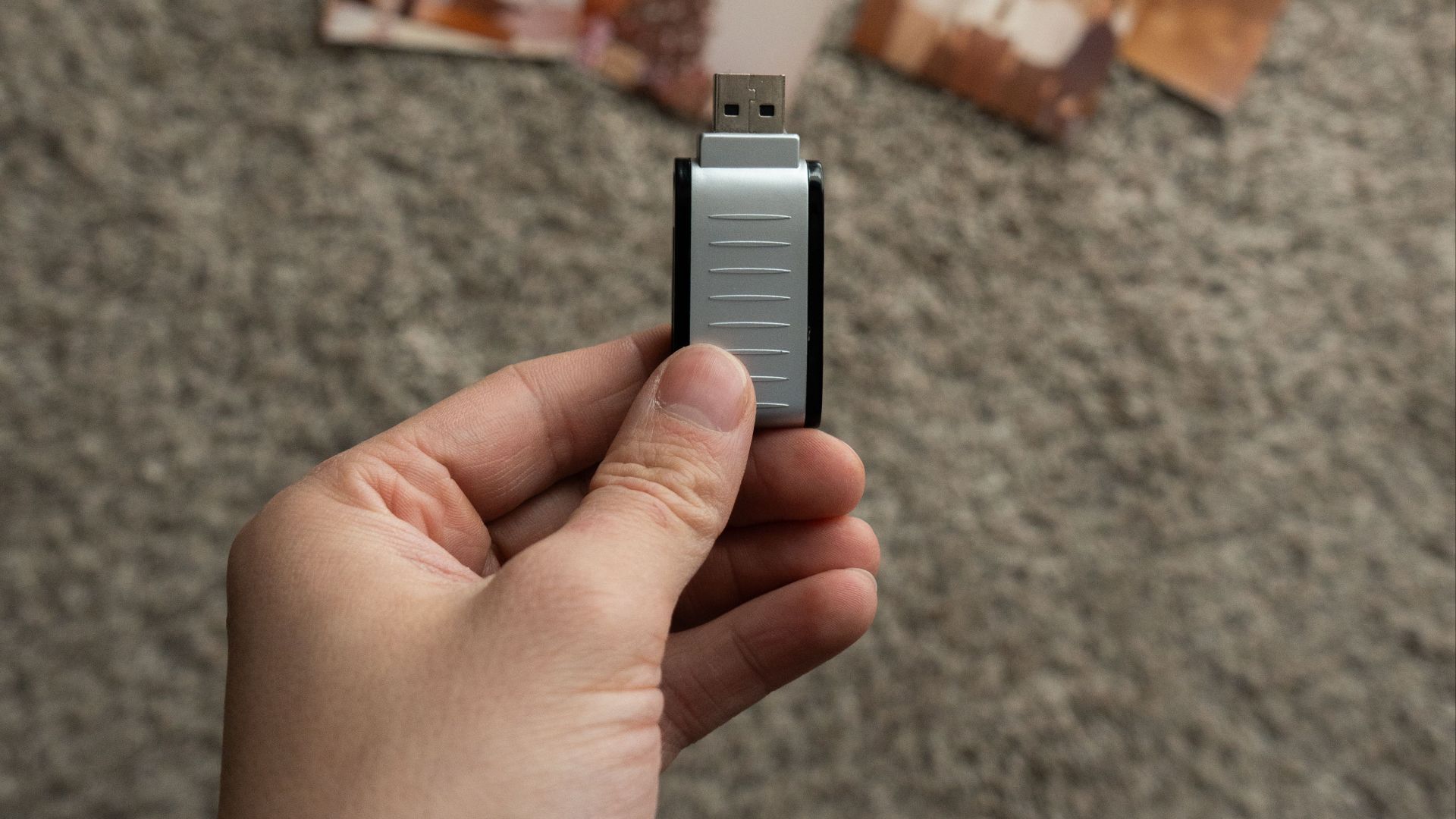
A gigabyte of hard drive space cost somewhere near $300,000 in 1981. The same gigabyte now goes for about a penny and a half, and cloud services hand out fifteen of them just for signing up. Storage only enters your thoughts on the day you run out.
5. Modems
A 300-baud modem cost around $300 in the early 1980s, and getting online meant paying hourly connection fees on top of the hardware. CompuServe charged by the minute during business hours, which taught a generation to read fast. Broadband router included, the whole function now arrives free with an internet plan nobody itemizes.

6. Video Calling
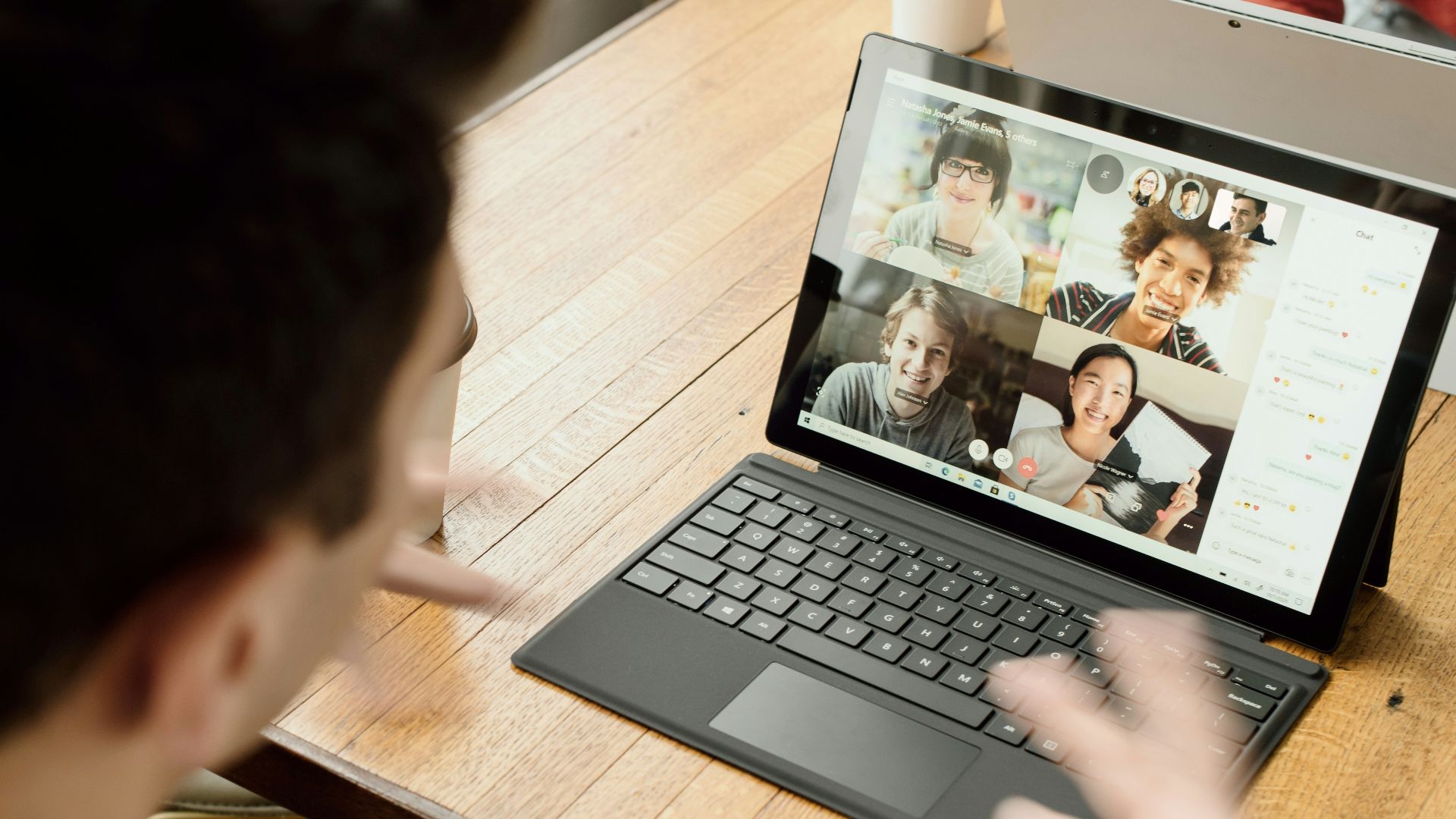
AT&T showed off the Picturephone at the 1964 World's Fair and then charged about $160 a month for a service almost nobody wanted. The idea failed twice, in two separate decades, before the hardware finally caught up to it. Your grandmother now uses it to watch a toddler refuse lunch.
 LinkedIn Sales Solutions on Unsplash
7. Music Libraries
A thousand CDs at $15 each meant $15,000 and a wall dedicated to holding them. Every one of those albums now comes inside a subscription that costs less per month than a single disc did. Owning the physical version turned into a hobby instead of the only option.

8. Cameras
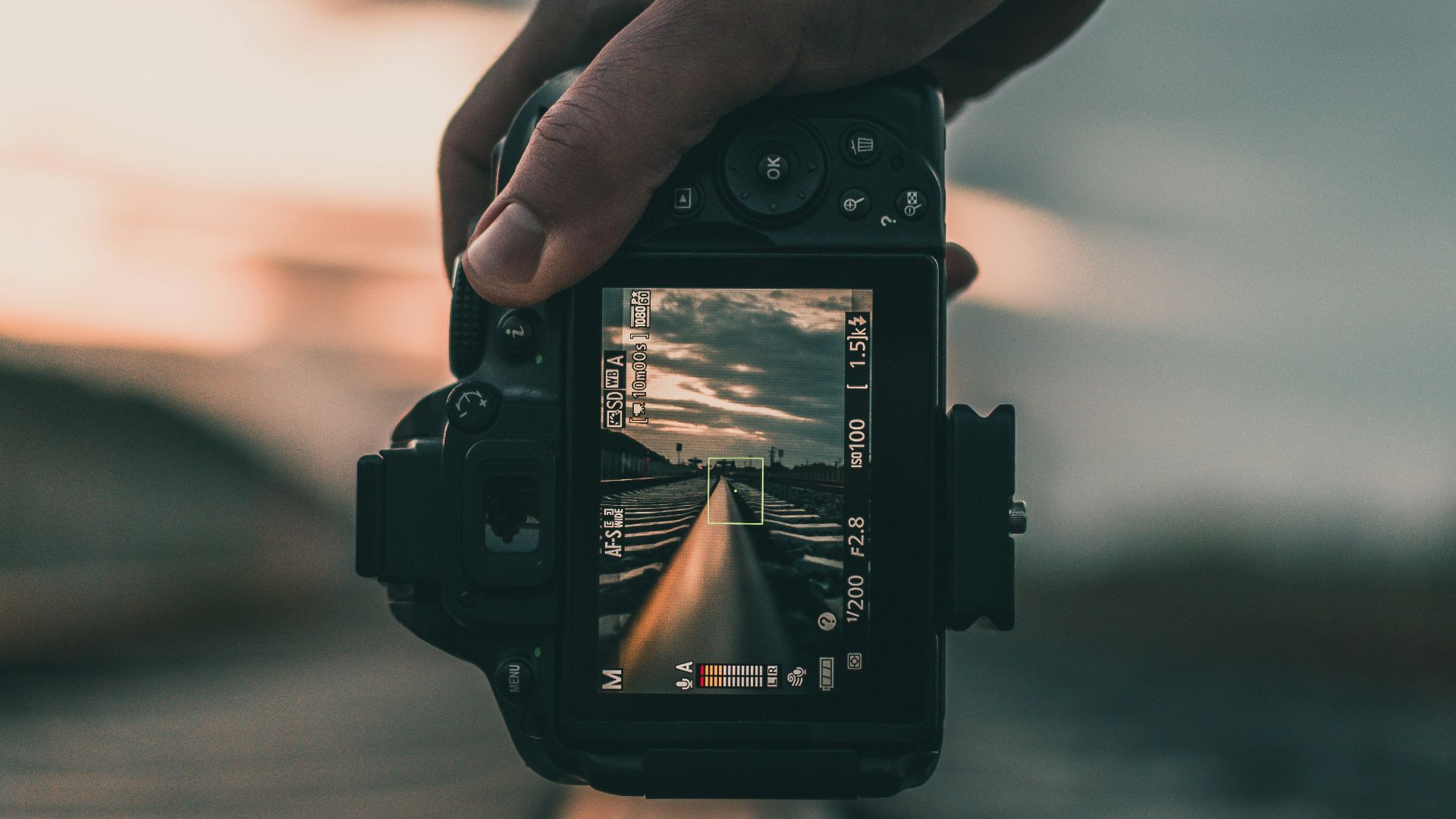
Every press of the shutter used to cost money, between the film and the developing, so people took maybe two shots of anything. A decent 35mm SLR body and a lens ran several hundred dollars on top of that. Your phone will take 4,000 photos this year for free.
9. Word Processors
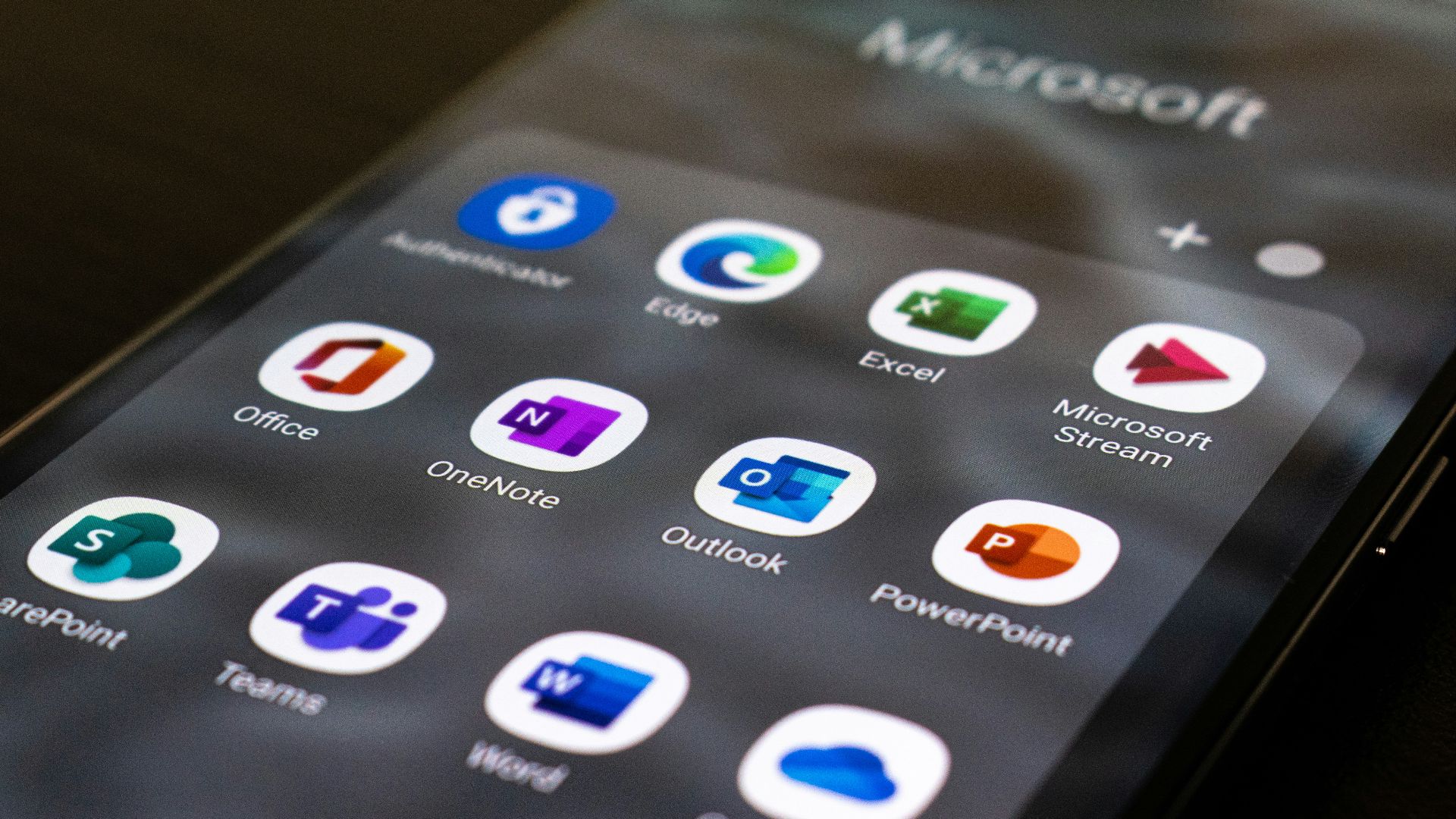
A Wang system could run a small office $30,000 in 1976, and businesses bought them because retyping a page after every correction was worse. The same function now lives in a browser tab at no charge. Google Docs finished off whatever was left of the category.
10. Answering Machines
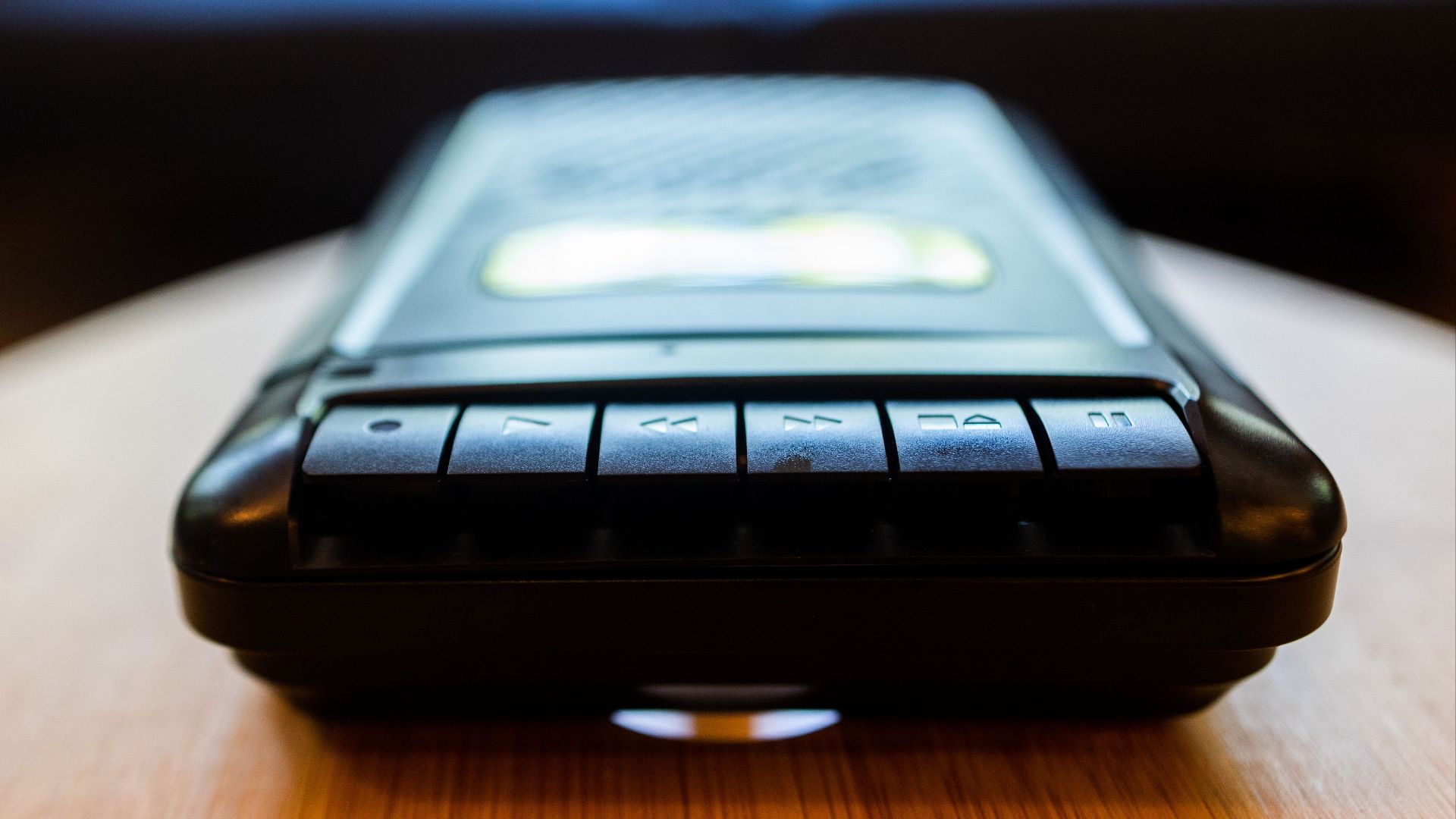
They cost $150 and up in the 1980s, ran on tiny cassettes, and required you to walk in the door before you could hear anything. Voicemail showed up free with every phone plan and made the hardware pointless. The machines survive mostly as a device screenwriters use to deliver bad news.
11. Watches That Do Anything
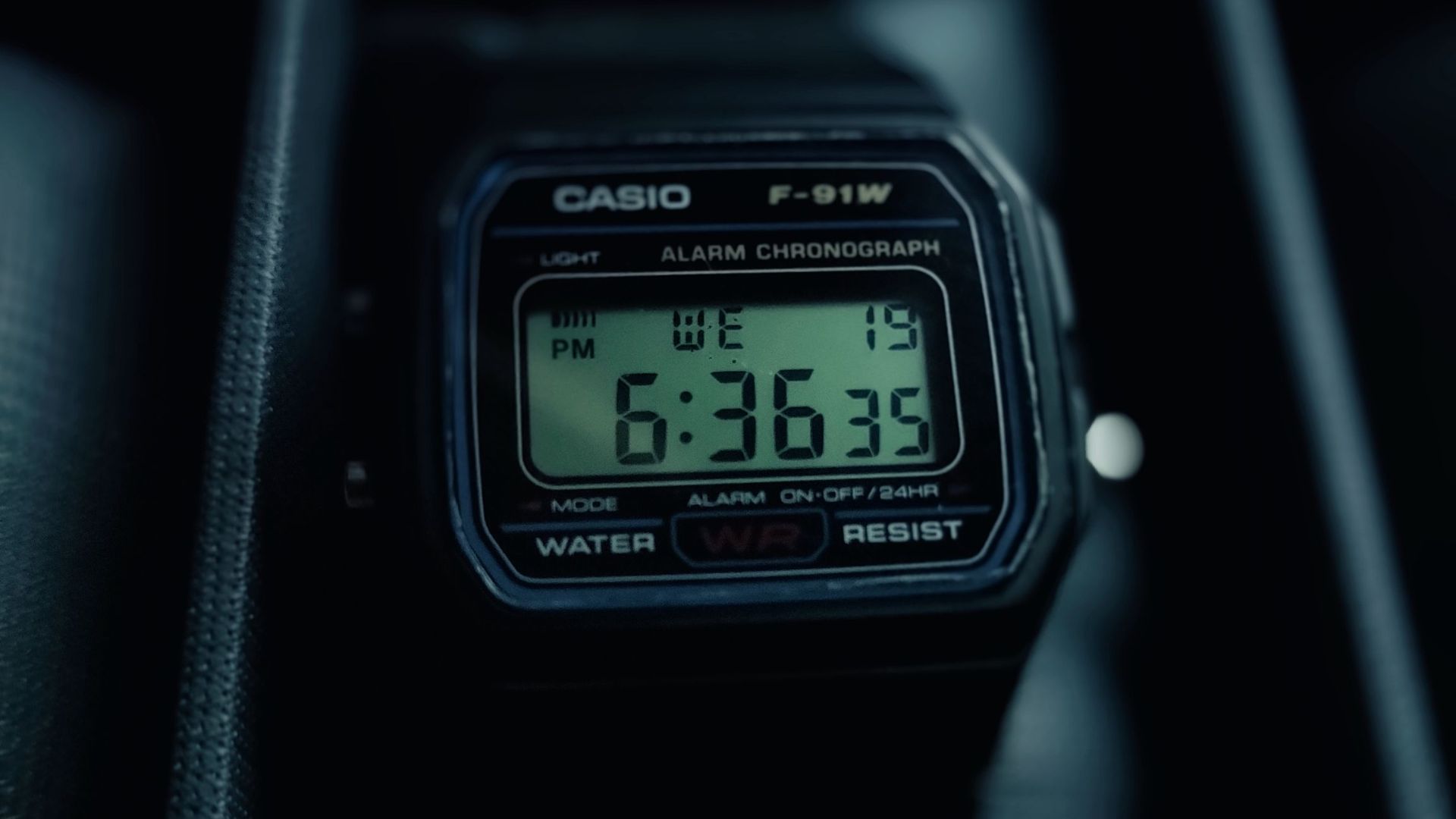
A Casio calculator watch went for around $60 in 1984, which was a fortune to a middle schooler and bought serious homeroom status. Everything it did is now the least interesting feature on a $30 fitness band. Telling time stopped being something you shop for.
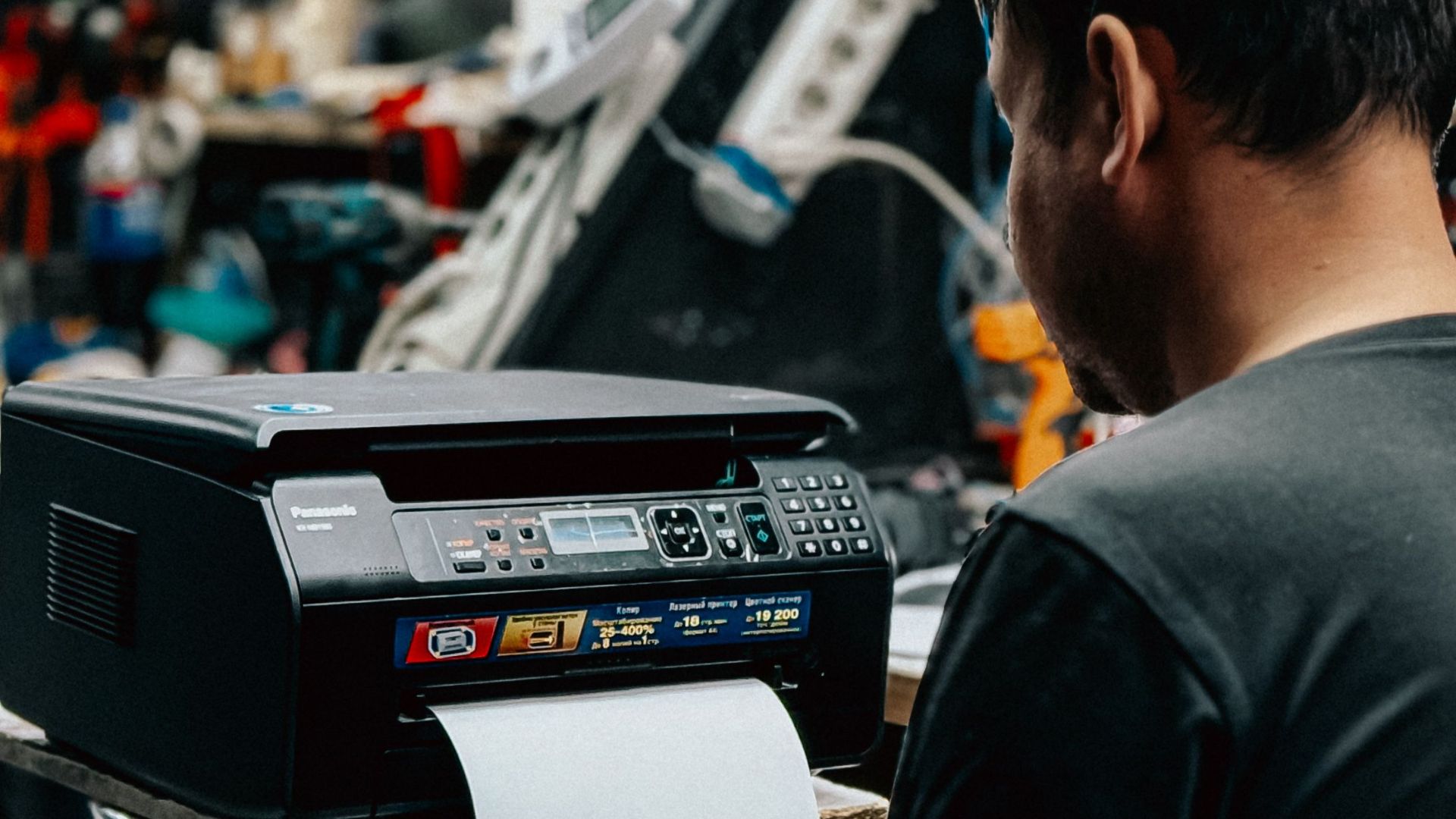
12. Fax Capability
Offices treated fax machines as infrastructure, and the price ran anywhere from $500 to several thousand, plus toner, paper, and a phone line of its own. Legal and medical practices built entire workflows around them. Any free scanning app on a phone now does it better.
13. Video Rentals
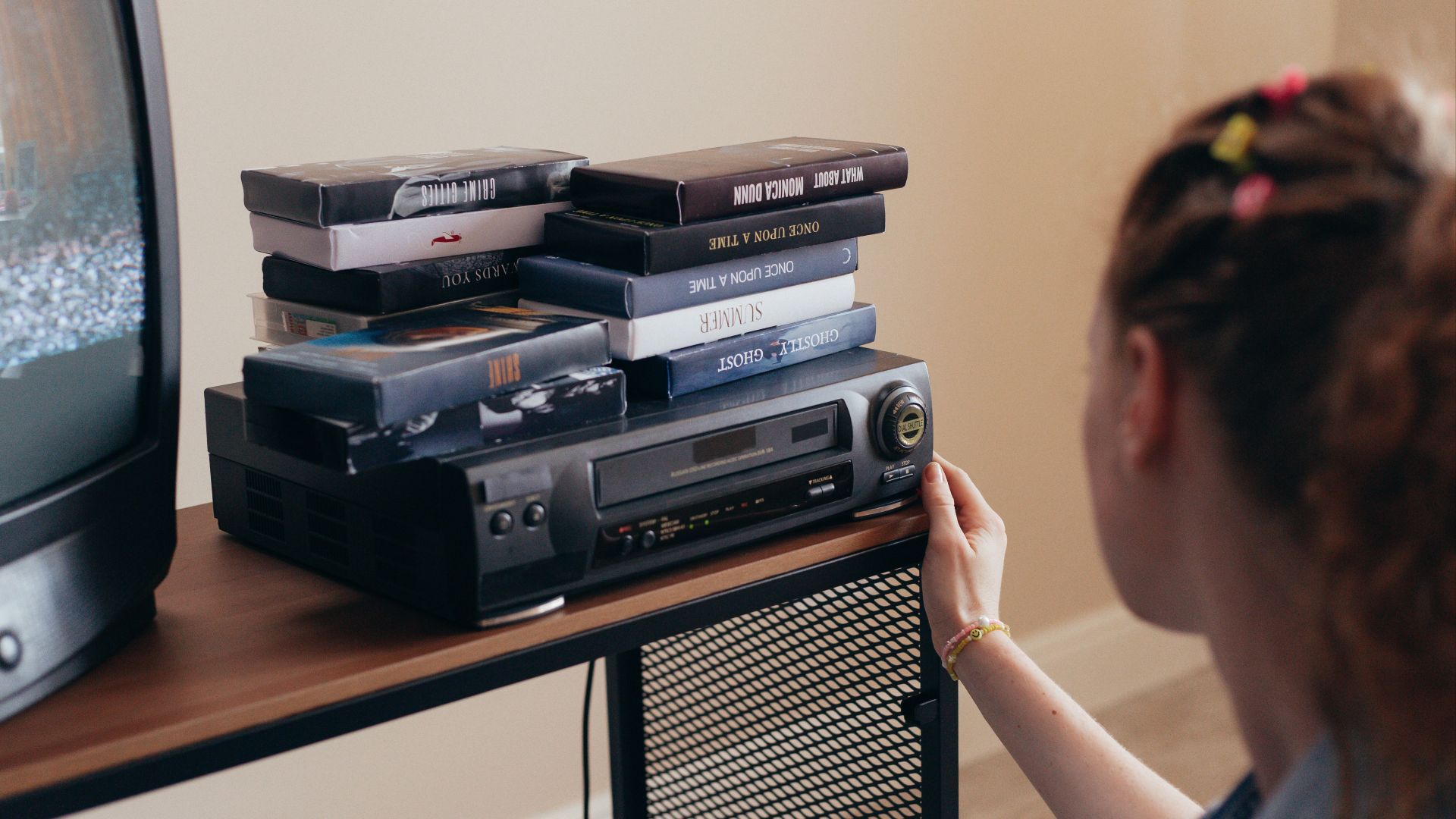
A single VHS tape cost a store $80 to $100 wholesale, which is exactly why renting was the only business model that worked. Late fees kept the lights on at chains with thousands of locations. Streaming a movie today amounts to a rounding error inside a subscription.
14. Printed Maps
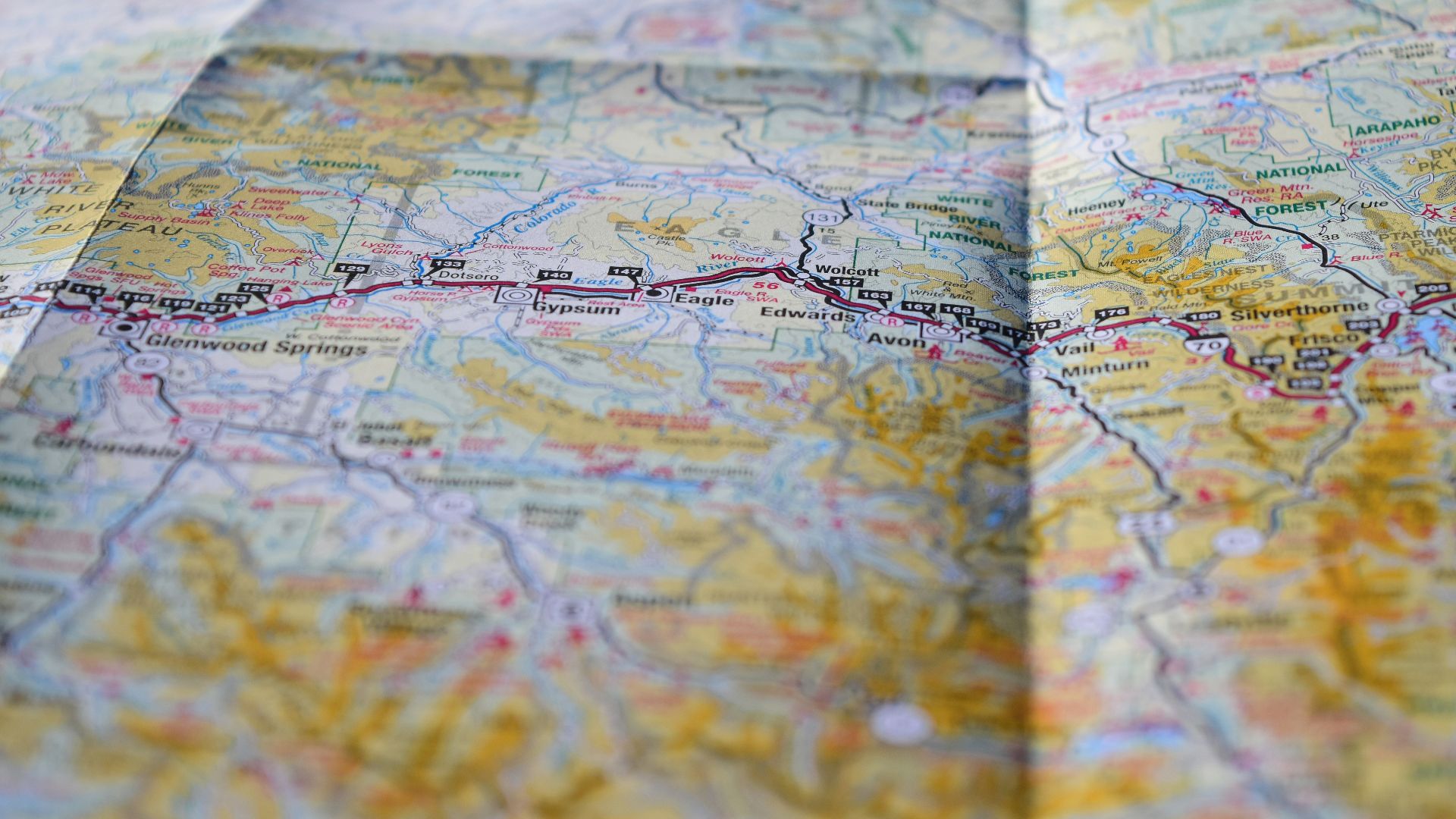
Gas stations at every exit sold folding state maps, and a Rand McNally atlas was standard equipment in the back seat. AAA members got custom routed TripTiks, which was a real perk at the time. Almost nobody under thirty has wrestled with one in a moving car.
15. Directory Assistance
Dialing 411 ran a dollar or two per lookup by the 2000s, and phone companies made serious money on the service. The Yellow Pages landed on your porch once a year, paid for entirely by the ads inside. Both of those revenue streams dried up in about a decade.

16. Text Messaging
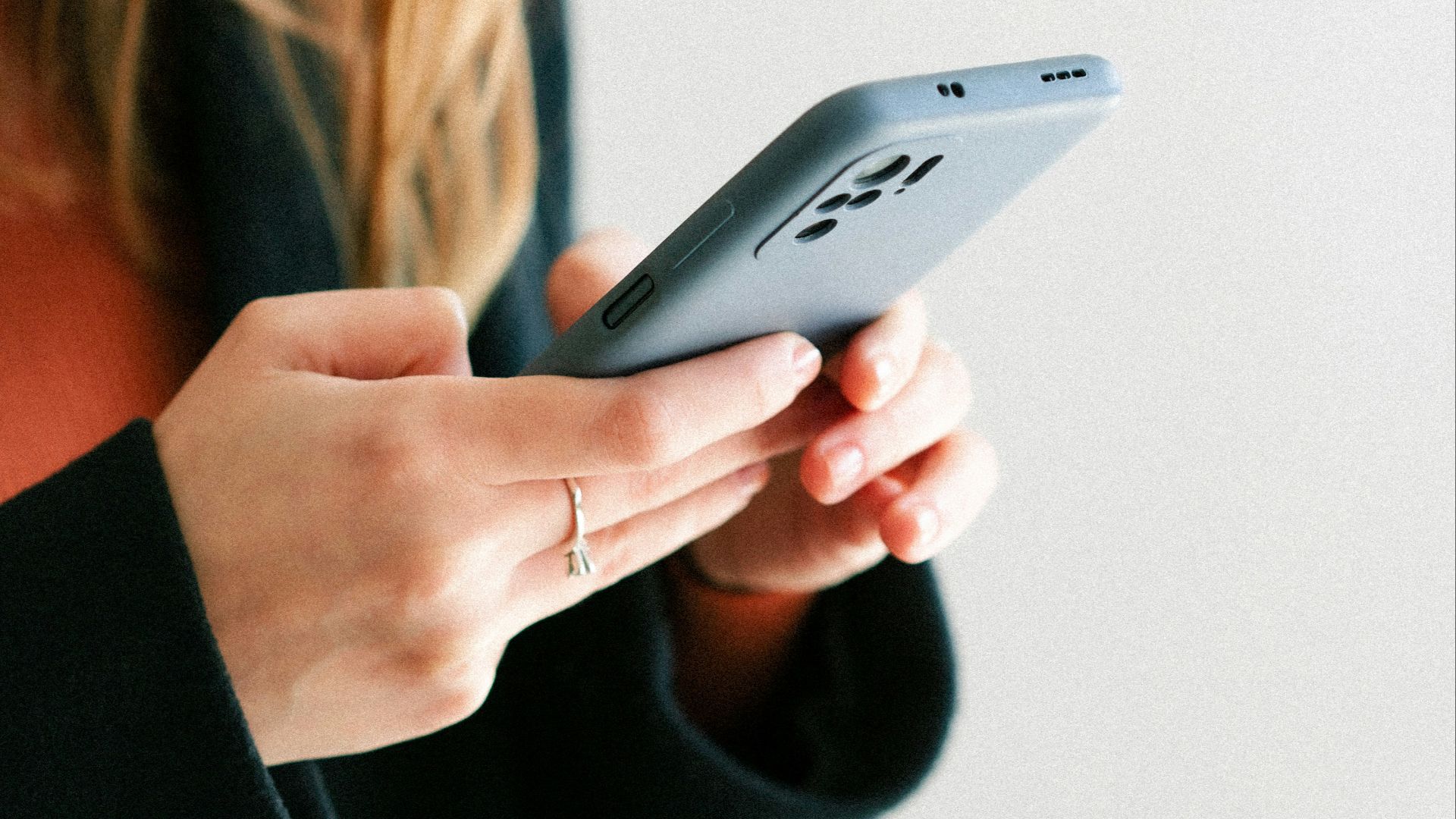
Ten to twenty cents a message pushed teenagers to invent an entire abbreviation system to keep costs down. A busy month could add fifty dollars to the family bill and start an argument. Data plans swallowed the whole thing and the per-message charge disappeared without ceremony.
 Ruan Richard Rodrigues on Unsplash
17. Photo Editing Software
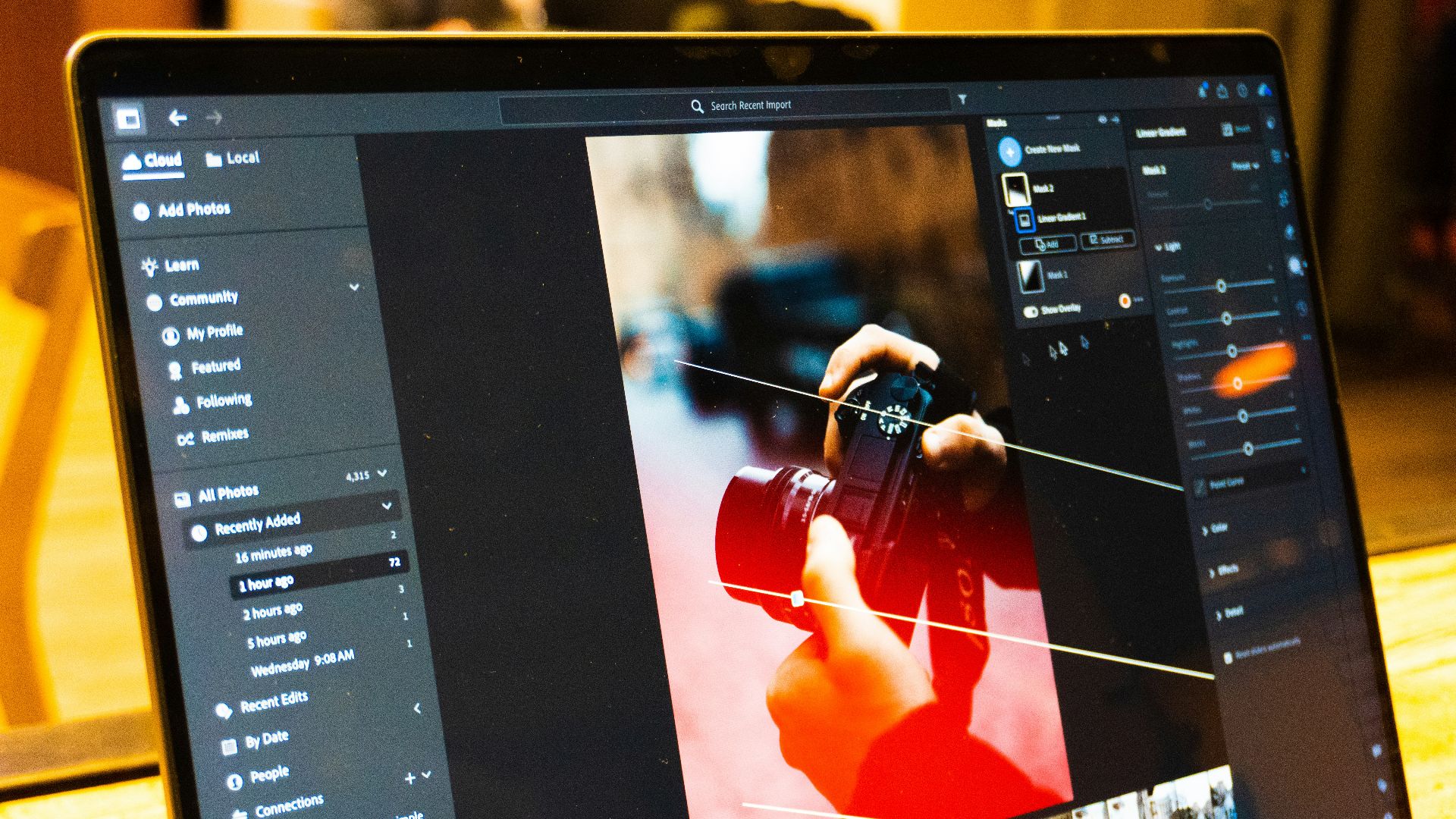
Photoshop launched in 1990 at $895, and the professional tiers went up from there. Serious retouching stayed behind that price wall for the better part of twenty years. Free phone apps now cover most of what people wanted the software for anyway.
18. Portable Music Players
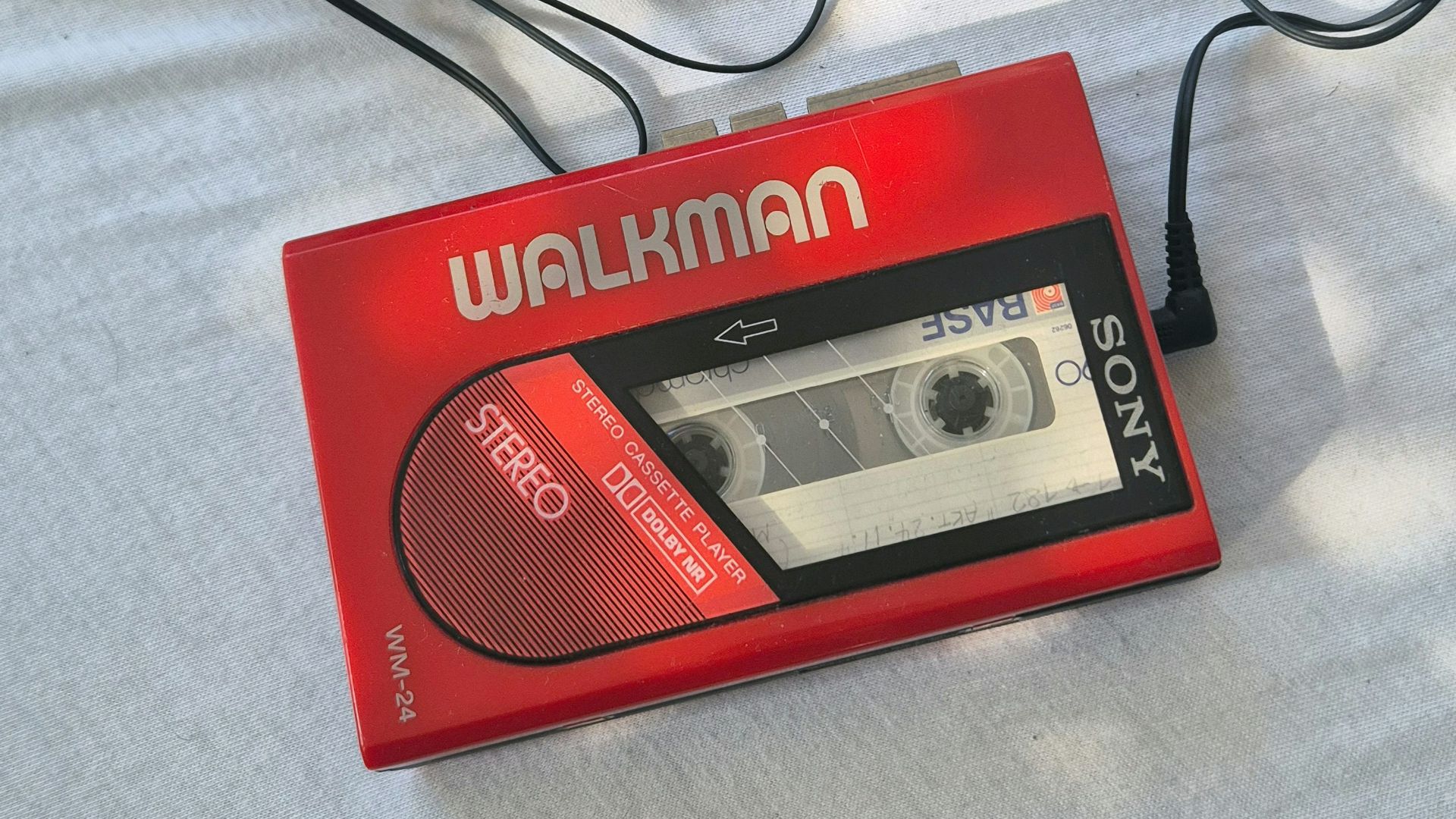
Sony's first Walkman cost $150 in 1979, and the original iPod asked $399 in 2001. Both prices struck buyers as fair for the ability to carry music out the door. That function is now a background feature of a device you bought for entirely different reasons.
19. Overnight and International Mail
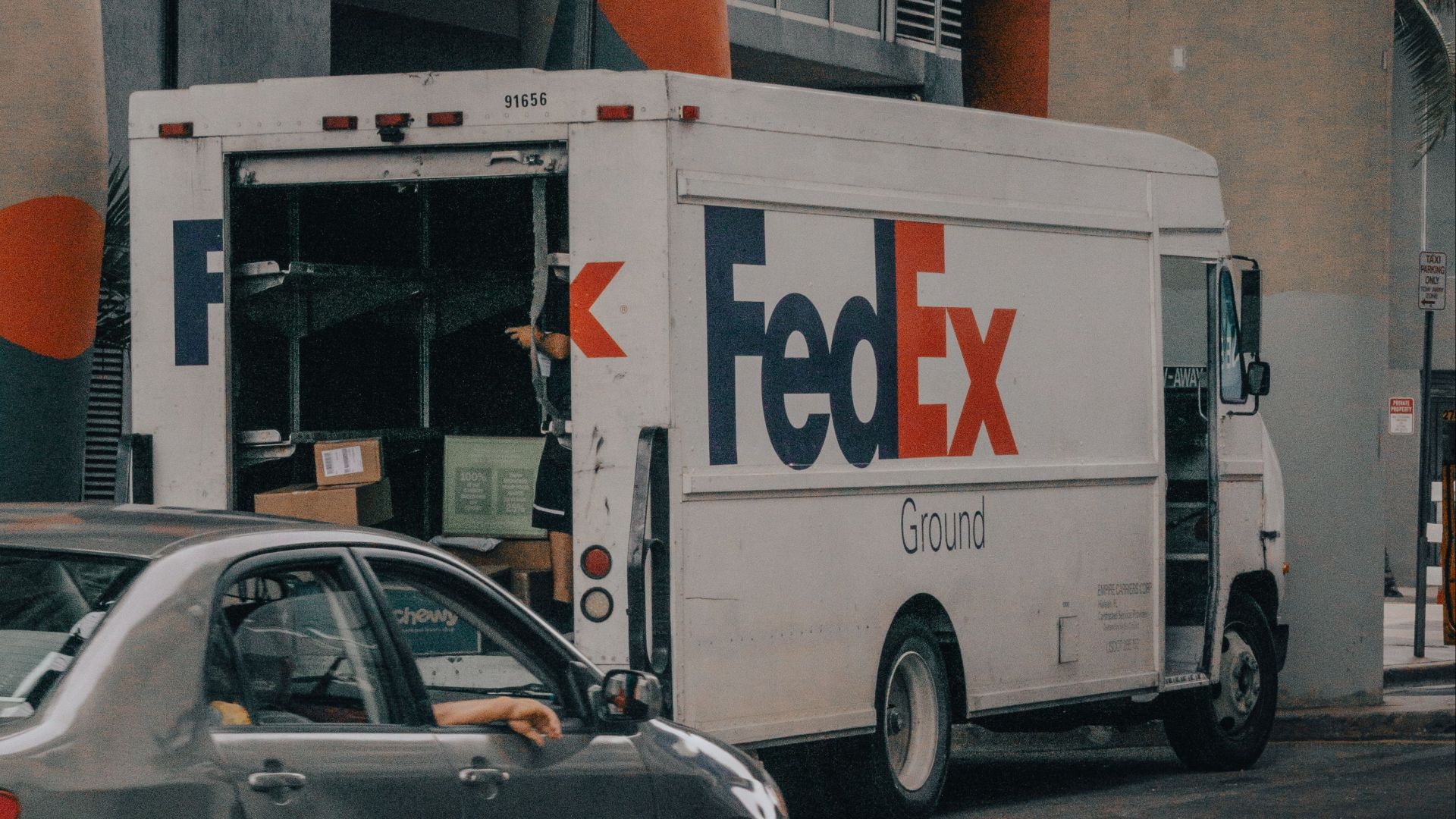
Sending a FedEx letter overnight cost about $25, and international airmail meant a week of waiting and a real stamp budget. Contracts moved this way because there was no alternative. Email took the letter, and e-signature services took whatever was left.
20. Video Editing
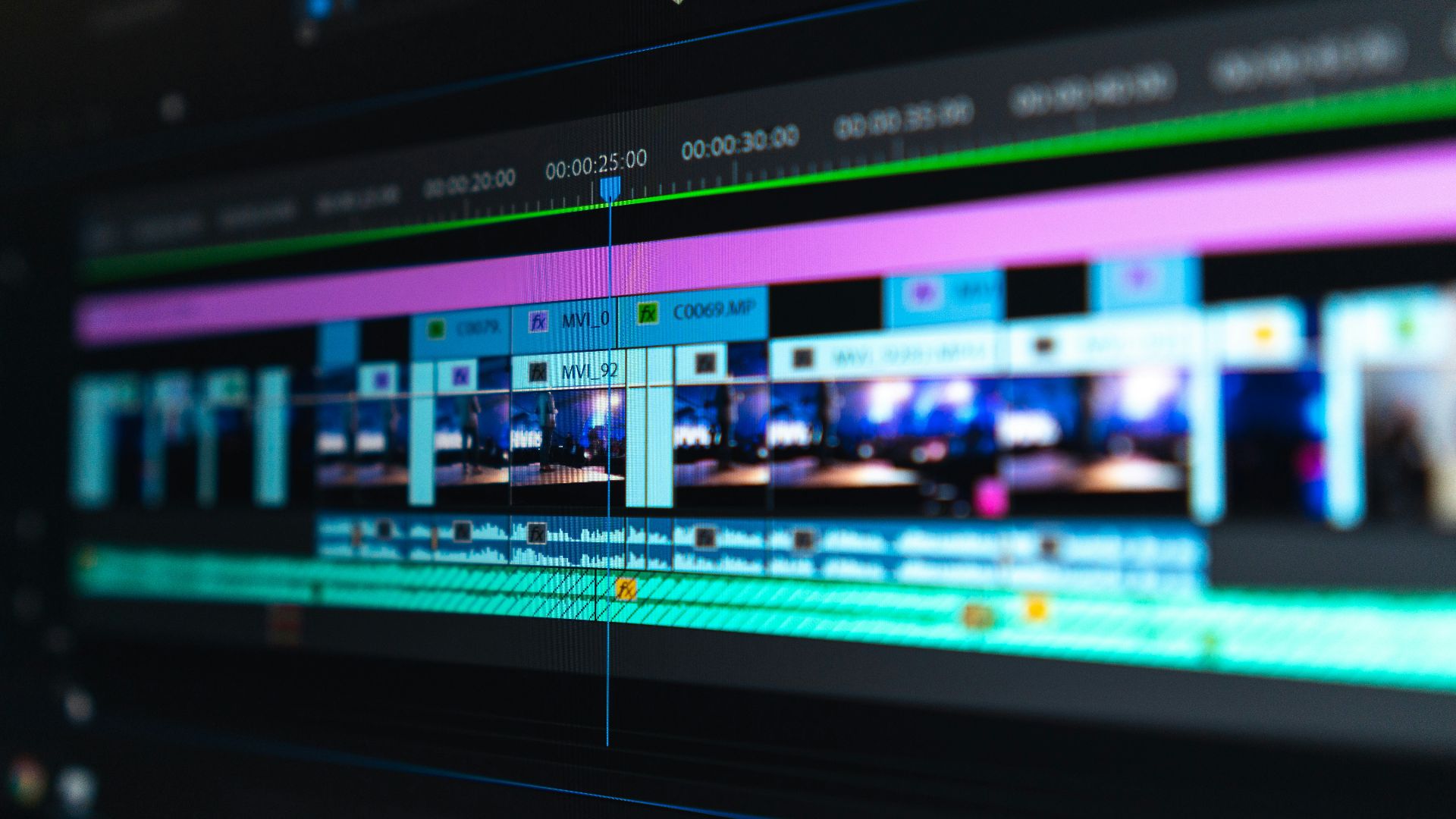
Avid systems in the early 1990s ran into six figures and required training before anyone could touch one. Production companies rented suites by the hour, and the hourly rate stung. Blackmagic now gives away a professional version of DaVinci Resolve, and teenagers cut short films on laptops.