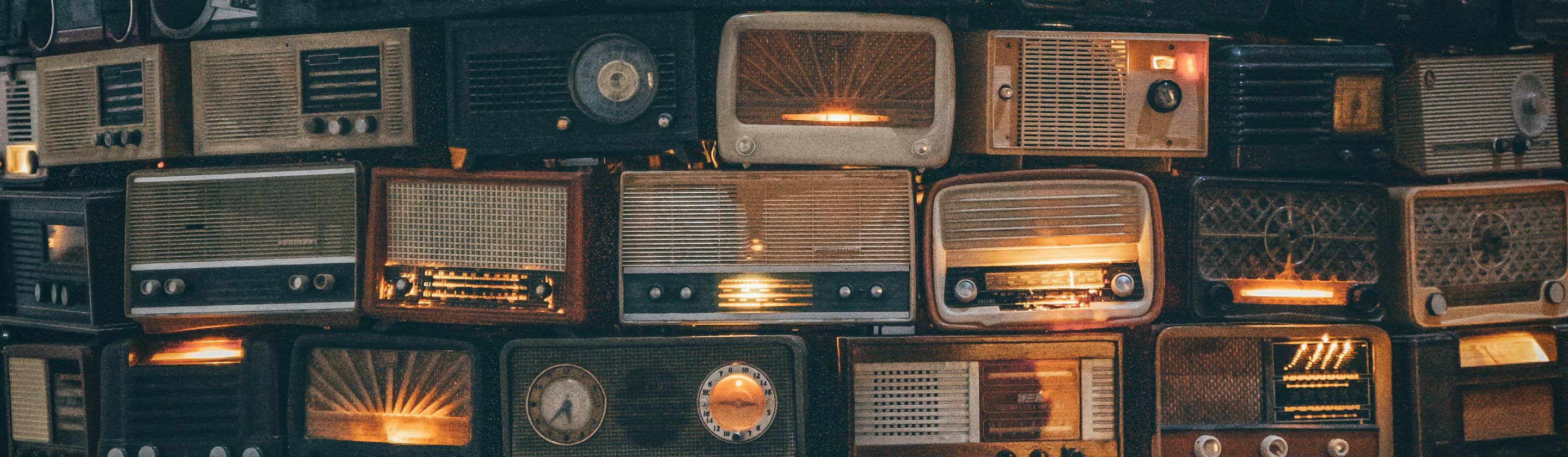
The Chunkier Stuff Keeps Winning
Gen Z grew up with touchscreens, streaming, cloud saves, and phones that can do almost everything at once. That makes older tech feel weirdly refreshing now, especially the devices that only did one job and made you commit to it. For seniors and older generations, these gadgets weren’t collectibles or aesthetic desk pieces. They were just how you listened to music, took photos, played games, saved files, and kept in touch. These 20 pieces of tech were everyday staples first, and now they’ve circled back as vintage gold.
1. Sony Walkman
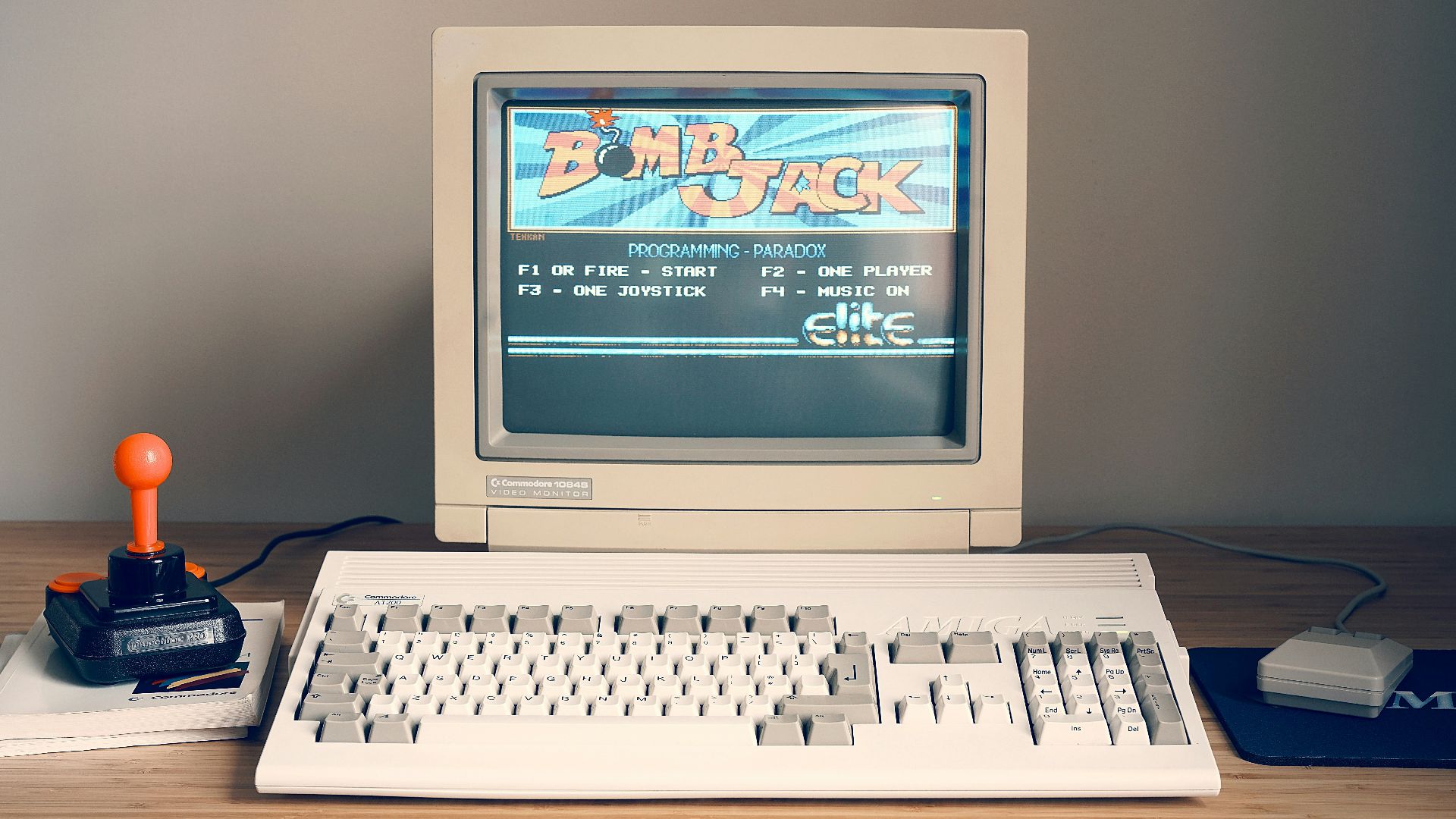
The Walkman made portable music actually feel portable after its 1979 debut. Older listeners used it for walks, commutes, and long trips, while younger collectors now love the button clicks, foam headphones, and little bit of analog hiss that comes with every tape.
2. Compact Cassette Tapes
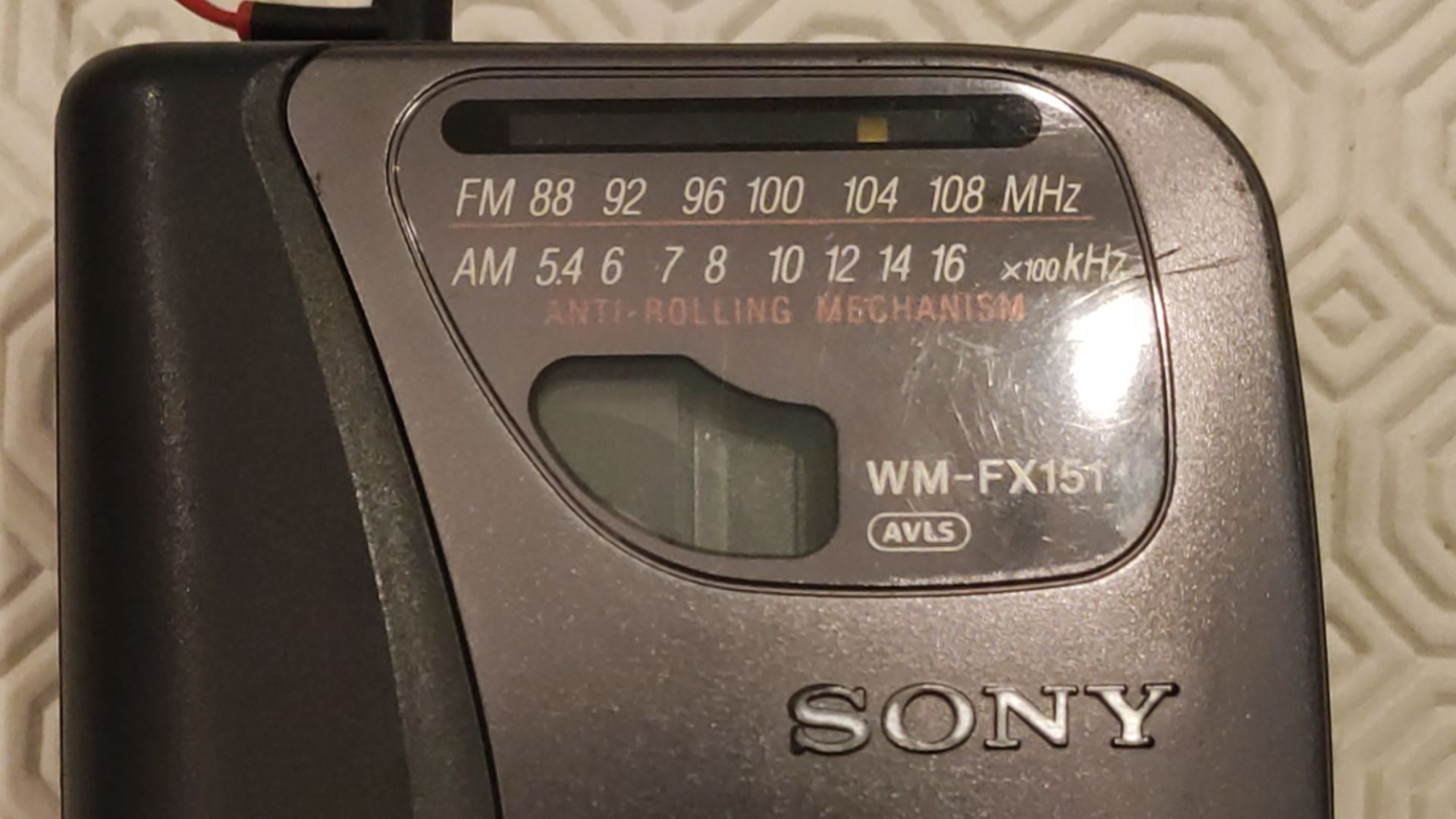
Compact cassettes go back to the early 1960s, and they became one of the easiest ways to record, copy, and share audio. They still feel personal in a way streaming can’t quite match, especially when you’ve handcrafted your favorite mix.
3. Portable CD Players
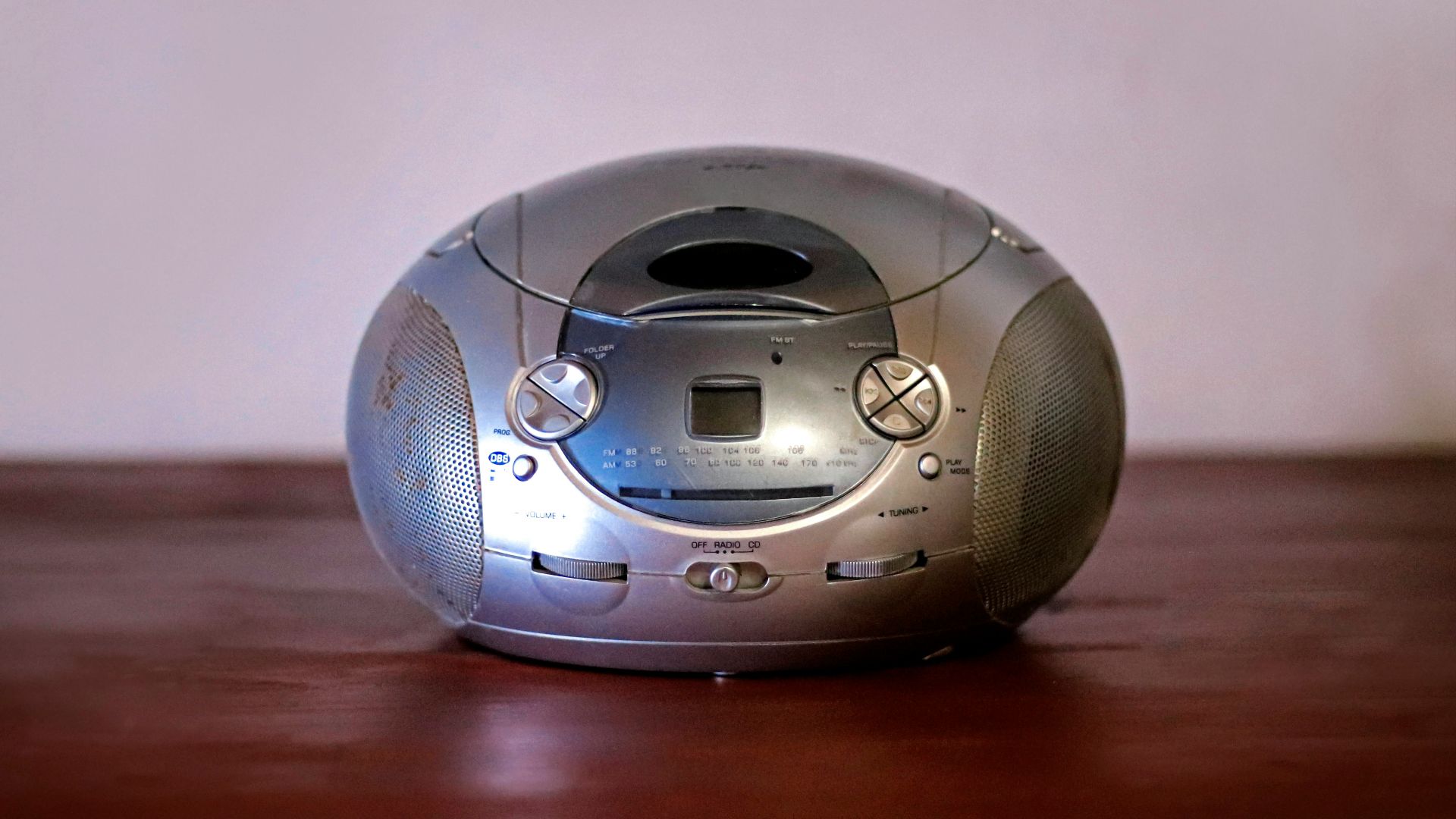
Portable CD players brought digital audio into backpacks, cars, and bedrooms, though skipping was always waiting to humble you at the worst possible time. Older users remember carrying CD wallets everywhere, while younger listeners now like the slower habit of choosing one album and actually sticking with it.
4. Early iPods
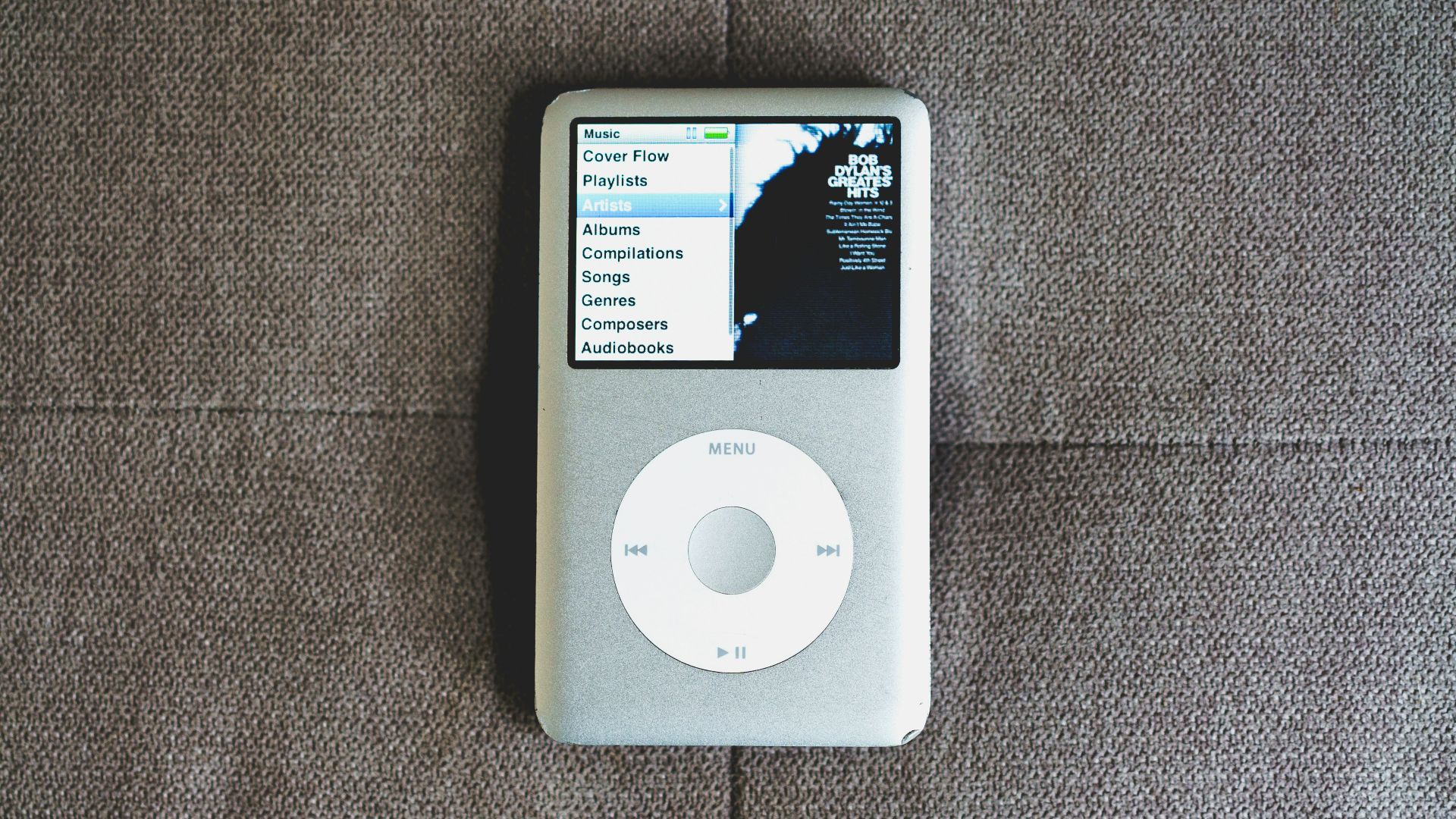
The first iPod arrived in 2001 with the promise of carrying a huge music library in your pocket, which felt pretty wild at the time. Early iPods now have a different kind of appeal than the first touchscreen ones, as their sole purpose was to play music.
5. VHS Tapes And VCRs
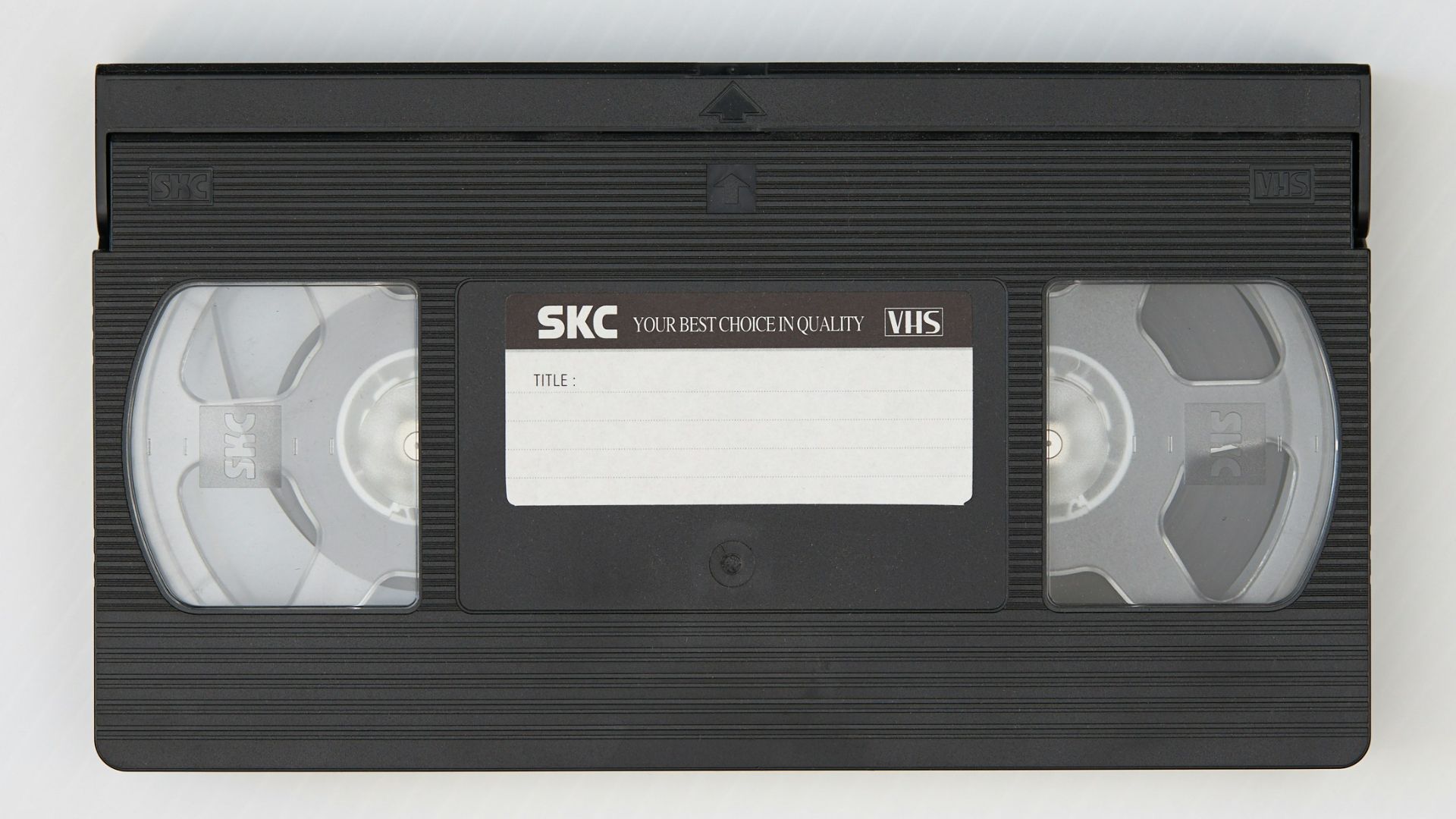
VHS made movie rentals, home recording, and taped TV specials part of normal household life. The tapes were bulky, the picture was soft, and rewinding was just part of the bargain, which is exactly why the format now feels so right for retro horror, old game footage, and cozy nostalgia.
6. CRT TVs And Monitors
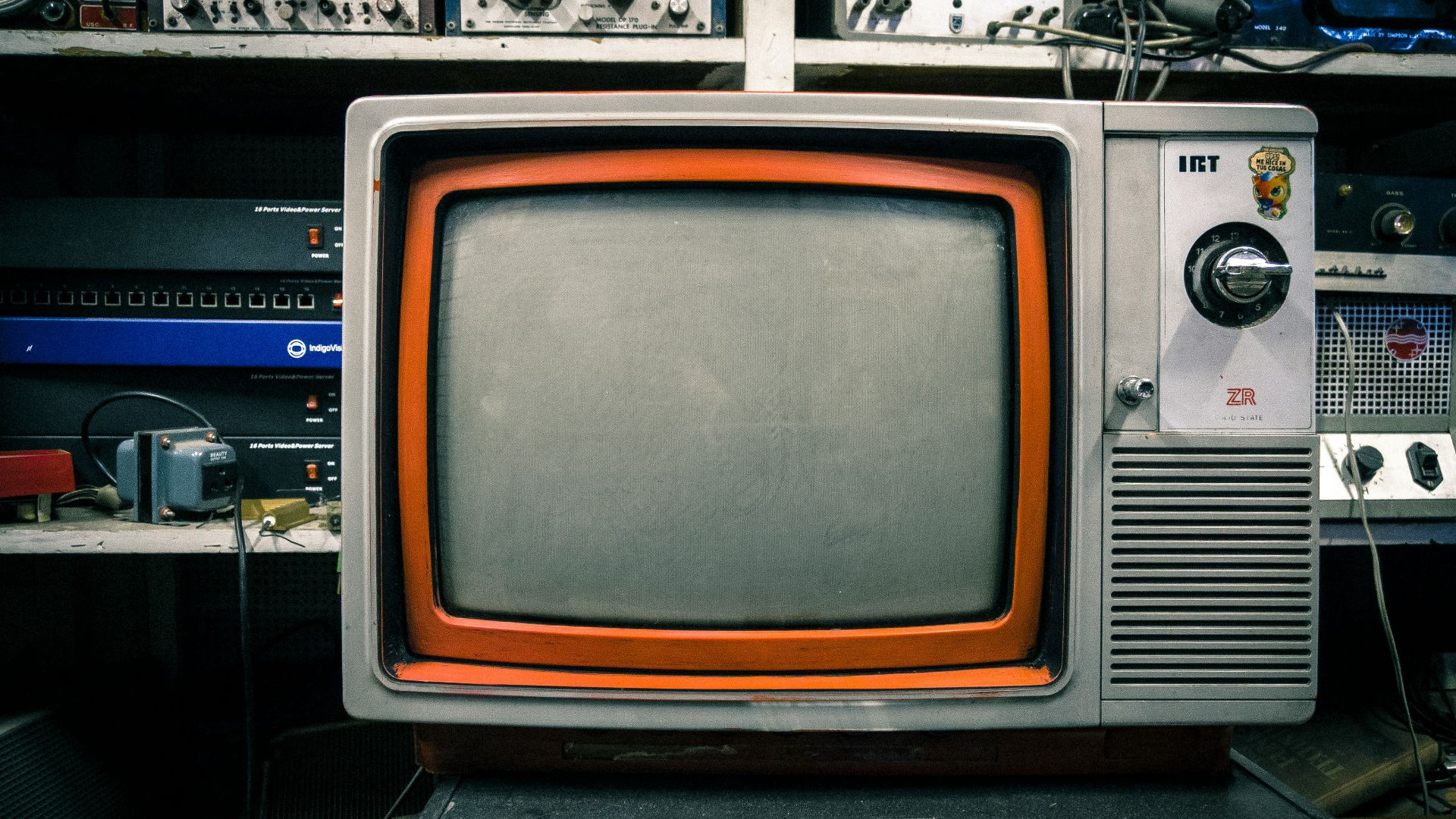
CRT screens were heavy, deep, and warm in a way modern flat screens will never be. Retro gamers still love them because older consoles and pixel-art games were made with that glow, scanline softness, and smooth motion in mind.
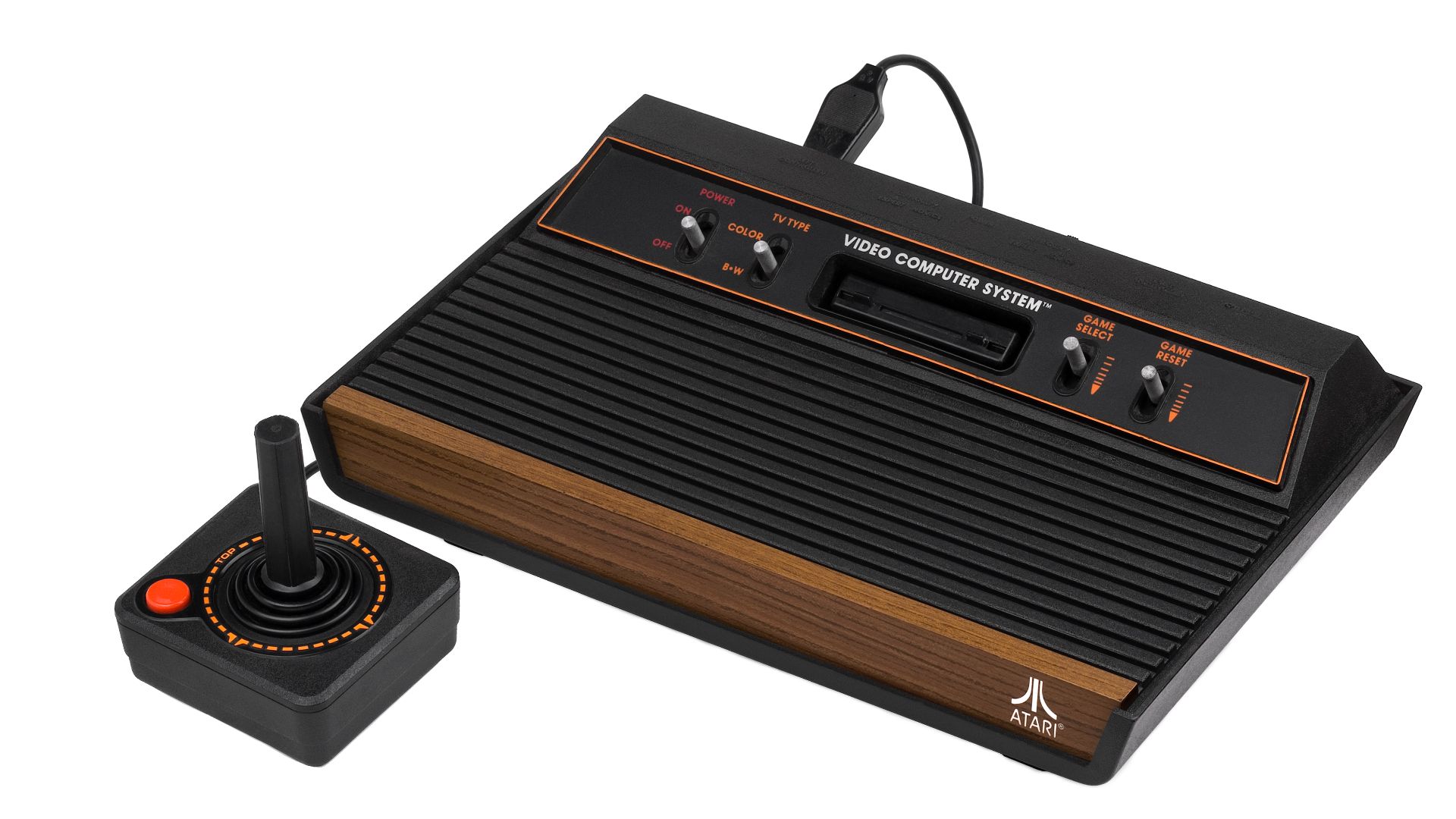
7. Atari 2600
The Atari 2600 helped bring cartridge-based gaming into living rooms after its 1977 release. Its woodgrain styling, simple joystick, and blocky graphics now feel like playable history, especially for gamers who want to see how much charm early home consoles could squeeze out of so little.
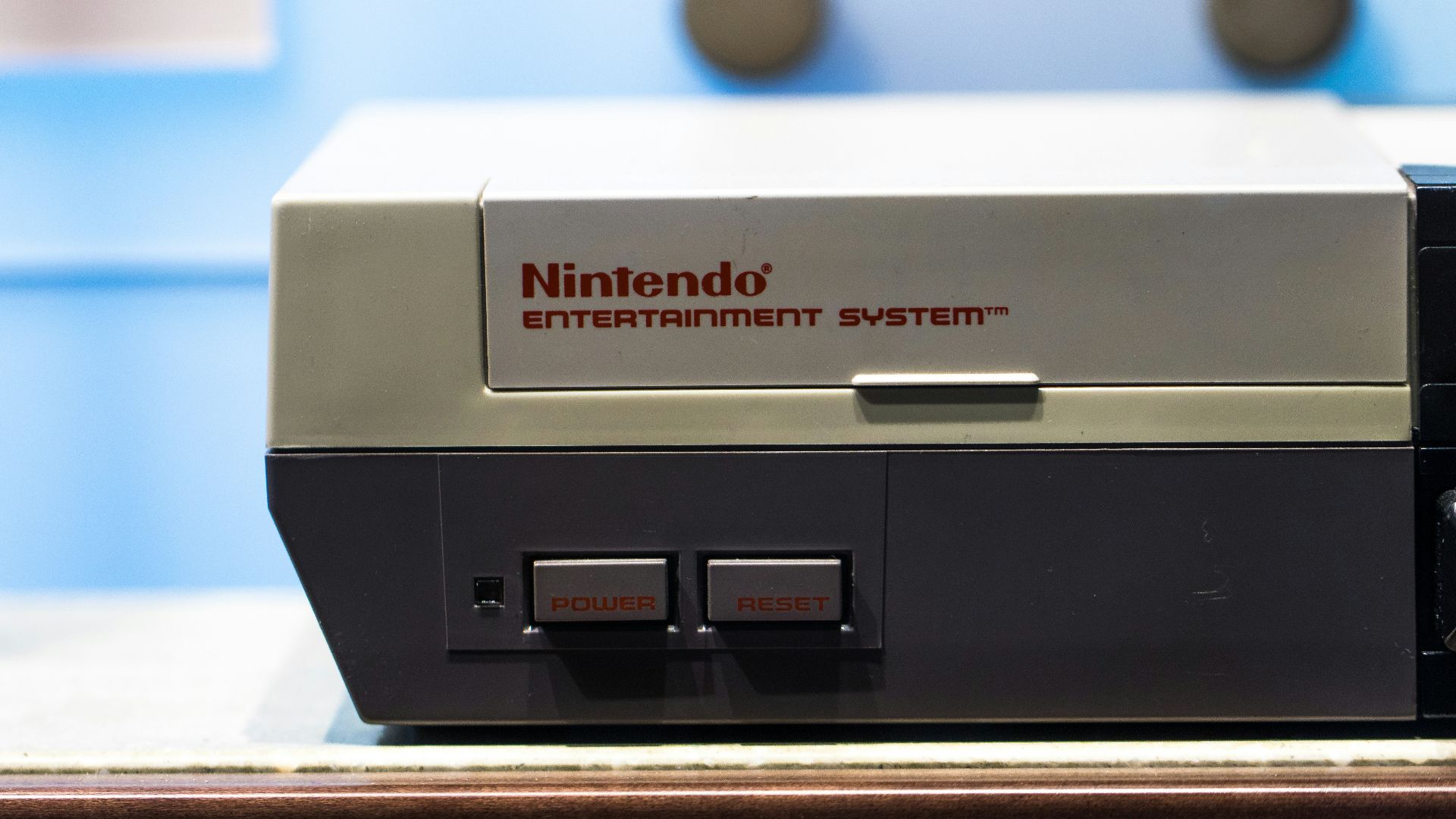
8. Nintendo Entertainment System
The NES launched in the United States in 1985 and helped make home console gaming feel exciting again. Its gray cartridges, boxy controller, and instantly recognizable games still carry weight because so much of modern gaming culture traces back to this little machine.
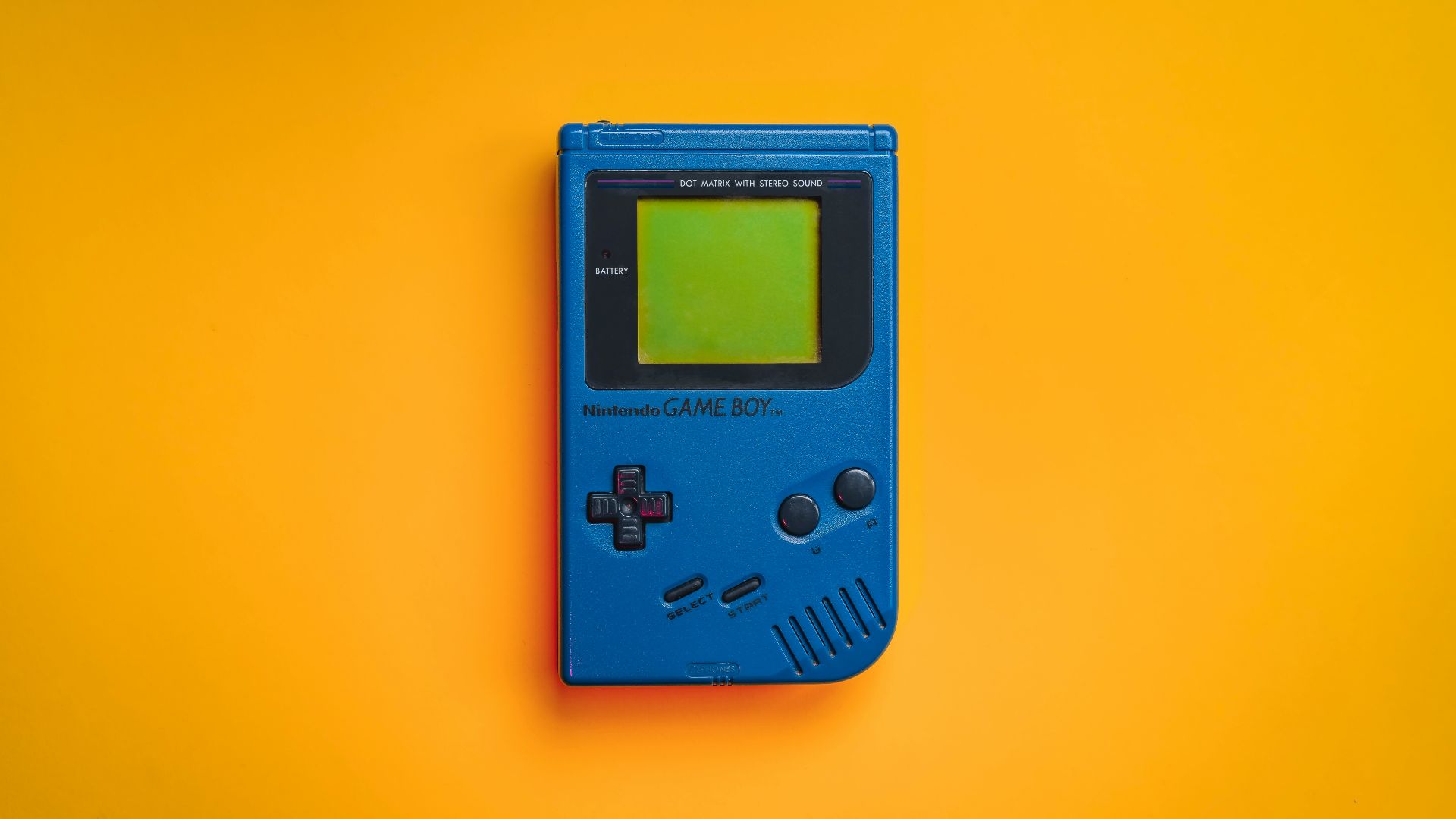
9. Nintendo Game Boy
The Game Boy arrived in 1989 with a monochrome screen, a cartridge slot, and a design that could survive plenty of backpack chaos. It wasn’t flashy, but it was sturdy and focused, which makes it even more appealing today.
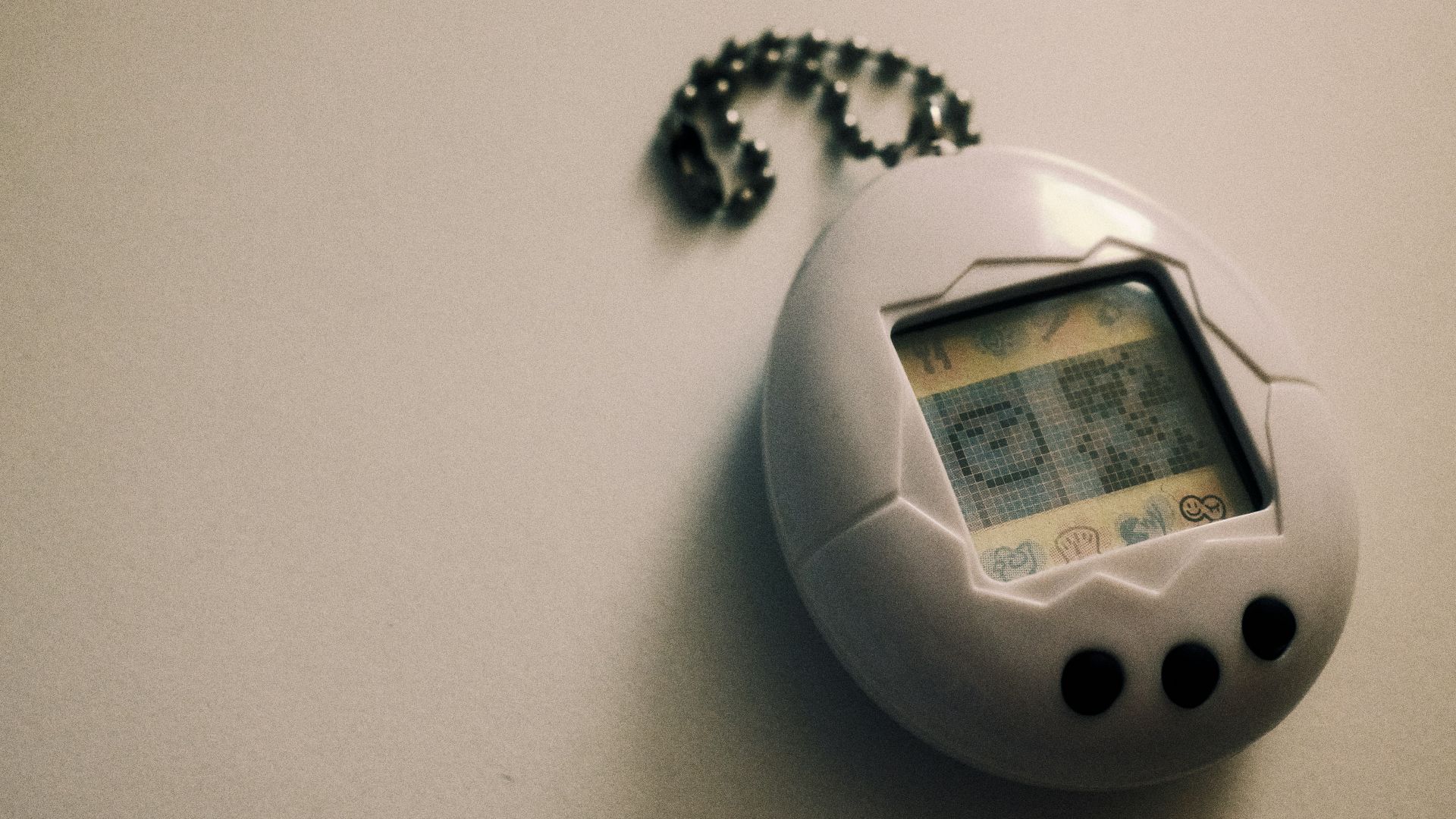
10. Tamagotchi
Tamagotchi launched in 1996 and turned a few pixels into a digital pet that needed constant attention. Older users remember trying to keep one alive through school, errands, and dinner, while Gen Z can see it as a cute preview of the notification-heavy gadgets that came later.
11. Polaroid Instant Cameras
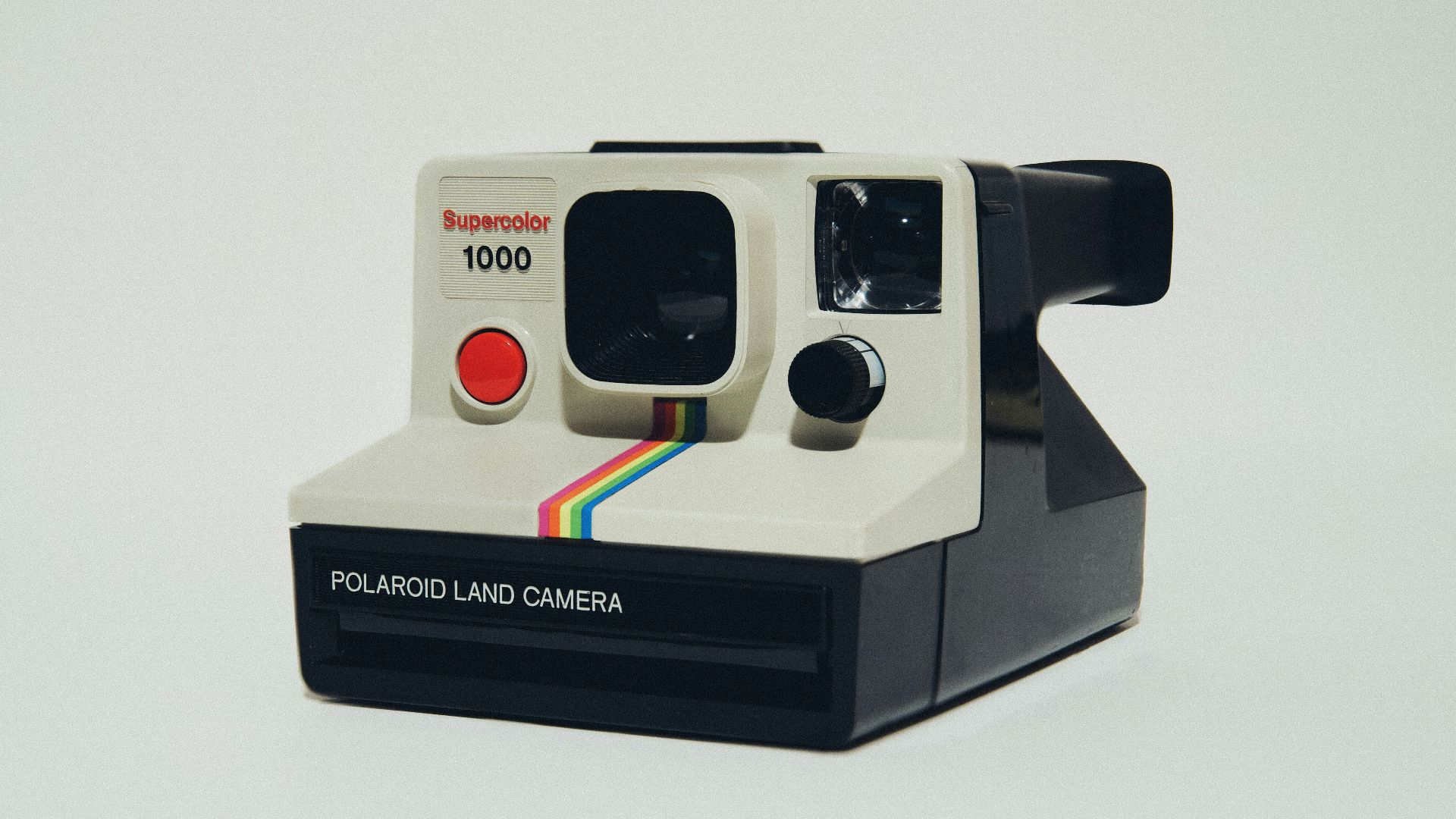
Instant cameras made photos feel physical right away, with a print landing in your hand instead of disappearing into a camera roll. That limit is part of the fun now, as one shot feels much more meaningful than 40 very, very similar photos.
12. 35mm Point-And-Shoot Cameras
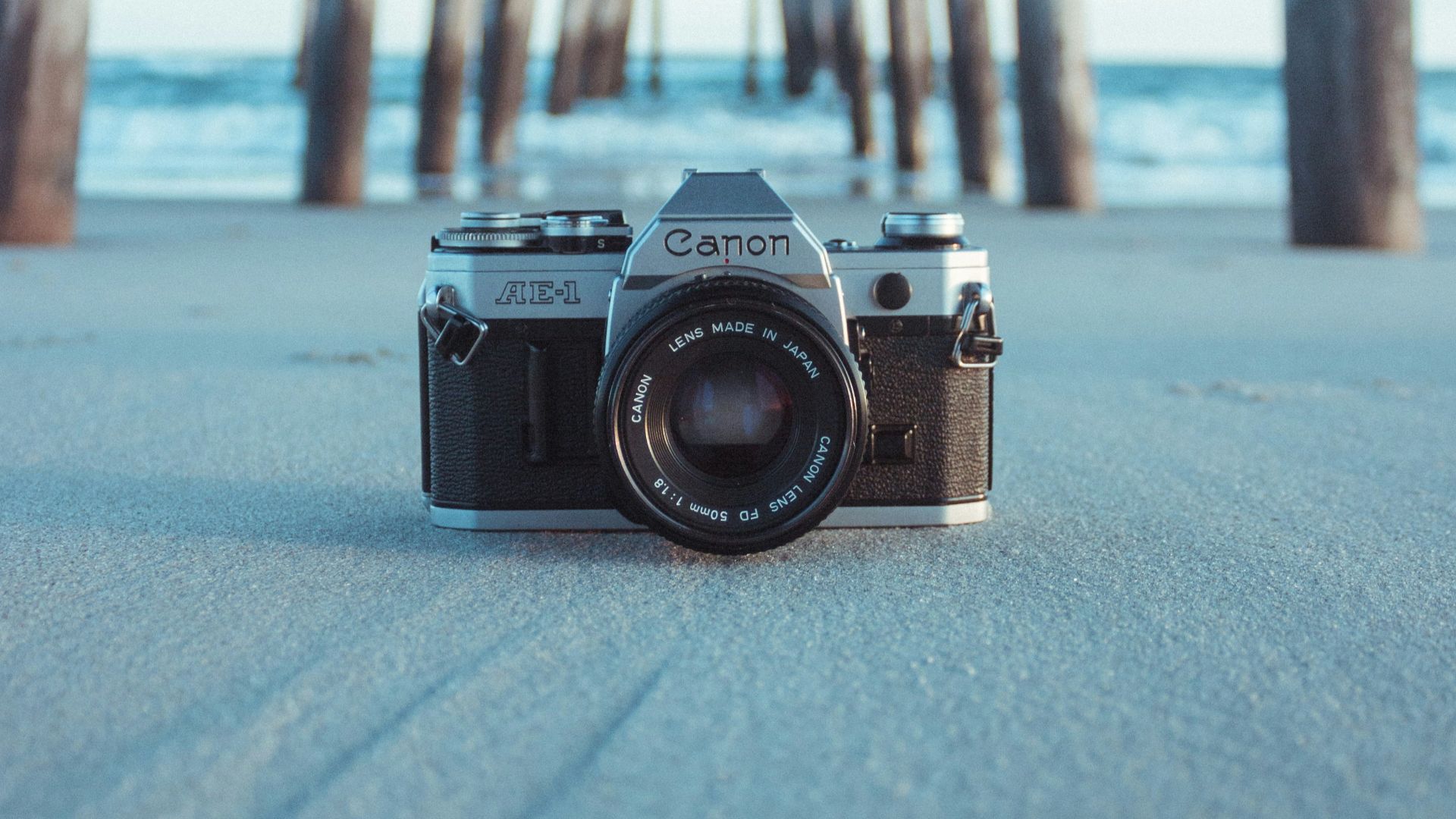
Point-and-shoot film cameras made casual photography easy before digital screens took away the surprise. Younger fans now love the flash, soft colors, and delayed reveal because the pictures feel less polished.
13. Disposable Cameras
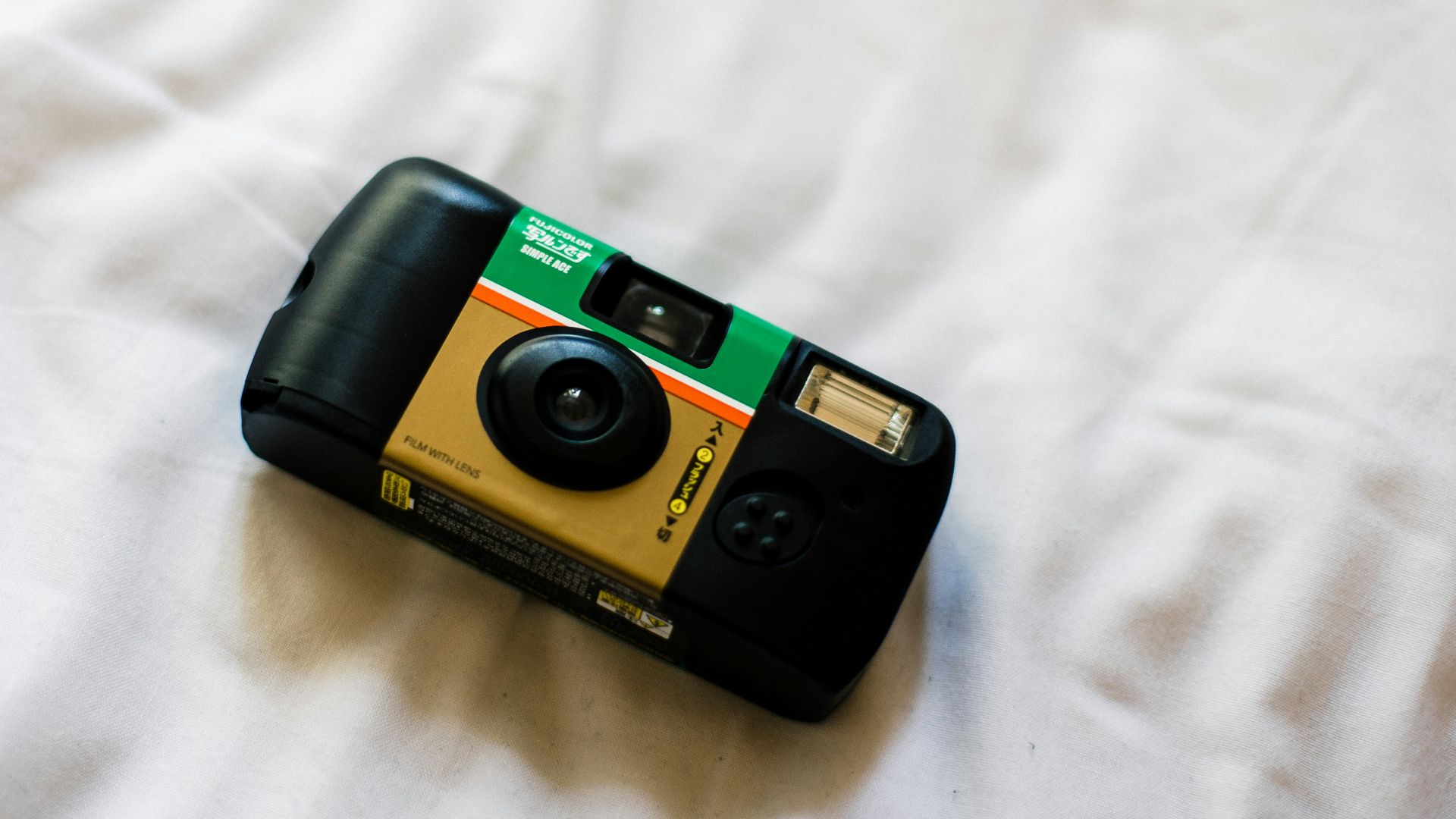
Disposable cameras were once the easy choice for weddings, vacations, camps, and nights when nobody wanted to risk nicer gear. Their comeback makes sense because the photos tend to look candid, messy, and real, without the pressure to edit every tiny thing.
14. Pagers
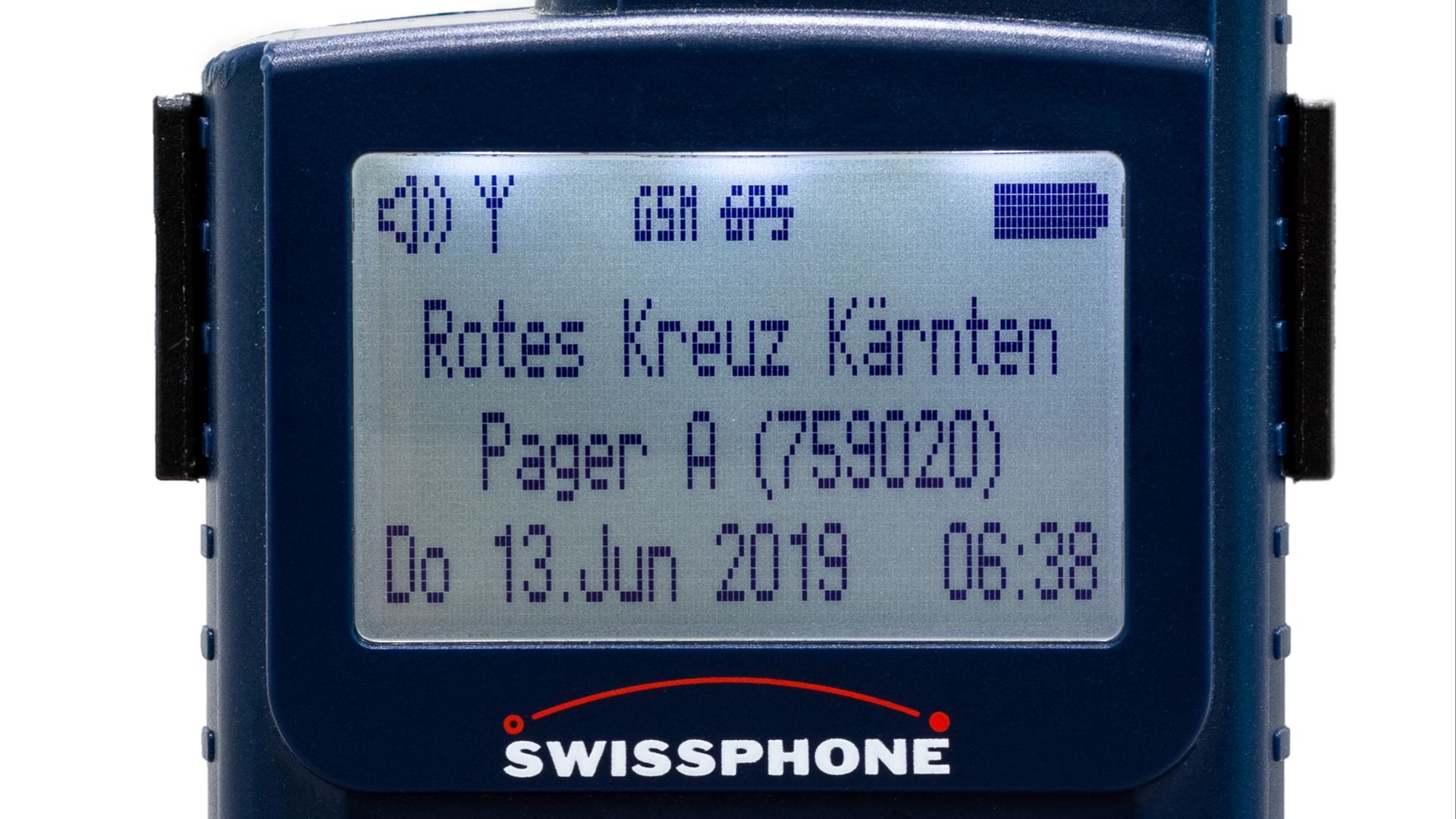
Pagers were small communication tools that could beep, vibrate, and show a number or short message. They once meant someone needed to reach you, but now they’re just teeny tiny relics of a long-gone technological era.
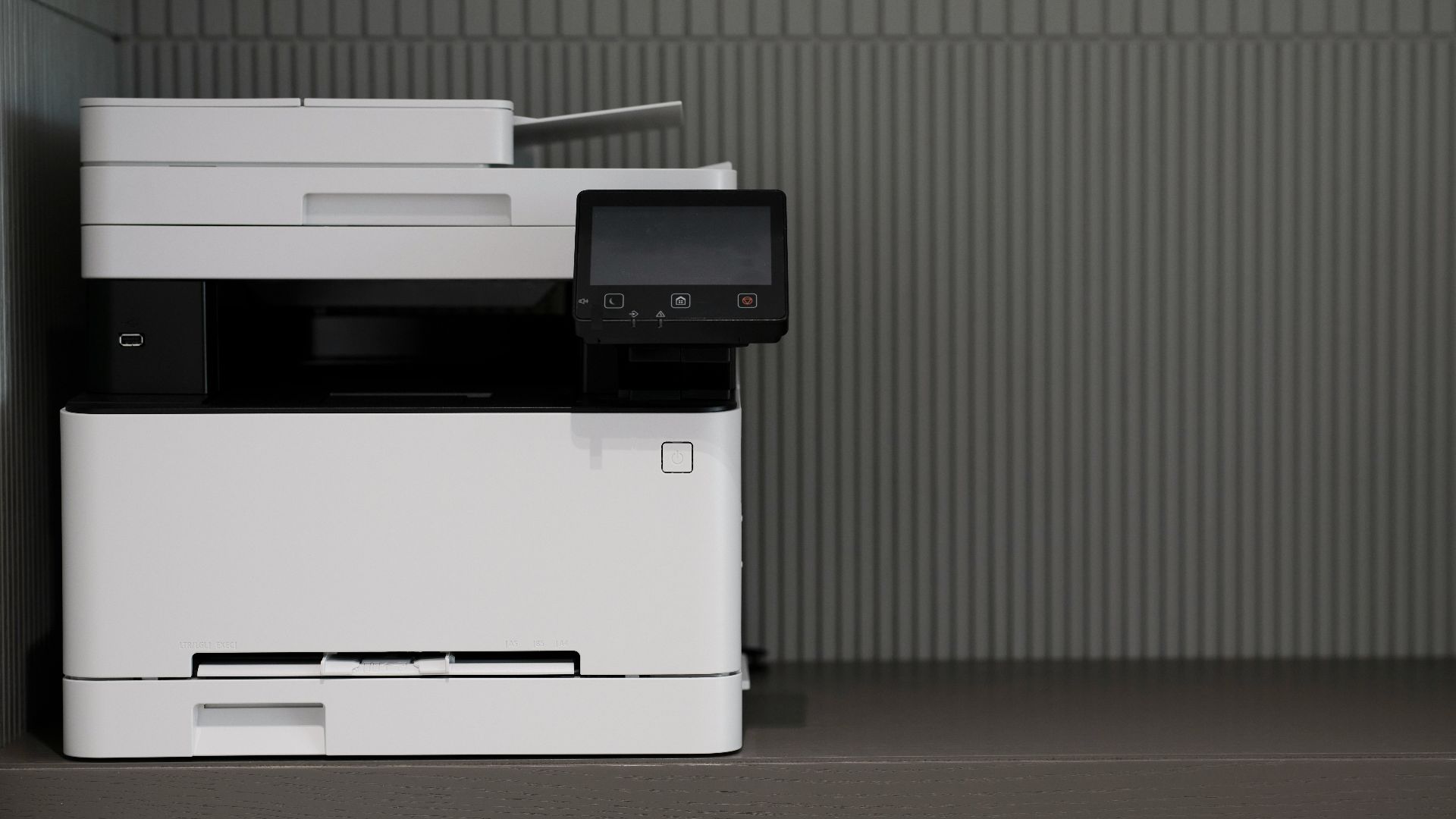
15. Fax Machines
Fax machines send documents over phone lines. Older office workers knew the routine well, while younger people often see faxing as either obsolete or incredibly cool.
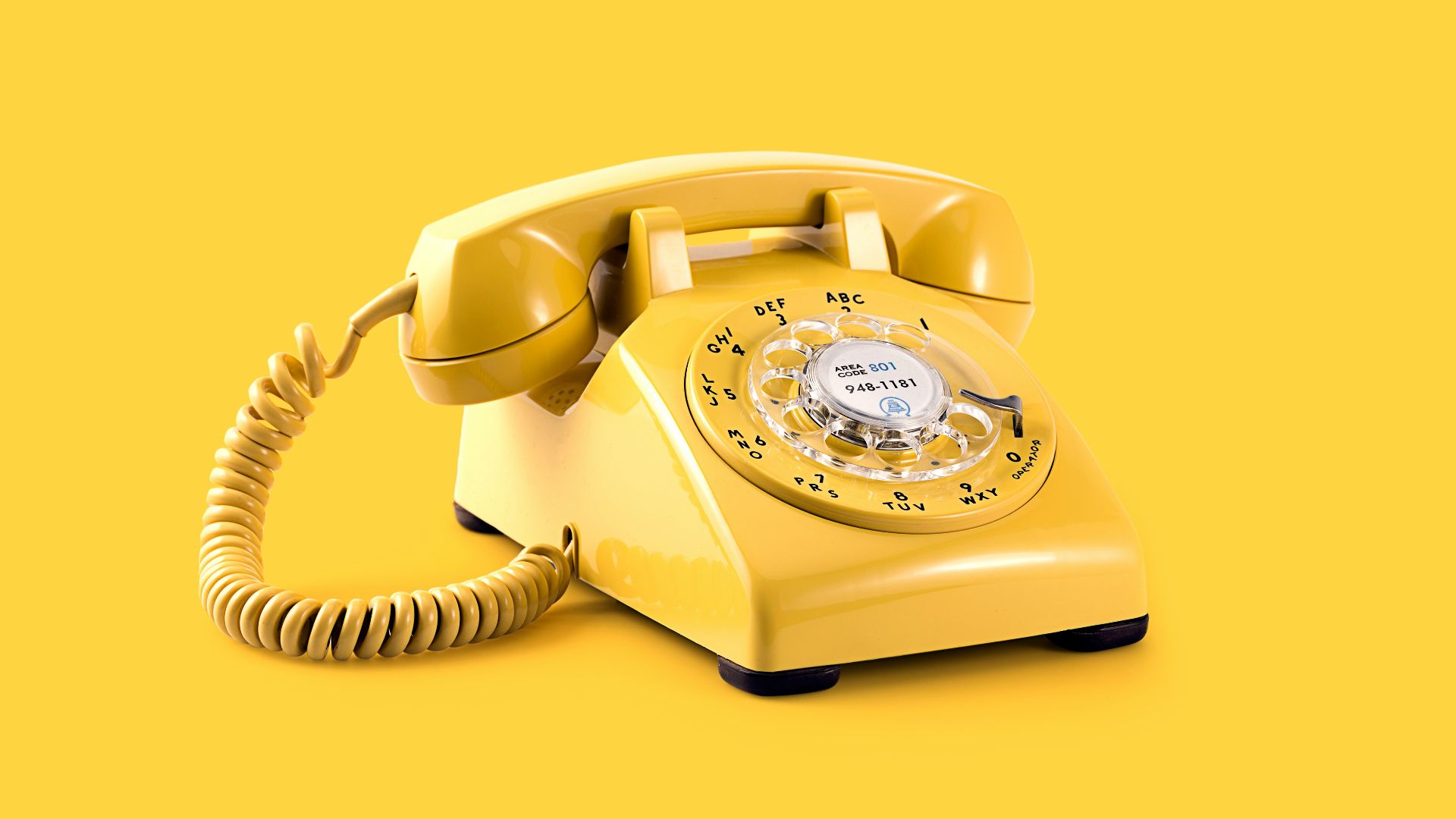
16. Rotary Phones
Rotary phones made every call a physical process because each digit had to be dialed by hand. They now work as design pieces, sure, but their real charm is how slow they feel next to a phone that can do just about anything.
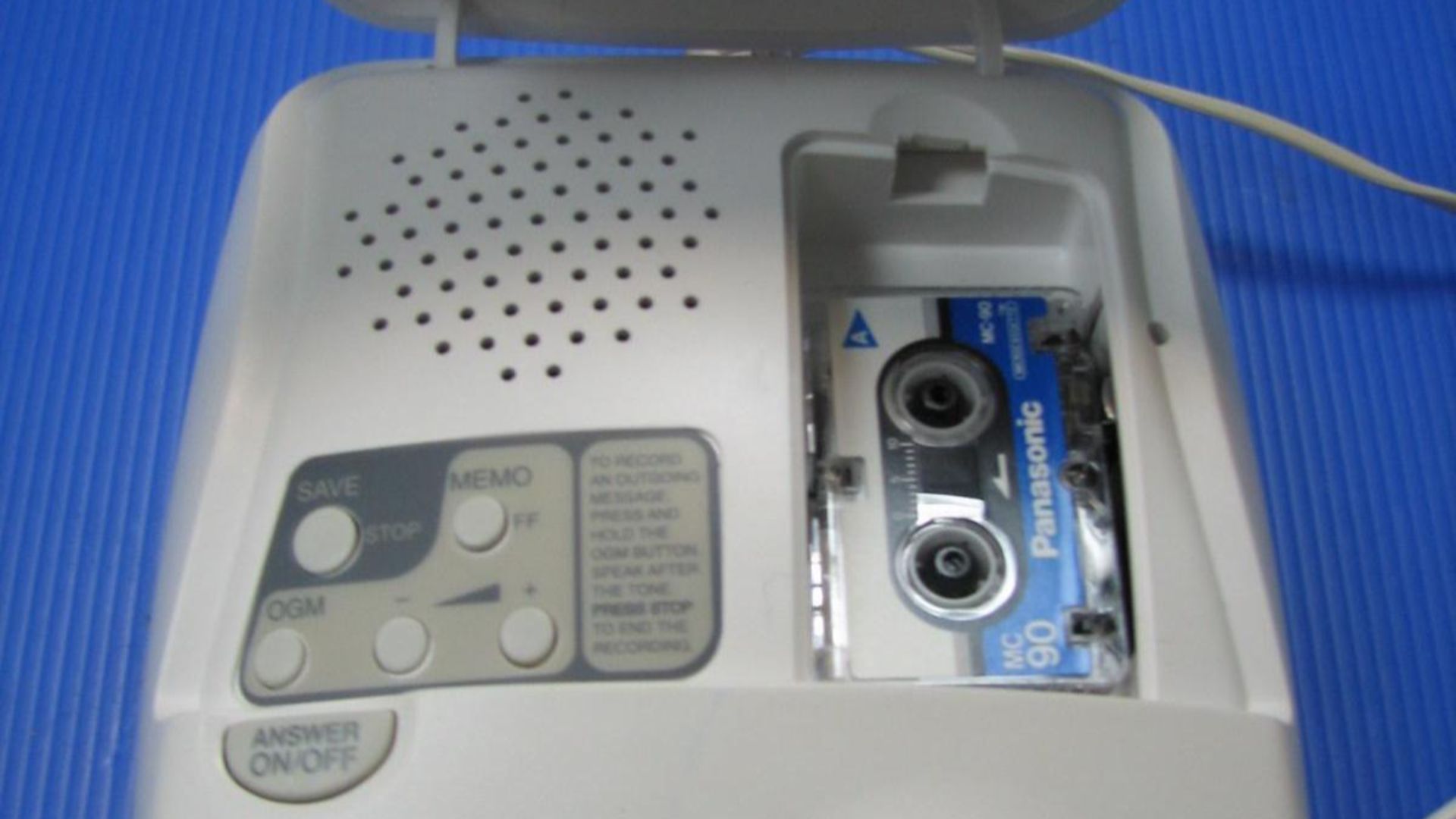
17. Answering Machines
Answering machines gave missed calls a physical home, usually with a blinking light and a recorded greeting. Before voicemail got tucked into phone menus, people pressed play and heard real room tones, awkward pauses, and messages meant for the whole household.
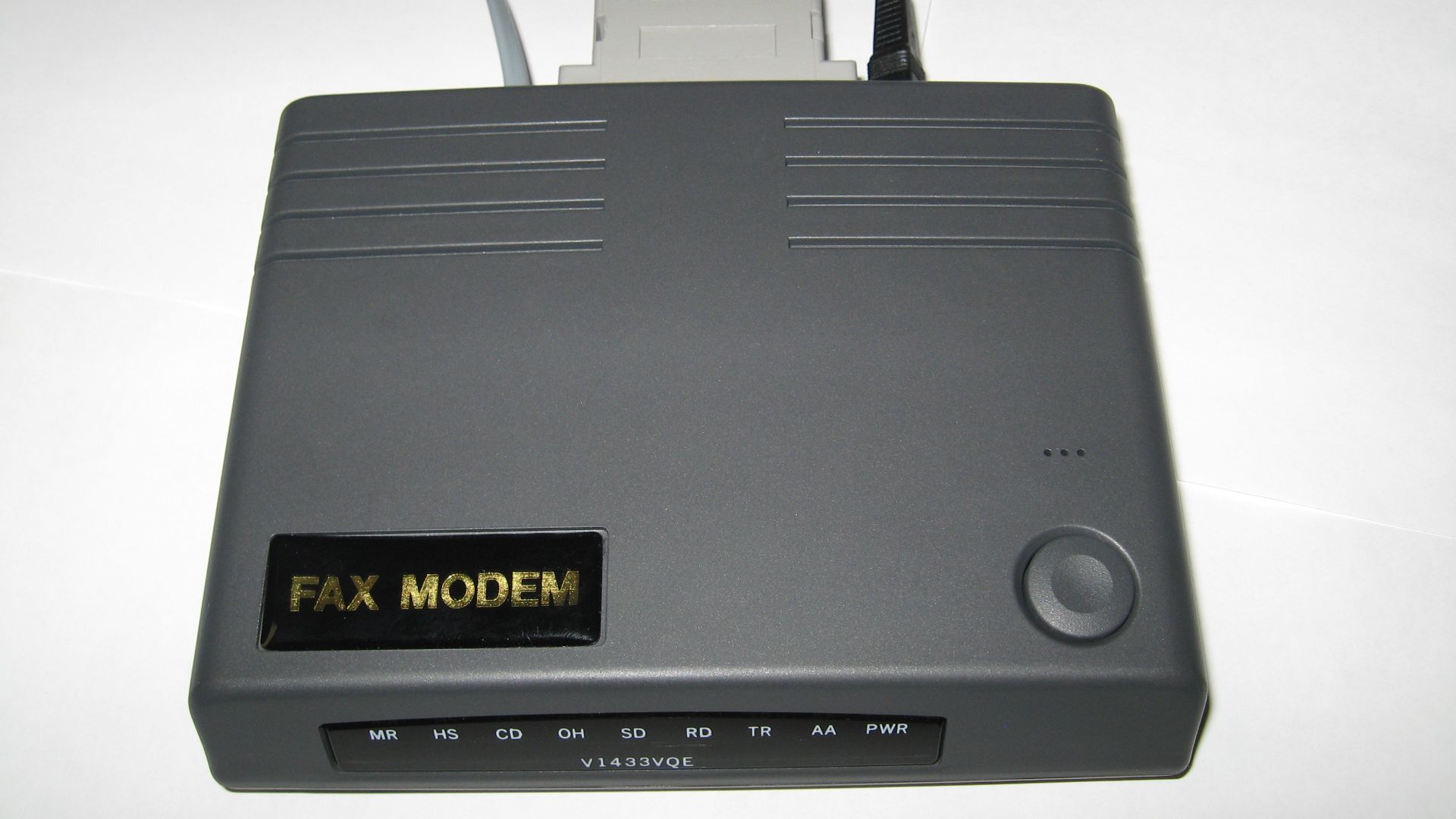
18. Dial-Up Modems
Dial-up internet connected through telephone lines, which made getting online feel like a whole process. The screeches and chirps were just how the connection worked, but they became a cultural sound of the early web, especially for anyone who remembers losing the internet because someone picked up the phone.
19. PalmPilot PDAs
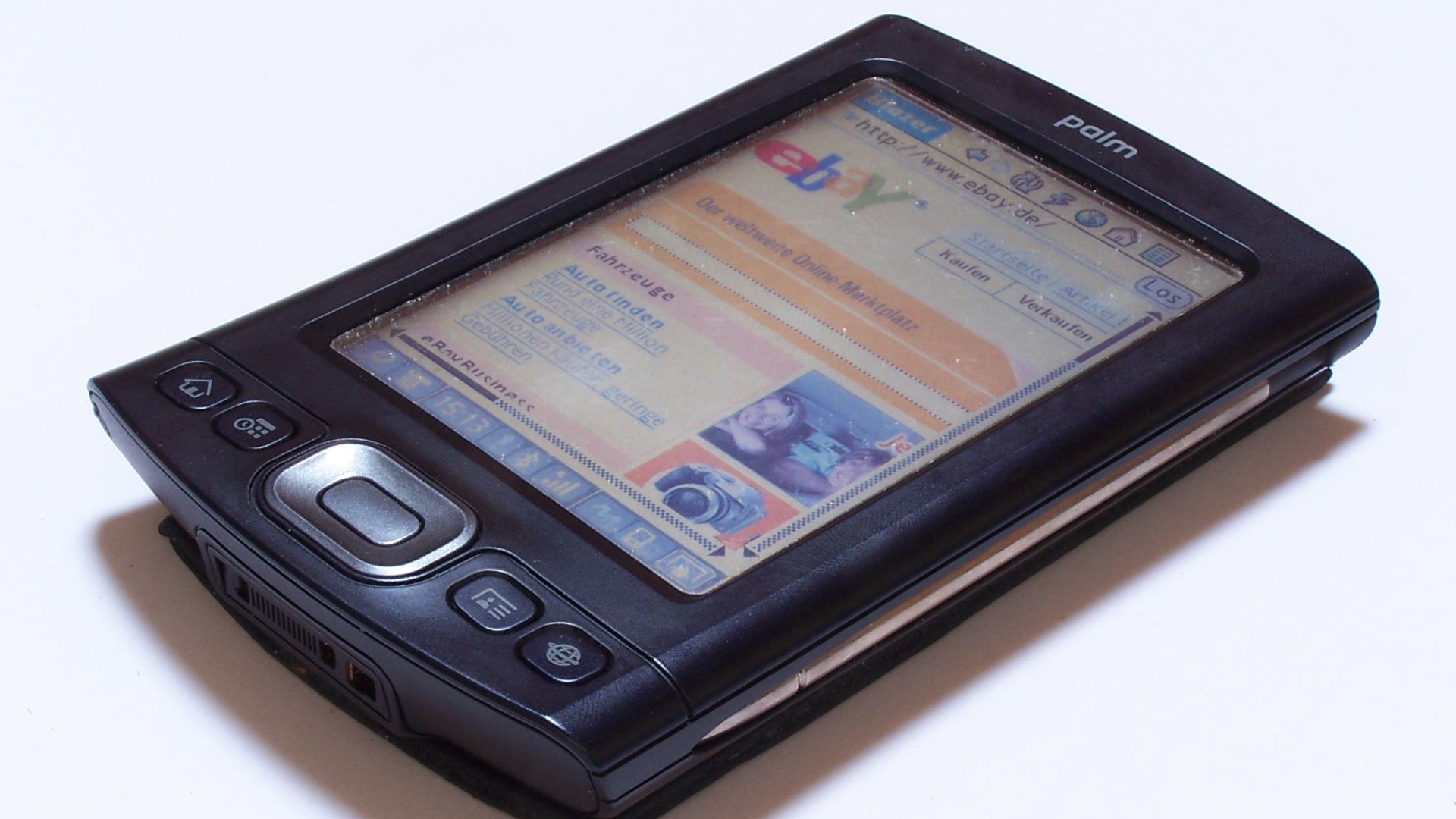
PalmPilot-style organizers handled contacts, notes, calendar events, and to-do lists before smartphones absorbed every small task. The stylus, monochrome screen, and desktop sync routine now feel charmingly focused, like productivity tech from a time before every planner also came with endless distractions.
20. Sony MiniDisc Players
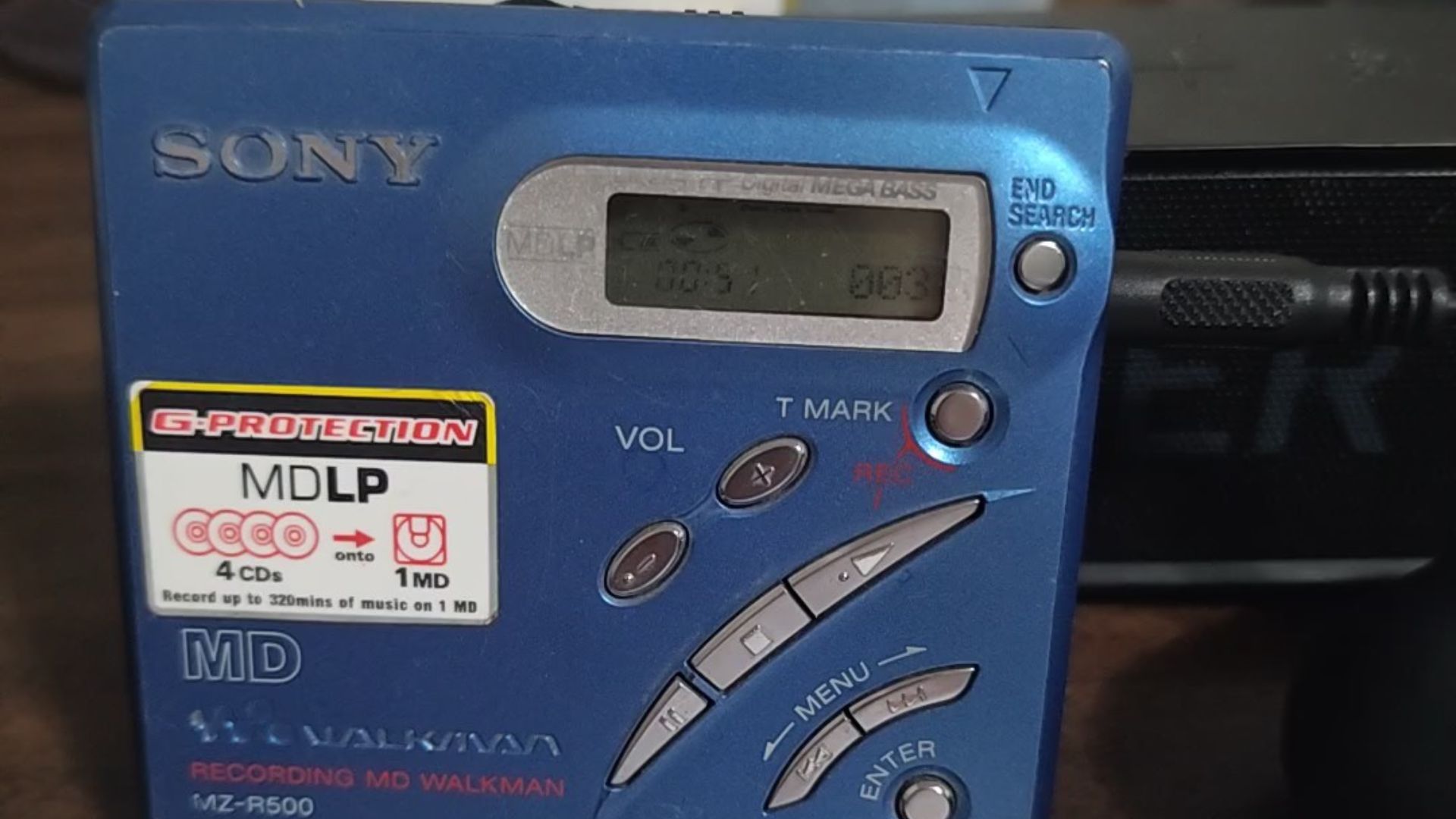
MiniDisc players brought recordable digital audio into a tiny protective cartridge, with the first MD Walkman recorder arriving in the early 1990s. The format never became as universal as CDs or MP3 players, but the small discs, labels, cases, and Y2K gadget energy make it perfect for rediscovery.