
This New Game on the Nintendo Switch Is So Addicting, You're Better Off Not Knowing It
This New Game on the Nintendo Switch Is So Addicting, You're Better Off Not Knowing It
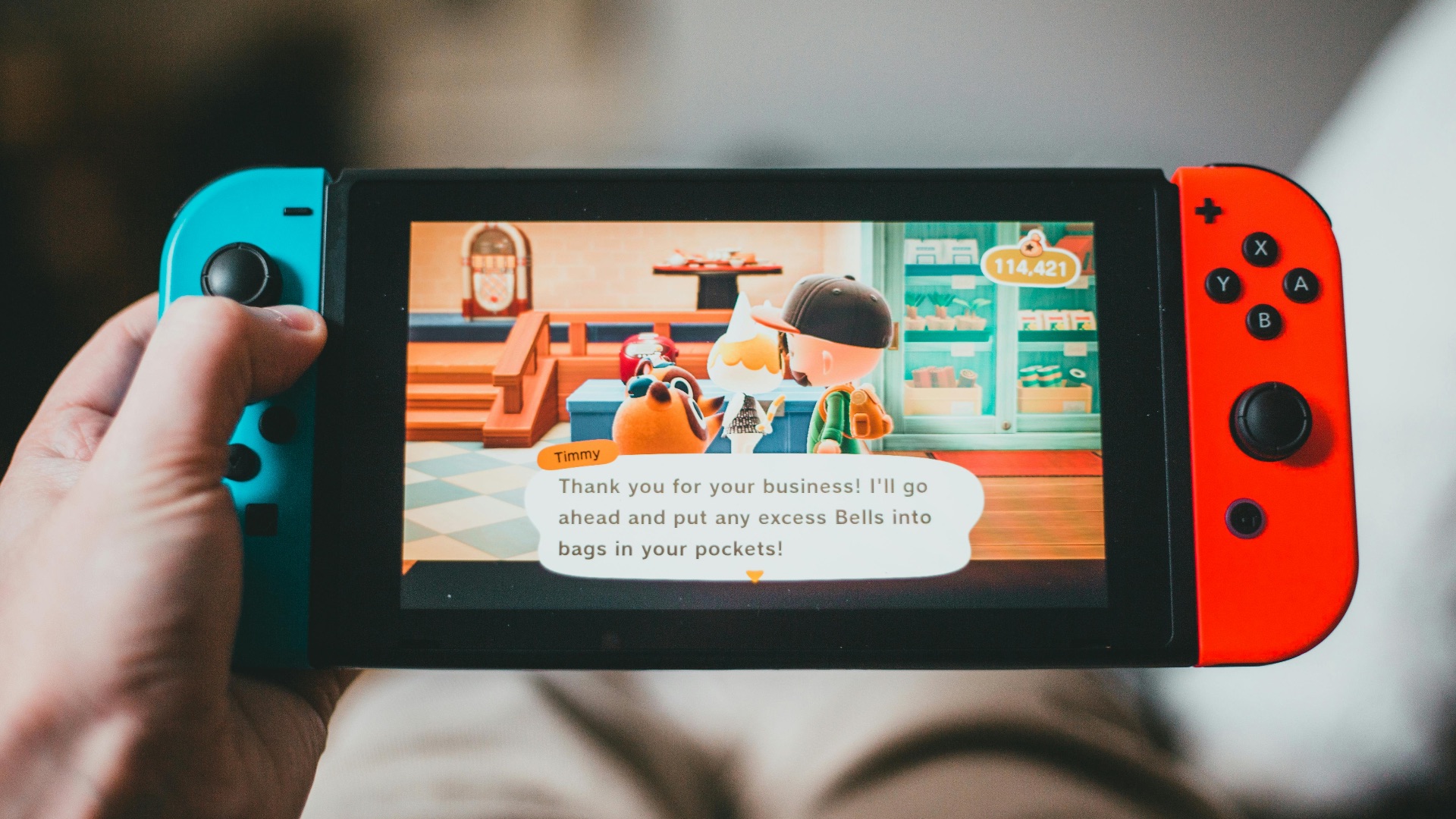
There's a particular kind of game that sneaks up on you, the kind where you sit down and tell yourself you'll just play for thirty minutes, only to look up much later and realize that three hours have passed. You know those kinds of games, and if you've already been playing it, you know that Tomodachi Life: Living the Dream is exactly that kind of game. Released on April 16, 2026, this Nintendo Switch title has been steadily dominating social media feeds and group chats since launch, and for good reason.
If you've never heard of the Tomodachi series before, you're not alone; it's one of Nintendo's more niche franchises, but it has a passionate fanbase that's been waiting over a decade for this follow-up. Living the Dream is the third entry in the series and the first to launch outside of Japan since 2014, and the buzz surrounding it has been hard to ignore. With all that said, consider yourself warned: reading further might just cost you a few hundred hours.
What Is Tomodachi Life: Living the Dream?
At its core, Tomodachi Life: Living the Dream is a social simulation game. You take on the role of caretaker for a tropical island populated entirely by Mii characters (Nintendo's customizable cartoon avatars) whom you can base on yourself, your friends, your family, celebrities, or completely fictional creations. The game doesn't ask you to complete quests or follow a story; rather, it simply asks you to check in, take care of your Miis, and watch their lives unfold in wonderfully unpredictable ways.
You might think this all sounds terribly mundane, but you'd be underestimating the game's allure. Character creation alone can eat up a surprising amount of time. You can build Miis from scratch by selecting individual facial features, hairstyles, body types, and voice settings, or you can use a series of personality prompts to generate one quickly. You'd be surprised by how accurately you can style a Mii to match someone you know, and how fun that customization process can be.
Once your island is populated, the Miis take on lives of their own. They wander around, strike up friendships, fall in (and out of) love, get into arguments, and even share dreams that you can eavesdrop on while they sleep. In other words, you're not so much playing the game as you are presiding over it; your job is to respond to your Miis' needs, resolve their conflicts, and shape the world around them.
Why Simulation Games Are So Easy to Get Hooked On
Living the Dream belongs to a broader category of life simulation games that have earned a reputation for being nearly impossible to put down. Titles like Animal Crossing: New Horizons and Stardew Valley have both demonstrated that low-stakes, open-ended gameplay can be just as, if not more, compelling than action-packed alternatives. And the reason comes down to psychology more than game design.
Simulation games tend to satisfy three core psychological drivers: autonomy, competence, and relatedness. Autonomy comes from the freedom to set your own agenda; competence is reinforced through visible, incremental progress; and relatedness develops through emotional investment in the characters you interact with. In Living the Dream, all three are present in abundance: you're never told what to do, your island is always evolving, and it's surprisingly easy to become attached to your Miis.
Research also suggests that low-pressure simulation games serve a restorative function rather than a purely escapist one. After all, players who engage with relaxing, low-pressure games may experience lower stress levels and higher emotional resilience, compared to those who played highly competitive titles, simply because, well, what they're playing doesn't require much from them. That said, the addictive quality of these games isn't something to dismiss lightly; the lack of a traditional win condition means there's no natural stopping point, which is part of what makes it so easy to keep going long, long past when you intended to stop.
Should You Play It and Join the Hype?
If you haven't played Living the Dream already, should you? The honest answer is: it depends on what you're looking for, but the odds are in the game's favor. With its unique art style, humor, and the sheer depth of its customization options, you're bound to get hooked pretty quickly. The cartoonish Mii redesigns are charming, the island feels lively and full of personality, and there's a genuine sense of discovery in logging in each day to see what your characters have been up to.
That said, it's not a perfect game. Some players and reviewers have noted that the gameplay can feel repetitive over time, especially if you're spending hours on it every day. If you go in expecting a richly structured experience with goals and progression systems, you might find yourself underwhelmed; after all, this is a game built around spontaneity, not objectives.
Where Living the Dream truly shines is in the moments you don't see coming: a Mii confessing feelings for someone completely unexpected, two characters you've based on real people in your life becoming best friends, or a dream sequence that makes absolutely no sense and yet feels perfectly at home in this world. Those small, strange moments are what keep players coming back, and they're exactly why the game has found such a dedicated audience so quickly. If you've got a Nintendo Switch and an appreciation for the delightfully weird, this one's worth every minute—just don't say you weren't warned.