Game Studios Build Reputations Over Decades
Video game studios earn trust slowly and lose it quickly, especially in an industry where expectations rise with every successful release. Some developers become known for delivering polished experiences again and again, even when working across different genres or hardware generations. Others develop reputations for unpredictability, releasing one critically praised title followed by a disappointing launch or years of uneven support. While every studio has successes and failures, certain companies stand out for either remarkable consistency or sharply inconsistent results over time. Here are 10 studios known for consistency and 10 with wildly mixed results.

1. Nintendo EPD
Nintendo Entertainment Planning & Development has maintained one of the strongest long-term reputations in gaming. The studio consistently delivers highly polished entries in major franchises like Mario, Zelda, and Splatoon while prioritizing gameplay quality over graphical trends.

2. FromSoftware
FromSoftware built enormous credibility through games like Dark Souls, Bloodborne, Sekiro, and Elden Ring. The studio has remained remarkably consistent in delivering challenging combat systems, dense world design, and strong environmental storytelling.

3. Naughty Dog
Naughty Dog became known for cinematic storytelling and technical polish through its popular franchises. The studio rarely releases games quickly, but its projects are usually praised for strong performances, detailed animation, and refined gameplay systems.

4. Rockstar Games
Rockstar Games consistently produces commercially successful open-world titles with massive attention to detail. Its releases often redefine expectations for scale, voice acting, and environmental design within the industry. Long development cycles help the company avoid frequent launches, but they also contribute to a reputation for polished releases.

5. Capcom
Capcom experienced ups and downs in earlier decades, yet its modern run has been exceptionally strong. Recent releases have restored confidence in the company’s direction and quality control. The RE Engine also helped Capcom maintain impressive technical consistency across multiple franchises.

6. Insomniac Games
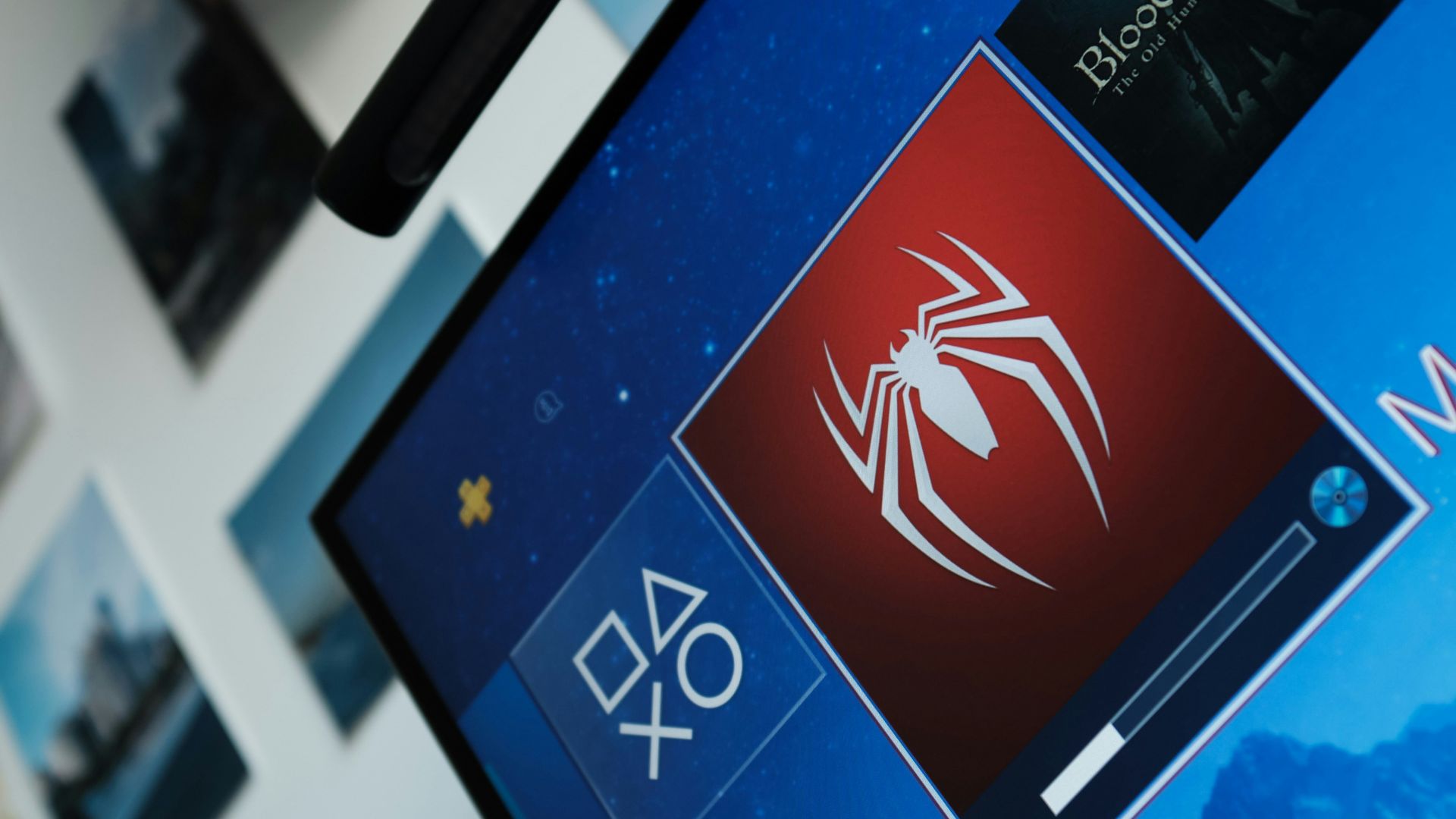
Insomniac built a reputation for reliable releases through series like Ratchet & Clank, Resistance, and Marvel’s Spider-Man. The studio is known for fast development timelines without sacrificing technical performance or gameplay polish. Its ability to manage multiple large projects simultaneously has become especially impressive in recent years.
7. Supergiant Games
Supergiant Games has remained highly respected despite being much smaller than many major studios. Its catalogue features strong art direction, memorable music, and polished gameplay systems. The studio’s consistent creative vision helped it maintain goodwill across very different types of games.

8. Valve
Although Valve releases games less frequently today, its major titles historically set industry standards. The company’s reputation for quality became so strong that each new announcement still generates massive attention.

9. Blizzard Entertainment
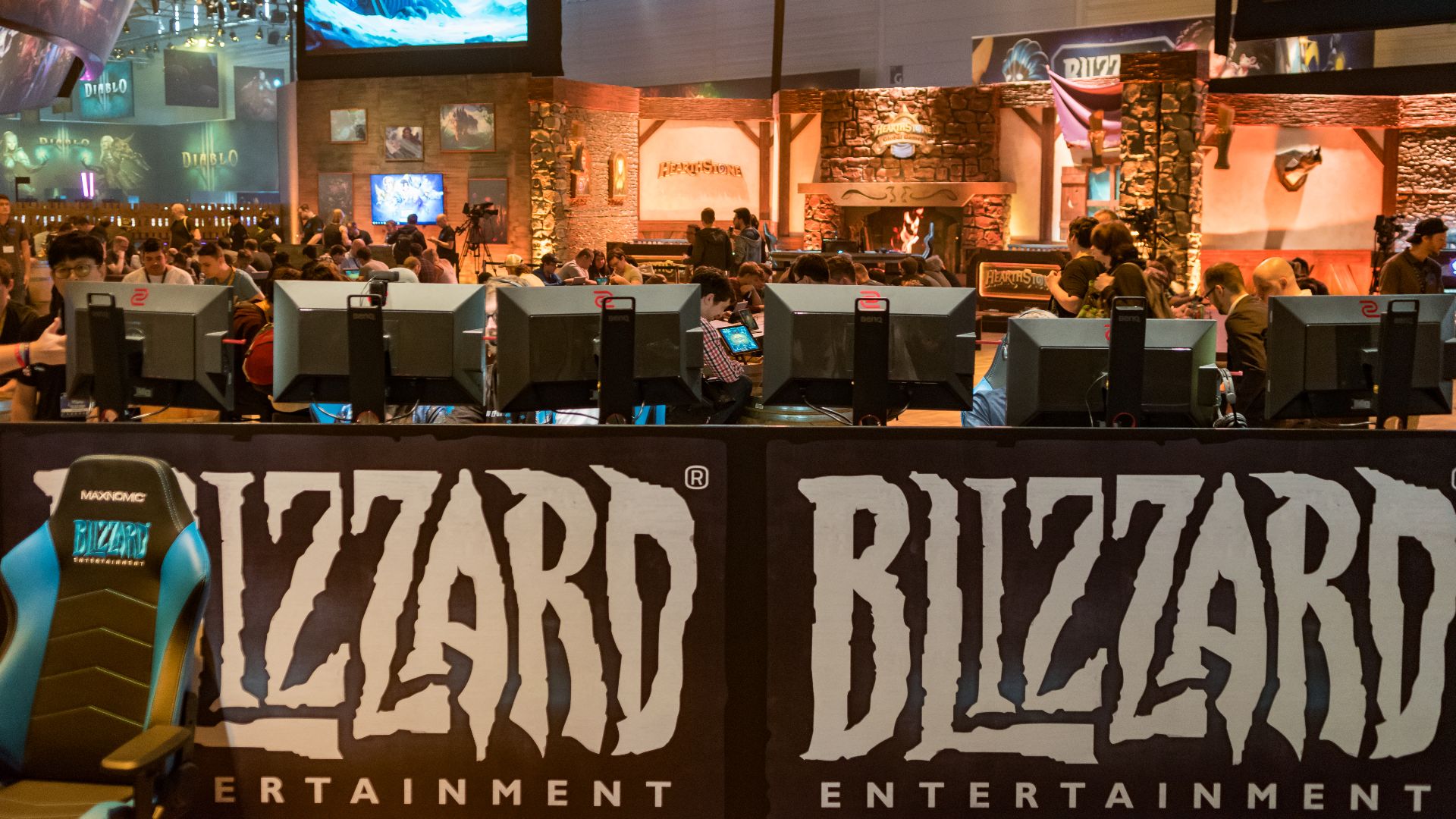
Blizzard’s modern reputation has become more debated, but historically, the studio was known for exceptional consistency over multiple decades. Even critics of Blizzard’s recent direction often acknowledge its earlier influence on PC gaming quality standards.
10. Santa Monica Studio
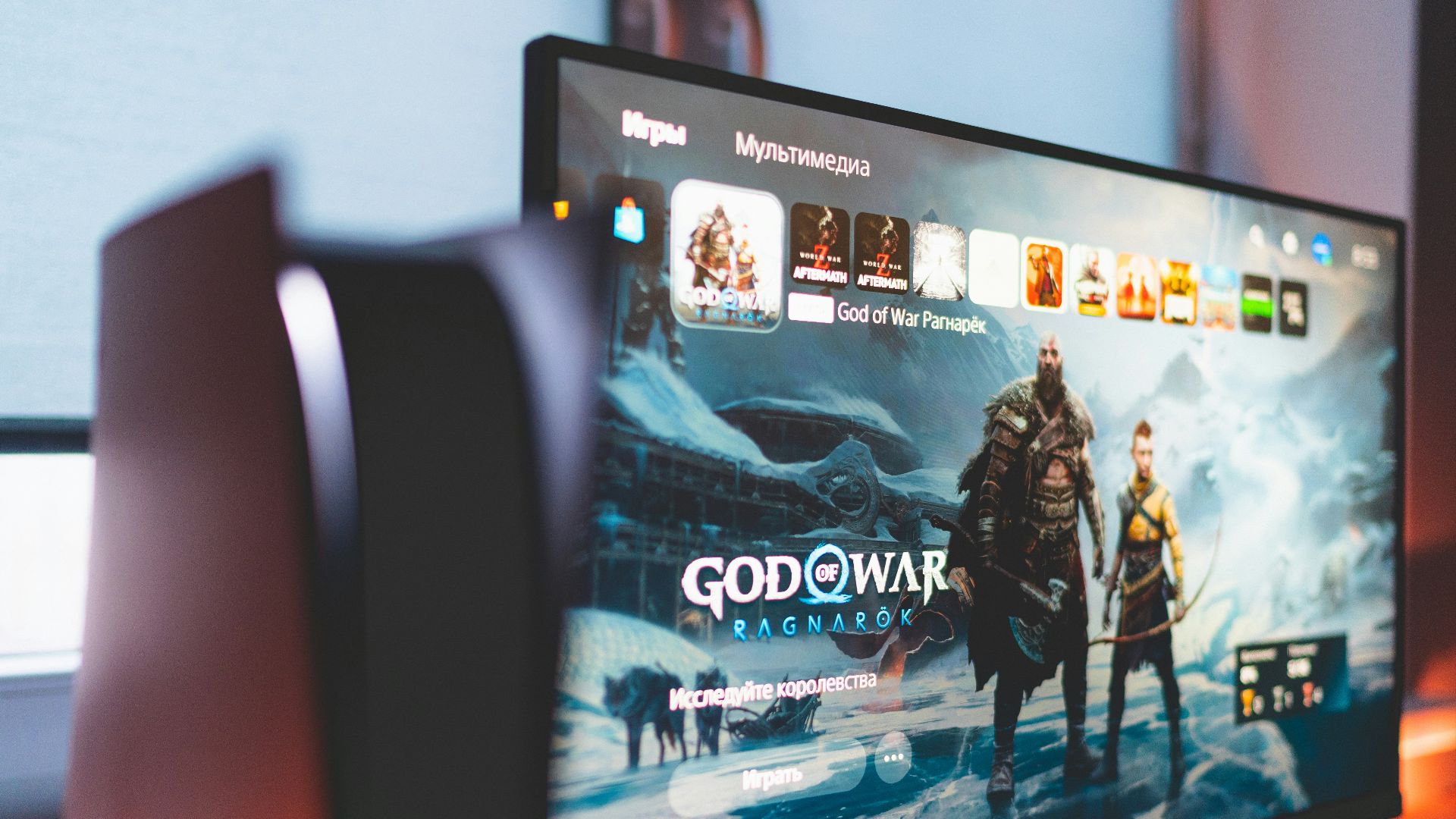
Sony’s Santa Monica Studio earned long-term praise through the God of War franchise, especially after the successful reinvention of the series in 2018. The studio consistently delivers strong combat systems, cinematic storytelling, and technical stability. Its smaller release schedule has helped maintain a reputation for quality over quantity.
 Evgeniy Kondratiev on Unsplash
1. BioWare
BioWare created beloved RPGs like Mass Effect 2, Dragon Age: Origins, and Star Wars: Knights of the Old Republic. However, later releases received criticism for technical problems and inconsistent storytelling. The studio’s reputation now feels divided between legendary past work and more uneven recent output.
 Alex from Calgary, Canada on Wikimedia
2. Konami
Konami helped shape gaming history through innovative, popular franchises. At the same time, the company became heavily criticized for its inconsistent handling of major properties and controversial business decisions. Some modern releases and remasters succeed, while others frustrate longtime fans.
 włodi from London, UK on Wikimedia
3. Ubisoft
While some Ubisoft entries receive strong reviews and long-term support, others launch with technical problems, repetitive design, or aggressive monetization concerns. The company’s sheer size contributes to a very uneven overall reputation.
4. Square Enix
Square Enix has released critically acclaimed games like Final Fantasy VII Remake and NieR: Automata alongside several commercial and critical disappointments. The company often experiments with different genres and development partnerships, which creates inconsistent results between projects.

5. Sonic Team
Sonic Team’s history includes both outstanding and heavily criticized games across multiple console generations. Few studios have a reputation that swings as dramatically from one release to another.

6. Quantic Dream
Quantic Dream built a strong audience through cinematic games like Heavy Rain and Detroit: Become Human. However, critics often disagree sharply on the studio’s storytelling quality, writing consistency, and gameplay depth. Its projects tend to inspire either strong admiration or heavy criticism with little middle ground.
 KniBaron from Bangkok, Thailand on Wikimedia
7. Bethesda Game Studios
Bethesda became famous for influential RPGs, but technical instability has followed the studio for years. Some players embrace the freedom and scale of its worlds despite bugs and performance problems, while others find those issues unacceptable.

8. Team Ninja
Team Ninja has produced excellent action games, yet other releases received far weaker reactions. The studio frequently experiments with combat systems and difficulty design, which sometimes creates uneven results.

9. People Can Fly
People Can Fly earned praise for Bulletstorm and strong gameplay contributions to Gears of War titles. At the same time, projects like Outriders received mixed reactions because of technical issues and uneven endgame support.

10. Crystal Dynamics
Crystal Dynamics successfully revived Tomb Raider in 2013 with a critically acclaimed reboot trilogy. However, Marvel’s Avengers struggled with repetitive gameplay, monetization criticism, and declining player interest after launch.