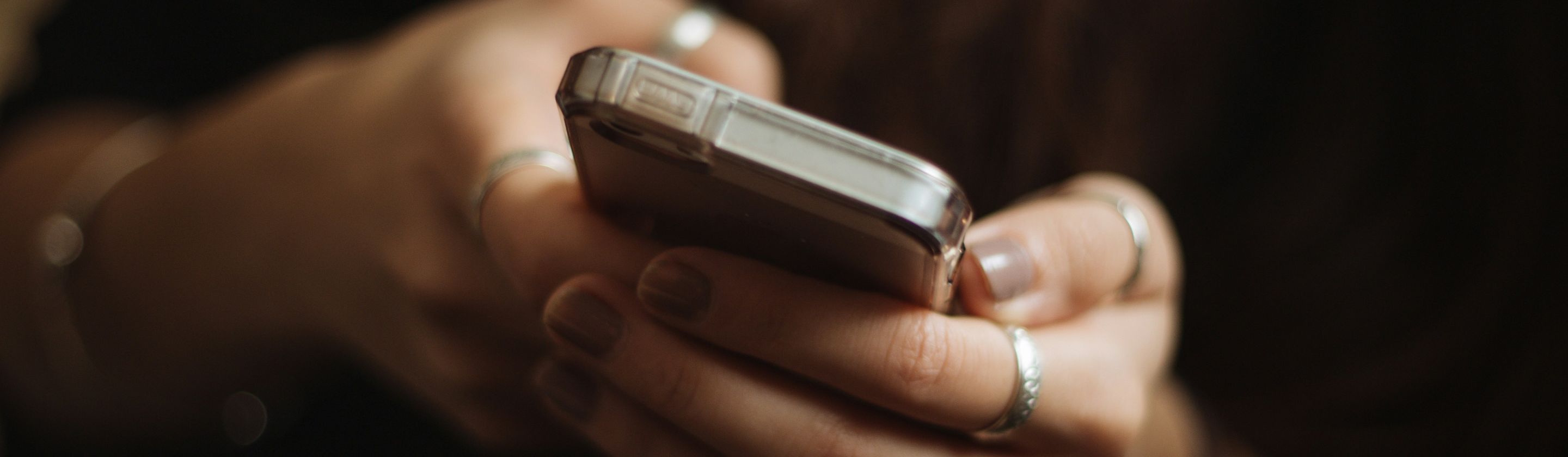
There was a time when the future seemed to mean making everything faster, smaller, smarter, and more connected. Music moved from records to streaming, cameras moved into phones, calendars became apps, books became downloads, and even friendship started coming with notifications. For many young people, digital life isn’t new or exciting; it’s simply the world they were born into.
That may help explain why some of them are suddenly reaching for vinyl records, film cameras, paper planners, flip phones, printed books, and old-school hobbies that don’t need a charging cable. Going analog isn’t always about rejecting technology entirely, because most people aren't moving to a candlelit cabin with only a typewriter. It’s more about choosing a few slower, more physical experiences in a world that feels way too digital.
Analog Feels More Human Than Constant Connection
One reason analog things are appealing is that they ask for attention in a different way. A record has to be flipped, a film photo has to be developed, and a notebook doesn’t buzz. These objects make you fully engage and participate instead of just scroll. That little bit of effort can feel refreshing when so many digital tools are designed to remove every pause.
There’s also a sense of control in analog habits. If you write in a paper journal, nobody is pushing ads between your thoughts or suggesting what you should write next.
Young people have grown up with convenience, so they know its downside better than anyone. They understand that an app can be useful and exhausting at the same time. A smartphone can hold your friends, your work, your bank, your camera, your entertainment, and every terrible headline in the world. Sometimes picking up a book or putting on a record is less about nostalgia and more about needing one thing to be just one thing.
Nostalgia Hits Differently When You Didn’t Live Through It
A lot of analog culture is powered by nostalgia, but not always personal nostalgia. Many young people are drawn to eras they never experienced because those eras seem more visually distinct, more tactile, or less frantic. A point-and-shoot camera, a cassette tape, or a chunky old stereo can feel charming precisely because it doesn’t blend into the smooth sameness of modern tech. It has buttons, weight, imperfections, and a little attitude.
Social media has also made the analog look more visible. Ironically, the internet has helped revive interest in film photography, vintage clothes, old cars, physical media, and retro interiors. A grainy photo, a handwritten note, or a shelf of records photographs beautifully because it feels real in a feed full of polished sameness. The analog trend may push back against digital life, but it often gets discovered through digital life first.
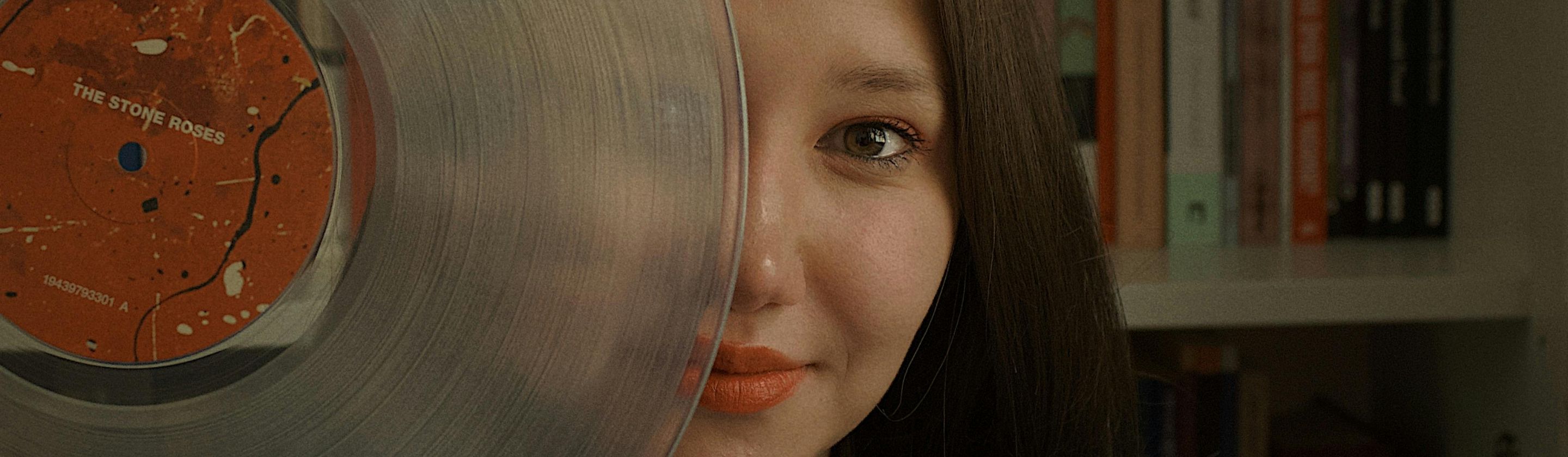
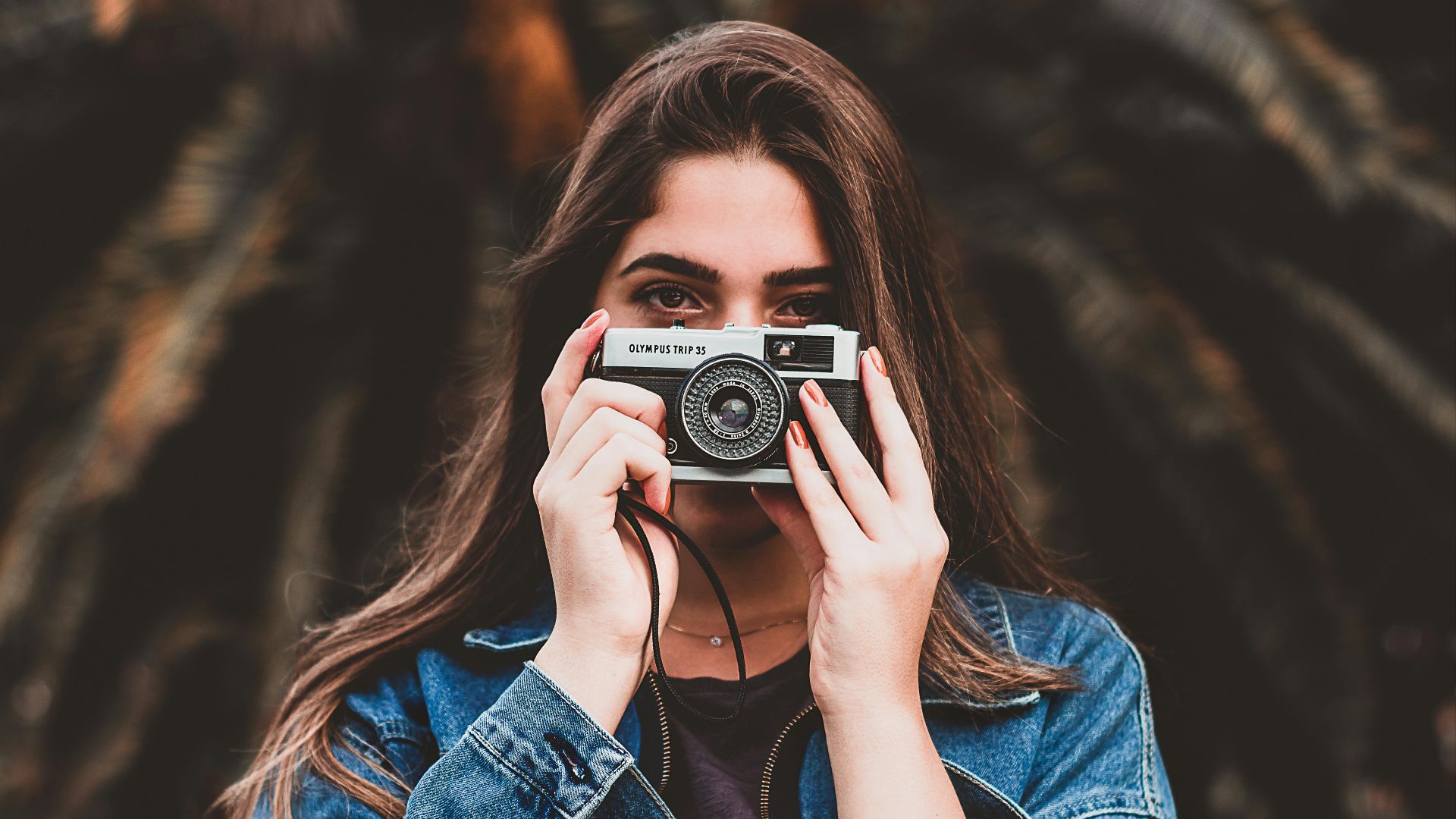
That doesn’t make the interest fake. People can find something on TikTok and still genuinely enjoy it offline. A young person might buy a film camera because it looks cool, then discover that waiting for photos makes memories feel more deliberate. Someone might start collecting vinyl because the covers look good on a shelf, then realize they like listening to an album all the way through, and the tactile feeling of placing the needle on the disk. Trends can start on the surface and still lead somewhere meaningful.
Slower Tools Can Make Life Feel Less Disposable

Analog habits often create a sense of permanence. A playlist can disappear into an app, but a record sits on a shelf. A note in your phone can get buried under grocery lists and half-written reminders, while a notebook carries your handwriting, crossed-out thoughts, and coffee stains with unreasonable confidence. Physical objects age with you, which gives them a kind of emotional value that digital files sometimes struggle to hold.
There’s also satisfaction in using something that can be repaired, collected, or understood. An old camera, turntable, bicycle, sewing machine, or manual car has a mechanical quality that invites curiosity. You can learn how it works, maintain it, and sometimes fix it yourself. That feels very different from owning a sealed device that becomes useless the moment a company stops supporting it.
For some young people, going analog is also a quiet protest against constant upgrades. Digital culture often tells us that last year’s device, app, or platform is already outdated. Analog objects resist that pressure because many of them get more interesting with age. A scratched record, a worn paperback, or a vintage jacket doesn’t necessarily look obsolete; it looks like it has lived a little.
The Appeal Is Not About Hating Technology
Most young people going analog aren't trying to erase modern life. They still text, stream, work online, and use maps. They're just also aware that their brains enjoy disconnecting as well. The goal is usually balance, not total rejection.
The bigger point is that analog gives people a break from being constantly measured. Digital life tracks steps, views, likes, sleep, productivity, spending, location, and attention. Analog experiences don’t always turn your behavior into data, which can feel like a luxury now.
The amazing and unexpected thing about the younger generation is that they’re not fooled by the idea that newer always means better. They’ve seen convenience become clutter, connection become pressure, and entertainment become background noise. Analog tools offer friction, but they also offer focus, personality, privacy, and a sense of presence. In a world that keeps asking everyone to move faster, choosing something slower can feel surprisingly modern.