Not Every Multiplayer Game Needs a Group
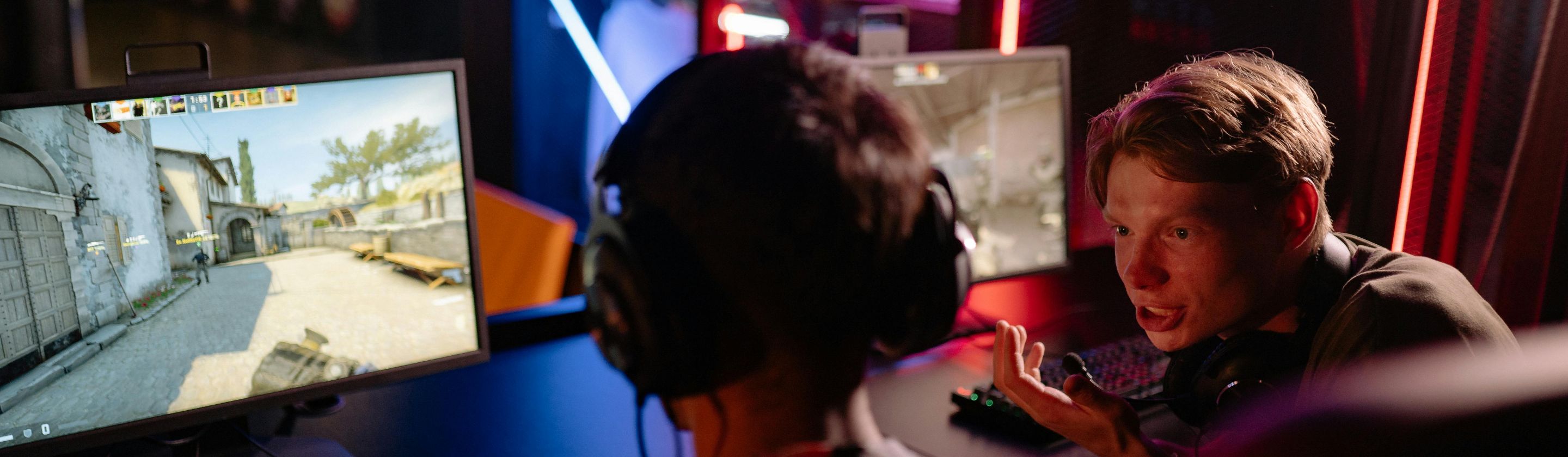
Multiplayer games are usually designed around playing with others, but that doesn't always mean you need a dedicated squad to enjoy them. Some titles offer matchmaking systems, progression loops, or gameplay structures that remain satisfying even when you're jumping in alone. Others depend so heavily on teamwork, communication, or shared experiences that they lose much of their appeal without a reliable group of friends. Here are 10 multiplayer games that thrive solo and 10 that don't work without friends.
 Sergey Galyonkin from Raleigh, USA on Wikimedia
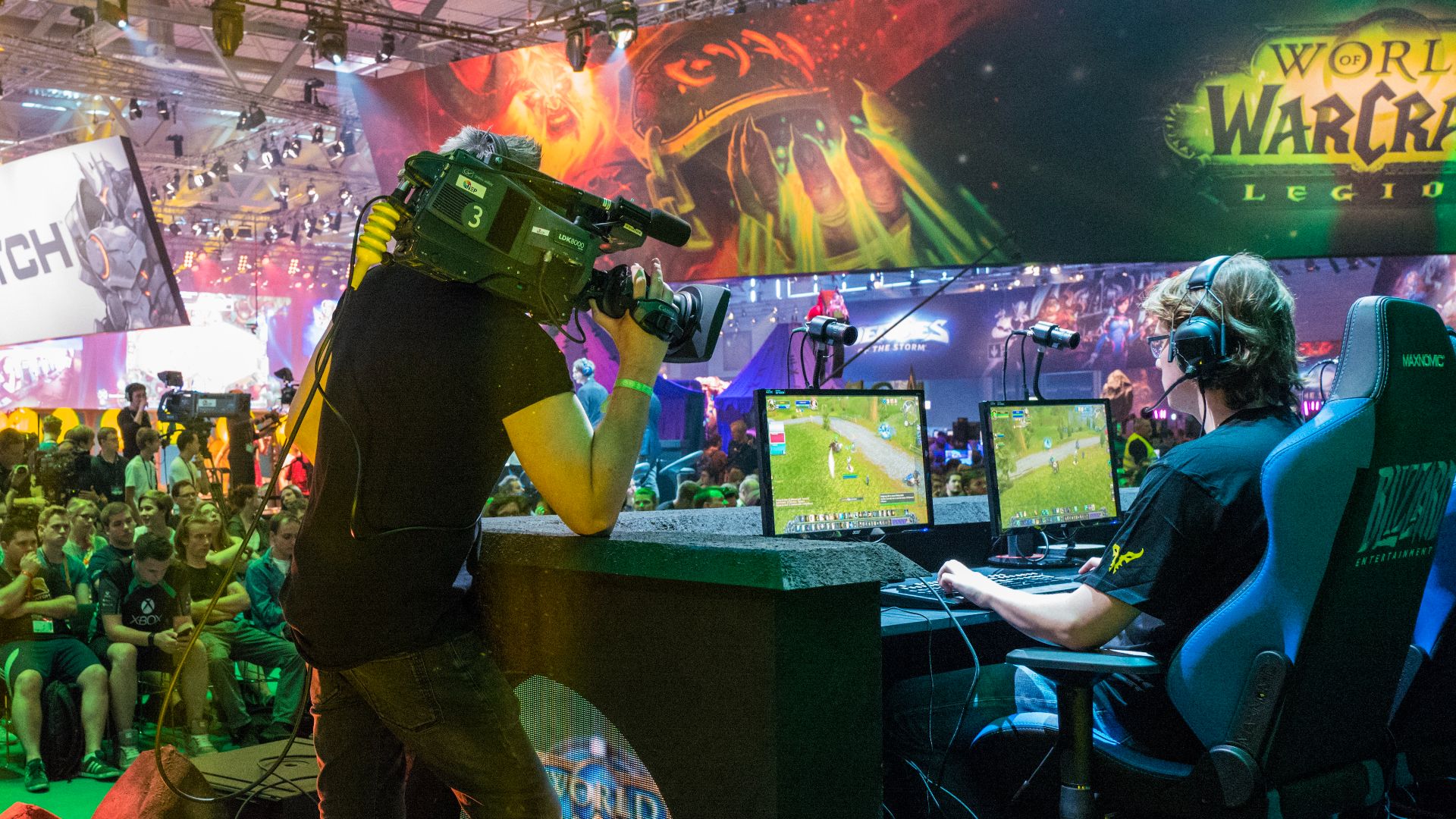
1. Fortnite
The battle royale format allows individual players to jump into matches whenever they want without coordinating schedules. Frequent updates, rotating events, and personal progression provide reasons to keep playing regardless of who else is online. Even players who rarely use voice chat can have a rewarding experience.
2. Rocket League
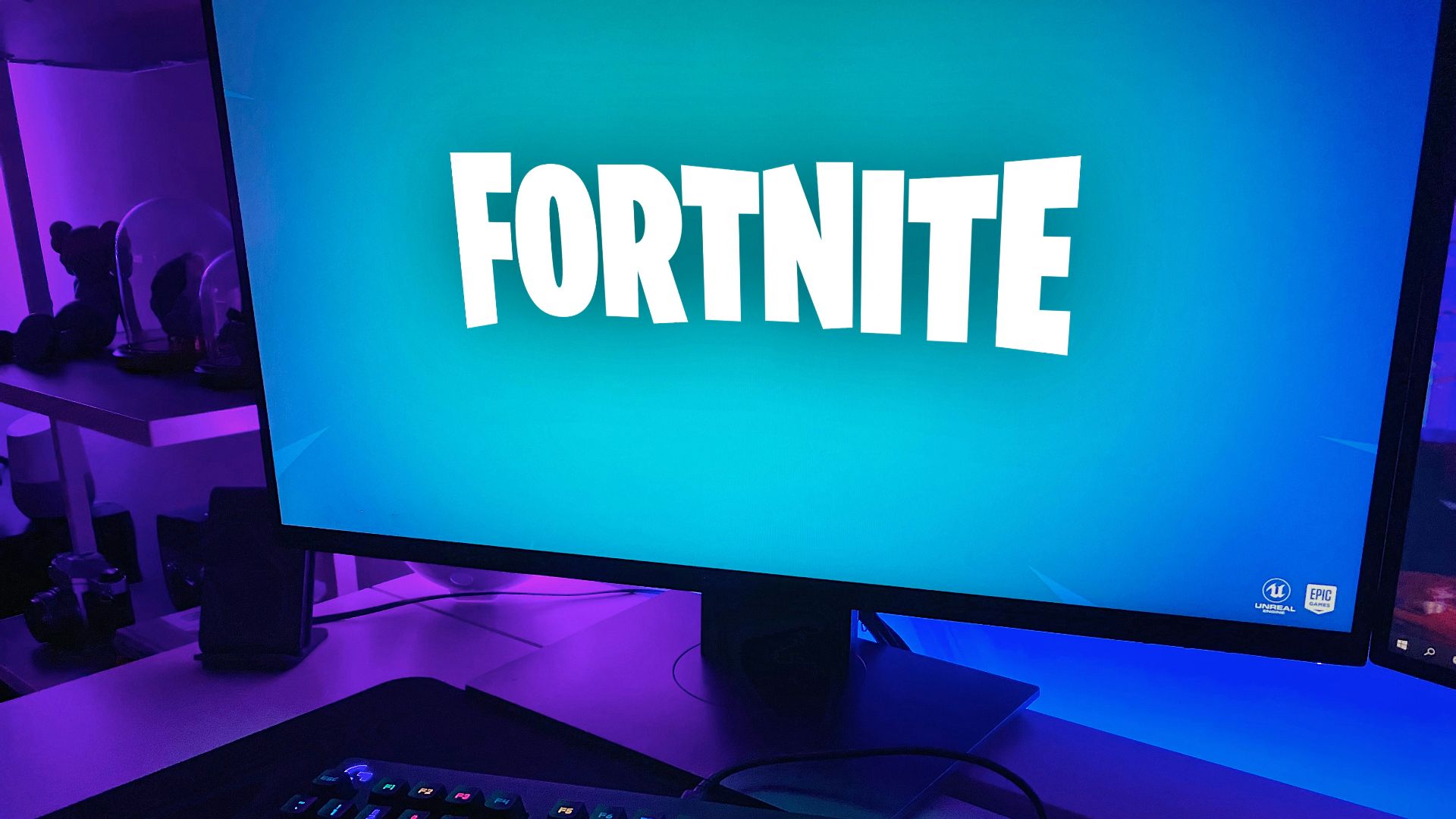
Quick matches and straightforward objectives make it easy to enjoy a few games on your own. Success depends heavily on personal skill, which means solo players can steadily improve through practice. The short match lengths also make it ideal for casual sessions.
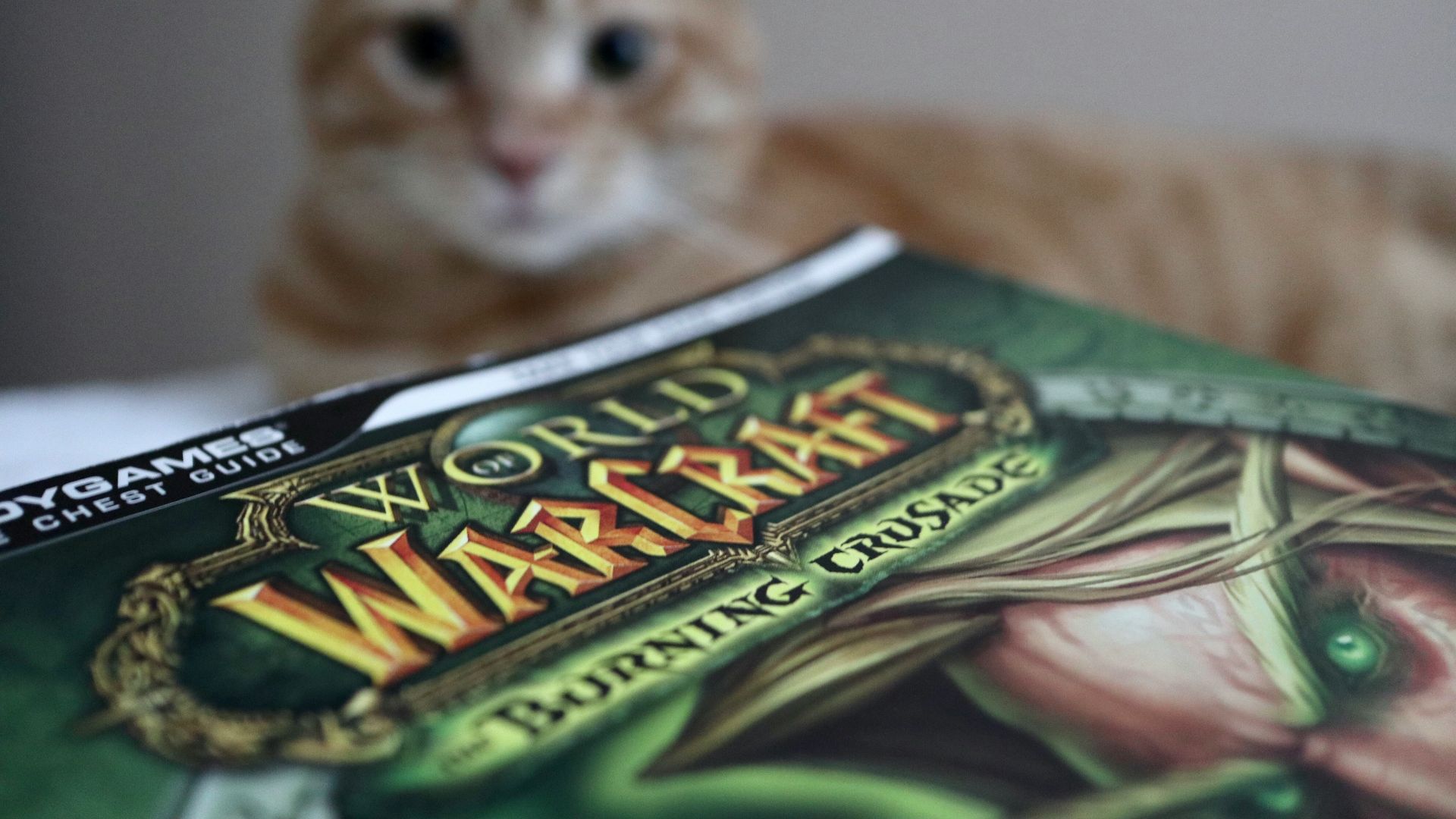
3. World of Warcraft
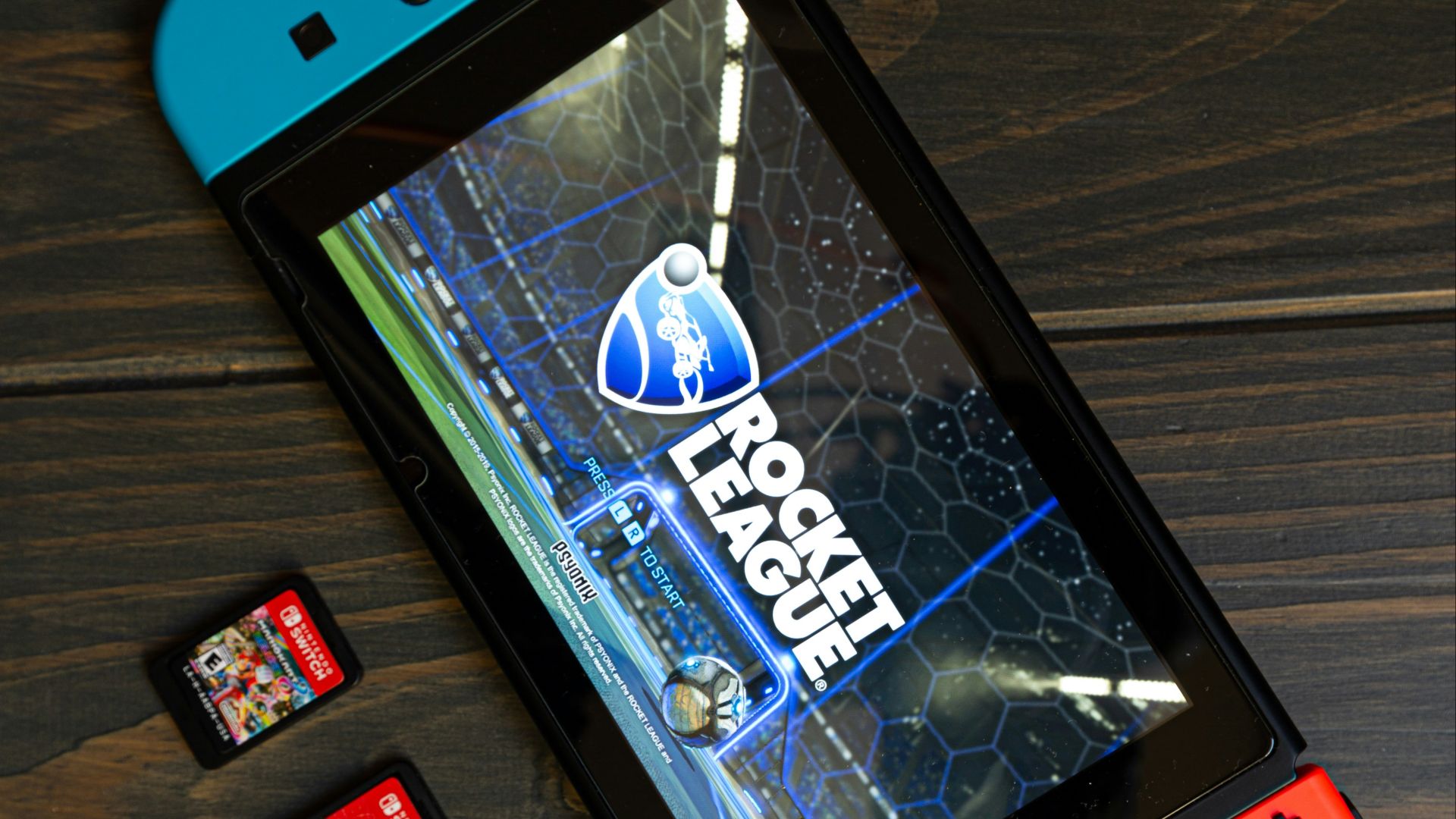
Although it was built as a massively multiplayer game, much of the content can be enjoyed independently. Questing, collecting mounts, exploring zones, and following storylines provide hundreds of hours of entertainment. Many players spend years engaging with the world primarily on their own.
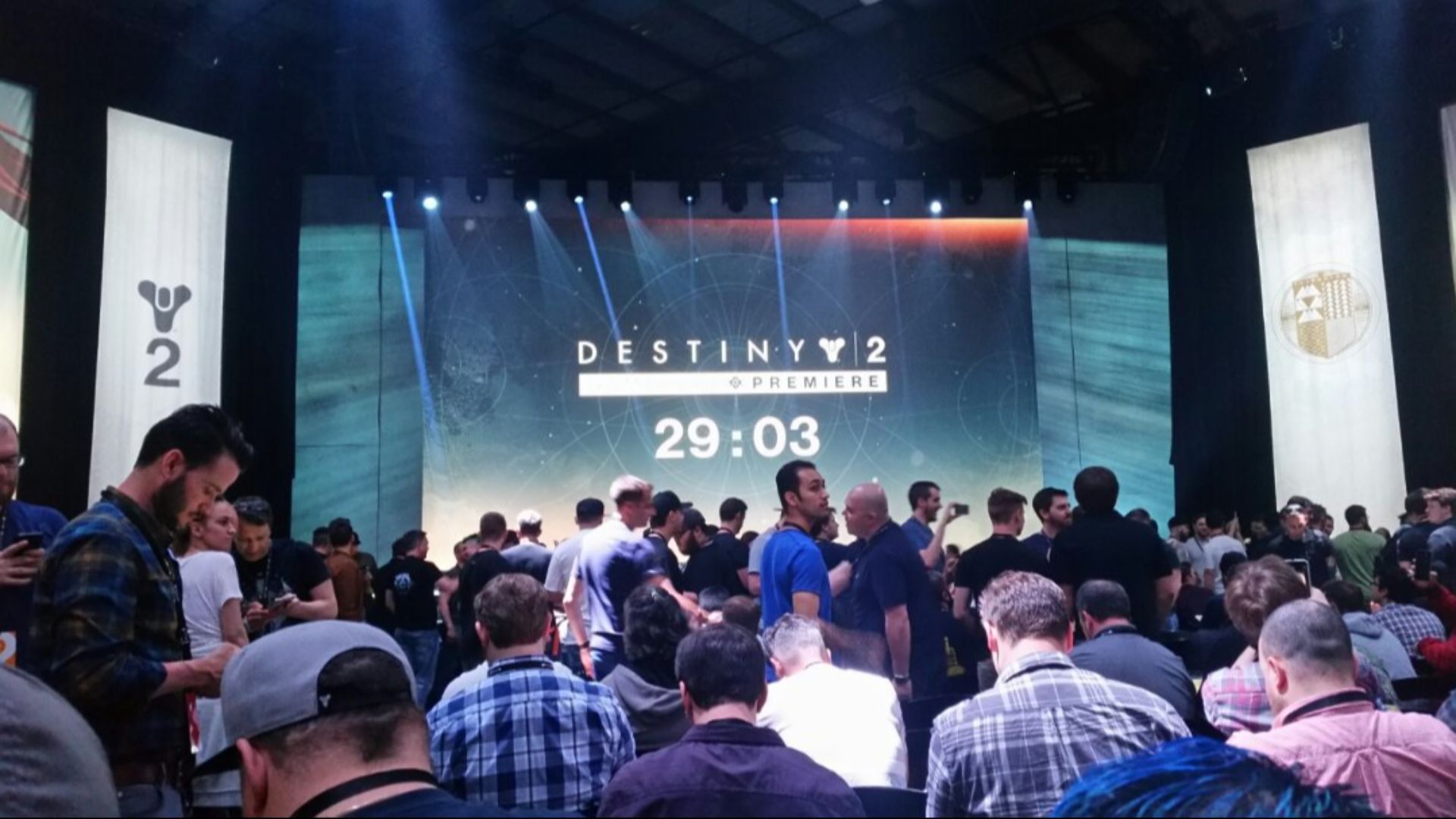
4. Destiny 2
A large portion of the content supports matchmaking or can be tackled solo. Players can pursue gear, complete story missions, and participate in seasonal activities without maintaining a regular group. The game consistently provides goals that reward individual progress.
5. Diablo IV
The shared online world rarely forces players into social situations. Most activities can be completed independently while still benefiting from seeing other adventurers in the environment. The constant hunt for better equipment creates a satisfying solo gameplay loop.
6. Hearthstone
Since competition takes place one opponent at a time, there's little need for a permanent group of friends. Building decks and climbing ranked ladders remain engaging individual pursuits. The strategic depth keeps players invested regardless of their social circle.
7. Fall Guys
The simple controls and lighthearted competition make it easy to enjoy without any coordination. Each round offers enough unpredictability to keep things entertaining even when playing alone. Winning feels rewarding, but the chaotic nature of the matches often makes failure amusing as well.
8. Warframe
Extensive progression systems give solo players plenty to work toward. Matchmaking fills groups automatically when needed, reducing the pressure to recruit teammates. Years of updates have added an enormous amount of content for individual players to explore.

9. Overwatch 2
While teamwork remains important, matchmaking allows players to jump into matches at any time. The variety of heroes creates opportunities to learn new playstyles and roles. Many players enjoy the competitive experience without ever assembling a regular team.
 Tim Bartel from Cologne, Germany on Wikimedia
10. The Elder Scrolls Online
Story quests, exploration, crafting, and character development offer substantial solo-friendly content. Players can treat the experience almost like a traditional role-playing game for long stretches. Group activities exist for those who want them, but they're far from mandatory.
1. Among Us
The social deduction mechanics depend heavily on communication and group dynamics. Random lobbies can be entertaining, but the experience reaches another level when everyone knows each other. Accusations, betrayals, and inside jokes become much more memorable among friends.
2. Lethal Company
Coordination and shared panic are central to the experience. Exploring dangerous locations becomes significantly more entertaining when players are reacting together in real time. Much of the game's appeal comes from unpredictable group interactions.
3. Phasmophobia
The tension relies heavily on communication between investigators. Working together to gather clues and survive encounters creates the most memorable moments. Playing with strangers rarely produces the same level of trust or excitement.

4. Sea of Thieves
Managing a ship becomes much smoother when everyone has a defined role. Sailing, fighting, repairing damage, and navigating are all easier with coordinated teammates. The game's best stories usually emerge from adventures shared with friends.
5. Left 4 Dead 2
Success depends on players watching each other's backs throughout every campaign. Communication helps teams respond quickly to special infected and unexpected threats. The cooperative design shines brightest when the group works together.
6. Content Warning
The game's funniest moments often come from friends attempting to create chaotic footage together. Much of the entertainment comes from shared reactions rather than progression systems. Without familiar voices and personalities, the formula loses much of its charm.

7. Project Zomboid
Survival becomes far more engaging when responsibilities are divided among multiple people. One player might gather supplies while another fortifies a safehouse or manages resources. Shared survival stories often become the reason players keep returning.
8. Keep Talking and Nobody Explodes
The entire concept revolves around communication between players. One person handles the bomb while others provide instructions from a manual. Without teammates, the core gameplay simply doesn't function as intended.
9. GTFO
The game's difficulty level assumes a high degree of coordination and planning. Teams must communicate carefully to manage resources and overcome threats. Random groups can succeed, but organized friends generally have a much better experience.
10. Valheim
Building settlements, gathering resources, and defeating bosses become significantly more enjoyable as a group effort. Shared projects create a sense of investment that is difficult to replicate alone. Many of the game's most satisfying moments come from seeing a community gradually shape the world together.