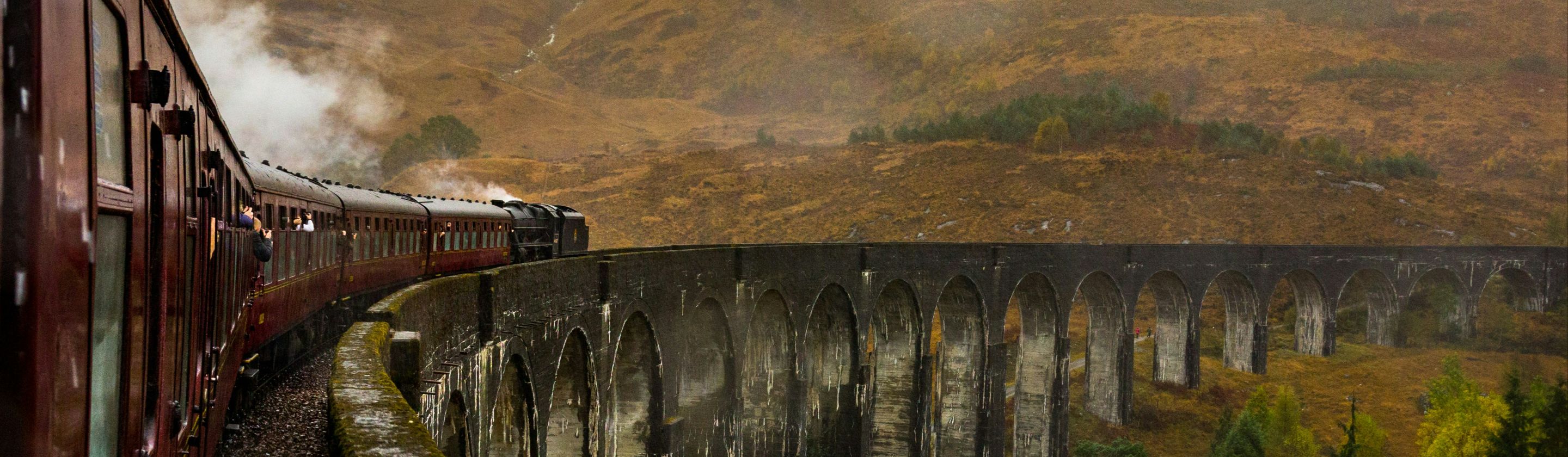
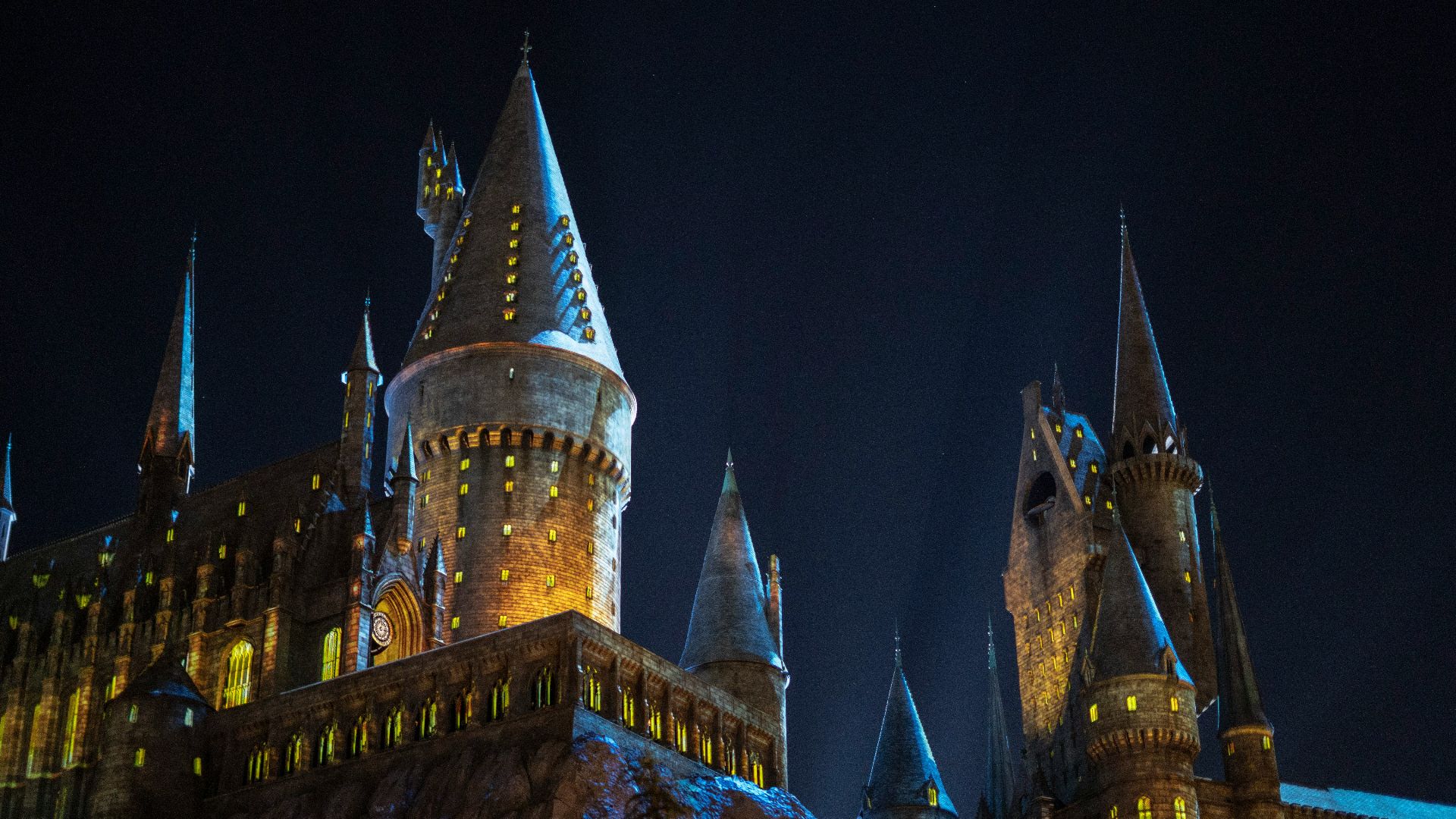
Hogwarts will probably always be the franchise’s home base. We mean, how could it not be? Still, the Wizarding World has never been only about one castle, nestled in the Scottish highlands. According to official Wizarding World material, there are 11 long-established and prestigious wizarding schools around the world, all registered with the International Confederation of Wizards, although we only know the names of eight.
That wider map feels especially interesting now that the franchise has found such a natural spot in gaming. Hogwarts Legacy’s official FAQ describes the game as letting players explore a “fully realized Hogwarts Castle,” including classes, dungeons, secret passageways, and puzzles. If sequels are created, the next best thing wouldn’t necessarily be another Hogwarts. It could be one of the schools fans have only heard about, glimpsed through visiting students, or read about in official lore.
The Schools We Know
 Jules Marvin Eguilos on Unsplash
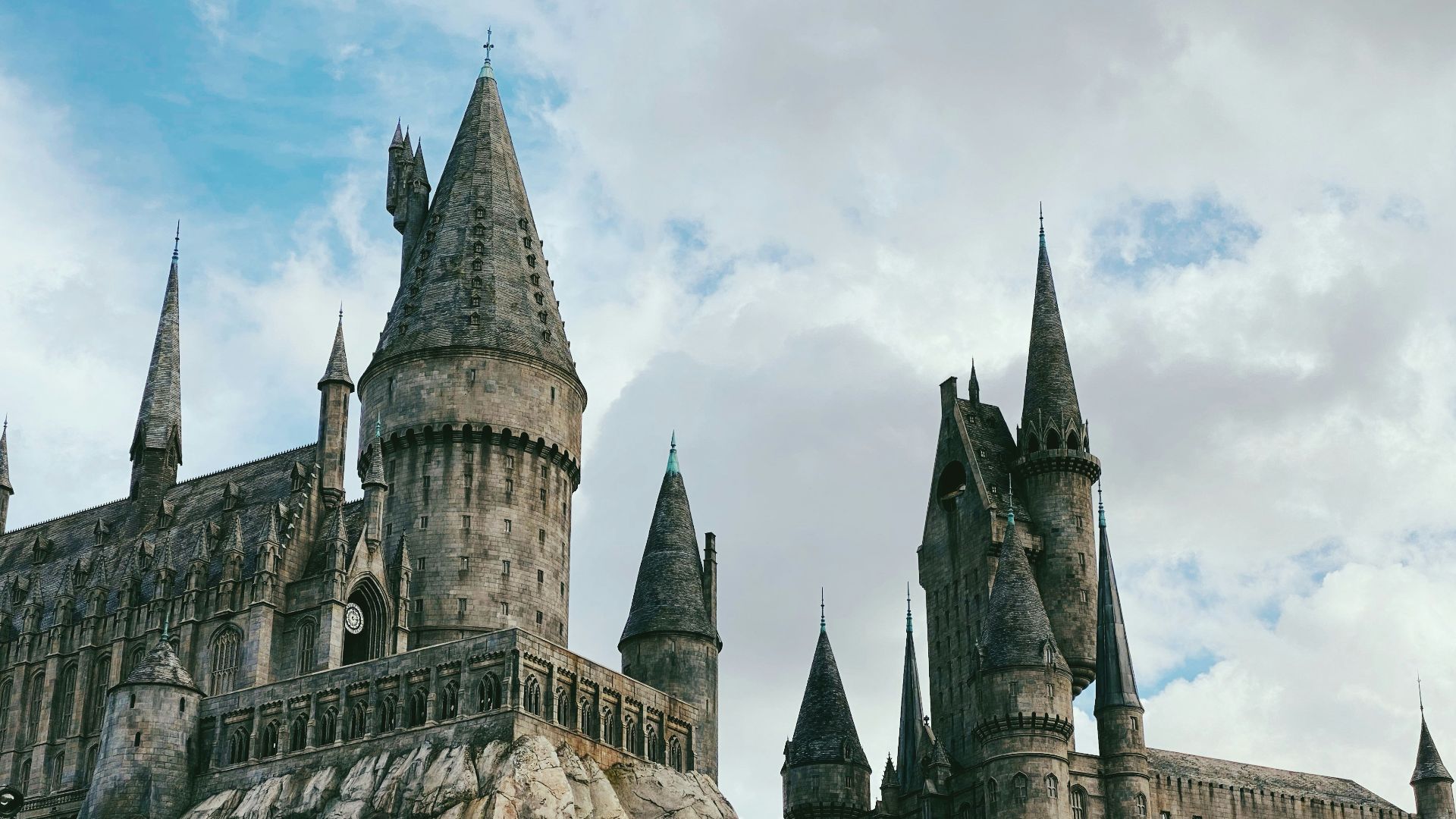
Beauxbatons and Durmstrang are the obvious places to start, thanks to the films. In Harry Potter and the Goblet of Fire, both schools arrive through the Triwizard Tournament. We meet the students, the headteachers, and the general vibe, but get no indication of what the places themselves look like. Luckily, leaves a lot of room for future stories or games to fill in the gaps without fighting against what’s already on screen.
Beauxbatons, according to its official Wizarding World profile, is thought to be located somewhere in the Pyrenees. The school is described as a château with formal gardens and lawns shaped out of the mountainside by magic. It also has a wider student body than the films might make people assume, with many French students, along with Spanish, Portuguese, Dutch, Luxembourgian, and Belgian students attending in large numbers. Nicolas and Perenelle Flamel are said to have met there, and a fountain on the grounds is named after them.
Durmstrang comes with a much colder reputation, though its official Wizarding World profile is more careful than the usual fan shorthand. The school once had the darkest reputation of the 11 schools, but the profile says that reputation was “never entirely merited.” Durmstrang has ties to martial magic, Igor Karkaroff’s troubled time as headmaster, former student Gellert Grindelwald, and modern Quidditch star Viktor Krum. It sounds severe, secretive, and maybe not exactly cozy, but it would be such an easy fit for a darker magical game.
The Other Schools
Ilvermorny might be the easiest school to imagine as the center of a major game because it has enough familiar structure to feel approachable. Its official Wizarding World page places the North American school on Mount Greylock and traces its founding to the 17th century. The story centers on Isolt Sayre, an Irish witch, and James Steward, a No-Maj stonemason, which already gives it a different foundation myth from Hogwarts. It feels connected to the same magical world, but not trapped inside the same old school corridors.
The house system also gives Ilvermorny a built-in hook. Its houses are Horned Serpent, Wampus, Thunderbird, and Pukwudgie, and Wizarding World material ties them to different parts of a witch or wizard. That could give any future game the same kind of social identity that made Hogwarts houses so sticky, without simply reusing Gryffindor, Slytherin, Ravenclaw, and Hufflepuff. A Mount Greylock setting, four different house symbols, and a school shaped by both magical and No-Maj history would feel familiar enough to welcome players in, then different enough to justify the trip.
Mahoutokoro would shift the visual style even more. The Japanese wizarding school is described in its official Wizarding World profile as an ornate palace made of mutton-fat jade on the volcanic island of Minami Iwo Jima. Students begin attending at age seven, though they do not board until they’re 11, and younger day students travel on giant storm petrels. Their enchanted robes change color as their magical education progresses, which is such a clear, game-friendly detail that it almost feels made for character progression.
The Schools With Untapped Potential
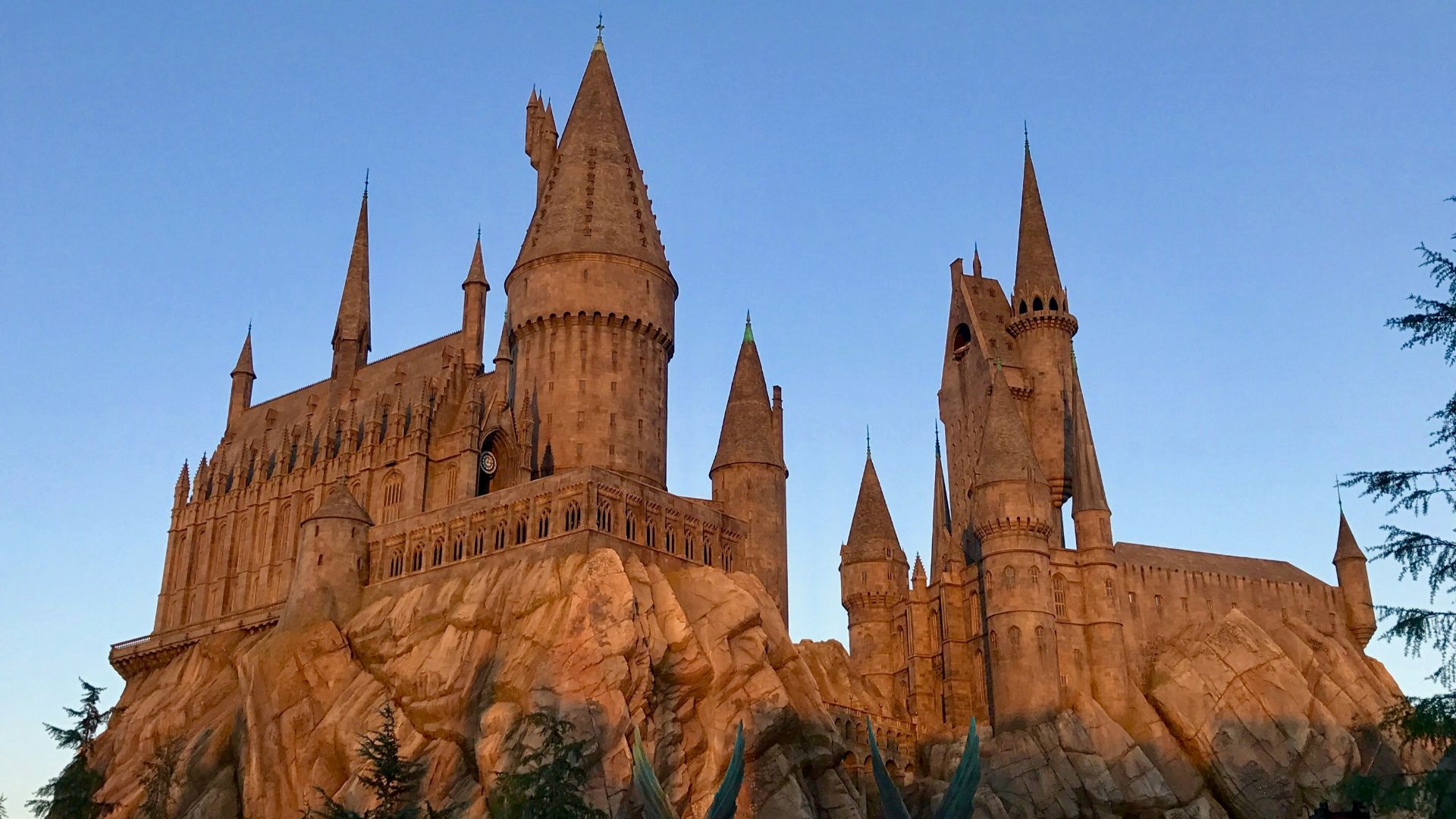
Uagadou may be the most exciting unseen school because it offers more than a new backdrop. Its official Wizarding World profile describes it as the largest wizarding school, welcoming students from across Africa, with its only given address being the Mountains of the Moon. Visitors describe a building carved into the mountainside and shrouded in mist, sometimes seeming to float in mid-air.
Uagadou also changes how magic works on the page, and potentially on the controller. The same official profile says the wand is a European invention, and many African witches and wizards cast spells through finger-pointing or hand gestures, even though wands have been adopted as useful tools in the last century. The school is also known for students especially skilled in Astronomy, Alchemy, and Self-Transfiguration. For a game, that could mean a different combat rhythm, different classroom mechanics, and a different sense of what magical mastery looks like.
Castelobruxo has a different kind of appeal, more creature-heavy and exploration-driven. Its official Wizarding World profile places the Brazilian school deep in the rainforest and says it serves students from across South America. The school appears to Muggle eyes as a ruin, while witches and wizards see a golden-rock building often compared to a temple. The grounds are protected by Caipora, mischievous spirit-beings that watch over the students and nearby magical creatures at night.
Aside from our three unknown schools, Koldovstoretz is a school about which we know almost nothing. Unlike Uagadou, Castelobruxo, Ilvermorny, Mahoutokoro, Beauxbatons, and Durmstrang, it does not have the same full current Wizarding World school profile. The Harry Potter Lexicon identifies it as a Russian wizarding school and ties it to older Pottermore-related material and Wonderbook: Book of Potions, while also noting that the canonicity around tree-based Quidditch is in question. That makes it less solid as a source of worldbuilding, but still a useful reminder that the franchise has named and unnamed magical schools sitting beyond the usual Hogwarts view.
That might be the smartest path forward for the Wizarding World in games and future screen stories. Hogwarts is beloved, but it’s also very well-trodden ground by now. These other schools offer different architecture, different magical traditions, different student cultures, and different gameplay possibilities without cutting loose from the franchise’s existing lore. After all these years of returning to the same staircases and classrooms, opening the door somewhere else could make the whole world feel strange again.