10 Things That Make Players Instantly Drop a Game & 10 That Make It Hard to Put Down
What Keeps You Hooked
There's nothing more frustrating than playing a game where every character just has to give you a five-minute spiel about their intentions, or a story that just doesn't seem to make sense. Gaming is a hobby built almost entirely on feelings, and when the titles you play don't give you that sense of satisfaction, you'd probably drop it immediately. Here's the difference between what makes a game utterly boring and what makes it so hard to put down.
1. Unskippable Cutscenes on Repeat
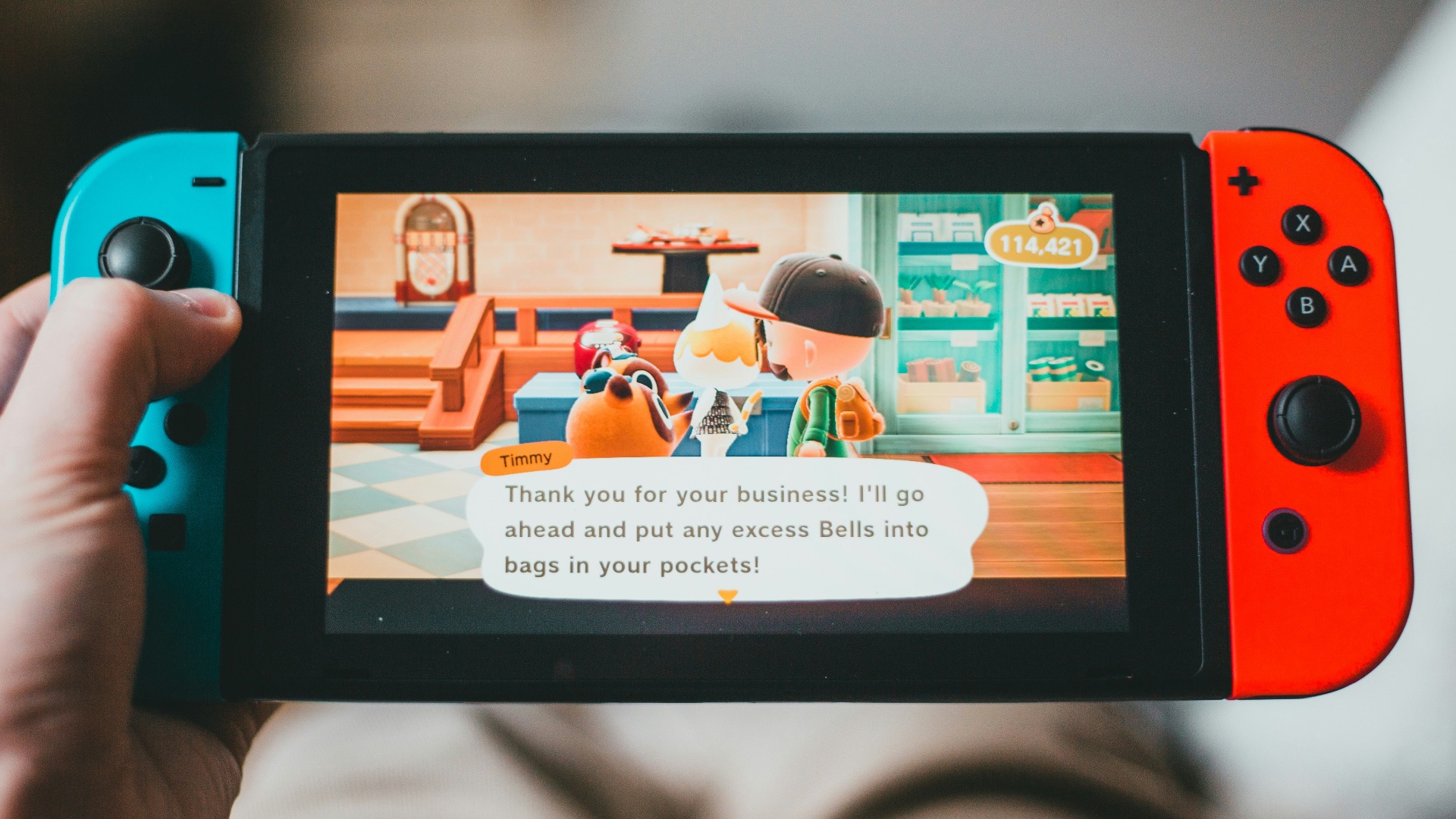
There's nothing quite like dying at the end of a boss fight and then being forced to sit through a three-minute cutscene before you can try again. It breaks momentum, kills immersion, and makes the whole experience feel like a lecture. Players are generally patient with storytelling, but there's only so many times they want to see the same sob story over and over again.
2. Tutorials That Never End
Being walked through basic mechanics for the first hour of a game is exhausting, especially when the prompts keep appearing long after you've got the hang of things. A good tutorial teaches what it needs to and then gets out of the way so you can get immersed in the story.
3. Aggressive Microtransaction Prompts
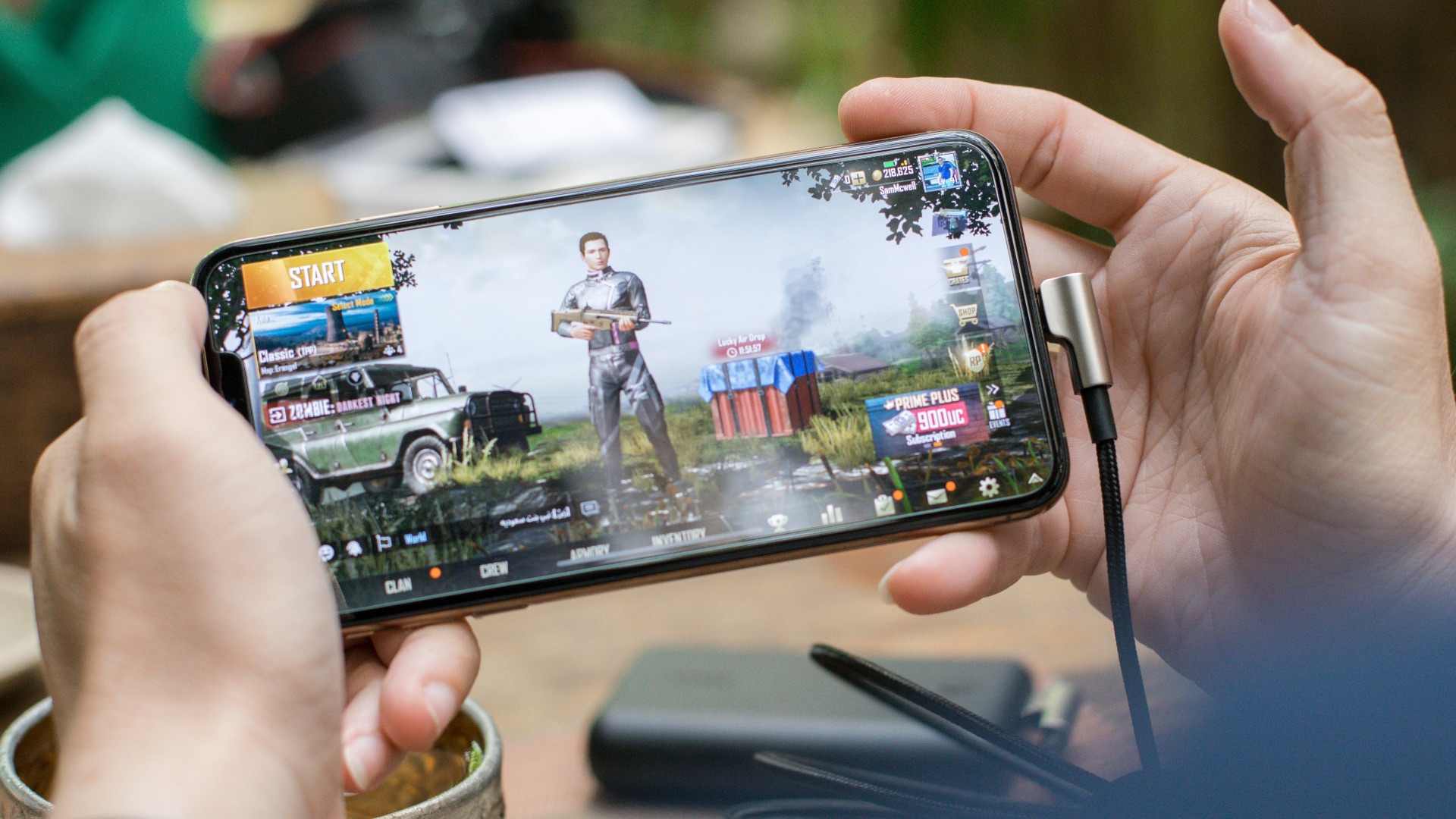
If a game is constantly nudging players toward a storefront mid-session, it starts to feel less like entertainment and more like it just wants more money out of you. There's a big difference between having optional cosmetics available and engineering the gameplay loop to make spending cash feel necessary.

4. A Hero and Villain You Don’t Care About
Players don’t need every game to be deeply story-driven, but they do want personalities that leave some kind of impression. So when the protagonist has no personality and the villain feels like they were added at the last minute, the story loses a lot of its pull. If nobody feels memorable, it becomes way easier to stop playing and move on.
5. Punishing Pause or Save Systems
Losing significant progress because a game won't let you save or save at an inconvenient moment is genuinely one of the more annoying things that games can do. People have lives outside of gaming, and not being able to step away without penalty is a design flaw, not a feature.
6. Overwhelming Complexity from the Start
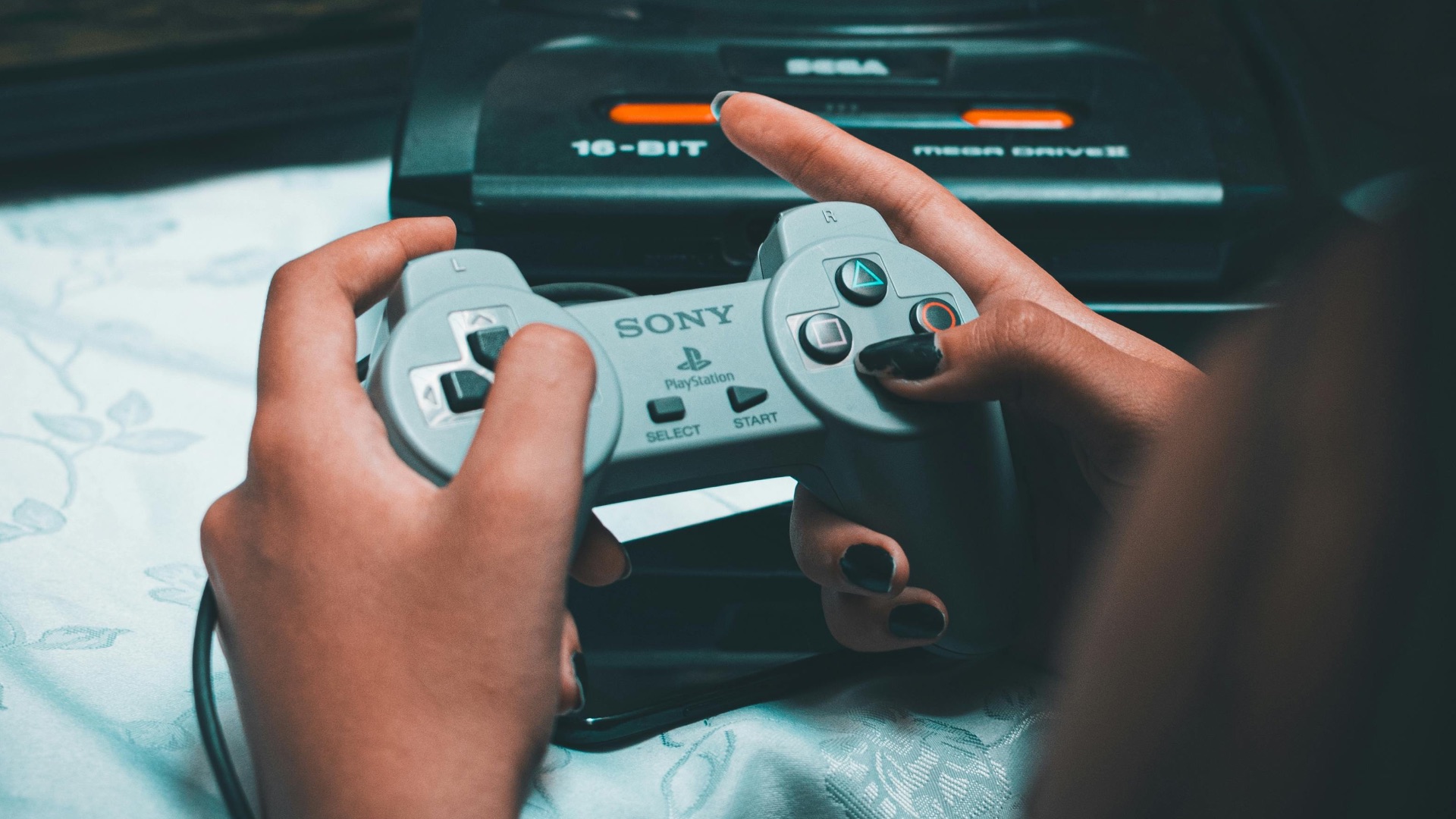
Dropping players into a sprawling system of menus, stats, and mechanics without any grounding can make a game feel inaccessible right out of the gate. Depth is a selling point, but only when it's introduced gradually and given room to breathe. If someone feels lost before they've had a chance to get invested, they're unlikely to stick around to figure it out.
7. Toxic or Unbalanced Multiplayer
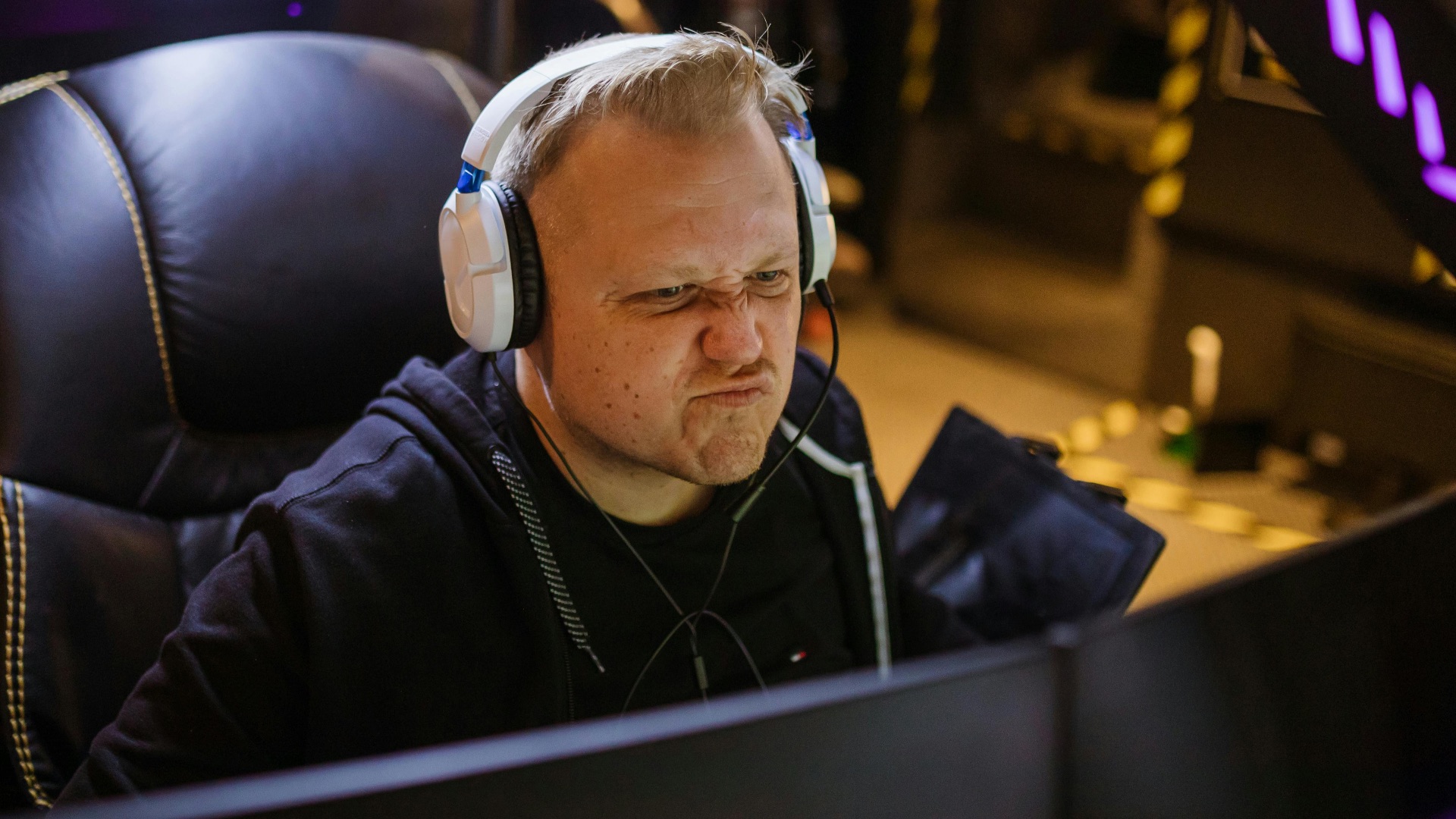
A competitive mode that pairs new players against highly experienced opponents with no balance consideration makes for an unpleasant first impression. Add in a community that's quick to berate anyone who underperforms, and the online experience becomes more stressful than it's worth. Matchmaking and community culture both play a huge role in whether multiplayer retains its player base.

8. Repetitive Enemy Encounters
Fighting the same enemies with the same strategies room after room starts to feel like a chore rather than a challenge. When combat stops requiring any thought or adaptation, the gameplay loop loses its energy fast. Variety in enemy behavior and encounter design is what keeps players engaged rather than just going through the motions.

9. Confusing or Unhelpful UI
A cluttered heads-up display, menus that bury important information, or an inventory system that's more puzzle than tool are all signs of a game that hasn't prioritized player experience. You shouldn't need to spend 10 minutes figuring out how to equip an item or track an objective. Interface design is often underrated, but it has a direct impact on whether players feel in control or constantly frustrated.
10. A Story That Disrespects Player Choices
Games that advertise meaningful decisions but then funnel everyone into the same outcome regardless of what you picked feel hollow and dishonest. When players sense that their choices are just an illusion, the emotional investment in the story tends to collapse pretty quickly.
Now that you know which design pitfalls can turn a promising game into one that gets uninstalled pretty quickly, let's jump to the flip side: the things that make a game hard to put down.
1. A Satisfying Progression Loop
There's a reason games built around leveling up, unlocking skills, or upgrading gear are so easy to lose hours to: the sense of consistent forward movement is deeply satisfying. Every session ends with the feeling that something was accomplished, even if it was just a small upgrade or a new ability. That steady drip of progress keeps the "just one more" mentality going longer than most players expect.
2. Tight, Responsive Controls
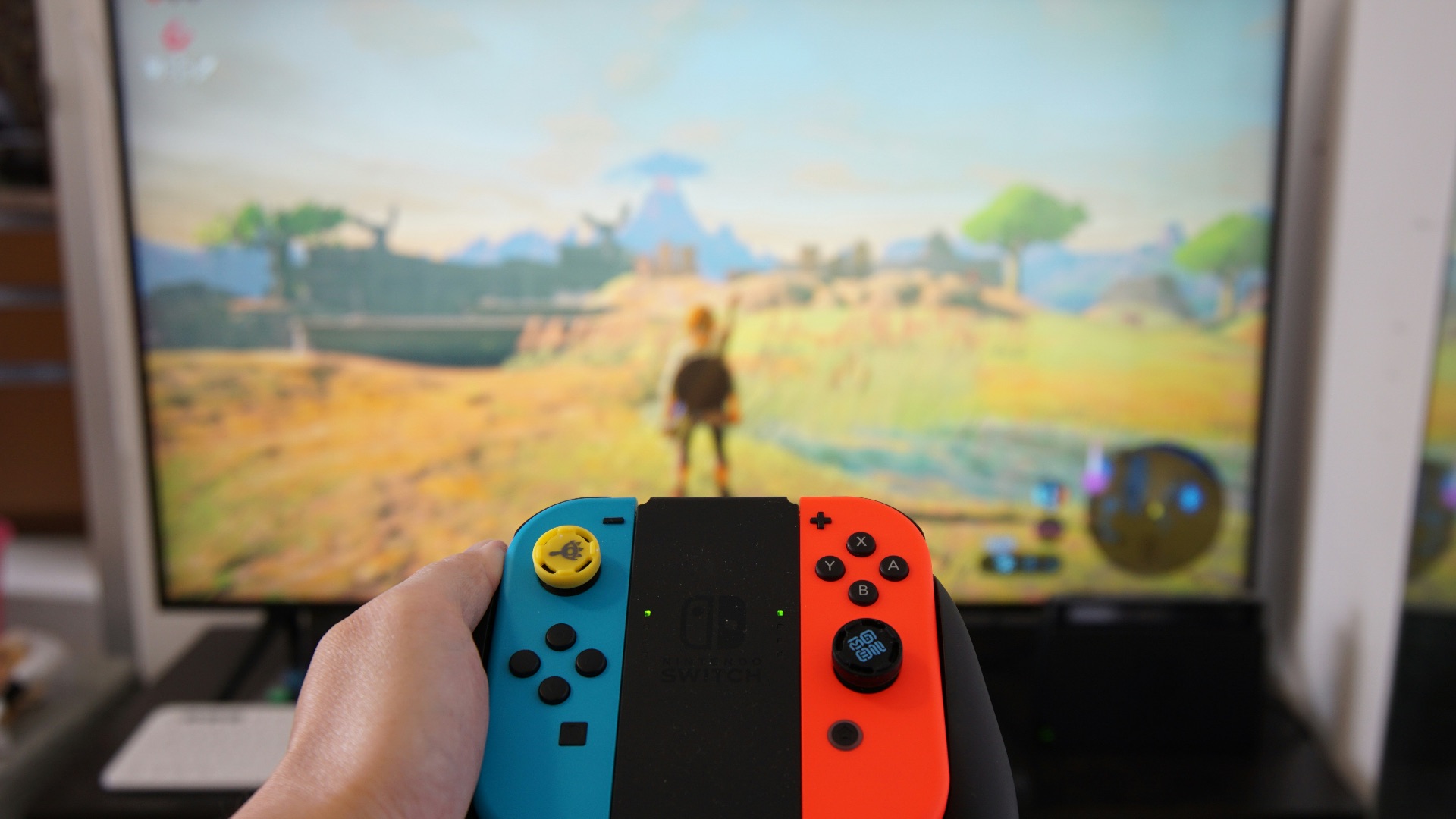
When a game feels great to play at the most basic mechanical level, everything else benefits from it. Controls that respond exactly the way you expect them to make even routine tasks feel rewarding, and they build a physical confidence in the player that makes harder challenges feel fair. It's one of those things you don't always consciously notice, but you absolutely notice when it's missing.
3. A World That Rewards Exploration
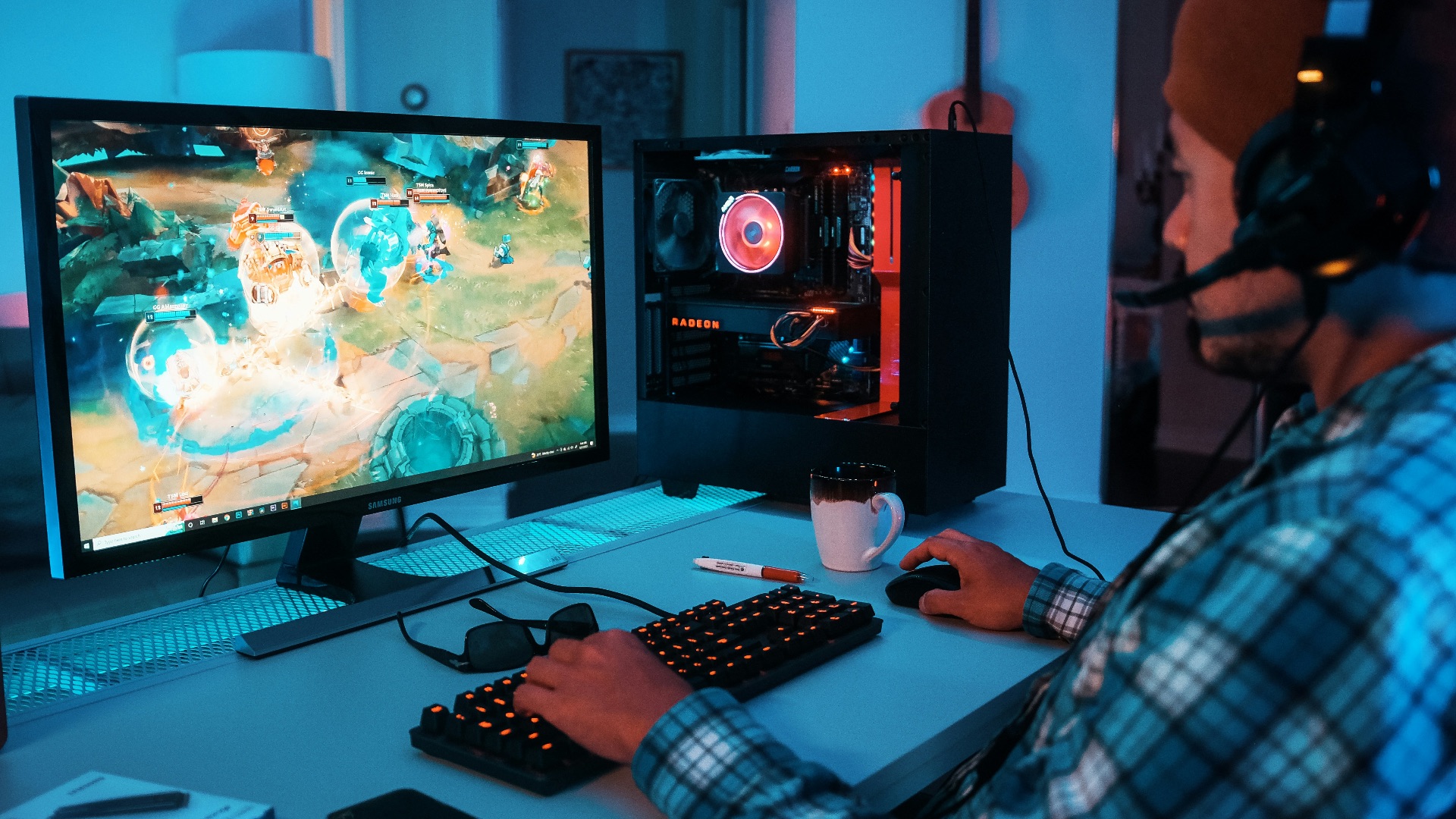
Stumbling across a hidden area, a piece of lore tucked into an obscure corner, or a secret that changes how you understand the story makes a world feel alive and worth investigating. It rewards curiosity rather than punishing players for going off the beaten path. When a game makes you want to check every room and read every note, it dramatically extends how long players stay engaged.

4. Compelling Characters
A strong cast, whether it's a protagonist you root for, a villain you love to hate, or a supporting character who gets unexpectedly emotional moments, gives players a reason to keep pushing through even the harder sections. Attachment to characters is one of the most powerful retention tools a story-driven game has. When you actually care about what happens to someone, the credits feel more like a loss than a finish line.

5. Meaningful Difficulty
A game that challenges you without feeling unfair creates a cycle of failure and improvement that's genuinely hard to walk away from. There's enormous satisfaction in finally clearing a section that's had you stuck for a while, and it's only possible when the difficulty feels earned rather than arbitrary. That balance between struggle and success is what makes the highs hit so much harder.
6. Clever Environmental Storytelling
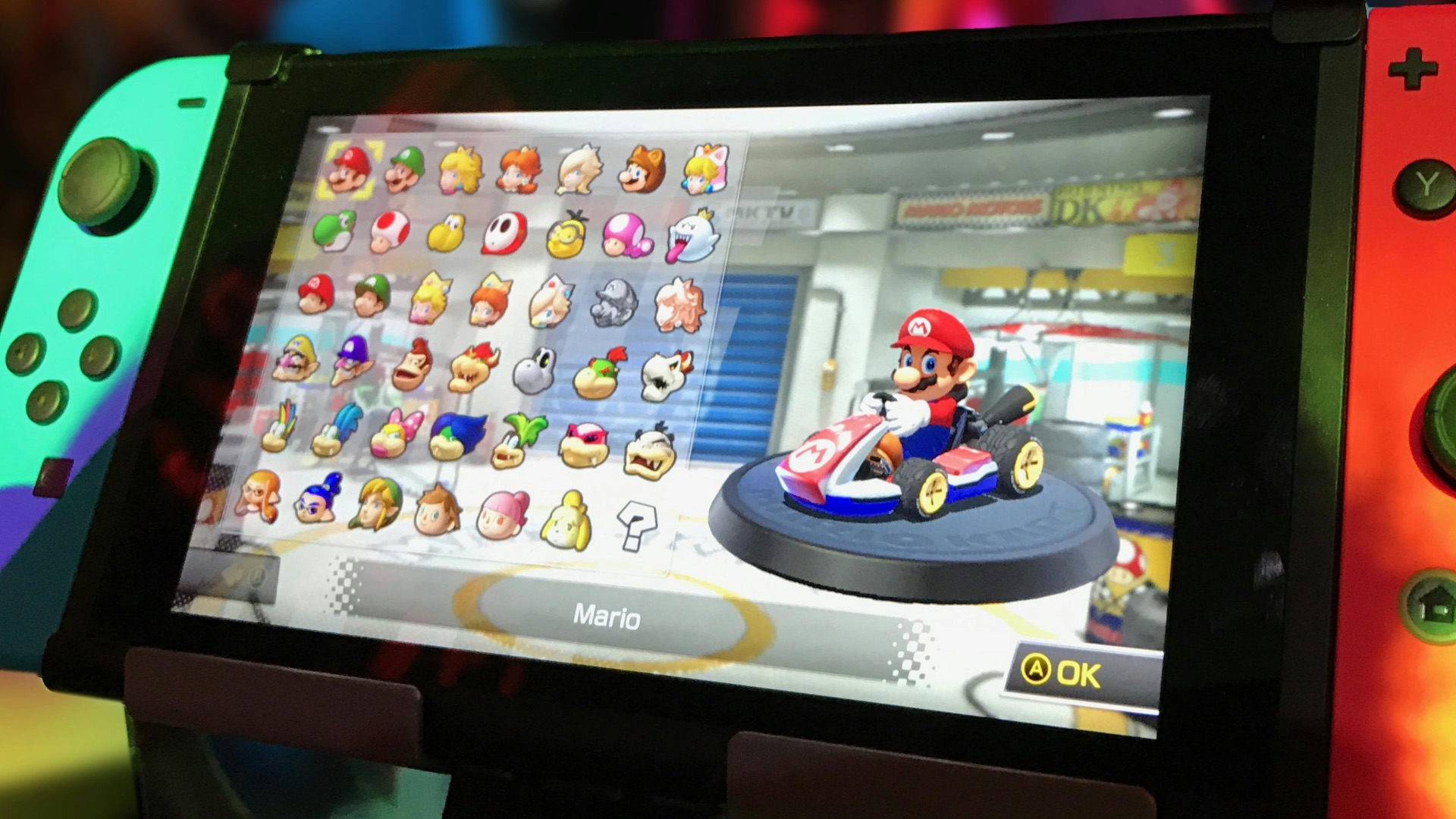
When a game communicates its lore and history through the world itself, it creates a layer of discovery that goes beyond the main narrative. It trusts players to piece things together rather than spelling everything out, which makes the experience feel more intelligent and immersive. Players who engage with this kind of storytelling tend to stay invested far longer because there's always more to uncover.
7. A Soundtrack That Fits Perfectly
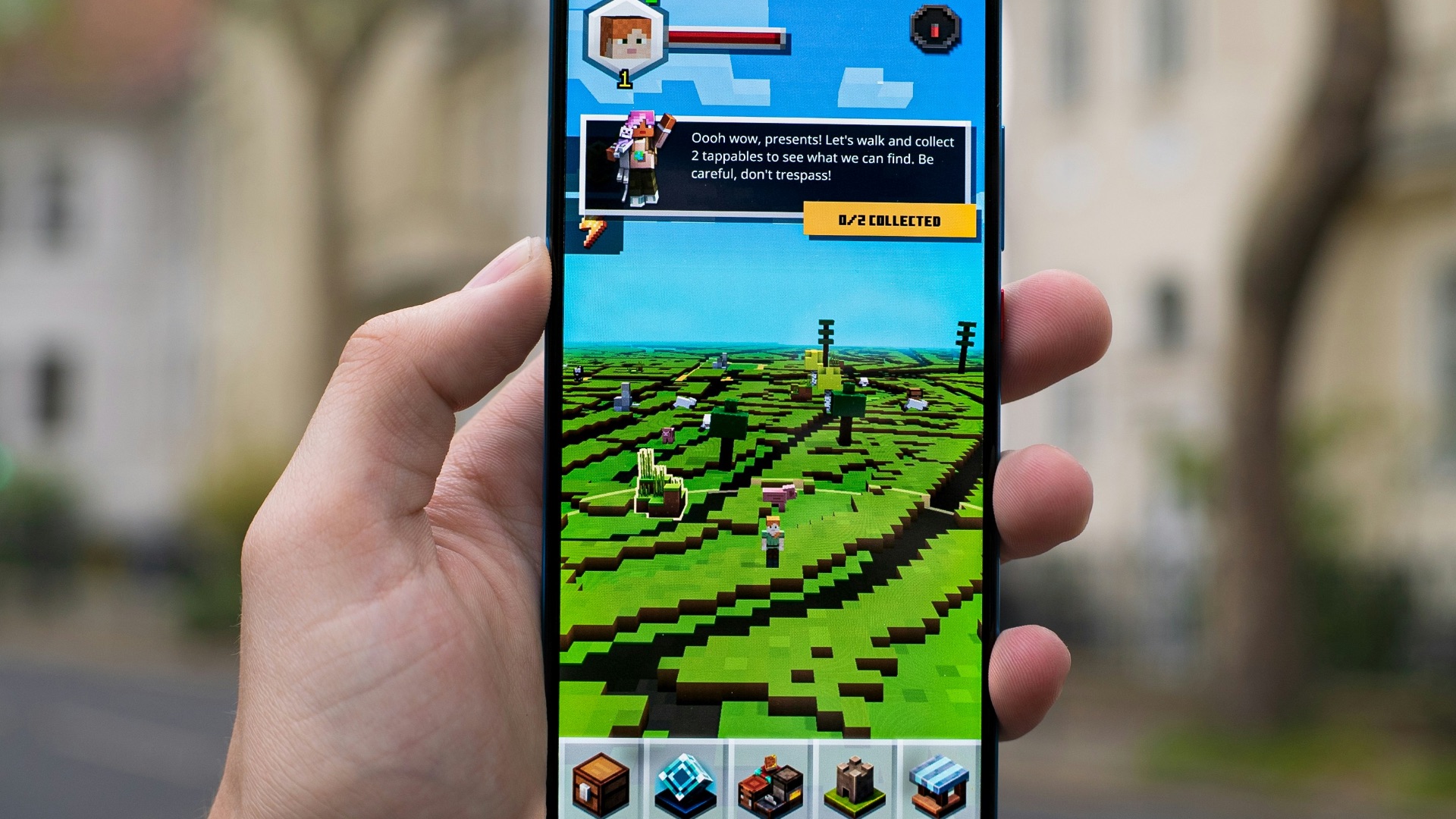
Music that responds to what's happening on screen elevates the entire experience without players even realizing it's happening. After all, a well-composed soundtrack makes a game feel more cinematic and keeps the emotional register consistent throughout. Some of the most memorable gaming moments are inseparable from the music playing underneath them.
8. Cooperative Multiplayer Done Right
Playing through a game alongside a friend, especially one built with cooperation in mind, adds a social dimension that single-player games can't replicate. Shared victories and coordinated strategies create moments that get talked about and replayed, and having someone else invested in the outcome makes it harder to just log off. When a co-op experience is well-designed, it tends to dramatically increase the total time players spend in a game.
9. Frequent Micro-Goals
Beyond the main story or objective, games that keep players moving with shorter-term tasks like daily challenges and side quests give every session a sense of purpose. It means there's always something specific to work toward, even when the main narrative hits a slower stretch. This kind of layered goal structure is a big reason why certain games can hold attention for hundreds of hours.
10. An Ending That Earns Its Payoff
A conclusion that feels satisfying, whether it's emotionally resonant, narratively complete, or just genuinely surprising, sends players away with a positive final impression that makes them want to revisit the game or seek out more from the same developer. It's the last thing players experience, which means it carries more weight than almost anything else in the game.