Ghosts in the Machine
A surprising number of things people do every day are leftovers from technology that disappeared decades ago. The machines changed, but the habits stuck around because it was easier to keep familiar behavior than teach everyone something new. Software designers leaned into this, borrowing symbols and layouts from older objects so new technology would feel instantly recognizable. That is why we still type on a keyboard designed around mechanical typewriters and click a floppy disk icon to save a file most people have never actually seen in real life. Here are 20 everyday habits and design choices that survived long after the technology behind them disappeared.

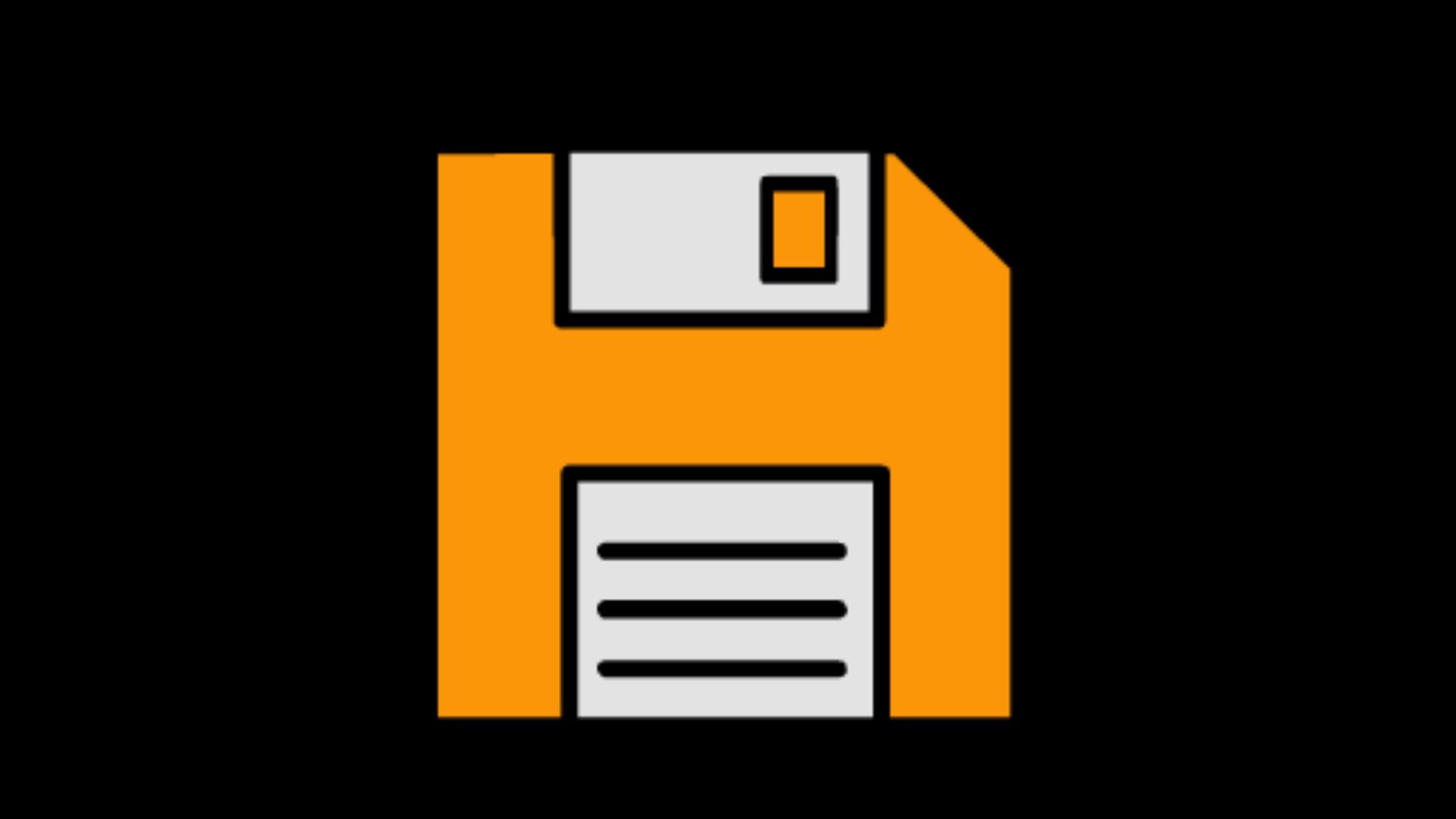
1. The Save Icon
That little square with the sliding shutter is a 3.5-inch floppy disk, a thing that held about a millionth of what a phone holds now. Anyone under twenty-five has likely never handled one, and the shutter detail they're looking at is a metal slider that had to be pushed aside to read the disk. It survives because no designer has come up with a better symbol for the abstract idea of putting something somewhere safe.
2. Dialing a Number
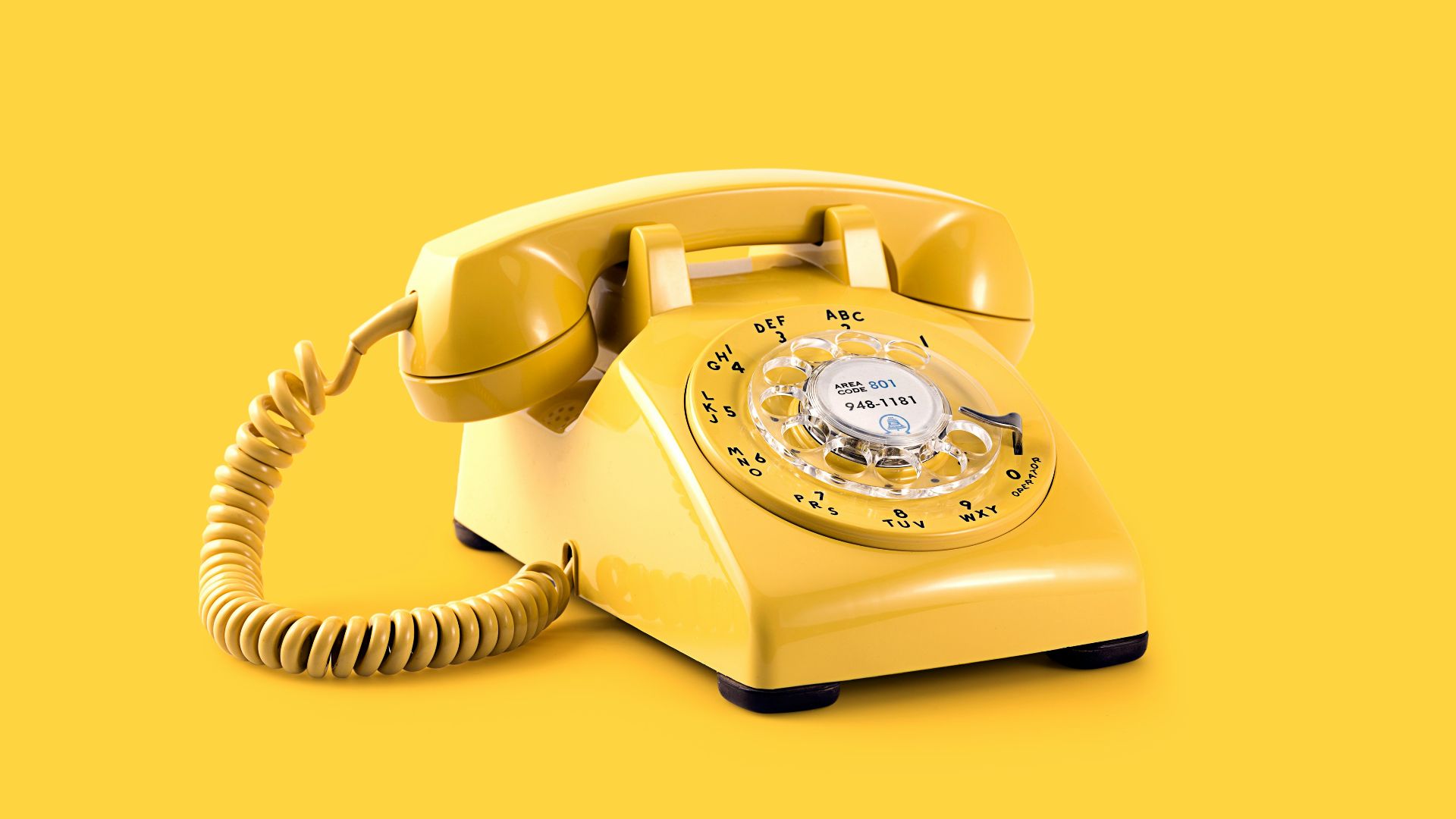
You dial a phone because rotary models had an actual dial you dragged around with a finger and let spring back. Every digit took its own turn and its own wait for the spring to return, which made a long distance number a small workout. The verb outlived the mechanism by about fifty years and shows no sign of leaving.
3. The Hang-Up Gesture
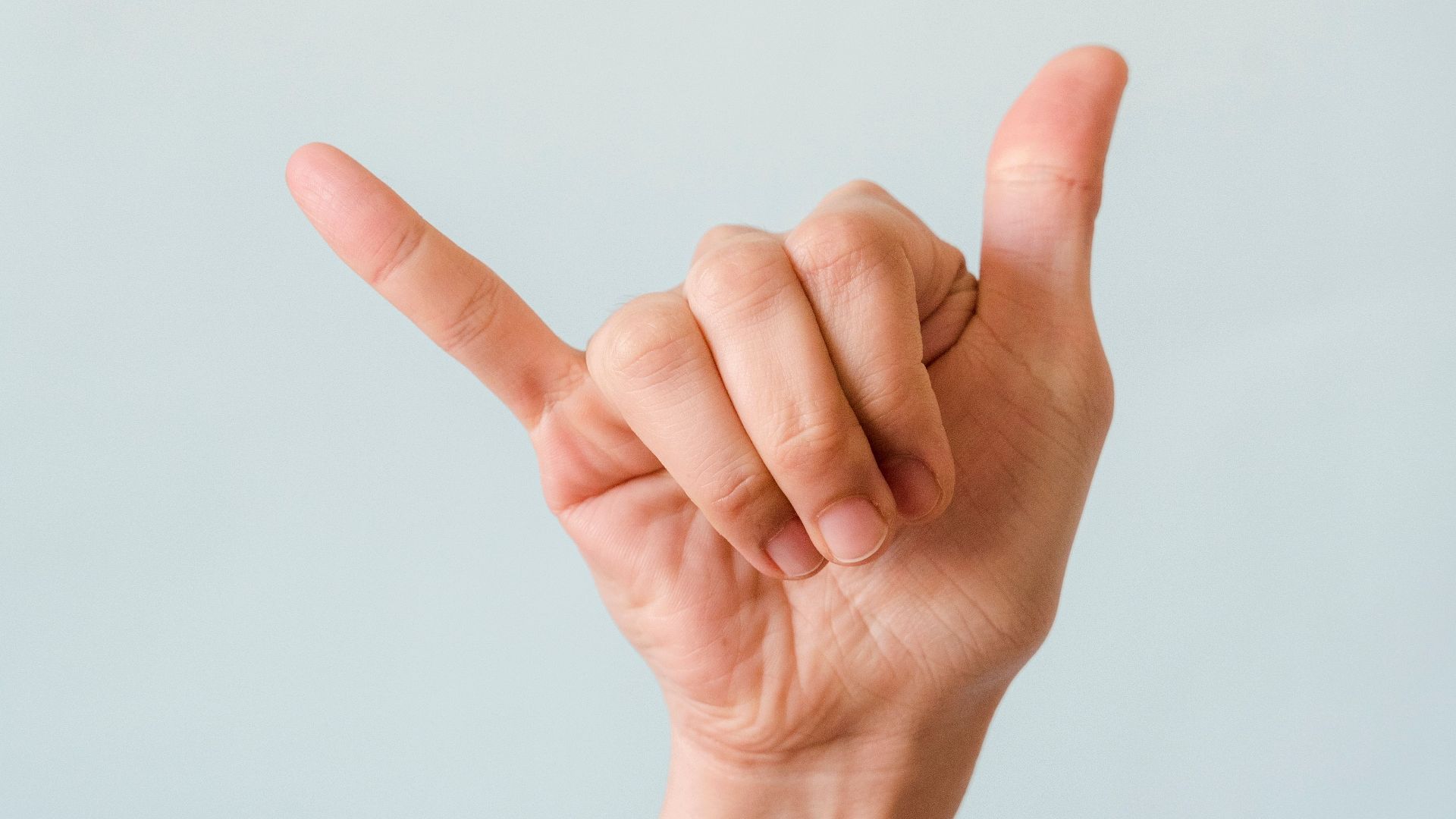
Thumb and pinky extended, held to the ear, means telephone to anyone over thirty. The shape comes from a handset with an earpiece and a mouthpiece at opposite ends, which no phone has looked like since the nineties. Kids raised on rectangles have started making a flat palm against the ear instead.
4. Saying Hello First
Answering a call by announcing yourself made sense when the phone rang without telling you who it was. Edison pushed for "hello" as the standard greeting, beating out Bell, who wanted people to answer with "ahoy." Caller ID removed the entire reason for the ritual, and almost nobody dropped it. People still say it to callers whose names are on the screen.

5. Cc and Bcc
Carbon copy meant a sheet of carbon paper stacked between two pages so a typist produced a duplicate while writing the original. The blind version meant leaving that recipient's name off the visible list. Both terms migrated into email intact, describing a process involving no paper and no carbon.
6. QWERTY
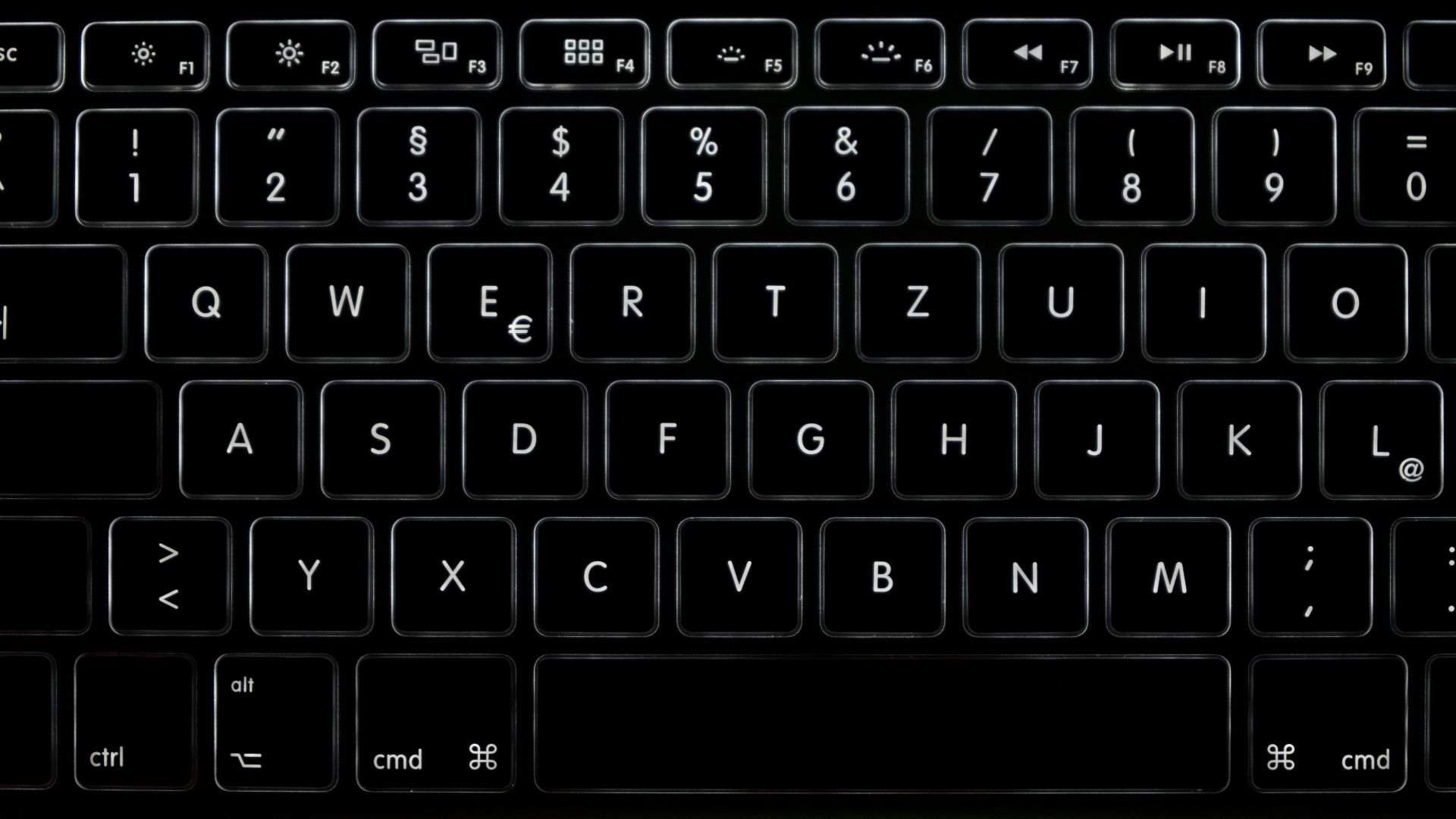
The layout came from Sholes and his typewriter in the 1870s, arranged so that common letter pairs sat far apart. The usual explanation is that it kept the typebars from jamming into each other, though historians argue about how much telegraph operators shaped it too. Either way, the reasoning has nothing to do with a device that has no bars to jam.
7. Two Spaces After a Period
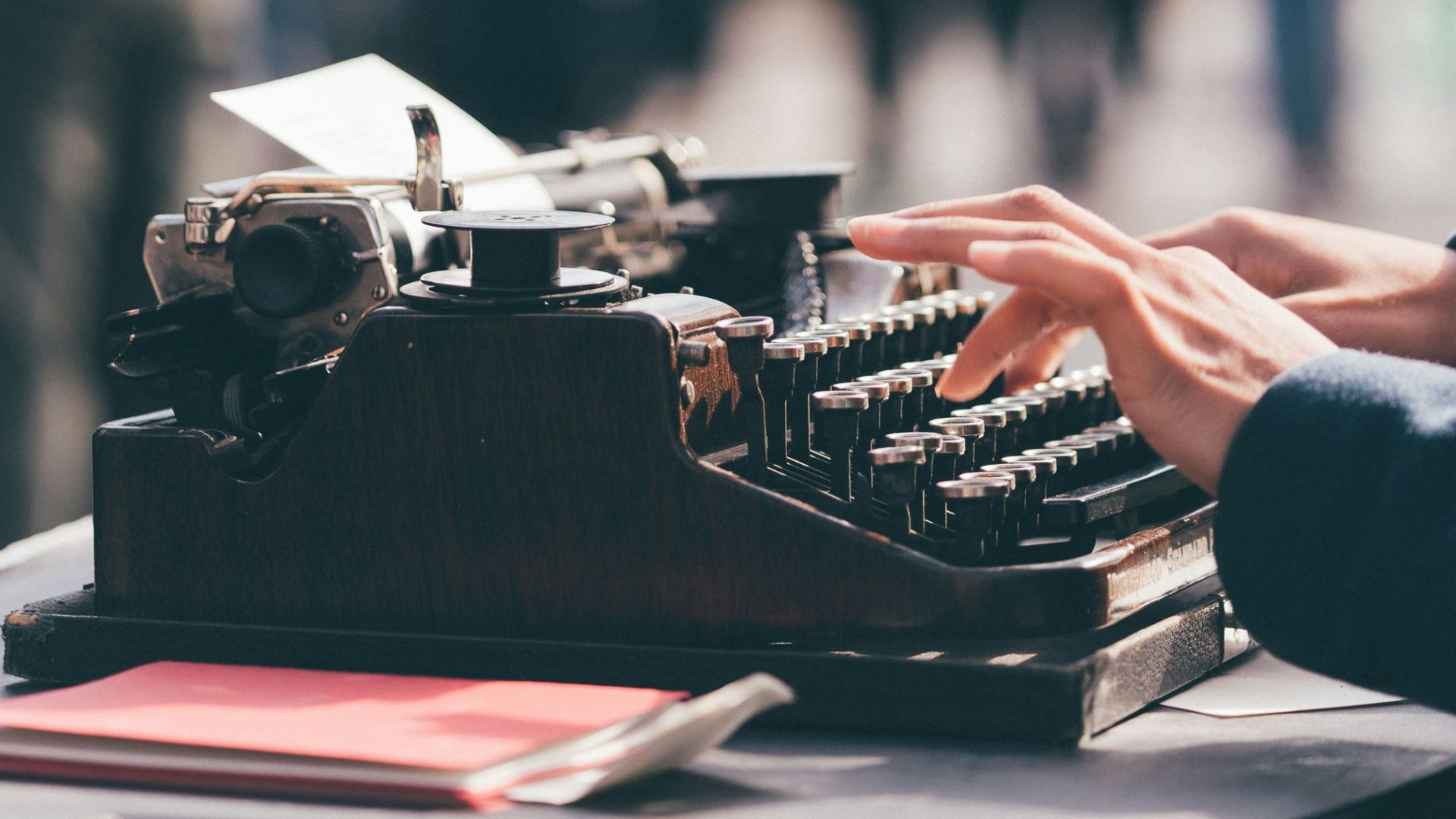
Typewriters gave every character the same width, which made an "i" sit in as much space as an "m" and left sentence breaks hard to see. Two spaces fixed the problem by force, giving the eye something to catch on. Proportional fonts solved it properly decades ago, and people trained on typewriters have been arguing with people trained on computers about it ever since.

8. The Shift Key
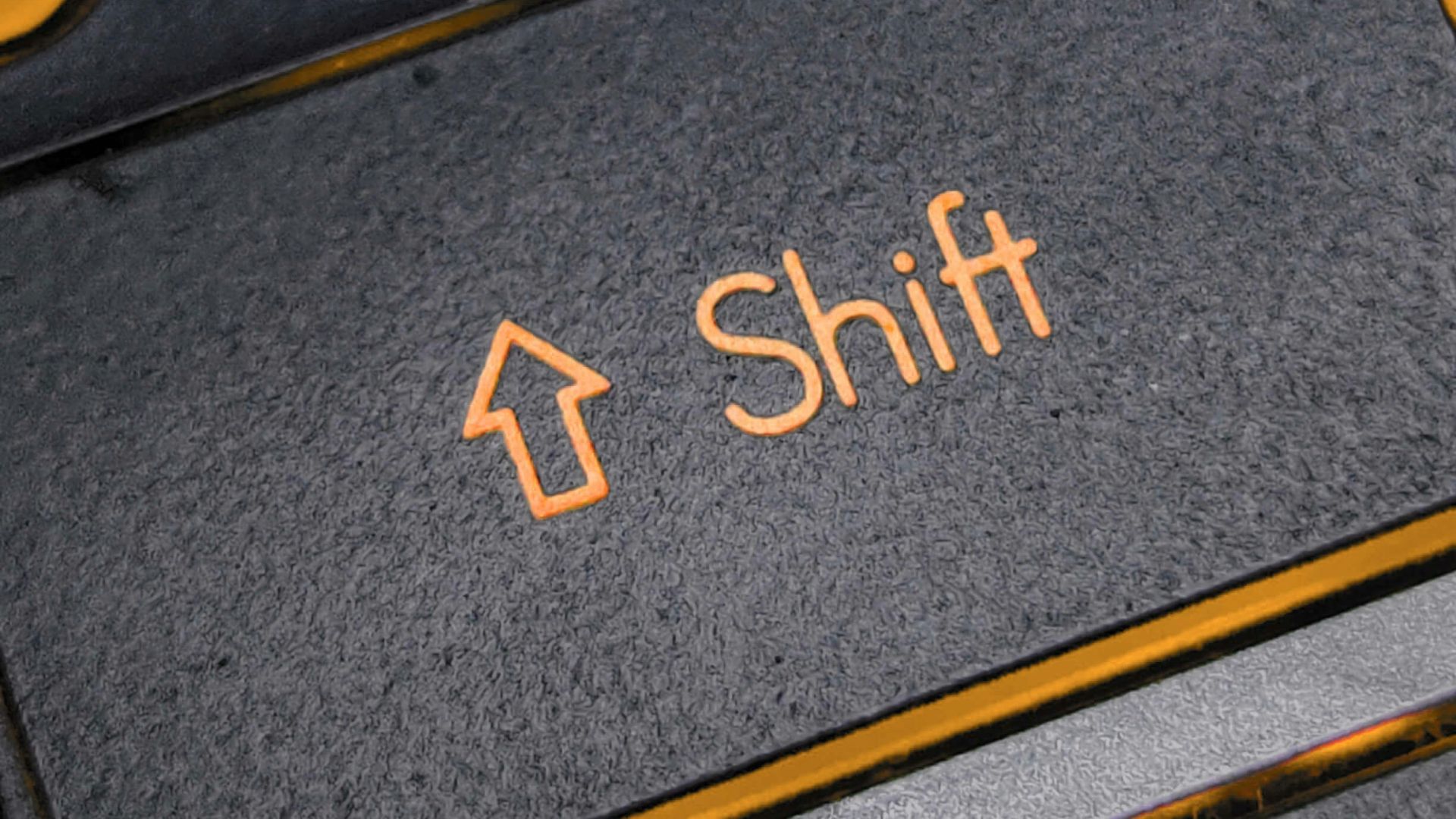
Pressing shift on a manual typewriter physically lifted the carriage so a different part of each typebar struck the page. The name is a description of what the machine was doing, since something heavy really was shifting up and back down. The key now sends a signal and moves nothing, and the word stuck anyway.
9. That Arrow on the Enter Key
The bent arrow pointing left is a carriage return, drawn from the motion of shoving the paper carriage back to the start of the next line. Typists threw a lever to do it, hundreds of times a page, and the sound of that lever is most of what a typewriter sounds like in old recordings. The symbol is a picture of an arm movement nobody has made since the eighties.
10. Uppercase and Lowercase
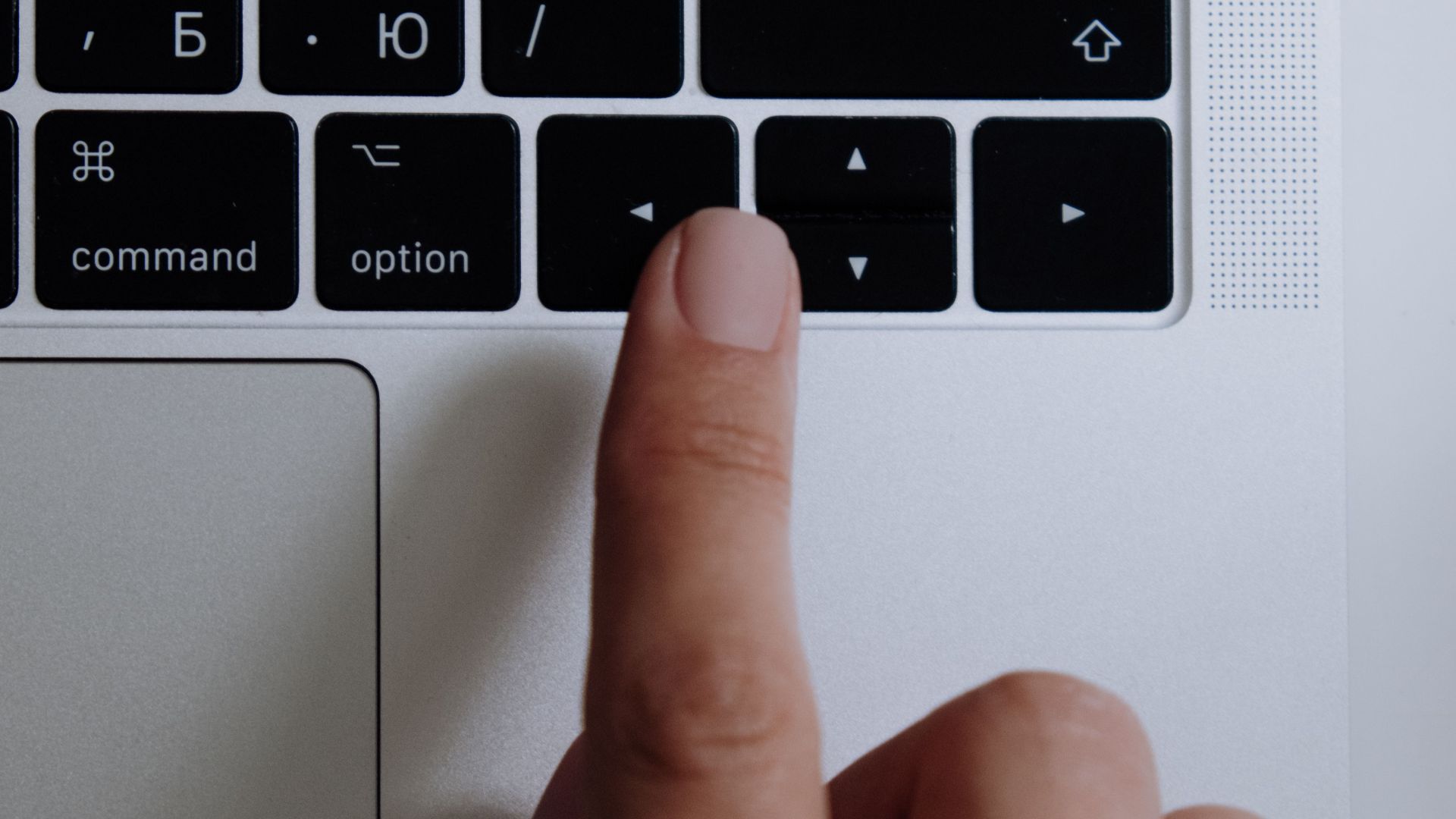
Printers working with metal type kept capital letters in a case above the one holding the small letters, which is the whole origin of the words. The arrangement came down to reach, since the letters used most often needed to sit within easy grabbing distance. Every word processor on earth still uses vocabulary from a wooden drawer.
11. Phone Numbers That Spell Words
Letters appeared on dials because exchanges had names, and a number in Manhattan might start with PEnnsylvania. Businesses figured out that a word is easier to remember than seven digits, which is how 1-800-FLOWERS happened. The exchange names are long gone and the mnemonics kept selling.
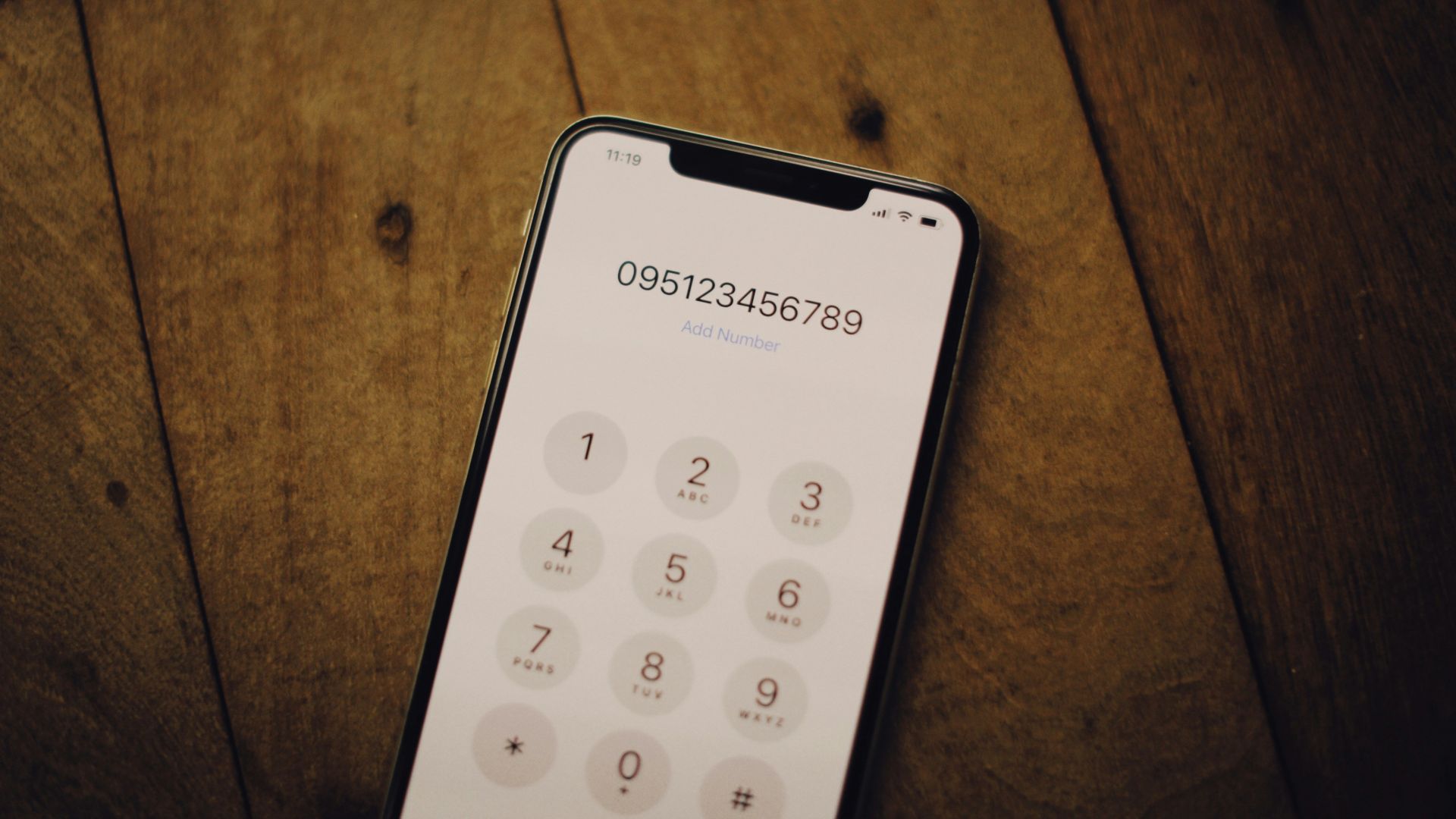
12. The Camera Shutter Sound
A mechanical camera made that noise because a mirror flipped and a shutter opened. Phone cameras have no moving parts and play a recording of the sound instead, added so people could tell a photo had been taken. In Japan and South Korea, phones aren't allowed to let you turn it off.
13. Rolling Down a Window
Window cranks were a handle you turned in circles, which is where the rolling came from. Power windows have been standard for so long that most drivers under forty have never operated the manual kind. Nobody has floated a replacement, mostly because "press the window down" sounds ridiculous.
14. Taping a Show
Recording something meant a physical cassette with magnetic tape spooling past a head, and a VCR clock most households never managed to set. People still say they taped a game they recorded to a hard drive. Nothing in the process involves tape and hasn't for twenty years.
15. Rewinding
Going back in a video is called rewinding because a tape had to be physically spooled back onto the other reel. Blockbuster charged a fee if you returned one without doing it. Streaming has no reels and nothing to spool, and people say rewind regardless.
16. Calling It an Album
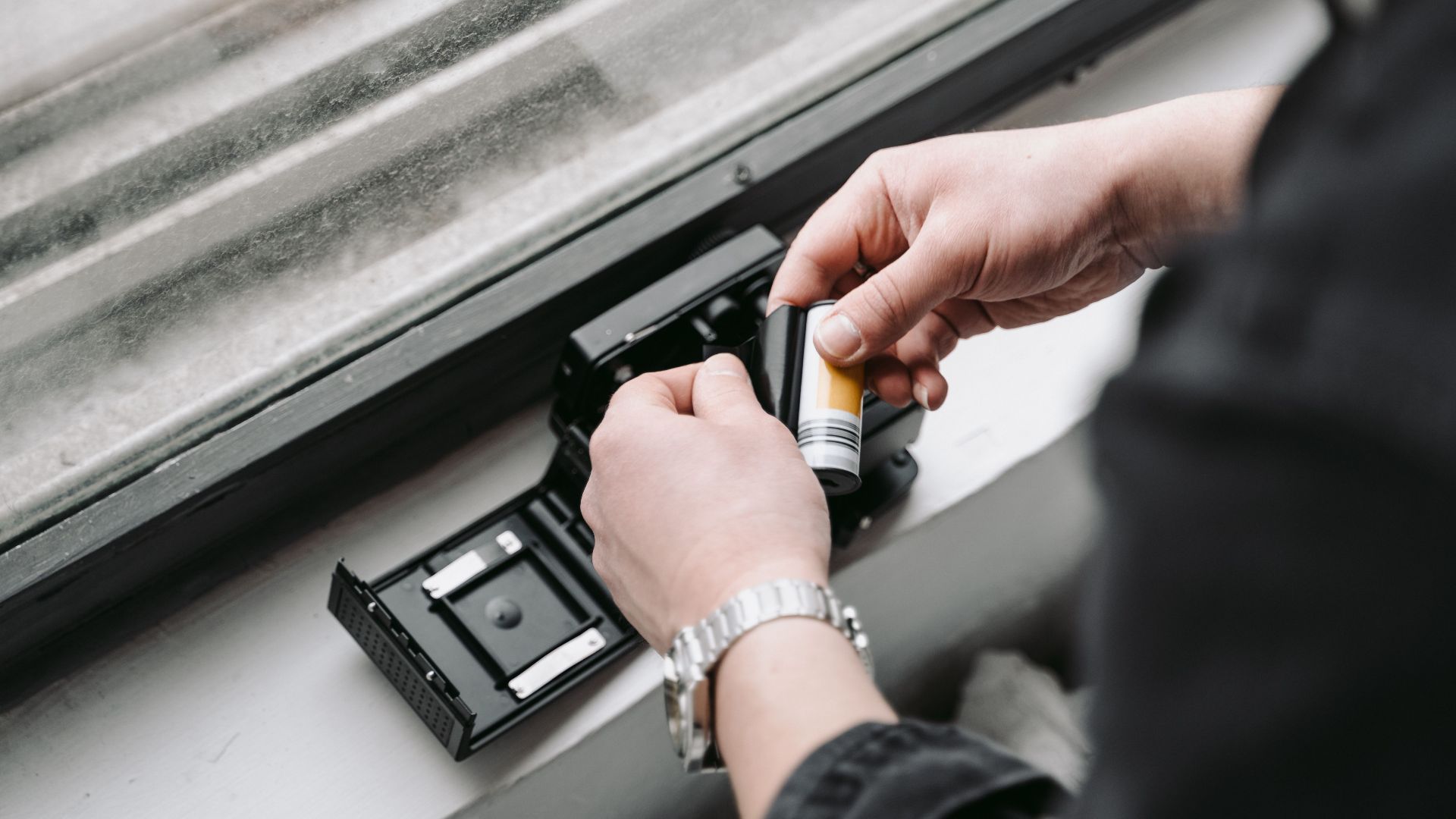
Before the LP, a set of songs came as several 78 rpm records stored in a bound book with paper sleeves, which looked like a photo album and got the same name. The format changed twice and the word never did. A collection of streamed tracks is still an album despite having nothing to bind.
17. Radio Buttons in Forms
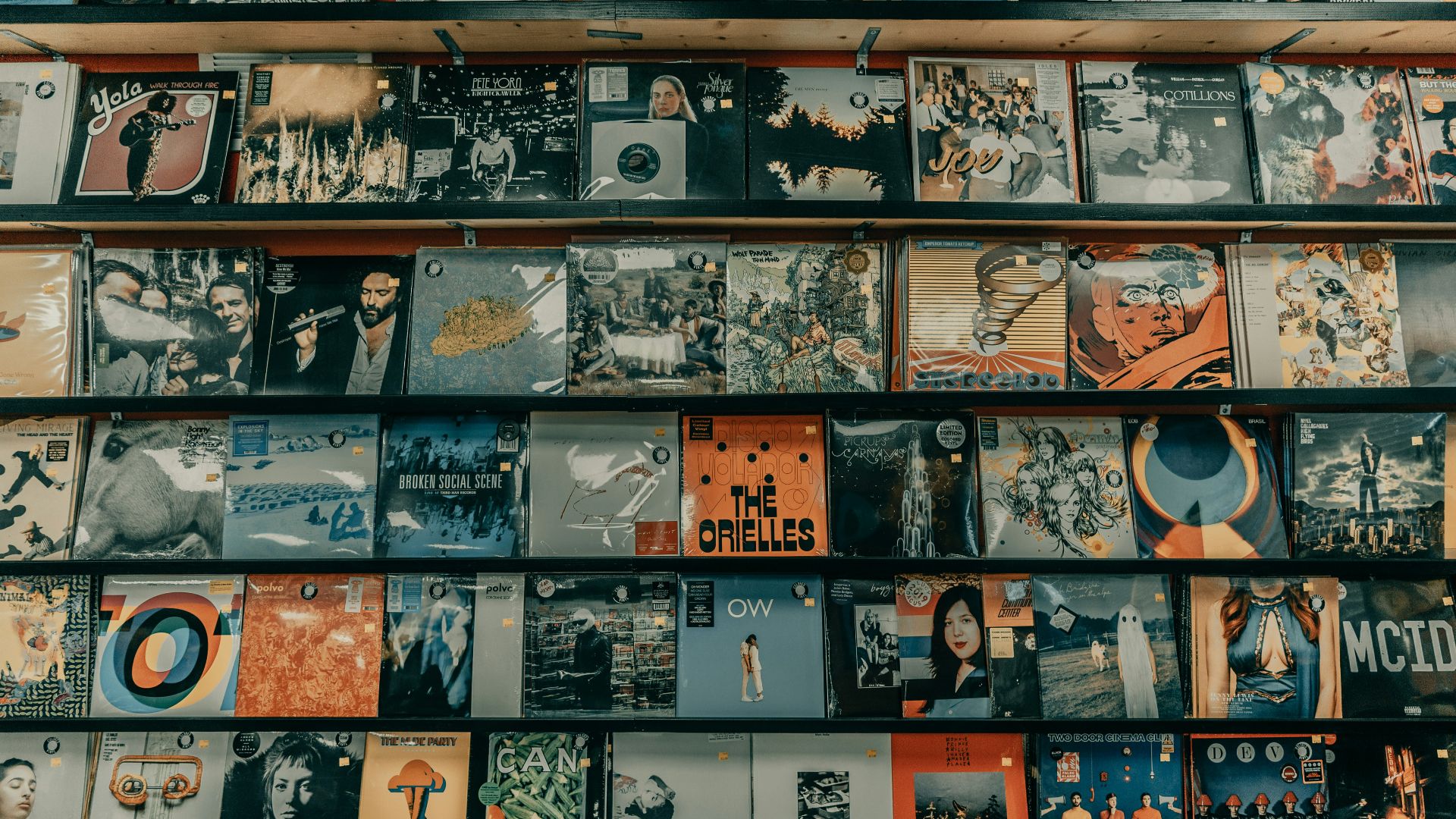
Those little circles where selecting one clears the others come from car radios with mechanical preset buttons. Pushing one physically popped the others back out, since only one station could play. The on-screen version copies that behavior exactly and took the name along with it, which is why nobody can explain the term without mentioning cars.
18. Blowing Into a Cartridge
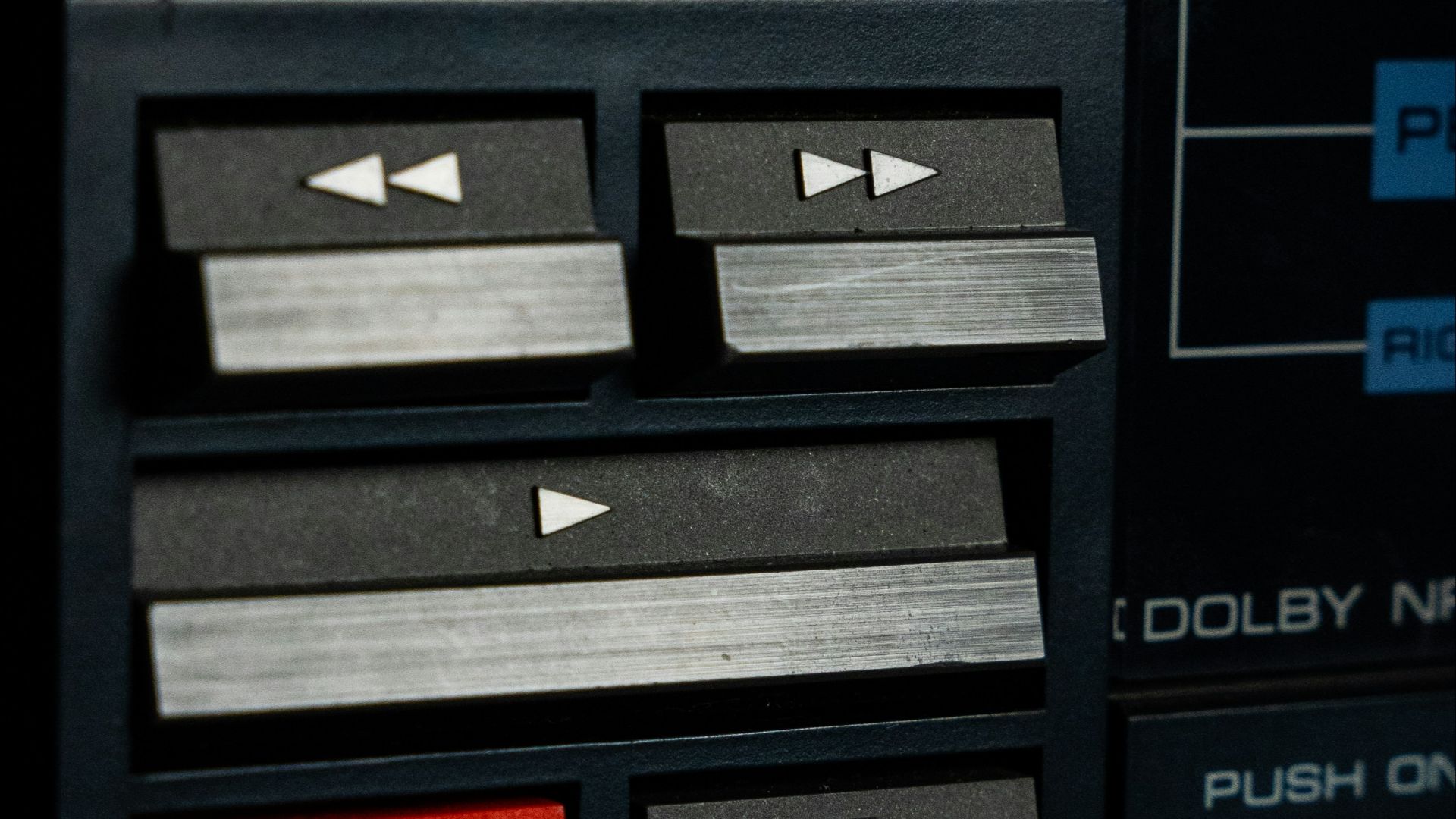
Nintendo owners blew into game cartridges for years, convinced it fixed the flickering screen. What actually helped was the reseating, and the moisture from your breath corroded the contacts over time. It became a reflex so widespread that people still do it to things that have never had contacts.
19. Cut and Paste
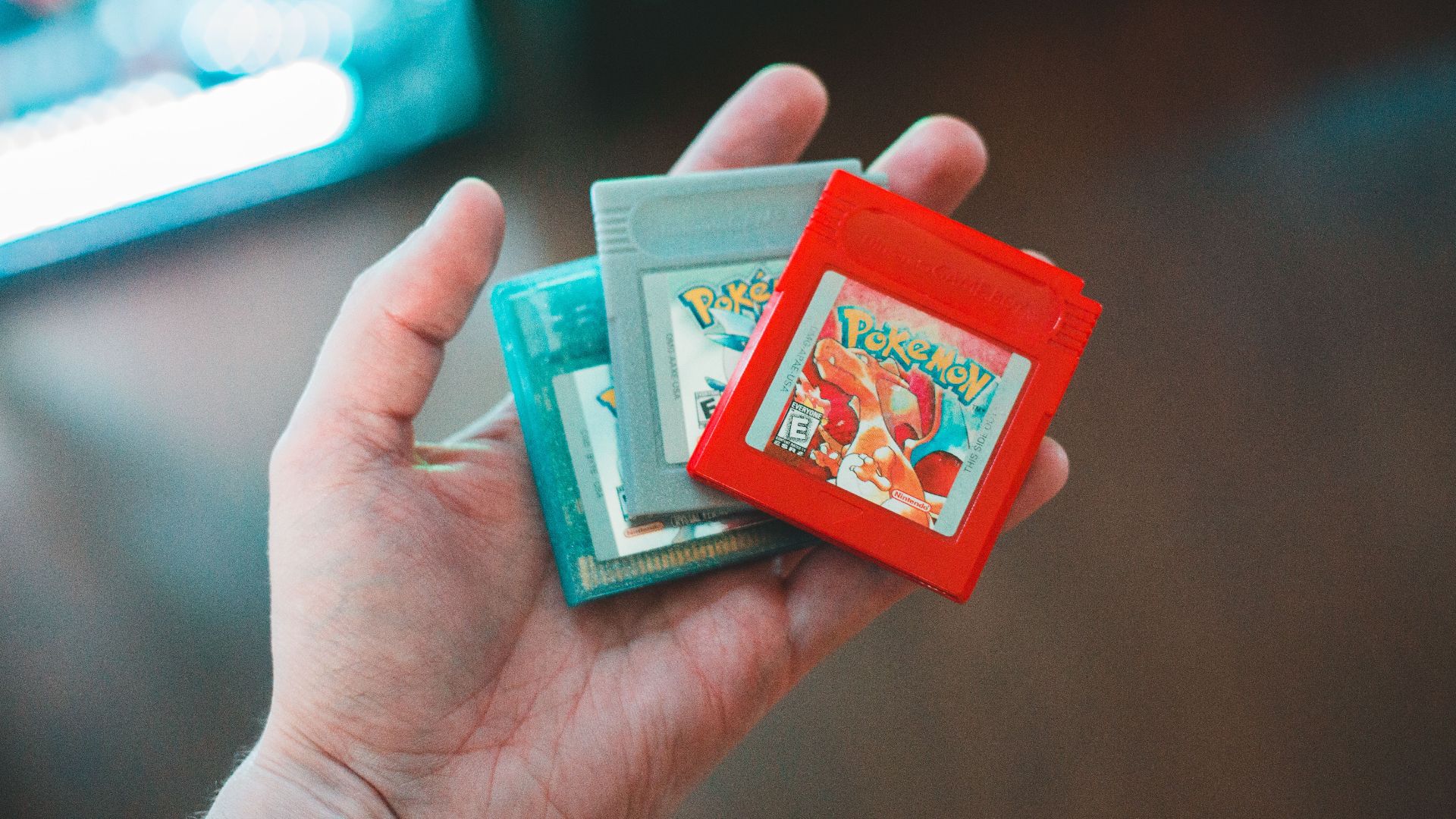
Editors laying out pages worked with scissors and adhesive, physically cutting a paragraph out and sticking it somewhere else. Film editors did the same thing with strips of celluloid, which is where cutting a scene comes from. The commands in every text editor describe a craft that involved actual glue.
20. Calling It Footage
Film was sold and measured by the foot, so a director talking about how much footage they had was giving a literal length. Digital video has no physical length to measure. The term now covers video of any kind from any source, none of it measurable in feet.