An Early Look at the Future
Playing Tetris at seven years old might have felt revolutionary, but you'd be surprised at some of the more elaborate gameplay that existed even before rapid technological advances. Of course, video games have always evolved at a wild pace, but every so often, you'll have a title that pushes the limits. Looking back now, it’s striking how many features we consider normal today actually already appeared decades ago.
 Francisco Gonzalez Romanelli on Unsplash
1. Elite (1984)
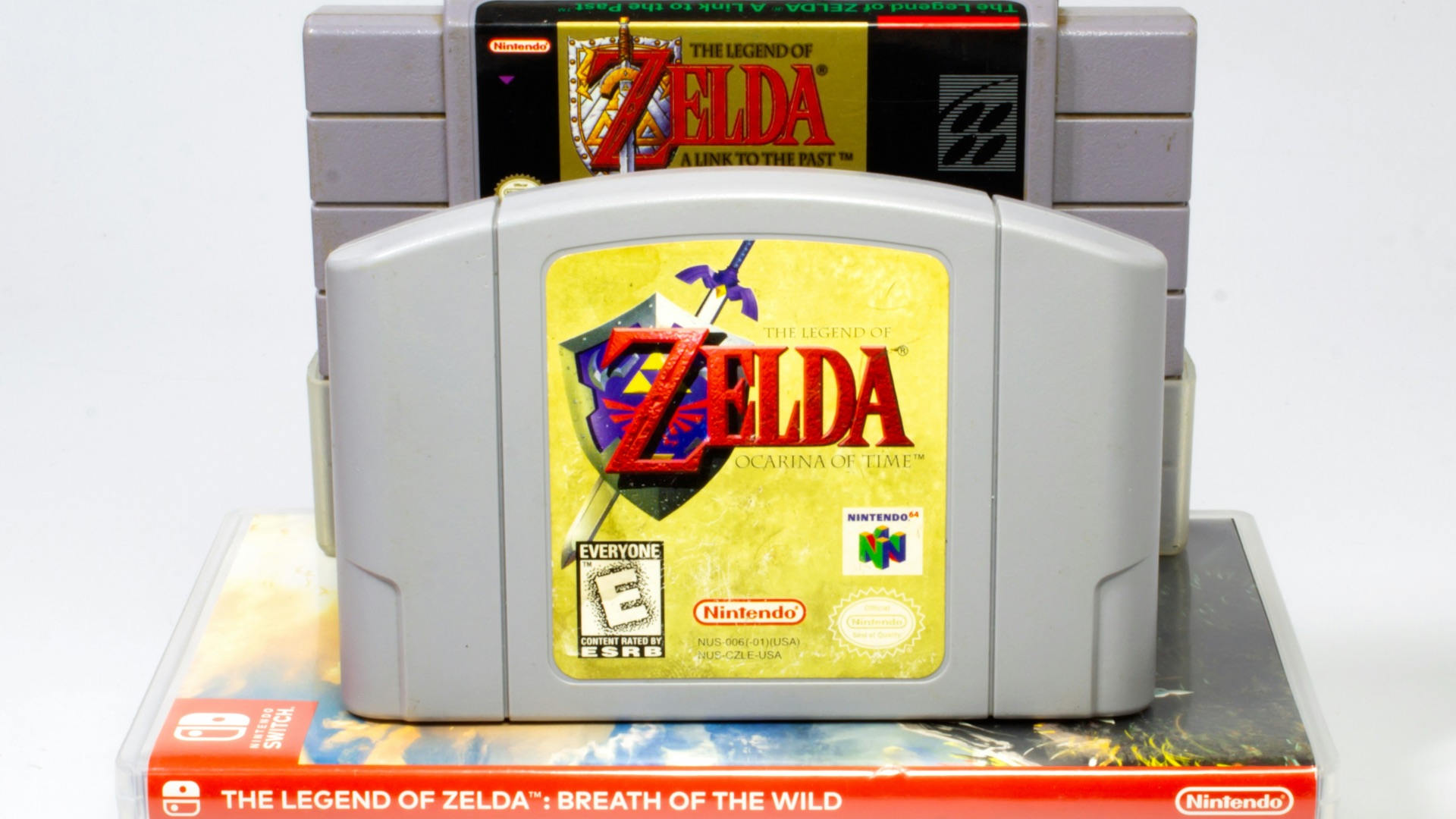
At a time when home computers had extremely limited memory, David Braben and Ian Bell gave players something to chew on. Procedural generation allowed Elite to offer a vast collection of star systems, while players could trade, fight, and explore. Its emphasis on open-world space is a format developers still pursue today.
2. Ultima IV: Quest of the Avatar (1985)
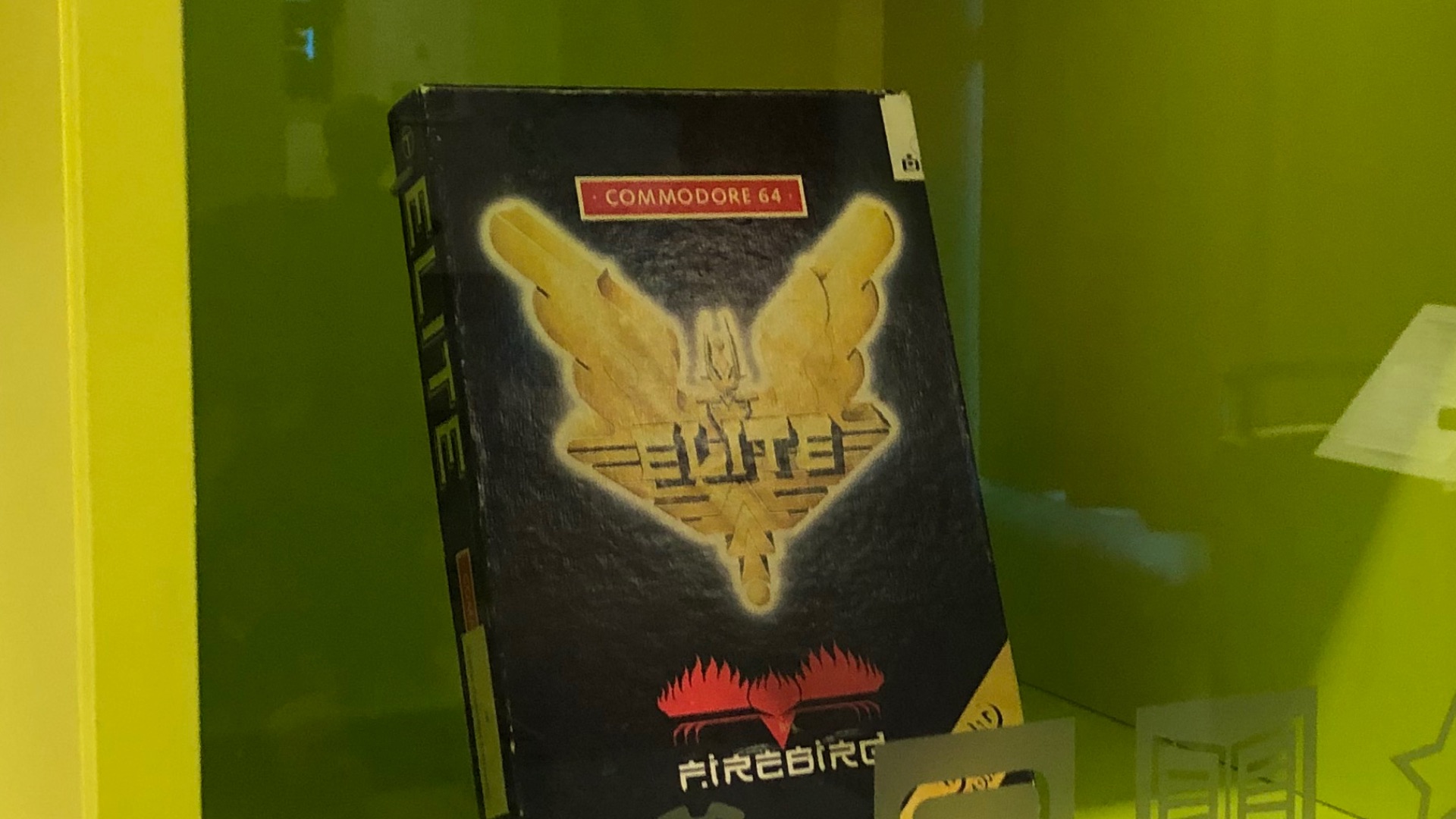
Most role-playing games back then had villains to defeat, but Ultima IV made personal conduct the central objective. The game tracked eight virtues—honesty, compassion, and humility, to name a few—and your actions directly affected your progress. Keep in mind that this was decades before morality systems became a familiar RPG feature!
3. The Sentinel (1986)
The Sentinel presented 3D landscapes on machines that had very little processing power at the time; a whopping 10,000 different landscapes were generated for players to tackle. Even more unusual was its cerebral gameplay, which emphasized positioning, visibility, and resource management.

4. Habitat (1986)
Long before online social worlds became commonplace, Lucasfilm's Habitat offered just that: a shared virtual environment where players interacted through avatars. Connecting people online aside, allowing a community to develop inside a graphical space was a pretty big feat. Virtual worlds are all too familiar now, but in the mid-1980s it was extraordinarily ambitious.

5. SimCity (1989)
Instead of asking players to defeat enemies, SimCity simply placed players in a virtual city. From transportation to population growth, nearly everything responded to the decisions you made. Its open-ended simulation design proved that watching complex systems respond to player decisions could be entertaining on its own.

6. Another World (1991)
Another World was known for its cinematic approach to storytelling: its animation, visual direction, and seamless transitions helped create a cohesive experience more than many other games of its era. Plenty of later developers would try to mimic it, but Eric Chahi was already exploring those ideas on early-'90s hardware.

7. System Shock (1994)
System Shock, too, was packed with interconnected environments and environmental storytelling, along with several ways to approach dangerous situations. Its CD-ROM edition also used spoken logs and messages to deliver story information, meaning players were able to continue exploring without pause. It wouldn't be a stretch to say that modern titles associated with immersive sims and narrative-driven first-person games took inspiration from here.

8. The Elder Scrolls II: Daggerfall (1996)
Open worlds weren't new in 1996, but the scale Daggerfall pursued was hard to match. Here, there was an enormous fantasy environment filled with towns, quests, and places to explore, all the while players had complete reign over their characters and what to do. Despite modern titles, Daggerfall's sheer ambition still feels unusually contemporary.
 Photography Maghradze PH on Pexels
9. Quake (1996)
Countless first-person games existed before Quake, but the technology used here was still an enormous leap forward. Aside from fully rendered 3D environments in real time, Quake created a foundation that would influence later generations of shooters and game engines.

10. Ultima Online (1997)
Ultima Online created a fantasy world where people could fight, trade, own property, and socialize—much like your average MMORPG game now. Keep in mind, though, that this was back in the '90s. In fact, many of the elements that later became standard parts of MMORPG design were already showcased here during the genre's formative years.
11. Thief: The Dark Project (1998)
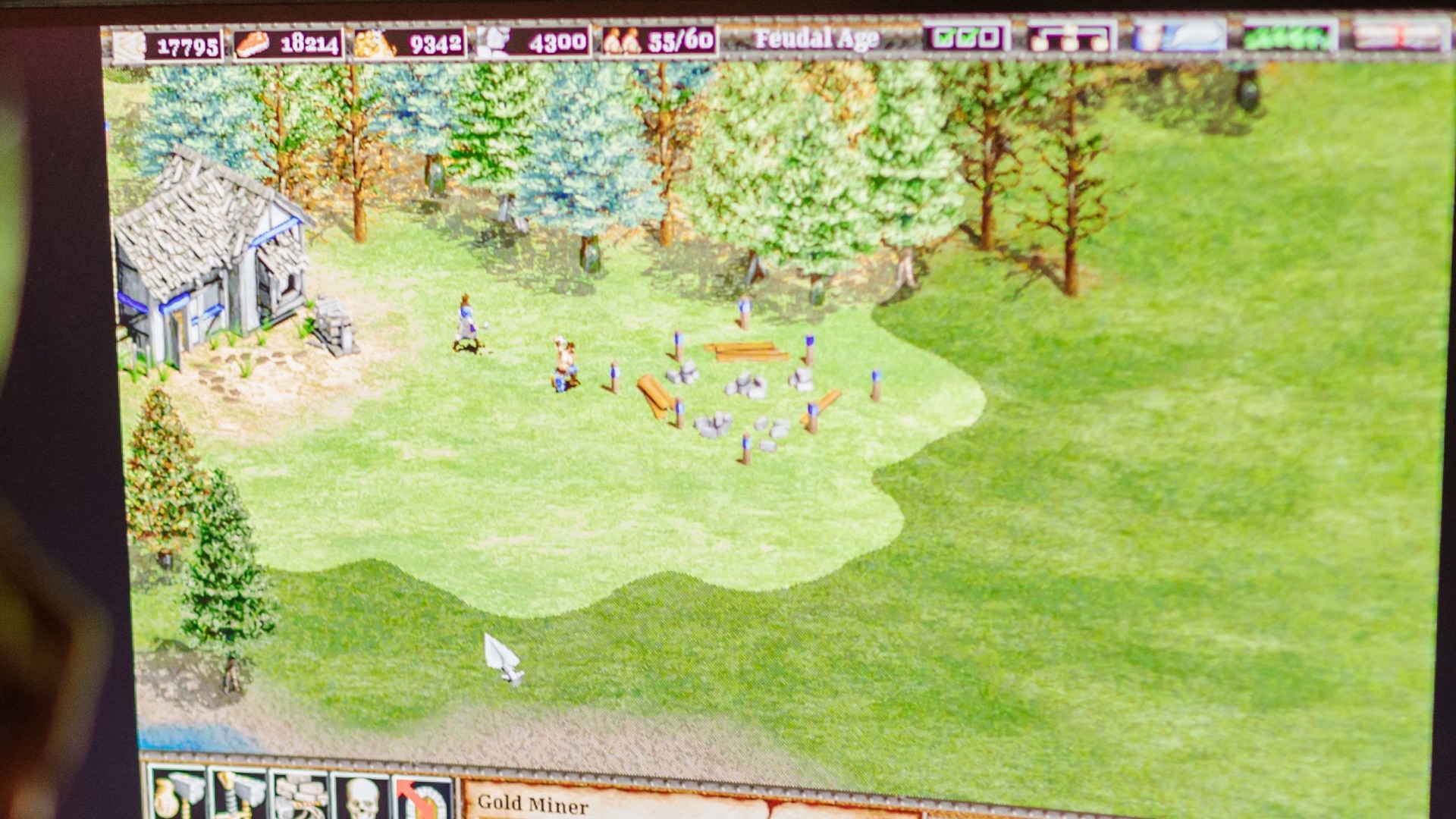
At a time when first-person games were largely associated with combat, Thief avoided it. Players were instead encouraged to carefully observe their surroundings before acting. Its unusually elaborate stealth systems would eventually become something developers would continue refining across action games for decades.

12. Jurassic Park: Trespasser (1998)
Bigger is better, and the developers of Trespasser took that to the extreme. They used extensive real-time physics, large outdoor environments, physically manipulated objects, and unconventional bodily interaction at a time when most PCs struggled to handle the workload. The result wasn't perfect, but many of its ideas don't feel so far-fetched now during the age of virtual-reality games.
 Fausto García-Menéndez on Unsplash
13. Half-Life (1998)
Far from being just another first-person shooter game, Half-Life delivered much of its narrative through scripted events and character interactions. That approach made storytelling feel much more integrated with exploration and combat, and it's no surprise its design philosophy became enormously influential.
 Long Zheng from Melbourne, Australia on Wikimedia
14. Shenmue (1999)
Though you could write off Shenmue as another open-world game, the detail in it was extraordinary for the late 1990s. Everything in the gameplay was cohesive: characters followed schedules, shops operated during set hours, weather changed, objects could be examined, and mundane activities existed alongside the central mystery. It also helped popularize quick-time events, making Shenmue a prime exemplar for other titles of the genre.

15. Seaman (1999)
Talking to a virtual creature through a microphone might not sound so bizarre in the modern era, but this was before the turn of the century. Seaman had a simple objective: take care of an unusual digital pet and converse with it using the console's microphone accessory. Voice-controlled assistants are much more technically capable today, but certainly not then.

16. Deus Ex (2000)
The freedom in Deus Ex might feel remarkably familiar to modern RPGs, but keep in mind the game arrived in 2000. Everything in it was what you'd expect from similar immersive sims: levels supported stealth, combat, character upgrades, and exploration, with choices sometimes producing consequences much later in the story.

17. The Legend of Zelda: Majora's Mask (2000)
Majora's Mask placed many residents on detailed schedules, and events unfolded across a repeating three-day cycle. Unlike a world built around characters who simply waited for Link to appear, this interactive structure created an unusually dynamic sense of time that remains distinctive even among far newer games.
18. Phantasy Star Online (2000)
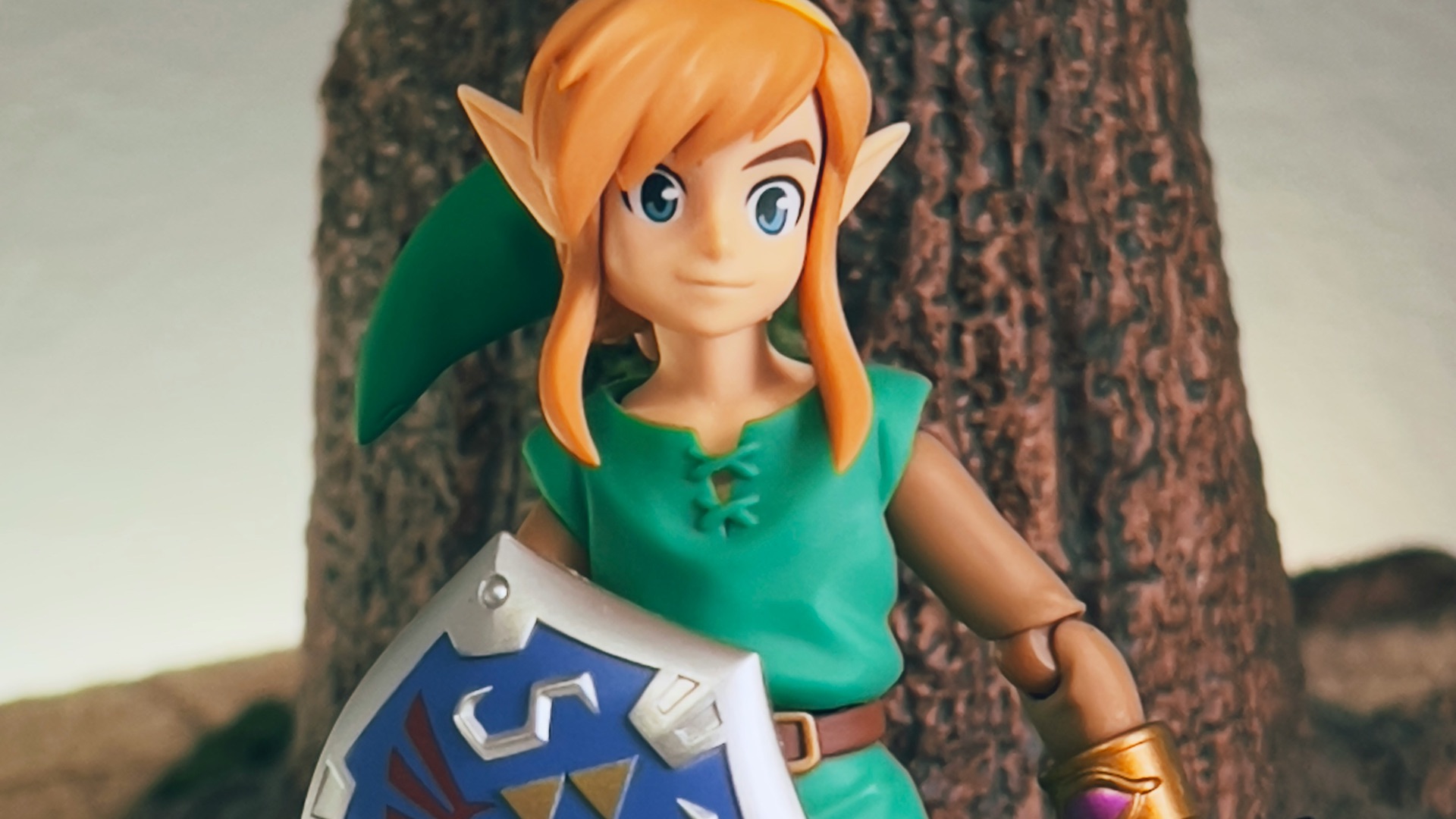
Console gaming was still overwhelmingly associated with offline play in the 2000s, but Phantasy Star Online, true to its name, let players connect over the internet, meet in shared spaces, and tackle adventures together in real time. Online console gaming would later become completely ordinary, but Sega's early commitment was rather ambitious.
 KniBaron from Bangkok, Thailand on Wikimedia
19. Metal Gear Solid 2: Sons of Liberty (2001)
The technological achievements of Metal Gear Solid 2 were impressive, but its narrative ideas have aged even more remarkably. The story spends considerable time dealing with themes like virtual reality and AI—topics that were still largely obscure at the time. Those subjects, of course, would go on to become more familiar, but only decades later.
 - EMR - from Chicago, USA on Wikimedia
20. Black & White (2001)
In Black & White, players played as god, where each of their moral actions affected the outcome of the game. The game also experimented with gesture-based interaction and a largely interface-free presentation. Artificial life and strategy are the main themes, which is pretty surprising given that it was released in the early 2000s.